Meaningful Engagement

The volunteer experience is meaningful.

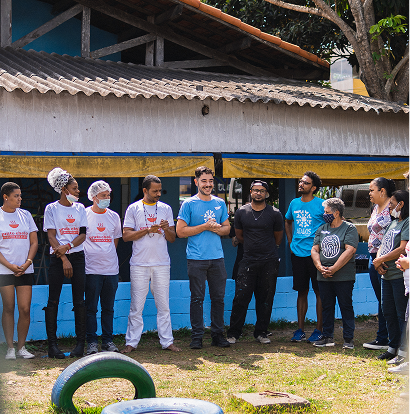
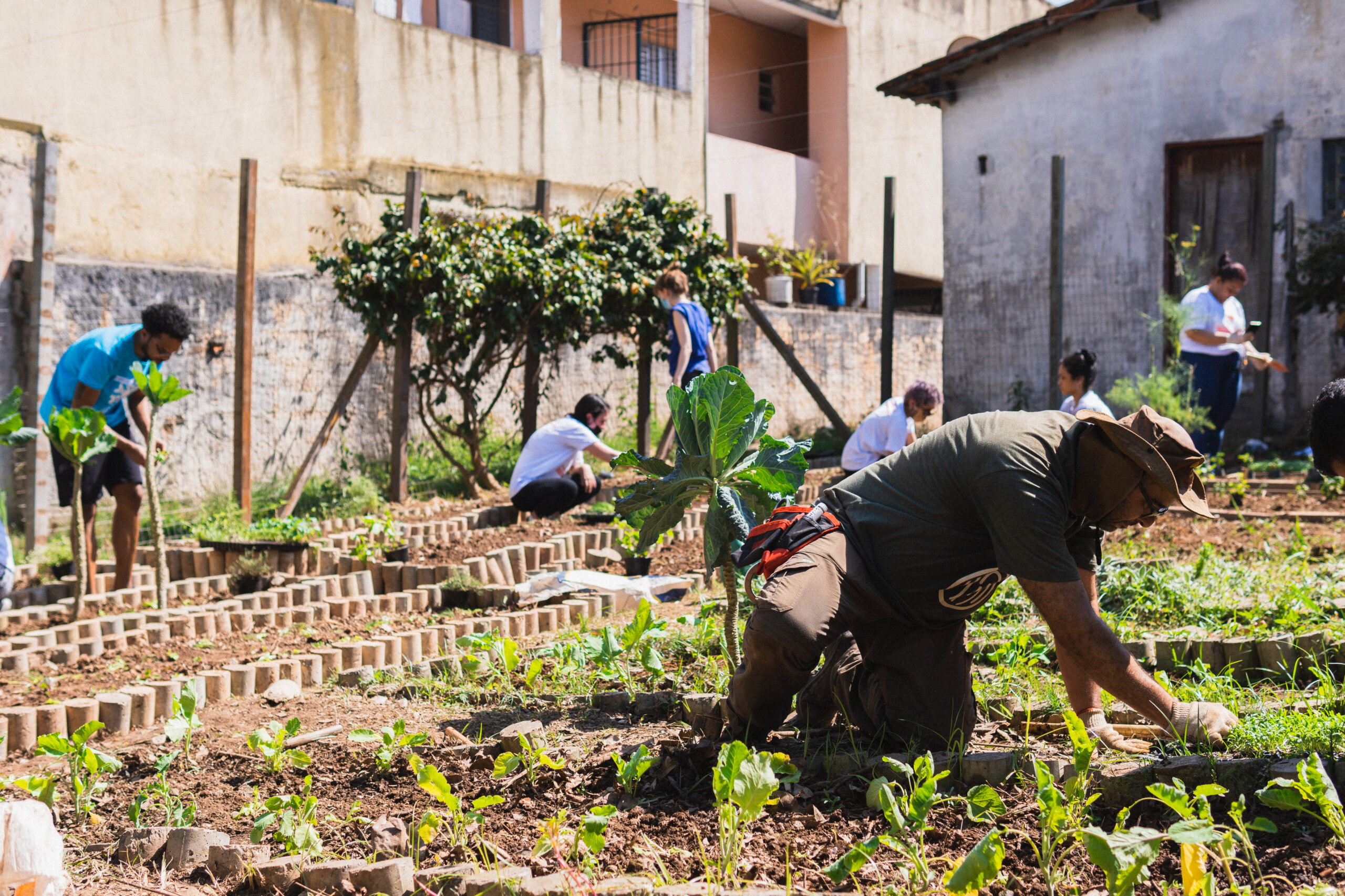
Volunteering is most powerful when people feel a genuine connection to one another, to the causes they care about, and to the communities they serve. Through service, people build belonging, purpose, trust, and relationships that strengthen the social fabric. Volunteering also creates opportunities to build empathy and bridge divides. More people see themselves in service and contribute in ways that reflect their lives, skills, identities, and lived experiences.

Goals for Meaningful Engagement

Design Volunteering that Meets People Where They Are and Drives Impact

Experience means moving beyond one-size-fits-all models to design volunteering that is meaningful, flexible, and relevant to people’s lives – recognizing informal and formal participation alike, and creating experiences that build connection, purpose, belonging, and a sense of agency while driving real community impact.

Emerging Opportunities for the Field:
1. Define Purposeful Volunteering Frameworks and Standards
2. Support Volunteer Growth and Leadership
3. Strengthen Faith-Based Entry Points into Volunteering
4. Connect Informal and Formal Volunteering Pathways


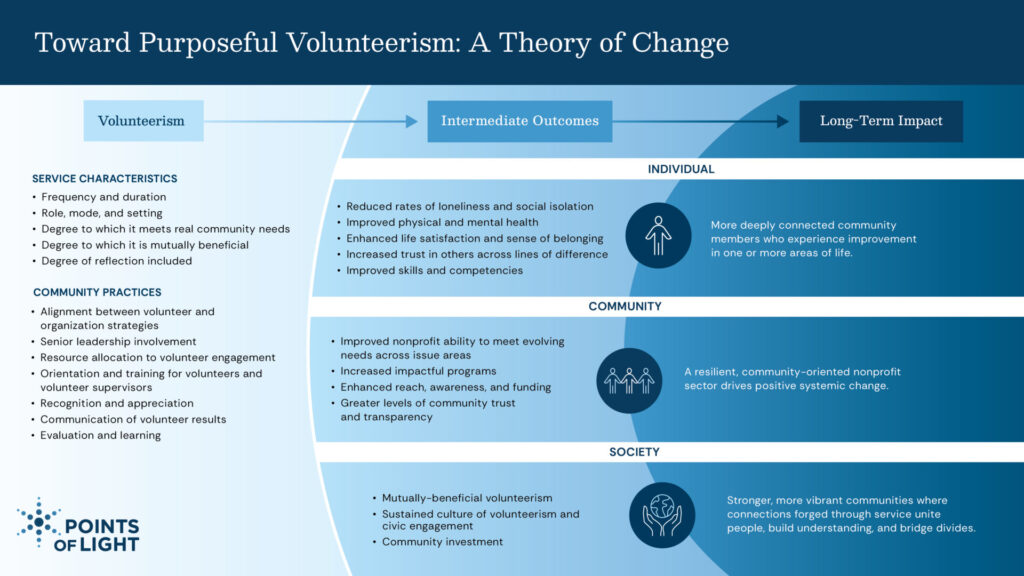
Toward Purposeful Volunteerism: A Theory of Change Toward Purposeful Volunteerism: A Theory of Change

Toward Purposeful Volunteerism: A Theory of Change

Purposeful volunteering requires intention. This theory of change shows how, when designed well, volunteering creates positive outcomes for volunteers, organizations, communities, and society.

The National Volunteer Strategy is the roadmap for making those conditions a reality. Its framework and goals outline how we can work together to strengthen volunteering and create more opportunities for people to engage in purposeful service.