
Meet Daily Point of Light Award honoree Ira Bagga. Read her story, and nominate an outstanding volunteer or family as a Daily Point of Light.
One in eight people with ovaries suffers from Polyendocrine Metabolic Ovarian Syndrome, or PMOS (formerly PCOS). It’s a multisystem hormonal disorder that can cause a variety of side effects and can lead to things like Type 2 diabetes, infertility, and increased risk of ovarian and uterine cancer, to name a few. There is no cure.
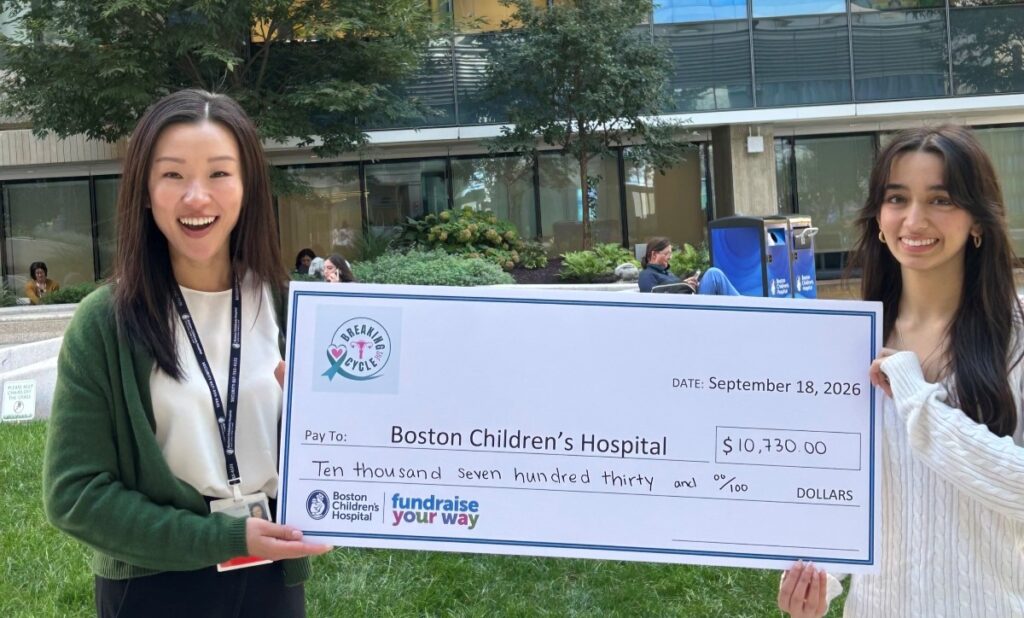
During her sophomore year of high school, Ira Bagga, now a senior, started BreakingTheCycle with the goal of making women’s health education accessible and evidence-based, particularly surrounding PMOS. Since then, her efforts have netted over $10,700 for PMOS research and landed her an invitation to speak on a panel at the 2026 PMOS Awareness Symposium associated with Harvard Medical School.
After presenting the importance of youth-led advocacy in women’s healthcare, she led high school students in developing policy reforms. Through similar events as well as workshops and social media, BreakingTheCycle has reached more than 250,000 people, building enough interest to expand to 10 chapters.
Ira also leaned on her passion for art to start a chapter of The Athena Project, the only one in Arizona. She works with local communities to host art projects or collaborative murals, which has motivated her to bring more artistic endeavors to Breaking the Cycle.
Tell us about your volunteer role with BreakingTheCycle.
Initially, it was mostly running meetings at our school and engaging people through activities. We have since expanded to multiple parts of the country and collaborated with many organizations.
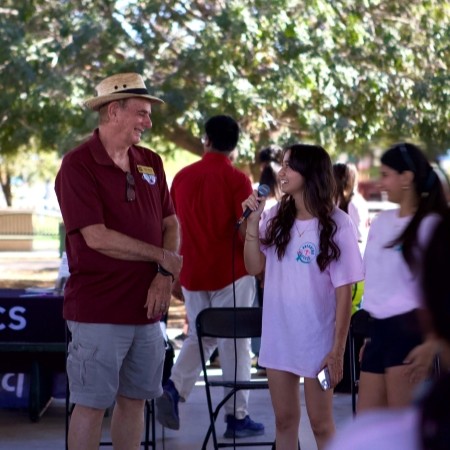
Now, my work is primarily reaching out to organizations, organizing events, and leading chapter heads and board members. Last month we held Arizona’s first PMOS Walk, which took over three months to plan. I reached out to vendors and doctors for the speakers’ panel, managed logistics and registration costs, and did a lot of outreach. On the day of the event, I set up the venue and oversaw things. Over 200 people showed up!
At farmers markets and other organization’s events, we spread awareness through our booths. We sell volunteer-made bracelets that raise funds for Dr. Jia Zhu’s research lab at Boston Children’s Hospital where she studies the influence of genetic factors on PMOS.
We’ve hosted a couple of events, like a pickleball tournament and distributed educational bookmarks at health clinics. And, we’ve worked with partners to host virtual webinars for people unable to come to our in-person events.
What inspired you to get started with this initiative?
I often heard the term PCOS, now known as PMOS, when the doctors I was shadowing sophomore year spoke to patients. I did some research and discussed it with friends, many of whom felt like they’d had some of the symptoms but didn’t know what to do about it. There are a lot of symptoms: irregular periods, abnormal hair growth, severe acne, ovarian cysts, etc.
So, I started a club and a podcast with friends to raise awareness, particularly amongst my peers. I quickly moved past the podcast to ideas that helped me better engage people my age. Since then, we’ve been hosting fun, youth-oriented activities, while spreading awareness in certain adult communities as well. One of our goals is fundraising for PMOS research because it–and women’s health in general–is heavily underfunded.
What are your long-term plans or goals for the organization?
We want to bring our work to healthcare spaces. Soon, we’ll be collaborating with organizations like Origami for Good and The Wishing Crane Project to host awareness displays and use art to educate people in hospitals and private clinics.
What’s been the most rewarding part of your work?
When people say, “I have PMOS and didn’t know about the name change.” We’ve had people visit our booth and feel validated to have a condition displayed publicly. They invite other people over. It’s also amazing to see people at school actually talking about it. Even guys know what PMOS is now.
Why is it important for others to get involved with causes they care about?
Many girls have confusion about their menstrual health, and there aren’t many resources for them, particularly on PMOS. People often think PMOS affects a single part of the body, but it can affect someone’s daily life in many different ways, like their mental well-being. It can become more serious with things like insulin resistance and heart health problems. We really want to encourage young women to research and understand their own health and advocate for themselves.
You don’t need to be a medical professional to impact women’s health. You don’t need a huge platform to educate someone or start a conversation. We’ve seen how small efforts can reach people who might otherwise never learn about PMOS. It can help others feel less alone in experiences that are often misunderstood or overlooked.
Additionally, meaningful change happens when people most affected by an issue have a say in how it’s addressed. Listen to them. Young people often notice gaps that others overlook, because we experience them firsthand or see how they affect our peers, families, and communities. When something troubles you personally, you bring a perspective that others might not have. Getting involved gives us the opportunity to turn our own experiences, questions, and concerns into solutions that actually reflect what our communities need.
What do you want people to learn from your story?
A lot has been trial and error. Initially, I didn’t get responses from larger organizations, so I shifted my focus to smaller projects and other ways to build the organization. Over time, those led to collaborations with organizations I’d initially struggled to reach. Sometimes, you just have to start somewhere and keep going.
PMOS is a complex metabolic condition that affects more than reproductive health. Symptoms can begin early, when people may not know what to look for or feel comfortable discussing with a physician.
People can experience completely different symptoms, which means care needs to be individually tailored. Through BreakingTheCycle, I hope we can help people feel more confident seeking reliable medical guidance and advocating for their health.
Do you want to make a difference in your community like Ira? Find local volunteer opportunities.