Today’s post is republished from the AmeriCorps Alums blog who, as part of Black History Month, is sharing inspiring stories from Black and African American alumni of AmeriCorps throughout February. Our first post comes from Tomika Anderson, a two-term AmeriCorps Alum and current AmeriCorps Program Manager at Playworks. Read more stories on their blog all month long.
My second year of AmeriCorps came at an unusual time for me. I was in my late 20s, finished with grad school, and had several years of professional experience under my belt. I found myself in a really bad work situation and opted to leave instead of being miserable every day. I decided to do another year of AmeriCorps in order to give back. What I didn’t plan on was getting something valuable out of my experience. I knew I’d help others, I knew I’d bring something good to the team, that I would work hard and do everything I could to do good, but I had no clue the gift I would receive from my time with the Youth Volunteer Corps.
Below is an excerpt from my personal blog that year that can explain what I mean:
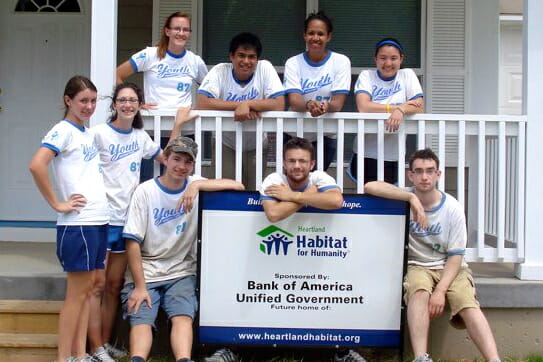
Serving during Summer Week 1: Habitat for Humanity with the Youth Volunteer Corps of Greater Kansas City.
April 2011: My life has been really hard this year. I’ve had some really unfair and challenging things to face and overall, it’s just been hard. Despite the hardships, I’ve found ways to be happy this year: my family, my friends, my future, there are good things happening. But today especially, I experienced something that made me feel really, really good about being me and about the choices and sacrifices I’ve made, as well as our country’s future.
I work as an AmeriCorps member with the Youth Volunteer Corps of Greater Kansas City. I am a Team Leader who, along with my team, essentially runs the program under the direction of a program director and a part-time assistant.
For our year of service, we:
Cultivate relationships with area nonprofits that have volunteer needs.
Design volunteer projects (on Saturdays, after-school, within schools, special holidays like MLK Day of Service and over the summer), these projects can include painting, cleaning, caring for the elderly, children or animals, etc. They also include service-learning components and team and leadership building lessons for the youth doing the volunteering.
We recruit youth (ages 11 – 18) to come and volunteer at the projects.
We volunteer alongside of them while teaching and supervising.
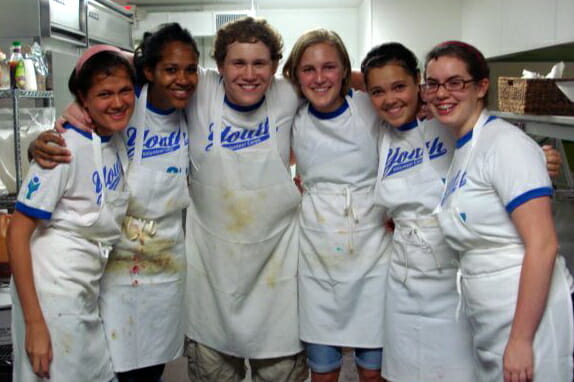
Serving during Summer Week 2: Kansas City Community Kitchen with a group of Youth Volunteers.
There are highs and lows of the actual job, of course, and it’s a constant learning process whether it’s creating new systems in the office or dealing with a problem kid who doesn’t want to work. The greatest thing about this job, however, is also one of the things that made me commit to the nonprofit sector, both academically and professionally. It’s the people who serve, in this case, youth.
This morning, we begin accepting applications for our Summer Program. The program is 8-weeks long (much like summer camp). There are five project choices each week at a variety of Kansas City nonprofits. Youth can sign up for one week or all eight and they commit to a minimum of 24 hours per project (9-3, M – Th). These projects are fun and work for the youth and can often be a huge opportunity for a struggling nonprofit. The amount of work that a group of just 10 youth can get done in 24 hours is incredible; in fact, one of our biggest challenges is ensuring that the youth will have enough to do and not get bored! This year we have 40 projects with 560 individual spots for Youth Volunteers. I don’t quite remember the math, but it’s about 15,000 hours of service in 8-weeks.
To apply, youth or their parents had to come into the office beginning at 7 am to turn in their application. Last year, we had several early birds so we were prepared for a rush of applicants first thing. I arrived at the office this morning at 5:30 am to be greeted by five teens and two parents who had proudly claimed their spot to begin the line. By 6:30 am, more than 50 people were in line, by 7 am over 80. By 8 am, after one hour of accepting applications, more than 150 youth had signed up. By the time I left at 6:15pm that night, 90% of the projects were full. There was no iPad, no concert tickets, no celebrity to photograph. The prize at the end of the line was serving their community…all by people 11 – 18.
How special is that?
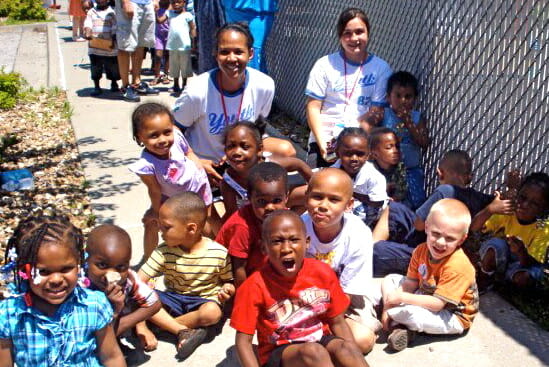
Serving during Summer Week 4: Operation Breakthrough with Audrey Simmons, Youth Volunteer.
People say this country is in trouble. People say youth have no voice. People say that family and community values are lost. They are wrong. This country has its issues, duh, but how incredible is it that kids will wake up hours before school to ensure that this summer, they get to volunteer? To commit to this program, youth are giving a large part of their summer where they could otherwise be working, playing, sleeping, traveling, you name it, but they have spoken. They want to volunteer.
This sector that I serve allows that to happen. It houses amazing 501c3s that change bad to good. It gives back. It teaches kids the importance of caring about where they come from and helping those in need for no reason but because it’s the right thing to do.
I’ve had a crappy year, there’s no doubting that. But these kids have changed my life and made me see love in a way that is truly, truly special. Not sure what your summer plans are but I guarantee you, my summer plans are pretty unbeatable.
Tomika Anderson, a two-term AmeriCorps alum, currently works as the AmeriCorps Program Manager at Playworks, a national nonprofit organization that transforms schools by providing play and physical activity at recess and throughout the school day. Formerly, she managed a skills-based international volunteer program at Architecture for Humanity and helped create and manage an AmeriCorps partnership program with NCCC and the Nonprofit Leadership Alliance. Tomika resides in San Francisco, CA and in her spare time loves running, Major League baseball, mentoring college students, and volunteering.
How Do We Plan A Global Volunteer Event?
Today’s post is written by Cynthia Tereasa Jones, Manager, Community Involvement at Mondelēz International, who will be hosting a free live webcast, in partnership with Points of Light, this Wednesday, February 13, 2013, 2:00-3:00pm EST. Register today!
When the company wanted to establish a global week of volunteer service, I was relatively new to the area. Although I was familiar with coordinating volunteer events, such as one or two days of service in six states no doubt, I could only imagine the task ahead of us. Our charge was to develop a global week of volunteer service, recruit as many countries to participate as possible and do so with very little staff.
Wow, I was excited and petrified at the same time. However, I am an optimist. No matter how big the task, I always say, “we can do it, if we work together,” though there were only seven of us.
How did we plan a volunteer event of this magnitude in the same week around the world? We needed a plan, a strategy, tools and more to get the job done. Well, needless to say, we did it. However, it didn’t take one or even seven. It took a network, key partnerships, creativity and of course, hard work to pull this off. Did I mention, we didn’t just create a global volunteer event, but a volunteer program to keep employees engaged in a changing environment throughout the year?
I invite you to join me to learn more and find out how we pulled it all together. What tools did we use? Who did we partner with? How did we survive? Whether it’s out of curiosity or to gain insights, we learn by exploring and sharing.
I am proud of what we’ve accomplished. There’s still so much more we all can do to help our local communities. Join me. Sign up for our webinar tomorrow and share your stories with us in comments.
Change Notes: Five Years Later, Reflections on a Merger
Friends,
When President George H. W. Bush described his vision of 1,000 points of light, I was one of a handful of 20-somethings in Atlanta trying to build a movement of people who wanted to roll up their sleeves and solve local problems. It was 1989, and we were raising money by asking people to fill up empty beer mugs with small donations.
At the same time, President Bush was assembling an influential group of business and community leaders at Camp David to launch a new voice for volunteer service supported by millions in federal funding.
For almost 20 years, the group I helped to build, the HandsOn Network, and the group President Bush helped start, Points of Light Foundation, sometimes worked together and sometimes competed. Always, we shared a commitment to create change through volunteer service and civic engagement.
Five years ago, our two groups took a step that’s all-too-radical in nonprofit circles: We merged. It hasn’t been easy, but it has been effective. Together we mobilized more volunteers and created much more change than either organization could have alone.
In 2012 alone, Points of Light mobilized more than 4 million volunteers to serve 30 million hours. Over the years, we reduced our reliance on federal funding from 44% to 5%, while at the same time adding affiliates in 42 cities across the globe. We brought together four organizations to create generationOn, Points of Light’s youth service initiative, and added 500 kids clubs leading change.
We consolidated our Affiliate Networks into a single network with standards, benefits, and a return on investment of $27.61 for every $1 of dues. From 2009-2011, Affiliates increased volunteer engagement by 22% (an additional 460,000 people), added more than 17,000 new partners.
Our Corporate Institute, through an amazing coalition called Billion + Change, obtained commitments for $1.9 billion of pro bono service from over 250 companies to date. In partnership with Bloomberg BusinessWeek and the National Conference on Citizenship, we created the Civic 50 to recognize companies with the most robust civic engagement practices.
HandsOn Tech Corps, launched in 2011 through a signature partnership with Google, has trained 4,400 nonprofit staff in seven cities to date to leverage technology to engage volunteers more effectively. We have mobilized 68,000 volunteers in long-term recovery efforts in disaster response in 11 states. We are deploying VISTA members in 28 cities with HandsOn Schools Attendance Corps to increase school attendance. And we have partnered with Exelis and a coalition of veteran organizations to launch the Community Blueprint. Veteran Leader Corps members are serving veterans and military families in 35 communities in total with plans to grow to 200.
Clearly the whole is greater than the sum of the parts.
Is your organization ripe for merger? As competition for funds and attention gets tougher, mergers will be increasingly important and necessary. So what can make them easier?
Pro bono help. Points of Light was lucky to have the pro bono support of Accenture’s dedicated strategy team and McKenna Long & Aldridge’s extraordinary legal team. Their help was essential to our success. A pro bono bank of private sector resources combined with a philanthropic investment would create enormous leverage.
Patient funders. While funders unanimously herald the idea of consolidation and the cost efficiencies that mergers promise, there are precious few willing to invest the patient capital required for a successful merger. We need more.
Good will and honesty. I must have had a hundred people tell me that “culture eats strategy’s lunch” every time. And it’s true: Culture and relationships do trump all else. Mergers can only work when both parties share a vision and work to create a merged culture of honesty and good will.
Stamina. When we merged, people told me it would take three years to complete the merger. I couldn’t imagine it would take that long, but it took every bit of that and more. To make mergers work, we must focus on the horizon, with support from board members and other champions who understand the long-term nature of the task.
It’s been a long but rewarding journey, and I’m proud that we can call it a success. For more about what our merged organization has accomplished read our Five-Year Reflections on the Merger of Points of Light Foundation and Hands On Network.
In service,
Michelle Nunn
CEO, Points of Light
An Argument Against Trying to Save the World
Today’s post is written by Graham McLaughlin, a Corporate Institute Leadership Faculty Member and the Director of Community Impact at The Advisory Board Company, a global research, consulting, and technology firm partnering with 125,000 leaders in 3,200 organizations across health care and higher education.
There are many good arguments for going global with your company’s Corporate Social Responsibility (CSR) program. For example, resources go further in developing nations, global CSR enables more favorable market expansion conditions and large-scale initiatives are a way to broaden impact while enhancing a company’s reputation as a thought leader.
This rationale is why even the smallest of companies consider taking their CSR program global, either through a singular project in the developing world or a large-scale, company-wide, initiative.
But does a global CSR strategy truly yield the mostexternal social good and internal business benefit? Or should a company also consider how to make a meaningful difference in its own backyard?
I believe that regardless of a company’s size or type, an effective CSR strategy is grounded in creating positive systemic changes at the local level. A strategy that is focused on utilizing an employee’s key skills sets in order to enhance the work of effective local partners will yield the largest positive results for society and business.
Local is Inclusive, Cost Effective,and Longer-Lasting
Global projects are an amazing opportunity which yield a significant bump in engagement, retention and professional skill development for employees. However, due to cost and logistical constraints participation is typically limited to only a fortunate few. Local impact work enables any interested employee to participate (at minimal to no cost) and allows them to give back in a way that fits into their schedule. Therefore, local projects give the same benefit, but at a lower cost and potentially in a context that has greater staying power.
Local is Actionableand Meaningful
Massive, organization-wide projects take time, money and resources, can be difficult for an individual to understand how to participate, and have a lower chance of success. Companies can create meaningful and impactful pro bono work by leveraging their employee’s expertise to solve problems. I’ve seen a local focus build a greater spirit of generosity and an ethos of compassion in employees because they are able to see, the impact of their work rather than read about it or see it through pictures and presentations.
Local is a Building Block
In my experience, both in developing our firm’s CSR program as well as reviewing the programs of others, big, headquarter-led, company-wide global initiatives typically have a high resource cost and limited success, while focused local initiatives empower employees. The best individual ideas can spread organically throughout the company, building into global initiatives with local contextualization.
Developing a localized CSR framework puts every employee in a position to maximize their passion and skill set, ensuring a program that delivers the most social good in the most cost effective, business enhancing way. For this reason, rather than immediately thinking big, I encourage you to think small, and to focus on your communities in order to save the world.
Five Tips for Adults Working with Teen Volunteers
Today’s guest post comes from Michael LaRue, a Teen Volunteer Leader with HandsOn Suburban Chicago. This blog is reposted from the HandsOn blog on 1/31/13.
1) Let us know our boundaries: When you put teens in charge of something make sure you let them know their boundaries in the leadership. There have been many volunteer activities that I have participated in where I had no idea what I was supposed to do when it came to leadership. Whether it be overstepping my boundaries and giving instructions that the teen should not be giving. Or just standing there not knowing where to start because there have been people doing the jobs you thought were directed towards you.
2) Impact is most important to us! When thanking a Teen Volunteer know that most of us know we are doing a good job. If we weren’t happy with the progress or success of a program we wouldn’t be doing it. Therefore, if you’re going to thank us know that the only thanks we truly need is seeing the smile on the leader’s face or the smile of the people we’re serving (in my case the students I mentor).
3) Treat us with respect. Know that we are here to volunteer because we have passion for what we are volunteering for, As a teen leader I know that I don’t have full control and I would never expect that, what I do expect though is to be treated with respect for I am giving up time to help something that is important to me.
4) Don’t treat us like we are kids. We may not be adults, but we do have an idea of what is going on. Tell us what we need to do and allow us to ask for change in order to improve what needs to be done.
5) Don’t expect more out of teen volunteers than you expect out of yourself. We are a team; therefore we should be working together for a common goal, not separately.
Michael LaRue has been volunteering since he was a freshman in high school in his hometown of Arlington Heights, Illinois. In four short years, he’s worked with Riley Elementary School Homework Club tutoring students and helping them with homework. Through Buffalo Grove High School’s Interact Club, he’s helped to lead his peers in impacting their community in various ways. Most recently, he’s become a Teen Volunteer Leader with HandsOn Suburban Chicago, taking a key leadership role in the CHiL program, where he leads and supports 20 volunteers who work with middle school students to improve their grades through homework help as well by acting as role-models and mentors.
HandsOn Suburban Chicago is a partner and grantee of generationOn, Points of Light’s global youth service enterprise. Through a dynamic partnership called Ready-Set-Go!, generationOn and HandsOn Suburban Chicago have almost doubled the amount of direct service and leadership opportunities available to youth in northwest suburban Chicago. To learn more about Ready-Set-Go! and to access our free resources to train adults to be more effective managers of youth volunteers, click here.
Guess Who’s Coming to Supper: Points of Light America’s Sunday Supper
There is at least one fundamental rule all AmeriCorps Alums know well: if someone offers a free meal, we will come. It is also fair to say that AmeriCorps Alums have rather grandiose, heroic visions of fixing society’s ills and we relentlessly desire to be a piece of the action (as you may have guessed, the “action” presents opportunities to share our magnificent ideas and be a part of the solutions). So it was only fitting that even years after serving I would jump to the opportunity to enjoy a free (well, sponsored) supper at the United States Institute of Peace amidst a slew of honorable guests and thought leaders.
So what, you ask? Well, this wasn’t your everyday supper and these weren’t the usual guests. In addition to hosting the largest single-site service day event, Points of Light convened one of the largest groups of luminaries in the social innovation and national service world on January 20th for America’s Sunday Supper. The result of the gathering: a candid dialogue on how to increase access to educational opportunities and, thus, improve outcomes for all young people in our country.
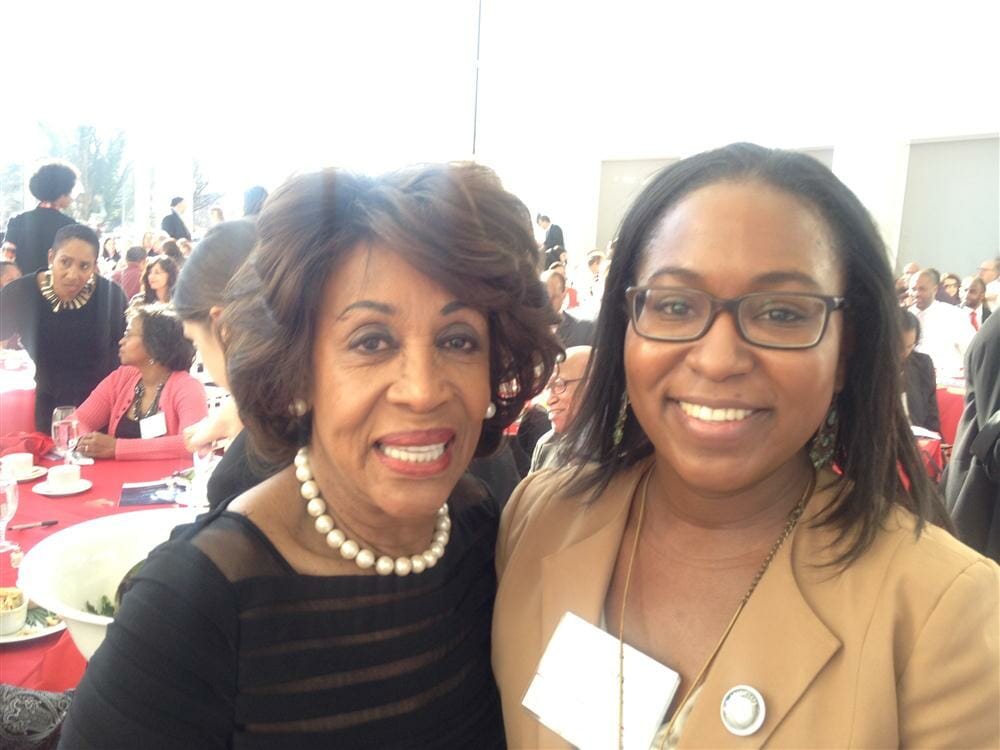
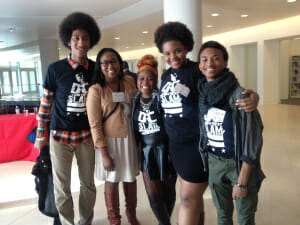
Moderated by CNCS Board Chair Laysha Ward of Target Corp. and MSNBC’s Melissa Harris-Perry, the discussion included speakers like General and Mrs. Colin Powell, Mayor Rahm Emanuel of Chicago, Mayor Michael Nutter of Philadelphia, Mayor Antonio Villaraigosa of Los Angeles, Janet Murguía of the National Council of La Raza, Former Mayor of New Orleans Mark Morial of the National Urban League, CEO of CNCS Wendy Spencer, and the Chancellor of DC Public Schools Kaya Henderson. Guests in the audience included the White House’s Jonathan Greenblatt, Senator Harris Wofford, Congresswoman Maxine Waters, and AmeriCorps Director Bill Basl. The list really does go on and on, so this is just to name a few. The DC Youth Slam (whom I have dubbed my “partners in rhyme”) shared their spoken word talents with the sea of guests who seemingly agreed with Mayor Emanuel on the declaration that the arts should be a staple in our public schools. Being on the Community HealthCorps team at NACHC, I was especially pleased to hear that the audience also agreed on the necessity for ample physical education offerings in every public school.
As this event was held during the MLK Day celebrations, the dialogue led to a summoning of our civic leaders for action; apropos DC Youth Slam’s affirmation that we can neither sit nor stand still “when we are standing on the shoulders of giants.” You cannot help but agree with them. It is necessarily true that we cannot stand still, because, on the civil rights issue of access to educational opportunities for all Americans, we simply don’t have a choice. The sacrifices of those giants of our past now demand that we provide an extraordinary level of civil service back to our communities. This is a mandate that cannot be challenged or ignored, and that is on the basis of mere moral obligation. Should we be defiant and stand still, then we are failing as citizens, and that failing simply isn’t in our nature as the American citizenry.
AmeriCorps programs embody and foster this broad set of ideals – that we owe a civic duty to our communities, that the solution is can be found within our communities, that we are in this together, and that we are obligated by our shared values to improve outcomes for all. The overall challenge is bold and the orders tall. But, is that not what drives us as a country? Americans dream big and do everything even bigger!
Following the Sunday Supper, I thought, “So, here we are.” As AmeriCorps Alums, members and programs, here we are confronted by many challenges and charged with some of the country’s most daunting tasks. But really, who else gets things done better than us? We think of the most effective solutions; we act on those solutions; and we make those solutions sustainable by motivating others. For us, “Service is the rent we pay for living. It is the very purpose of life and not something you do in your spare time,” Marian Wright Edelman. This is AmeriCorps. This is National Service. This is being an American.
Bon appe̒tit!
5 Lessons As We Launch Civic Startups
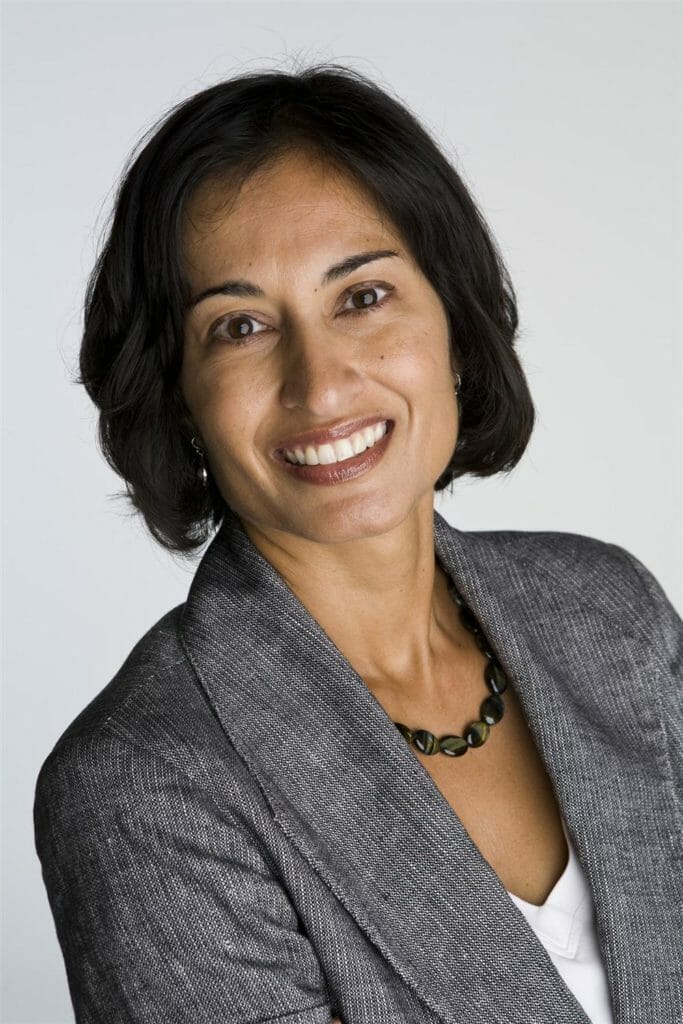
Today’s post is written by Ayesha Khanna, president of the Civic Incubator, which incubates and nurtures emerging civic ventures.
Points of Light has partnered with Village Capital to launch the first national startup accelerator program focused on “civic ventures” – enterprises that inspire, equip and mobilize people to create positive change. In November 2012, our inaugural class of 10 nonprofit and for-profit civic ventures started their term in the Civic Accelerator, and they are preparing to graduate at the end of January.
It’s been a time of great learning – for the 10 teams and for the Civic Accelerator – and I would like to share the five big things we have learned so far.
1) Accelerators and investment terms are new concepts to nonprofit organizations and their Boards
The market is moving away from purely philanthropic grants to more outcome-based and program-related investments; however nonprofits are only slowly adjusting
The investor and customer mindsets are not natural ones for nonprofits; although it is seen as very beneficial following training, modeling and use
Many of the nonprofits had to be educated about the role of accelerators; the selected for-profits took 1-2 days to accept, whereas the nonprofits took much more time to absorb the time commitment and investment opportunity
For most, this investment was the first they had ever taken; the concept of earning revenue and paying back a recovering loan after two years and hitting total revenue targets was intimidating
2) Art matters as much as science when selecting teams
Criteria such as the entrepreneur’s growth orientation and coach-ability proved to be critical to the success of teams in the program
The question of stage of development and how catalytic the Accelerator can be to the venture’s trajectory ended up being as important as financial and program measures when selecting the teams
The intersection of the leadership and the venture both being a good fit was a challenge to find, but both are important criteria
3) Peers are exceptional evaluators and can get into the investor mindset
How well the leaders interacted with one another during the selection process proved to be indicative of how well they contributed to the success of their peers, a key driver of progress over the 3-month program
Peers can be tough on one another without creating a “blood-bath” competitive environment
Transparency in feedback and ranking is a must to develop trust
4) For-profit and nonprofit ventures can learn from one another and, in fact, bring important and differing strengths
The for-profit ventures focus on their business model, investment levels required to deliver a profit, and clarity on customer needs was helpful when applied to nonprofit models
The nonprofits focus on how to best leverage resources and partnerships, engage the community, and build their brand by engaging people in their mission and social media provided useful models for the for-profit ventures
Early stage for-profits have a tougher time raising early stage funds, but can scale much easier with a proven business model. Nonprofits with charismatic, effective leaders can more easily raise early stage funds, but risk prematurely scaling without building a sustainable business model for the long-term that includes repeatable revenue and earned income.
5) Rigor is missing in many accelerators, which do not measure metrics beyond the valuation of exits
The identification of metrics, across legal structures, to measure venture progress and the program’s impact would differentiate the Civic Accelerator
The metrics around “what does success look like” for graduation and the long-term for civic ventures is an area where we can provide important models and learning
Applications for the Civic Accelerator’s second round of investments in 10 start-ups will be open from Feb. 11 to March 15. To learn more and apply, go to www.pointsoflight.org/civic-accelerator.
The Story of Hands on Panama
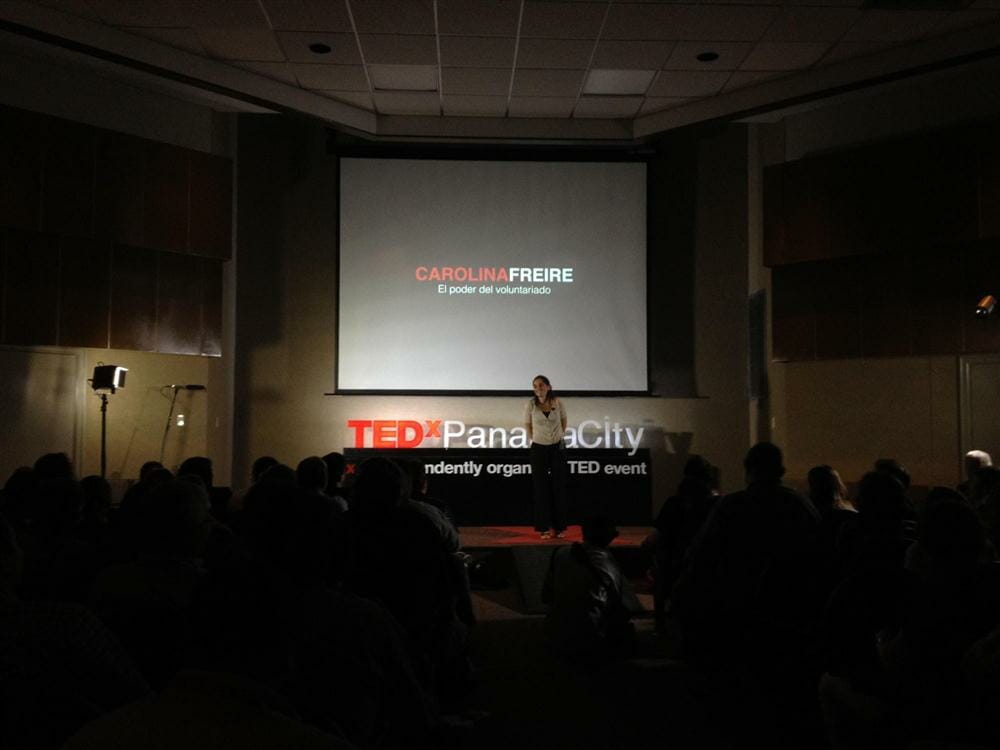
Today’s post is written by Carolina Freire, founder of Voluntarios de Panamá, an NGO committed to mobilizing and connecting volunteers to national causes and organizations. With United Way Panama and USAID she founded Ponte en Algo, the countries first online volunteer center. She is a Central American Leadership Initiative Fellow of the Aspen Institute and Young Global Leader 2012 of the World Economic Forum.
Panama is known for its Canal, record breaking economic growth and rich biodiversity. Less known is the fact that the country remains one of the most unequal in the world and faces important challenges when it comes to poverty reduction and expanding opportunities for health and education, especially for the less privileged. Despite a burgeoning economy, 2 out of 10 children under 5 years old in Panama face chronic malnutrition and half of them live in poverty.
As a volunteer and as a development professional in Panama and in other countries in Latin America, I have witnessed this stark reality first hand.
For me personally, meeting these challenges is a call to action. Actions that, I believe, can have greater impact by harnessing the power of volunteers.
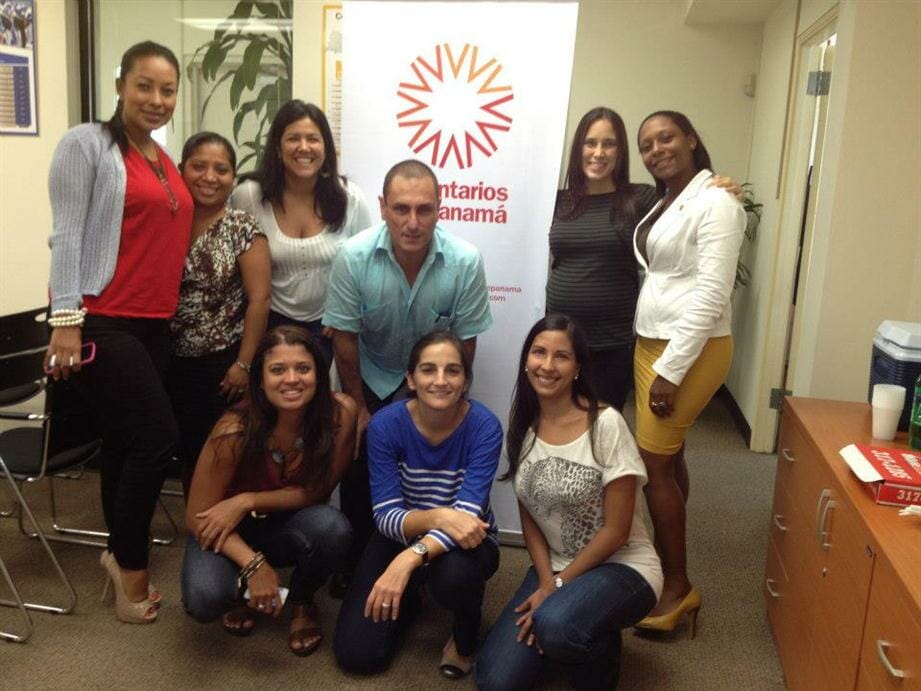
My conviction that volunteers can help solve some of the country’s most intractable problems and that all citizens have a role to play in improving society’s welfare is what drove me to establish Voluntarios de Panamá, Hands on Network’s newest international affiliate based in Panama City, Panama.
Voluntarios de Panamá is a non-profit organization that seeks to motivate Panamanians to become “citizen leaders” by engaging in volunteering. We help connect people to the organizations and causes they are passionate about so they can contribute their time and talent through volunteer work.
Together with United Way Panama and the United States Agency for International Development (USAID) we established “Ponte en Algo,” the country’s first online volunteer and NGO resource center.
Since its launch in July 2012, 153 non-governmental organizations have joined Ponte en Algo posting over 200 volunteer opportunities, as well as hundreds of events and news articles. The page has received close to 20,000 visits and 500 individuals interested in engaging in volunteer activities have become affiliated to the online platform.
Together with its strategic partners and the support of the International Association of Volunteer Effort (IAVE), Voluntarios de Panamá also spearheaded the country’s first National Volunteer Survey which was presented publicly in November 2012.
The survey revealed that 20% of Panamanians living in urban areas had volunteered at least once in the last year, contributing an equivalent of $238 million dollars to the economy through their volunteer work. The results have contributed valuable information to the NGO and corporate community about volunteer motivations, interests, and type of volunteer activities.
Voluntarios de Panamá is also leading efforts to strengthen volunteer management capacities within local NGOs and corporate partners. In the past year, at least forty non-profit organizations and corporate volunteer programs –including the local chapters of Make a Wish Foundation and Special Olympics, as well as the Panama Canal Authority— have participated in a day-long volunteer management workshop that teaches volunteer leaders and coordinators the basic skills for creating volunteer profiles, recruitment and retention strategies, as well as how to design their organization’s volunteer manual.
We are grateful and thrilled to become a part of the HandsOn Network global family and look forward to learning and sharing experiences that will lead to the strengthening of the voluntary sector in Panama.
Freire served as National Director of Health Promotion at Panama’s Ministry of Health. Prior to joining the public sector, she worked for the Inter-American Development Bank, the United Nations Development Programme (UNDP) and the United Nations Children’s Fund (UNICEF). Freire has a Bachelor’s degree in Foreign Service from Georgetown University’s Edmund A. Walsh School of Foreign Service and a Master’s degree in Public Affairs from the Lyndon B. Johnson School of Public Affairs at The University of Texas at Austin.
Change Notes: General Colin Powell, Alma Powell Kick Off Points of Light’s Sunday Supper Series to Bring People to the Table
Friends,
The word “supper” means different things to different people, but for me it evokes memories of a big Southern fried chicken dinner around my grandmother’s dining room table with family and friends and lots of stories, arguments and jokes.
Gathering around a common table has always been central to creating community and finding solutions. Martin Luther King, Jr. dreamed of “the table of brotherhood.” And there was a reason that one of the most potent acts of the civil rights movement was the simple insistence on having a seat at the table in restaurants across the South.
Yesterday, Points of Light and its partners – Target and the Corporation for National and Community Service among a strong list of supporters – brought 250 thought and industry leaders together at the U.S. Institute of Peace in Washington, D.C. for a Sunday Supper, as tens of thousands of others held Sunday Suppers across the country
The goal: to get 100,000 people to come together across all that divides us – race, class, religion, politics, age – to break bread and start a conversation about what unites us and what we can achieve together. Organizations working with Points of Light and its affiliates to reach this goal include the United Methodist Church, the Alpha Kappa Alpha sorority, and Repair the World.
General Colin Powell and Alma Powell of America’s Promise Alliance spoke movingly about the role of education in our nation’s fight for civil rights – and the need for each of us to do our part. “I urge all of you to gather your points of light together and illuminate the path to success for our children,” Mrs. Powell said.
Other speakers included Target’s Laysha Ward, MSNBC’s Melissa Harris-Perry, Chicago Mayor Rahm Emanuel, Philadelphia Mayor Michael Nutter, Los Angeles Mayor Antonio Villaraigosa, Strive Network’s Jeff Edmondson, D.C. Public Schools Chancellor Kaya Henderson, Public Allies’ Ernesto Morales (an AmeriCorps member), National Urban League’s Marc Morial, National Council of La Raza’s Janet Murguía, and Patty Stonesifer, founding CEO of the Bill & Melinda Gates Foundation. The Corporation for National and Community Service’s Wendy Spencer closed the program with help from four teens from the DC Youth Poetry Slam.
I hope Sunday Suppers become a new ritual of our democracy, encouraging us to reach out to our neighbors, listen, understand and take action to solve problems in our communities. As we celebrate the Inauguration of our President, this is an opportunity for us all to embrace our role as leaders in setting the course of our nation’s future.
Find out about how to host your own Sunday Supper here. Take a look at highlights from the National Day of Service and Sunday Supper campaigns. And let us know what you did this weekend – and what you plan to do all year long, as we rededicate ourselves to Dr. King’s dream. Connect with Points of Light on Facebook and on Twitter at #2013MLKDay or at [email protected].
In service,
Michelle Nunn
CEO, Points of Light
Martin Luther King Jr. Day of Service, A Day On, Not a Day Off
Today we honor the memory of Dr. Martin Luther King, Jr. and the causes for which he gave his life.
This year, the Martin Luther King, Jr. holiday falls on the same weekend as the Presidential Inauguration. That gives us, as a nation, a great opportunity to celebrate both the legacy of Dr. King and our democracy.
Dr. King was deeply committed to justice and to volunteer service.
As Dr. King famously said:
Everybody can be great…because anybody can serve. You don’t have to have a college degree to serve. You don’t have to make your subject and verb agree to serve. You only need a heart full of grace. A soul generated by love.
Points of Light is sending a simple message: Now’s the time to move beyond the divisiveness and come together to volunteer. No matter what our differences, we can join hands and tackle tough problems together.
We are issuing a call to do what we, as Americans, do best – lend a hand, help our neighbors, and build stronger communities.
Find out more about the projects today on our Facebook, or follow the official national day of service on Twitter at hashtag 2013MLKDay.