Walk, Talk, Drink Coffee: Creating Community Spaces in Seattle
Seattle is actively creating and cultivating spaces for community connections.
Two of my Seattle meetings took place on strolls through the Seattle Art Museum’s Olympic Sculpture Park, which used to be a petroleum transfer and distribution facility. Today, thanks to philanthropic and volunteer leadership, the site has been transformed.
With unobstructed views of Puget Sound and the Olympic Mountains, the garden circles a bold, red Calder sculpture, “The Eagle.” The park is dotted with chairs to facilitate conversations in any and all groupings.
My Seattle hosts said the Sculpture Garden has become a gathering point, offering free yoga on the grass, food trucks and farmers’ markets, art classes, performances and family festivals like the Salmon Return Celebration.
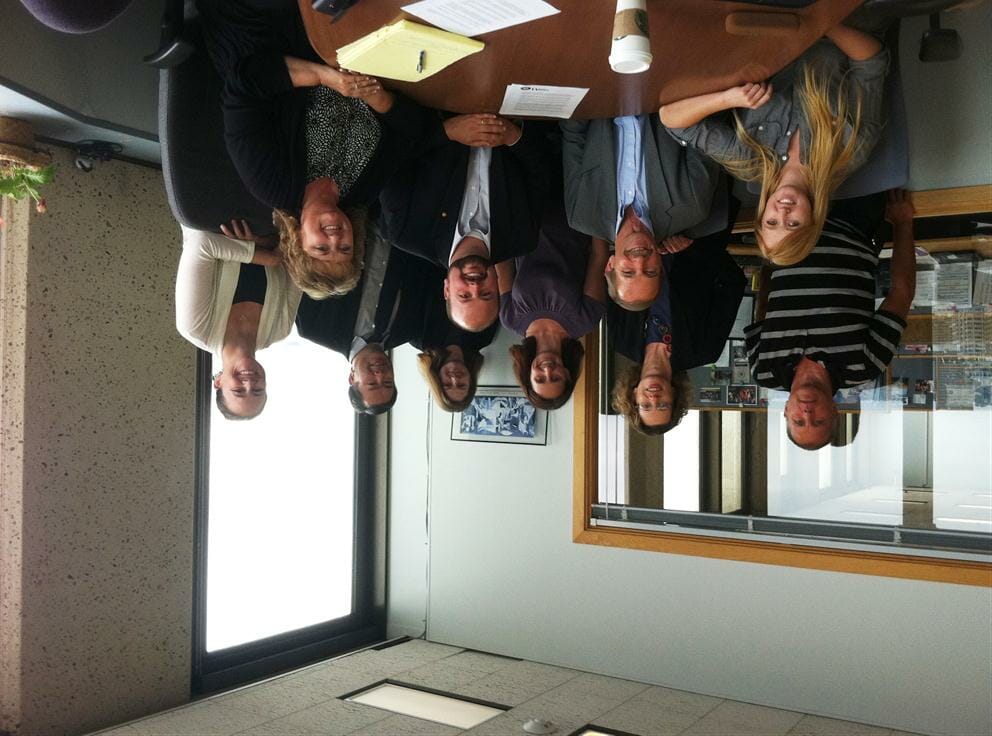
The theme of creating community connections was a thread throughout my visit. Seattle is, of course, home to Starbucks, the leader in creating “third spaces” – gathering points between work and home. In my meetings with the Starbucks team – Cliff Burrows, Rodney Hines and Anna Cunningham – I was reminded of the way Starbucks has literally created a double bottom line, advancing community good and financial returns simultaneously.
Starbucks’ most recent “Indivisible” campaign tackles one of our nation’s toughest challenges – joblessness. For every pound of its Indivisible Blend purchased, Starbucks donates $5 to the Create Jobs for USA Fund, helping get Americans back to work.
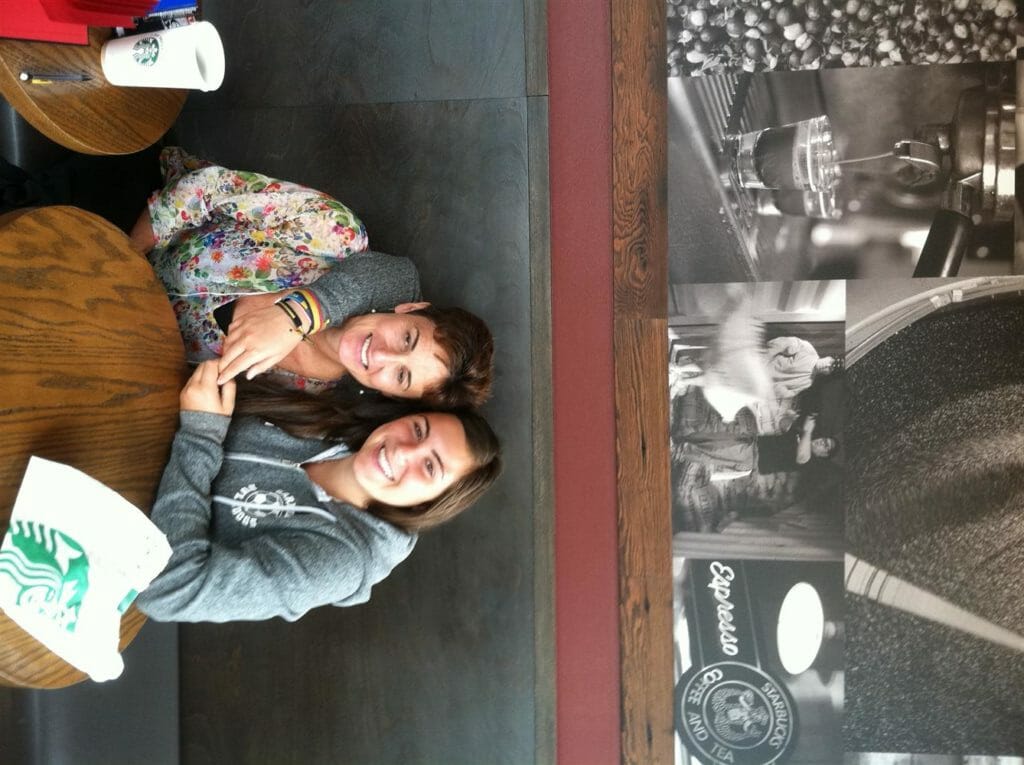
As if to reinforce the lesson, most of my meetings in Seattle were held at Starbucks. I drank a hot chocolate with Paul Shoemaker, the founder of Social Venture Partners, and learned about his success increasing the impact of area nonprofits. I shared chocolate almond cake with Jessica Markowitz, the 17-year-old founder of Richard’s Rwanda. When she was only 11, Jessica listened to a Rwandan man named Richard Kananga and was inspired to help Rwandan girls complete their educations.
Points of Light’s two Seattle affiliates, Seattle Works and United Way of King County, are demonstrating strategies for volunteers to give in new and more powerful ways. The United Way Volunteer Impact Program expands nonprofit capacity by training leaders to more effectively integrate high-value volunteers into their strategic work.
Through Points of Light’s Innovation Hubs program, Seattle Works is piloting a program to bring together new donors to collectively pool their money, fund projects and learn about the grant-making process. This month, Seattle Works volunteers are gathering on a rooftop patio to listen to the pitches of three organizations. A $20 entry fee buys tasty treats and beverages plus four $5 poker chips to “chip in” and fund some great new projects.
Washington State has been a real leader in engaging veterans to help other vets transition to civilian life. The Vet Corps, made up largely of veterans and family members, supports veterans’ transition to colleges and jobs, and regularly helps first-generation members stay in college.
The Vet Corps also maintains 23 “rooms” for veterans in higher education institutions around Washington State. These rooms provide a space for veterans to connect and share their challenges and successes. One veteran spoke of the difficulties of her journey through college and how in the last 10 years, as a result of the work of Vet Corps and others, the culture of higher education has become a more welcoming place.
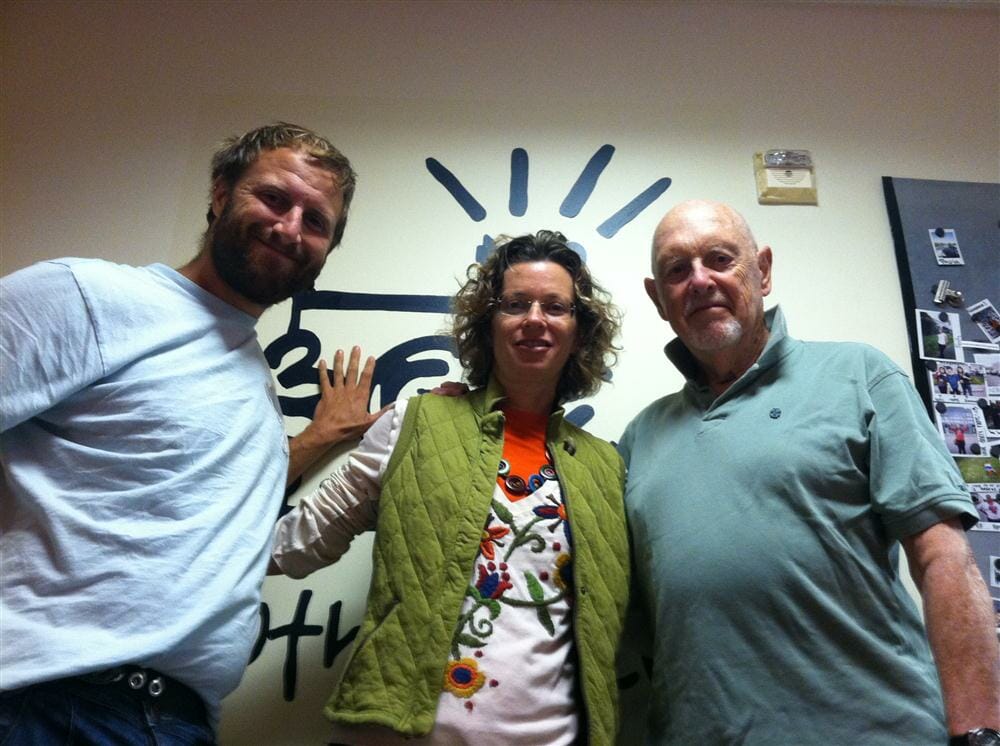
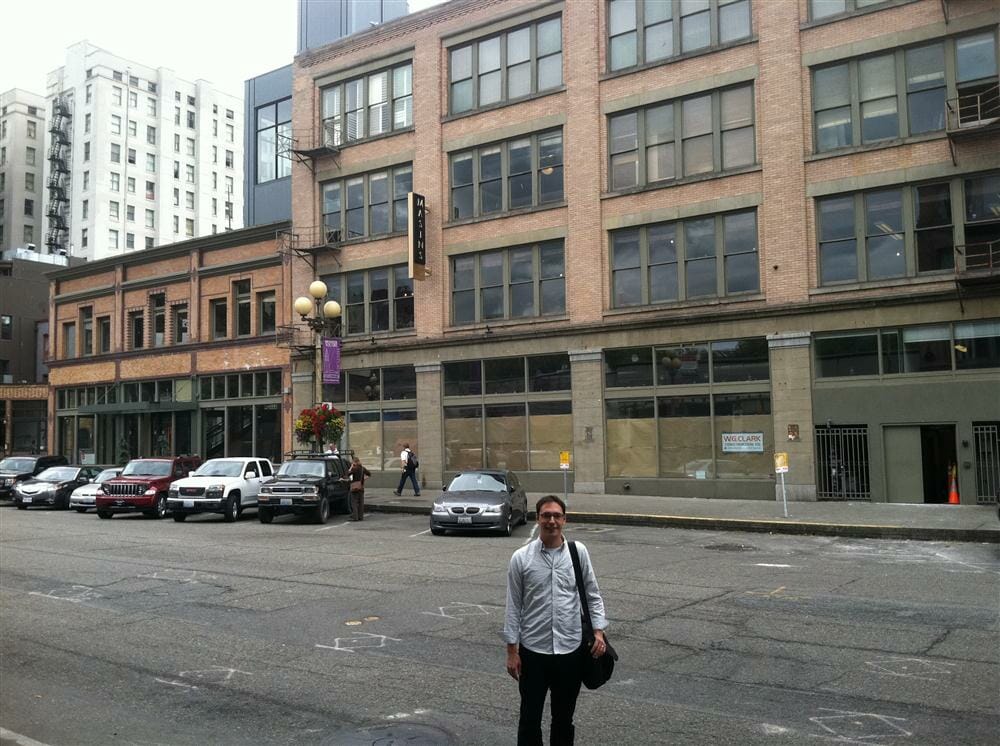
And finally, the creation of the 30,000-square-foot Hub Seattle in the heart of Seattle’s Pioneer Square symbolized for me the importance and promise of the creation of community space. The Hub Seattle is bringing together entrepreneurs and investors to cultivate socially conscious ventures. This unique facility aims to educate innovative leaders, fund their ideas and incubate their social ventures. HUB Seattle anticipates housing more than a dozen social enterprises, with entrepreneurs sharing amenities and choosing from an assortment of work spaces. They aim to have the widest cross-section of world-changers anywhere.
In kicking off its Indivisible campaign, Starbucks Chairman Howard Schultz said, “We have accomplished extraordinary things when we act collectively, with courage, creativity and generosity of spirit.” Seattle’s leaders are accomplishing extraordinary things by thoughtfully creating spaces where community connections happen spontaneously.
Civic Spark in Portland
Michelle Nunn finds inspiration in Portland, Oregon.
I am fascinated by people’s stories of the sparks that ignite their passion to change the world. When I was in Portland, Emily Gilliland, executive director of Oregon’s Campus Compact, laid three different matches on the table to illustrate the ignition points in her service journey.
A matchbook represented her high school’s 75-hour service requirement – a quick light to get her started. While serving at the Red Cross, she discovered that adults were interested in her ideas and were even willing to take direction from her.
A short box match signified her year with AmeriCorps – challenging, but enriching – a strong spark to further impel her commitment to service.
Finally, Emily pointed to a long, sturdy match – the kind that might sit on the hearth of your grandmother’s fireplace and is guaranteed to start a fire. When Emily joined Hands On Baltimore’s Serve-A-Thon, she quickly moved from volunteer to staff person. Hands On Baltimore was just beginning to define community challenges and galvanize the human capital and talent to help meet those needs. This was a powerful light for Emily.
Emily’s metaphorical description of the service sparks in her life called the question about how Points of Light and the larger nonprofit sector can create the strong, reliable, readily available matches every individual needs to kindle their civic leadership over a lifetime.
People come to Portland for its open, creative, generative spirit of community. Mayor Sam Adams is leveraging that spirit of collaboration to reverse the dropout rate by creating a ladder of support and engagement. Kali Thorne Ladd from the mayor’s office told me about Portland’s Cradle to Career Framework, a civic coalition patterned on Cincinnati’s Strive model and focused on collective impact and equity in education for every student
In a roundtable with Oregon’s Campus Compact service leaders, I learned how local universities and colleges are instilling citizenship as central to the experience of higher education. Pacific University requires every student to complete at least one civic engagement course or project to graduate. University of Portland is known for its extensive “plunge” program – service learning immersions exploring issues ranging from food security to environmental justice. For the Civil Rights immersion, students spend three weeks visiting major Civil Rights sites and a racial reconciliation farm community before participating in a Habitat for Humanity rebuilding project.
All of these higher education leaders were struggling to ensure high quality and depth in their offerings, while including the broadest possible spectrum of students. They were grappling with both the increasing costs of college and how to fully integrate national service resources into the community college or university experience. They raised the question of how we might include service as a way to reduce student debt.
When I met with our Hands On Portland team, I was reminded of the power of joining together to serve and how this can inspire and sustain the spark of service. TeamWorks is a program that I actually remember from my Hands On Atlanta Days. It has spread and now runs in cities ranging from Portland to Seattle to Boston. The basic idea is that diverse people come together to work on a series of projects over a period of time and reflect upon the projects together. Some teams work together on a thematic focus like education, others focus on a neighborhood. Some TeamWorks teams have opted to stay together for many years. Each TeamWorks team has a special chemistry and becomes an introduction to fellow citizens and an orientation to community needs. It was fun to see that magic still has power. Check out a Portland TeamWorks volunteer’s amazing blog about his TeamWorks experience. It inspired one of his fellow volunteers to commit 10 percent of her waking hours to volunteering for one year. That adds up to 12 hours a week and 40 hours a month.
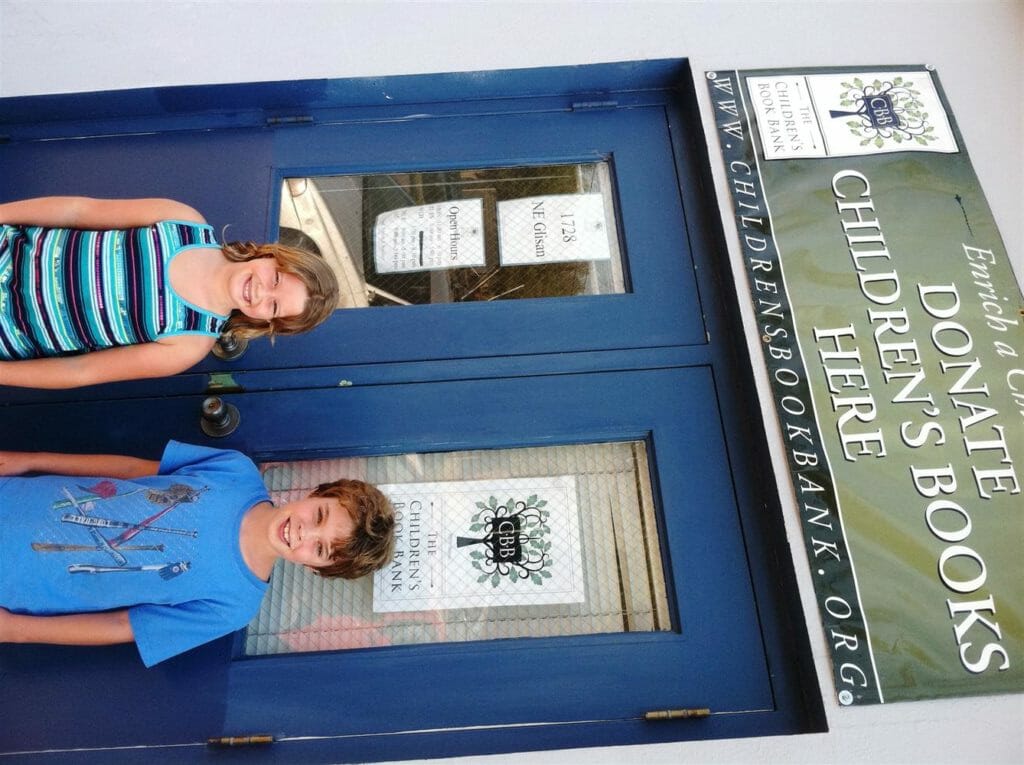
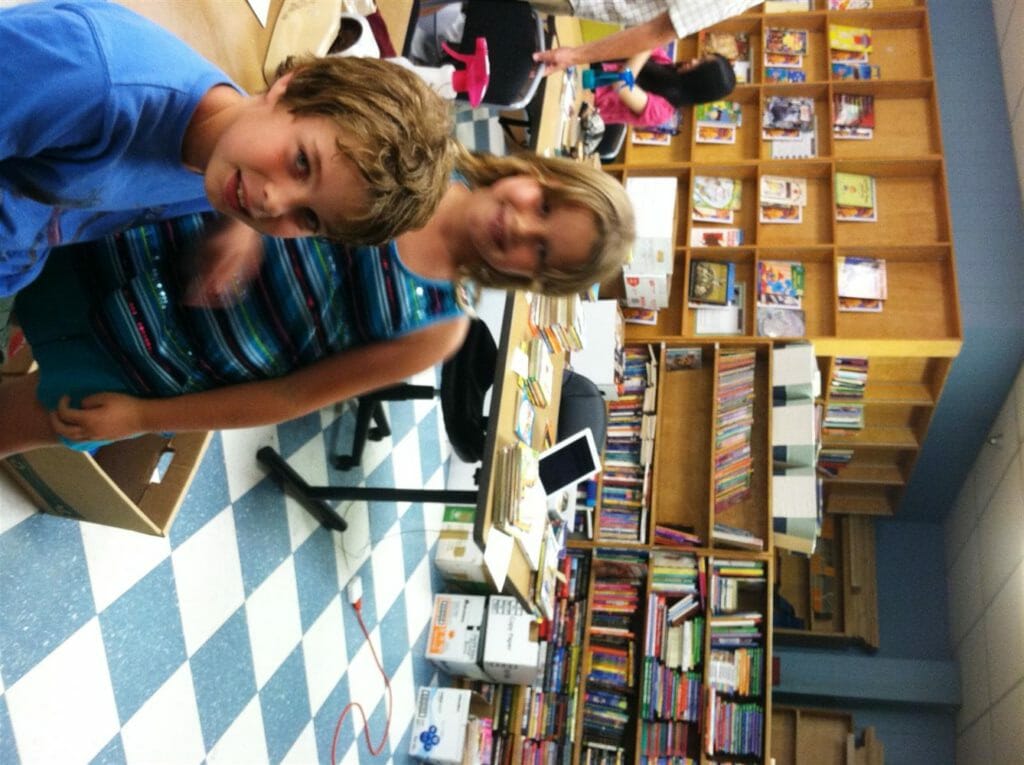
To light the “civic spark” in my children, we volunteered at The Children’s Book Bank. My kids did a terrific job of cleaning gently used books to be given to low-income preschool children. Children’s books are a luxury for many families – while the ratio of books to children in middle-income neighborhoods is approximately 13 books to one child, the ratio in low-income neighborhoods is a mere one book to 300 children. Dani Swope, a former Teach for America math teacher and mother of four, wanted the books her children had outgrown to go directly to families and children who need them. Dani packed up her books, took them to local Head Start programs and soon started getting calls looking for the “book lady.”
Dani began collecting books from friends and an organic effort was born that last year involved thousands of volunteers and distributed 96,000 books to kids – every Head Start preschooler in Multnomah County received a bag of 16 books to take home and keep. HandsOn volunteers account for about half of The Children’s Book Bank’s volunteer hours. More amazingly, HandsOn volunteers turn around and organize book drives and recruit their co-workers, Scout troops, faith groups, sports teams, families and friends to the effort.
For Dani, the civic spark was born out of an impulse to share her love of books and her own children’s beloved library with other kids. The spark ignited a movement of caring families and volunteers. Portland is full of civic vitality and sparks that have been nurtured into bold flames of leadership and citizen engagement. How can we help provide the civic networks and support systems that form the sturdy matches of ignition and light to propel Emily, Eric and Dani?
P.S. We expanded our ice cream quest to include donuts and discovered Voodoo Donuts here in Portland, including the Bacon Maple special that is worthy of the 30-plus minute wait.
Be A Community Action Hero for Animals!
Barbara Dillbeck taught elementary school in Michigan for over 20 years and is currently the Curriculum Director of generationOn. She is an active grandmother of four and an avid animal welfare advocate.
My ‘Point of Light’ is a dear friend who has enriched my life in so many ways. She has shown me what pure joy looks like, helped relieve stress, listened carefully to all I have to say. She is compassionate, empathic, dependable, and bearded – yes, bearded.
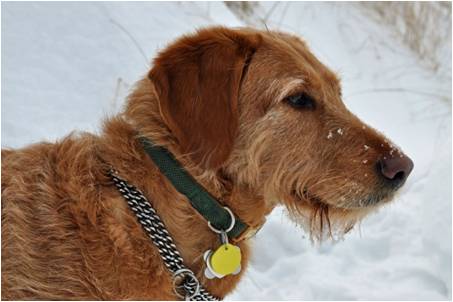
I adopted Kayleigh two years ago from an animal shelter – or I should say she adopted me! She was literally on deaths door when I visited the local shelter. Most of the dogs barked and came to the gate of their cages when I passed by, but Kayleigh, a large adult dog, seemed to have given up hope of a rescue. She lay forlornly on an old dirty blanket and only raised her eyebrows when I spoke to her. When the shelter assistant brought her to the “Visiting Room” so I could meet her, she walked calmly up to me, put both paws on my lap, leaned into my chest and laid her head down – she had made her choice of a forever home. As soon as she walked out of the shelter with me her light began to shine and it has illuminated my life ever since.
Kayleigh gives me comfort and companionship every day and she now depends on me to provide everything she needs to survive on a daily basis and also to survive in emergency situations. Remember hearing those stories of pets being separated from their owners during Hurricane Katrina? Many pet owners had to abandon their pet family members when they went into emergency shelters. I can’t imagine how difficult that must have been for the families. Since then the Federal Government passed a law requiring communities seeking funds for disaster preparedness to include plans for family pets and service animals in their evacuation and emergency shelters. The law is called PETS Act (Pet Evacuation and Transportation Standards Act). There are special things that pets must have in order to be allowed to stay in shelters. Click here to find out more about emergency preparedness for pets.
I imagine many of you have had the same privilege of being unconditionally loved by a ‘point of light pet.’ Shelters do a wonderful job of rescuing and caring for animals but unfortunately many are short of funds and overcrowded. Five to Seven million pets are rescued by shelters every year. Shelters do receive donations but often people choose to donate to “no-kill” shelters not realizing that this puts an even greater burden on shelters that are forced to euthanize animals due to lack of funds or space. We can all acknowledge the fantastic privilege of having an animal companion by helping shelters – donating money and/or supplies and volunteering.
A way that we can also assure that our pets will be cared for in an emergency.
There are some great suggestions for animal related service on the generationOn website. Be a community action “hero” for animals this summer!
This summer you can make your mark on the world and inspire others to do the same through generationOn’s Hasbro Community Action Heroes summer program! Visit communityactionheroes.generationon.org to find out more about the range of youth service projects you can get involved in, as well as the national recognition and prizes that you can win for your creativity and effort.
A Generational Effort to Create, Preserve and Sustain Our National Parks
Michelle Nunn reflects on her families experiences at the national parks this summer.
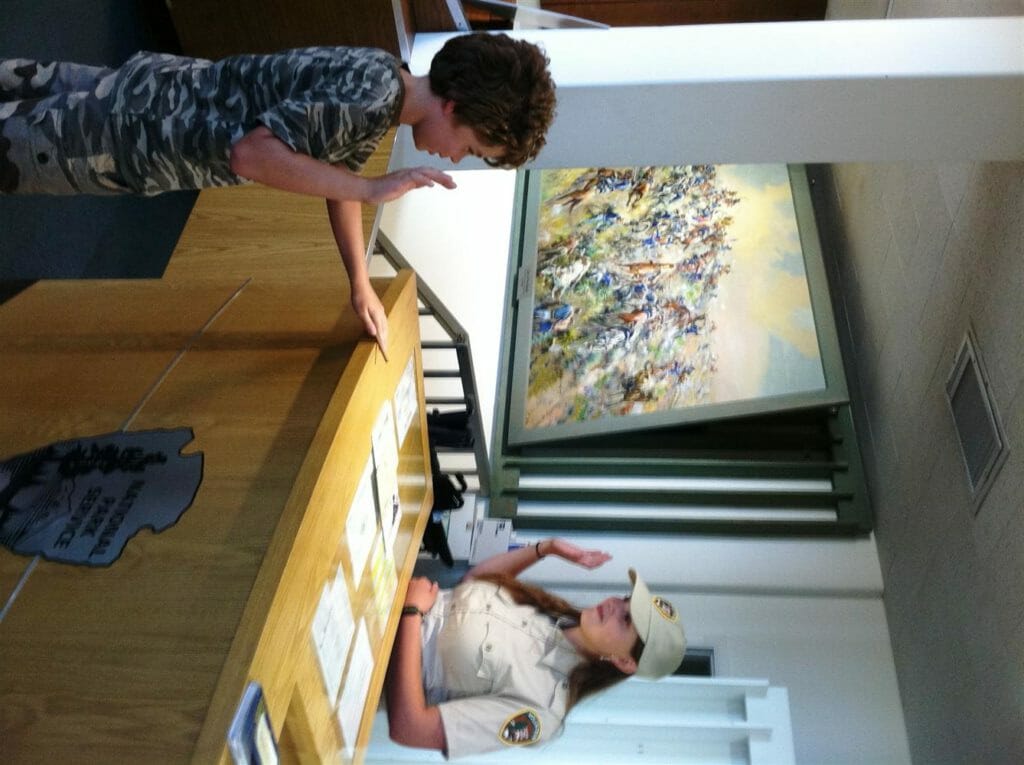
My son, Vinson, is a great enthusiast for earning badges and pins of any sort, so we became devotees of the Junior Ranger program as we traveled through the national parks this summer. To earn his badges, we identified sage brush, learned what Sitting Bull did during the Battle of the Little Big Horn (stayed with the women and children), and discovered how long it took to carve the figures on Mount Rushmore (14 years).
We talked to lots of volunteer park service rangers who helped fill us in on the key, elusive answers to the Junior Ranger challenges. The successful completion of each booklet was rewarded not only with a badge, but also a swearing-in ceremony. Vinson was led, often by a volunteer ranger, in a pledge of re-commitment to our national parks and to the preservation of our nation’s special places and spaces: “As a Junior Ranger, I promise to teach others about what I learned today, explore other parks and historic sites, and help preserve and protect these places so future generations can enjoy them.” Thus, the National Park Service is cultivating the next generation of volunteers and advocates for conservation.
Our National Park System of 397 extraordinary geological, historical and cultural wonders was built upon the passionate advocacy of citizen activists like Ferdinand V. Hayden, Yellowstone’s first and most enthusiastic advocate, and John Muir, founder of the Sierra Club and champion of Yosemite. As documentarian Ken Burns pointed out, “You’d be hard pressed to find something that was a purer expression of the democratic impulse, in setting aside land, not for the privileged, not for the kings and nobility, but for everybody. For all time.” This extraordinary heritage was created by citizen and volunteer leaders and it continues to be protected by a network of volunteers. The National Park Service has 22,000 employees, but ten times as many volunteers – 221,000.
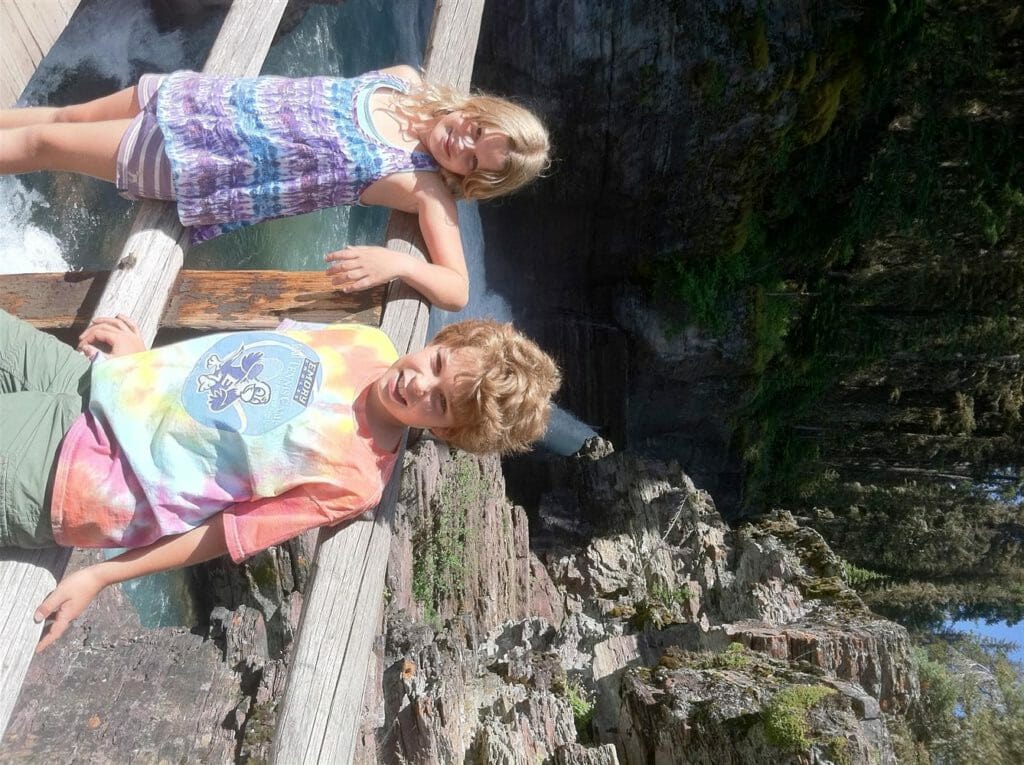
My family enjoyed national parks ranging from Glacier to the Badlands to Mount Rushmore. At each park, I was struck by the constellation of volunteers, friends groups and private donations that support the National Park System. There are young people serving as volunteer Rangers, seniors who live in state and national parks as resident volunteers, and tens of thousands of volunteers who clear trails, fight fires, teach classes and help interpret the rich history and ecology of the parks.
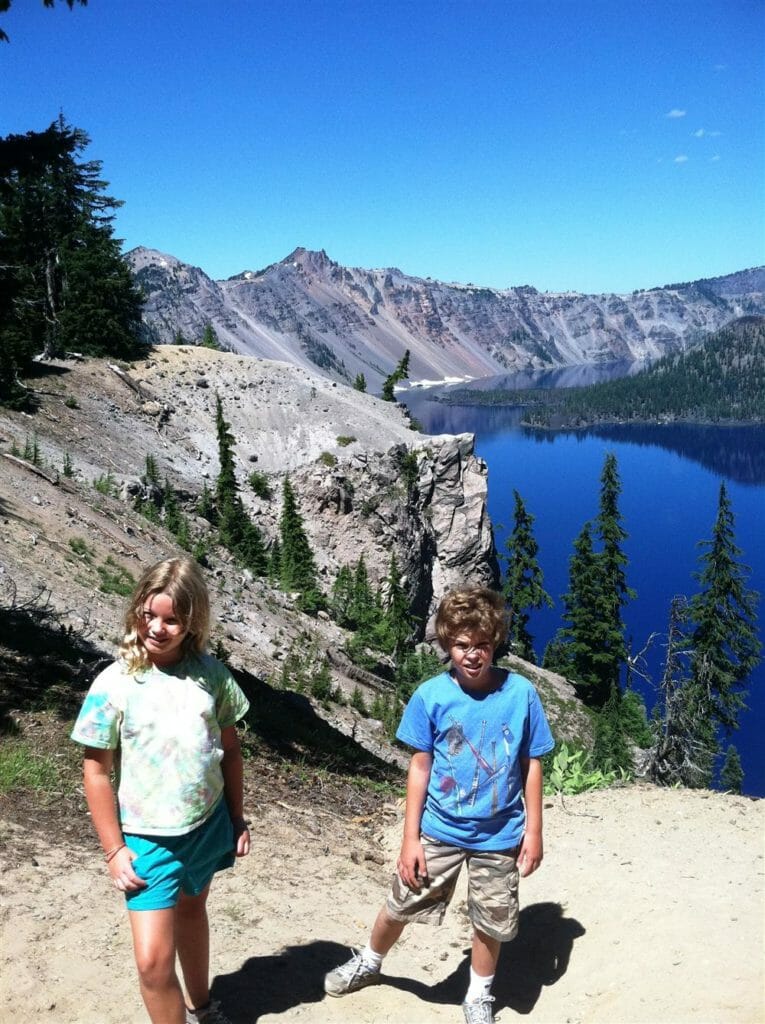
The preservation of a special place like Crater Lake seems providential. But, it took three decades of advocacy and citizen leadership to make it happen. In 1870, when William Gladstone Steel was just a schoolboy, he unpacked his sandwich from its newspaper wrappings. As he ate, he read an article about an unusual lake in Oregon with startling blue water surrounded by cliffs almost 2,000 feet high. (So, perhaps it was providential). He first visited Crater Lake 15 years later and was so moved by its beauty, he began his tireless volunteer advocacy to have it preserved forever as a public park. Steele’s proposals to create a national park met with much argument from sheep herders and mining interests. He persisted and, in 1902, Crater Lake became a national park.
American Pulitzer Prize-winning author Wallace Stegner wrote, “National parks are the best idea we ever had. Absolutely American, absolutely democratic, they reflect us at our best rather than our worst.” To sustain this extraordinary American legacy for all people and all time, the national parks depend on the next generation to volunteer our time, donate our money, and speak up to expand and preserve our country’s extraordinary parks. We need those Junior Rangers to take their vows to heart.
Let’s Flip This Inside Out: The Impact of Corporate Responsibility on the Bottom Line
A company has goals, responsibilities and a duty to their stakeholders. There are a set of products and services to be developed, marketed and sold to the masses. A brand created, a mission established and a group of people hired to devote a 24-7 schedule to its success. Now, there is also an overwhelming demand for companies to act as civically engaged citizens.
In the recent article, “Corporate Social Responsibility: Distinction or Distraction,” Steve McKee takes this topic head on. He expresses the importance of considering the implications of a company’s objectives and its alignment (or lack thereof) with a social mission. He continues by expressing that perhaps the most socially responsible thing a company can do is “making a profit – creating jobs, increasing wealth, enhancing the health of the economy.” What, then, if we find out doing good will ultimately lead to a company’s ability to do well?
In reading this, we drew a direct parallel to the Civic 100, our partnership with Bloomberg News and National Conference on Citizenship. Yes, it’s another survey – but rather than a typical CSR survey, measuring WHAT a company does, the Civic 100 measures HOW S&P 500 companies are acting responsibly while thinking about its impact on their businesses. Its results have the potential to turn the “doing good while doing well” concept inside out. Perhaps we have reached a point in corporate America where doing good is not a just a demand from socially conscious consumers, but a key to financial success.
Take a moment to let us know what you think about this topic and to learn more about Civic 100 visit www.civic100.org.
Change Notes: AmeriCorps ‘Champions of Change’ Honored at White House
Friends,
Morgan Tracey knows a lot about the word “champion.” She’s from Champion, Ohio. She’s training to be an Olympic champion in skeleton, a sledding event similar to the luge. And on Friday,
she’ll be named a White House Champion of Change for her outstanding record of community service.
Tracey put in thousands of hours becoming an athletic champion – and a civic leader. She had
“Serving with AmeriCorps is the most important thing I’ve ever done,” said Morgan Tracey, a White House Champion of Change. “Without it, I would never have had the courage to take the path less traveled.”
coaching to perfect her sport and the national service program AmeriCorps to develop her skills in the community.
As a member of the AmeriCorps National Civilian Community Corps, she built houses for low-income families in Blythe, Calif. She restored a historic building for community use and worked with the local food bank in Astoria, Ore. She prepared tax returns in Phoenix and worked with the Boys and Girls Club in Pasadena, Calif. And she spent summers working with the U.S. Forest Service as a wildland firefighter and was a senior firefighter on the Eldorado Interagency Hotshot Crew in northern California.
Like our Olympic athletes, AmeriCorps members are the vanguard of a generation. They are doing the critical work of communities – raising graduation rates, transitioning our veterans back to civilian life and responding to disasters.
Trained in some the most of the most innovative and important organizations in our country (Teach for America, YMCA, Habitat for Humanity, City Year) and tackling the most pressing needs, AmeriCorps equips and trains the citizen leaders who will define our future.
Over the past 50 years, 250,000 Americans have served in the Peace Corps, helping improve the quality of life for people overseas. In just 18 years, three times as many – 775,000 – have served in AmeriCorps, piloted by President George H. W. Bush and designed by former President Bill Clinton to improve the quality of life back home.
Peace Corps has produced a lot of well-known alums – from University of Miami President Donna Shalala to former U.S. Senator Chris Dodd to CEO and co-founder of NetFlix Reed Hastings. AmeriCorps is poised to do the same, serving as a training ground for participants who get thousands of hours of practice in developing the muscles of citizen leadership.
A longitudinal study by the Corporation for National and Community Service found that AmeriCorps alums are more likely to enter public service careers than those who didn’t serve. In fact, 60 percent of AmeriCorps alums now work in education, military service, nonprofit or public agency jobs.
AmeriCorps has created a pipeline for civic leaders like these:
Marissa Castro Mikoy’s service in AmeriCorps led her to a now 14-year career in education. She’s now director of operations and evaluation at the Teaching Trust, a Texas-based nonprofit that “prepares educators who want to lead change from the inside out.”
Noelle Ito built a long record of service, starting with an AmeriCorps assignment at the New Community After School and Advocacy Program in Washington, D.C., then organizing special events for a host of good causes. Today, she’s working for Asian Americans/Pacific Islanders in Philanthropy, helping develop 50 giving circles across the U.S. as a new way to build democratic philanthropy.
John Fetterman worked with AmeriCorps in Braddock, Penn. Four years after moving there, he became the town’s mayor, winning his election by one vote. In 2009, he won a second term by a nearly three to one margin. Given Fetterman’s strong focus on safety, Braddock is now in its 40th consecutive month without a homicide.
You’ll likely hear more about these three and about the tens of thousands of others who have left their AmeriCorps assignments with a can-do attitude and a deep sense of responsibility to community and to others.
This week, a dozen Champions of Change – all AmeriCorps Alums – will be feted at the White House. Their service to their country will be honored. Their futures will be worth watching, their pipeline – AmeriCorps – worth preserving.
In service,
Michelle Nunn
CEO, Points of Light
P.S. You can watch the first-ever convening of AmeriCorps Alums at the White House live-streamed at Whitehouse.gov/live. You can also find my column on Huffington Post Impact. Take a minute to like it on Facebook and share it with your friends.
How to Run a Successful Startup: Change By Being Exactly the Same
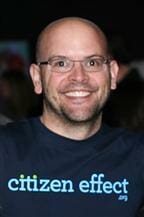
Today’s second blog for the Investing in Innovation series, is written by Dan Morrison, founder and CEO of Citizen Effect.
The Investing in Innovation blog series highlights world-changing ideas and startups and is made possible by the Civic Accelerator, a Points of Light and Village Capital venture. If you would like to have your civic-focused startup considered for inclusion, please inquire here.
The Investing in Innovation blog series highlights world-changing ideas and startups and is made possible by the Civic Accelerator, a Points of Light and Village Capital venture. If you would like to have your civic-focused startup considered for inclusion, please inquire here.
There are businesses you start because you see a hole in the market and a chance to make a buck. Then there are nonprofits you start because there is a social problem you need to solve. With Citizen Effect, it was both. I guess that is why they call us a “social enterprise.”
Starting an organization from scratch is like being a chef without your own recipe. You have your own ideas but are constantly Googling and talking to others about ideas and examples of how to make it work. The issue in the new and booming social enterprises space is that there are not the tried and true success stories everyone can follow. You have to beg, borrow and “steal” from aspects that worked across different organizations. Being a nonprofit has its advantages and disadvantages. We were never able to go out and raise a large first round of investment to cover start-ups costs. But living in a bootstrap environment forced us to operate efficiently and experiment along the way.
Which leads me to the point of this post. There are two things I always say about Citizen Effect. First, Citizen Effect does the exact same thing today as it did back in December 2006 when I came up with the idea. Second, the key to Citizen Effect’s success has been modifying it based on new and better ideas from team members and the random person on the street. Those two points sound contradictory. They’re not. Here’s why.
When you strip away all the messaging and branding we use to market Citizen Effect, the nuts and bolts of what we do are the same. We find community-based projects that need money to get done. We find a passionate person to step up and lead and fundraise for the project. We give the person the tools and help they need to market and promote the project to their friends, family and social network. We did that at the beginning. We do that now. Nothing has changed.
However, the real question and challenge is HOW we deliver that mission. That is where all the innovation and tweaking comes in, and there have been three major tweaks as Citizen Effect adapted over the years.
Tweak 1: The original name of Citizen Effect was 1Well. I fundraised for a well in India – our first project – and saw the impact one well could have on a community. The second project we did was an irrigation project. It wasn’t a well, but we thought 1Well spoke to broader issues and how everyone was connected. Then Charity Water came along. We found ourselves competing against someone we didn’t see as a competitor and this gave us the excuse to rebrand as Citizen Effect and signal we were about empowering citizen leaders, not just about raising money for water projects. It was a critical move for us internally and externally. Internally, we realized the passionate citizen who was fundraising was at the center of our business, not the cause or project. Externally, it signaled that we were not a water- or cause-focused organization but a citizen-focused organization. We were more of a movement than a cause.
Tweak 2: At the beginning, we were very hands on. Our original website was a glorified online brochure with a donate button. It had static content that we would make look dynamic by updating it often through Expression Engine. We did a lot of one-on-one recruiting of users, phone calls to help people who had never fundraised develop their fundraising strategy, and event appearances when we could. Clearly not a scalable model. But the human touch became part of our DNA. As we developed a more robust technology platform, we didn’t expect technology to do it all. We knew that community development and fundraising was personal and it was our personal touch that became our differentiator. While other models focus on high volume, Citizen Effect focuses on high quality. We screen all of our fundraisers (or Citizen Philanthropists as we call them) and work with them because we want to make sure they complete their goals and become better community leaders through the process.
Tweak 3: We have always been seen as an international organization, both internally and externally. Our first partner was the Self Employed Women’s Association (SEWA) in India. The second was Coprodeli in Peru. We then partnered with groups across Africa and Asia. We developed a few partnerships in the U.S., but they were never the focus. Then the John L. and James S. Knight Foundation asked us to bring our model to the U.S. We are running Detroit4Detroit and Philly4Philly, initiatives that will connect 150 passionate citizens to 150 critical projects in each city. Our domestic portfolio will account for more than 80 percent of our projects and donations this year. And we are looking to expand to other cities across the country. That is a huge change for us.
Many ask if the domestic work is the right decision. I go back to the two things I know are true about Citizen Effect and any start-up. What we do in the U.S. and do internationally is exactly the same – empower passionate citizens to complete critical community projects – no matter where they are. Our operations and how we manage those users are exactly the same. And for Citizen Effect to survive and thrive, we need to adapt. Don’t get me wrong, you can adapt your way out of your business model and that is death. But you need to adapt within your model. Everyone at Citizen Effect knows who we are and what we do. But we are still learning how to do it better. And that will never change.
Support Our Heroes
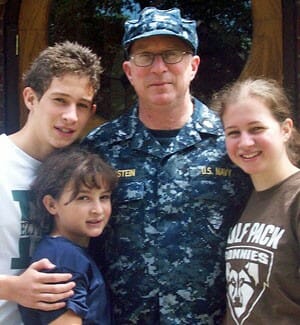
Simone A. Bernstein is a junior at St. Bonaventure University in upstate New York. She is a summer intern at
, an active volunteer in her hometown of St Louis, Mo. and in her college community. Simone co-founded
VolunTEENnation.org
, an online resource for youth to easily find volunteer opportunities.
As military dependents, my brother and I appreciated the generosity of our community when our dad was sent overseas. Friends, neighbors and the kindness of strangers helped us get through the long and challenging months of our dad’s deployment. My brother and I wanted to pay it forward and find ways that we could give back and support our community. We were both active in scouting and in our religious school service projects, but we wanted to do more. Unfortunately, many nonprofit agencies required volunteers to be 18 years or older to volunteer on site.
When my dad was deployed, the community jumped in to help my family. It meant the world to my mom that our community was there to help if we needed something. I was very touched by the kindness and outpouring of support we received. I wanted to volunteer at the local veteran’s medical center to show my appreciation for those who served our country, but I was too young. I also wanted to volunteer to understand the problems that exist in our community, so I found other ways to get involved in supporting our troops overseas and the veterans at home. With the help of generationOn, there are lots of military project ideas now online for youth of any age to get involved and start making a difference. Find projects online
I am fortunate that I have a roof over my head, food on the table and an opportunity for an education. Not everyone is as fortunate. I wanted to step away from my neighborhood and see if I could try making an impact in the surrounding community. With the
, youth can create there own service projects. With generationOn, youth of all ages can get involved in a project this summer, reflect on it and even receive a Hasbro gift for participating.
Volunteering offers youth the opportunity to connect with their community. The Community Action Heroes campaign unites and connects youth with a common goal and desire to engage and unite through service. It is a powerful message to recognize youth volunteers around the world focusing on some of our many critical global challenges: supporting the military, helping people gain access to clean water, eradicating hunger and improving literacy rates throughout the world.
What can you as a youth do to celebrate our military and show appreciation for the time and dedication they provide our country?
Create care packages for troops,
gather used cell phones to exchange for calling cards, preserve a veteran’s story for the Library of Congress or check out other project ideas and resources on the campaign site
. Volunteering teaches us that we are all responsible for the well-being of our communities. It is an empowering message to realize that youth around the world can and do make a positive impact and brighten the lives of our military.
This summer’s almost over, but there is still time to make a difference!
Make your mark on the world and inspire others to do the same through generationOn’s Hasbro Community Action Heroes summer program. Visit communityactionheroes.generationon.org to find out more about the range of youth service projects you can get involved in, as well as the national recognition and prizes that you can win for your creativity and effort.
The Power to Ask
Michelle Nunn writes about her service trip stop in Sheridan, Wyoming.
Imagine that you are driving down the road with your dog in the back, minding your own business, when you find yourself being followed by a woman who parks when you park, then jumps out of her car, races to your side and starts talking about the difference you can make by contributing to the local animal shelter.
Margie Taylor, chair of the Sheridan, Wyoming Land Trust, told me all about this stalker-cum-volunteer enthusiast, describing her as positively undaunted in her pursuit of resources for the local animal shelter. She believed that everyone who had a pet was a natural contributor to the shelter, and she had the boldness to make the ask. I discovered in Sheridan an impressive group of citizen leaders who had learned to ask their fellow citizens to contribute, participate and help in a great variety of ways.
Sheridan is a town of 18,000 in northern Wyoming at the foothills of the Bighorn Mountains. I visited my friends, Michelle Sullivan and Brian Kuhl, who, along with other residents, have made a thoughtful choice to plant roots in Sheridan and raise their families. I guess you don’t end up here by accident.
As I sat around the table with leaders of the Sheridan Community – representing Habitat for Humanity, The Land Trust, the Scott Foundation, The Center for Community Creation – I asked them what makes a city like Sheridan thrive, retain and attract new generations of leaders, and maintain its civic dynamism.
One person mentioned a sense of accountability to one another: “When you live in a small community, you know that if you don’t do it, nobody else will either.” Another said that folks tended to gather at the local YMCA, which then became a place to get things organized. Several people mentioned either approaching others or being approached themselves while wrapped in towels after a workout – evidently a good time to make the ask.
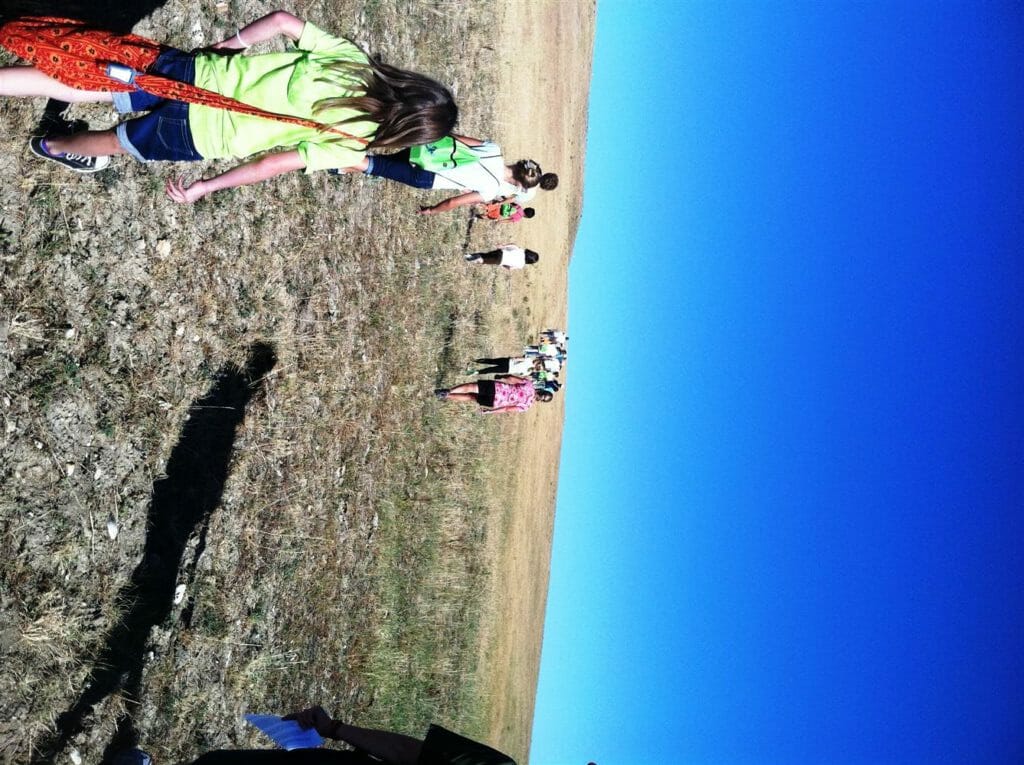
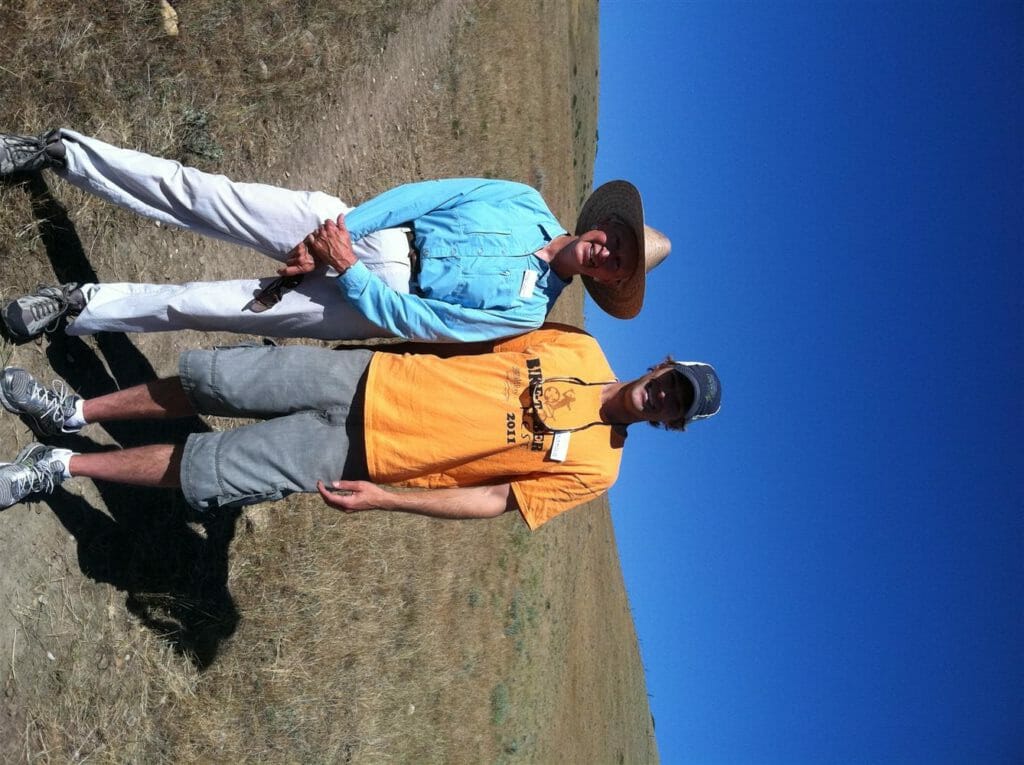
I was fully attired on a recent Saturday morning when I joined 150 volunteers in my first-ever Human Cattle Drive (alternatively called the Trail Trudge, Tromp or Trollop) to help break in a gorgeous new, 12-mile trail created by the Sheridan Land Trust with help from cooperative private land owners. Families and neighbors alternatively tromped and visited with friends as they tamped down the path that the community will enjoy for decades to come.
A Serve Wyoming VISTA leader, Jamie Ostermyer, helped organize the Tromp, recruiting dozens of volunteers. Everywhere I have visited, there are AmeriCorps members working with energy and enthusiasm to make things happen. AmeriCorps volunteers Amy Strauss and Alex Selig were making magic at the YMCA, creating tutoring and enrichment programs.
My next stop was quite a change of pace. I visited the Green House – a new long-term care facility for elders that’s breaking the mold. The Green House Living movement, a care model for elders that throws out much of the institutional culture of nursing homes and embraces a home-like environment, inspired two local volunteers to get moving.
Carman Rideout, executive director of the Senior Center and one of the volunteer founders of the Green House, told me about the moment when the idea of a new kind of care was introduced. A handful of fellow volunteers literally jumped up and down, declaring, “We can do this!” They needed every bit of that enthusiasm as they worked for six years to raise more than $3 million, battle skepticism and bureaucracy, and hold onto the vision of what was possible.
I saw a small collection of homes, each with 12 residents, and felt a real spirit of compassionate care along with the encouragement to live full lives. The Green House model is spreading around the country, but Sheridan’s is the only independent, volunteer-driven center. I expect it to influence the principles and expectations of care throughout Wyoming.
At my last stop in Sheridan, I met a group of leaders that included Arin Waddell. Arin was moved by a story and the passion of a friend who wanted to help kids fight hunger after she discovered her daughter filling her pockets with food every morning to share on the bus to school. Arin and her friends came up with a plan to make sure children weren’t going hungry over the weekends. Today, children in need can pick up one of The Food Group’s backpacks full of nourishing food, at school, no forms or names needed.
But it wasn’t always easy. As the program grew, the group was approached about the need to feed 48 more children. They didn’t know how to say no, but they had no way of saying yes – they had no additional capacity. And then a local plumber, who had seen a flier about the program (posted by Arin’s hairdresser), stepped forward. He organized a group of plumbers, welders and workmen, who took care of the entire cost. Within a year, The Food Group was sending nourishing meals home with 248 children each week.
Arin described building up her courage to ask people to help – to ask restaurants to donate food, a local band to donate its talents and volunteers to hold a fundraiser (they raised $18,000 right out of the gate). She discovered that in asking, she issued an invitation for participation and inclusion that people were happy to accept.
As I discovered anew in Sheridan, a growing circle of asking and responding is an essential part of building a vibrant community. In this vital exchange, we nourish one another in ways both physical and spiritual. One key question for all of us is, how do we broaden the circle of civic leaders – those who lead and ask others to serve?
The real secret behind strong civic leadership? Quite simply, the power and courage to ask.
Points of Light Staff Partake in Summer Volunteering
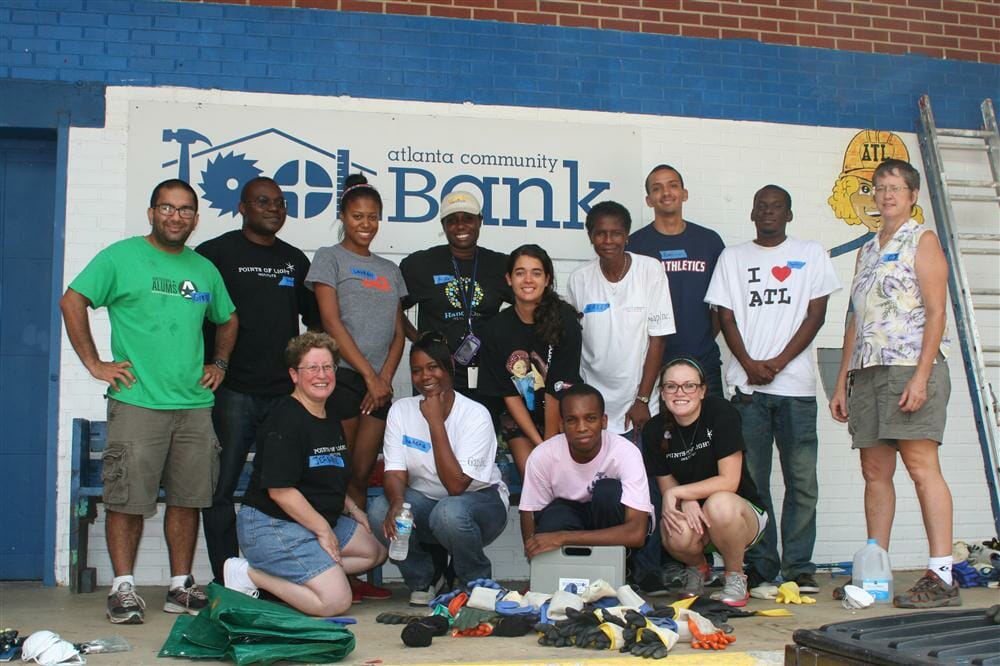
Hammers and rakes and gloves! Oh My! Yes, these were just a few of the tools that Points of Light employees sorted, labeled, and painted on July, 25, 2012, when we volunteered to help with the Atlanta Community Toolbank. Upon entering the toolbank, Points of Light staff received a brief orientation and tour of the warehouse from the Atlanta Community Toolbank’s Master Tool Librarian C.J. Clark. From this orientation, staff members learned about how the toolbank is impacting the surrounding community with its tool loan system. This system allows for Atlanta area nonprofits and religious organizations to borrow the tools to beautify the community.
The roles of Points of Light staff members ranged from cutting garden tarps, to clearing the toolbank’s sidewalk, to labeling and sorting gloves, to painting the outside of the toolbank. Employees had a blast building camaraderie, while contributing to the toolbank’s mission. At the conclusion of the service, Points of Light staff members were presented with toolboxes in appreciation for their awesome work. In exchange, Points of Light donated a mound of sharpies and Thank You notes. The Points of Light staff enjoyed serving with the toolbank and look forward to serving as a team again in August.