Today’s guest post is written by Neil Nicoll, president and CEO of YMCA of the USA, the national resource of the Y – a leading nonprofit for strengthening community through youth development, healthy living and social responsibility.
Strong community-based organizations play a critical role in addressing the nation’s most pressing social issues such as the rise of childhood obesity, type 2 diabetes and access to healthy food. Many of these organizations have learned over time that collaborating with like-minded partners can amplify the impact of our work to make a difference. When community-based organizations work as one and commit for the long term, we can move people and communities forward.
One specific example of how the Y collaborates with other community-based organizations to meet the needs of communities is through the YMCA’s Healthier Communities Initiatives. The Y engages local community leaders in policy and environmental change efforts to make the healthy choice the easy choice. As a result, this collaborative effort has led to solutions for change like providing access to nutritious foods in food deserts, creating safer routes for kids to walk to school and incorporating more physical education and physical activity during the school day.
While community organizations can make a difference in addressing needs and creating opportunities for individuals to thrive, we know that people also want to play a role in making their neighborhoods stronger. According to the Y Community Snapshot, a YMCA-commissioned survey that measures the quality of life in communities across the nation, many Americans report they are wary of what the future holds for their communities – an astounding 58 percent would move now if they could.
The survey further revealed that people are committed to making their communities better and want to get involved, take action and make a difference. In fact, when asked who has the greatest opportunity and responsibility to make a difference in improving the quality of life in their community, half of the respondents reported “me, my family and other members of our community.”
Individuals want to take responsibility for their communities, but most don’t know how. That’s where organizations like the Y play a key role. Across the country, the Y helps individuals give back and assist their neighbors by offering support, volunteer opportunities and programs that help strengthen community, improving the lives of hundreds of thousands of kids, adults and families.
Passionate community members help create a strong community, and strong communities create passionate community members. Community-based organizations help create both.
To learn more about the Y and our work in communities across the country visit ymca.net
How Has Service Transformed Your Life Or Your Community?
How has service transformed your life or your community? How have others been a positive impact on you?
Today’s guest post is written by Diana Nguyen, a summer intern at generationOn. Diana is a native of California, a college student in Boston and an urban city lover.
The issue of homelessness always puzzled me. I am the sheltered girl who drives past staring through the safety of her car window. I am the schoolgirl who peeks from the corner of her glance as she walks through the iron gates of a prestigious institution. I am the girl who has asked the questions everyone has asked, “Where do the homeless go every night? How did this happen, especially to our war veterans?”
My curiosity is restricted by my caution. It won’t kill me, but it will make me stretch my neck as my eyes trace down the long line leading to the open church doors. I give my curiosity the responsibility to free my mind from the misconceptions about the homeless. People give my caution the responsibility to keep me “safe.”
I want to approach them, ask them the questions they can answer, erase the line between
u
s and them. My looks, misunderstood as condescending, is a palm face up, a bridge between what seems to be two separate worlds.
There have been a handful of times I’ve shared more than a stare. I participated in service projects that provided homeless people food. We donated untouched food from celebratory banquets. I wish I could say something transformative happened afterwards, but it feels silly. It feels silly when I think how afterwards I went home while the stereotypes and their living condition remained the same. I would feel so full of myself if I said I made an impact. I did and I didn’t.
The regular community members are the transformers. They know the names of the homeless, talk to them and change the neighborhood attitudes toward them. These community members don’t receive a ribbon for their service, they don’t even acknowledge the transformation they cause, but their service is invaluable. As an onlooker, these people have transformed me. I aspire to be someone who treats everyone equally, is modest and does so effortlessly. Collectively, these community members have transformed their communities to care about others, be concerned with more pressing issues and ignore the vanity of the city. They contribute to an atmosphere that humbles any tourist or passerby. I need to feel comfortable with the issue of homelessness, understand that homelessness does not only affect war veterans, but also the mentally unstable and youth.
I thank these community members for encouraging me and humbling me. I am tired of walking past and trying to silence my curiosity.
Schools Stop Idling to Save the Earth
Today’s Turning Point comes from guest writer, Clay McMullen, a senior at West Geauga High School in Munson Township, Ohio where he is president and founder of the Wetlands Education Team.
A car that idles for 10 minutes uses as much fuel as it takes to travel five miles and burns more than 27 gallons of fuel annually. For every gallon of gas a car consumes, 20 pounds of carbon dioxide are released into the atmosphere. These emissions account for one-third of all greenhouse gases. Do you need more reasons to turn off your car while you are waiting?
Idling for longer than 10 seconds wastes fuel and is no more effective than turning an engine that is warm off and then on again. Internal combustion engines in cars are not the only threat to the environment. Diesel engines, such as those found in school buses, are also a problem. A school bus that idles for one hour per day for the entire school year will have 1,260 miles of additional engine wear just from idling, or as many miles as it would travel on a trip from Cleveland to the Everglades. Idling not only causes excessive engine wear, but it also dirties the engine causing the injectors and oil to become fouled. This too causes an engine to die faster, thus costing the school more money from typically paper-thin budget.
In addition, idling needlessly releases more than 40 different pollutants such as carbon dioxide, carbon monoxide, lead, benzene and formaldehyde into the environment. Many of these pollutants are carcinogens and the particulates are detrimental to people’s lungs. The pollutants released by idling cycle back into the vehicles, causing potential harm to anyone inside including the 9 percent of all school-age children who have asthma, who are especially vulnerable to poor air quality.
I take the bus to school most days. One day, my friends and I could smell the bus exhaust inside of the school. We realized that the air intake for the school was right next to the bus waiting area. Something had to be done! This was my turning point. The school board already had a no-idling policy in place, but it had fallen into disuse, so I fought to bring it back. I consulted with the superintendent and we not only restored the no bus idling policy, but we also added a no-idle policy for cars. By doing this, we ensured that my school would be a much cleaner, healthier place. I designed “Idle Free” signs for the schools, sent flyers home to parents and stenciled parking lots with no idling reminders.
I worked with a local university to successfully win the Ohio Environmental Protection Agency’s Clean Diesel School Bus Retrofit Grant, which provides funds for filters to be installed on the transportation fleet to clean the air inside the buses and trap the emissions in the environment. DMF filters can reduce emissions by up to 60 percent. I tested the air quality before the “Idle Free” program was implemented and we have seen substantial benefits with the new filters.
If others want to improve air quality at their schools, I highly recommend talking to school board members and superintendents. In my experience, I found unanimous support for my ideas because they saved money and equipment, and they improved the air quality at the school and on the buses. In addition, voluntary compliance with no idling policies is a no-cost solution to air pollution. Most school districts can apply for funding to purchase particulate filters for their fleet. Many states have grant programs like Ohio’s to provide money for bus retrofits. Idling is an unnecessary action that wastes money and fuel while hurting the environment and our lungs. Fight to improve air quality and save your wallets, your environment and yourselves.
Clay is a member of the of the 2011 PARADE All-America High School Service Team, an award recognizing outstanding young service leaders presented by PARADE Magazine in partnership with generationOn, the global youth enterprise of Points of Light.
GenerationOn Nominated For the Classy Awards
The 4th Annual CLASSY Awards have nominated generationOn for the Best New Charity in the Northeast. We are so honored and proud to be in the running for this award. The Classy Awards recognize the greatest charitable achievements worldwide. Five months of nominations, voting and judging will culminate on September 21 and 22 in San Diego, CA.
The CLASSY Awards is the largest philanthropic awards ceremony in the country, celebrating the greatest charitable achievements by nonprofit organizations, socially conscious businesses, and individuals worldwide. In 2011, nearly 2,000 organizations and volunteers were nominated for a CLASSY Award, and their collective efforts impacted the lives of more than 200,000,000 people in 71 countries worldwide.
Our time at the Conference was very inspiring. There remains a powerful and effective group of professionals working on volunteerism across the country and locally. The Center for Volunteer and Nonprofit Leadership is excited and motivated to help in the following ways:
We’ll be working with CaliforniaVolunteers to design and implement the Service Enterprise Initiative. Upon completion of this three-year program, we will have resources and data available to share with organizations across the country to help them better utilize skilled volunteers.
As one of 10 HandsOn Network affiliates selected to design and implement an Innovation Hub, we’ll be developing new strategies to engage volunteers and create cutting-edge community engagement models that can be replicated across the network.
The Center is piloting a new model for building leadership among volunteer managers. The Community of Practice for Volunteer Managers of Older Adults will be meeting and working throughout the year.
The present landscape of volunteering is evolving, as the Conference highlighted through its various sessions. Volunteer management practices have changed dramatically across both the social and private sectors, and representatives from both spheres interested in changing their approach to volunteer engagement have more options and support than ever. However, more work needs to be done, and the Conference played a huge role in challenging us to think differently not just about how the future landscape of volunteer management might look but more importantly why it’s important at all. Thank you Points of Light and all who participated for an illuminating, challenging and creative five days!
Conference Reflections from the Center for Volunteer and Nonprofit Leadership
Chicago is a truly inspiring city. With its sprawling parklands, extensive public transportation and historical landmarks, Points of Light could not have selected a more dynamic and inspiring backdrop for this year’s Conference. We were amazed by the variety of public figures, members of government, community leaders and celebrities who joined in this years’ Conference to create new ideas for service, discuss challenges and work together to create solutions through the power of people. Secretary Arne Duncan highlighted the importance of convening and learning together by saying, “Everyone should be teaching and be taught at the same time.”
Our take-aways from the Conference were plentiful. We were inspired by the theme of programs vs. impact. It’s not about the number of programs you offer within your organization, it’s about how those programs impact your community and affect change. Programs are the avenue of impact for nonprofits, where passion, people, purpose, principles, preparation and planning intersect with programs for positive change. We were also drawn to the sessions revolving around education. “It is often said that the only way to fix education is to fix poverty, when actually it’s the other way around; the only way to fix poverty is to fix education,” stated Secretary Duncan during the session on How Citizen Service Strengthens Communities. We’re particularly passionate about education as we’re currently working with HandsOn Network to develop a program focused on youth leadership and service learning. The story of Laura Ling also during How Citizen Service Strengthens Communities session was all about hope. While she was being held captive in North Korea, she never gave up hope. “Get to know you enemies,” she said during her session, “You have more in common than you think.” Her words remind us to practice gratefulness and gratitude each day.
Change Notes: National Conference on Volunteering and Service Creates Turning Point
Friends,
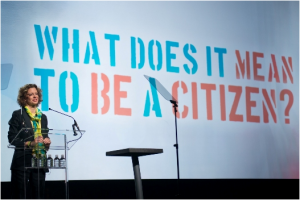
Points of Light convened the 2012 National Conference on Volunteering and Service recently in Chicago, bringing together more than 5,000 civic leaders to gather, share stories and best practices, and be inspired to create greater impact. Our theme this year was “Turning Point” and we believe there were real moments of transformation for individual participants and for our larger service movement.
Twenty years ago, Points of Light convened its first conference in Chicago. It was a gathering of individuals, organizations and corporations that came together to spur volunteer and civic action. In the time since, we have made phenomenal progress. Today, 25 million more Americans are volunteering in their communities than when President George H. W. Bush made his call to service in 1989. We have young people volunteering at a higher rate than ever before and we have a generation of citizens equipped with new ways of creating scale and impact.
The arc of the past 20 years has been lifted ever upward through critical leadership at pivotal moments from ordinary American looking to create healthier, stronger communities and address the challenges they faced. These moments are not just individual successes; they are turning points for the entire service movement.
I believe three critical turning points have brought us to this moment and will shape our future. Here are just a few of the examples of change agents that are driving these turning points.
First, we must look at the impact of service. In 2003, Audrey Suker started the Minnesota Reading Corps with 250 children. Today, the Corps engages 1,000 AmeriCorps members to serve 20,000 children, 80 percent of who achieve more than a year’s worth of progress, dramatically exceeding state and national averages. More importantly, these kids are dramatically improving their chances of succeeding in school and in life.
The Corps’ work in Minnesota schools is just one of hundreds of examples of ways we have learned to demonstrate measurable progress against seemingly intractable social problems.
I see impact all over the work of civic innovators like Jennifer Pahlka at Code for America and Ben Rigby at Sparked, who have created organizations that are harnessing the expertise of citizens. Jennifer has created what she calls a Peace Corps for Geeks that is changing how cities work through technology and public service. Sparked is creating opportunities for people, through micro-assignments, to apply their gifts to nonprofit needs.
Leaders like Jean Case and Senator Mark Warner are taking these efforts to the next level with the creation of a pro bono marketplace. Re-launched this past fall within Points of Light and with the support of Deloitte, A Billion + Change has generated commitments from 208 companies for more than $1.8 billion dollars in pro bono services to the nonprofit sector.
We’ve turned a second corner with our work on citizen-centered solutions. We’re putting people at the center of change, meeting people where they are, embracing each person’s unique talents and passions.
In the aftermath of the Haiti earthquake, Jake Wood realized that the skills he cultivated as a soldier on the battlefield – emergency medicine, risk assessment, and teamwork – would be invaluable in the face of natural disasters. Since then, his Team Rubicon has mobilized veterans in the aftermath of disasters from Texas to Mozambique.
Jake is putting veterans at the center of change. He is demonstrating the alignment between community service and military service. He is creating a united front of citizens who stand ready to safeguard and support our nation.
Leaders like Lester Strong with AARP Experience Corps and Maya Enista Smith of Mobilize are putting new generations at the center of change – both baby boomers, who are using their experience in encore careers devoted to service, and millennials, who are acting with an unprecedented scale and nimbleness. They are discovering new ways of activating the idealism and experience of our citizens over a lifetime.
The third turning point is all about innovation and service going global. We are accomplishing things we couldn’t have imagined just a few years ago.
When Sargent Shriver and Harris Wofford started the Peace Corps, they believed it would be truly serious when 100,000 members served around the world. Today our government supports just 9,000 Peace Corps members, but through innovation and multi-sector collaboration, we have a tapestry of business, nonprofit and governmental organizations that are activating more than a million volunteers internationally each year.
Corporate leaders like Diane Melley have spearheaded the creation of IBM’s Corporate Service Corps, which sends teams of employees around the world on long-term assignments to create social enterprises and economic development projects. Social entrepreneurs like Scott Beale have created an inverse Peace Corps where global innovators spend a year helping U.S.-based nonprofits.
Our service boundaries are no longer circumscribed by nation or exclusive to the nonprofit sector, but are limited only by our imagination to act on a global stage across all sectors.
The Conference gave the service sector the opportunity to come together. To join forces to tell our story – the story of how we the people can solve the problems of our time.
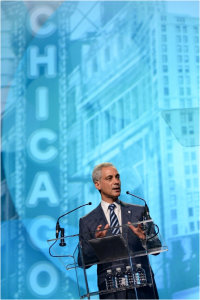
If you were able to join us in Chicago, I hope you left feeling energized and empowered. If not, I encourage you to visit the Conference website and watch some of the sessions available on video – they are truly inspiring. An extraordinary cross-section of leaders joined together – from the opening plenary with Chicago Mayor Rahm Emanuel, Dr. Jill Biden, Barbara Bush, Kevin Bacon and J.R. Martinez, to Target’s education-focused plenary with Secretary of Education Arne Duncan, to the closing plenary that brought the audience to its feet with inspiration and a closing ritual to reimagine our citizenship.
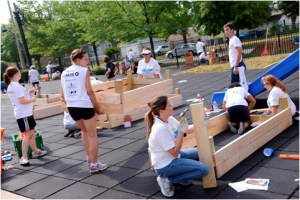
Conference attendees also left their mark on the city of Chicago through Seeds for Change, which built three new community gardens in areas considered “food deserts” and assembled 500 “Seeds of Change: Community Garden Kits” containing seed packets, seedlings, implementation guides, service learning materials and gardening supplies that went to schools throughout the city.
All this was made possible through the generous support of presenting sponsors Chase and Target, leadership sponsor University of Phoenix, platinum sponsors ITT Exelis and Toyota and more than a dozen other corporate partners.
By embracing our turning point we can achieve the promise staked at the Conference – share, celebrate, learn, strategize and challenge each other to move our service work forward, to be more purposeful, more focused, more coordinated and more creative.
We can do this – for ourselves, for all those in need, for our nation and our world – if we do it together. We look forward to coming together next year in Washington, D.C., June 19-22.
In service,
Michelle Nunn
CEO, Points of Light
My NCVS Thoughts – from the New CEO at CNCS to the 500+ Alumni Attendees
Today’s blog is written by Ben Duda, executive director of AmeriCorps Alums. This blog is republished from the AmeriCorps Alums blog on June 27, 2012.
The 2012 National Conference on Volunteering and Service in Chicago was a memorable one for AmeriCorps Alums. We held our first ever Pre Conference and Town Hall sessions where Alums from all over the country and across multiple programs convened to share their service stories and meet with their fellow Alums committed to serving in their life after AmeriCorps. The tagline of “A Lifetime of Service” was apparent everywhere, modeled by the alumni who attended our conference. It’s clear that AmeriCorps alumni are a community of ‘DO-ers’. I met Alums working in diverse careers, each still wearing their AmeriCorps service on their sleeves; this time not on their shirts. Like the Alum heading CSR at Redbox who told me she hired an alum to join her team because of her AmeriCorps service on her resume. Or our 10+ chapter leaders in attendance, each working professionally in varied career paths but sharing a passion and commitment to their AmeriCorps year and building communities of alumni in their cities. My time and conversations with individual Alums made this a conference to remember.
My top 5 highlights from NCVS:
1) New CEO of CNCS, Wendy Spencer
Wendy Spencer was confirmed as the new CEO of CNCS in March, but the energy and leadership she displayed made NCVS her coming out party. (I’m glad to say she got a standing “O” at our luncheon). From her speeches at plenary sessions to her special guest welcome speech at our Town Hall, she advocated for more dollars devoted to National Service and made her commitment to our work at AmeriCorps Alums very clear. When asked what she would tell a member who was finishing their service, she enthusiastically stated: “Join AmeriCorps Alums!”
Her passion for service and knowledge of the importance of national service is infectious and one that I find refreshing and energizing as we move forward as leaders in the service movement.
2) NCVS Pre Conference
As recapped here, our first Pre conference for Alums was a great kick off to conference for us. Local Chicago Alums and conference attendees spent time in small groups talking their mission and passions in service and brainstorm ways to transform their lessons learned into action steps in their local communities. Seeing thought leaders come together and share their service stories was very exciting for me and the connections made are ones that will go beyond the three days of conference.
Points of Light CEO Michelle Nun also visited our Pre Con and gave our attendees an inspiring welcome, including the story behind the beginnings of AmeriCorps Alums as a Point of Light (then HandsOn Network) enterprise in 2005.
You can watch Michelle Nunn’s welcome to our Alums below:
3) NCVS Town Hall
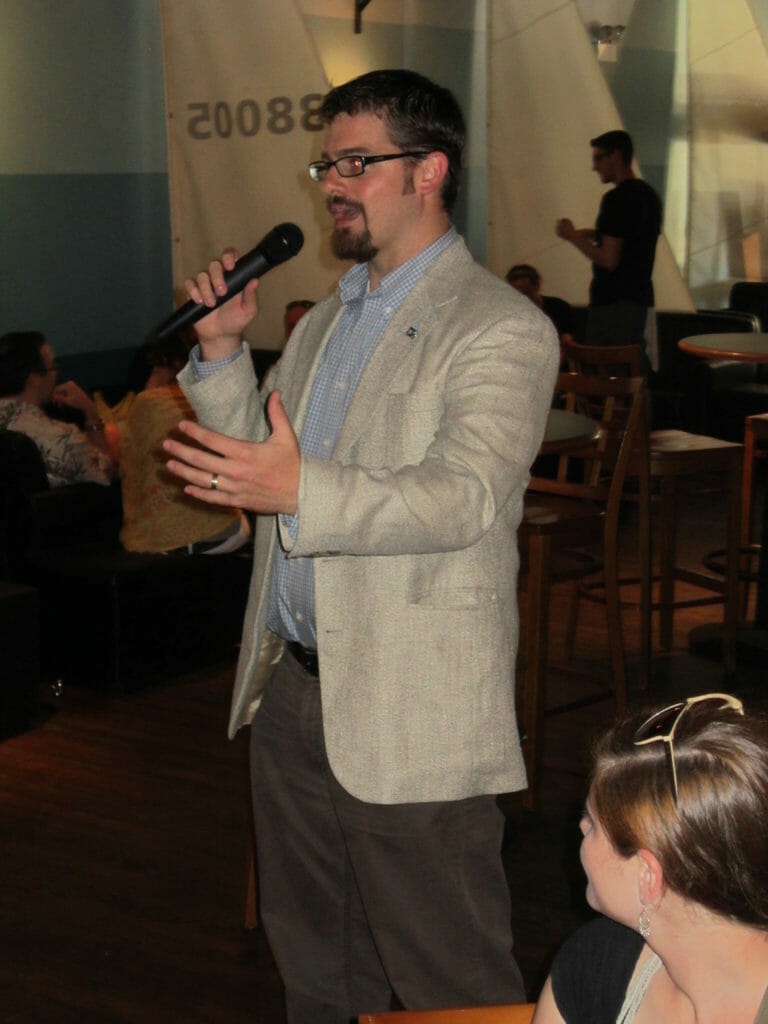
Like our Pre Conference, it was our first ever Town Hall session at NCVS and the energy shared in the room was infectious, as you can read from all the tweets that were sent. Over 100+ Alums joined us on Tuesday for our lunchtime session, where we were welcomed by Wendy Spencer, heard from the 2012 Eli J. Segal Entrepreneurship Award recipient Anita Yip, shared stories from our local chapters and chapter leaders in attendance, announced our newest member benefit partnership with Motel 6, got an advocacy update from partner ServeNext, and focused on the work we’ve done in the last year and our commitment to more offerings in the year to come.
It was a high energy, high inspiration affair and my only wish would be that the room could have been 1,000 or 100,000 instead of 100. We were proud to share the stage with so many great partners and feel like great successes are ahead for our organization, and our community.
4) Connecting with Peace Corps
The spirit of service shared between AmeriCorps Alums and Returned Peace Corps Volunteers is one that’s hard to find in any other community and we really wanted our alumni networks to connect and collaborate on future opportunities to serve domestically. Thanks to Ally Snell, an AmeriCorps Alum herself who is managing partnerships and recruiting on-staff with the Peace Corps, we had multiple instances to make the connection of a continuum of service. I look forward to seeing the potential impact our two alumni communities will have in leading in service – and think Chicago will help lead the way, where the Alums Chapter and RPCVs have committed to an upcoming service project together this fall.
5) Making Connections with Alums
Last but not least, it was great to meet many Alums in person. Having been in touch with many via email, phone, Skype, or Adobe Connect, it was truly an honor and pleasure to meet so many Alums in person and get a chance to hear your service stories. Listening to your commitments to service and why you still give back after your AmeriCorps term is inspiring and reinforce the work that I do as the Executive Director of AmeriCorps Alums. Whether our chapter leaders, who have made a significant commitment to AmeriCorps Alums and continue to push us with new ideas that are born in the field, to the alumni who attended NCVS and got introduced to AmeriCorps Alums for the first time.
The People are what power AmeriCorps Alums, and are the reasons why I know we’ve got amazing days ahead of us.
The potential of AmeriCorps Alums as an idea and as a network reveals itself in new ways nearly everyday, but when you have the opportunity to see over 500 DO-ers in action, in one place, it can be really special. Thanks for the powerful work you all continue to do in your communities everyday, and thanks for living out the spirit of service as an AmeriCorps Alums. NCVS was a powerful moment in time, and the incredible energy cultivated is only an indicator for the incredible successes and impact to come.
Momentous 2012 Conference and 2013 Location Revealed
More than 5,000 leaders from the service sector came together to create new ideas for service, discuss challenges and work together to create solutions through the power of people during the 2012 National Conference on Volunteering and Service. Thank you to everyone who joined us in Chicago!
In case you missed it, please see the following highlights and resources available to all.
Conference attendees were tweeting up a storm; we were even trending in Chicago. Take a look at the top tweets and twitpics.
To download or print materials from session presenters, log into your registration record. If the sessions you’ve registered for have materials for downloading, you’ll see a link the top of your record that says “New Content is available. Session handouts are available for download.”
If you didn’t register for Conference, or are looking for materials from sessions that you weren’t registered for, go to our session locator system and search for individual sessions. Click on “session details” and there will be a link to download if presenters have made materials available.
Building on the turning point created in Chicago, we announced the 2013 Conference will be held in Washington, D.C., at the Walter E. Washington Convention Center. At a time when so much divides us, service is common ground. It is a uniting force that can pull us together in common cause and in pursuit of the ideals upon which this nation was founded and toward which citizens continue to strive.
The Conference on Volunteering and Service is on point with the evolving civic landscape. There is no better time to bring together the brightest and most cutting-edge entrepreneurs for social change. Make plans to join us in June, 2013.
Into the Cloud for Non-Profits! Learn the Best Practices to Share Projects and Documents
Today’s article is written by HandsOn Tech AmeriCorps members John Jarvis, Melissa Reynolds, and Diana Bui, from the HandsOn Atlanta office. This article was first published in the evolve newsletter and has been published on the Learn It Live Blog.
More and more, our lives and our work are moving to the Internet. We have our files, our mail, our news, our photos, and even our social networks, all on the Internet. Work within the office is no exception. Professional teams are currently taking advantage of the many collaborative tools available through cloud computing. By using cloud computing tools, you can become more efficient and productive not only as a professional, but also as a volunteer manager.
Whether you realize it or not, you’re probably already using cloud computing tools. Essentially the whole concept of “the cloud” is simply the Internet rebranded. Web mail services like Gmail, Hotmail or Yahoo are three prime examples of popular cloud tools; we just don’t think of these services in those terms.
Cloud computing is having every piece of data you need at your fingertips and ready for use. This data is mobile, shareable, and instantly accessible. The appeal to this kind of productivity with cloud computing is the ability to sync your data among all your computers, mobile devices, as well as to access shared data. One of the most robust and popular set of collaborative tools available is Google Docs.
By using Google Docs, your team can take advantage of three key features of cloud computing: File Sharing, Mobility and Security.
File Sharing
With Google Docs, you can easily share typical office documents (spreadsheets, presentations, etc) with every member of your team. Additionally, everyone can jump in and make edits to these documents at the same time. This method eliminates back-and-forth email attachments and multiple versions that can be hard to keep track of.
Mobility
With all of your documents stored “in the cloud,” you can access your work from any device with a Web browser – your computer, phone or tablet – and stay productive even when you’re away from the office. Maybe you need to edit a spreadsheet while at the airport waiting for a flight? Or respond to an email from a hotel business center computer? These kind of cloud computing solutions make it easy to stay connected to projects you’re working on with your team, no matter where you are or what device you’re using.
With these tools you can also work with your colleagues as if you’re in the same room while you’re away. Arrange an impromptu video chat from your Gmail inbox or jump into the same document and edit it together as if you’re sitting at the same computer.
Security
It may seem ambiguous to say your data is stored “in the cloud.” It is actually stored across many large facilities known as data centers. Should a critical accident happen – if your computer crashes or is stolen – your files are secure at this offsite location and are always available from a different computer.
Google also offers an extra security feature in the form of data encryption. Through this, your critical and sensitive data is protected from the risk of hackers and other digital thieves.
So, in considering Business Cloud Computing Services, remember:
File Sharing
• Allows you to work with multiple colleagues on the same document, at the same time
• Eliminates file duplication
• Automatically tracks edits to a document
Mobility
• Allows you to access your files from any computer, including your phone or tablet
• Connects remotely via simple, and free, video-conferencing
Security
• Ensures that your work is always backed up
• Increases reliability
• Provides strong encryption
To learn more about the best technological practices for nonprofits, register for the following events:
HandsOn Tech seeks to develop the nonprofit sector’s effective use of technology to increase community resources and improve outcomes for low-income communities and families.




 Today’s guest post is written by Neil Nicoll, president and CEO of YMCA of the USA, the national resource of the Y – a leading nonprofit for strengthening community through youth development, healthy living and social responsibility.
  How has service transformed your life or your community? How have others been a positive impact on you?
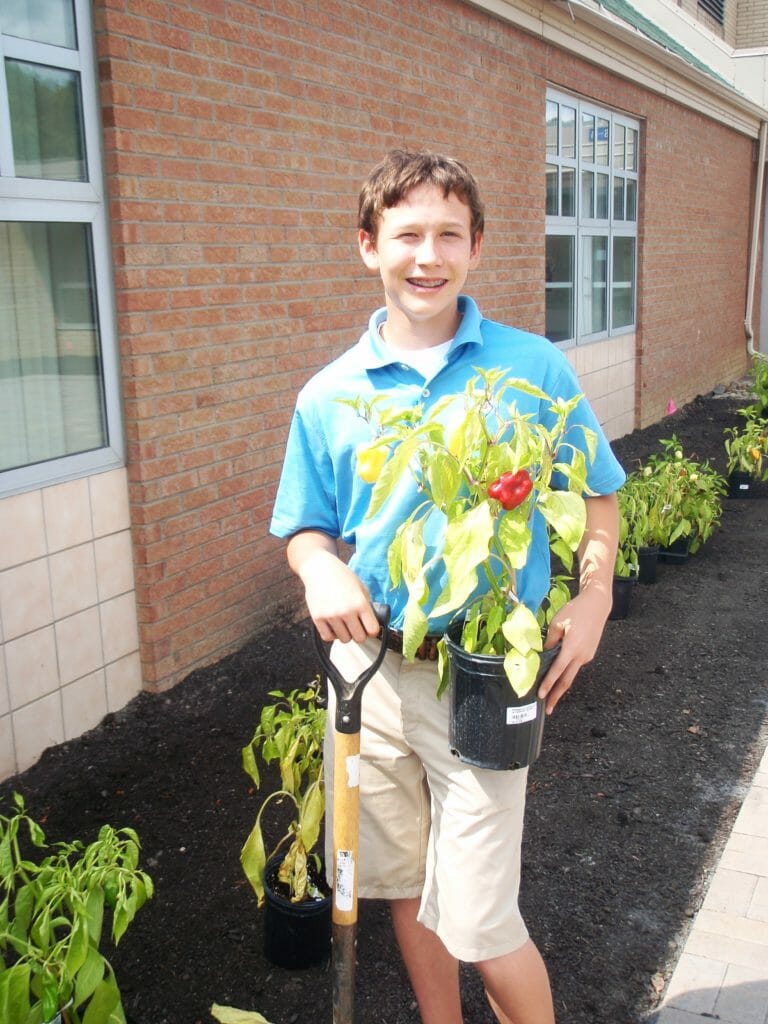 Today’s Turning Point comes from guest writer, Clay McMullen, a senior at West Geauga High School in Munson Township, Ohio where he is president and founder of the Wetlands Education Team.
  The 4th Annual CLASSY Awards have nominated generationOn for the Best New Charity in the Northeast. We are so honored and proud to be in the running for this award. The Classy Awards recognize the greatest charitable achievements worldwide. Five months of nominations, voting and judging will culminate on September 21 and 22 in San Diego, CA.
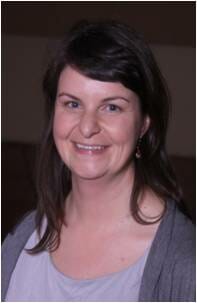 Today’s post is written by Julie Burk, director of Volunteer Services at the
 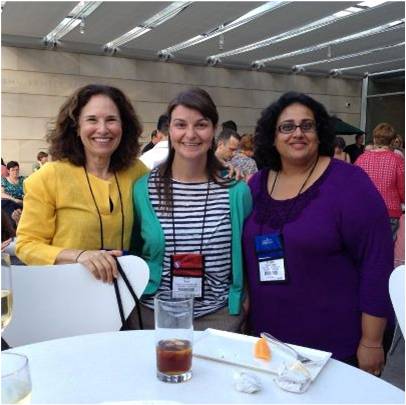 The present landscape of volunteering is evolving, as the Conference highlighted through its various sessions. Volunteer management practices have changed dramatically across both the social and private sectors, and representatives from both spheres interested in changing their approach to volunteer engagement have more options and support than ever. However, more work needs to be done, and the Conference played a huge role in challenging us to think differently not just about how the future landscape of volunteer management might look but more importantly why it’s important at all. Thank you Points of Light and all who participated for an illuminating, challenging and creative five days!
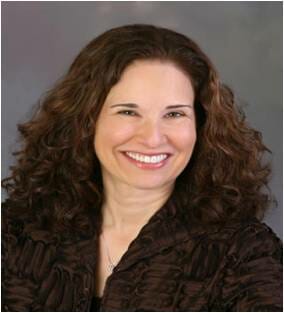 Today’s post is written by Linda Davis, chief executive officer of the
  Our take-aways from the Conference were plentiful. We were inspired by the theme of programs vs. impact. It’s not about the number of programs you offer within your organization, it’s about how those programs impact your community and affect change. Programs are the avenue of impact for nonprofits, where passion, people, purpose, principles, preparation and planning intersect with programs for positive change. We were also drawn to the sessions revolving around education. “It is often said that the only way to fix education is to fix poverty, when actually it’s the other way around; the only way to fix poverty is to fix education,” stated Secretary Duncan during the session on How Citizen Service Strengthens Communities. We’re particularly passionate about education as we’re currently working with HandsOn Network to develop a program focused on youth leadership and service learning. The story of Laura Ling also during How Citizen Service Strengthens Communities session was all about hope. While she was being held captive in North Korea, she never gave up hope. “Get to know you enemies,” she said during her session, “You have more in common than you think.” Her words remind us to practice gratefulness and gratitude each day.
 Twenty years ago, Points of Light convened its first conference in Chicago. It was a gathering of individuals, organizations and corporations that came together to spur volunteer and civic action. In the time since, we have made phenomenal progress. Today, 25 million more Americans are volunteering in their communities than when President George H. W. Bush made his call to service in 1989. We have young people volunteering at a higher rate than ever before and we have a generation of citizens equipped with new ways of creating scale and impact.
 I see impact all over the work of civic innovators like Jennifer Pahlka at
  Conference attendees also left their mark on the city of Chicago through Seeds for Change, which built three new community gardens in areas considered “food deserts” and assembled 500 “Seeds of Change: Community Garden Kits” containing seed packets, seedlings, implementation guides, service learning materials and gardening supplies that went to schools throughout the city.

 Today’s blog is written by Ben Duda, executive director of
 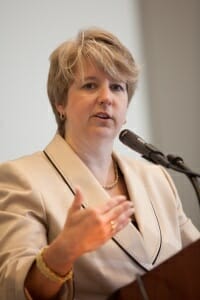 Wendy Spencer was confirmed as the new CEO of CNCS in March, but the energy and leadership she displayed made NCVS her coming out party. (I’m glad to say she got a standing “O” at our luncheon). From her speeches at plenary sessions to her special guest welcome speech at our Town Hall, she advocated for more dollars devoted to National Service and made her commitment to our work at AmeriCorps Alums very clear. When asked what she would tell a member who was finishing their service, she enthusiastically stated: “Join AmeriCorps Alums!”
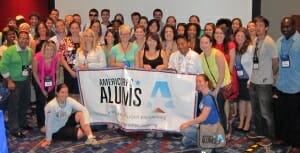 As recapped
 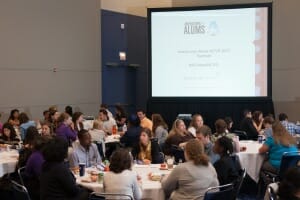 Like our Pre Conference, it was our first ever Town Hall session at NCVS and the energy shared in the room was infectious, as you can read from all the
 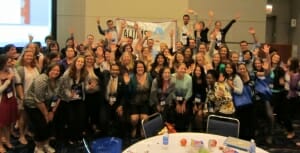 Last but not least, it was great to meet many Alums in person. Having been in touch with many via email, phone, Skype, or Adobe Connect, it was truly an honor and pleasure to meet so many Alums in person and get a chance to hear your service stories. Listening to your commitments to service and why you still give back after your AmeriCorps term is inspiring and reinforce the work that I do as the Executive Director of AmeriCorps Alums. Whether our chapter leaders, who have made a significant commitment to AmeriCorps Alums and continue to push us with new ideas that are born in the field, to the alumni who attended NCVS and got introduced to AmeriCorps Alums for the first time.
 Building on the turning point created in Chicago, we announced the 2013 Conference will be held in Washington, D.C., at the Walter E. Washington Convention Center. At a time when so much divides us, service is common ground. It is a uniting force that can pull us together in common cause and in pursuit of the ideals upon which this nation was founded and toward which citizens continue to strive.
The Conference on Volunteering and Service is on point with the evolving civic landscape. There is no better time to bring together the brightest and most cutting-edge entrepreneurs for social change. Make plans to join us in June, 2013.
Building on the turning point created in Chicago, we announced the 2013 Conference will be held in Washington, D.C., at the Walter E. Washington Convention Center. At a time when so much divides us, service is common ground. It is a uniting force that can pull us together in common cause and in pursuit of the ideals upon which this nation was founded and toward which citizens continue to strive.
The Conference on Volunteering and Service is on point with the evolving civic landscape. There is no better time to bring together the brightest and most cutting-edge entrepreneurs for social change. Make plans to join us in June, 2013.