Another week has flown by so fast and we are 3 weeks out from Conference! This past week was the one year anniversary of the Joplin, MO tornadoes and AmeriCorps members are still getting things done- see our news below to get more information! This Monday is Memorial Day, let’s remember and thank our military service members and veterans who serve for us. Have you heard of our community blueprint program? Check it out to find resources how to support military, and military family members.
Second Lady of the United States to discuss Joining Forces initiative as part of next greatest generation of service leaders
We are excited to announce that Dr. Jill Biden, Second Lady of the United States, will be joining us for the 2012 National Conference on Volunteering and Service. Dr. Biden is a lifelong educator, a proud Blue Star mom and an active member of her community. As Second Lady, she works to bring attention to the sacrifices made by military families, highlight the importance of community colleges to America’s future and raise awareness around areas of particular importance to women.
During our opening session, A New Generation of Service, Dr. Biden will discuss Joining Forces, the initiative she started with First Lady Michelle Obama last year as a way to encourage all Americans to honor, recognize and support our service men and women, veterans and military families.
Veterans and Military Families Track
Don’t miss these sessions focused on supporting and engaging veterans, active service people and military families.
(3136) All the Way Home: The Blueprint for Meaningful Community Response – A Points of Light Community Blueprint Summit for Change
(2955) The Community Blueprint Network: Organizing Communities to Support Veterans, Service Members and Families
(2956) Solutions for Finding and Engaging Veterans in Service
(2484) From the Couch to the Cause: Leveraging Military and Civilian Online Networks
Click here to view all Veterans and Military Families track sessions and register now to ensure your seat in these important discussions.
More Don’t-miss Sessions
Social Media for Social Good (2881) – Presented by NTEN, with speakers Holly Ross and Amy Sample Ward
Faith and Neighborhoods In Action: Addressing Problems with tangible Solutions (2758) – With Joshua DuBois
Civic Fellows Leadership Exchange (2906) – With Susan Ellis
The Requirement to Care – Leading the Way for Pro Bono Commitment
Today’s post is written by Points of Light Board Member Jeff Haidet, chairman of international law firm McKenna Long & Aldridge LLP, where he is also a partner. In addition to Jeff’s role as chairman, he maintains an active corporate practice and is involved in pro bono legal service and other community service work on behalf of the firm.
Earlier this month, the state of New York announced a new requirement for all lawyers applying to the New York State Bar. Starting in 2013, aspiring attorneys will need to demonstrate that they have performed 50 hours of pro bono legal work in order to be eligible for admission.
The legal profession has long held the professional standard that the pursuit of justice and the practice of law must include providing legal services to those who can not afford to pay. Law firms manage pro bono practices to varying levels of success. But all lawyers understand this underlying ethic to their profession.
And while you can debate the rationale and benefit behind any mandatory requirement for volunteer service, New York’s bold act invites an important conversation for the larger business community around setting standards that place value on pro bono contributions. If companies within every industry adopted an ethic of service that encouraged and incented skills-based, pro bono contributions from employees, imagine what could be accomplished.
First, there is the value of pro bono volunteer service to the individual and the practical skills acquisition for employees. For the legal industry, the unprecedented move by New York highlights the question about the readiness of emerging law students. Prior to practicing law, law students have varying levels of experience actually applying classroom skills to real-life situations. A requirement or ethic of pro bono service incents law students to gain tangible skills prior to practicing and encourages law firms to focus summer training programs on engaging students in pro bono matters applying legal skill to tangible urgent needs.
As a bonus, emerging research from firms such as Deloitte tell us that millennials, today’s law school graduates, place a higher value on corporate cultures that have a social responsibility platform and offer opportunities for young professionals to hone their skills while giving back. The New York requirement simply gives law firms in New York increased incentive to actively engage their summer associates and young lawyers in their pro bono programs whereby they will meet the legal services needs, provide fledgling lawyers practical experience, and potentially garner the interest of top candidates who find community involvement a critical element to their employment decisions.
The move in New York also invites discussion around the tangible value of pro bono or skills-based volunteer service to the larger community. In the legal profession, providing legal services to people struggling with criminal legal issues as well as foreclosures, evictions, domestic violence or a variety of civil legal matters, hones the skills of any attorney and provides invaluable service to people in crisis. Expanding on this traditional legal services paradigm, providing legal services to meet the organizational needs of a non-profit has a ripple effect. Again the attorney gains valuable skills. But in addition, the non-profit receives direct operational expense off-setting services that strengthen the organization and enable that non-profit to then serve a greater number of clients in need. Another mutual win for all involved.
The decision in New York resonates with me as the head of a law firm with a New York office. As chairman of McKenna Long & Aldridge, I understand that part of my role in leading this law firm includes championing the importance of pro bono involvement, recognizing the value internally and finding ways for our people to use their skills to meet legal needs in the community. Yet, providing professional skills to meet critical community needs is a win for any industry, not just the legal profession. Individuals builds vital professional and leadership skills, learn deeply about community issues and vital needs are met.
This is why McKenna Long & Aldridge is a founding partner for a pro bono service campaign called the Billion + Change which was created for the very reasons illustrated by the move in New York: to encourage an ethic of giving back in every industry in the country. A Billion + Changeis a national campaign championed by more than 100 companies to mobilize billions of dollars of pro bono and skills-based volunteer services from corporate America by 2013.
As a Founding supporter of Billion + Change, McKenna Long & Aldridge joined the effort to try to bring the lessons learned from the legal community to help envision how every industry can adopt of standard of giving a portion of their professional skills and services to address critical issues. We hope to help tell the story and further the message that there is work to be done and every industry has the human capital and professional skill to meet the needs.
If this notion of giving your professional skills to meet critical needs resonates, learn how your company can create value and make a lasting impact on society visit www.abillionpluschange.org.
Afflicting the Comfortable or Staying Comfortable: What’s Your Choice?
Today’s guest post is written by Jill Friedman Fixler, speaker at our National Conference of Volunteering and Service this June. Cowling is a nationally known leader recognized for her innovative approaches to re-inventing, re-engineering, and re-vitalizing nonprofit and public sector organizations
.
As a nonprofit consultant I often joke that my role is to afflict the comfortable. I am often taken back that so many organizations are satisfied with comfort when the world is changing at such an unprecedented rate. What worked well five years ago may be only marginally working today. And somehow we are content with this. In my view, this is the definition of insanity—trying the same thing over and over again and expecting the same result.
Volunteer programs do this a lot. Virtually every volunteer program in this country was built on what traditionalist volunteers (adults born before 1946) have been willing to contribute. They represent the loyalist generation who work for and appreciate the 20 year pin, who work tirelessly for organizations doing what is asked of them, and who have carried many organizations to this point in history. As the traditionalist population ages out of the marketplace, the volunteers who are replacing them (b=Boomers, Xers, and Millennials) expect their volunteer experiences to fit their schedules to utilize their skills, and to have immediate impact.
Volunteer engagement professionals are at the epicenter of this change. So many of them tell me that they recognize they must do things differently but they are waiting for permission slips that never come. I say, “What are you waiting for?” I recommend starting somewhere in your own practice. Stop being comfortable, take some risks, and try out some new volunteer engagement strategies. Ask yourself these questions:
Am I leading the change I wish to see?
Do I engage high impact volunteers in my work? In my department? Throughout the organization?
Is our volunteer program diverse for age, ethnicity and gender?
What are the opportunities to utilize skilled volunteers in my department? What help can I use to accomplish my goals for the year, that align with organizational strategic priorities and/or can fulfill my dreams for the organization?
Who are the champions for volunteers that I work most closely with? How can I engage them in the changes I want to make?
Once I make the change, how will I know I have been successful? What are the benchmarks for success? What is replicable and sustainable outside of my department?
How will I tell my story of change? Who will I tell?
In order to make the change, you will need to see your role differently. The task moves from maintaining the status quo to leading the change you wish to see. It will take letting go of the ways you have always worked, suspending what you know in exchange for experimenting with new volunteer engagement strategies, and planning for a different outcome for your work. It is always best to start small and start in areas where you know you will be successful, as success breeds more success.
Let’s face it, we can wait for change to happen to us or we can embrace change and make it happen. I know what I would choose. How about you?
There are so many great sessions at this year’s conference and so many great things to do and see in Chicago that finding time to get it all in can be difficult. After you hit the
for a few pictures, the day is gone and you’ve forgotten to eat.
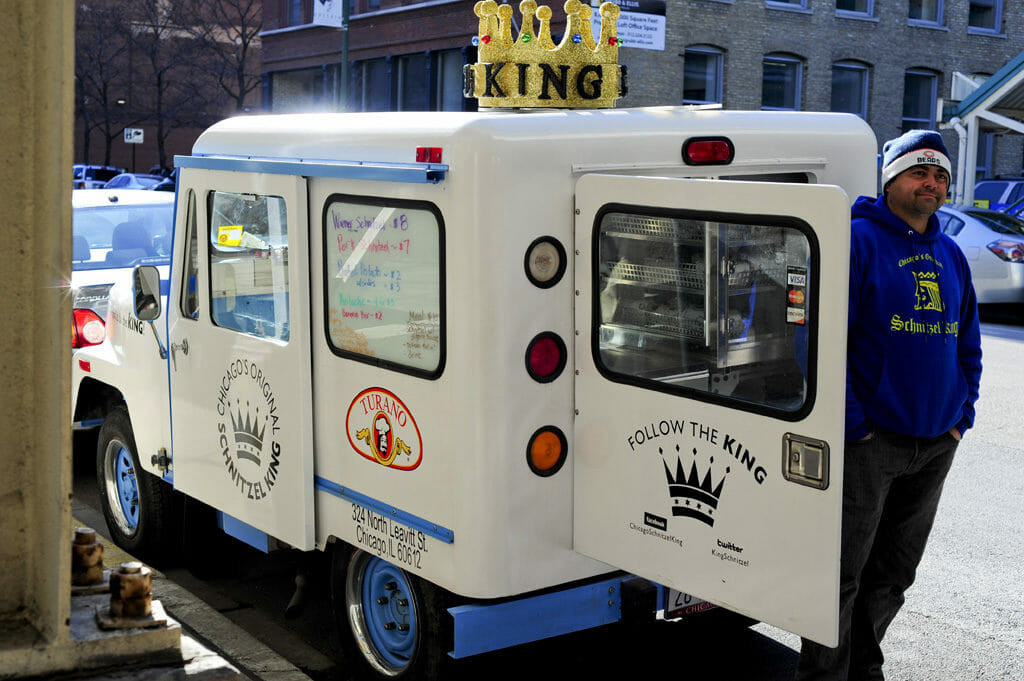
Fear not, intrepid traveler, because Chicago has some great restaurants. Chicago also has a lot of popular food trucks! Many of them don’t have a set schedule so that they can travel around the city bringing delicious food to people around the city, so if one sounds interesting reach out and let them know you’re coming!
A lot of the trucks don’t have schedules set all the way out to mid-June for conference, but I bet if we start asking them nicely, they’ll make a stop by McCormick Place to share their food with locals and conference attendees!
There’s nothing quite like food slung out of the back of a Jeep. Local ingredients, family recipes, and hard work power the Schnitzel King to his throne. While he’s no
Imagine everything you lovebout food stuffed into a flaky pastry crust. That’s right, a pot pie you can eat with your hands. They update their location on the
Where can you find the truck that brings you cupcakes? At the intersection of oohh and aahh, according to their site. If you’re a fan of traditional flavors, or something less traditional (the Curious George is a banana chocolate cupcake with a light, salted caramel Italian buttercream frosting) then this truck will be right up your alley. And if you miss the truck you can visit the
Yes, it’s a truck, but wouldn’t it be great if it were actually a rocket? Either way, if you’re looking for great Mexican food served by a guy in a Lucha Libre mask, then get on board the spaceship. They have set locations for Tuesdays and Wednesdays, but they post on their
where they’ll be on Mondays. Let them know you want them to land at NCVS!
These are just a few of the food trucks we’ve heard about in Chicago. If you’re looking for something else, check out this
and let them know you’re coming to town!
Do you have a favorite Chicago food truck that isn’t on the list? Let us know about it in the comments!
What I Have Learned through Volunteerism
Today’s guest post is written by Teddy Burrage, 22, a travel writer for ExcellentHotels.com.
Last fall I was given an opportunity that has forever instilled a passion within me to become more active in my community. I was asked to participate in the Frannie Peabody Center’sGo Youth! Retreat for young, mostly gay men between the ages of 18-23. Frannie Peabody is a nonprofit organization in Portland, Maine started by a woman whose grandson contracted HIV in 1984. Over the next two decades, she worked with people and families affected by HIV. Even though she passed away in 2001, the organization continues to work with the public to provide assistance, meals, medicine, housing and resources to people who are HIV positive. They also provide sexual education through outreach and programs such as the retreat I attended.
Since I was in high school, I have always volunteered for campaigns, whether they were for a candidate or referendum issues. Thrusting signs in the air, marching and fully experiencing our democracy has certainly been profound; but the moments I had on the retreat spoke to me in a different way.
The two-day conference was intimate and broken up into different blocks in which all of us (three outreach specialist, two volunteers, and about 10 youth) learned and had open discussions about the risk factors of HIV/AIDS, ways to prevent its spread and various other subjects, including but not limited to LGBT issues and physical health in general.
It’s not often that young people have the opportunity to critically think about important issues in a casual and safe environment, especially for gay or transgendered males. A lot of the kids who attended the retreat were from rural areas in Maine that lack the social climate or resources to support young people in the LGBT community. The stigma attached to being gay or transgendered can too often become overwhelming. This was an opportunity to escape that stigma while finding a sense of community.
On the final evening there was an open mic-style forum and the three outreach specialists handed controls over to the young men. They were given the chance to share poetry, music and anything else that they felt was appropriate. Some played the guitar and others shared their favorite music videos, while a few chose to lend some much needed moral support. Out of all the fun activities we experienced, this was the one that particularly moved me.
One young man compiled a video of himself and his friends, all of whom were transgendered. They recited acrostic poems spelling out their names, covering a vast range of emotions. Using undertones of happiness, pride, sadness and melancholy, they told their story as all of us watching remained silent. The candid confessionals were truthful and raw, striking a major cord within me. The single message that I drew from the video was that we’re all human and we’re all in this together; we can’t let those who suffer the most slip through the cracks.
If the people at the Frannie Peabody Center – their donors, employees, and volunteers– weren’t so passionate about supporting these youth, that young man may have never have shared his video with me, and I may have never sought out further opportunities to become involved in my community. Through volunteering I have learned how easy it is to get involved, and I also learned how important the effects of nonprofits are on society.
That weekend I learn about condoms, LGBT history, and how to drink responsibly, but most of all, I learned that we all share a common responsibility to support our neighbors.
Volunteerism doesn’t only help a specific cause; it enriches the community as a whole and kindles a fundamental responsibility within an individual to better humanity.
To learn more about the Frannie Peabody Center and their efforts, visit their webpage and take some time to watch this video about her legacy.
Teddy is currently looking to find more ways to get involved in his community by researching local organizations and connecting with people through social media. In his travels he turns to his employer for hotel bookings and he suggests that his readers do the same.
Health and Wellness at National Conference on Volunteering and Service
Health and wellness has become a major concern among most individuals. This year’s
will host a variety of sessions focused on best practices in health and wellness. Sessions will be divided into thirteen different tracks, to allow attendees to plan accordingly.
Check out all the sessions focused on
Health and Wellness
at this year’s conference.
Getting Our Kids Moving Again: Small Steps to Fight Childhood Obesity
Monday, June 18, 2012
Time: 1:00 p.m.-2:30 p.m.
Session ID: 2853
A discussion with Larry Soler, CEO of Partnership for a Healthier America and Lynne Vaughan, YMCA’s chief innovation officer, to think creatively about how youth programs, whether focused on reading, writing or rebuilding, can help kids move more.
Speaker(s):
Corporate Giving Gardens: The Ultimate Onsite Volunteer Project – Let’s Get Growing
Tuesday, June 19, 2012
Time: 8:30 a.m.-10:00 a.m.
Session ID: 2409
Talk about a revolution, corporate campuses are sprouting gardens. Be inspired by Minnesota’s first-ever corporate giving garden, and learn how more than 20 Twin Cities corporations now grow more than 10,000 pounds of fresh produce annually to feed the hungry.
Speaker(s):
Changing Lives through Community and Youth Gardening
Tuesday, June 19, 2012
Time: 10:30 a.m.-12:00 p.m.
Session ID: 3018
Thinking about building a community or youth garden? Learn to plan sustainable community and youth gardens and understand solutions to common challenges. Gain tips on organizing volunteers and teaching children about food and nutrition.
Speaker(s):
The Garden of Feedin’: Creating and Sustaining Youth Vegetable Gardens
Tuesday, June 19, 2012
Time: 2:30 p.m.-4:00 p.m.
Session ID: 2835
Learn to build and sustain successful vegetable gardens in local schools and youth centers utilizing volunteers and community organizations. This session will cover funding, planning, logistics and program implementation for sustaining youth gardens.
Speaker(s):
Volunteering the Sesame Way: Mobilizing Communities to Ease the Challenges of Food Insecurity
Wednesday, June 20, 2012
Time: 8:30 a.m.-10:00 a.m.
Session ID: 2513
Join Sesame Workshop in supporting food insecure families. You will learn how to utilize volunteers to create educational workshops around food insecurity and help families discover ways to eat healthy on a budget.
Speaker(s):
to join an elite group of practitioners, thought leaders and innovators in Chicago.
News Flash: Points of Light Partners with NCoC, Bloomberg News to Launch Civic 100
Points of Light has partnered with the National Conference on Citizenship (NCoC) to launch The Civic 100, a national initiative to survey, rank and recognize corporations on how they engage the communities they serve and institutionalize these practices as part of their corporate culture. Bloomberg News, one of corporate America’s most respected sources of business and financial information, will serve as The Civic 100’s media partner in this endeavor.
“The business sector plays a critical role in promoting civic engagement. The Civic 100 will not only acknowledge corporate leadership in service, but encourage companies to find new ways to build and strengthen their communities,” said Neil Bush, Points of Light’s board chairman. “The Civic 100 will showcase innovation, honor those serving as stewards of their community and create an incentive to create change.”
The Civic 100 isn’t the first effort to track corporate social responsibility, but it is the first initiative to implement a scientific approach to measuring and evaluating corporate civic engagement.
A recent CSR Perception Survey conducted by Penn Schoen & Berland found that 40 percent of respondents were willing to take a pay cut to work at a socially responsible company, and 72 percent would sacrifice spending or salary to support corporate social responsibility initiatives. The same survey found that 75 percent of consumers say corporate responsibility is important to them, and they are more likely to purchase products or services from a company after reading its responsibility agenda.
“As a company committed to global sustainability, Bloomberg is proud to partner with NCoC and Points of Light to produce The Civic 100 survey,” said Curtis Ravenel, Global Head of Bloomberg L.P.’s Sustainability Group. “Corporations are increasingly adopting business practices that reflect their commitment to community engagement, yet there has been little formal recognition of these efforts.”
The Civic 100 survey is available to S&P 500 companies at www.Civic100.org now through July 31. Responses will be used to generate an overall composite score, resulting in a rank ordered 1-to-100 list to be published in Bloomberg Businessweek in mid-November.
To learn more about The Civic 100 survey as well as the importance of civic engagement in corporate America, please visit www.Civic100.org.
Business at the National Conference on Volunteer and Service
Want to know why your employee volunteer program is important to your business? Or how strategic volunteering aligns with employee leadership and development? Register for the
Corporate Volunteer Councils (CVC): Top Five Challenges to Effective CVCs
Sunday, June 17, 2012
Time: 3:30 p.m. – 5:00 p.m.
Session ID: 2666
What hot issues is your Corporate Volunteer Council (CVC) dealing with right now? Join this pre-conference session to hear more about the top five challenges that CVCs are facing and how others are addressing the same issues.
A Billion + Change: Leading Service and Inspiring Change
Monday, June 18, 2012
Time: 1:00 p.m. – 2:30 p.m.
Session ID: 2927
Hear from A Billion + Change companies and thought leaders that have joined this national campaign to inspire pro bono and skills-based service. Join us as we celebrate new pledge companies, share best practices and move toward innovative service.
Your official welcome to the 2012 Business Track – hosted by the Corporate Volunteer Council (CVC) Advisory Council. Enjoy breakfast with other Business Track attendees and CVC peers.
Generate Some Buzz: Promoting Your EVP through Traditional and Social Media
Do you struggle to explain your EVP and why it’s important? Generating attention and support for your EVP’s impact should be a core component of your communications strategy. At this session, learn how to become your own best advocate and PR expert.
Twitter:
#NCVS3008
Strategic Professional Development: Taking Careers to the Next Level through Volunteerism
Strategic volunteering aligns volunteerism with leadership and professional development goals. Learn how to implement strategic volunteer programs that engage employees in meaningful service while linking to company-driven professional development plans.
Whether you’re getting started, looking to enhance your program or have already taken it to scale, there are common experiences and challenges your peers have faced. Hear lessons and practices from different stages of skills-based volunteer program development.
Twitter: #NCVS2573
My Parents Fostered and Created My Love for Helping Others
Tiffany Korican, member of the Corporation for National and Community Service Youth Speakers Bureau.
For the past two years, I have had the amazing opportunity to attend the National Conference on Volunteering and Service. Through being a member of the Learn and Serve America Youth Speakers Bureau, I had the ability to spread the message of service and leadership to youth from around the country. I also had the ability to learn, to expand my knowledge of this amazing movement that has given people the inspiration to give back and to get involved. My service journey has only begun to flourish under the tutoring of mentors who have invested their time and energy into my future success.
In the spirit of this year’s conference, I would love to share my personal turning point, when I decided to be the change in my community. While I cannot narrow it down to a single moment, I can say with upmost certainty that my parents both fostered and created my love for helping others. Through competing in 4-H, I learned about a program that gave individuals with disabilities of all varieties the ability to learn how to ride and interact with horses. After expressing interest in helping out, my parents encouraged me to make the commitment to being a volunteer once a week. Seven years later, I continue to volunteer during my college breaks and whenever I can make the journey home. I cannot imagine a greater feeling then witnessing a rider, whom at first was deathly afraid of being near a horse, learning how to ride without assistance and with full confidence. I knew as I stood in the middle of that arena that I had made a difference to that young man and even the smallest moments can make the biggest impacts!
Throughout college I have continued to be active in my campus community. Three years ago I created an organization at Grand Valley State University known as the Grand Valley Disability Advocates; this organization is dedicated to advocating for students rights as well as educating the campus about a wide range of disability topics including etiquette. I am so honored to have the ability to present in April at the National Service Learning Conference in a workshop focused on disability/inclusion in the service world.
Every day I am inspired to keep giving, to keep working, to keep searching for ways to make a difference!! I encourage each and every one of you to get involved, to change a life, to start the changes we need in our world!
In Tiffany’s Spare time she enjoys working with youth mentoring and volunteering with local philanthropic organizations.




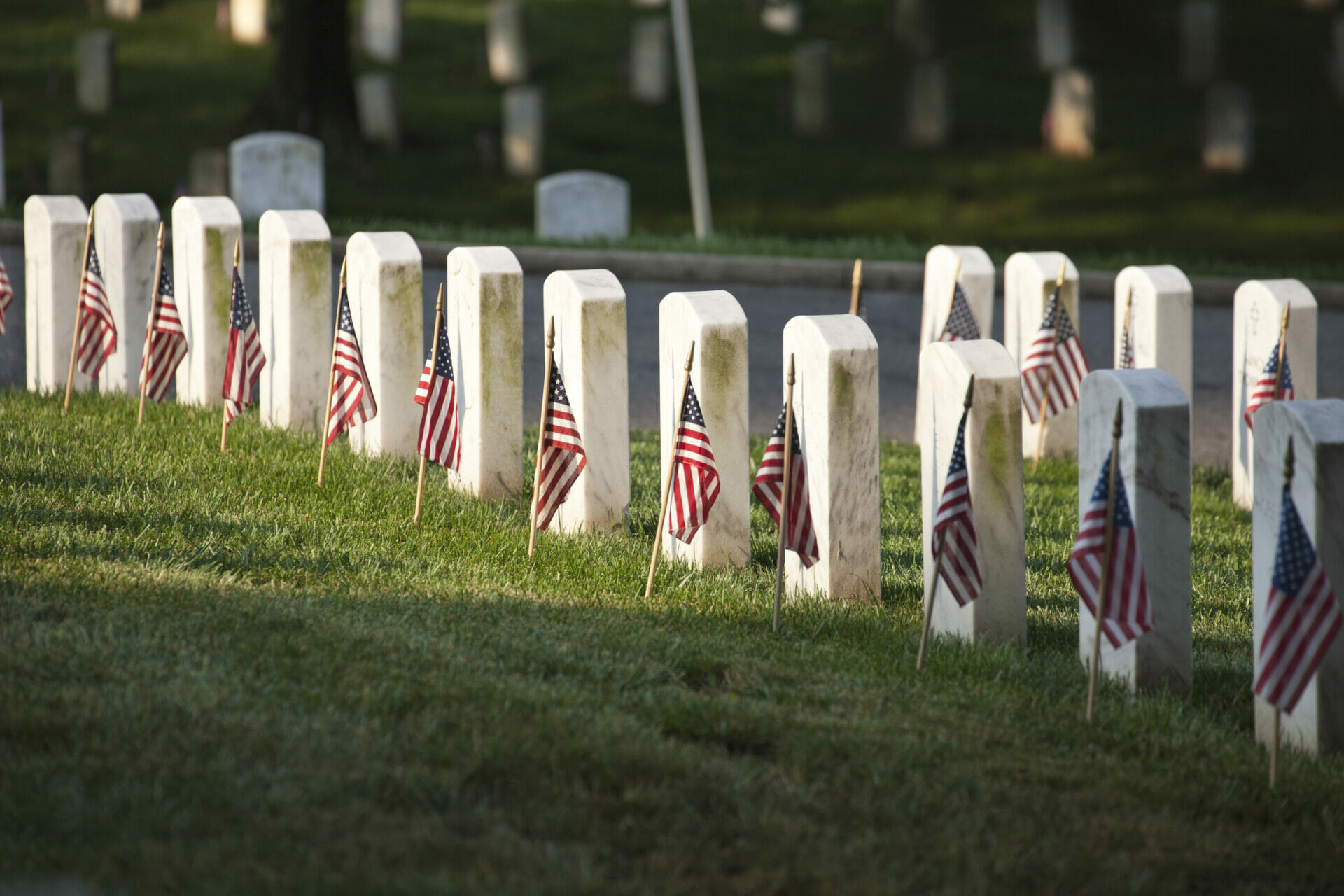 Another week has flown by so fast and we are 3 weeks out from Conference! This past week was the one year anniversary of the Joplin, MO tornadoes and AmeriCorps members are still getting things done- see our news below to get more information! This Monday is Memorial Day, let’s remember and thank our military service members and veterans who serve for us. Have you heard of our community blueprint program? Check it out to find resources how to support military, and military family members.
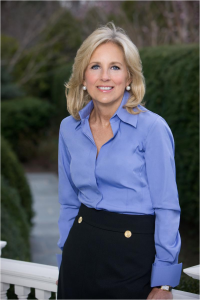 During our opening session, A New Generation of Service, Dr. Biden will discuss Joining Forces, the initiative she started with First Lady Michelle Obama last year as a way to encourage all Americans to honor, recognize and support our service men and women, veterans and military families.


 Today’s guest post is written by Teddy Burrage, 22, a travel writer for



 Business Track Welcome Breakfast
  Learning From Your Peers: Tackling the Most Common Challenges at Different Stages of Building a Skills-Based Volunteer Program
 Tiffany Korican, member of the Corporation for National and Community Service Youth Speakers Bureau.