Special Olympics Florida, with the Support of Volunteers, Offers Sports and Socialization Opportunities for Children and Adults with Intellectual Disabilities
With more than 21 million residents, the state of Florida is the third most populous in the nation. It’s also one of the most diverse states, with large proportions of indigenous people, Asian, Black, Hispanic and European residents.
Special Olympics Florida is making sure that inclusion and opportunities extend to another group of Floridians – a group that spans all ethnic groups – those with intellectual disabilities. Those efforts continued through the past year’s coronavirus pandemic, when Special Olympics Florida launched a health and wellness program that reached participants virtually.
Special Olympics Florida serves close to 60,000 children and adults with intellectual disabilities, who are given the opportunity to play and compete in various sports, from baseball, basketball, swimming and flag football to bocce, bowling, skiing, speed skating and even surfing.
Because participants have special needs, Special Olympics works hard to provide plentiful coaches and others who teach, cheer and support the athletes to ensure their success.
That’s where dedicated volunteers make all the difference.
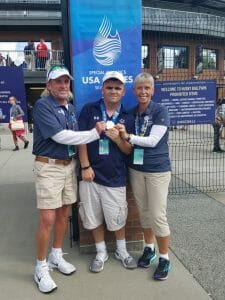
Michael and Nancy Howard, coaches with Special Olympics Florida, accompanied Frankie Jaruszewski to the Special Olympics National Games in Seattle in 2018, where he won a gold medal in bowling.
Nancy and Michael Howard, who live in Palm Beach County, have volunteered their time as Special Olympics coaches for 12 years, and they don’t plan to stop anytime soon. Unlike many coaches, the Howards are not the parents of a Special Olympics athlete. Nancy is a special education teacher at a school that decided to create a Special Olympics team. “Team Howard” participates in bowling, basketball, track, surfing, softball and has started open-water swimming.
Michael, a recently retired inspector for Palm Beach County, has been volunteering alongside his wife.
“If you spend about 15 minutes with these kids, you’re hooked, and that’s what happened to me,” says Michael. “It’s a lot of work, but when you see these kids’ faces, it’s worth it.”
The work is considerable. The Howards arrange and run all practices. If athletes don’t have a ride, they pick them up and take them home afterward. If they lack the proper clothing or equipment, the couple finds a way to provide them. The Howards also strive to schedule extra time for the athletes to socialize with one another, as well as time for their parents to socialize.
The couple even travels, at their own expense, to out-of-town regional, state and even national competitions, a gesture that means everything to athletes whose own parents cannot attend.
Nancy agrees that the volunteer work is gratifying. “Maybe an athlete couldn’t dribble last year, but this year, they can dribble and maybe even make a basket or two. It’s not about the sport in most cases; it’s about the relationships they build with one another,” she said. “It also gives the parents some respite – they know their children are taken care of by us.”
Although the COVID-19 pandemic added even more tasks, such as taking temperatures and extra measures to ensure social distancing at both indoor and outdoor activities, the Howards took it in stride.
“We can’t imagine not doing this,” said Nancy, “People talk about moving away when they retire – we can’t. If we left, these kids would lose out on their Special Olympics team, because I don’t know who would step up to take our place.”
Logan Alvarez, on the other hand, is a volunteer at the very beginning of his adult life and career.
Logan is just 18, but he’s been volunteering with Special Olympics Florida in Miami-Dade County since he was only 7.
“My mom is a teacher and she coached a Special Olympics team,” says Logan. “I would attend state games and local games and I would hand out lunches and help in any way I could. When I got to high school, I trained as a Unified Special Olympics team, where athletes with and without disabilities play on teams together. Logan also helped host basketball and softball skills training events for Special Olympics participants.
“I believe that the world needs a lot more inclusion,” says Logan, who is now a freshman at Florida International University, studying political science and pre-law. “I want to become an ambassador for Special Olympics.”
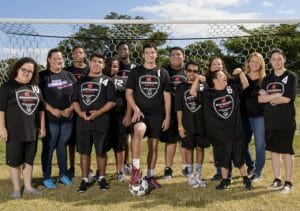
Logan Alvarez (center, with foot on soccer ball) poses with triumphant Special Olympics soccer players in fall 2019, after Miami Southridge Senior High School was named an ESPN Top 5 Unified National Banner School.
Logan, who is not disabled, and in fact was a stand-out high school football player and class president, is highly aware of how difficult acceptance can be for those who with special needs. It’s what makes him passionate about what he calls the “race for inclusion.”
“Just seeing how happy the (Special Olympics) athletes get and seeing them being included is worth everything to me,” says Logan. “In society, you see how left out they are.”
COVID-19 prompts new programs
Special Olympics Florida stepped up throughout the state after the COVID-19 pandemic forced in-person sports programs to be temporarily suspended by hosting multiple virtual programs that encouraged athletes to remain healthy and fit.
At least eight separate programs succeeded in conducting more than 4,900 virtual screenings across all Healthy Athletes disciplines, according to Jim Stratton, communications director for Special Olympics Florida.
For example, a series of videos called “Fit 5 Like a Pro” features both Special Olympics and professional athletes, who encourage viewers to exercise five times per week, eat five fruits and vegetables daily, and drink five glasses of water a day.
“We piloted a virtual screening program for Special Olympics International, using Zoom to connect athletes with medical professionals who answered questions and discussed any health concerns the athlete had,” said Stratton. “We used social media and Zoom to conduct weekly emotional wellness sessions, organize fitness challenges, offer nutrition tips, share healthy recipes, and play games. The sessions provided valuable information but, just as importantly, helped our athletes and their families feel connected during a time when many were limiting their social contacts.”
Eat to Live: Reducing Your Cancer Risk with Plant Foods
February is Cancer Awareness Month. Today’s post is written byPeter Ewens, the President and CEO of Natural Horizons Wellness Centers, based in Fairfax, Virginia. Natural Horizons is an integrative medicine and wellness practice that provides its patients with holistic cancer treatment programs, biological dentistry, pain management therapies and much more.
While cancer deaths have drastically declined since their peak in the early 90’s, the fact remains that it is still one of the top causes of death in the United States. This statistic may be sobering, but the good news is that there are many ways to reduce the risk of getting cancer, from exercising to limiting alcohol consumption, and perhaps one of the best methods: eating a plant-rich diet.
Why Plants?
Unlike red meats, which can increase the risk of colon cancer, plant foods can actually aid in cancer prevention. From broccoli to berries, plant foods are being studied every day, and evidence of their potential cancer-fighting abilities continues to build. So, how do they do it?
Nutrient Density
First, fruits and vegetables are rich in vitamins and minerals, which support our body’s immune system and help keep it strong and healthy. A body that has all the nutrients it needs is much better equipped to fight off disease and keep its systems running in peak form.
Phytochemicals
Plants also contain substances called phytochemicals. These organic compounds are responsible for plants’ smells, colors, and more. They also are believed to help reduce the risk of cancer.
For example, lycopene is a phytochemical found in tomatoes. Along with giving tomatoes their bright red color, lycopene is also thought to help reduce the risk of prostate cancer. Studies into its efficacy and exact mechanism of action continue, but some theorize that the compound stimulates special, cancer-preventative enzymes in the body.
Low Caloric Density
Plant foods are lower in calories than most processed foods, and eating them can help to maintain a healthy body weight, which is associated with a decreased risk of many cancers.
6 Steps to a More Plant-Rich Diet and Lifestyle
Now that you know a bit more about the potential cancer-preventative benefits of eating a plant-rich diet, here are some ways to incorporate them into your daily routine and to create an overall healthier lifestyle:
Start with a clean slate – If you’re starting a new lifestyle, eliminating temptation can be a huge help. You don’t have to buy a whole new pantry full of food, but begin by getting rid of the worst offenders and replacing them with healthy options that still satisfy your cravings. For example, baked apple chips or baby carrots can provide a nice crunch similar to that of potato chips (just make sure the chips aren’t salted or sweetened).
Plan ahead – Perhaps the biggest downfall of fresh fruits and veggies is that they’re perishable, but you can avoid wilted plants and wasted food by thinking ahead. Make a weekly meal plan and purchase only the fresh ingredients that you need for those meals. If possible, make two small trips to the grocery store each week instead of a single weekly voyage so you can get food that’s fresher.
Figure out fresh versus frozen – Frozen fruits and vegetables are a great way to make sure you always have healthy options on hand. The trick is knowing what to buy: Varieties like corn, lima beans, green peas, and sweet peppers tend to hold up better after being frozen, whereas ones like green beans and asparagus can get mushy and are better fresh. Frozen spinach is a good option for use in casseroles or when making creamed spinach, but not for salads.
Be creative – Not a big vegetable fan? That’s OK! There are lots of ways to incorporate them into your daily diet without having to struggle through a salad. For example, try grating squash or zucchini into casseroles and spaghetti sauces, where you will be less likely to notice the taste. Steamed and mashed cauliflower can be added to mashed potatoes for a punch of nutrients with virtually no effect on texture or taste. Start adding them to your meals in small amounts, and you may find that eventually you do develop a taste for them.
Go meatless – Regular consumption of meat is associated with a higher risk of cancer, so try going meatless one day a week. You can also decrease portion sizes and make other ingredients the main focus of the meal. For example, instead of eating a steak, add some shrimp to pasta primavera. Rather than eating a full chicken breast, cut it into small pieces and include it in a casserole.
Indulge healthfully – Everyone needs a little treat every now and then, and you can still get your fix without going back to your old eating habits. For example, rather than order delivery pizza, make your own at home so you can add lots of vegetables and control the amounts of salt and cheese. If you’re looking for a sweet snack, melt some dark chocolate and drizzle it onto a banana or apple. Write down these healthy alternatives as you find or create them so that when a craving hits, you already have a plan.
Go Beyond Food
Improving your diet is a great first step for improving your health, but there are many other steps you can take to boost your wellbeing. For example, evidence is quickly growing that volunteering provides health benefits in addition to the obvious social ones. In fact, a report from the U.S. Corporation for National & Community Service states that volunteering can improve both mental and physical health, promote longevity, and lead “to greater life satisfaction and lower rates of depression.”
As the famous saying goes, “A journey of a thousand miles begins with one small step,” and the same is true for changing your lifestyle. It may be overwhelming to think about a full overhaul of your eating habits, but by breaking it down into small changes like choosing fruit over chips, you can put yourself on the right path and end up making a huge difference.
Health and Wellness at NCVS!
This year at NCVS, session content is organized across a series of issue areas so that attendees can tailor their schedules to meet their learning and networking needs.
Check out all the sessions associated with
Health and Wellness.
Let’s Move! in Indian Country
Monday, June 6, 2011 8:30 AM – 12:00 PM
Session ID: 5655
Speakers: Ron Lessard, Juliana Ko, Sam McCracken
Twitter Hashtag: #NCVS5655
Native American children have a higher rate of obesity and related diseases than any other racial or ethnic group. Learn how to spur action with best practices in the areas of health, wellness, nutrition and physical activity.
How National Service can address Health Care Challenges
Monday, June 6, 2011 1:00 PM – 2:30 PM
Session ID: 5588
Speaker: Erwin Tan
Twitter Hashtag: #NCVS5588
As more demand is placed on health care services, the need to increase capacity and man power is greater. Learn how innovative national service programs are addressing a myriad of challenges from childhood obesity, access to care, to senior care.
Strengthening Communities through Play
Monday, June 6, 2011 1:00 PM – 2:30 PM
Session ID: 5175
Speakers: Nate Rosenthal, Rachel Larsen, Alf Nelson
Twitter Hashtag: #saveplay
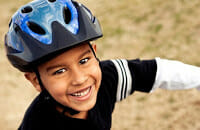
From volunteer recruitment to fundraisers, there are many steps in planning a community-built playspace, but these steps can strengthen connections among community members, develop skills possessed by volunteers, and increase the commitment to service and investment in both community space and the wellness of communities. This workshop will lead participants through the steps
necessary to plan and implement a successful community-build highlighting best practices from Gulf-area community-builds. With the stories of successful do-it-yourself organizers as a guide, participants will identify local assets and take the initial crucial actions necessary to activate their communities to make kids and community engagement a priority.
The Skinny on Childhood Obesity Service-Learning Programs and Projects: The Whole-istic Approach
Tuesday, June 7, 2011 4:00 PM – 5:30 PM
Room: MCCNO 335-336
Session ID: 5306
Speakers: Shelley Billig, Shammara Wright, Robert Hsu, Lizeth Sanchez
Twitter Hashtag: #NCVS5306
This workshop will be the culmination of the Robert Wood Johnson Foundation’s Working Group on Childhood Obesity and Service-Learning.
The presentation will capture highlights from the group’s year-long work and present service learning as a powerful tool to address the issue of childhood obesity.
Under the leadership of generationOn, group members will present findings on a) a case study of service-learning programs that focus on childhood obesity and b) service-learning projects that focus on the built environment in relation to childhood obesity.
Creative Partnerships to Address Hunger and Food Insecurity
Wednesday, June 8, 2011 8:30 AM – 10:00 AM
Session ID: 5199
Speakers: Susan Danish, Melissa Norris, Peggy Berry
Twitter Hashtag: #foodpartners
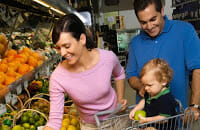
What do a city government, corporate sponsors, two longstanding food relief groups, and two Junior Leagues add up to?
Two creative solutions to hunger in two Texas cities.
In Plano the result is a Community Garden making fresh produce available to food pantries.
In Tyler it is an expansion of Meals on Wheels to ensure low-income seniors have food on weekends.
Both initiatives demonstrate the capacity of volunteers to provide leadership on critical issues coupled with the creativity of partnering.
HEROES for Healthy Living: Engaging Youth in Combating Childhood Obesity
Wednesday, June 8, 2011 10:30 AM – 12:00 PM
Session ID: 5434
Speakers: Susan Abravanel, Kate Rubin
Twitter Hashtag: #NCVS5434
This session introduces UnitedHealth HEROES, a youth-led service-learning response to childhood obesity.
America’s Health Rankings,™ 2010, reports that, if unchecked, obesity will affect 43 percent of the nation’s adults by 2018, dramatically increasing healthcare costs.
The workshop presents outcomes and lessons learned from more than 600 youth projects in a unique corporate/nonprofit service-learning partnership, empowering young people across America to address this critical problem affecting them.
Supported by micro-grants and a service-learning curriculum module, children and youth are improving their own health and that of their peers, families and communities.
Utilizing Volunteers to Implement ‘Wellness Centers’ at Senior Centers
Wednesday, June 8, 2011 10:30 AM – 12:00 PM
Session ID: 5264
Speakers: Mary Lynn Kasunic, Wally Sjolander, Paula Wright
Twitter Hashtag: #NCVS5264
Learn how the Area Agency on Aging, Region One in Phoenix, AZ is taking an innovative approach to create 10 ‘wellness centers’ in the senior center setting.
The President & CEO and Agency staff share how the Agency recruits, trains, and utilizes the skills and strengths of AmeriCorps members aged 55+ and volunteers to manage the day-to-day activities that bring evidence-based health promotion/education opportunities to senior center participants.
Course attendees will explore ways that they can replicate this creative program designed to improve health outcomes for older adults.





 From volunteer recruitment to fundraisers, there are many steps in planning a community-built playspace, but these steps can strengthen connections among community members, develop skills possessed by volunteers, and increase the commitment to service and investment in both community space and the wellness of communities. This workshop will lead participants through the steps
 What do a city government, corporate sponsors, two longstanding food relief groups, and two Junior Leagues add up to?