Volunteering at a psychiatric hospital can be challenging, even unsettling. New volunteers can get overwhelmed by stares from excited patients or abrupt changes in a patient’s behavior.
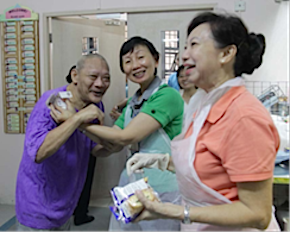
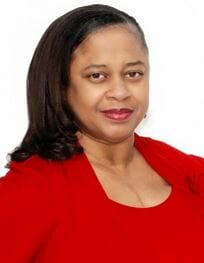
Catherine Chua, center, enjoys helping
hospital volunteers.
As a volunteer manager and a former psychiatric nurse with 40 years of experience, Catherine Chua knows how to put both patients and volunteers at ease.
“Being a volunteer manager enables me to pursue my passion in helping these patients through more meaningful and fulfilling ways,” says Chua, who since 2010 has worked as a volunteer manager at the Institute of Mental Health, a hospital in Singapore, maintaining a close relationship with Singapore Cares, a HandsOn Networkmember.
Part of Chua’s job is to help people have positive volunteering experiences, so they want to return. Chua always conducts briefings and debriefings for volunteers’ first sessions, so they can have a better understanding of the patients and safety issues. She also observes the interactions between volunteers and patients so that she can offer prompt assistance or guidance when issues arise.
Managing expectations is key. The expectations of a volunteer may differ from those of a patient or the hospital – which can lead to conflict or disappointment. Chua also looks into the personal development of the volunteers by organizing talks or seminars for them. She invites them to annual events, such as the Volunteers’ Retreat and Volunteers’ Appreciation Day, which allow them to interact with fellow volunteers.
Though the job is demanding at times, Chua says she’s gratified when she sees volunteers reaching out to patients with genuine interest.
“Stigmatization against people with mental illness is a common reality in our society,” she says. “It affects not only them and their loved ones, but even those who are working or helping them. It is heartening to know that volunteers sincerely want to care for these people. This action in itself is powerful as it signifies societal acceptance for the patients, which they greatly need.”
Five Easy Ways to Teach Your Kids Values
This post is by Kathy Saulitis, senior vice president of programs for generationOn, an enterprise of Points of Light that helps young people change the world through volunteer service.
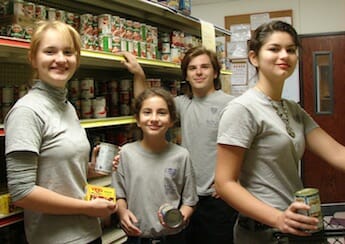
The Miscoe family of Texas volunteers together often
at a local food pantry.
The holiday season is filled with opportunities for children to be caring and compassionate. And for parents, it starts with showing your kids how it’s done! Let your children see you helping elderly neighbors rake their leaves, being kind to those around you in crowded stores or collecting canned goods for the hungry.
Right before Thanksgiving, we celebrate Family Volunteer Day. On Nov. 23 this year, it is a day that showcases families making a difference in their communities and kicks off the season of giving. Here are five easy ways to teach your kids values – and do some good for others – on Family Volunteer Day and throughout the year.
1. Talk to your children about issues affecting your neighborhood, your community and the world. When my oldest son was in elementary school and was involved in a holiday food drive, he didn’t immediately see why people needed help at all. His initial reaction was, “They just need to go get a job!” In simple language, I explained about income versus expenses and how the very people we were helping to feed may be working several jobs but still are short for food. As a young problem-solver, he thought for a while and then suggested ideas for how our country might deal with hunger in new ways. He got it!
2. Use the dinner hour to talk about reaching out to others. Do you have a neighbor that may be sick or lonely? Are there struggling families in your community? Do you know someone in the service who is deployed? Talk to your children about how they feel about these situations and get their input on ways your family can help.
3. Appeal to your children’s interests. Does your family love the outdoors? Do your kids like to get their hands dirty? Try volunteering for a park or beach clean-up or help plant a community garden. The more you draw on your children’s interests, the more motivated they become.
4. Find a hands-on, family-friendly volunteer project. You can find family-friendly project ideas and resources at www.generationOn.org or check out your local HandsOn Network affiliate.
5. Start a family tradition of volunteer service during the holidays. The holidays are times of excitement, tradition and family togetherness. When our children were younger, we would make Holiday Hope Chests to donate to area homeless shelters. It was fun to watch the kids choose with care their special gifts for children they imagined opening the boxes on Christmas morning.
When the holidays end and the new year begins, remember every day is an opportunity to teach your kids to care and share, be compassionate and have an attitude of gratitude for even the smallest things in life.
This year Family Volunteer Day takes place on Nov. 23. Disney Friends For Change, a Disney initiative dedicated to inspiring kids and families to make a positive change in the world, is the presenting sponsor of Family Volunteer Day 2013. Embassy Suites is a supporting sponsor.
For This Veteran, a Gift That Hits Home
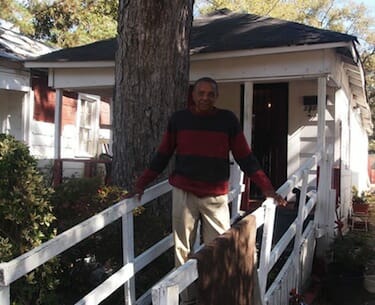
Lindsey Kirksey stands outside his childhood home.
Lindsey Kirksey’s childhood home is falling apart – two of the four rooms are literally separating from each other. And while he cherishes the memories of growing up in the cozy, one-story house in Montgomery, Ala., he knows it’s time for it to go.
“The volunteers I spoke to – they are just like me; they want to help people just like I want to help people,” Kirksey says. “I believe what comes around goes around. I have been so blessed and because of that I try to help others. And I think they feel the same.”
Kirksey served in the Army Chemical Corps during the Korean War, laying ground cover for troop movement. Since then, he has led life of service. He has taught math in low-income neighborhoods in the Montgomery area; used his teaching skills at Bidwell Training Center, a vocational school in Pittsburgh that reaches out to those who need help turning their lives around; and served as a corrections officer in Selma, Ala.
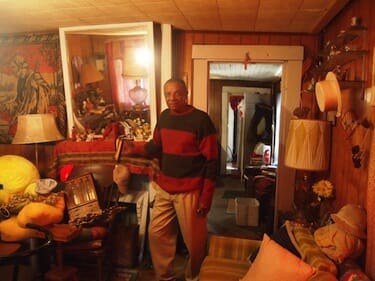
Volunteers are helping Lindsey Kirksey move out of his
home temporarily, including packing his possessions.
Kirksey’s home – known as a “shotgun house,” one room wide and four rooms deep – is beyond repair. The volunteer project will require demolishing the nearly 100-year-old structure and erecting a new house based on the original floor plan.
“When we reviewed his application (for assistance), what really stood out was his overwhelming story and the fact that he has dedicated his life to service,” says Nell Weisenfeld, volunteer coordinator and program manager at HandsOn River Region. “He also grew up in this home. In fact, when we reviewed the home we even found paperwork from his father when he was helping the church across the street – and that really hit a chord with us.”
The volunteers from Exelis Action Corps, the signature volunteer service program for aerospace and defense company Exelis, are stationed at Maxwell Air Force Base in Montgomery. Exelis supports the base through civil engineering, airfield management, communications, recreation and more.
“At Maxwell we employ all kinds of trades, people who are experts in doing this kind of work, and a large percentage of us are also veterans,” says Jeffrey Jackson, deputy program manager at Exelis at Maxwell. “We’re excited about joining forces with our local community and making life better for one of our own.”
For Kirksey, the new house has more than just physical significance: “Where I live, they used to call it the Beverly Hills, but now the neighborhood is going down and people are leaving. People ask me why I want to stay here and I say this is my background, there is history here.”
Dee Moody, executive director of Rebuilding Together Central Alabama, says the focus is on rebuilding, not destroying.
“Our purpose is to revitalize neighborhoods and keep communities together,” Moody says. “Sometimes people have to choose between home repairs and medicine, or home repairs and food on the table, and our job is to make it easier for them.”
Transforming a School, Rebuilding a Community After Hurricane Sandy
Though his feet splashed in about an inch of water, Principal Brian Walsh could see a water line two feet high marking the walls of Memorial School in Union Beach, N.J. Mud, mulch and who knows what else was scattered throughout the building. Everything was wet.
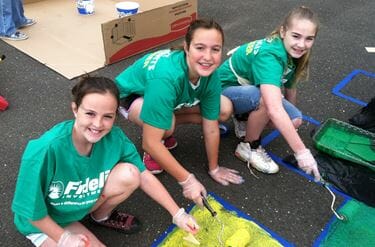
Students paint hopscotch squares at Union Beach, N.J.’s
Memorial School, which was damaged by Hurricane Sandy.
“The school smelled,” Walsh said, recalling a visit to the school after Hurricane Sandy battered it a year ago this week.
“We got used to the smell of that floodwater everywhere we went. You couldn’t escape it.”
Given the overwhelming damage to the building, the students were divided among four schools in three nearby districts. To Walsh it felt as if the Memorial School family was being split up.
As construction crews made repairs, Sherry Lynn Fazio of Jersey Cares came out to see how her group could help. The organization, part of HandsOn Network, coordinates volunteer opportunities to address critical community needs.
“The first time we visited Memorial School in Union Beach, it was filled with contractors and looked more like a construction site than a school,” she said. “There were areas we couldn’t walk through, no flooring, water-stained walls and Halloween decorations up in the hallways.”
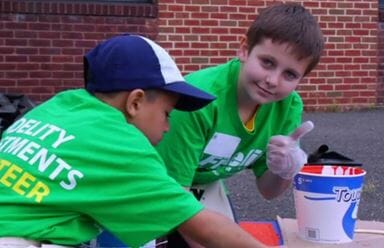
A young volunteer shows his positive attitude.
Insurance would cover much of the physical damage caused by the storm, but it wouldn’t help rebuild the school community. Working with school administrators and Fidelity Investments, Jersey Cares came up with a plan: They would reunite the Memorial School family.
May 18, 2013 became School Transformation Day at Memorial School, marking the first event in a partnership between Fidelity Investments and the school. (The second was a school supply drive during the summer.) Transformation events are part of Fidelity Investments’ national partnership with HandsOn Network to help revitalize the learning environments and support the education needs of 12 schools across the United States.
On School Transformation Day, students, teachers, school staff and Fidelity Investments employees came from all over New Jersey to volunteer at Memorial School. Nearly 150 volunteers, including students from Rafael Cordero and Saint Peter’s University, in addition to members from the Hudson County Chamber of Commerce, participated in the event – contributing a total of 699 hours. (Watch a video of the activities here.)
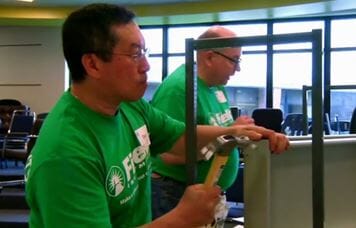
In a single day, the participants upgraded two teachers’ lounges and created an iPad lounge for the media center. They painted multiple murals in the hallways, painted colorful games on the courtyard blacktop, created a mascot design on the school fencing and built several new seating areas outside.
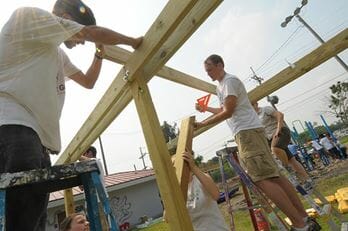
Volunteers build furniture for Memorial School.
“The human spirit was evident and alive,” Walsh said. “It was incredible.”
Everything from the iPads to the murals sported the Memorial School blue and white. Just weeks before the school reopened, school spirit was coming alive throughout the building.
“We had students painting murals and staining benches and teachers helping with the furniture location throughout the (teachers’) lounges,” Fazio said. “We also had the mural artists sketch restaurants and local businesses in one of the Union Beach murals to really integrate the love of community that permeates the city.”
The school felt like home again.
“The nice thing about teaching in Union Beach is the sense of community; it has always been here,” said teacher Debbie Byrne. “Whenever there is something happening at the school it is a community event – from the Halloween parade to the eighth grade graduation. For us to not be in our school physically was hard. It was so nice to return.”
While the students of Memorial School spent the majority of the last school year in different schools, they’re back together now. Unified.
“Fidelity and Jersey Cares – they did things that took us above and beyond where we were,” Walsh said. “It helped us become stronger than we were before the storm.”
Where Should Nonprofits Use Volunteers? Everywhere.
This post is by Tricia Thompson, vice president of training and consulting at Points of Light.
For every dollar nonprofits invest in effective volunteer engagement, they can expect up to $6 in return – a six-fold return on investment. Organizations that effectively engage volunteers are more adaptable, sustainable and capable of expanding. And they operate at almost half the median budget as nonprofits that don’t make full use of what volunteers have to offer.
Nonprofits that use their volunteers effectively are more efficient and nimble.
Points of Light calls these effective nonprofits “service enterprises” – organizations that leverage volunteers across all leadership levels, in all departments, to address community needs. Research tells us fewer than 15 percent of nonprofits nationwide operate as service enterprises.
Want to become one of them?
To help more nonprofits become service enterprises, Points of Light, in collaboration with CaliforniaVolunteers, is launching the Service Enterprise Initiative in select locations in 11 states (California, Georgia, Illinois, Indiana, Iowa, Maine, Massachusetts, Michigan, Minnesota, Virginia and Wisconsin). Through a comprehensive, research-backed assessment, training, consulting and certification model, nonprofits are equipped to better engage volunteers.
Rosario Di Prima, programs vice president at Catholic Big Brothers Big Sisters in Los Angeles County, Calif., said the program made staff at her organization realize the different and powerful ways to incorporate volunteers.
As a result of the Service Enterprise program, Catholic Big Brothers Big Sisters has increased its network of junior partners (a diverse group of skills-based volunteers, primarily young professionals) by about 20 percent, and plans to continue expanding the network.
Now, Di Prima said, “volunteers are throughout the organization.”
Since 2012, seven California volunteer centers piloted this model and have worked with more than 60 organizations. By June 2014 Points of Light will have worked with 12 other leading nonprofits to transform more than 180 nonprofit organizations into certified service enterprises.
Thanks to the leadership of CaliforniaVolunteers and the Corporation for National and Community Service for their investment and support, and thanks to TCC Group, Deloitte and University of Texas Austin for investing in the research, building the assessment tools and providing the data and analysis that built the foundation for this endeavor.
Points of Light and CaliforniaVolunteers are working with the organizations below to expand this work. If your nonprofit is in the same area as one of those linked below, you may contact the relevant organization directly to express interest in participating in the Service Enterprise Initiative. Otherwise, to learn more about the program, please email me, Tricia Thompson, at [email protected].
How Another Chance at Life Gave Me Another Chance to Serve
Today’s post is by Kimberly Goodloe of Atlanta, a 46-year-old woman who is using her experience overcoming a faulty heart to help cardiac patients as a volunteer.
Kimberly Goodloe (Photo: Adriana Sans Photography)
I was born with an abnormal heart valve. A replacement valve and a pacemaker – the result of three surgeries a few years ago – help keep me alive.
My faith in God and support from my husband, family, pastor, medical staff, friends and others in my life continue to play a major role in the healing process. I know that God loves me and has promised never to leave me alone.
Acceptance is crucial during the recovery stage. Not living in denial, but accepting the challenges: coping with breathing issues on a daily basis, living with a pacemaker, taking medication for the rest of my life, dealing with the discomfort in my chest.
After my third surgery, in 2010, a friend asked me, “What do you plan to do with your second chance at life?” By that point, I had volunteered for more than a decade for various nonprofit groups throughout the metro Atlanta area, including Hands On Atlanta.
So, I made a decision to give back to the community again by becoming a volunteer for the American Heart Association. I share my story of survival – my high and low moments – plus provide heart health tips at health fairs and networking events throughout the community. I also created a website, health blog and video to provide a format for cardiac patients and their families to follow my heart journey and provide encouragement.
I can personally connect with cardiac patients and their families because I’m a survivor (four years, four months), and they need to see and hear from a person who can relate to their health condition. With this gift of life, I’m committed to making a difference in the community.
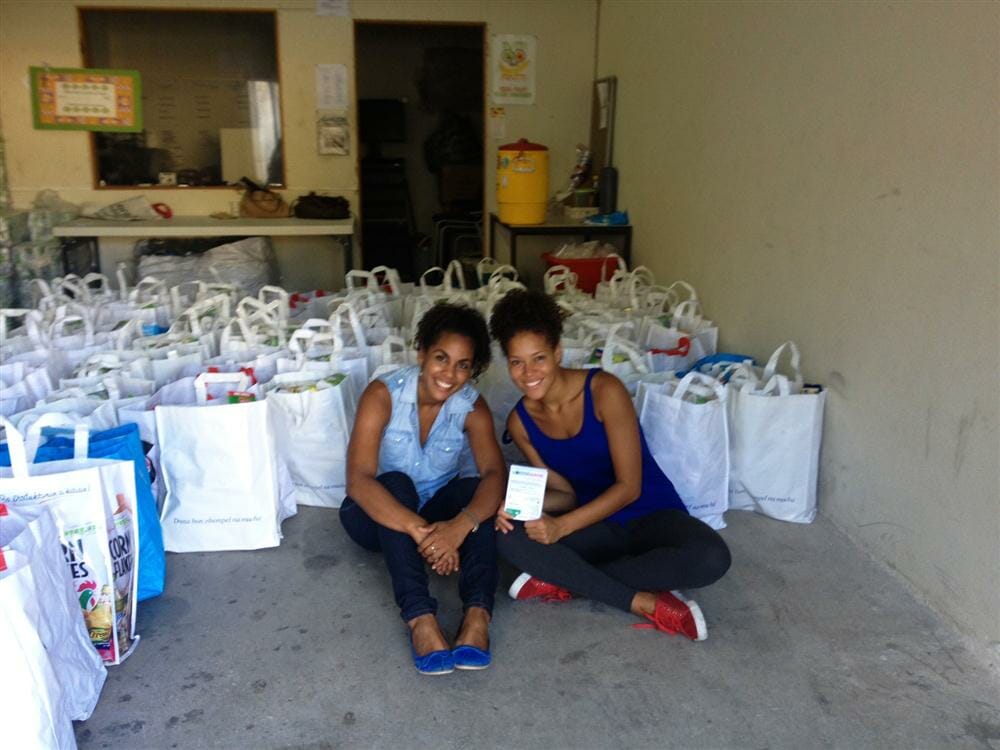
The Story of Curaçao Cares
Today’s post is republished from the HandsOn blog and written from Deva-Dee Siliee, Co-founder Curaçao Cares
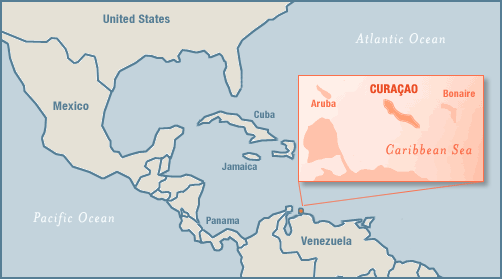
Curaçao Cares is the first of its kind volunteer and project management organization in Curaçao, a Dutch-Caribbean island. Curaçao is well known for its beautiful capital Willemstad that is on the UNESCO Heritage List, for its beaches, and of course for its blue liqueur. The island received country status within the Kingdom of the Netherlands in 2010 after the dissolution of the Netherlands Antilles, meaning that Curaçaoans would still keep a Dutch nationality, but that we would have autonomy over our internal affairs. After a transition period with many constitutional changes, we are now trying to stand on our own feet and build a nation in the face of great challenges; a dire financial situation, a dormant economy, poverty and school drop-out rates that are concerning, continuous brain-drain as a result of emigration, and perhaps most unfortunately, a lack of social cohesion.
The decision to found Curaçao Cares concretely took shape in the summer of 2011, when I was sitting around the coffee table with Lysayé de Windt and family members that were visiting New York, talking about Curaçao and about what we as individuals could do to contribute to the sustainable development of our beloved island. Lysayé and I reflected on the fact that as young adults privileged enough to have traveled and lived in different countries, we were so much more active in making other communities a better place to live in than our own.
I had just graduated Columbia University with a degree in Political Science and Human Rights. Though at a young age I had spent time volunteering to teach dance at my high school in Curaçao as well as in different foster homes, my real dedication to volunteering started while living in NY. I volunteered at New York Cares Days, spent some Saturdays instructing conflict resolution to elementary students in New York City public schools, and organizing seminars for High school students from underprivileged areas to raise awareness on public and international affairs. I also volunteered in Tanzania in 2008 and had a transformative experience teaching male juvenile detainees.
Lysayé also grew up attending and volunteering at Rotary and Inner Wheel events with her family, as her parents were both part of these organizations. In 2005, she had a life-changing experience studying abroad with the Semester at Sea program, visiting 10 countries, among others: Venezuela, Brazil, South Africa, India, Myanmar, Vietnam, Hong Kong, Japan. While abroad, she volunteered in the many countries with numerous local NGOs. Though her experiences in each country were relatively short, she observed the importance of the organizations and the positive impact they had on the local communities. After a few years working in the financial sector in New York and Amsterdam, she pursued her dream and established her own photography/visual communication and concept development company in Curaçao.
On that faithful afternoon we established that many people that would want to flexibly give their time, talent and skills in Curaçao, might also be asking how and where they can get more involved, but like us encountered that this information is hard to come by. We had witnessed how New York Cares had made community service accessible to millions of people from all walks of life in New York. “We must find a way to make this happen on an island of 150.000 people”, we thought. There is a lot of human capital and goodwill that is underutilized because there is no platform that can bridge the gap and manage connections.
As a new HandsOn affiliate, our mission is aligned with that of the network; to inspire and mobilize individuals to seek active citizenship through flexible engagement in meaningful service projects, and to create and manage flexible but sustainable volunteer projects in partnership with individuals, corporations, and non-profit/social organizations. Through volunteerism, we hope to foster understanding and facilitate crucial exchanges between citizens, in order to elevate the quality of life on the island and create a greater sense of community.
Curaçao Cares was officially established in October 2012, so it is still in a cocoon, but we are making strides. In this start-up phase, we are focusing on reaching out to community partners to understand their needs and the possibilities. On the other hand, we are working on building partnerships with corporate partners to create and implement corporate volunteer projects as part of a comprehensive CSR policy. Starting with the corporate community is important to see us through financially, since there are not many other ways to get subsidy. We are happy to announce that we already confirmed a three-year founding partnership with three large companies! For a fourth company, we are already working on an exciting photography project with a local special needs school.
We want to thank Points of Light and the HandsOn Network for their support and the wealth of knowledge that we have already received. We look forward to sharing our story and contributing to the growth of the network.
Serve Rhode Island’s Volunteers Respond to Winter Storm Nemo
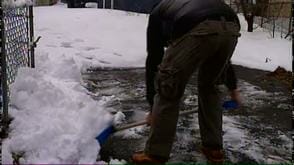
Winter storm Nemo dumped more than two feet of snow and left more than 187,000 Rhode Islanders without power this past week.
With many people stuck in their homes from the snow pile up WPRI/Fox Providence teamed up with United Way 211 and Serve Rhode Island to help dig Rhode Islanders out of the aftermath of the blizzard.
Thanks to all the volunteers that came together to help the elderly and families in need!
Since last Tuesday morning Serve Rhode Island had 109 volunteers help shovel out 72 elderly and disabled RI residents.
At the current time volunteers are no longer needed, but will be needed if another storm hits in the future.
Keep up-to-date with our disaster response on our website news pages.
Change Notes: Five Years Later, Reflections on a Merger
Friends,
When President George H. W. Bush described his vision of 1,000 points of light, I was one of a handful of 20-somethings in Atlanta trying to build a movement of people who wanted to roll up their sleeves and solve local problems. It was 1989, and we were raising money by asking people to fill up empty beer mugs with small donations.
At the same time, President Bush was assembling an influential group of business and community leaders at Camp David to launch a new voice for volunteer service supported by millions in federal funding.
For almost 20 years, the group I helped to build, the HandsOn Network, and the group President Bush helped start, Points of Light Foundation, sometimes worked together and sometimes competed. Always, we shared a commitment to create change through volunteer service and civic engagement.
Five years ago, our two groups took a step that’s all-too-radical in nonprofit circles: We merged. It hasn’t been easy, but it has been effective. Together we mobilized more volunteers and created much more change than either organization could have alone.
In 2012 alone, Points of Light mobilized more than 4 million volunteers to serve 30 million hours. Over the years, we reduced our reliance on federal funding from 44% to 5%, while at the same time adding affiliates in 42 cities across the globe. We brought together four organizations to create generationOn, Points of Light’s youth service initiative, and added 500 kids clubs leading change.
We consolidated our Affiliate Networks into a single network with standards, benefits, and a return on investment of $27.61 for every $1 of dues. From 2009-2011, Affiliates increased volunteer engagement by 22% (an additional 460,000 people), added more than 17,000 new partners.
Our Corporate Institute, through an amazing coalition called Billion + Change, obtained commitments for $1.9 billion of pro bono service from over 250 companies to date. In partnership with Bloomberg BusinessWeek and the National Conference on Citizenship, we created the Civic 50 to recognize companies with the most robust civic engagement practices.
HandsOn Tech Corps, launched in 2011 through a signature partnership with Google, has trained 4,400 nonprofit staff in seven cities to date to leverage technology to engage volunteers more effectively. We have mobilized 68,000 volunteers in long-term recovery efforts in disaster response in 11 states. We are deploying VISTA members in 28 cities with HandsOn Schools Attendance Corps to increase school attendance. And we have partnered with Exelis and a coalition of veteran organizations to launch the Community Blueprint. Veteran Leader Corps members are serving veterans and military families in 35 communities in total with plans to grow to 200.
Clearly the whole is greater than the sum of the parts.
Is your organization ripe for merger? As competition for funds and attention gets tougher, mergers will be increasingly important and necessary. So what can make them easier?
Pro bono help. Points of Light was lucky to have the pro bono support of Accenture’s dedicated strategy team and McKenna Long & Aldridge’s extraordinary legal team. Their help was essential to our success. A pro bono bank of private sector resources combined with a philanthropic investment would create enormous leverage.
Patient funders. While funders unanimously herald the idea of consolidation and the cost efficiencies that mergers promise, there are precious few willing to invest the patient capital required for a successful merger. We need more.
Good will and honesty. I must have had a hundred people tell me that “culture eats strategy’s lunch” every time. And it’s true: Culture and relationships do trump all else. Mergers can only work when both parties share a vision and work to create a merged culture of honesty and good will.
Stamina. When we merged, people told me it would take three years to complete the merger. I couldn’t imagine it would take that long, but it took every bit of that and more. To make mergers work, we must focus on the horizon, with support from board members and other champions who understand the long-term nature of the task.
It’s been a long but rewarding journey, and I’m proud that we can call it a success. For more about what our merged organization has accomplished read our Five-Year Reflections on the Merger of Points of Light Foundation and Hands On Network.
In service,
Michelle Nunn
CEO, Points of Light
The Story of Hands on Panama
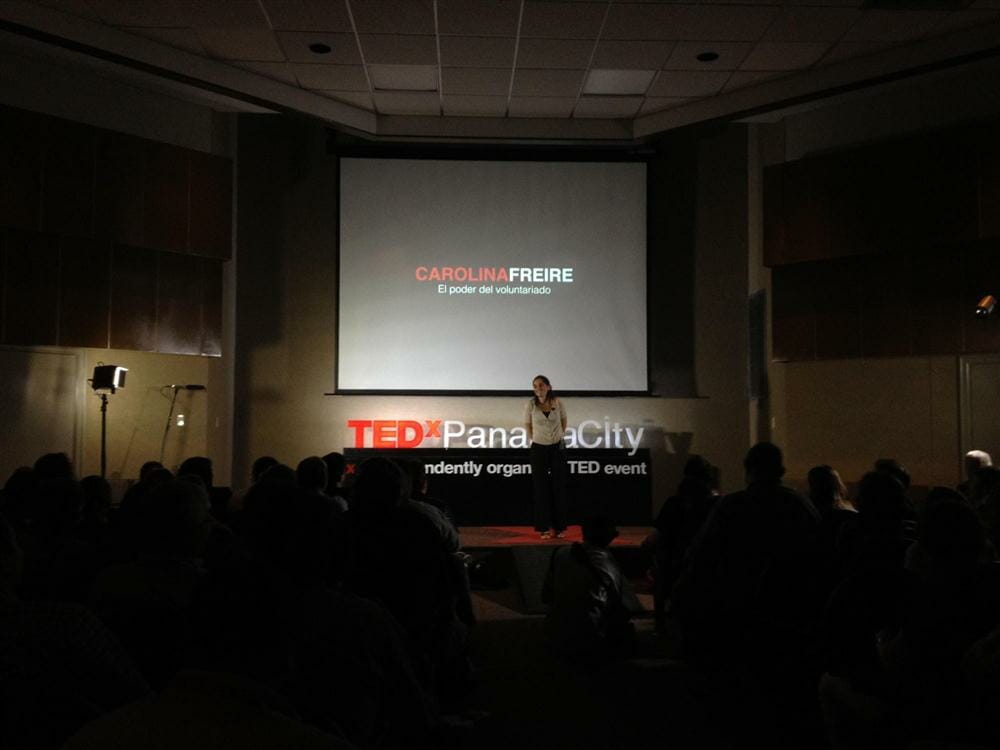
Today’s post is written by Carolina Freire, founder of Voluntarios de Panamá, an NGO committed to mobilizing and connecting volunteers to national causes and organizations. With United Way Panama and USAID she founded Ponte en Algo, the countries first online volunteer center. She is a Central American Leadership Initiative Fellow of the Aspen Institute and Young Global Leader 2012 of the World Economic Forum.
Panama is known for its Canal, record breaking economic growth and rich biodiversity. Less known is the fact that the country remains one of the most unequal in the world and faces important challenges when it comes to poverty reduction and expanding opportunities for health and education, especially for the less privileged. Despite a burgeoning economy, 2 out of 10 children under 5 years old in Panama face chronic malnutrition and half of them live in poverty.
As a volunteer and as a development professional in Panama and in other countries in Latin America, I have witnessed this stark reality first hand.
For me personally, meeting these challenges is a call to action. Actions that, I believe, can have greater impact by harnessing the power of volunteers.
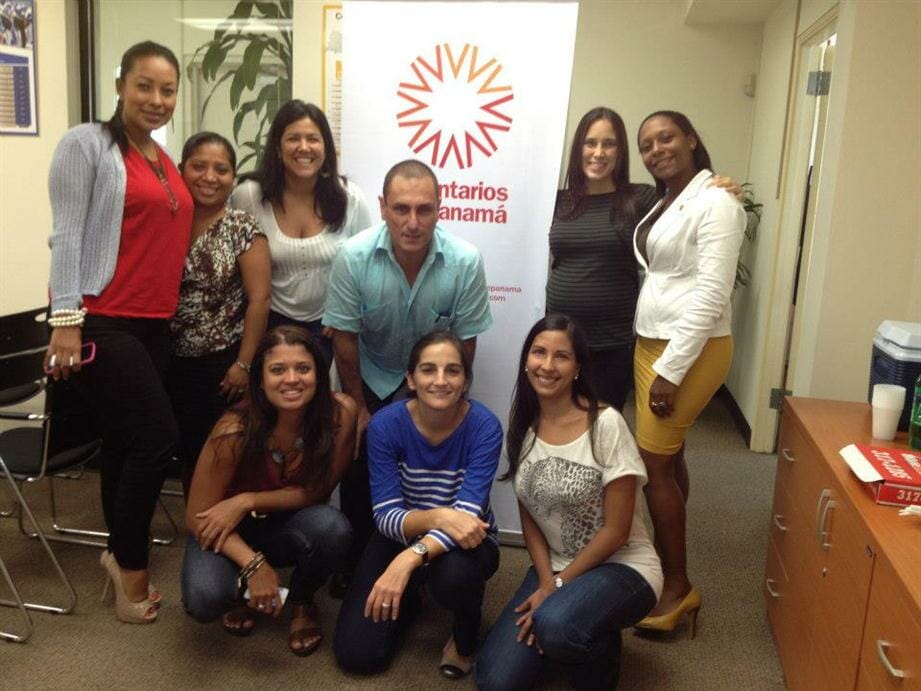
My conviction that volunteers can help solve some of the country’s most intractable problems and that all citizens have a role to play in improving society’s welfare is what drove me to establish Voluntarios de Panamá, Hands on Network’s newest international affiliate based in Panama City, Panama.
Voluntarios de Panamá is a non-profit organization that seeks to motivate Panamanians to become “citizen leaders” by engaging in volunteering. We help connect people to the organizations and causes they are passionate about so they can contribute their time and talent through volunteer work.
Together with United Way Panama and the United States Agency for International Development (USAID) we established “Ponte en Algo,” the country’s first online volunteer and NGO resource center.
Since its launch in July 2012, 153 non-governmental organizations have joined Ponte en Algo posting over 200 volunteer opportunities, as well as hundreds of events and news articles. The page has received close to 20,000 visits and 500 individuals interested in engaging in volunteer activities have become affiliated to the online platform.
Together with its strategic partners and the support of the International Association of Volunteer Effort (IAVE), Voluntarios de Panamá also spearheaded the country’s first National Volunteer Survey which was presented publicly in November 2012.
The survey revealed that 20% of Panamanians living in urban areas had volunteered at least once in the last year, contributing an equivalent of $238 million dollars to the economy through their volunteer work. The results have contributed valuable information to the NGO and corporate community about volunteer motivations, interests, and type of volunteer activities.
Voluntarios de Panamá is also leading efforts to strengthen volunteer management capacities within local NGOs and corporate partners. In the past year, at least forty non-profit organizations and corporate volunteer programs –including the local chapters of Make a Wish Foundation and Special Olympics, as well as the Panama Canal Authority— have participated in a day-long volunteer management workshop that teaches volunteer leaders and coordinators the basic skills for creating volunteer profiles, recruitment and retention strategies, as well as how to design their organization’s volunteer manual.
We are grateful and thrilled to become a part of the HandsOn Network global family and look forward to learning and sharing experiences that will lead to the strengthening of the voluntary sector in Panama.
Freire served as National Director of Health Promotion at Panama’s Ministry of Health. Prior to joining the public sector, she worked for the Inter-American Development Bank, the United Nations Development Programme (UNDP) and the United Nations Children’s Fund (UNICEF). Freire has a Bachelor’s degree in Foreign Service from Georgetown University’s Edmund A. Walsh School of Foreign Service and a Master’s degree in Public Affairs from the Lyndon B. Johnson School of Public Affairs at The University of Texas at Austin.