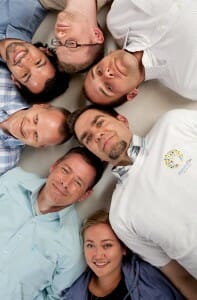
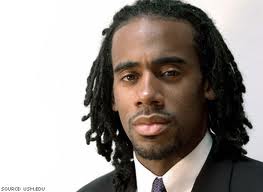
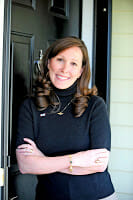
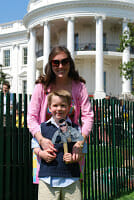
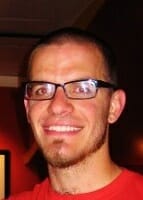
Today’s guest post is written by Teddy Burrage, 22, a travel writer for ExcellentHotels.com.
Last fall I was given an opportunity that has forever instilled a passion within me to become more active in my community. I was asked to participate in the Frannie Peabody Center’sGo Youth! Retreat for young, mostly gay men between the ages of 18-23. Frannie Peabody is a nonprofit organization in Portland, Maine started by a woman whose grandson contracted HIV in 1984. Over the next two decades, she worked with people and families affected by HIV. Even though she passed away in 2001, the organization continues to work with the public to provide assistance, meals, medicine, housing and resources to people who are HIV positive. They also provide sexual education through outreach and programs such as the retreat I attended.
Since I was in high school, I have always volunteered for campaigns, whether they were for a candidate or referendum issues. Thrusting signs in the air, marching and fully experiencing our democracy has certainly been profound; but the moments I had on the retreat spoke to me in a different way.
The two-day conference was intimate and broken up into different blocks in which all of us (three outreach specialist, two volunteers, and about 10 youth) learned and had open discussions about the risk factors of HIV/AIDS, ways to prevent its spread and various other subjects, including but not limited to LGBT issues and physical health in general.
It’s not often that young people have the opportunity to critically think about important issues in a casual and safe environment, especially for gay or transgendered males. A lot of the kids who attended the retreat were from rural areas in Maine that lack the social climate or resources to support young people in the LGBT community. The stigma attached to being gay or transgendered can too often become overwhelming. This was an opportunity to escape that stigma while finding a sense of community.
On the final evening there was an open mic-style forum and the three outreach specialists handed controls over to the young men. They were given the chance to share poetry, music and anything else that they felt was appropriate. Some played the guitar and others shared their favorite music videos, while a few chose to lend some much needed moral support. Out of all the fun activities we experienced, this was the one that particularly moved me.
One young man compiled a video of himself and his friends, all of whom were transgendered. They recited acrostic poems spelling out their names, covering a vast range of emotions. Using undertones of happiness, pride, sadness and melancholy, they told their story as all of us watching remained silent. The candid confessionals were truthful and raw, striking a major cord within me. The single message that I drew from the video was that we’re all human and we’re all in this together; we can’t let those who suffer the most slip through the cracks.
If the people at the Frannie Peabody Center – their donors, employees, and volunteers– weren’t so passionate about supporting these youth, that young man may have never have shared his video with me, and I may have never sought out further opportunities to become involved in my community. Through volunteering I have learned how easy it is to get involved, and I also learned how important the effects of nonprofits are on society.
That weekend I learn about condoms, LGBT history, and how to drink responsibly, but most of all, I learned that we all share a common responsibility to support our neighbors.
Volunteerism doesn’t only help a specific cause; it enriches the community as a whole and kindles a fundamental responsibility within an individual to better humanity.
To learn more about the Frannie Peabody Center and their efforts, visit their webpage and take some time to watch this video about her legacy.
Teddy is currently looking to find more ways to get involved in his community by researching local organizations and connecting with people through social media. In his travels he turns to his employer for hotel bookings and he suggests that his readers do the same.
Losing Yourself in Service
Today’s post is republished from The White House blog For the Win Series from Monday May 14, 2012. Written by Erin Adams, a freshman at Bishop Watterson High School in Columbus, Ohio.
“The best way to find yourself is to lose yourself in the service of others.” Mahatma Gandhi
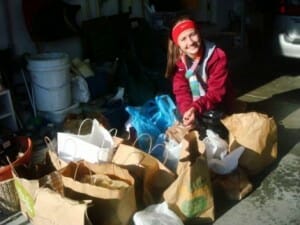
Recently, my grandparents and I were awarded $10,000 to go to the charity of our choice for our efforts on Make A Difference Day 2011. To celebrate, Make A Difference Day my grandparents took me out in the morning and we collected 344 pounds of canned food. We collected cans from 8 a.m. until 11:30 a.m. in two different neighborhoods. At one point during our trip the little red wagon we were using broke down and some cans fell out. We thought we would have to go home and waste time trying to fix it. To our great pleasure, a neighbor came out and checked our wagon to see if he could fix it. After a few minutes of rummaging around in his garage, he came out with a bolt and some tools. With a little work and time our wagon was back to new. I believe that man who came out and helped us was a symbol of service. It was early in the morning and he came out and helped us without delay. Without him, we may not have been able to carry on with our collecting.
From collecting these cans, I have realized that service benefits the community immensely. We collected 344 pounds of food which is enough to feed a family of four for three weeks! Without the service from the community that family might have gone hungry. Every year 15 million children die of hunger. I’ve been alive for 15 years, so while I have been blessed with endless amounts of food, 225 million children have died from hunger. This is very eye opening to me and I want to help, even if my contribution is small. Someone wise once said, “We’re more interested in a million people with 10 dollars, than 10 people with a million.” Some people think that some acts of service are smaller and less important than others. I think that all service is important no matter how big or small.
I know service has really opened my eyes to the troubles and hardship children and adults face on a daily basis. I think some of us are so caught up in our own lives we don’t notice the troubles others face. I am very thankful for all my opportunities to serve and I hope I can set an example for others.
She plays soccer on the varsity soccer team, serves on student council, is a member of Blink 180 (an anti-bullying task force) and sings in the Liturgy Choir. Erin has been actively volunteering for years: gathering more than 500 kids from her elementary school to write cards for patients at Columbus Children’s Hospital, visiting nursing homes, feeding the homeless, loading trucks for the St. Vincent de Paul Society at church and delivering Thanksgiving meals to parish neighbors. This year on Make A Difference Day, with the help of her grandparents, Erin collected 344 lbs. of food for the People in Need food pantry in Delaware, Ohio.
How I Found Home In Nepal
Today’s guest post is written by Eric Roache, a yoga teacher, blogger and founder of ForWorld Thinking, a nonprofit organization dedicated to promoting cross-cultural exchange and understanding. He has volunteered and traveled around the world and uses those experiences to help advocate for global community and social change.
The first time I ever traveled overseas alone, I headed off to Australia and Nepal to volunteer abroad for five months. It was a nice transition stopping a month in Australia to save the rainforests for a young American who had never really been exposed to other cultures or the harsh realities of the developing world. Lush landscapes, crisp night air and the familiar values and perceptions of Western culture in the other volunteers from Europe and America. It gave me a chance to get over being away from home, friends and family, and to settle into life on the road before the real adventure began. As I rode the midnight plane from Brisbane to Kathmandu by way of Bangkok, I watched the moonlight glimmer on the Pacific and tried to quell the anxiety and doubt swelling up inside my stomach. That night was the quietest and clearest my mind had ever felt as I stared into the darkness, an eerie calm to counteract the knots in my stomach.
Hours into my stay in Kathmandu, I wandered the chaotic streets of the city, far from the safehaven of touristic Thamel, putting my complete trust in two other volunteers who arrived earlier than me as I followed blindly. It was a strange rush and an assault on the senses that put me oddly at ease, and from that day forth I knew I would be forever at home in the unfamiliar. That moment of truth was important, because it set the stage for everything to come, in Nepal and beyond, and it allowed me to embrace fully the experience of life in cultures vastly different from my own without fear.
I will never forget the day I arrived in the small Nepali village where I would teach. I was handed off to a gentleman who spoke almost no English, led through the village in the waning light of sunset to a house across the yard from school and sat on the porch with no explanation as people gathered and watched but said nothing. There we all sat around together in darkness for more than an hour until my host father, Damber, finally arrived to greet me. It was his house we sat outside, and his wife was one of the people waiting with me, but she did not invite me inside. This incident sticks with me because it taught me to show respect and deference to the place, the people and the community in which I was living. I was the outsider here, and I could not count on anything I knew or had learned before, so I threw it all out the window and prepared to learn everything all over again through the eyes of Nepal.
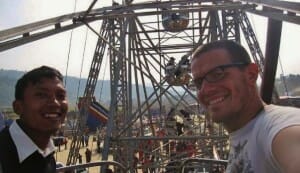
The months that followed were astounding in their simplicity and beauty. But nothing had a greater impact on my life than meeting Himal Waiba. He was a fellow teacher at school, and I was immediately struck by how genuine and compassionate this humble young man was. It resonated in his every word and action. We quickly became like brothers, spending every moment we could together. Every barrier that might normally separate us only served to bring us closer together because of our openness to one another. Never have I connected with another person on such a deep level with no effort and no need for words. Himal changed me, he inspired me and he helped become the person I always wanted to be but never knew I could before I met him.
To me, that is the clearest example of the benefit of cross-cultural exchange. When you let go of everything you know and give in to your experience, which international service forces you to do, all your walls come down. You allow your whole understanding of the world to be changed and opened by others with a different set of values, beliefs and experiences than your own. And in the end, that paradoxically shows you that we are in fact the same after all.
Together, Himal and I have since embarked on a journey of community service, global community building and cultural exchange. To learn about the orphanage Himal founded in Nepal and find out how you can help, visit Joining Hands Nepal. To learn more about my organization and how we help, visit ForWorld Thinking.
Change Notes: Celebrating People In Action for National Volunteer Week
Friends,
Sunday marked the start of National Volunteer Week. Points of Light will lead the nation in a celebration of people doing extraordinary things through service. The week honors the people and organizations dedicated to taking action and creating solutions for their communities.
Each year for more than two decades, National Volunteer Week has focused attention on the impact and power of volunteerism and service as an integral dimension of our civic landscape. It is a time of celebration and of recognition of the power of people to create change.
To celebrate the power of service, President Barack Obama issued a national proclamation, and governors, mayors and municipal leaders, as well as corporate and community groups across the country are highlight the power of people to create change.
Members of Congress from across the country are recognizing Daily Point of Light Award honorees from their district or state to showcase these individuals’ extraordinary work. These 32 leaders have posted inspirational videos, highlighted volunteers work on social media and sent personal letters to award winners to thank them for their leadership.
Special Events
During National Volunteer Week, Points of Light is hosting special events to recognize volunteers who have made an impact across the nation. Highlights of the week include:
The national Make A Difference Day Award luncheon on April 19 will celebrate the 2012 Make A Difference Day honorees for their outstanding contributions and impact through voluntary action. Each will receive a $10,000 grant from Newman’s Own and a trip to Washington, D.C., to the event. In addition, the event highlights the commitment of Newman’s Own, USA WEEKEND Magazine and Points of Light in inspiring, equipping and mobilizing people to create change. The keynote address will be given by Kevin Bacon, actor, musician and founder of SixDegrees.org.
A Billion + Change hosted a breakfast and panel discussion at the 2012 Business and Civic Leadership (BCLC) National Conference earlier today on the ways skills-based volunteering can create high-impact social change. The discussion focused on ways companies can offer their best business skills and talents to benefit the mission of nonprofits.
Recognizing Volunteerism
Along with individuals, Points of Light is recognizing 10 national nonprofits that are making a tremendous impact on our country’s most critical challenges. These organizations, which have partnered with Points of Light, are mobilizing volunteers in meaningful ways to create change through hands-on service. These organizations also demonstrate a collaborative spirit through partnerships with other organizations to help strengthen communities across the nation. Partners include: Alpha Kappa Alpha Sorority, Inc., American Red Cross, Big Sunday, Blue Star Families, Boys and Girls Clubs of America, FoodCorps, Give an Hour, National Voluntary Organizations Active in Disaster (VOAD), Share Our Strength and United Methodist Communications.
Last, but not least, Points of Light is recognizing its Leadership Partners, companies making important, strategic investments in the communities where they live and work through their partnership with Points of Light. These companies not only provide employee volunteers’ time and talent, they provide thought leadership and significant financial support. They include tier one partners American Express, Hasbro, Target, University of Phoenix and the UPS Foundation; and tier two partners Altria Group, Best Buy, GlaxoSmithKline, Google and JPMorgan Chase.
Engaging in Year-round Service
Points of Light will also launch two new public service announcements during National Volunteer Week to encourage volunteers to take action in their communities. One, by country music icon Reba, urges people to connect to Points of Light to find local volunteer opportunities. The other, by Ann Lopez, formal national spokesperson for the National Kidney Foundation and founder of The Lopez Foundation, highlights National Donate Life Month in support of organ, eye and tissue donation. Both videos are available on Points of Light’s YouTube channel and the National Volunteer Week website.
This year’s National Volunteer Week celebration is sponsored by Reward Volunteers®, an initiative of Cabot Creamery Cooperative. Now through July 7, volunteers are encouraged to download and use the Reward Volunteers® app for iPhoneor web widget. Reward Volunteers is a free, easy way for anyone that volunteers to log their time, post to Facebook and earn rewards for themselves and the organizations they serve.
Through the dedication and leaders of individuals, organizations and companies across the country, we are making an impact on the challenges we all face. I salute all who give of their time, talent, voice and money to create a better world.
In service,
Michelle Nunn
CEO. Points of Light
My Turning Point Happened As A Young Newspaper Reporter
Andy Nelson pictured bottom right with other Hands On colleagues
The theme for this year’s National Conference on Volunteering and Service is “Turning Point.” At Points of Light, we are highlighting turning point stories – stories about the moment or moments that inspired your service. Today’s turning point comes from guest writer, Andy Nelson, former Executive Director of HandsOn Greater Portland. Andy serves on the city of Portland, Oregon Parks Board and state of Oregon Commission on Volunteering, coaches his son’s sixth grade basketball team and ruins perfectly good walks outside by playing golf.
I listen with admiration, and a little envy, when I hear people in the HandsOn movement trace their motivations to their roots. They talk about growing up in families that gave back. They talk about coming up in communities that helped each other. They reference role models; giants of service they knew by name.
I listen with envy because this wasn’t my experience.
Not to say that I came up without values. They were different. Maybe it was the times. But doing good and helping others came with suspicion. Better to take care of your own. Government safety net services were there for those who couldn’t. Sure, we had newspaper and food drives, but nothing resembling the legions of people who today consider volunteering a way of life. Great things were happening back then. They seemed less well attended.
The turning point for me happened when, as a young newspaper reporter, I discovered what I had been missing. One cold, November evening 22 years ago in East Hartford, Conn., I discovered a make-shift soup kitchen started in a church basement. What a great story! Homelessness was still sort of a new thing, at least in the numbers we were beginning to see back then. I began interviewing some of the people in line when a hand tugged at my arm.
“What are you doing?” asked the woman, who was about my age and who I recognized as the person running the soup kitchen. “Please don’t talk to these folks and out their names in the paper. They will never come back.”
Stopped in my tracks.
It wasn’t necessarily this one incident. But it was seminal among many that led me to redirect my life to “doing good.” In many ways, I had no idea that one could actually do good as a life’s career. At least, it was really nothing that I had considered up until that point.
Things have changed, for sure, in the past 22 years. Clearly, not all for the worse. So many more young people are growing up with service. They are learning to do good as a way of life. They are many years ahead of me. For so many, there may not be such a defining “turning point” as there was for me. At least, that’s the goal I am working towards.
This year at NCVS, session content is organized across a series of issue areas so that attendees can tailor their schedules to meet their learning and networking needs.
Check out some of the sessions associated with…
Managing Volunteers
Summit on Advanced Volunteer Engagement
(SAVE)
Saturday, June 4, 2011 1:00 PM – 5:00 PM
Speaker(s): Jill Friedman Fixler, Martin J Cowling, Betty Stallings, Sarah Jane Rehnborg, Katie Campbell, Sue Carter Kahl, Erin Barnhart, Geoffrey Tumlin
Session ID: 5633
Twitter Hashtag: #NCVSSAVE
SAVE immerses participants in an exploration of advanced topics in volunteer engagement through challenging discussions on issues, strategy, trends and research. SAVE leverages the expertise of proven, successful practitioners and provides a platform for facilitated peer-to-peer learning.
High Impact Volunteer Engagement: The Moment is Now!
Monday, June 6, 2011 1:00 PM – 2:30 PM
Speaker: Jill Friedman Fixler
Session ID: 5031
Twitter Hashtag: #NCVS5031
Now, more than ever before, volunteer engagement professionals have an opportunity to be champions of talent management within their organizations.
This interactive workshop will provide tools and strategies for volunteer professionals who are ready to embrace change and their new roles in this changing environment.
Learn how to respond to emerging trends, issues, and opportunities; identify your role as a change agent; turn barriers into opportunities for you and your organization; and explore how a small investment in volunteer engagement can yield significant impact, outcome, and increased status for volunteers and the people who lead them.
Strategic Volunteering: Preparing Your Organization to Meet the Demand
Tuesday, June 7, 2011 8:30 AM – 10:00 AM
Speaker: Heather Rocker
Session ID: 5354
Twitter Hashtag: #strategicvols
Opportunities for volunteers to align their professional development with their community service efforts are increasingly in demand.
Learn what potential volunteers are looking for in strategic volunteering opportunities and how you can effectively structure your program to meet this demand.
Get an insider’s look at how to set your volunteer opportunities apart from others offered in your community and leverage the potential to create new corporate relationships…remember, the support dollars often follow great volunteer experiences!
Leave with actionable next steps and templates to get you jump started.
The Speaking Seminar ™
Tuesday, June 7, 2011 2:00 PM – 5:30 PM
Speaker: Bill Hoogterp
Session ID: 5032
Twitter Hashtag: #NCVS5032
Here is a rare opportunity to get some of the same training that top CEOs, celebrities and other leaders get.
In the private sector, it costs $250 per person to attend The Speaking Seminar ™, which helps you improve your public speaking skills and have fun at the same time, donated from Blue Planet Training in New Jersey.
The Speaking Seminar helps you understand how the brain sends and receives information and how to never be nervous, no matter the audience. Meetings can be shorter, more effective and still social.
Presentations to groups large and small can be more powerful and memorable with a few tips and tricks.
Sabotage! How Volunteer Managers Sabotage Their Program
Wednesday, June 8, 2011 10:30 AM – 12:00 PM
Speaker: Martin J Cowling
Session ID: 5493
Twitter Hashtag: #NCVS5493
This training is based on a series of articles published by the journal E-Volunteerism We all want to know what not to do wrong.
This training aims to address the fundamental things a manager and an organization needs to do to avoid sabotaging their program.
The session will cover: how volunteer programs are viewed; why perceptions of a volunteer program impacts on its success; how your volunteer program might be viewed by your agency; what are the five lethal factors that can undermine programs; how these five lethal factors might be impacting on attendees workplaces; and practical actions that can be taken to overcome these factors.
Economic Development and Opportunity Sessions at NCVS!
Today we are highlighting another important conference focus area, with sessions specifically about
Economic Development and Opportunity
.
Sessions in this category will focus on volunteer solutions that sustain economic development and opportunity faced by our communities. E
VISTA Coffeehouse (5660)
Monday, June 6, 2011 12:00 PM – 3:30 PM
Twitter Hashtag: #vista
Description: Stop by the VISTA Coffeehouse for a cup of coffee while you relax with colleagues, continue the dialogue after a workshop and catch up with friends. Record your story of service and be a part of VISTA’s history.
Building Economic Security through Volunteer Efforts (5072)
Monday, June 6, 2011 1:00 PM – 2:30 PM
Target Audience: Training staff
Session Level: Advanced
Session Type: Workshops
Speaker(s): Rebecca Haase, Reyes Irizarry
Sponsor: Chase
Twitter Hashtag: #NCVS5072
Description: Now more than ever, there is a need for cost-effective, outcome driven, volunteer programs that improve the economic security of low-income families. The Community Service Society/RSVP has successfully created the Financial Advocacy Program which capitalizes on the skills of older adults while meeting urgent community needs. Volunteers are trained to provide education and support in the area of economic security for low-income families through financial coaching and public benefit counseling. The workshop will present the core concepts used to create and maintain these model programs which include a rigorous training and assessment process, and effective site development and volunteer placement.
Reclaiming the American Dream: How We Can Recommit to Being a Nation of Opportunity Through Service (5293)
Monday, June 6, 2011 1:00 PM – 2:30 PM
Target Audience: All roles
Session Level: Intermediate
Session Type: Workshops
Speaker(s): Kirsten Lodal
Sponsor: Chase
Twitter Hashtag: #reclaimthedream
Description: A recent poll found that half of Americans no longer believe in the American Dream which suggests that if you work hard you’ll get ahead. This panel will examine why faith in the American Dream has waned and what role service plays in restoring that ideal. Using case studies from LIFT the panel will look at the ripple effect that investments in poverty relief have on education health and other low-income issue areas and how service programs can work together with public and private partners to employ simple solutions to strengthen our country’s economic recovery and continued prosperity.
Strategies for Engaging People in Service (5367)
Monday, June 6, 2011 1:00 PM – 2:30 PM
Target Audience: Project or program director
Session Level: Intermediate
Session Type: Workshops
Speaker(s): Mimi Castaldi, Mary Tritsch
Sponsor: Chase
Twitter Hashtag: #NCVS5367
Description: Looking for new and creative ways to increase engagement in your cause? AARP will share the range of strategies the association has used to involve the 50+ community, and Americans as a whole, in the fight against hunger. These include innovative partnerships, statewide on-the-ground efforts, online outreach and even games and contests! While the examples provided focus on hunger, the strategies are easily transferrable to other issue areas.
VISTA Coffeehouse (5661)
Tuesday, June 7, 2011 8:00 AM – 4:00 PM
Twitter Hashtag: #vista
Description: Stop by the VISTA Coffeehouse for a cup of coffee while you relax with colleagues, continue the dialogue after a workshop and catch up with friends. Record your story of service and be a part of VISTA’s history.
Engaging Resident Volunteers in Sustainable Neighborhood Revitalization (5382)
Tuesday, June 7, 2011 8:30 AM – 10:00 AM
Target Audience: All roles
Session Level: Intermediate
Session Type: Workshops Speaker(s): Laura Mellem
Sponsor: Chase
Twitter Hashtag: #EngagingResidents
Description: Beacon of Hope Resource Center’s Neighborhood Revitalization MODEL- Mapping, Outreach, Development, Engagement, Leadership will be presented. The MODEL has been implemented in neighborhoods across New Orleans with more than 750 resident volunteers working to eradicate blight, foster rebuilding and repopulation, and improve quality of life in their neighborhoods.
Citizen Solutions for Economic Opportunity (5528) Tuesday, June 7, 2011 2:00 PM – 3:30 PM
Target Audience: All roles
Session Level: Intermediate
Session Type: Workshops
Speaker(s): Diahann Bilings-Burford, Jeff Johnson, Marta Urquilla, David Eisner, Gary Maxworthy, Kim Davis, Zach Rosenburg, Ida Rademacher
Sponsor: Chase
Twitter Hashtag: #NCVS5528
Description: Fostering and advancing economic opportunities in under resourced communities is a constant challenge. Several communities, however, are achieving strong results for their residents, drawing on existing resources and the power of volunteers. This session will highlight the practices of asset-based community development and will present examples of how some communities have effectively promoted new economic opportunities, focusing especially on the roles volunteers can play alongside nonprofit organizations and community members to effect change.
Pathways to Innovation: Reclaiming the American Dream (5561) Tuesday, June 7, 2011 4:00 PM – 5:30 PM
Target Audience: All roles
Session Level: Beginner
Speaker(s): Kirsten Lodal, Richard French, Eric Schwarz, Elizabeth Irvine, Scott Miller, Amy Baker, Bethany Billman
Sponsor: Chase
Twitter Hashtag: #NCVS5561
Description: In this session several presenters will pitch innovative solutions to the challenges of economic development and opportunity followed by discussion. Included are: Painting Change; Circles of Opportunity, A New Solution to America’s Mortgage Crisis, Citizen Schools, A Garden in Every School.
VITA – Bigger Bucks for Your Community or Show Me the Money! (5161) Tuesday, June 7, 2011 4:00 PM – 5:30 PM
Target Audience: All roles
Session Level: Intermediate
Session Type: Workshops
Speaker(s): Karen O’Neil
Sponsor: Chase
Twitter Hashtag: #bigbucks
Description: Extra cash in the pockets of low-income workers is a benefit not only to their families but to the community as a whole. Partnerships with the IRS through the Volunteer Income Tax Assistance (VITA) program can have a positive economic impact on your community. VITA offers volunteer opportunities attractive to Boomers provides short term volunteer assignments yearly opportunities to learn new skills and improves or uses the volunteer’s computer skills. Learn how to show the impact of your VITA program to the community and your funders with verifiable outcomes based on hard data.
The Corporate-Nonprofit Partnership Model in Action (5681)
Wednesday, June 8, 2011 8:00 AM – 12:00 PM
Target Audience: All roles
Session Level: Beginner
Sponsor: Capital One
Twitter Hashtag: #NCVS5681
Description: Sponsored by Capital One, participants will visit Columbia Parc where the St. Bernard public housing development once stood pre-Katrina. This immersion learning session will explore the elements of a holistic community development model.
VISTA Coffeehouse (5662)
Wednesday, June 8, 2011 8:00 AM – 12:30 PM
Twitter Hashtag: #NCVS5662
Description: Stop by the VISTA Coffeehouse for a cup of coffee while you relax with colleagues, continue the dialogue after a workshop and catch up with friends. Record your story of service and be a part of VISTA’s history.
Civic Pathways Out of Poverty Into Opportunity (5185) Wednesday, June 8, 2011 8:30 AM – 10:00 AM
Target Audience: All roles
Session Level: Intermediate
Session Type: Workshops
Speaker(s): Christopher Gates, Steve Patrick, Kara Carlisle
Sponsor: Chase
Twitter Hashtag: #CivicPathways
Description: Service can and should be more purposefully focused on workforce development goals and post-secodary educational achievement for low-income youth and young adults. PACE, Philanthropy for Active Civic Engagement, has just published a white paper on this issue describing these ‘civic pathways’. This work was sponsored by the Bill & Melinda Gates Foundation, the W.K. Kellogg Foundation and the New World Foundation.
Developing Sustainable Economic Impact: Case Studies in Innovation (5197) Wednesday, June 8, 2011 8:30 AM – 10:00 AM
Target Audience: All roles
Session Level: Intermediate Session
Type: Workshops
Speaker(s): Michael F. Curtin
Sponsor: Chase
Twitter Hashtag: #dcck
Description: Persons who are unable to work, whose earnings are inadequate or for whom jobs are often require additional assistance in order to meet their basic needs for food. This session will provide examples of innovative programs that are designed to reduce poverty, promote self-sufficiency, and make communities and people more self reliant. It will provide case studies in economic empowerment that include meal distribution service, job training and development, and sustainable growing practices.
Volunteering in Rural Communities
This year at NCVS, session content is organized across a series of issue areas so that attendees can tailor their schedules to meet their learning and networking needs.
Check out a few sessions associated with
…
Rural Residents
CNCS Service in Indian Country
Monday, June 6, 2011 1:00 PM – 2:30 PM
Session ID: 5577
Speakers: Patrick Triano, Kathie Ferguson, Linda Schnee, Ron Lessard, Charles Davenport, Tracy Seabolt, Juliana Ko
Twitter Hashtag: #NCVS5577
Indian Tribes and organizations that support Native American communities have been successfully drawing upon CNCS programs to meet community needs for more than 40 years.
Shaping Rural Communities through Innovative Partnerships
Wednesday, June 8, 2011 8:30 AM – 10:00 AM
Session ID: 5172
Speakers: T Allan Comp, Jenna Fehr, Adrian Uzunian
Twitter Hashtag: #ruralcommunitypartnerships
Learn how rural community/watershed organizations, with the assistance of Office of Surface Mining/AmeriCorps*VISTA Volunteers, are partnering with government agencies and other like-minded organizations for on-the-ground impact in rural Appalachian and Rocky Mountain communities.
Participants will benefit from this model as a way of rethinking community and VISTA engagement in service to some of our nation’s most under-resourced and environmentally damaged communities.
Join in a discussion with OSM/VISTAs, agencies, and non-profits on existing and potential collaborations.
Location, Location, Location: Rural Realities for Teen Involvement
Wednesday, June 8, 2011 10:30 AM – 12:00 PM
Session ID: 5353
Speaker: Harriett Edwards
Twitter Hashtag: #NCVS5353
Realtors have always said that success is all about location.
This holds true for many young people and their families as they try to access services and programs from very rural communities.
This session will feature success stories used as case studies to help participants consider their own opportunities to overcome the challenges of rural locations.
Understanding the practical realities while also learning about resources and options can help agencies better serve clients regardless of location.
We are stronger when we work together!
by Vivian Greentree, Director of Research and Policy,
I am very excited to be attending this year’s National Conference on Volunteerism and Service as a representative of Blue Star Families, a national military family support organization.
Along with attending all the amazing sessions (and exploring New Orleans!), we will also have booth space to share our program, Operation Honor Card, with the other participants of the conference.
A part of Joining Forces, Operation Honor Card is a joint project between Blue Star Families, the American Red Cross, and ServiceNation: Mission Serve with the support of The Corporation for National and Community Service, the Department of Defense, and the Department of Veterans Affairs.
The program allows citizens to pledge volunteer hours in honor of the service of military families, veterans, and service members in order to create an atmosphere of shared service and the high level of community engagement seen during WWII, when ‘all gave some.’
Those coming by our booth at the conference will be able to pledge service hours and write notes of support and encouragement to the military community, which we will then distribute among our membership and partnering organizations.
Both the community service hours pledged and the cards written and given out to our military families through Operation Honor Card are much treasured personal, tangible gestures that our civilian counterparts can perform to support and engage our military community.
Someone famous once said,
“Courtesies of a small and trivial character are the ones which strike deepest in the grateful and appreciative heart.”
As a military spouse who has both given and received just such letters, I can tell you that finding out someone who doesn’t even know me cared enough to take a moment and say “I’m thinking of you” was priceless at a moment during a long deployment when I needed a little encouragement.
I’m also excited to meet other organizations who will be attending the conference to find out ways we can work together to promote civic engagement and interaction between public and private organizations looking to get involved with the military community.
While there is little data on the particulars of volunteerism within the military community, sixty-eight percent of respondents to our 2010 Military Family Lifestyle Survey had volunteered in the past year and research shows that veterans who volunteer have more successful transitions home than those who do not.
There is a therapeutic quality to helping others that many of our military parents and spouses say help get them through deployments and make them feel satisfied that they have ‘paid it forward’ from the help they received when they were newbies.
Military families are also in a special position to encourage others to donate their time, energy, and spirit to make this country a better place to live for ourselves and our future generations.
While our military members are most noted for protecting our rights and freedoms, their service also demands from us the responsibility of making this country a land where freedom engenders a sense of duty to do what one can to strengthen our communities and truly encourage the democratic principles of commitment and service.
Civic engagement and volunteerism are what sustains civil society and allows us to see past our differences to our commonalities as human beings.
In the military community, we know that we are only as strong as our weakest link and that it is a group effort to maintain strength and resiliency on both the forefront and the homefront.
Our relationships are forged through our collective experiences of mutual sustainment and, I believe, we are stronger for it.
So, I’m excitedly awaiting the conference and looking forward to meeting wonderful people and sharing innovative ideas (along with great food!) to build a stronger nation through volunteerism and service.
I hope that if you are interested in learning more about the military community, you’ll stop by and see us at our booth or in one of the sessions.
We are stronger when we work together!
Vivian, a Navy veteran, is the Director of Research and Policy for Blue Star Families. She is currently completing her dissertation on public service motivation for her PhD.
Manage For Results!
Within the “
Strength
” focus area category sessions focus on proven methods and emerging trends for managing, strengthening and sustaining volunteering and service programs to meet ever-changing economic, socio-economic, social and volunteer realities.
Here are some sessions that discuss managing volunteers for results in order to be able to retain further volunteers in the future.
Assessing Community Capacity for Change (5450)
Monday, June 6, 2011 1:00 PM – 2:30 PM
Room: MCCNO 347
Speaker: David Chavis
Twitter Hashtag: #NCVS5450
In order to make communities health and with opportunity, the organizations and other institutions need to have the capacity to make changes in the the service and other systems but also in the physical and social environment.
This session presents how 14 communities in California funded by The California Endowment assessed have used a capacity assessment to strengthen their ability to build healthier communities.
Participants will learn the research, development and application processes that helped the foundation and community collaborations develop a targeted and phased capacity building strategy.
Making the Case for Service: Getting Ready to Demonstrate Impact through Rigorous Research (5587)
Monday, June 6, 2011 1:00 PM – 2:30 PM
Room: MCCNO 356-357
Speaker: Brandee Menoher
Twitter Hashtag: #NCVS5587
What challenges does your organization face around performance measurement?
Standardized program measures?
Data collection?
Tools? Resources? Rigorous evaluation?
This session will explore these issues and discuss solutions.
Developing Accountability Systems (5365)
Tuesday, June 7, 2011 8:30 AM – 10:00 AM
Room: MCCNO 347
Speakers: Kate Kavouras, Alison Egan
Twitter Hashtag: #NCVS5365
This session includes lessons from Teach For America’s 20 year history measuring student academic achievement, including how to set up effective evaluation systems.
Beyond the field of education, this session provides instructions on how to tailor your program goals and set up evaluation systems to demonstrate your success in meeting your goals and your impact overall.
Movie: Saving Philanthropy (5714)
Tuesday, June 7, 2011 12:00 PM – 2:00 PM
Room: MCCNO 339
Twitter Hashtag: #NCVS5714
Saving Philanthropy speaks to non-profit directors and funders who value outcomes but are struggling with how to define and measure them.
The film is designed to offer a clear, straightforward framework for implementing a managing to outcomes strategy.
Saving Philanthropy contends that a non-profit organization operating without a clear strategy for managing to outcomes is akin to a ship at sea sailing without a charted course, yet hoping to miraculously reach its destination. http://www.savingphilanthropy.org/
America’s Service Commissions Annual Meeting & Reception (5635)
Sunday, June 5, 2011 6:00 PM – 8:00 PM
Twitter Hashtag: #NCVS5635
Annual gathering of ASC members and friends, which features guest speakers, the Friend of ASC Award presentation, an update on ASC activities, and the ratification of the ASC Board of Directors.
This reception will happen at The Cabido on 751 Chartes Street.
Tickets are $65 per person.
Evidence-based Programming Clinic: Tips and Tools for CNCS-funded Programs and Projects (5657)
Monday, June 6, 2011 9:00 AM – 12:00 PM
Room: MCCNO 344-345
Speaker: Justine Murray
Twitter Hashtag: #NCVS5657
CNCS has a new strategic plan with new performance measures that involve demonstrating “evidence.”
What do we mean by this and how do you go about collecting data to meet these performance measures?
If you are a CNCS grantee, subgrantee or project, come participate in this hands-on clinic before the conference begins.
Preparing for RSVP Recompetition 2 (5677)
Monday, June 6, 2011 10:00 AM – 11:30 AM
Room: MCCNO 255-257
Speaker: Erwin Tan
Twitter Hashtag: #NCVS5677
This session will address the upcoming RSVP recompetition.
Corporation staff will provide an update on the implementation of recompetition and relevant requirements of the Serve America Act.
A duplicate session runs concurrently as 5688.
This session repeats on Tuesday as 5557.
Preparing for RSVP Recompetition 3 (5557)
Tuesday, June 7, 2011 8:30 AM – 10:00 AM
Room: MCCNO 255-257
Speakers: Patrick Triano, Kathie Ferguson, Linda Schnee, Ron Lessard, Charles Davenport, Tracy Seabolt
This session will address the upcoming RSVP recompetition.
Corporation staff will provide an update on the implementation of recompetition and relevant requirements of the Serve America Act. This is a repeat of Monday’s 5688 and 5677.
State Service Commission Peer Networking Session (5672)
Tuesday, June 7, 2011 12:00 PM – 1:30 PM
Room: MCCNO 357
Speaker(s): Christy Venable, Bob Shogren
Twitter Hashtag: #NCVS5672
Description: State service commissioners and staff will have an opportunity to share best practices, ask program management-related questions and connect with their peers in an informal, conversational-style setting. Please BRING YOUR OWN LUNCH to the session.
Engaging Resident Volunteers in Disaster Recovery (5684)
Tuesday, June 7, 2011 1:30 PM – 5:30 PM
Speaker: Tina Marquardt
Twitter Hashtag: #NCVS5684
Come get a firsthand look at the Beacon of Hope Resource Center Neighborhood Revitalization MODEL (Mapping, Outreach, Development, Engagement, Leadership), which develops sustainable neighborhoods by creating a resident-led community resilience plan.
Change When Change is Hard: The College Completion Agenda (5567)
Tuesday, June 7, 2011 2:00 PM – 3:30 PM
Room: MCCNO 255-257
Speakers: Peter Sims, Jamie Merisotis
Twitter Hashtag: #NCVS5567
Peter Sims, author of best-selling book Little Bets: How Breakthrough Ideas Emergethrough Small Discoveries will share ideas about change followed by discussion on how the concept applies to the problem of college readiness, access, and completion for disadvantaged youth and veterans. There will be free books for the first 200 attendees.
Practical Application of The Toyota Production System for Nonprofit Capacity Building (5297)
Tuesday, June 7, 2011 2:00 PM – 3:30 PM
Room: MCCNO 346
Speaker: Mark Reich
Sponsor: Toyota
Twitter Hashtag: #NCVS5297
While originally developed to ensure quality and productivity in manufacturing, the Toyota Production System, or TPS, can be applied to any process.
This session will give an overview of TPS, its history and provide real-world examples of how TPS has been applied in health care, education, even a free food pantry.
If there is a process to what you do, TPS can be applied to improve the efficiency of that process, the quality of the product and the satisfaction of the customer.
Learn how TPS can set your organization and your team on a pathway to continuous improvement.
Tools and Strategies for Implementing Results-Based Management & Performance Reporting in Your National Service Program (5663)
Tuesday, June 7, 2011 4:00 PM – 5:30 PM
Room: MCCNO 354
Speakers: Traci Kirtley, Steve Struthers
Twitter Hashtag: #NCVS5663
Find out how you can apply the “lessons learned” by Admission Possible and Minnesota Reading Corps from their use of dashboard-style reporting and other management practices to build a data-driven culture and ultimately deliver better results.
AmeriCorps Meeting with AmeriCorps Leadership (5642)
Tuesday, June 7, 2011 6:00 PM – 7:00 PM
Room: MCCNO 243-245
Speakers: John Gomperts, Jennifer Bastress-Tahmasebi, Mark Gearan, Lois Nembhard, Rosa Moreno-Mahoney
Twitter Hashtag: #americorps
Leaders and staff from AmeriCorps programs around the country will meet with leaders from CNCS to discuss important issues.
NARSVPD/RSVP 40th Anniversary Celebration (5691)
Tuesday, June 7, 2011 6:00 PM – 8:00 PM
Room: Marriott Galleries 4, 5, and 6
Twitter Hashtag: #NCVS5691
RSVP Directors should come to the Marriott Hotel on Canal St. for a celebration of the 40th Anniversary of the RSVP Program. Tuesday, June 7, 2011, 6:00 – 8:00 p.m. Sponsored by NARSVPD with support from Senior Service America Inc.
National Association of Foster Grandparent Program Directors (NAFGPD) (5700)
Tuesday, June 7, 2011 6:00 PM – 8:00 PM
Room: MCCNO 252
The National Association of Foster Grandparent Program Directors will conduct their annual meeting.
Improving Educational Outcomes for Students and Schools with Service-Learning and the National Service-Learning Clearinghouse (5317)
Wednesday, June 8, 2011 8:30 AM – 10:00 AM
Room: MCCNO 242
Speaker: Erin Lee
Twitter Hashtag: #nslc
Service-learning is a valuable way to ensure that students get the most out of their educational experiences by tying curriculum to community needs and working through the stages of investigation, planning, action, reflection, demonstration, and celebration.
The National Service-Learning Clearinghouse is the source for resources that support service-learning in all settings.
This session will enable participants to use the Clearinghouse website and tools to adopt and adapt tools, strategies, and resources to most fully support educational success through service-learning in their schools and communities.
Pathways to Innovation: Social Innovation Fund Grantee Impact Programs (5559)
Wednesday, June 8, 2011 8:30 AM – 10:00 AM
Room: MCCNO 352
Speakers: Paul Carttar, Doug Borchard, Kristin Morse, Maura Riordan, Laura D’Alessandro
Twitter Hashtag: #NCVS5559
In this session representatives of Social Innovation Fund grantees will provide a brief overview of their innovative, evidence-based solution and an update on progress to date followed by discussion. Included are: New Profit, NYC Mayor’s Fund, LISC, United Aids Fund.
The National Center for Service & Innovative Leadership: A conversation about how to improve innovation in service (5339)
Wednesday, June 8, 2011 8:30 AM – 10:00 AM
Room: MCCNO 346
Target Audience: Executive director, president, or other senior staff
Speakers: Shirley Sagawa
Twitter Hashtag: #NCVS5339
The Presidio Trust is breaking ground on the first phase of a new National Center for Service & Innovative Leadership at the Presidio.
Join us for a conversation with key leaders in the service field about how this Center can help you achieve greater impact.
Be prepared to share your thoughts on how a National Center focused on leadership development, knowledge-sharing, and cross-sector partnership can benefit your organization and the service field as a whole.
What Do We Mean By National Service Participant Impact? (5593)
Wednesday, June 8, 2011 8:30 AM – 10:00 AM
Room: MCCNO 337
Speakers: John Gomperts, Jennifer Bastress-Tahmasebi, William Chrysanthos
Twitter Hashtag: #NCVS5593
The CNCS Strategic Plan identifies performance measures for participant impact.
What are the best and most innovative practices that lead to these outcomes?
Come be a part of a discussion to help uncover what’s working across national service programs and projects.
Building Robust Evidence of Program Impact (5563)
Wednesday, June 8, 2011 10:30 AM – 12:00 PM
Room: MCCNO 255-257
Speakers: Paul Carttar, Kirsten Breckinridge, Joscelyn Silsby
Twitter Hashtag: #NCVS5563
This session will describe and explore tools and processes the Social Innovation Fund is using during its first year to validate the impact of SIF funded programs and build a base of evidence about what works.
The workshop format includes:
1) a brief update on SIF’s 11 grantees and first year of implementation;
2) the evaluation technical assistance models that have been used along with tools and guidance that have been developed in consultation with grantees; and
3) a panel discussion with SIF grantees about the processes they have being putting in place to build their evidence base over the next 3 to 5 years.
Presenters include members of the SIF program team and evaluation team at the Corporation, as well as SIF grantees working in the three priority areas of economic opportunity, youth development and health.
Looking at the ROI of Volunteer Service: Alternative Approaches (5666)
Wednesday, June 8, 2011 10:30 AM – 12:00 PM
Room: MCCNO 355
Speakers: Edward Goldstein, Emily Dessem, Tony Goodrow
Twitter Hashtag: #NCVS5666
This workshop will explore the issue of determining an organization’s return on investment in engaging and utilizing volunteers both in direct service and capacity-building roles.
Two specific approaches will be demonstrated and discussed.
The Power of “What if?”… Extra Mile America: Stories of Inspiration, Possibility and Purpose (5739)
Wednesday, June 8, 2011 10:30 AM – 12:00 PM
Room: MCCNO 253
Speaker: Shawn Anderson
Amidst a climate of difficulty, it’s necessary to dream bigger, be creative and recommit to “going the extra mile.”
Hear empowering stories of people who took initiative, pushed forward and created incredible change. Be inspired to remain determined in the face of challenge by asking “What if…?”
The Real Bottom Line: Using Data to Make Your Case and Demonstrate Impact (5226)
Wednesday, June 8, 2011 10:30 AM – 12:00 PM
Room: MCCNO 337
Speaker: Kristen Cambell
Twitter Hashtag: #NCVS5226
Your work is not “nice,” it’s necessary.
This session will explore how data collection and impact metrics can communicate your important bottom line.
Among other things, it will use success stories to demonstrate how to use data to advocate for education legislation and social services, how volunteerism effects urban and economic development, and how deliberative dialogue can increase civility.




 Today’s guest post is written by Teddy Burrage, 22, a travel writer for ExcellentHotels.com.
  Today’s post is republished from
  Today’s guest post is written by Eric Roache, a yoga teacher, blogger and founder of
  connected with another person on such a deep level with no effort and no need for words. Himal changed me, he inspired me and he helped become the person I always wanted to be but never knew I could before I met him.
 change.