Why Strategic Volunteering?
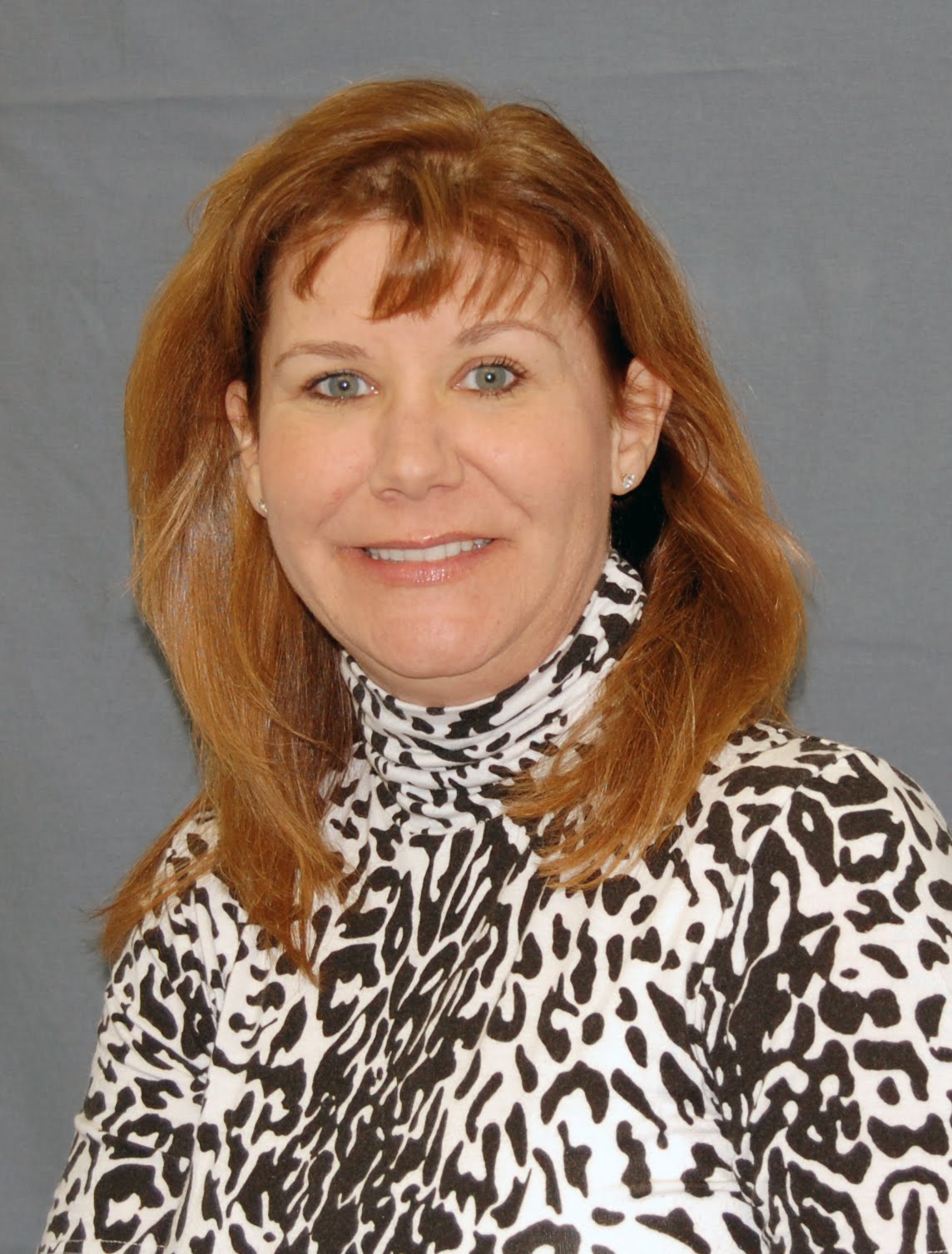
By Heather Rocker, Executive Director, Women in Technology & WIT Foundation

I’ve been there and done that (when it comes to strategic volunteering), and I’m thrilled to share best practices at my workshop:
Strategic Volunteering: Preparing Your Organization to Meet the Demand
on Tuesday, June 7th @ 8:30 AM. (Session ID: 5354)
While I typically concentrate on helping professionals utilize the strategic volunteering concept to advance their career goals, this workshop gives me the opportunity to build the capacity of nonprofit organizations to meet the need of those interested in applying this concept.
Why should strategic volunteering matter to nonprofit organizations?
This program helps organizations remain relevant and competitive in the volunteer community.
You can provide a significant ROI for volunteer time and talent and differentiate your organization amongst a vast pool of options. Utilizing this program within my own nonprofit, I find that it helps increase our recruiting and retention of volunteers.
We strive to provide meaningful volunteer placements and clearly link those to their professional goals.
Your organization is also provided an opportunity to enhance your corporate relationships.
One of the golden rules that we learn in the nonprofit world is that engagement leads to financial support.
Strategic volunteering provides a unique way to both engage and support corporate volunteers.
Step One…We Can Have Lots of Fun
If you don’t have one already, your organization should create a volunteer application.
Having an application process helps with the placement process and “weeds out” those with only a mild interest in participating.
My experience proves that if a potential volunteer will take the time to complete and return an application – that volunteer is MUCH more likely to have an effective level of engagement when placed in a role.
And engaged volunteers make our lives so much easier, right?!
Step Two…There’s So Much We Can Do
(or need done)
Of course, volunteers can’t make informed decisions if they don’t know what volunteer opportunities are offered by your organization, so be sure to make that information readily available.
Consider including your placement process, volunteer program philosophy, important deadlines, job descriptions, corresponding time commitments, and paths to leadership.
Employ technology when possible.
In my workshop, I’ll go into more depth about the process of developing the tools to succeed – including the development of the “skills matrix”, a useful tool for matching professional skill-sets with your organization’s volunteer needs.
(Special kudos to anyone who can name the song that inspired by Step One and Step Two titles!)

Heather S. Rocker joined Women in Technology (WIT) in March 2007 as the organization’s first-ever executive director.
Heather’s story and advice are profiled in the book Change Your Career: Transitioning to the Nonprofit Sector, and she is contributing author to the recently published book CLIMB: Leading Women in Technology Share Their Journeys to Success.
She currently authors a blog about strategic volunteering and speaks to nonprofit and corporate groups about incorporating this concept into their leadership development plans.
Connect with Heather Online on Twitter @
hsrocker
; or read her Blog:
Strategic Volunteering
. Find her on
Facebook
and
LinkedIn
.
How Does Your Community Support Military Families?
By Christina Jumper and Kelly Hruska, National Military Family Association
So, you want to support military families but you don’t know where to start, think it’s too expensive or complicated, or even time consuming?
Well, we have a simple, easy answer for you!
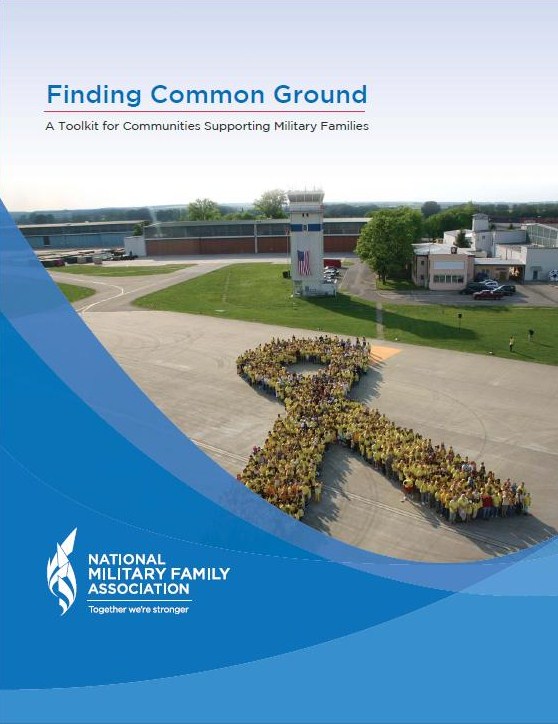
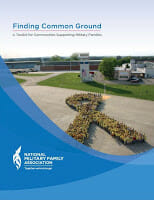
Finding Common Ground: A Toolkit for Communities Supporting Military Families is a new resource from the National Military Family Association.
This toolkit is the product of our Association’s summit, “When Parents Deploy: Understanding the Experiences of Military Children and Spouses,” at which we gathered the leading experts in the fields of military family support, childhood development, women’s issues, and behavioral health.
This toolkit suggests easily-achievable action items and useful resources to guide anyone who wants to support military families, but doesn’t know where to start.
This toolkit provides an answer to the question “What can I do to help?”
Using and sharing the information in this toolkit is easy.
First, log on to
www.MilitaryFamily.org/Community
, identify yourself in one of the communities, and read about ideas and resources that can start conversations and stimulate action.
Then, take some time to explore the other toolkit links. Print pages of the toolkit or use your online social networks to share the information with your friends.
Supporting military families doesn’t need to be complicated or expensive.
The toolkit provides examples of how easy it is to help military families – from having coffee with a service member’s parent to youth organizations looking for ways to include military families as part of the curriculum.
Share how you’re supporting military families in your community!
Send us an email at [email protected].
We are capturing these great ideas to build a list for communities to share.
Every community is reaching out and they are doing it in unique and special ways.
Now it’s your turn to see where you fit in! Join us today at
www.MilitaryFamily.org/Community
.
Helping Military Families Is As Easy As …
By Bailey Bernius, Public Relations Specialist, National Military Family Association

In communities all over the world, military families are living a unique lifestyle in order to serve our country alongside their service member.
It can be difficult for those not familiar with the military to understand this lifestyle and to figure out their role in helping military families in a time of need.
Everyone has a role to play in supporting military families – not just their friends and neighbors. Employers, educators, community leaders, government leaders, and health care professionals can all help support military families in unique ways.
For more tips and ideas, read the National Military Family Association’s Finding Common Ground: A Toolkit for Communities Supporting Military Families.
Here are some simple ways civilian families can help the military families who are living right in their own communities.
Hang out: Where appropriate, invite the spouse of a deployed service member to go out to dinner, see a movie, or go to a concert. Getting out of the house is a great stress reliever during a lonely time.
Be yourself: Look for opportunities to help by matching your own talents and resources with the needs of another.
Volunteer: Organizations all over the country are helping military families. Whether it is with time, money, or talents, it is the volunteers that keep these much-needed services running. Check out your state volunteer website or use the search engine on Serve.gov.
Provide a helping hand: When a service member you know is deployed, offer a play date for their kids, run errands, assist with home repair, mow the lawn, cook dinner, or help with anything else that is so much easier to do when there are two parents in the home.
Show your appreciation: Business owners can offer military discounts for service members and their families.
Give a taste of home: Bake or cook for single military personnel who are living in the barracks or invite them over for a holiday when they’re stationed away from home.
Be a friend: Having a spouse deployed is extremely difficult and having a shoulder to lean on eases the hardship.
Be understanding: Civilians can offer employment opportunities to military spouses and understand that their lifestyle may cause time gaps in a military spouse’s resume. It can be hard to establish a career while having to move to a new duty station every few years. Co-workers can rally behind the family of a deployed service member, providing a close-to-home support group.
Help make a house a home: Organize your neighborhood association to make newly-arrived military families welcome in your community.
Support education: Make military children feel welcome when they arrive in your children’s schools. When possible, be lenient with tryout dates and admission cut-offs. Recognize their achievements at other schools and find the best fit for them to thrive.
Be a proud American: Through actions and words, at every opportunity, support the men and women of the military. Never take for granted the individual freedoms these service members work tirelessly to safeguard and defend, often at great personal risk and sacrifice. They do it not only for themselves, but for their family members who support them daily in their patriotic service and privilege.
Keep your flag flying high!
* This information was gathered from more than 4,000 military spouses surveyed by the National Military Family Association.
Baby Boomers and Service: Understanding Their World
by Jill Friedman Fixler, NCVS Speaker
For quite a few years now, those in the nonprofit and service sectors have been awaiting—either with eagerness or trepidation!—the wave of Baby Boomers approaching traditional retirement age.
With Greatest and Silent Generation volunteers aging out of their traditional volunteer roles, would our organizations be deserted while Baby Boomers made other choices about how to spend their time?
Or, would a sea of Boomers line up to volunteer with our organizations?
If so, could we engage them as we have engaged volunteers for decades before?
Now that we are quite a few years into this long anticipated generational shift, it’s a great time to step and check in on our own expectations, experiences, and the actual trends out there.
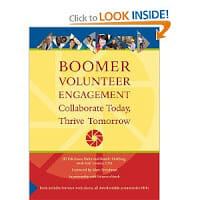
Here, along with excerpts from our book
Boomer Volunteer Engagement: Collaborate Today, Thrive Tomorrow
, is some of things we see in our practice, hear from discussions with colleagues, and learn from our own experiences as well.
Leaders of volunteers who adhere to the traditional volunteer management model often think that Boomers are uninterested in volunteering because they reject traditional volunteer roles.
In fact, most Boomers drop out of their volunteer assignments only when their expectations for volunteering do not correlate with the reality of the volunteer workplace.
Boomers who have served as leaders of industry are rarely interested in low impact volunteer positions.
Boomers who grew up with flextime in the workplace expect and prefer flexible volunteer schedules that few nonprofits offer.
Boomers whose careers were marked by unprecedented mobility expect a veritable buffet of volunteer options.
Even today, after all the talk and research and tools available on Boomer volunteer engagement, we see that large numbers of nonprofit leaders still believe their organizations are ready to engage Boomers, and equally large numbers of Boomers say that nonprofits are operating in ways that discourage them from volunteering.
Boomers have a multitude of choices on how to spend what their parents called the leisure years. Volunteering is but one option.
According to the think tank Civic Ventures, Boomers are redefining the second half of life as a source of social and individual renewal. They see it as a new adventure–a time to travel, take classes, and, if the nonprofit sector is lucky, to serve a higher purpose and create what Civic Ventures calls a “social legacy”.
Nearly 30% of Boomers will seek avocational and vocational opportunities within the nonprofit sector in either encore careers or volunteers settings according to research done by the Rose Community Foundation and
VolunteerMatch.org
.
Boomers in their late 40s and 50s are volunteering at higher rates than members of the Greatest and Silent Generations did at the same age, according to the Corporation for National & Community Service’s report Keeping Baby Boomers Volunteering.
The 78.2 million Baby Boomers are a virtual gold mine for nonprofit organizations as the first Boomers turned 65 on January 1, 2011 to the tune of 7,000 a day.
A social revolution—possibly as important as the one led by Boomers in the 1960s—will occur if nonprofits strategically engage Boomers in high-impact collaborations that build a nonprofit’s capacity to fulfill vision and mission.
It takes more than a few new strategies and examples to engage Boomers as volunteers.
It takes reimagining the role of volunteers in an organization and the possible results of involving volunteers in every aspect of operations.

It takes a new philosophy and organizational buy-in for top to bottom and from bottom to top.
Boomer Volunteer Engagement: Collaborate Today, Thrive Tomorrow sets the stage for making this profound transition and provides concrete strategies for success.
Jill Friedman Fixler is a nationally known leader recognized for her innovative approaches to re-inventing, re-engineering, and re-vitalizing nonprofit and public sector organizations. Don’t miss her Books & Beignets session at the NCVS Conference in June!
Books & Beignets
Boomer Volunteer Engagement – Collaborate Today, Thrive Tomorrow
Wednesday, June 8, 2011 7:00 AM – 8:00 AM
Session ID: 5741
Beyond Both/And: Achieving Deep Integration of Service and Leadership Development

By Max Klau, Ed.D., Director of Leadership Development,
City Year
Many service programs aspire to integrate a dual focus on service impact in communities and leadership development of volunteers.
It is one thing to insist that it is possible to maintain this “BOTH Service AND Leadership Development” integration, but programs without a sophisticated understanding of exactly how these two elements work together will continue to struggle.
After two decades, City Year has recently achieved breakthrough advances in the clarity and sophistication of both our service model and our leadership development model—as well as the interconnected workings of the two.
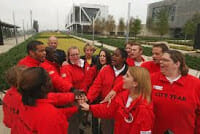
City Year’s tagline is “Give a year. Change the world.”, and we believe that there are two dimensions to that challenge: Changing the outer world through service, and changing the inner world of our corps members through leadership development.
We have developed a school service model—Whole School, Whole Child—that is deeply informed by research illuminating the nature of America’s high school dropout crisis. That clarity and focus of that model has empowered us to dramatically improve the scale, quality, and measurement of our service impact.
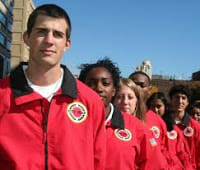
At the same time, we have developed a new leadership development model deeply informed by cutting-edge thinking and research from the field of leadership.
Called The Flame of Idealism, the model integrates a focus on civic action, civic capacity, civic identity, and culture.
It represents a breakthrough advance in the sophistication of our leadership development work, and it allows us to move beyond the simple assertion that we need to balance BOTH service AND leadership development.
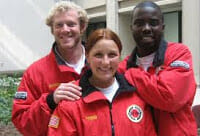
With this new model, we’ve been to take the integration of our service and leadership development efforts to a whole new level of clarity and sophistication.
At this year’s conference, we will provide an opportunity for participants to get an experiential taste of this comprehensive model.
The Idealist’s Journey is City Year’s leadership development curriculum designed to thoughtfully, intentionally develop the civic identity of our corps members.

In the midst of a very demanding year of service, the Journey provides regular opportunities for our corps members to step away from service, reconnect with their deepest sense of purpose, practice the art of critical reflection, and consider the personal meaning of their service experience.
It deepens the transformational impact of a long-term service experience by ensuring that the outer work of service is integrated with the inner work of leadership development.
City Year has great clarity regarding the leadership development outcomes we aspire to achieve with the Idealist’s Journey, and we have seen how this work strengthens service impact, sustains idealism, improves retention, and deepens the transformational impact of a year of service.
Intrigued?
We’re thrilled to have the opportunity to present this work in New Orleans, and hope that you will join us for our session
Developing Leaders Through Service: An Idealist’s Journey Experiential Session
on
Wednesday, June 8th at 8:30 a.m.
(ID: #5206).
We hope to see you there!
Disaster Management at NCVS!
This year at NCVS, session content is organized across a series of issue areas so that attendees can tailor their schedules to meet their learning and networking needs.
Check out all the sessions associated with…
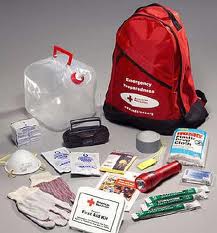
Disaster Management
Public Participation in the Wake of Disaster
Monday, June 6, 2011 1:00 PM – 2:30 PM
Session ID: 5048
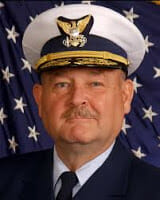
Join us for a discussion framed by Admiral Thad Allen on the importance of public participation in the wake of disaster.
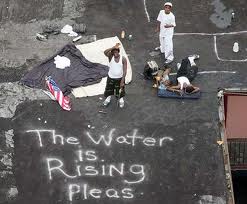
Admiral Allen will discuss his experience in being the U.S. Coast Guard Commander during Hurricane Katrina and the 2010 Gulf Oil Spill.
The other participants will build on this discussion to discuss the importance on acting now to build resilient communities across the country.
Listen to a panel of experts discuss the importance of public participation and the progress volunteers and non-profits have made in diminishing the effects of disasters.
Hazard reduction policies and practices should be integrated into the mainstream of community activities throughout the country – hear about successful programs, the role of the government, state agencies and non profits and explore new ways to implement decades of research.
Speakers: Karen Baker, Mark Askey, Ky Luu, Joshua Dubois, Admiral Thad Allen
Twitter Hashtag: #NCVS5048
Building Local Sustainability and Community Resilience through Global Collaboration and Engagement
Tuesday, June 7, 2011 8:30 AM – 10:00 AM
Session ID: 5242
This session will highlight the importance of enhancing local NGO’s and affected communities’ capacity through public/private partnerships to increase community resilience.
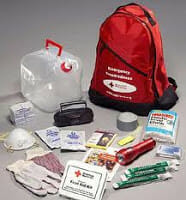
These partnerships will enhance the local capacity to mitigate against, prepare for, respond to and recover from disasters in an international setting.
In addition, this session will discuss real-life challenges and opportunities related to humanitarian aid and how it impacts community resilience.
The panelists will also provide practical examples of program design and how, when efficiently implemented, can enhance local resilience and develop sustainable practices in affected populations and local organizations.
Speakers: Ed Martinez, Shannon Strother, Richard Brubaker, Twitter Hashtag: #NCVS5242
The Role of Cause Marketing and Social Media in Disaster Response and Recovery
Tuesday, June 7, 2011 8:30 AM – 10:00 AM
Session ID: 5087
This session will explore tangible ways non profits can utilize Cause Marketing and Social media to raise funds and awareness for their organizations in times of disaster.

Ebay and Usher’s New Look will discuss their experiences, successes and lesson learned to maximize opportunities to integrate social media and cause marketing in fundraising campaigns.
A portion of this session will be led by the Youth who are a part of Usher’s New Look program.
Come learn how to maximize your organization’s potential!
Speakers: Lisa Marvin, Gavin McGuire, Doug Plank. Twitter Hashtag: #NCVS5087
FILM SCREENING: New York Says Thank You
Tuesday, June 7, 2011 12:00 PM – 2:00 PM
Session ID: 5715

New York Says Thank You
is an epic story following the journey of New Yorkers whose lives were touched by September 11 as they travel the country helping communities rebuild after disasters.
Along the way, they face their emotions and ultimately triumph over tragedy through an idea that evolved from a five-year-old New York City boy.
Twitter Hashtag: #NCVS5715
A New Model for Post Disaster Rebuilding
Tuesday, June 7, 2011 1:30 PM – 5:30 PM
Session ID: 5291

Come and visit this innovative and award winning model for post disaster recovery that offers four direct service programs to residents and neighborhoods still struggling to recover from the devastation caused by Katrina.
Speaker: Liz McCartney. Twitter Hashtag: #NCVS5291
Rebuilding Lives in post-Katrina
Tuesday, June 7, 2011 1:30 PM – 5:30 PM
Session ID: 5129
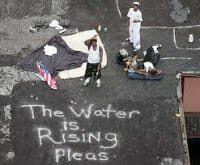
Venture just outside of New Orleans to historical St Bernard Parish, totally flooded by Hurricane Katrina and now facing the economic crisis resulting from the Gulf Oil Spill.
Hear volunteers, residents, and leaders tell their story of rebuilding.
Speaker: RM Iray Nabatoff. Twitter Hashtag: #NCVS5129
Neighborhood Center Critical Hub for Disaster Recovery
Tuesday, June 7, 2011 4:00 PM – 5:30 PM
Session ID: 5126
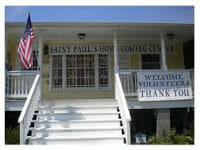
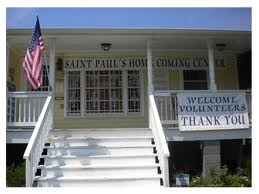
Join us in learning about the St. Paul’s Homecoming Center which is a center for neighborhood recovery.
This presentation will show the critical value of a “neighborhood based” recovery center. We will walk through the history of the center and how St. Paul’s Homecoming Center is not only operating as a recovery center but is also transitioning to address the future needs of neighborhood sustainability through new programs.
Speaker: Connie Uddo. Twitter Hashtag: #NCVS5126
No, you cannot wash a pelican: Lessons from the BP Oil Spill
Tuesday, June 7, 2011 4:00 PM – 5:30 PM
Session ID: 5065

Imagine a disaster where 25,000 volunteers wanted to clean birds and remove oil from beaches, when what was really needed was their support to social service agencies in assisting in the economic impacts of the oil spill.
This was the reality of the BP Oil Spill: an unparalleled disaster requiring an unprecedented multi-disciplinary response.
Learn from three Gulf Coast State Commission executive directors how the Gulf Coast worked collaboratively to strengthen intergovernmental relationships, work with conservation groups and effectively message to over 25,000 spontaneous volunteers.
Join us for strategic, creative and practical ideas from the lessons of the Oil Spill.
Speakers: Janet Pace, Sydney Hoffman, Wendy Spencer. Twitter Hashtag: #NCVS5065
Disaster Response & Recover: It takes a Whole Community
Wednesday, June 8, 2011 8:30 AM – 10:00 AM
Session ID: 5209
National VOAD and FLASH have partnered to jump start the Get Affliated phase of 2011 Great Hurricane Blowout.

With this phase people learn how to find an organization in their community and how to get affiliated before a disaster strikes. This phase also emphasizes the importance of affiliation before a disaster strikes.
Speakers: James McGowan, Trenise Lyons, Kaite Oldaker. Twitter Hashtag: #voad
Streamline Your Community Emergency Response Team (CERT) Program
Wednesday, June 8, 2011 10:30 AM – 12:00 PM
Session ID: 5073
This workshop will provide innovative ways to market, strengthen and streamline your Community Emergency Response Team (CERT) Program by leveraging volunteers, internal programs and external agencies.
The following resources will be discussed: strengthening your program internally, maximizing your volunteer base with little or no funding, and utilizing using social media to promote your program.
Speakers: Breanna Medina. Twitter Hashtag: #CERT
What’s Your Story?

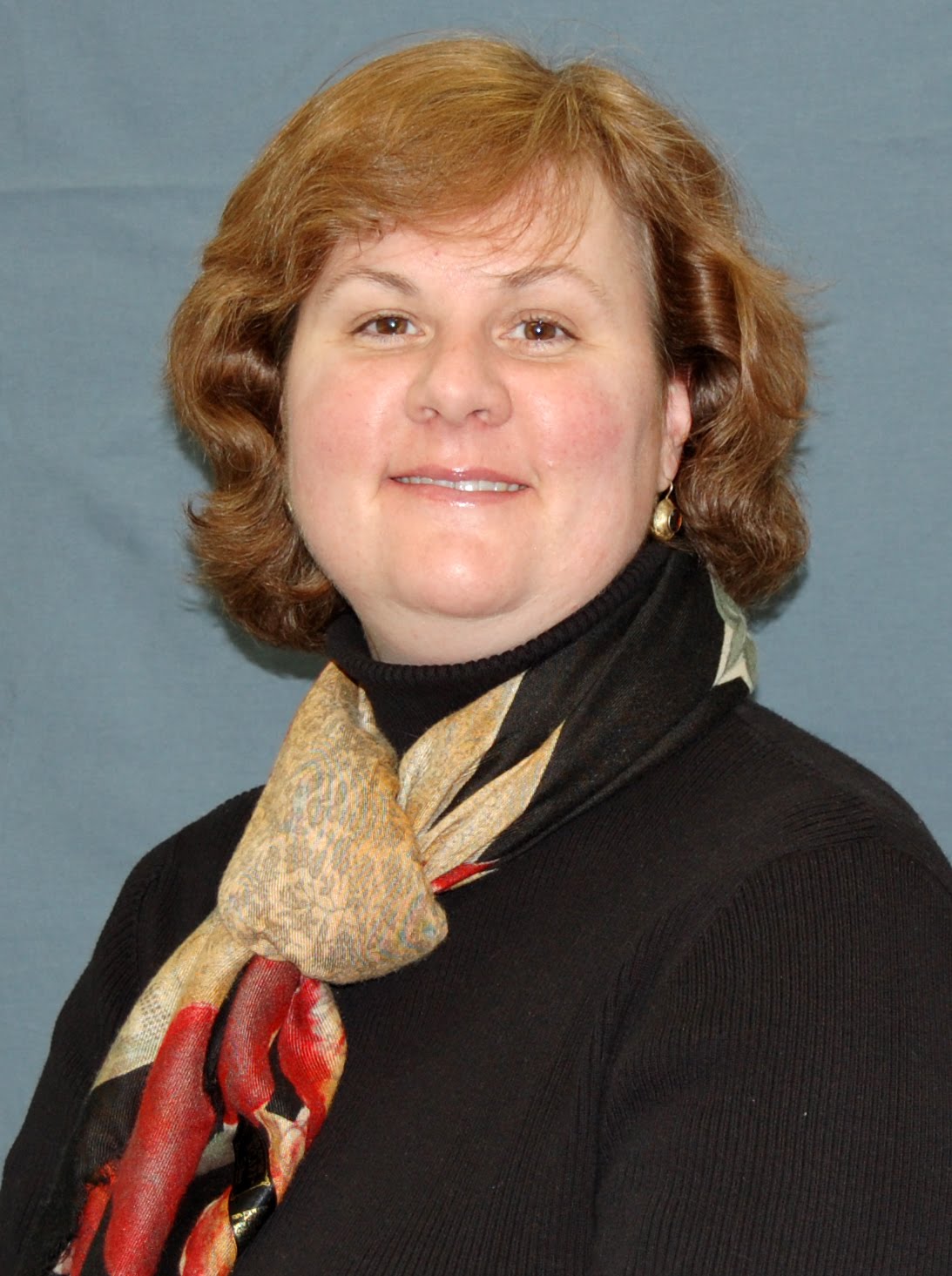
by Tara Greco, Vice President, APCO Worldwide
Corporate responsibility, including volunteerism, has a significant impact on overall corporate reputation, driving up to 50 percent of consumer decisions*. If you are not sharing your employee engagement story with key stakeholders, you are missing an opportunity to positively impact your company’s reputation.
Companies invest hundreds of thousands of dollars in employee engagement strategy and implementation each year. How are you sharing the outcomes of this investment with the stakeholders that matter most to your business?
These days, recognition is commonly included in the management and execution of an EVP. Communication around recognition is usually only shared through internal channels, and occasionally the company PR department is engaged to issue a press release that acknowledge a milestone, new element or special characteristic of the program.
By limiting your communication to these channels and audiences, you can’t maximize the reputational value for your company.
In the “How to Communicate Your EVP” session, participants will hear from three companies—UPS, Microsoft and Disney—who have mastered the art of telling the company’s EVP story to reach both internal and external key audiences.
Each panelists will cover how the company communicates about its EVP on a local and global level, with an emphasis on how to:
• Identify your unique story
• Leverage your employees as brand ambassadors
• Show how volunteerism provides a real business value for the company
Then, all session participants will engage in an interactive breakout session to share successful tactics as well as identify current communication challenges and get advice from peers in addressing them.
If you aren’t able to attend the session, please reach out to me directly – tgreco(at)apcoworldwide(dot)com..
I’ll be happy to share the learnings with you.
Sharing your story is a critical, yet often neglected element to a company’s EVP.
Join our session so you can learn how to better tap into this resource.
What’s Your Story? How to communicate your EVP
Wednesday, June 8, 2011 10:30 AM – 12:00 PM
Session ID: 5081
Speakers
: Tara Greco (APCO Worldwide), Jill Bolton (Disneyland Resort), Ken Sternad (The UPS Foundation), Karen Casanova (Target Corporation)
Twitter Hashtag
: #EVPComm
*APCO Return on Reputation Research Indicator, 2010
Engaging Veteran’s with Disabilities and Wounded Warriors in National and Community Service

This post comes from Joanne E. Cohen, M.A., Organizational Consultant, CTAT at Denver Options and liaison to the National Service Inclusion Project.
It was originally published on
HandsOn Blog
.
The
Corporation for National and Community Service
(CNCS) values initiatives and programs that engage veterans and military families, grow a knowledge base of how national service can best meet the needs of veterans and military families, support efforts that engage veterans who want to continue service in new ways at home, and promote effective collaboration with our veterans, military family members, and veteran-serving organizations.
 To support CNCS in this effort, the National Service Inclusion Project (NSIP), a CNCS training and technical assistance provider on disability inclusion, is collaborating with the Center for Technical Assistance and Training (CTAT) and Operation TBI Freedom (OTF) at Denver Options.
This initiative is identifying promising pr actices, products, and delivery strategies. Most importantly, veterans, including those who are current or former AmeriCorps or other national service volunteers, will inform this work extensively. Information from this work and related products will be made widely available to veterans’ groups, national service programs, and the disability community to guide the practice, policies, and procedures of service programs as they recruit and support veterans with disabilities.
The following narrative summarizes seven interviews that were conducted during 2010 with veterans who are current AmeriCorps members or alums. Of the seven, five have a disability. Of the five, one did not disclose the nature of his/her disability, one had a “traumatic disability” that he/she did not want to discuss, one has post traumatic stress syndrome (PTSD) and physical disabilities unrelated to the military, one has a head trauma as a result of being in the military, and one has PTSD that has not been officially diagnosed along with a disability that has been diagnosed through the Veterans Administration.
Themes:
Common themes emerged from the conversations:
- All interviewees expressed a passion to help people, including Veterans.
- Many described how AmeriCorps provides them the opportunity to get back into the workforce—additional skill sets are developed, it is a great addition to their resume, and they believe it is impressive to potential employers.
- Interviewees articulated that service and volunteerism is a satisfying and structured opportunity to serve our country in another way, giving back to the community and committing to someone else’s well-being, life, happiness, and education, while making an impact on others’ lives and helping the “under served” to help themselves.
- Through AmeriCorps, these veterans felt a sense of belonging, regaining their identity. AmeriCorps gets them out of their comfort zone, stretching and learning a great deal.
- AmeriCorps promotes change while making our country and the world better equipped to meet actual needs of others.
The following is a quote from one of the interviewees, an anonymous veteran who served in AmeriCorps:
“My experience as a volunteer in the AmeriCorps program has given me the will to get out of bed every day. It has given me the education and the knowledge to understand my disability and it gives me a purpose in life. If you don’t have a purpose in life, it’s hard to get out of bed every morning.”
Joanne has over thirty years combined experience in coaching, consulting, and facilitation. She was in a car accident in 1992, experiencing her own TBI and PTSD. It is with this experience that many Iraq and Afghanistan Veterans who return with TBI and PTSD relate to her. Joanne is proud to serve as a liaison to this project.
Engaging Veteran’s with Disabilities and Wounded Warriors in
National and Community Service
Tuesday, June 7, 2011 4:00 PM – 5:30 PM
Session ID: 5210
As part of the larger CNCS initiative to engage veterans in national service the National Service Inclusion Project (NSIP) collaborated with Denver Options’ Center for Technical Assistance and Training (CTAT) and Operation TBI Freedom to launch the Engaging Veterans with Disabilities Initiative guided extensively by information from veterans, especially current or former AmeriCorps or other national service volunteers. Join us for an informative and interactive session that presents outcomes from 1:1 interviews and discussion groups and engages participants in an interactive discussion that highlights promising practices for engaging veterans with disabilities and Wounded Warriors in national service.
Twitter Hashtag
:
#NCVS5210
In a Rut? Find New Ways to Engage People in Your Cause!

It happens to all of us. We come up with a strategy that helps us meet our goals, and we use it again and again… and again. Until maybe it stops working so well. Our target audience becomes less enthusiastic. New folks stop signing on. And it becomes clear that we need something new – something creative – to spark engagement in our cause.
For the past several years,
AARP
has been embracing that challenge through
Create The Good
, our engagement arm. We’ve been testing a broad range of strategies to involve the 50+ community, and Americans as a whole, around one of our top priorities – the fight against hunger. These include innovative partnerships, statewide on-the-ground efforts, online outreach and even games and contests!
Sound interesting? Come learn more at the
National Conference on Volunteering and Service
in New Orleans. Join us on June 6th at 1:00 p.m. for “Creative Ways to Engage People in Service – Both Online & Off” (5367), a discussion of the engagement strategies we’ve tested in our battle against hunger – and the lessons we’ve learned.
And don’t worry if hunger’s not your focus. Everything we’ll be sharing is transferable. And you definitely should try this at home.

Mimi Castaldi is the Vice President for Volunteer Engagement at AARP, a membership organization of nearly 40 million people 50+. In this role she is responsible for Create the Good, a new AARP initiative that encourages Americans of all ages to come together to ensure that there are opportunities to make our nation a better place and to solve problems with citizen-powered solutions.
In less than 2 years, more than 200,000 people have joined the Create the Good Network.
Previously, Mimi served as Director for AARP DC, leading a team of 200 volunteers to implement community service, education and advocacy initiatives in our nation’s capital. Before joining AARP, she served as the Chief of Staff for the Department of Labor Women’s Bureau, directing the “Working Women Count” campaign to encourage employers to implement changes to improve the lives of working women and their families.
Become an Effective Change Agent: The Moment is Now!
by Jill Friedman Fixler, NCVS Speaker
As I prepare to serve as faculty at the
Summit on Advanced Volunteer Engagement (SAVE)
at the
National Conference for Volunteerism and Service
, as well as work with our clients and colleagues, I have been exploring the opportunity for volunteer engagement professionals to lead change.
Volunteer coordinators and directors are uniquely positioned to leverage the skills, talents, and passions of volunteers on behalf of the organization.
With volunteerism on the rise and service shining brightly in the national spotlight, you as a volunteer engagement professional are sitting on a veritable gold mine of human capital.
You are uniquely positioned to become a leader of organizational innovation.
You can do so by strategically harnessing volunteer skills, by becoming a talent manager, by being a change agent.
Change agents are those who lead, inspire, and catalyze change.
As you contemplate your potential as a change agent, consider these questions.
1. Do you see opportunities others don’t see
? For example, do you see how volunteers can play integral roles in organizational innovation – as leaders? Project managers? Pro bono consultants? How can you share those strategies with others in the organization?
2. Are you willing to look beyond the “tried and true” to find new solutions to emerging challenges
? Effective change agents not only are able to let go of “old ways” but also see multiple solutions and possibilities to address challenges. How can volunteers and the many talents they possess be the solutions to some of the challenges your organization is facing now and in the future?
3. Are you getting the best contributions from the most people?
As Bill Taylor wrote in Harvard Business Review:
These days, the most powerful contributions come from the most unexpected places – the ‘hidden genius’ inside your company, the ‘collective genius’ of [clients, partners, and volunteers]…. Tapping the genius requires a new leadership mindset – enough ambition to address tough problems, enough humility to know you don’t have all the answers.
You can model a new leadership mindset by tapping the genius of the volunteer corps and leveraging that talent to build your organization’s capacity and make innovation a sustainable part of its culture.
4. What do you need to be an effective change agent/leader within your organization
? Do you have the competencies to be effective in this role – including things like team-building abilities, networking skills, tolerance of ambiguity, political awareness, communication and interpersonal skills? And, if you don’t, what can you invest to gain or improve on some of these skills?
Once you have assessed your own potential and role as a change agent, your next steps include:
1. Pick the right place to intervene
– pick something important, something in the core business not just something “around the edges”.
Select a place to intervene and innovate in ways that will make a substantive difference. Consider the big picture and ensure that you are working to strengthen to organization as a whole.
For example, at one of our hospital clients, staff and volunteers are collaborating to develop a concierge program that will serve patients, their families, staff, and volunteers.
This program will fundamentally change the way constituents experience the hospital.
2. Mobilize and engage volunteers in the effort.
Engaging volunteers in the effort is crucial because it leverages your resources most efficiently, it models the power and potential of volunteer engagement, and it builds support and advocacy within the larger community.
Many of our clients develop innovation teams comprised of staff and volunteers working together to address core issues in the organization.
3. Focus on results. Defining the immediate impact and the long term outcome of the endeavor draws people to this new work
.
When I was a volunteer director, I put together an internal marketing team of volunteers who were professionals in public relations and marketing.
They developed an annual report on the results of volunteer engagement and created presentations for volunteer leaders, staff leaders, and the board of directors.
4. Be the model for change.
If we as volunteer engagement professionals don’t model the change that we are seeking by using high-impact, skilled volunteers, we will not inspire others to mobilize.
We observe our clients utilizing volunteers as interviewers, mentors to new volunteers, and evaluators of volunteer impact.
Think about the ways in which you can utilize volunteer talent within your volunteer organization in new ways and then jump in and get started in your new own new role as talent manager…. The moment is now to act!
Jill Friedman Fixler is a nationally known leader recognized for her innovative approaches to re-inventing, re-engineering, and re-vitalizing nonprofit and public sector organizations. Don’t miss her session at the NCVS Conference in June!