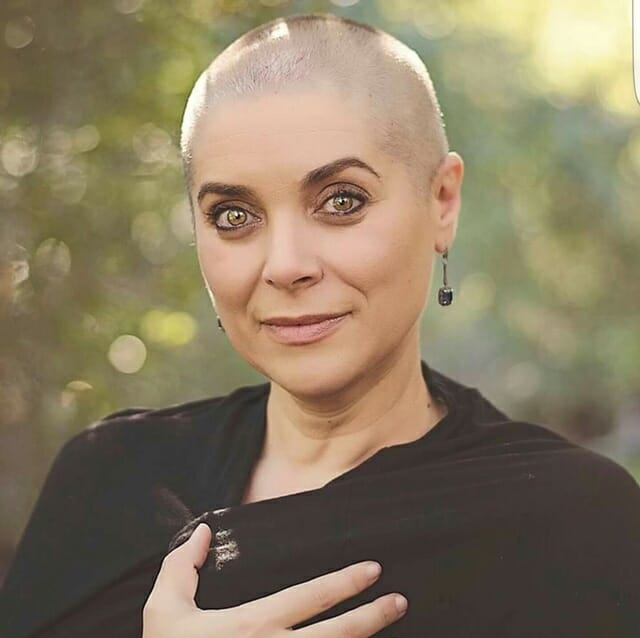
Zoe Sanchez Richardson
“Book Lady! Book Lady! Book Lady!”
That’s the warm embrace Zoe Sanchez Richardson hears as she enters a room full of 6 and 7-year-old children. Those excited screaming little voices are like music to her ears.
For the past few years Zoe has been a beacon of light in her community. Taking aim at childhood literacy, she created the Sweet Reading Room and Zoe’s Free Little Library. Through her organizations she routinely sets up reading events at her home, as well as hosts a free book drive at the end of her driveway. Fully aware of all the distractions that children face, Zoe wanted to make sure the art of reading isn’t forgotten.
“I always been a proponent that children need educational things to prosper in life,” said Zoe. “You can give them a gazillion toys, but if you give them books and pencils and school supplies, it will have a greater impact compared to that regular toy.”
Zoe’s involvement in her community has given back more than she could have ever dreamed of. Servicing Escondido, California (northern San Diego), which has a Hispanic population over 80 percent, really hits home for Zoe. Being of Cuban and Puerto Rican descent, her efforts to revitalize reading goes way beyond some charitable work, it is a way of life.
“Last year we gave out over 20,000 free books,” said Zoe. “To all the kids I’m known now as the book lady.”
What started out as a humble idea to give away some books to children at a charitable event, has flourished into a community-wide initiative emphasizing the importance of reading. Whether it’s parents coming up to her to thank her, or a local school principal reaching out to team up with her, Zoe has built something special.
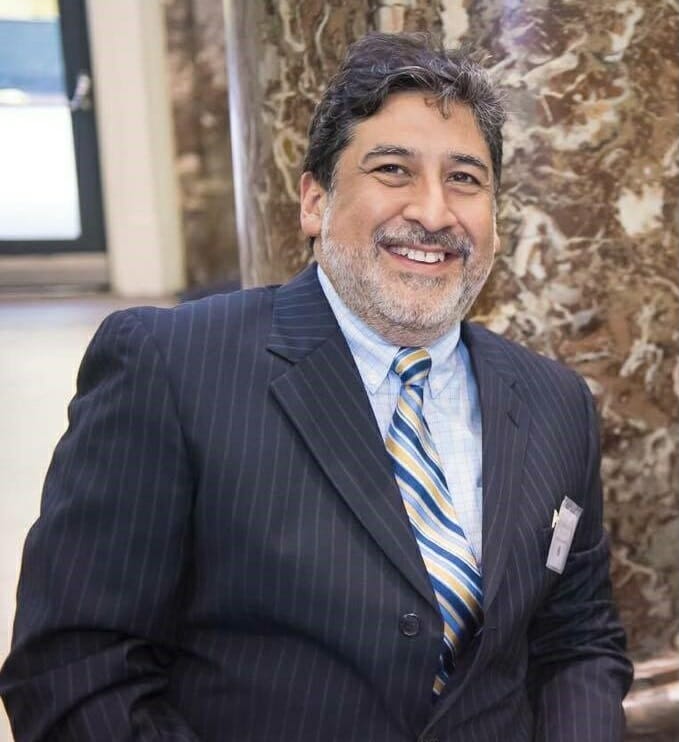
Arturo DeLeon
When Arturo DeLeon’s three daughters enrolled in dance classes through Multicultural Education & Counseling through the Arts (MECA), he never anticipated he’d devote the next 16 years of his personal time to the organization.
But, in that time, he’s served as MECA’s volunteer certified public accountant, attorney, Board of Directors member and president. It’s been a significant time investment, but the dedication has been for a good cause.
“There’s not many programs in Houston – to this day – that offer cultural classes,” he said. “Especially not Hispanic ones, including ballet, Mariachi music, and dance.”
Launched 38 years ago, MECA is a community-based non-profit organization that fulfills the need of bring artistic and cultural exposure to children who wouldn’t otherwise have access. The group reaches K-12 students, as well as the community at-large, through daily after school programming, all-day summer school, and grant-supported cultural programs. To date, it’s impacted more than 4,000 students and their families.
As MECA’s finance committee chair, DeLeon reviews internal financial statements and assists in the organization’s non-profit tax exemption returns. Due to his work, MECA saves roughly $3,000 annually. As the group’s attorney, he drafts internal and conflict-of-interest policies, in addition to various contracts.
DeLeon does more than donate his professional services and money, though. He also helps run MECA’s Valentine’s Day-themed events, as well as its most successful fundraiser, the annual Day of the Dead party. During that event, he manages both the brisket and turkey leg food booths. The money raised, he said, went toward purchasing and turning an old elementary school into MECA’s current building.
Ultimately, DeLeon said, he’s a MECA volunteer because the organization offers services fulfill a need in Houston’s Hispanic community and beyond. The organization reaches beyond artistic exposure to offer teaching and tutoring, as well as babysitting for those who need it if they wish to take classes.
“It all just brings so much value to the community in a good, safe educational environment, he said.”
Lyndsee Wunn
“Out of my frustration over seeing babies and children abused and abandoned came ‘What can I do?’ and that frustration was channeled into the project,” says Lyndsee Wunn of her Boxes of Love Project program. The Boxes of Love Project provides brand new clothing, shoes and other comfort items to children placed into foster care in the Portland, Oregon area.
Wunn is a pediatric nurse at Randall Children’s Hospital in Portland. Her specialty is oncology, but the pediatric units at the hospital also house tiny patients who aren’t sick with cancer, but are hospitalized after suffering abuse and neglect. Many are infants born addicted to drugs.
Wunn and her husband, Geoffrey, also a pediatric nurse, became foster parents to one such infant, a boy whom they nursed back to health and eventually adopted. “I can’t take in all of the children,” says Wunn, “and I can’t stop abuse from happening – but I needed to keep doing something to help children placed into foster care to know that someone cares and that they are loved.”
According to Wunn, there are over 4,000 children in foster care in Multnomah County, Oregon. Foster families are in short supply, and most have only a day or two to prepare when a child is placed with them. Children often go to foster homes directly from the hospital with nothing but the clothes on their backs. Wunn’s goal is to keep a couple dozen boxes ready to go for various ages of children. While Boxes of Love is in place at four Portland-area hospitals, Wunn hopes to expand to more of the state, and to include foster children who are taken from their homes but do not need hospital care.
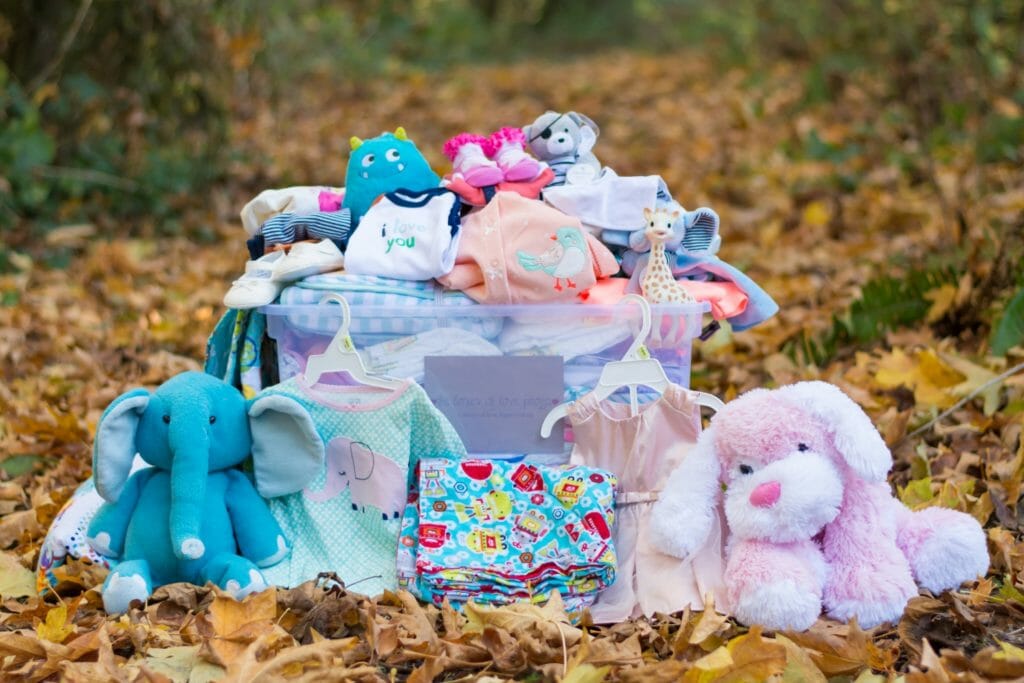
Each box contains clothing, pajamas, shoes, toiletries, baby essentials, a blanket, stuffed animal, books, toys and other comfort items, and a loving note signed by Wunn. All the items are new, not used, which is very intentional. “For some of these children, these are the only new things they’ve ever received,” says Wunn. It is important to Wunn that these children know they are worthy of receiving these items and that they deserve all of the love that is packed into each box. Wunn makes sure to include clothing for the children to grow into, meaning an infant’s box will have 6-month, 12-month, 18-month and 24-month sized items, for example. Older children receive clothing in their current size and the next size up.
The boxes allow foster parents to focus on the child’s needs, without having to worry about immediately going shopping. First-time foster parent Kara Ranger was moved to tears to receive the box after she took in an abused 12-month-old boy whose injuries required three weeks of hospital care, followed by months of recuperation at her home. Not only was the fragile baby “in no shape to go shopping” for clothes, diapers and the like, Ranger said her days were quickly filled with the child’s medical and social services appointments. “The box was so helpful from the logistics side of it,” says Ranger. But the gift also helped her cope with the emotional ordeal of dealing with the child’s suffering. “To know a perfect stranger did this kept me from feeling alone,” she said.
Pediatric nurse Natalie VanAbkoude has witnessed the impact that the donated boxes have had on the foster children themselves. In one poignant case, a 5-year-old boy was to be placed in foster care following abuse that left him injured and a younger sibling deceased. Traumatized and withdrawn, the child smiled for the first time when nurses gave him his Box of Love. “That was the moment we knew we were finally going to be able to reach him,” said VanAbkoude. “It was the most powerful thing ever for me and I realized how important this project was.”
Wunn started Boxes of Love in her home in May 2014. As word grew, donations poured in. In just one year, Wunn had distributed 64 boxes – each worth an estimated $500 – to children entering foster care after being hospitalized. Since then, Boxes of Love has delivered over 150 boxes. Wunn plans to deliver another 100 boxes within the next 12 months.
The Boxes of Love Project’s Facebook page has nearly 3,200 “likes.” Donations of items, as well as money or retail store gift cards to purchase items, have come from as far away as Boston. When a publishing company from the East Coast learned that Wunn especially liked to give foster children a copy of the book “Guess How Much I Love You” by Sam McBratney, Candlewick Press donated dozens of copies to the Boxes of Love Project.
It is important to note that the items stay with the children, whether or not they return to their original homes or remain in foster care. The boxes let the children know that they are special, that they matter and, most importantly, that they are loved. In addition to providing tangible items, the boxes represent hope, dignity and worth for these children.
rofit agency, Embrace Oregon, has accepted Boxes of Love under its umbrella of services.
Dr. Kumer Das
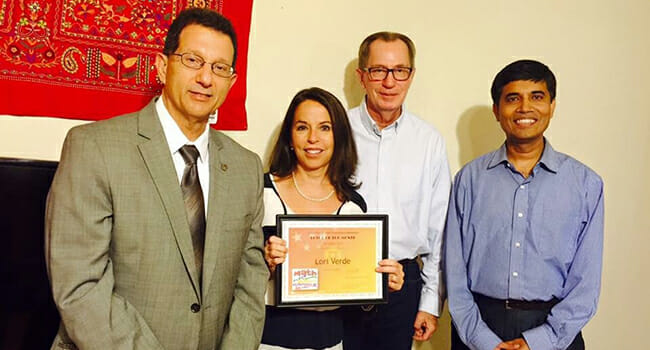
Kumer Pial Das remembers feeling “alarmed and frustrated” when he read an article in the newspaper about how dismally local kids were performing on the math portions of the State of Texas Assessments of Academic Readiness. Sounding very much like the math professor he is — he’s taught courses such as business calculus and probability theory at Lamar University — Das says the “statistics were not something to be proud of.”
He decided to do something about the bad news. “I immediately thought of approaching our local library to see if they would help me establish a free math clinic for K-12 students,” he recalls. “They liked the idea right away and they helped me spread the word through the local school district.”
Reeling in some of his colleagues from the university to act as tutors wasn’t that hard either, Das says. “They were very happy to share their time and knowledge.” He even recruited a few of his own students, and gradually several high schoolers have volunteered.
Now, the effort has become a family affair, with his wife serving as a tutor and his 7-year-old daughter and 12-year-old son helping to distribute materials. All together about 20 volunteers take turns tutoring at the hour-long clinic, which meets every Thursday evening and draws about a dozen students each week. This September marks its third year.
A father of two young children, Das says that all of his work, both professionally and as a volunteer, has to do with students. “I am always thinking of their future,” he says. “They deserve as much motivation and guidance as possible.”
In addition to the math clinic, Das is a den leader for the local Boy Scouts of America troop, where he has volunteered for events and taken scouts on trips to historical attractions. He has also delivered presentations on everything from financial responsibility to bicycle safety.
As a child of teachers, Das says he has always valued the work of the men and women who steer young people through their formative years. Now, he says, he is quick to respond when he recognizes a need that isn’t being met. “If no one is doing it, then why not?”
One of his earliest efforts was influenced by his own experiences after he came from Bangladesh to attend graduate school in Auburn, Alabama. “There was such a huge cultural and geographical difference and a big language barrier,” he says “I really felt disconnected.”
So about 10 years ago, after arriving at Lamar University to teach, Das formed the Bangladesh Student Association. From an initial membership of just three students, the association has grown to more than 125 members. The association hosts numerous social and cultural activities and arranges shuttles to greet new international students at the airport and transport them to the University. Das and his family have even hosted Bangladeshi students at their home until suitable housing can be located.
Das says that encouraging others to lead by example is a critical way to guarantee success in any volunteering effort.
“People are always ready to help — they just need someone with a plan to put them to work,” he says. “Taking the initiative with specific objectives in mind is the most important thing. And that goes for children, big time. It’s never too early to teach them the importance of volunteering and to show them that there’s always a way for them to help.”
STEM Bunnies
Caleb Smith isn’t your average 12 year old. The sixth grader is running a non-profit with 35 kids and adults, oversees finances and board meetings and is always thinking about new revenue streams and ideas.
He’s also nuts about bunnies. Smith, who lives with his parents Ross and Stephanie Smith in Minneapolis, is the founder of STEM Bunnies, a non profit that fosters science, technology, engineering and mathematics learning through curriculum designed around rescued rabbits. Founded a little more than two years ago, when he was 9, STEM Bunnies has expanded into five states, offering interactive learning adventures at underserved schools, with cuddly bunnies demonstrating real deal vet science. More than 3000 kids have experienced the program to date. Bunnies also earn their keep starring in kids’ birthday parties and community events that have paid for rabbit care or paid it forward for low income school visits.
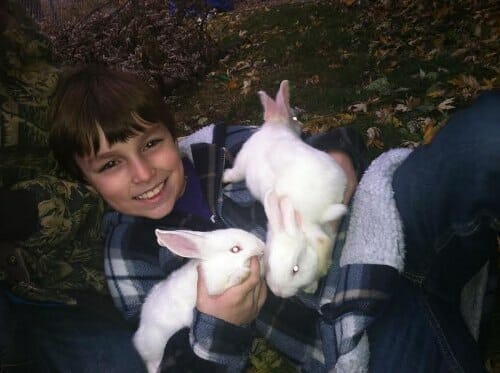 Caleb, STEM Bunnies founder, cuddles up with some of his furry friends.
While the initial goal of STEM Bunnies was education and rescue, Stephanie Smith said that it soon became apparent that the bunnies weren’t the only ones being rescued.
“We saw that something else was happening,” she explained. “Handling the bunnies was calming and therapeutic for the kids.” The Peacebunnies Unit was formed, working its magic with kids with autism spectrum, grieving or with special needs. Bunnies visit hospice centers and spend time with first responders in the wake of a disaster. “It’s really something to see,” she said.
The idea for STEM Bunnies occurred to Caleb after he lost his bestie pet rabbit Snickers, and was researching finding the right next family bunny. “It’s a 10 year commitment, so we all take it very seriously,” said his mom. What Caleb found online on sites like Craig’s List was a glut of rabbits in need of rescuing. “It was right after Easter, and in doing his research, he found 362 rabbits in need of homes. We live in Minneapolis – not on a farm, so I told him if he could figure out a business plan or a way to make rescuing rabbits possible, we would support him.” With the help of a network of teachers and moms and an army of Caleb’s friends and partner farms, STEM Bunnies was born. Among the rescued bunnies are 120 endangered heritage breed rabbits including the American Chinchilla, which numbers less than 150 registered in the world. Shearing this fluffy Angora rabbits like a sheep offers the non profit yet another revenue stream as the wool is prized and hard to come by.
While Caleb’s mom agrees that her precocious son is quite the entrepreneur, she said many kids involved in the program have simply remarkable ideas. “It’s really up to us as adults to give them room to explore ideas. We continue to be surprised at just how STEM Bunnies is working. It creates a new model for animal rescue that focus on education not just on saving an animal. That’s sustainable.”
DPOL -Jon Siebert
It’s the end of October and the year is 2012. While this is usually a good time for a trick or treat, Halloween this particular year couldn’t be any more scarier. For some it was just another holiday, but for many it was a time of real fear.
Starting in the Caribbean and eventually moving north up the Atlantic coast, Hurricane Sandy devastated 24 different states in its path. Between the millions of people displaced, and the billions of dollars in damages, Superstorm Sandy was one of worst natural disasters in United States history.
One of the many people affected by the storms is Jon Siebert. Forced to evacuate his Mastic Beach home on Long Island, Jon knew something had to be done.
“I had to evacuate to my mother’s house,” said Jon. “I’m in a small town in Central Suffolk, and the whole area was flooded out. Over 500 people in the community had to leave their home, and thousands more throughout Long Island.”
Inspired by hardship, and strengthened through a sense of togetherness, Jon helped create Friends of Long Island. This community based volunteer organization serves as the umbrella organization for the local community groups throughout Long Island. Friends of Long Island works to provide disaster response and emergency preparedness. Jon has helped rebuild homes and provide resources to thousands of people all throughout Nassau and Suffolk county.
Jon knows first hand the importance of collective effort. Whether it’s coming together to provide children with school supplies, food drives for the hungry, or donations of furniture for those less fortunate, Jon believes the power of community collaboration trumps all.
“The only way to do things is with a collaborative approach,” said Jon. “Whether it’s disaster related or any sort of community effort, it really does take a village.”
If you’re interested in finding opportunities to engage in your community through service, please check out All for Good for projects near you!
Susan Axelrod
Susan Axelrod has made it her life’s mission to advance epilepsy research and ultimately find a cure. She is a champion for a cause, which has so desperately needed a voice.
Citizens United for Research in Epilepsy (CURE) is the leading nongovernmental agency fully committed to funding epilepsy research. The organization was founded by Axelrod and a small group of parents of children with epilepsy who were frustrated with their inability to protect their children from debilitating, uncontrollable seizures and the side effects of medications. Unwilling to sit back, they joined forces to spearhead the search for a cure.
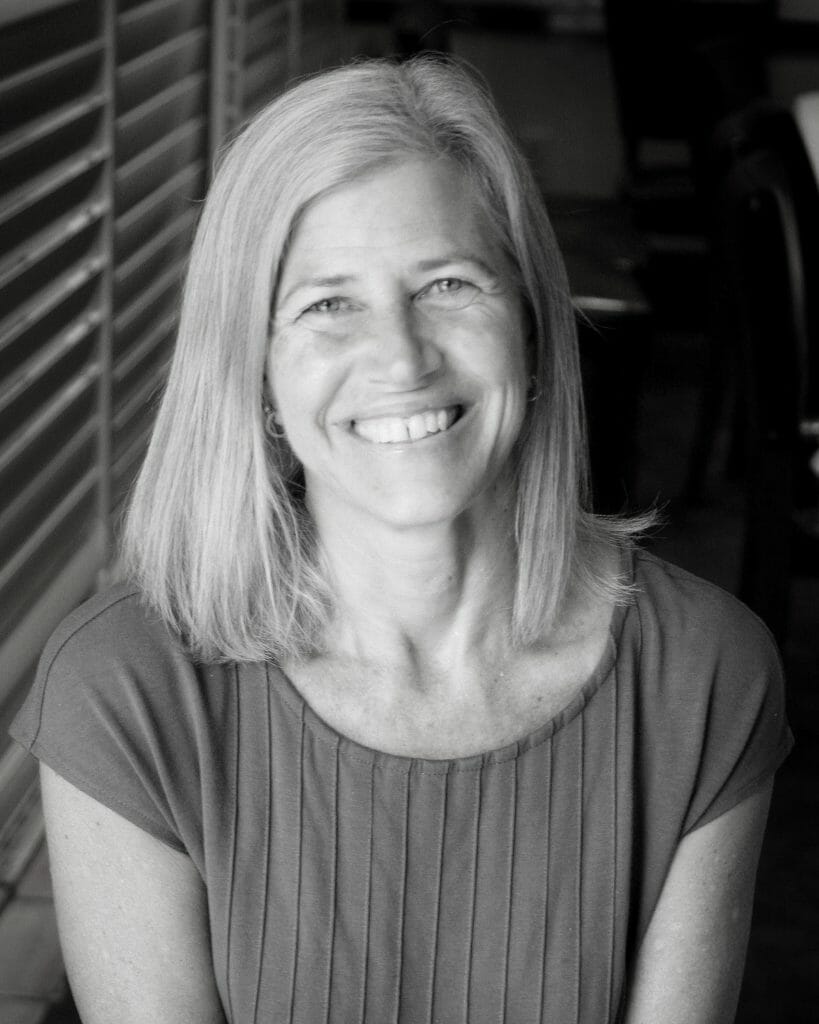 Susan Axelrod
65 million people have epilepsy worldwide. CURE was a call-to-action at a time when many were not thinking about possible cures, but, instead just tolerating the status quo. Like Axelrod’s daughter, Lauren, 30% of patients do not experience seizure control and the disease – particularly in children—can lead to lifelong disability and even death.
Since its inception in 1998, CURE has raised more than $40 million to fund research and other initiatives that will lead the way to a cure for epilepsy. CURE has awarded more than 200 cutting-edge projects in 15 countries around the world to date.
CURE accelerates discoveries through its signature programs including The Epilepsy Genetics Initiative (EGI), Infantile Spasms Team Science Initiative and a new partnership with the Department of Defense, Psychological Health and Traumatic Brain Injury Research Program, under award number W81XWH-15-2-0069.
The ultimate goal is to put an end to epilepsy. CURE, led by Axelrod and her team, plays a critical role in bringing researchers, clinicians and patients together in pursuit of that goal.
For more information, please visit www.cureepilepsy.org
Fiona Layfield
For Fiona Layfield, volunteer service is an international activity. As a United Kingdom native, she juggled donating her time to non-profits while holding down a full-time job. But, when she immigrated to the United States, volunteering became her primary occupation.
And, since 2013, she’s been a faithful volunteer at the Friends for Life no-kill animal shelter and the Houston Zoo. In that time, she’s given nearly 3,250 hours to the care and protection of animals of all sorts. Her work is important, she says, because animals lack the voices needed to advocate for themselves.
As a shelter volunteer, she works mainly with dogs, walking them daily, cleaning their living areas, and providing behavior training.
“We want to make the dogs as adoptable as possible,” she says. “The more training we do, the better they’ll be behaved, the more likely they are to be adopted.”
At the Zoo, Layfield’s efforts are more extensive, focusing on program development and education. So far, her impact has been significant. Each year, she helps plan the Zoo’s primary fundraiser – Feast with the Beasts. She works one day a week for six months to organize the more than 4,000-guest event where attendees learn about the Zoo’s more than 6,000 animals and their importance.
She’s also been integrally involved in the Adopt-an-Animal program that keeps Zoo supporters informed about the health and activities of certain animals. And, most recently, she’s been part of the Action for Apes Challenge. This program collects cell phones for recycling because the tantalum in almost all of them is found and mined in gorilla habitats, causing great disruptions. To date, Layfield has helped collect 2,233 electronic devices.
Additionally, Layfield is a Zoo docent who teaches the public about the Zoo’s smaller animals, including young alligators, snakes, chinchillas, and reptiles. Working closely with the public – especially with children – is an effective way to get as many people involved as possible in protecting and conserving animals, she says.
“The younger children are when we speak to them, the higher the likelihood they will hold a desire to protect animals throughout their lives,” Layfield says.
DPOL -The Fanatical Change Foundation
Linda Husar
When Linda Husar tells people she volunteers with Sharp HospiceCare, the reaction is often one of discomfort. “They usually say, ‘oh I couldn’t do that’. But you don’t know until you go down that path,” said the San Diego resident.
Husar, a massage therapist experienced in both neuromuscular and lymphatic massage, understands that healing comes in all forms. “One of the things that has helped me a lot is understanding that I’m not there to make them better, to fix them,” she said. “I’m there to make our time together a bright spot in their day, to connect with them on a soul level. I always try to see beyond the illness they are dealing with. This person is a wife, a mother, a husband, a father with feelings and a history – not just a patient in a ward.”
 Husar in her happy place, Hellenbeck Nature Preserve.
Husar has personal experience with the stress of trauma. Her youngest daughter Ali, now 30, was diagnosed at age 8 with a large brain tumor. She underwent multiple surgeries and a difficult recovery, one that placed lots of stress on the family as well as on her older sister Brette. Husar started volunteering a few years after her daughter’s diagnosis, using her massage skills to help victims of rape and domestic violence. “It was a relief to help others,” she recalled.
Her own well being was compromised in 2011 with a bad fall off of her bike. She broke multiple bones in her hands and was unable to continue her deep lymphatic work. “That’s when I decided to try volunteering with hospice,” she recalled. “It was something I’d been thinking about for a while. Now I had the time.”
Trained in both the Healing Touch and Reiki therapies, Husar channels her calm energy to comfort caregivers and hospice patients and spend time with memory-care patients at Lantern Crest Senior Care.
“I think for me I see this as a sacred time of life,” she said. “I feel so privileged to able to be with these people and really see them, to practice mindfulness. Simply being present is sometimes all they need.”