Ceil Cirillo
Ceil Cirillo can’t help herself. She is a fixer.
Although she retired in 2008 from her job as director of the economic development and redevelopment agency in Santa Cruz, California, Cirillo remains passionate about her community and making it a better place. Lauded for leading the rebuilding of downtown Santa Cruz after the 1989 Loma Prieta earthquake, Cirillo’s commitment to getting things done remains a beacon of inspiration in Santa Cruz and beyond.
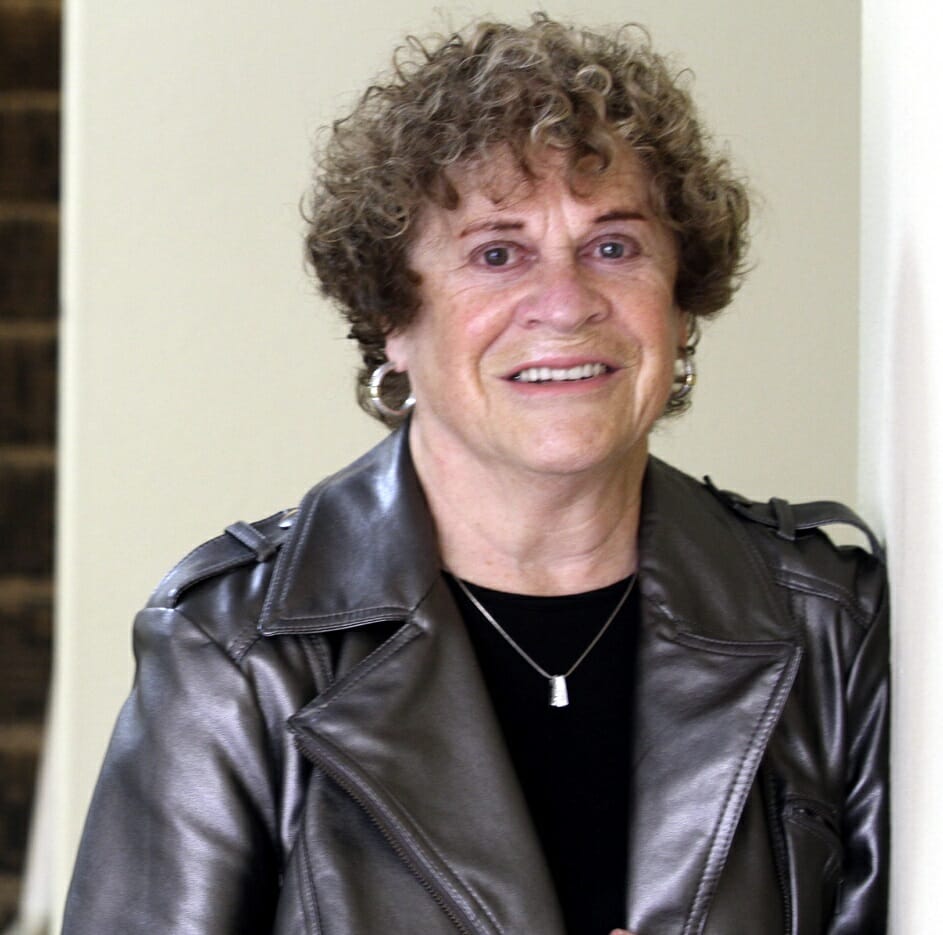 Ceil Cirillo
The many organizations in which she has been involved in over her professional years have included the California Redevelopment Association, from which she received a Lifetime Achievement Award as well as, the California Housing Consortium and Goodwill, and Cirillo’s passions are the arts, health and education. She’s generous with her time and meets regularly with non-profits, community groups and business owners to offer advice and help build consensus to move projects along.
Cirillo has volunteered countless hours to affect change for the economic advancement of the Santa Cruz area. Recognized for her service with a 2015 Be The Difference Award from the Volunteer Center for Santa Cruz County, she is known for tackling difficult political and financial issues head on. She also works overtime identifying and mentoring new volunteers for a variety of boards and causes.
The Connecticut native adores her adopted hometown, a beautiful place situated on the northern end of Monterey Bay. Before she retired, Cirillo spearheaded the development of the Tannery Arts Center, a reuse of a former industrial tannery into a series of affordable spaces for artists and arts organizations to thrive. Although there were plenty of naysayers, the Arts Center became a reality, and she still serves on its board.
A typical day for Cirillo involves two or even three meetings. IN the morning she may be chatting with a developer working to create a San Antonio-like riverfront along the San Lorenzo River downtown. Over lunch, she’s having another meeting to discuss fund raising plans with a colleague at The Land Trust. Then in the afternoon, it’s a third powwow to discuss student candidates for a healthcare scholarship she created and funded at the local community college.
“I’m trying to give back to the community however I can,” she said. “That’s how I want to spend my time now.”
Christian Rites of Passage
That period between early childhood and adulthood is crucial in the development of any person. Those teenage years, the twilight of adolescence, will play a major role in shaping a child into the person they will eventually become.
The Christian Rites of Passage (CRoP) is geared toward youth development and assisting teenagers with many life altering decisions. Whether it’s assistance with spiritual and self-esteem growth, or educational empowerment, CRoP is a year-long program meant to mold the minds of rising high school sophomores and juniors. The program concludes with a debutante and beau biennial recognition celebration.
Ida Ruth Irwin Crook founded CRoP in 2003, under the banner of Cascade United Methodist Church of Atlanta, GA. Currently serving as the director and board chair, Crook is heavily involved in transitioning today’s youth to tomorrow’s leaders. Participating in a similar program as a child with the Detroit Cotillion Club, and realizing the impact it had on her life, Crook was motivated to create CRoP. With over 30 years of volunteer experience, Crook is undoubtedly bringing positive change to the lives of many children.
CRoP provides Atlanta high school students with a truly invaluable experience. From stimulating cultural growth, to advancement in educational opportunities, accompanied with a community service consciousness, CRoP creates an environment that fosters success. With over 121 youth having successfully completed the program, Crook and CRoP is leaving a significant impact on the leaders of tomorrow.
Isabella Lovain
Among the 2,600-plus students at T.C. Williams High School in Alexandria, Va., Isabella Lovain stands apart as a civic service advocate for local and national action. She educates her peers about voting power.
As a student liaison in the Inspire Program – part of the national civic engagement program Project High Hopes – she uses social media to engage fellow students, motivating them to get involved in the electoral process. As of the 2012 Presidential election, only 38 percent of 18-24-year-olds voted. Lovain wants to see improvement.
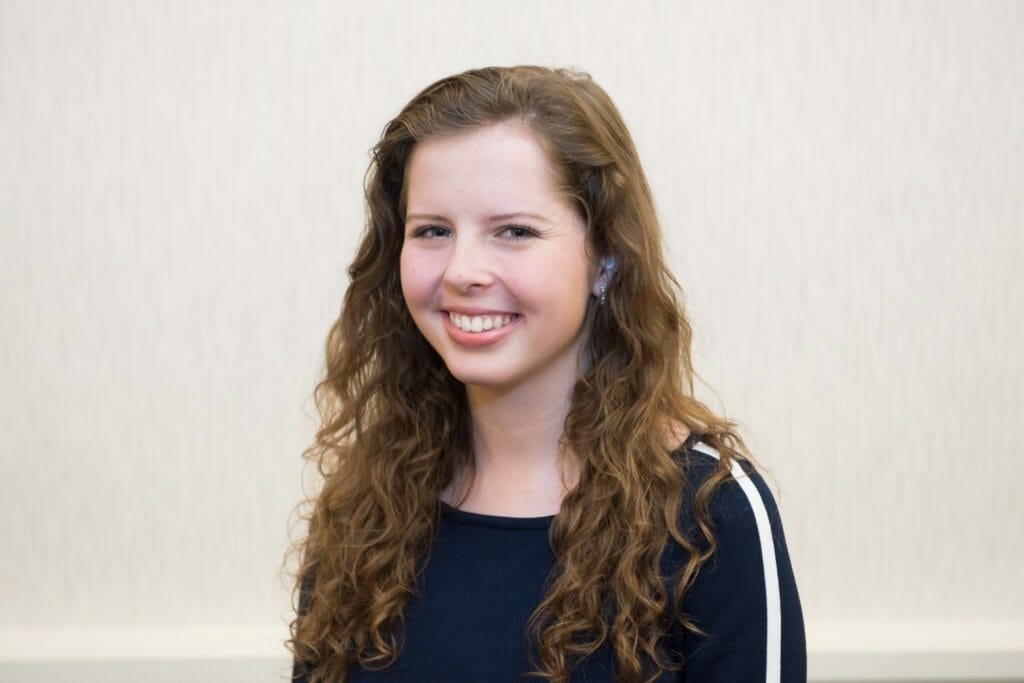 Isabella Lovain
After becoming a student liaison during her junior year, she organized voter registration drives to boost her classmates’ voting participation. Getting them civically engaged, she said, helps them take actions they can believe in.
“Voting is the first step to being an informed, engaged citizen. It’s much easier to convince a high schooler than an adult to start voting because high schoolers’ opinions and ideas are still forming,” she said. “If a high schooler realizes the importance of voting and being engaged, they are more likely to lead an informed and engaged life, creating a generation of inspired voters.”
Lovain trained in the Inspire Leadership Academy. She led her school’s voter registration and participated in election simulations. Additionally, she attended regional meetings with college mentors, learning how to connect and engage with communities on civic-action projects to meet local needs. She also took next steps to see the fruits of voter turn-out, participating in legislative experience days, talking with elected officials about their work.
Ultimately, she said, voting is a universal responsibility.
“Almost everyone cares about their city/state/country and what happens to it, at least in some aspects,” she said. “It can come in many forms, whether it’s voting, volunteering, or being part of a club. It just means trying to make a difference in the community or country you care about by taking action in the way you want.”
Camryn Magsby
According to a 2011 report by The Food Trust, significant numbers of people living in lower income communities in Tennessee, including in the city Nashville, don’t have easy access to affordable and nutritious food. The children in these communities suffer the most.
To 16-year-old Camryn Magsby, a junior at Hume-Fogg Academic Magnet High School, that situation is unacceptable. She found a way to make a difference, by teaching kids at the summer camp program Crop City about urban gardening, meal planning and healthy nutrition.
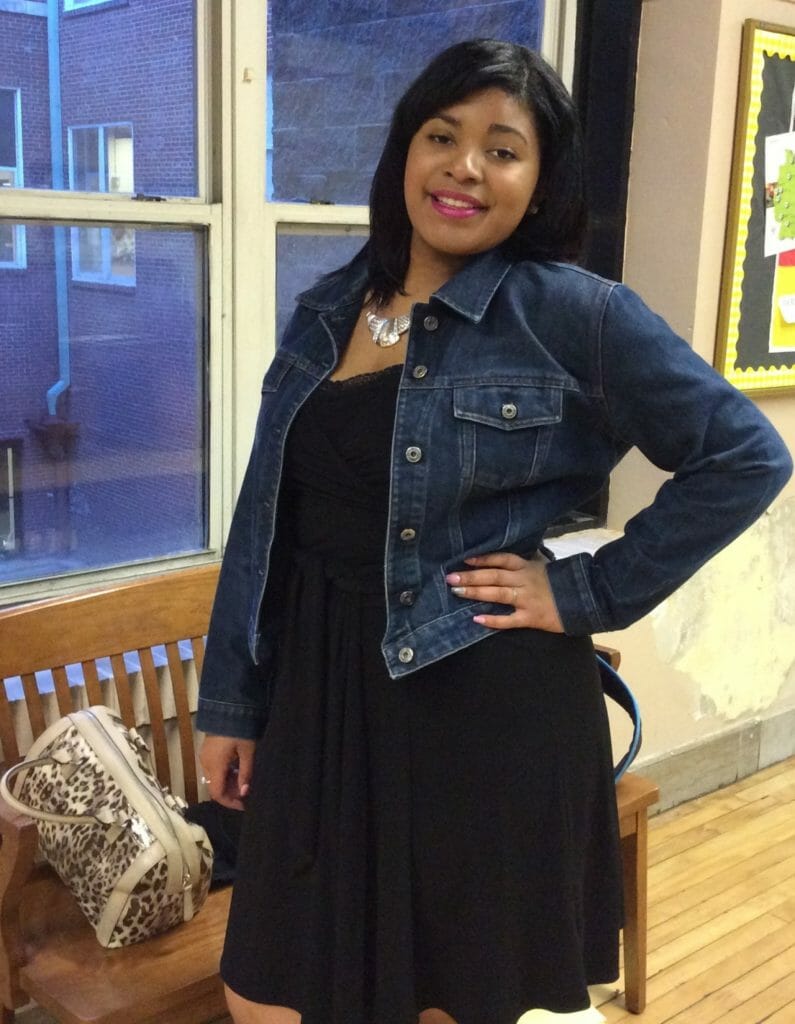 Camryn Magsby
Hands On Nashville’s Crop City is a free six-week youth development program designed to impact young people’s knowledge, skills, and behaviors about healthy eating and nutrition. All the action happens at the five-acre HON Urban Farm in south Nashville, with as many as 60 kids, ages 6 to 18, participating.
“I love interacting with kids about how to become healthy,” said Magsby, who started working as an Urban Agricultural Teaching intern with Hands On Nashville in 2014. “Trying to grow food was new to me too, but when I started working in the community garden, I saw anybody could really do it.”
Magsby is developing her leadership skills as she mentors her charges. “At first they kind of resist opening up and trying new things,” she said. “I understand, I was the same way. I try to get them to open their mind and have fun trying new things.”
Besides her HON internship, Magsby develops lesson plans for elementary school students about health and fitness at an after-school center twice a month and serves on the Youth Volunteer Corps’ International Youth Advisory Board.
There is an important connection between nutrition and exercise and scholastic performance, Magsby said. “We all need a sound mind,” she said. “Making a difference in a child’s diet can make a difference in that child’s mind. And show him that there’s more to life than where he is right now.”
James Bailey and Blayne Alexander
Meet Daily Point of Light Award honorees James Bailey and Blayne Alexander. Read their story and nominate an outstanding volunteer, family or organization as a Point of Light.
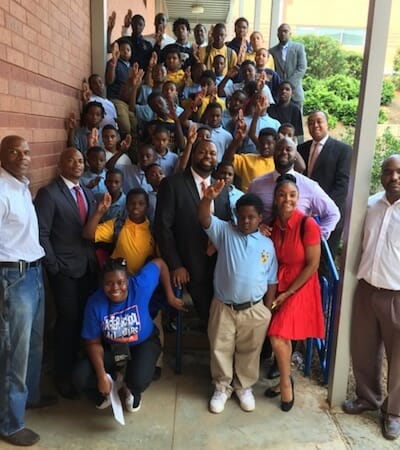 James Bailey (front, center) stands with Boy Scout Troop 100 leaders, scouts and volunteers.
Impressed by his barber’s flashy Mustang, 11-year-old James “Jay” Bailey determined he, too, would become an entrepreneur – fast.
A year later, he achieved that goal by starting a car stereo installation business called The House of Boom. Before he was 30, he made his first million, investing in Atlanta real estate.
But it was the quick downward spiral he suffered after mismanaging his fortune that would lead to the work he does today. With the Phoenix Leadership Foundation, a nonprofit he co-founded, he’s ensuring that the city’s young black males get the experience and encouragement they need to succeed.
“I had money, cars, houses, but I had no one to guide me,” Bailey says. “I had nothing to really show for my success. I wasn’t leaving a mark.”
Struggling to recover from his losses, he opened a regional office for the global nonprofit Operation HOPE, which focuses on economic empowerment, and soon expanded its reach in the Southeast to 19 offices.
He thought he could do more.
 Blayne Alexander and James Bailey
Talking with his fiancée, Blayne Alexander – a news anchor in Atlanta, where the two live – he had an epiphany.
“I began to see that the thing that most leads to a poverty mindset is lack of exposure,” he says. Statistics help drive that mindset – only about a third of black males in urban areas graduate from high school, and a similar proportion serve time in jail at some point in their lives.
“The thing that drew us together is this desire to mentor kids,” says Alexander of Bailey. “I had great models in my parents. We lived a charmed life. They embodied the concept of ‘exposure’ for me. I saw right away that what Jay said made sense.”
The idea gelled into the Phoenix Leadership Foundation, which has the motto, “We will change the way the world sees young black men.”
But, really, says Bailey, the nonprofit is about changing the way young black men see the world.
“I’ve worked with kids who get excited about just riding on the highway or seeing a big house out of the bus window,” Bailey says. “They’re just not used to going beyond their neighborhoods. So, that’s what we’re doing with the foundation. We’re saying, ‘You want to be a doctor? Let’s get you in front of one.’”
In the fall, the foundation will launch its Leadership Institute, a six-month program for about 50 boys – nominated by teachers and counselors and chosen via a competitive process – who will shadow professionals, attend college classes, meet with civic leaders and enjoy the kinds of field trips that, says Bailey, “schools don’t offer anymore.”
This year, Bailey says, the foundation’s overall goal is to engage with 5,000 youth through its various mentoring programs.
“We want to put as many kids as possible in the position that tells them they are worthy and everything they want is possible,” he says.
Cori Troiani
Everyday, someone somewhere wakes up to the burden and challenges associated with cancer. Whether it’s a multitude of prescription pills, tiring chemotherapy sessions, or procedures like surgeries and transplants, the daily routine for someone stricken with Cancer is not easy.
For the many women who are tasked with overcoming the ills of Cancer, Cori Troiani is in there to provide as much care and support as needed. For the past seven years Troiani has volunteered at WomenCARE, an organization designed to assist women in their fight against cancer. WomenCARE, servicing certain areas of California, provides a bevy of resources to female cancer patients, as well as their families and friends. WomenCARE is on-hand during each stage of the jouney, from the diagnosis phase, to the healing and recovery stage, and even present in unfortunate cases that end in mortality. In the most difficult of times, WomenCARE acts as a safe haven of support, shared experiences and open hearts.
Troiani’s services and her overall involvement are crucial to the well being of so many patients. She is truly a leader within the organization and serves as facilitator of volunteer services. She also leads a program called Arm-in-Arm which provides support for women with Advanced, Recurrent or Metastatic cancer.
The journey and everyday battle cancer patients face is indescribable. Facing a life threatening illness and going through vigorous treatment, the process is beyond difficult. But with the help of WomenCARE and volunteers like Cori Troiani, these patients are in good hands.
Amber Perona
For Amber Perona, helping others is as simple as planting a seed. And, for the past three years, she’s planted seeds to feed those in need.
For 30 hours weekly, Perona volunteers with the non-profit organization Seeds of Grace, a group that builds organic, sustainable gardens in impoverished neighborhoods.
“We work through our church to feed God’s sheep,” she said, adding the group recruits volunteers through church and community events.
The organization built its first garden in Mazatlán, Mexico in April 2014. Once finished, it supplemented the local feed center providing mostly beans and tortillas with fresh fruits and vegetables. Two gardens now exist in Mazatlán.
Since then, the all-volunteer organization constructed seven gardens in the Bremerton, Wash., area. Participants measure the gardens, provide or till the soil, and establish connections between garden owners and food recipients. Garden owners, however, select which produce to plant.
To date, the local gardens have produced 1,500 pounds of vegetables for seven recipient organizations, including food pantries, backpack programs, and culinary arts programs.
“Our garden leads have reported they feel like they’re bringing the community back together because community are the ones who maintain the gardens,” she said. “They harvest the products, and the get to know their neighbors, and they care for each other’s children.”
As the program’s director of hospitality and volunteerism, Perona provides food for volunteers during work projects, and she helps raise money through retail efforts and catering. She was also involved in securing the program’s first $5,000 grant, writes thank you notes, and attends forums to gather improvement ideas.
Within the next two years, she said, the organization plans to expand significantly. The goal, in 2016, is adding 10 gardens locally and three in Mexico. Additionally, plans exist to expand into both Uganda and the Phillipines by 2018.
Neha Kinariwalla
When mental illness strikes close to home, the stigma that surrounds conditions like bipolar disorder and depression can wreak havoc in a family.
For Neha Kinariwalla, 22, this experience was a catalyst for change. The gifted Long Island native, who graduated with her masters in medical sociology from the University of Cambridge as a Gates-Cambridge Scholar in 2015, was faced with the ravages of mental illness in her immediate circle. “It’s incredible how little you understand until it happens to someone near and dear to you,” she said.
Which is how the Humanology Project got its start. Kinariwalla founded the Project in 2012, working with a Stony Brook University advisory committee, professors, undergraduate students and graduate students to stop the stigma surrounding mental and neurological illness. “We essentially translate academic peer reviewed literature into reader friendly articles,” she explained. “We are also a platform for patients to tell their personal stories, which puts a human face on something many of us are afraid of. The idea was to not only better communicate the science behind these conditions but increase empathy and change people’s mindsets.
Kinariwalla likes to relate her service to the work she’s doing academically. One area of research she conducted in connection with Oxford University related to the social stigma of epilepsy in the lives of 12 Indian women. “We looked at the effect epilepsy played in marriage and family dynamics,” she said. “The thing about academic research is that, unless it’s ground breaking, it winds up only being read by a small number of people. I wanted to do something now that would make a difference on a greater scale.”
“Neha is a strong advocate for those suffering,” said Doreen Aveni, who has worked with Kinariwalla at Stony Brook as her Women in Science and Engineering (WISE) Academic Advisor. “She is proof that an idea can spark into an innovative project and help so many on a global scale.”
It’s a perspective that isn’t new to Kinariwalla, who begins working on mental health issues with the World Health Organization in April. When she studied abroad in Madagascar in her freshman year, she saw first hand that many children in the area didn’t have shoes. She partnered with Soul 4 Soles and was able to get hundreds of pairs of shoes donated to the village. “When you understand people, the factors that shape their lives, you can really help on a much broader context,” she said.
Alvin Irby
Today, on the Martin Luther King, Jr. Day of Service, we honor Alvin Irby with a Daily Point of Light Award for his commitment to childhood literacy. Read his story and nominate an outstanding volunteer, family or organization as a Point of Light.
As a kid reading wasn’t fun for Alvin Irby – but it was fundamental.
“My mom was a schoolteacher. For her, reading wasn’t something we did for a few minutes before bedtime,” he says. “It was sitting down at the kitchen table for a reading lesson instead of playing outside. It was work.”
Ultimately, for Irby, it laid the foundation for a passion that developed much later.
These days, the 30-year-old is rarely without a book, and as a former New York schoolteacher himself he understands the difference that the love of – and proficiency in – reading has made in his life.
His Barbershop Books program brings his passion for reading to young boys by creating small reading areas in urban barbershops.
As we observe Martin Luther King, Jr. Day, Irby remembers how Dr. King fought for the disenfranchised and “how today we still have so many children who are forced to attend sub-par schools with no libraries or ineffective literacy programs. Reading is a civil rights imperative.”
Irby got the idea for Barbershop Books after he noticed one of his students squirming and staring out the barbershop window while he waited for a haircut.
“I thought, ‘He should be using this time to practice his reading.’”
Barbershops are one of the few places in the African-American community where black men and families from different socio-economic levels interact, Irby says. “They seemed like a natural place to encourage kids to read.”
Research shows that young black males score lower in reading than nearly all other student groups. Irby believes this is partly due to a lack of adult black male reading models. Only two percent of U.S. teachers are black males and a majority of black boys are raised by single mothers.
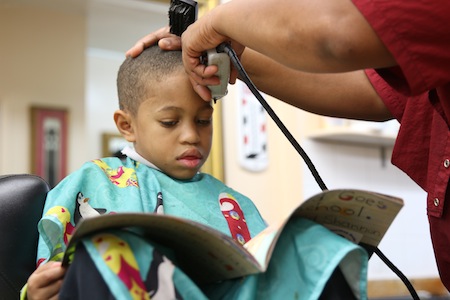 Luke Taliaferrow reads a book from Barbershop Books while getting his hair cut at Levels Barbershop in Brooklyn, New York.
As a result, “many black boys don’t identify as readers,” Irby says. “Reading is essential to participating in the knowledge-based economy of the 21st century. Once you learn to read, you can read to learn.”
So far, about a dozen barbershops in the Harlem neighborhood and the borough of Brooklyn have devoted space to the small libraries, which typically feature 15 or so curated books and a chair.
“Seeing little kids get excited about reading is the greatest feeling in the world,” says Dennis Mitchell, owner of Harlem’s Denny Moe’s Superstar Barbershop. Mitchell – who made sure his own children always saw him with a newspaper in his hand – laughs when he adds that “sometimes it can be hard for me to get a kid to put down his book and get in the barber chair.”
For the future, Irby – who recently completed a master’s degree in public administration at New York University’s Wagner School of Public Service and is also pursuing a career as a standup comedian – says he plans to deepen the program’s impact by finding creative ways to help turn barbers into local literacy advocates.
He’s also working on a fun literacy app that can help kids read better as well as developing a curriculum unit and lesson plans using jazz-themed children’s books.
Barbershops across the country have taken notice of Irby’s innovative idea and set up similar programs.
He says he appreciates the feedback he receives from barbers, parents and community members. It means a lot to him to walk into a barbershop to replace a book and see a grandmother sitting there reading with her grandson. Or when barbers send him pictures of the kids.
“Children who read for fun even just once or twice a month do significantly better on reading tests, so these visits matter,” Irby says. “And that feels good. I don’t have it all figured out, but I couldn’t stand by and do nothing. Barbershop Books is my something!”
Honduran Soles
The simplest things in life can often be taken for granted. While footwear can be viewed as a fashion statement in some places, in certain areas of Honduras and other parts of the world, shoes are actually a scarcity.
In 2012, Andrea and Emily Cole started Honduran Soles. Geared toward impoverished people who lack adequate footwear, Honduran Soles has provided shoes to thousands of people all across the world. What started out as a brief mission trip to give back, has resulted into a passionate mission to change lives.
In their first visit to Honduras, while giving out food, clothes and sharing the gospel, Andrea and Emily realized that the lack of shoes presented a serious problem for the locals.
“Out of everything we experienced while there, the need for shoes impacted us the most,” said the Cole sisters. “The roads they were walking on were dirty, made of stone and mud, and the feet of these people were worn out and blistered from going barefoot their whole lives.”
That experience birthed Honduran Soles. With an initial goal to raise 200 pairs of shoes, in just two days, the Cole sisters helped raise 345 pairs. That number has now grown to over 7,500 pairs of shoes to those in need, servicing countries all over the world.
The Cole sisters and their selflessness should not go unnoticed. Balancing college, their professional lives as well as their volunteerism, these sisters are truly inspiring. With an estimated 300 million children in the world lacking adequate footwear, the efforts of Andrea and Emily Cole are not just greatly appreciated, but much needed as well.



