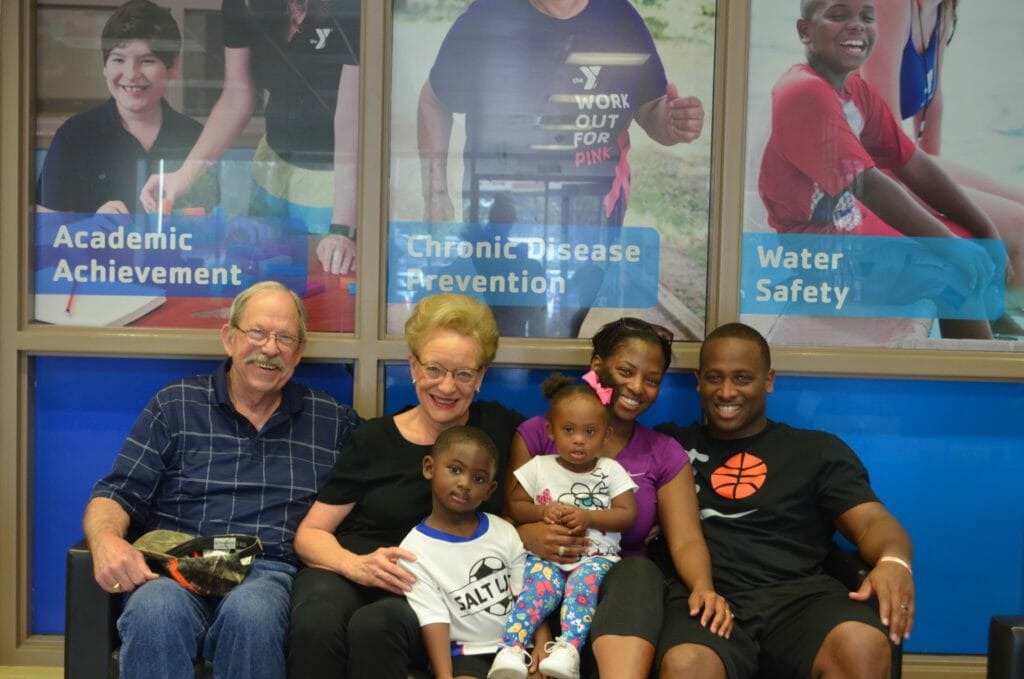
Ray Gingrich is a dedicated volunteer in the endoscopy department at Inova Alexandria Hospital. His qualifications as a health care volunteer go back over ten years serving the Alexandria community.
He welcomes and trains new volunteers in customer service, clinical support duties and patient safety. He understands that his service is to the individual. Ray makes it his first priority to treat each patient and family member as a member of his own family. His comforting presence, smile and kind manner make what is often a frightening experience a more pleasant one. Ray has shared his organizational skills, compassion, and wonderful sense of humor with patients and staff for close to 12,000 hours of service for Inova.
Spreading Joy One Color and Music Note at a Time
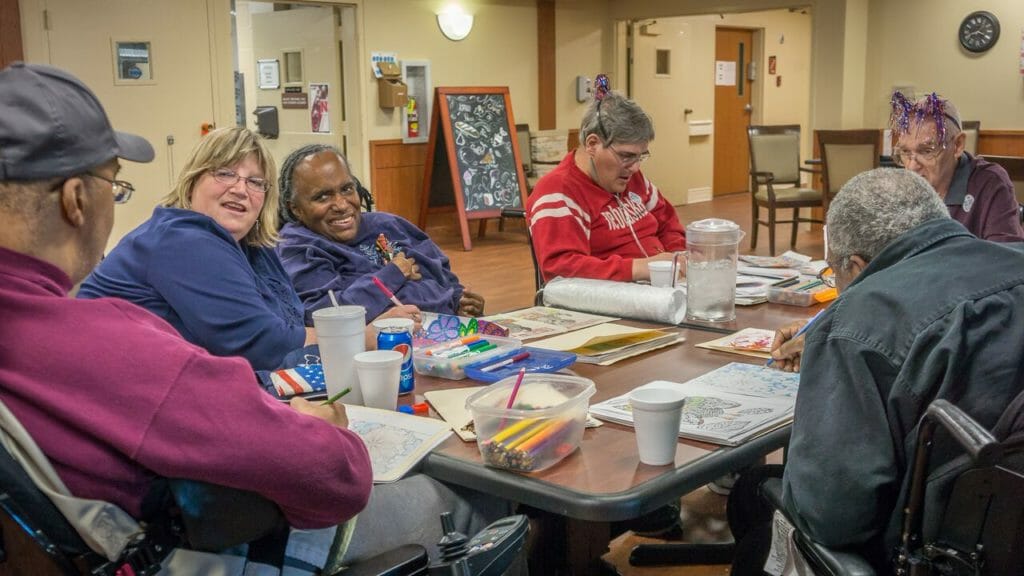
Joy Rich with residents of Maple Crest Care Center coloring and singing along to music./ Courtesy Doug Kuony
During the week, you can find Joy Rich doing some of her favorite things — hanging out at home with her cat, cooking dinner with friends and watching films at the cinema. On Saturdays, going to volunteer at a local nursing home is at the top of her list. And she does it with music in one hand and a coloring book in the other.
Joy founded a volunteer service with nursing home residents featuring just sitting, coloring and singing along to favorite tracks. Not only is this something Joy wholeheartedly enjoys, it’s something the residents enjoy as well.
“They are giving me just as much as I am giving them,” Joy said, “only actually they’re giving me more. It’s an incredible avenue of love back and forth.”
Joy attributes her love of the elderly to her great-grandmother, who she had the fondest of memories with. She is also following in the footsteps of her mother, who volunteered in nursing homes as well.
Joy’s volunteerism stemmed from her spare time at home. She wanted to find a better way to spend all of her free time and after a friend suggested working in a nursing home, she sprung at the opportunity.
“[Because I work] for the Department of Psychiatry at Creighton University, I knew that depression is a problem in nursing home residents, and that some [people] in nursing homes never receive a visit from someone from the outside,” Joy explained
Through Community 360, an organization that ensures nursing homes have equipped volunteers, Joy was trained and paired with Maple Crest Care Center in Omaha.
Joy knew she wanted to bring some sort of art therapy to the elderly people she would be helping. The idea of coloring books came from a childhood memory of coloring with her siblings at her grandparents’ house.
“I googled adult coloring and found that there were studies that suggested it could help with depression,” said Joy.
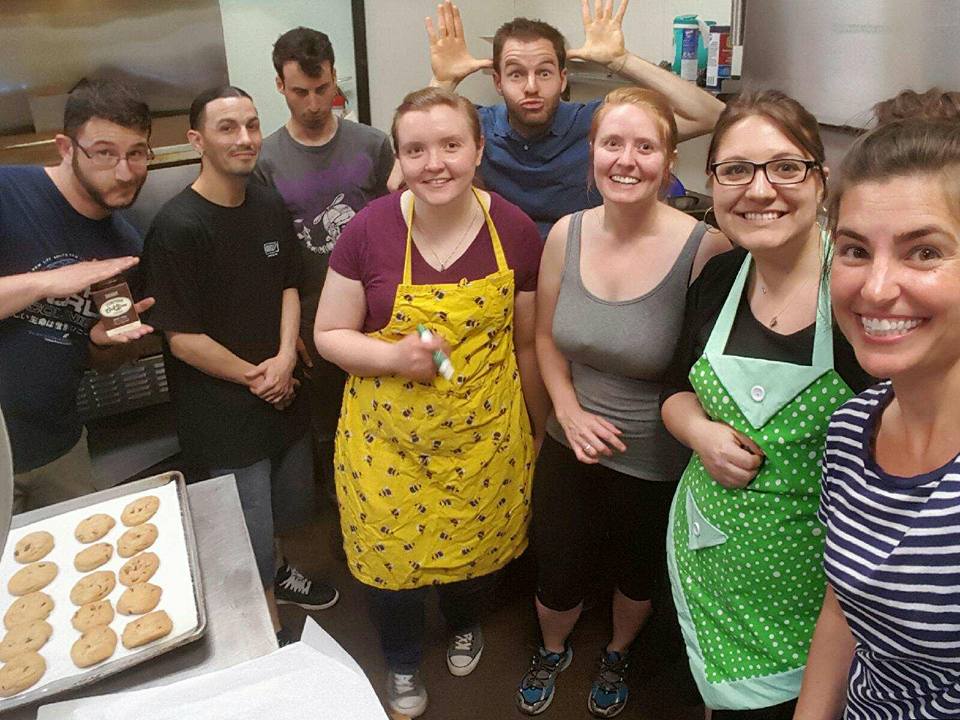
Color it with Joy, as the activity is known, lasts about a couple of hours on Saturdays. Joy is usually joined by seven or so residents and volunteers, as they color and listen to music. The karaoke part came in when residents began requesting their favorite songs to be played as they color. At first, it was just that, a time of relaxation and an opportunity to have a good time, but it quickly grew to something much more so.
“[It gave] me a chance to hear people’s life stories that are so different than mine,” she said.
Sarah* an elderly woman who attends Joy’s sessions, has severe arthritis as well as brain injuries limiting her speech and ability to recall. But Joy learned that by her being able to sing the songs, it was strengthening her ability to remember.
There is also a resident named Jack* who is there because of a brain injury, causing his thoughts to be looped. But Joy found his thoughts and words became linear and more focused when he sang.
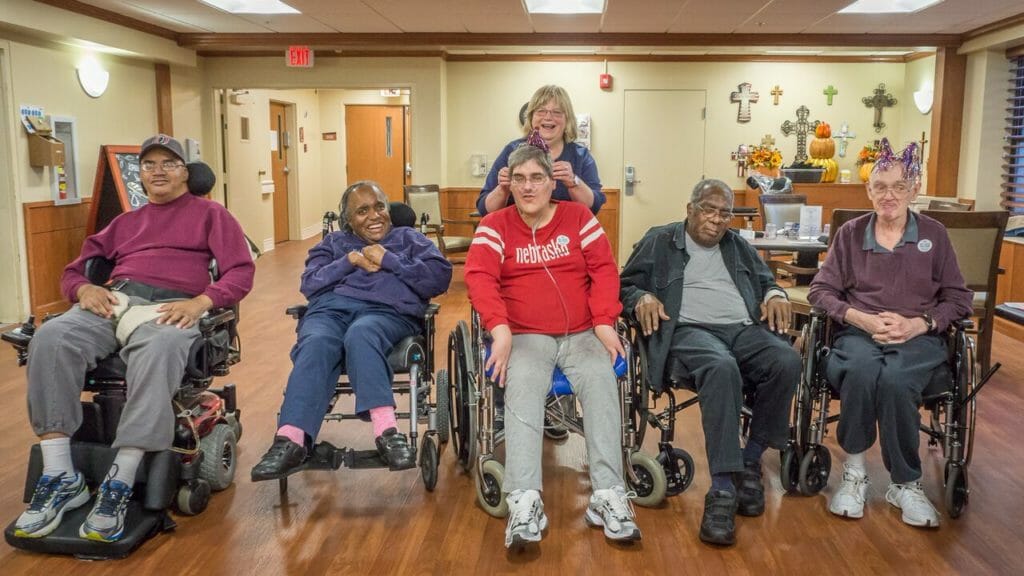
Joy with residents at Maple Crest Care Center. / Courtesy Dough Kuony
In volunteering with Maple Crest, above all things, Joy has found the most important thing: her family.
“[This has] provided me with a ‘third family’,” she said. “I love them, look forward to seeing them and worry about them when they are struggling – just like a family. The word volunteer…It’s an association of the human experience and the heart.”
Joy walked in a volunteer; spending time giving to those who needed it the most, but she walked out with an appreciation and a love.
“It has brought so much joy to my life,” Joy said. “Volunteering will bring you surprises that you won’t even imagine. You learn a lot about yourself and it helps you develop compassion and empathy and will bring you love.”
For those looking to volunteer but are unsure about where and how to donate your time, Joy has some advice for you:
“Think about what you like to do in life- who you like to spend time with. Working with an organization brings you opportunities that one would not get by volunteering on their own – support, camaraderie, opportunities to bounce ideas off each other, and being part of a team working toward the greater good. Yes, you may feel hesitation before you start, but trust me, the rewards are huge!”
For volunteer opportunities in your area, check out All for Good.
(*Names have been changed to protect the residents’ privacy.)
Virginia Dad Helps Boy Scouts Grow Into Community Service Leaders
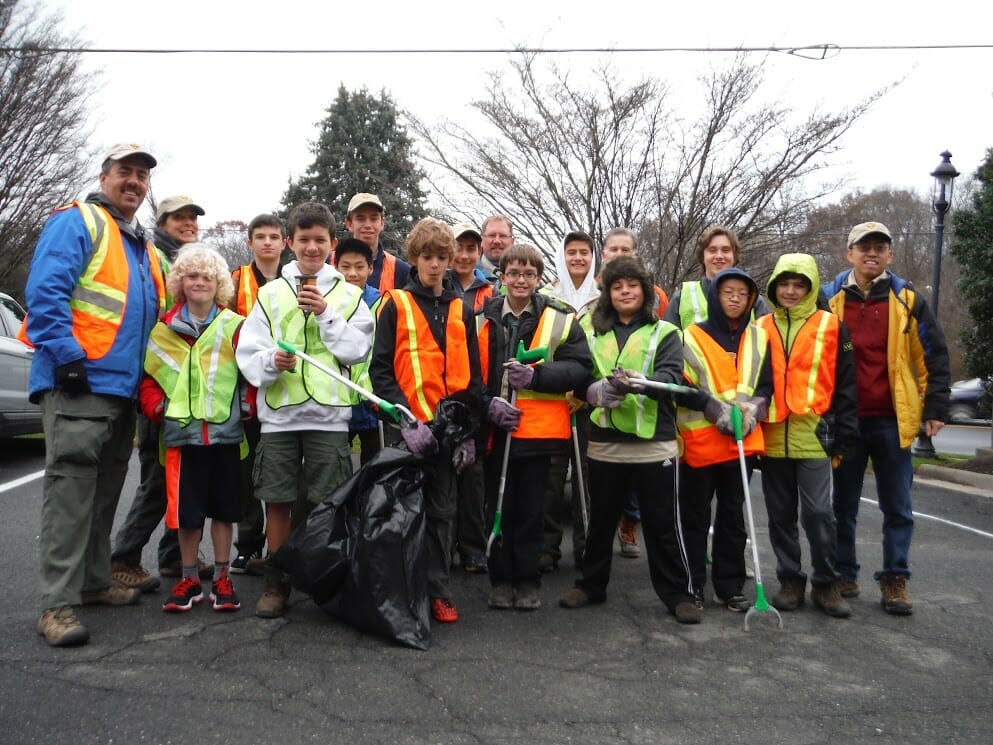
Jiangfeng “Jeff” Ye became active in Boy Scout Troop 55 when his son joined in 2014. He first joined to spend time with his son, but now, Jeff has become one of the main driving forces of the troop.
Community volunteer service is an important aspect of being a Boy Scout, but it is not one of their main missions and Jeff saw a need for more.
“We have between 70-90 scouts,” Jeff said. “I thought that if I could mobilize and encourage this group of kids and help them to do more in community service, I [could] see their impact.”
Jeff went around to local organizations and schools to see if they needed volunteers. Wherever volunteers were needed, Boy Scout Troop 55 was there. The boys volunteered in science fairs, haunted houses, food drives and more.
With Jeff’s leadership, the scouts volunteered 5,600 hours in 2014-2015. This year, 17 scouts were awarded the President’s Volunteer Service Award for their dedication to volunteering.
Other Scout Troops across the country continuously ask Jeff for advice on how they can implement the same community service program into their own troops.
Jeff’s goal is to help the scouts grow into leaders who not only volunteer themselves, but influence others to volunteer as well.
If you would like to follow Jeff’s lead and volunteer, search All for Good to find volunteer opportunities in your area!
Georgia Volunteer Explains Feeling After Giving Back: “You Will Never Look at Life the Same”
You might have heard the phrase “it’s the little things in life that make a big difference.” Well this is certainly the case for Jean Vaught.
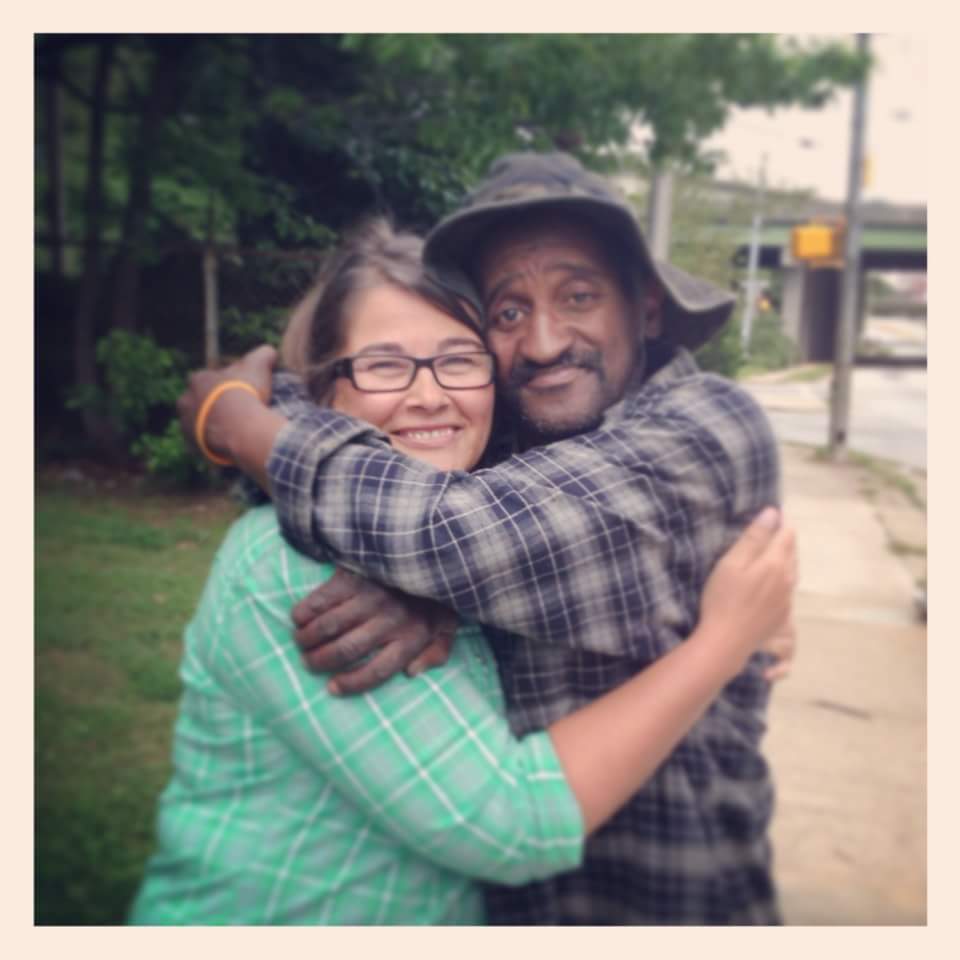
Jean, who volunteers with a plethora of organizations, began volunteering in Atlanta under the bridges with the homeless by handing out lunches and praying with people. She also helped get people off the streets, into recovery programs and reconnected with their families and loved ones.
Just recently, she worked with collection drives sending school supplies, clothes and hygiene products, among a number of other necessities throughout Virginia, Louisiana, North Carolina and Georgia.
“We take clothes and food,” said Jean. “And friendship.”
At first, her volunteer work wasn’t in her home state of Georgia. Jean went on mission trips to third world countries and did work there, but she suddenly realized that if she could go abroad and do work there, why not in her own backyard? She has been volunteering in the United States ever since.
Volunteering has always come easy to Jean.
“I’ve always had a heart for others,” Jean said, “because I would always think, well, what if it were me that needed a helping hand? I would pray someone out there would help me.”
Children have been a vital part of her volunteer work throughout the years. “We just kind of lift them up and get them where they need to be,” Jean said.
There was one time where Jean and a volunteer group granted children their wishes. One girl had previously asked for a dress and Jean always remembered the girl’s reaction when she received it.
“There was this little girl,” recalled Jean,” that ran from her hotel room that night because she was going to get a dress. She had thrown it right over her clothes and danced in the streets.”
Jean also recalled a little boy in Peru, who had never gotten a pair of socks or had even seen a pair.
“To get the first pair of socks and say ‘how do I put these on?’” Jean said, really touched her. “[It’s] something we take for granted.”
Jean says we are all one paycheck away from being in the same position, as anyone she has ever helped. She believes volunteering means helping brothers and sisters without judging them and helping get to where they need or want to be.
On a recent day off, Jean spent the day picking up toys and sorting them with other winter accessories like scarves and hats for a Toy Drive for Appalachian children. She also collected books for a Women’s Prison ministry, allowing the women to give these books as Christmas gifts to their children.
“You won’t stop,” said Jean about volunteering, “because the love of giving and serving is overwhelming. It’s indescribable. The joy that you feel; you will never look at life the same.”
If you’re inspired by Jean’s service, please look for opportunities to volunteer in your area, by going to All for Good.
Virginia Woman Shares Her Love for Books at Local Elementary Schools
Courtesy Michele Duell
There’s nothing quite like the feeling of getting lost in a good book and this is a feeling that Michele Duell of Fairfax, Virginia knows very well.
“To get lost in a book, where the only stimulus is the words on the page and your imagination… that’s very special and makes reading a book an individual experience for each person,” Michele said.
And now she’s taking her love for books and spreading it to elementary schools around central Springfield.
“Central Springfield is an area with a lot of schools where the students qualify for free and reduced price lunch,” Michele said. “That means that the teachers don’t often have a lot of extra resources through extra parent donations.”
The teachers often pay out of their own pocket to buy books and supplies for their classroom.
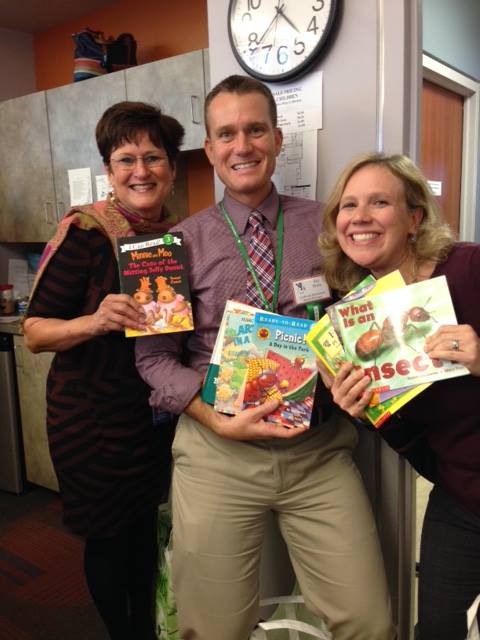
To solve this problem, Michele created Educator’s Night, a program that provides free books to teachers in six local elementary schools. Michele said that the response and reactions from the teachers has been amazing.
“We heard sometimes teachers feel unappreciated and this activity made [them] feel amazing and wonderful,” Michele aid. “Everyone is smiling when they leave with their big bags of books… This year, we even got a thank you note from a teacher who couldn’t come, but wanted to thank us for having it anyway because her colleagues enjoyed it so much.”
Michele, who originally trained to be an elementary teacher, knows first-hand the difficulties that many teachers face.
“Our teachers have the future of our world in their classrooms every single day,” Michele said. “They are asked to individually meet the needs of every child of that class, to understand them, to empathize with them, to figure out the best learning style for every single student… They have an incredibly difficult job, and yet, they volunteer to do this job. They signed up for it.”
Michele shows her appreciation to the teachers through Educator’s Night and she only hopes that the program will grow.
“We will continue to grow this program so that we are reaching more teachers,” Michele said “We will continue to look for great books, reach more teachers, more schools and more classrooms.”
Do you want to help teachers and children in your own community like Michele? Visit All for Good to find local volunteering opportunities.
Happy Accident Leads to Impact For Worldwide Issue
Dressember started as what founder Blythe Hill refers to as a “happy accident.” Blythe had a passion to end human trafficking, but as a college student, she didn’t feel she had the means to do anything about such a large issue. But her simple style challenge has transformed into an impact-making project. Points of Light spoke to Blythe to learn more about Dressember.
What is Dressember?
Dressember is a month-long challenge where you wear a dress every day in December to raise money and awareness for anti-human trafficking work. In three years, thousands of women across the world have raised over $1.5 million.
How did Dressember start?
When I was in college and feeling a little stifled by the academic routine, I decided to create a personal style challenge to add some creativity to my day. I came up with the idea to wear a dress every day for a month. The next full month was December, and when I came up with the name Dressember, that pretty much sealed the deal (I love puns). I did it for a month, and never planned to do it again, until the next year my girlfriends brought it up and wanted to do it with me, so I did. The next year, their girlfriends wanted in.
—
When did you decide that you wanted to use this platform to help fight human trafficking?
After the third year, when women I didn’t even know wanted to join in, I realized it was a good idea, and started dreaming about what more it could be. I have always been passionate about ending modern day slavery, and I decided to take a leap of faith and align the style challenge with ending human trafficking.
Why is Dressember so important?
Dressember proves that you can use what you have, where you are, to advocate for the dignity of all people. It gives you a chance to engage in a heavy issue in a way that matters. It is probably the easiest, most fun way to create a significant impact.
How can our Points of Light audience get involved starting December 1st?
Sign up at www.dressember.org and help spread the word! Make a donation to the general campaign or to a specific participant. Advocate as an individual or create a team! Even men can join in by committing to wearing a bow tie for the month.
What else do you hope readers will do, after reading your story?
Believe in the power of an idea. If something upsets you and makes you ask “when is someone going to do something about this?” — know that others probably feel the same way. Find those people and advocate together. There are some huge issues and injustices that we only stand a chance against when we stand together.
To learn more about Blythe’s story, check out the January issue of Cosmopolitan– on stands December 13th.
Vermont Writer Uses Her Way with Words for Good
For Sue Alenick, writing is a way of life, and giving back to her community is a must. She has volunteered with the United Way of Northwest Vermont for nearly 21 years. Sue pens their weekly column featuring local volunteer listings, which is shared with a number of online venues and area newspapers.
“She’s been so reliable, and she’s so easy to work with,” said Laurie Dana, Volunteerism and Communications Specialist at the United Way of Northwest Vermont. “We get lots of comments from agencies that say ‘Oh, I saw my listing in your column it was great. We got volunteers from the listing.’”
Sue’s engaging writing style energizes the otherwise humdrum listings with a pithy tagline that sparks reader interest. The details for the listings are culled from submissions from 285 local nonprofit partners who share their info in the hopes of recruiting more volunteers.
Sue took up the weekly column when a friend moved away and had to abandon the post. “I thought, yeah, I’m a writer, I can do this. And, I still love doing it,” Sue said. “I get to synthesize [the information] and turn it into something more exciting.”
Sue traces her desire to help others back to her grandparents, who fostered war orphans. As she got older, she was intimidated by the thought of trying to change the world or do something “big” to make a difference. But, a happenstance run-in with a student she once taught in a short-term education program led to a valuable lesson. When he shared how grateful he was for her help, Sue understood the importance of making small, incremental differences.
For those interested in volunteering, but feeling as if they don’t have the time or ability to effect change, Sue has some words of wisdom. “There is not a one of us that is ever going to bring about world peace…. But you may bring peace to a small part of this world. That may be enough, that you can change one life,” Sue said.
If you are inspired by Sue’s story, check out All for Good to find volunteer opportunities in your area.
Mama Pat: Houston Woman Acts as Mother Figure for At-Risk Children
Pat Rosenberg is a community volunteer and has been on the board of Communities in Schools of Houston since 1995. Whether it’s a pair of shoes or an internship, CIS helps at-risk students around Houston, Texas get the resources that they need. Pat is a mother figure for many of these students and is today’s daily Point of Light award honoree. Points of Light spoke to her to learn more about her work with CIS.
What is CIS and what kind of work do they do?
CIS is a great organization here in Houston. We’re in more than 110 schools and 5 school districts. Last year, CIS served over 110,000 kids in the Houston area. We are in elementary, middle and high schools. In the last year or so, we have gone into community colleges. Just because kids graduate doesn’t mean they’re ready for all the issues that come up once they’ve graduated. They still many times need help with food, need help with mental health support, just need encouragement. I think it’s really important that we provide those kinds of support for our kids while they get into a profession and a career on their own.
What types of situations are these kids coming from?
So many of the kids we work with are low-income. They have lots of trauma in their lives… That might be domestic violence or they witness their parents having some issues or it might be someone dying in their family… You can’t teach a child who is hungry or needs glasses or shoes or needs a coat. All of those initial needs need to be met before they’re really able to concentrate on school and what is ahead of them so they can be successful. That’s what CIS does. They provide all of those supports for whatever the children need to succeed.
What type of work do you do specifically?
I chair [the] committee and we share with one another what the issues are that the kids are experiencing and how we might go about helping them more. Besides that, I have worked with individual students…[Tristan] was a gang member back in Houston. After his freshman year, he got kicked out of school for a gang fight. He got kicked out of school so he had to live in this area where there was a CIS site. So through that CIS connection was how I met Tristan. When fall started, we went to one of his football games and he was very pleased that we showed up there. We continued to nurture that relationship so that was when he was talking about going to college. We encouraged and helped him just like we did with our kids… He graduated with very high marks from college. He ended up being president of the student body and president of his service fraternity. He applied for Teach for America. He taught for two years and became an assistant principal… We bonded over the years. He calls me Mama Pat. His kids call me Nana Pat.
Where do you get the drive and motivation to help these students that aren’t even your own kids?
I had people that advocated for me in high school. I grew up in a small town in Iowa, but I had a home economics teacher who said to me “I think you should do this and I think you should do that,” and they were much of a positive influence on me. I think that made me want to give back. I want everybody to have somebody who believes in them… These kids are our future. It’s just something once you start doing it, you want to keep doing it.
How much longer do you plan to help CIS and these kids?
As long as I can drive and my mind is healthy and I keep all of my notes together, I plan on doing it as long as I possibly can.
If you are inspired by Pat’s story, check out All for Good to find volunteer opportunities in your area.
Through Cooking, Volunteer Shows How Small Gestures Can Make Great Impact
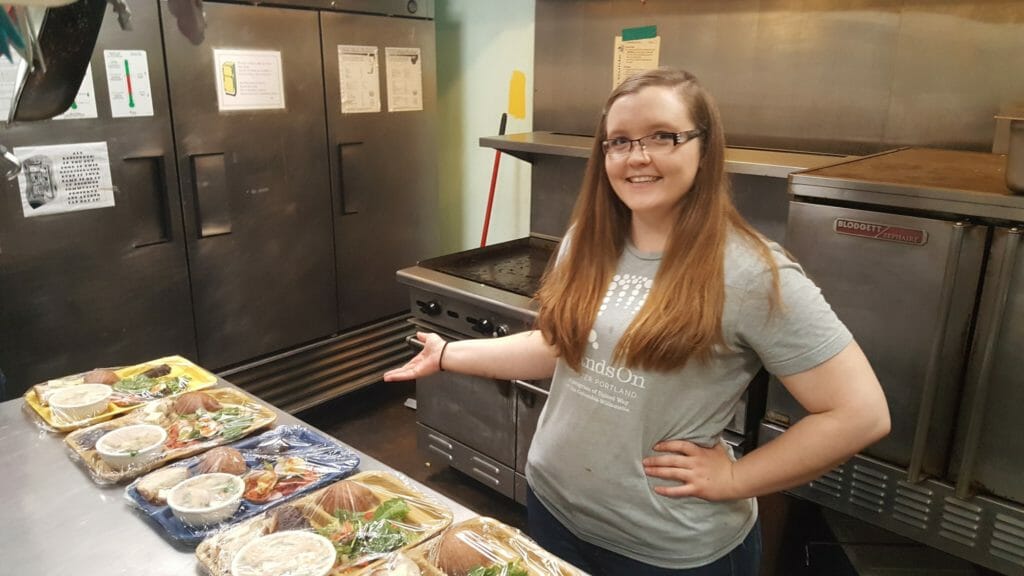
Kristin Wishon, a volunteer leader with Hands On Greater Portland, consistently leads meal service projects for the Clark Center, a temporary housing and support facility those transitioning out of homelessness, in the Portland area. Meal providers can sign up to provide food for the Clark Center. Hands On Greater Portland has three reoccurring monthly dinner dates. Kristin, who is 24, leads one dinner a month – every third Wednesday. She has been volunteering with Hands On Greater Portland for about a year, but previously did similar service work in college. Kristin is today’s daily Point of Light award honoree, and Points of Light spoke to her to learn more about why her work is so important.
Tell me about your volunteer work with Hands On Greater Portland, specifically at the Clark Center.
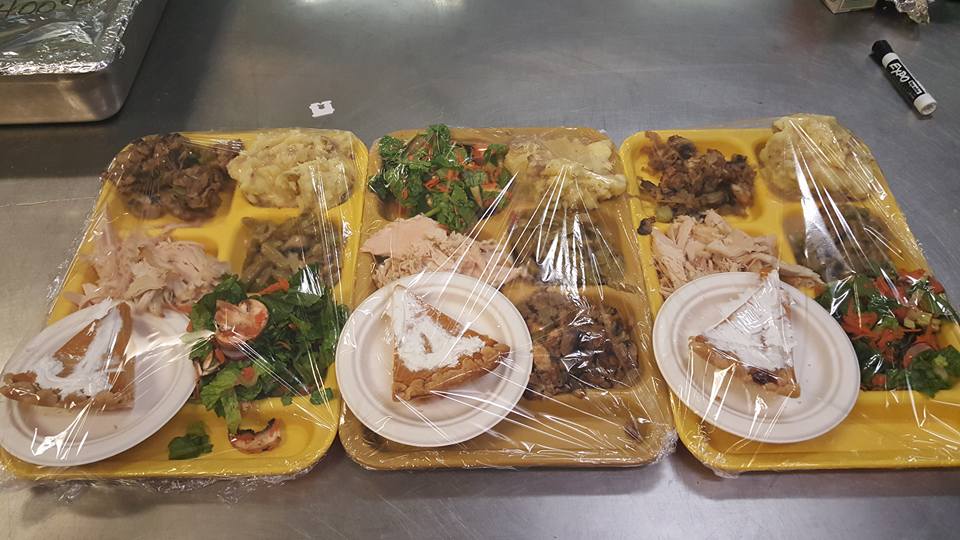
I focus on meal provider service projects. At the Clark Center, basically I assign a group of volunteers [a list of] ingredients for a recipe that I have. I’ve made all my recipes, and I keep them in a spreadsheet. And each volunteer generally has to pay about $12 [for all the ingredients.] I have everything budgeted out so I don’t make any undue burden on anybody. All the volunteers bring their ingredients, and we prepare and cook the meal onsite. Then, we serve on average about 60 residents. The Clark Center is a transitional housing center that has 90 residents.
I’ve made the spreadsheet with basically with recipes that I’ve looked up and scaled up to serve 80 people,[which] is what I usually shoot for, just in case. The meal service is important because it’s a pretty limited shelter in terms of storage space, so the residents don’t really cook their own food or have their own food on site. So, if there’s no meal providers coming in, then there’s no dinner served and it’s kind of like a “fend for yourself” kind of deal.
Everybody is super appreciative when we come in and serve dinner, and I always focus on having a fresh, healthy meal. Everybody just enjoys it! And we get a lot of compliments on our meals.
So, the volunteers each buy and bring the ingredients for recipes. That’s why you try to keep it under $12 — so that it’s affordable for the volunteers, right?
Yes, I have it broken down per person. But it’s not required. If someone wants to volunteer but has a financial hardship, they are still more than welcome to volunteer. They just need to let us know that they are not able to contribute, and that’s fine. Usually it’s no problem, if everyone shows up. That’s the important thing about this project. It’s kind of relying on the commitment of the volunteers, so that’s really important for it to succeed.
The Clark Center has a pantry that has donations from the Oregon Food Bank, but it’s just a lot of canned stuff…and I try to serve healthier meals with whole grains and fresh meat and fresh vegetables and a lot of nutritional food because I think that’s important.
We have a lot of volunteers who are regulars now, who sign up pretty regularly each month. That is really important to me because if a volunteer doesn’t show up and bring the ingredients that they are assigned, that can be a little bit catastrophic to the recipe. Having these volunteers that have basically committed to coming back over and over and over because they enjoy the project – that’s been really great. I’ve made some really good friends through this project, and seeing people come back because they are having a really great time cooking is really rewarding as a volunteer leader.
You said you cook on site – is there a big enough kitchen at the Clark Center?
They have a commercial kitchen, I mean it’s a small commercial kitchen, and it’s pretty outdated but it works. We make it work!
Where do you find your recipes?
Most of them are recipes that I’ve looked up, just by googling. I do a lot of casseroles because they are easy to make large portions. So, they are just recipes that I’ve looked up that were pretty simple and pretty cost effective and then I just scaled them up serving-wise, to do about 80 or 90 servings. And I just have that all broken down, and cost wise I have it priced out based on the local grocery store prices, so my volunteers are prepared. It’s been a lot of planning that went into it, but I’ve been doing it as I’ve been going along for the past year, so now I have a pretty good database of recipes to pull from.
How often are there meal providers at the Clark Center?
I think it depends on the time of year. Around the holiday season, they are booked up pretty much. Like right now I had a hard time getting a date in for my church because my church wanted to do a project there. So, around the holiday season, I would say it’s almost every night or at least 5 out of 7 nights a week. But during September, and like summer, it’ a little harder to get volunteers in. In those months, there’s maybe three nights a week when there’s a group coming in on average.
Can you share more about the reaction of the people you are cooking for when you and your volunteers come in?
Sometimes people come up and say this is the only meal they’ve had all day, which is pretty crazy to think about. And that’s why I try to focus on healthy meals and provide enough food for everybody. I can tell you about some of the meals that we’ve done in the past. We’ve done chicken teriyaki, and I like to be very budget conscious, so I tend to my make my own sauces and dressings for everything. So, we made our own teriyaki sauce, and a few people came up and said this is restaurant quality and that was a great compliment for me! I get that sometimes. And also something I do regularly – I like to make fresh baked cookies on site because I think that’s a good gesture and I know the guys there don’t really get a lot of fresh baked goods. And I like to bake! And so we make fresh cookies almost every time, and I’ve had people come up and say that the peanut butter cookies are like the best peanut butter cookies they’ve ever had! It’s nice to hear that kind of feedback on our meals, and everybody pretty much knows me by name now. It’s been really great to build relationships with the people there.
What do you hope that someone reading your story of service will learn from this?
I would like people to take away that a small gesture can make a really big impact on somebody’s day, or even their week or their month. Because I’ve had so many people express extreme gratitude over us coming in and cooking and serving a meal which is something pretty trivial to most people. Most people know where their next meal is coming from. But in this situation, these people have been homeless for who knows how long, you know, and they don’t always know where their next meal is coming from. So, I think the fact that they know they are going to be getting a healthy meal and it’s coming from people who genuinely care and want to give back to the community – I think it really does make an impact. It shows that people care. That’s important to me. I don’t care about the cost or anything like that. I think it works really well with a team of people who each contribute a little bit to make a giant meal for a ton of people. So, I just do it for that reason – because I want to make an impact on somebody.
Kristin uses her passion for cooking to make an impact in her community. For ideas on ways to serve and how to put your skills and passions to good use, check out the Points of Light blog.
Dr. Oz, THE GOOD LIFE Features Point of Light Honoree Anu Advani
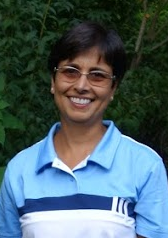
Anu Advani is a host for Hospitality Homes, an organization that provides short-term housing in volunteer host homes for families and friends of patients receiving medical care in the Boston area. Anu’s story shows others who don’t think that they have time to volunteer, a non-time intensive way to make a significant difference in the lives of others. “I am grateful that I can share my home and proud that such an organization exists in my town! Hosting is humbling and fulfilling,” Anu said. Founded in 1983, Hospitality Homes has served more than 15,300 families.
To learn more about Anu’s story, check out the December issue of Dr. Oz, THE GOOD LIFE – on stands November 22nd.