Vanderbilt Grad Finds Purpose in Serving Others
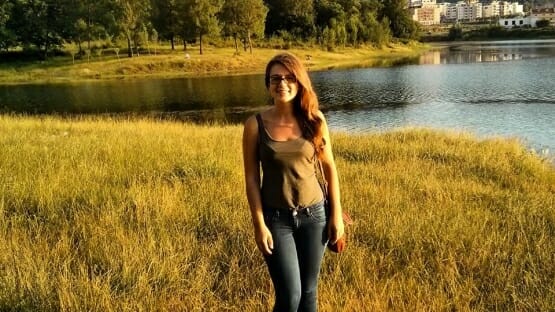
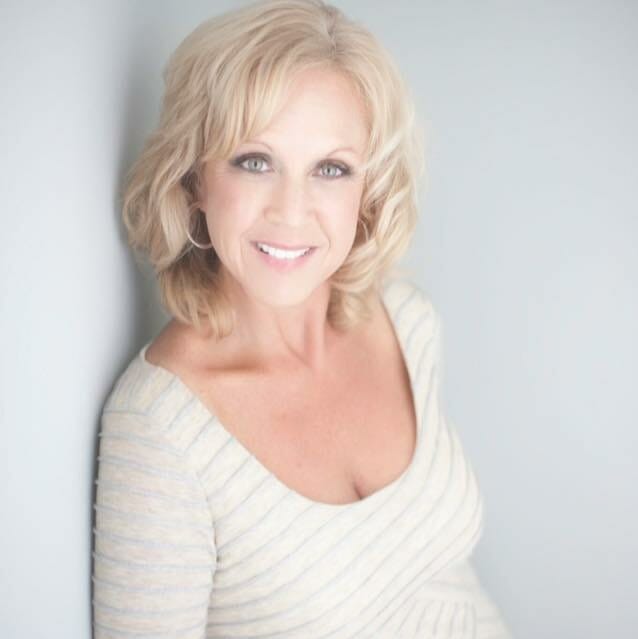
When Allison Plattsmier was 16, she reached a moment of clarity that led her to start doing for others.
“I thought if I died today, what would I have done with my life?” she said. “I wanted people to know me by the positive influence I made in their lives.”
That desire led to her first foray into volunteerism. In 2007, she served meals for Room in the Inn ministry. Then, she added in work with Habitat for Humanity and spearheaded a jeans drive for homeless youth in her high school. In addition, she also collected sports equipment for young people as part of an initiative called Game Winning Drive.
All this work soon dovetailed into her involvement with DoSomething.org, an online organization that offers a myriad of volunteer opportunities for people under age 26. Since becoming involved, she’s logged more than 700 volunteer hours.
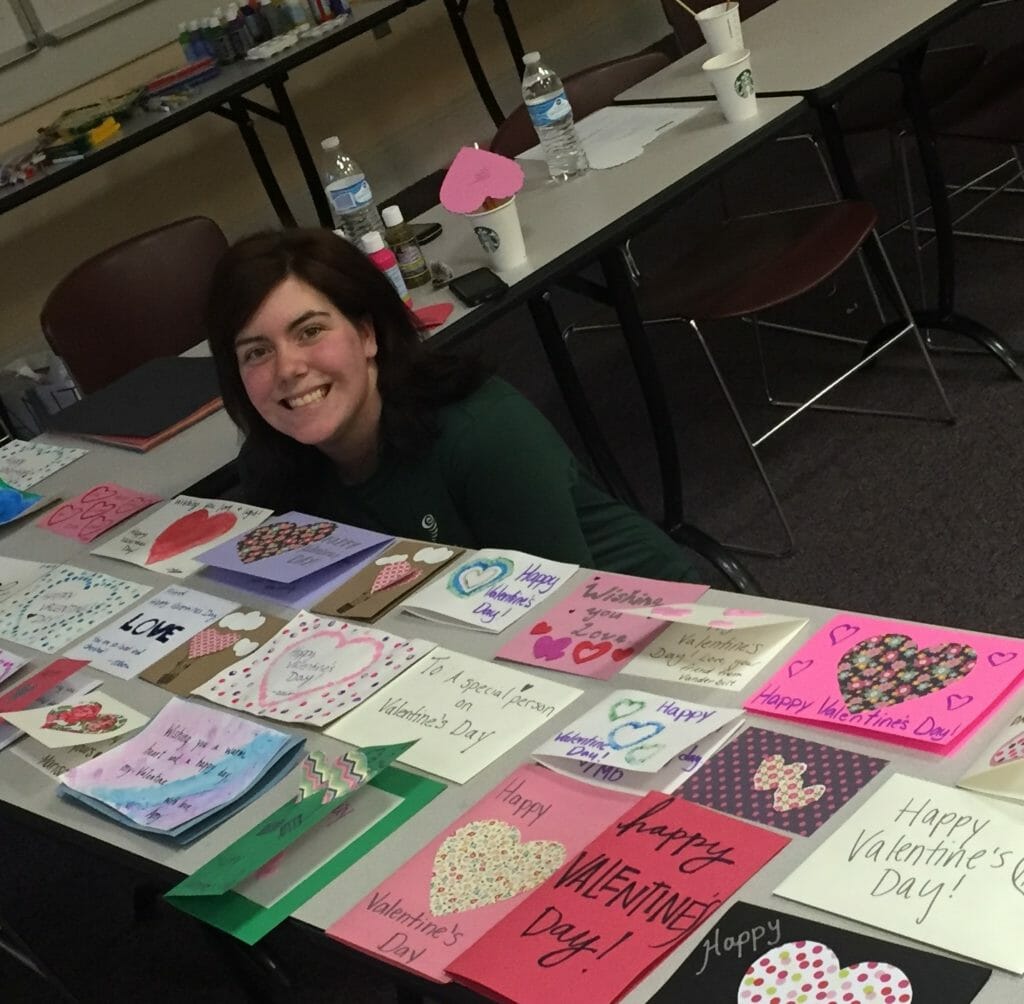
Through one of her biggest endeavors, Close the Loop, she led her Vanderbilt University classmates in a 50-school competition to collect fabric scraps in an effort to repurpose them and keep them from landfills. They gathered 21,118 pieces of recycled fabric. Via the Love Letters project, she helped create 3,566 Valentine’s Day cards for Meals on Wheels recipients at nine locations. She also helped inspire 81 classmates to rally against gun violence, promoting greater campus safety.
On top of these efforts, Plattsmier is now working with her passion for improved nutrition, obesity prevention, and increased food security. Together with professional chefs, she plans to launch Let’s Cook, an endeavor designed to teach proper cooking skills in schools.
Ultimately, she said, she volunteers for such a wide variety of initiatives because she wants to leave a positive, tangible impact as often as she can.
“I personally believe the purpose of life is to make a difference in the lives of others,” Plattsmier said.
Clocking In for Change: Volunteer Leader Inspires Co-Workers to Give Back
To volunteer is special, to create a culture of volunteerism, where the idea of selflessness is fully embraced, is something extraordinary. Meet Raghawan Iyer – the Volunteer Champion.
While Raghawan’s day job consist of working with computers, he also spends a good portion of his time and energy working with people. With an aim at improving health and education conditions, while remaining environmentally conscience, Raghawan plays a positive part in impacting the world.
Working with Tata Consulting Services (TCS) Employee Volunteer Program, Raghawan is responsible for getting dozens of his fellow colleagues engaged in the community. As one of 250 Volunteer Champions nationwide, Raghawan serves as the point of contact for all of the employees in the Connecticut region.
“A Volunteer Champion is the liaison between TCS and all the employees,” said Pam Rodrigues, Manager of the TCS Employee Volunteer Program. “Raghawan not only volunteers himself, but he leads and organizes all volunteer activities for all the employees as well.”
The reasons why Raghawan deserves such recognition is obvious – it’s in the work he puts forth. From gathering a team of coworkers and planting trees on Earth Day, to encouraging 20 of his colleagues to visit local senior citizens, Raghawan is there to lead. Or whether he’s organizing bingo night, or taking part in a walk-for-charity, Raghawan consistently finds a way to help someone.
“It’s his passion and commitment that sets him apart,” said Rodrigues. “He’s a professional, he’s a father, he’s a husband, and he still a manages the time to give back to his community.”
Instructor Promotes Community Wellness Through Tai Chi Classes
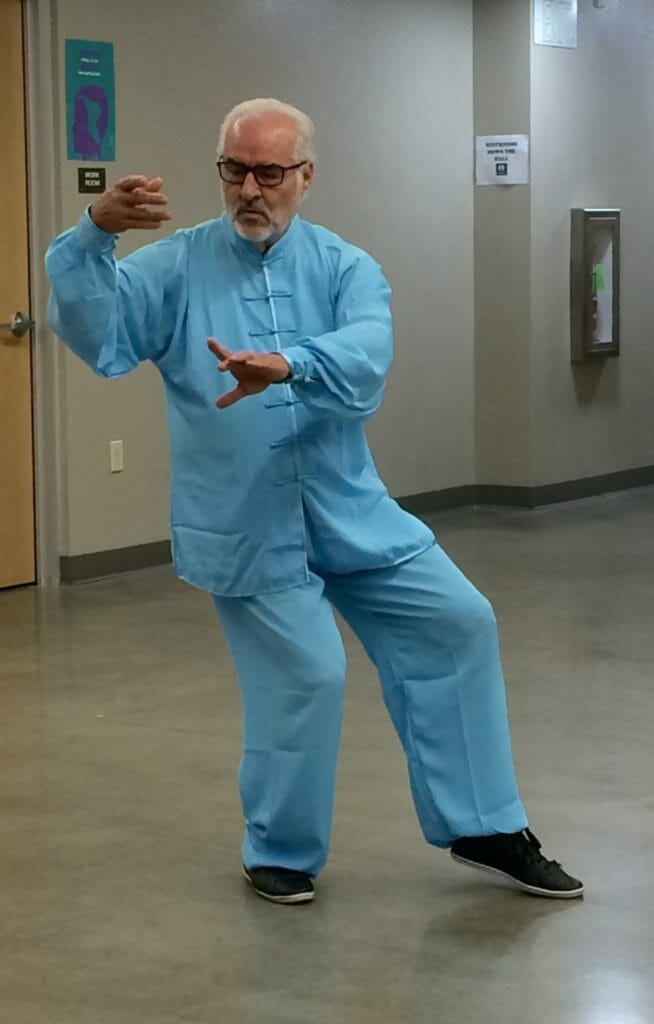
A decades-long career in rehabilitation wasn’t enough for Arthur Lopez. After he retired, he took steps to continue serving those with mobility needs.
“I decided to focus my time on doing something that worked with people that might have some difficulties,” he said.
Thus, Tai Chi for Health was born. Lopez first began teaching Tai Chi in 2007, but he increased his activities in 2010 when he retired as the Deputy Director of the California State Department of Rehabilitation. He earned his teaching certificate that year from the Tai Chi for Health Institute for Teaching Tai Chi for Arthritis to help students improve balance and flexibility, as well as reduce stress.
Today, he runs three Tai Chi classes – one traditional, one for arthritis, and one for diabetes. Classes meet twice weekly, he said, at 9 am, 10 am, and 11 am. Students learn about proper foot placement, weigh transference, and controlled movements. Instructors offer additional guidance on using Tai Chi to reduce stress and anxiety. Lopez also meets with nine instructors for 90 minutes after all classes to discuss their needs.
He’s planned two workshops in October with another program currently in the works.
According to Lopez, there are roughly 80 enrolled students – mostly women – at the average age of 76. Annually, he hosts a Tai Chi Tea for students where they enjoy performances and receive gifts.
Alongside his work with Tai Chi for Health, Lopez serves on the Board of the Whitney Foundation, a group that funds community-benefit organizations. Grantees include initiatives dedicated to helping people become more self-sufficient and improve their quality of life. The two main foci are housing and educational programs. Additionally, he has donated personal funds toward building Inspiration Park in Fresno, Calif., a universally-accessible park available to everyone.
Ultimately, Lopez said, he wants his volunteer service to help others regain strength and stability – both physical and emotional.
“I’ve had students tell me Tai Chi helps them with balance, stress reduction, and they sleep better,” he said. “Others are thankful because it boosts their confidence.”
Comic Relief: Volunteer Harnesses Power of Laughter for Children with Illnesses
They say humor is the hardest type of entertainment to pull off. Finding the lighter side of adversity – without making light of it – can be tricky. Andy Cesnickas makes it look easy.
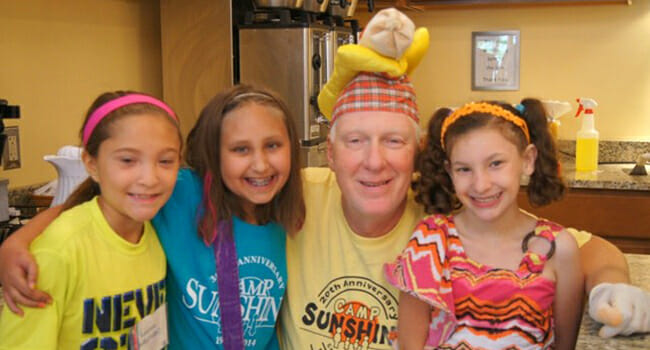
For 16 years, he has delighted kids and teens with life-threatening illnesses, along with their worried families, by donning silly hats and creating unexpected fun.
Cesnickas, a retired correctional officer, has been a volunteer at Camp Sunshine in Maine since he learned of the camp from a former student in his church’s confirmation class at his Catholic parish in Shrewsbury, Massachusetts.
After watching a promotional video about Camp Sunshine, Cesnickas offered to take his current confirmation students there for community service.
“I only got one kid to come, but as soon as I got there and saw those three doors in the front – the large, the medium and the small, I found a home,” says Cesnickas. “I said, ‘This place is for me.’”
Camp Sunshine offers week-long retreats for children ranging in age from infancy to 18 who have a terminal or life-threatening illness. Unlike other children’s camps, this one invites the entire family to come, so parents and siblings can have some fun while sharing camaraderie and support.
Mike Katz, the camp’s executive director, says a physician is on the premises 24/7, and when Camp Sunshine holds special sessions for kids with a specific illness, the on-site physician has specific expertise in that illness.
Katz says that the “three doors” reflect the camp’s ability to serve different age groups.
“We have a nursery for children under 2; we have a tot lot for ages 3 to 5, we have volunteers who oversee 6- to 8-year-olds, as well as 9- to 12-year-olds and teens,” says Katz. “We even have camp counselors for the adults, as they have their activities as well.”
Activities resemble those at typical camps for healthy children: boating, swimming, mini golf, tree climbing, volleyball, shuffleboard, archery and Frisbee golf in summer; sledding, skating and snowshoeing in the winter. Arts and crafts and talent shows provide therapeutic benefits as well as fun.
Cesnickas mostly volunteers in the kitchen and dining room – serving meals, cleaning up and helping the kitchen staff. His most exciting contribution as a volunteer, though, is when he makes himself the center of laughter at meal times.
Campers and parents alike are startled into giggles when Cesnickas unexpectedly emerges from the kitchen dressed as an old lady. Another day, he might appear as Olaf from Disney’s “Frozen.”
“I wear a different hat for every meal,” he says. “I wear costumes. Some people thought I was a priest at first, so one day, I came out dressed like a priest. I try to give them the best vacation possible. That’s my goal. I try to go above and beyond,” he says.
Although he normally avoids the spotlight, Cesnickas joins in camp skits if it will entertain campers and encourage them to participate.
“It can be a lot of work, but Andy’s equal to the task,” says Katz. “He gets up first thing in the morning, he’s at breakfast and he’s here late in the night. Even in the areas that are more family-based, he comes and participates in it just so he can be involved with the children and the families, whether it’s masquerade night or getting up on stage to do a song with the 6- to 8-year olds.”
Perhaps the best gift of all over the years has been Cesnickas’s ability to recruit other volunteers to Camp Sunshine.
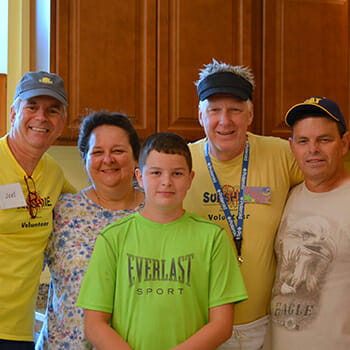
“We need 80 volunteers for each session,” says Katz, who notes that Camp Sunshine has only 15 employees. “Andy is one of our pied pipers – he’s instrumental in getting other volunteers to follow him to camp. He’s a motivator and a mentor for many of them. His energy and his aura gets others up and active.”
One volunteer who Cesnickas inspired used to attend the camp with her family. Alessandra Di Mercurio and her family attended Camp Sunshine year after year because her brother, Fabrizio, now 17, has Fanconi anemia.
“I have known Andy since I was 5 or 6 years old, and I’m 19 now,” says Di Mercurio. “Every year, he says, ‘You’ve got to volunteer when you turn 18.’ I finally thought maybe it’s time not to be a camper and to experience something from a different angle. I thought it might actually be cool to see what other people get out of it – the people who volunteer.
“This year,” Di Mercurio says, “I got to see camp in the light that they see it in. I got to see how Andy interacts with the other volunteers and the support system he brings to camp.”
Di Mercurio is now studying to become a nurse, a career choice she credits to Camp Sunshine.
As for Cesnickas, he has no plans to stop volunteering a few times a year, despite living more than three hours away from Camp Sunshine. A divorced father of two grown children and four grandchildren, he says “If it weren’t for my grandchildren, I’d probably be up here all summer long. We get paid with love.”
Safe Space Created for Girls in Disadvantaged Neighborhoods
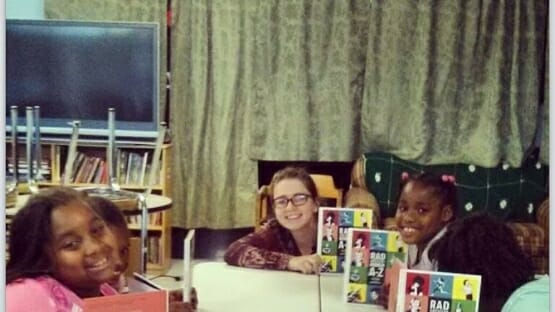
Helena Likaj is the founder and director of The Girls Group at APEX Youth Center in Central City New Orleans. The APEX was founded with the goal and purpose of improving lives through education, technology, and the arts.
Central City New Orleans has one of the highest rates of murder, STDs, and poverty due to racial disparities. Helena’s work creates a ray of sunshine to the women of our future. She talks to the girls about everything from health to music and has created a safe open space for the young girls she serves in the middle of a violent neighborhood.
Helena has built the girl’s group at APEX Youth Center from the ground up, and has worked with 20-30 unique young girls. Although she has had limited resources, she has offered spoken word, health and artistic projects, and snacks. She has also raised enough funds to buy each young girl an A-Z hardcover book about the amazing things women have done throughout history.
Helena’s work is unique because it is a safe space for young girls that is structured and tailored to their needs and struggles. She promotes holistic health, pro-social behavior and conflict resolution skills in a fun and interactive environment that lets each young girl know that she is valued.
Helena is driven to make a positive change in the youth and therefore the future of New Orleans. Helena is giving young girls an outlet to learn more about themselves and deal with the traumatic experience they face on a daily basis. Helena loves working with the youth of APEX and regardless of how her day was before coming to APEX, she always leaves with a smile on her face.
Medical Professional Makes Giving Back a Priority
Working two jobs is enough to keep anyone busy. But, Benjamin Algeam’s days aren’t complete unless he’s spent time with one of his six volunteer organizations.
Although he’s on staff as an intensive care unit and emergency department hospital respiratory therapist, he learned early from his mother that sharing his skills with others is the right thing to do. Today, he manages his time to devote energies to each group.
“I feel a sense of accomplishment in helping others,” he said. “Nothing is expected in return. It’s something money can’t buy.”
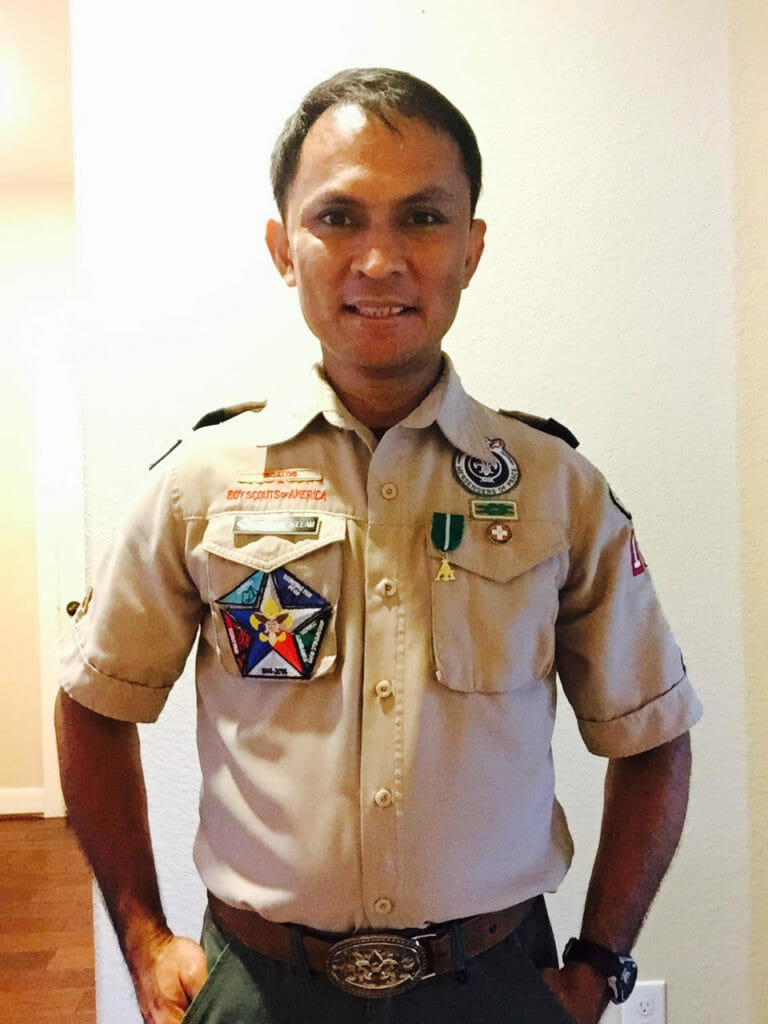
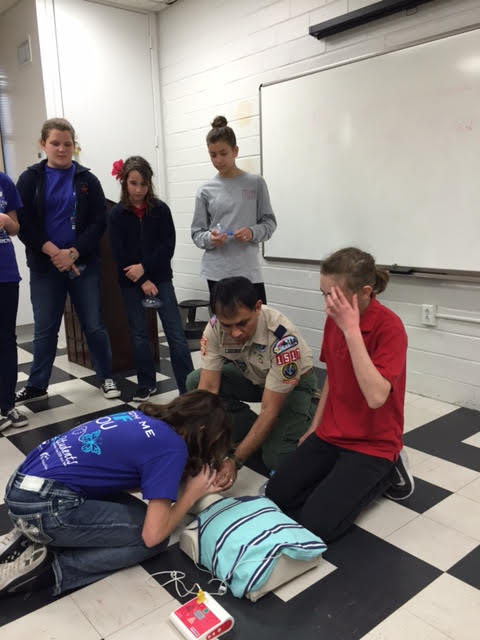
The Boy Scouts of America take up a good portion of Algeam’s time. For the past five years, he’s been an assistant Webelos den leader, running bi-monthly meetings about good citizenship. He’s also taught CPR, First Aid, and defibrillator training through the American Red Cross for the past two years. In the same vein, he’s a certified, trained disaster preparedness volunteer through FEMA’s Community Emergency Response Team program, teaching third- through fifth-graders what essential items to put in a pillowcase during a hurricane.
As a Medical Reserve Corps volunteer in Texas’s Montgomery County, he offers medical and non-medical services, helping local and state organizations prepare, respond, and recover during disasters. He’s also volunteered more than 130 search hours with the Montgomery County Search & Rescue Team, often in the grueling Texas heat.
Algeam also helps people without resources. He spends at least six hours monthly bringing food to the homeless in his county.
His donated hours are many, and there’s never a question of whether he wants to spend his time serving others, he said.
“If I’m available, I go to volunteer,” he said. “I know how to manage my time.”
For others interested in launching into volunteer service, Algeam had advice. They should first identify their skills set, as well as how much time they have to give, so they can balance their time. After that, it’s a matter of selecting what to do.
“Just be sure you know your strong points and volunteer your time there,” he said.
Youth Leader Spearheads Town Halls for Kids and Teens to Discuss Substance Abuse
Throughout both her personal and professional life, Sandra Pavelka, Ph.D., has dedicated herself to making life better for young people. She works in prevention and intervention efforts, helping young people make better life decisions.
“Service is integral to my life,” Pavelka said. “I’ve really looked at it, in terms of my work in the community, as serving in the best interest of youth.”
Eight years ago, the perfect opportunity to apply her skills in a volunteer capacity presented itself. Pavelka, who serves as the Florida Gulf Coast University Institute for Youth and Justice Studies director, joined the Board of Directors for the Lee County Coalition for a Drug-Free Southwest Florida, an organization focused on reducing youth substance abuse.
Throughout her tenure, she’s organized town hall meetings for 30-50 young people for each meeting, including elementary, middle, and high school students. The town halls have been recognized as a Best Practice by the Substance Abuse and Mental Health Administration. In each session, she discusses age-appropriate issues, such as underage drinking, substance abuse, and marijuana. The meetings bring together students from different schools, and plans are underway for a university-level town hall meeting.
“Youth today want to be heard,” she said. “They’re usually so reliant on technology that they don’t talk, but these town hall meetings bring them together. I’ve been impressed with their abilities to be so open and honest.”
From these meetings, the youths launched a #Refuse campaign against underage drinking, using Coalition dollars to display posters and banners throughout their schools and community. As a result, Pavelka says, incidences of underage drinking and substance abuse have started to decline.
In addition to the meetings, Pavelka helps organize the annual Busey Bank Run for Prevention, the Coalition’s main fundraiser. She also advocates legislatively for restorative justice and for alternatives to traditional discipline in schools.
Ultimately, she said, all efforts are aimed at helping young people make decisions for a healthier, more successful life.
“The work we’re doing is positively impacting future generations,” she said. “That’s the most important work of all – it’s integral now more than ever.”
Georgia Teen Distributes First Aid Kits to Help Combat Medical Poverty
When Amal Bhatnagar visited India after 7th grade, he encountered a sight that stuck with him – a mother, weeping over an unexpected rise in medication costs for her family.
“It hit me that the slightest increases in medication costs or decreases in resources can cause such a burden for people,” said Bhatnagar, now a high school senior.
At that moment, he vowed to make a difference in others’ lives. First, he volunteered in a senior citizens’ living center. But, by 10th grade, he had another idea. Many organizations offer food, water, and money to those in need, but few tackle medical necessity. Thus, First Aid for All was born.
Launched in 2015, Bhatnagar’s organization brings vital medical resources to individuals with little-to-no health services access. Free clinics provide some assistance, but they’re only useful to individuals who can travel there. Instead, First Aid for All brings medical resources directly to those in need.
Since opening, the organization has distributed more than 1,000 kits in three countries, he said, fulfilling the group’s mission to abolish medical inequalities both domestically and internationally. To support this goal, he’s garnered support from family and friends, gathering money and supplies necessary for kit creation.
In addition to making presentations about the organization to hospitals, city councils, youth healthcare camps, and on business radio programs throughout Atlanta and Athens, Ga., Bhatnagar’s team made two mission trips – one to Dehli, India, and another to Montego Bay, Jamaica.
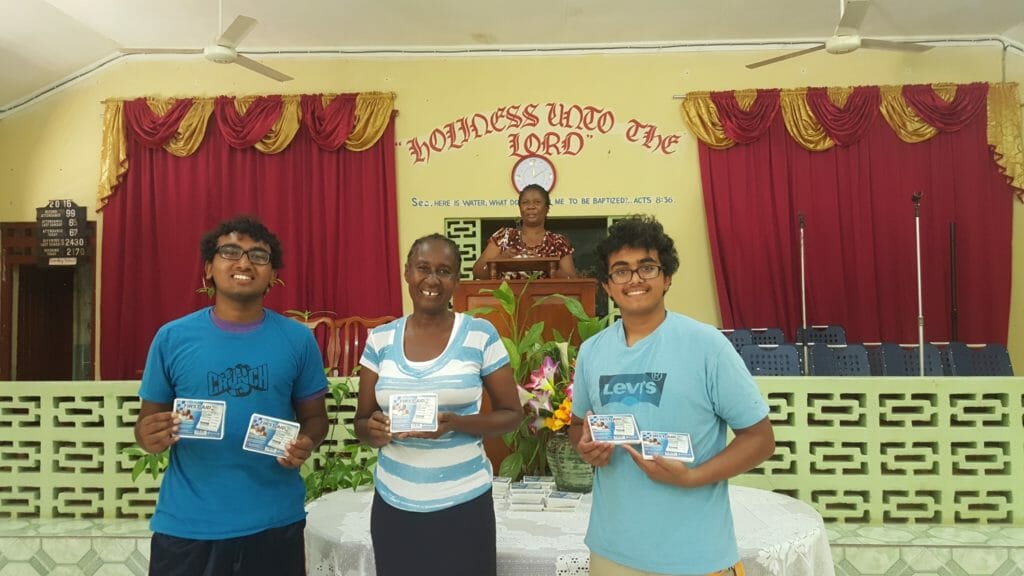
In Dehli, they distributed first aid kits to more than 50 homeless individuals, and they worked with India’s version of Goodwill, Inc., to donate kits, including gauze, ointments, antiseptics, bandages, and other necessities to prevent the spread of bacterial and fungal infections. In Montego Bay, they donated 400 units to orphanages, girls’ defense funds, police stations, schools, and churches.
Bhatnagar’s influence continues. Currently, 10 Georgia high schools operate First Aid for All chapters, and he hopes to create university chapters, as well. Ultimately, he said, the goal is a chapter in all 50 states.
“My generation is going to run the world in a few decades,” he said. “We need to understand there are billions of people globally, and many face medical poverty. Hopefully, we can make an impact.”
Two Young Competitive Swimmers Raise Awareness for Swimmer Safety
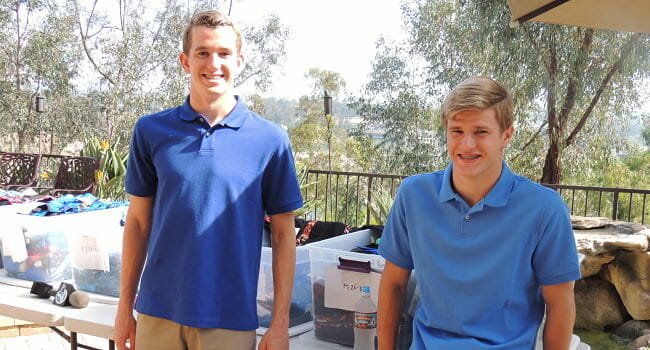
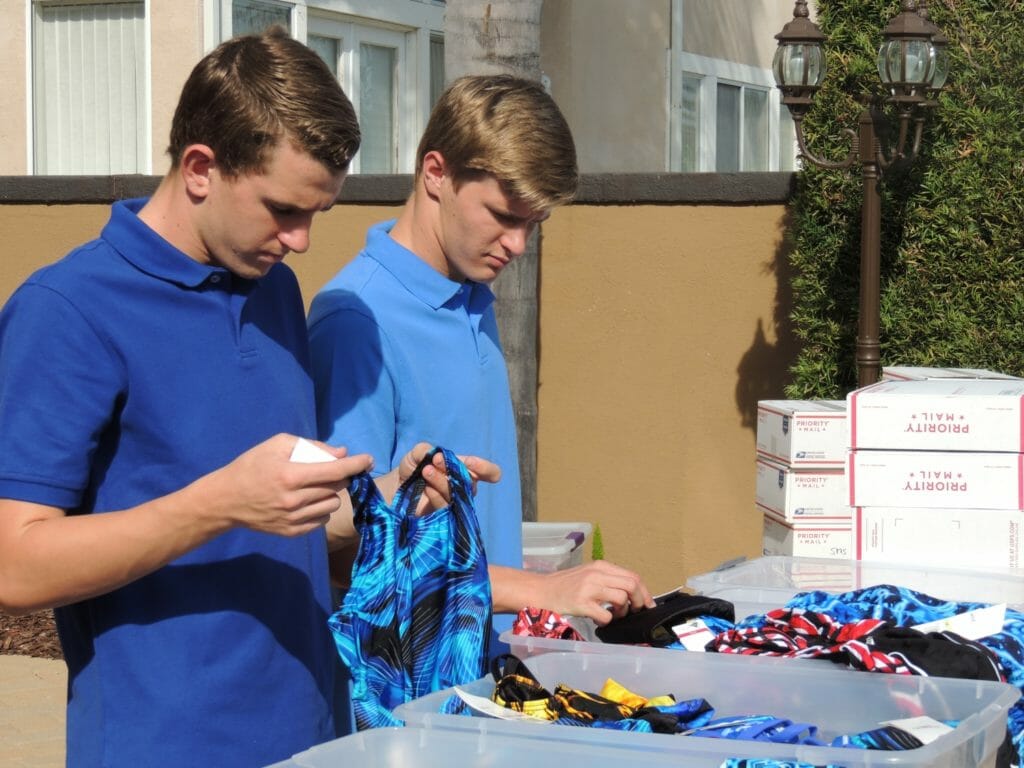
Twins Chris and Matt Hales, now 17-years-old, have traveled the world as competitive swimmers since they were in first grade. But one event outside of Puerto Vallarta a few years ago proved especially noteworthy. “It was their first trip out of the country,” recalls their dad, Michael, who accompanied them. “And it was a really amazing experience – a lot of Mexican kids were pushed up against a chain link fence watching the meet from the outside. Everyone was so excited.”
The boys were so touched that at the completion of the challenge, instead of exchanging googles and caps with their fellow athletes as is the tradition, they gave them to the young onlookers. “As we drove away, though, we all wondered if these impoverished kids would even have any use for this equipment,” Michael recalls.
When they returned home to Orange County, CA, the brothers did a little research. “They found that poor people – even in America – often don’t know how to swim because if they have access to free lessons, they can’t afford the cost of swimsuits and accessories,” says Michael.
As a consequence, more than 300,000 children die each year from drowning, according to the World Health Organization. Even in America, it’s the second leading cause of death for those under 14.
“We decided why don’t we do something about that?” says Chris. Just a few months later, the boys had established their nonprofit, Goggles for Guppies.
“The goal,” adds Matt, “is to help everyone become water-safe.”
The twins started their project by reaching out to a few local stores and asking if they would be willing to donate any unsold equipment. They also approached the USA Swimming Foundation, which runs about 800 swimming programs for at-risk and inner city youth, with their idea of sending the new, unsold equipment to those in need. Representatives were keen on the idea, but only if the boys would commit to handling the actual distribution.
Each week, the twins spend up to 10 hours on their volunteer efforts, even during the busy school season. About a dozen manufacturers and retailers are looped into their network and send inventory regularly, and others who hear of the effort often contact them offering to send $75 Speedo bathing suits and the like. One manufacturer, Finis, now donates one pair of goggles for each that it sells.
Once the family has sifted through what they’ve received, they send an updated list to the Foundation. The Foundation then sends requests for donations from local school districts and organizations like the Boys and Girls Clubs of America. “We set up an assembly line and get packing. Boxes line the length of the house and my three-car garage can barely fit one car,” Michael jokes.
What started as a local effort has grown to be a countrywide and even international one, with the twins and their parents collecting, packing and distributing more than 17,000 swimsuits, caps, and goggles to needy youth in places as far away as Haiti and Guatemala.
“I’m just so proud of these kids,” says Michael. “They not only came up with the idea but they’ve managed the whole effort and made it grow and grow. They’ve never gotten tired of it and kept wanting to do more.”
Childhood drowning impacts everyone, Michael continues, and raising awareness is the easiest way to help out. “Ask your local retailers if they’d be interested in donating left-over items to Goggles for Guppies,” he suggests. “Young athletes around the country have organized competitions to get sponsors to pledge new swim suits. Other kids have participated by making Goggles for Guppies their bar mitzvah or Eagle Scout projects. There are just so many ways to raise awareness and increase our inventory.”
To find out more visit Goggles for Guppies or USA Swimming Foundation.
Laura Luxemburg
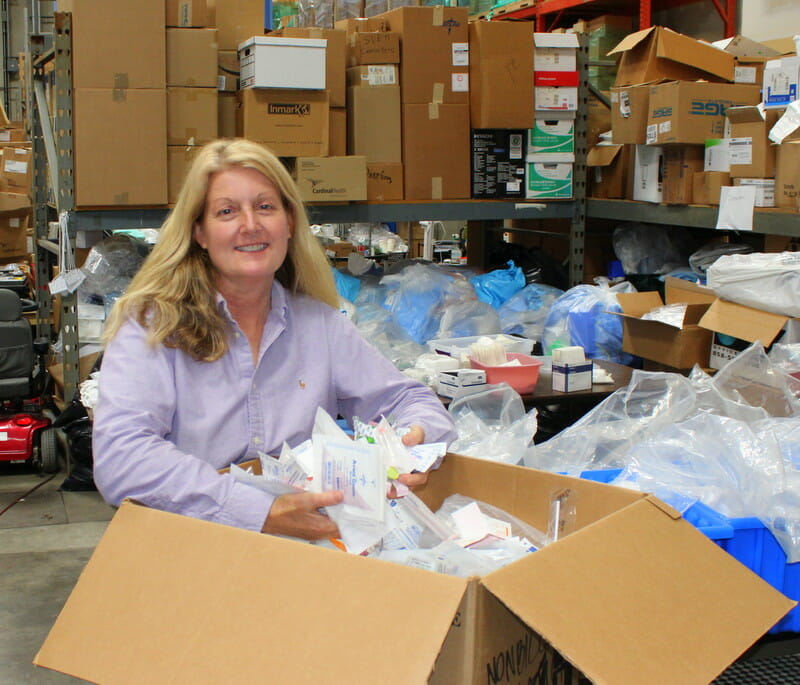
Ssubi recognizes there are areas of immediate need that often fall through the cracks and supports projects around the world less likely to be funded by large organizations. Filling those gaps that are left behind, in Southern CA, that is the hospital and medical “waste” that is filling our local landfills. Ssubi is protecting our environment and improving access to health care by diverting critical supplies/equipment to underserved health centers around the world.
Laura Luxemburg has engaged the whole community in feeling that there is hope and that we can make a difference. Ordinary people doing extraordinary things.
Inspired by Ssubi principles, on March 7, 2014 “Greening for Good” was started by Luxemburg and has diverted more than 1 million pounds of medical supplies/equipment. She has saved thousands of dollars in hauling fees for hospitals, expanding to other Southern CA counties. All of San Diego’s population of more than three million have and will continue to be positively affected by the diverting of medical supplies and equipment from the usual waste stream i.e. landfills. Citizens are also contributing leaving them feeling good.
Luxemburg’s ideas were first met with opposition. But she never gave up and her creative program is now accepted throughout Southern California. She has shown that together, we can make a difference. She has been included in the Hero’s program at the University of CA San Diego and USD students have studied the philosophy of Ssubi.
Luxemburg saw a need around the world for medical supplies and equipment. She contacted hospitals at first and for a year there were only “no’s”, then on March 7, 2014 the VA San Diego said yes. She personally rents/drives and loads the truck on the loads. She has provided jobs for people who would normally not be considered as employable. She has made the City and County’s zero waste campaign more a realistic goal.
Luxemburg has been described as unconventional, determined, a movers and shaker with a bit of dreamer thrown in. The City officials named Nov 17th after her for her dedication, commitment and for the impact she is having locally and globally. Luxemburg was awarded the Director’s environmental award and the E.A.R.T.H. award for a project only being a year old. She has shown that a soccer mom can make a difference.