New York Man Volunteers as First Responder to Protect His Community
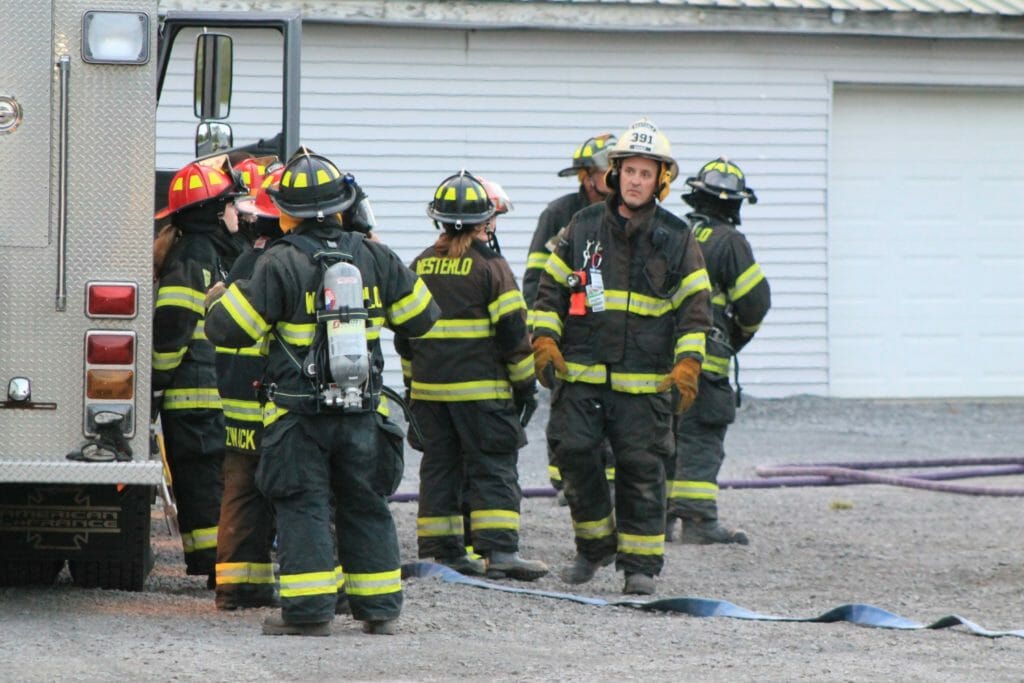
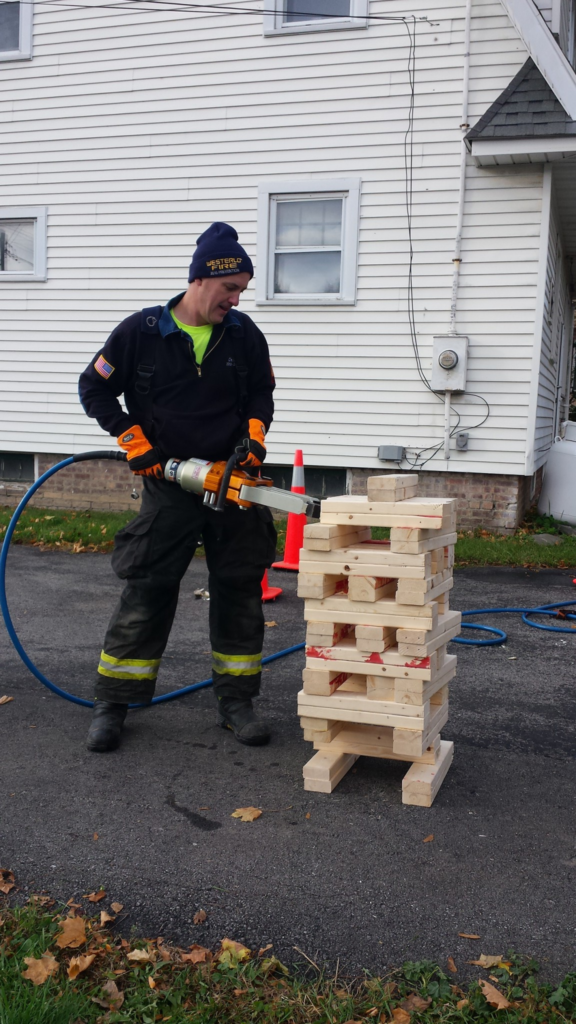
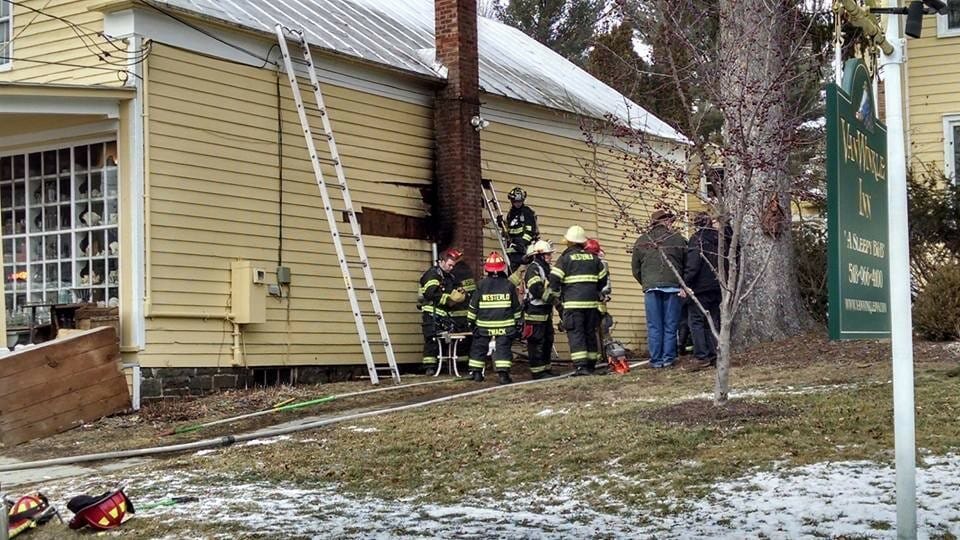
For the past 24 years, Kevin Flensted has volunteered more than 800 hours each year to the Town of Westerlo Fire Department and Emergency Response Team (ERT), where he has served as a volunteer fire chief and an EMT. His selfless giving and leadership is the definition of true community spirit.
What inspires you to volunteer?
I know that each and every call makes a direct and tangible impact to the community. I think of the message of the church; “when I was hungry you fed me, when I was thirsty you gave me drink, …when you do this for the least of my brothers, you do this for me.” This is my calling and I know that we have touched lives in positive ways, not every call, but throughout the years we have. Kids look up to us, and I wouldn’t want to let them down.
Describe your volunteer role with the Westerlo Fire Department and Emergency Response Team (ERT).
I am the fire chief for the Town of Westerlo Volunteer Fire Company, which provides fire and emergency services to the town of Westerlo. My full time employer also has an emergency response team for which I am a member providing emergency medical first response and spill response to the various site locations. I also serve as a New York State Fire Instructor, grant writer for my fire department and surrounding departments and provide technical support on the Rensselaer County Hazmat team.
Why is it important to you to support your community in this way?
The number of volunteer fire and emergency services men and women are dwindling. When I first joined people tended to be more fixed in their communities, and invested their time and effort to make their communities better. As generations change, families are more mobile, stay less time in an area and are not as invested in their communities. Keeping up with training and certifications can be overwhelming and without family support, it is hard to retain our members. With fewer people responding, it makes it that much more important that we go when someone calls for help.
What’s the most challenging aspect of your volunteer service?
I think the most challenging thing is changing hats. Switching from fire chief to dad, or husband, or just holding it all together to go to work after being out all night on a call, especially a bad one. Make no mistake, it is a tough job, we respond to “good” calls and “bad” ones. We can change the outcome of someone’s day or entire life by our actions, so there is a lot of responsibility.
How have you grown personally through your service?
I have grown from just thinking about myself to being responsible for others. I make decisions that can place people in harms way in order to save someone, and all I hope is that everyone goes home safe at the end of the call. I have learned what it is to truly give of yourself. And the friendships made over the years are more like family.
Why do you think it’s important for others to give back?
I like to think that you should always leave the world better than you found it and help others when they need it. Pay it forward when you can and you will reap tremendous benefits.
What’s been the most rewarding part of your work?
Just being able to help people in a way that you can’t be paid back. We collect tax dollars as we have expenses for gear and such, but our members come to help in your darkest hour because you needed it, with no expectation of being paid back.
What have you learned through your experiences as a volunteer?
The majority of people are good people. Hug your family and your children, life is short. Attend their sports activities and school events. Work hard, but put your family first, they deserve it. Learn to see things from different perspectives, and never pass up an opportunity to make a memory.
What do you want people to learn from your story?
Find something that you enjoy doing and go out and make the world a better place. Maybe your talent isn’t being a firefighter or EMT, but everyone has a talent, and there are plenty of organizations that run strictly on the generosity of volunteers. If you are doing something that truly matters to you, it is not work at all, and you get out of it as much as you put it.
Do you want to make a difference in your community like Kevin? Visit All For Good to find local volunteer opportunties.
Retirees Spearhead the Development of a Children’s Lending Library
As long time volunteers, Chris Kelsey and Loretta Arnn exemplify the important “imprint” volunteers can have on the organizations they serve. Retired from early childhood advocacy positions, Chris and Loretta made a commitment to continue their work through community service and have spent more than 12 years volunteering at Imprints Cares. Their experience with child development and family engagement has provided the organization endless opportunities to effect change through program and executive management. Thanks to Chris and Loretta, Imprints Cares has a child development resource room, book giving library, marketing event, needs closet and client records area.
Chris and Lorettta also use their time to mend gently used clothing for the children and handwrite fundraising invitations. Both critical thinkers with an eye for detail and organization, they have implemented processes that have improved organizational efficiencies. As a previous board president, Chris led an effort to transform the agency’s employee and client confidentiality program, implemented the use of performance appraisals, refreshed By-Laws and financial tracking systems and instituted a new record-keeping system. Loretta played an equally important role as she championed child development family-centered activities that supported proficiencies to the family educator home visiting and Pre-K programs.
Together, Chris and Loretta created a comprehensive children’s catalog library as well as a detailed method for client audit records retention and disposal. More recently, they’ve been instrumental in handling the organization’s continuous family satisfaction surveys to help monitor and improve work with clients, allowing staff to address concerns, assess staff performance, improve work processes and better understand client needs.
Friendship Inspires One Girl to ‘Light Up the World’ for SMA Awareness
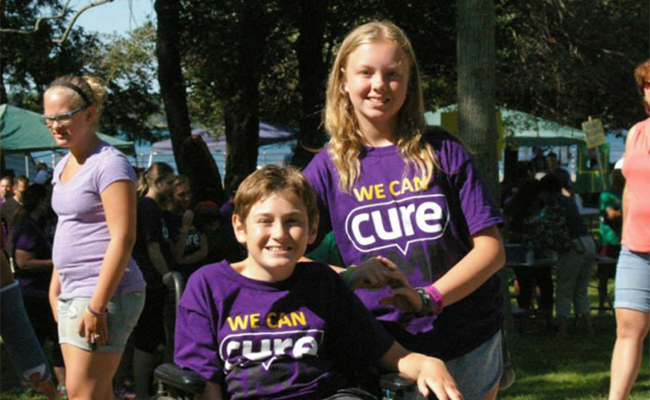
“In elementary school, my best friend, Kale, was in a wheelchair and I didn’t know why,” said Bailey Walter, of North Tonawanda, New York. “It took me a long time to ask about it, but in fourth grade I talked to his mom and found out he was diagnosed with spinal muscular atrophy at 18 months old.”
Bailey told her mom she wanted to help Kale. Her goal? For them to dance together by the sixth-grade dance.
“I think my mom was a little skeptical at first,” Bailey said. “She bought 100 bracelets that said ’SMA – Let Them Dance’ and told me if I sold 100 bracelets in a month they’ll give me everything I need to support me in my efforts. That was almost six years ago.”
Though her wish to dance with Kale at the sixth-grade dance did not come true, Bailey has reached many milestones over the last six years in her efforts to raise funds and awareness for spinal muscular atrophy.
She started raising funds for Cure SMA, a national nonprofit for spinal muscular atrophy, by participating in their annual walk in her area. From there, her passion grew from fundraising to advocacy efforts and raising awareness.
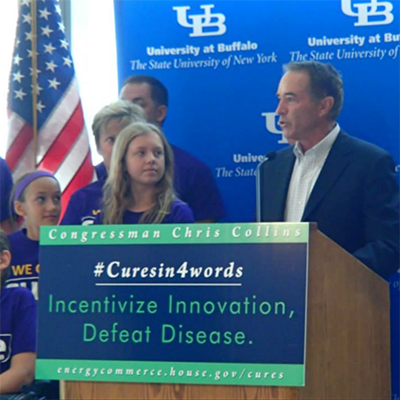
Working with Congressman Chris Collins, Bailey and Kale took part in a press conference to petition for the 21st Century Cures Act, which provided more than $4 billion in funding to the National Institute of Health for research of diseases and treatments.
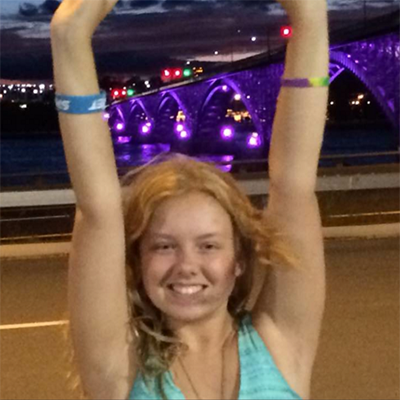
To further raise awareness, Bailey petitioned the North Tonawanda mayor to name August 16, Kale’s birthday, SMA Awareness Day. This year, the Peace Bridge, which connects Canada with the United States, Niagara Falls and the Curtiss Hotel in downtown Buffalo were lit up in purple to raise awareness. Her goal for next year is to light the world purple.
“We want to expand globally to raise awareness,” said Bailey. “We already have commitments in Australia, New York City and Paris.”
Bailey is amazed at all that’s been accomplished over the course of six years. She’s been recognized in the media and has won awards for her efforts, including the Nickelodeon Halo Award.
“I never pictured it growing this big or getting all these awards. Especially the Halo Award. I never expected it. It was never about getting anything for doing this,” she said. “I just wanted to help kids with SMA.”
Currently, she is working on a bill with local politicians to provide access to SMA screening for newborns, focusing on next year’s Aug. 16 awareness day, and also taking time to recognize others who give back.
“I never really thought about organizations and charity when I was little, but meeting Kale changed my perspective,” Bailey said. “It made me see that we have to give back to everyone, because not everyone has what you have.”
To do this, Bailey is working with a local middle school to provide an annual award to a sixth grader who is helping to give back. She wants other young people to realize they can make a difference.
“If you believe in yourself and others believe in you, there’s nothing that can stop you.”
Volunteer Photographer Captures the Smiles of Families in Need
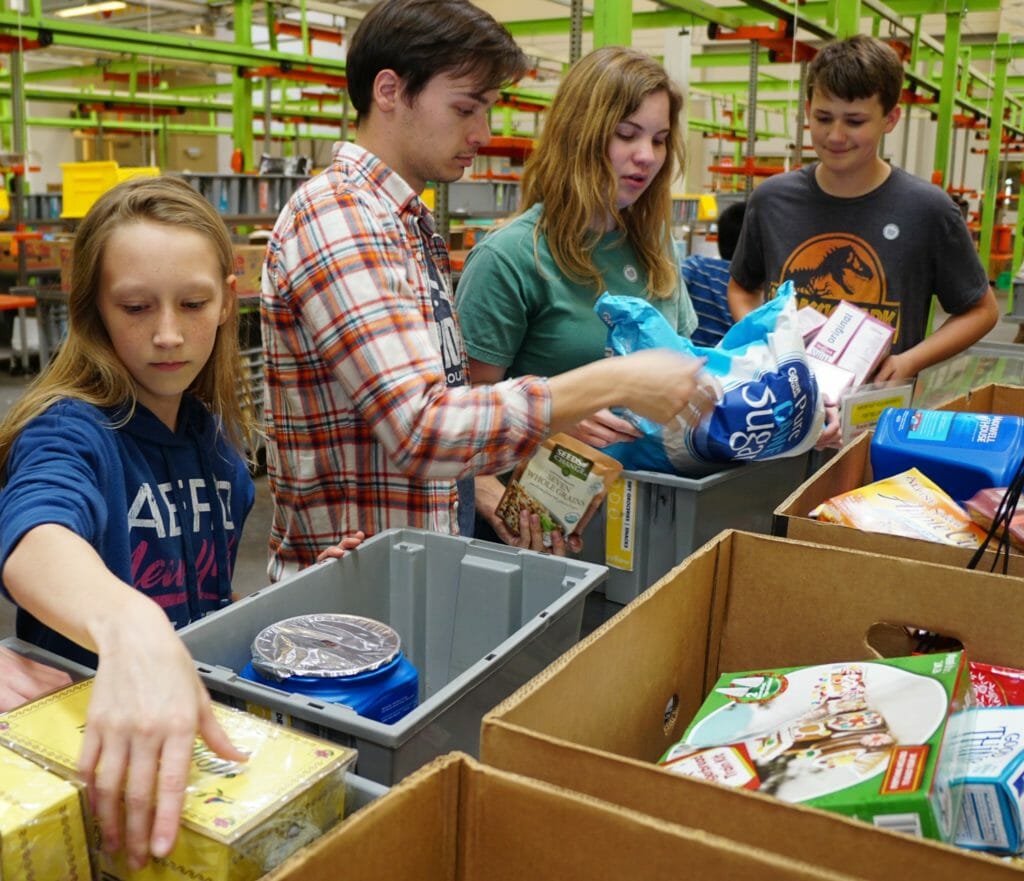
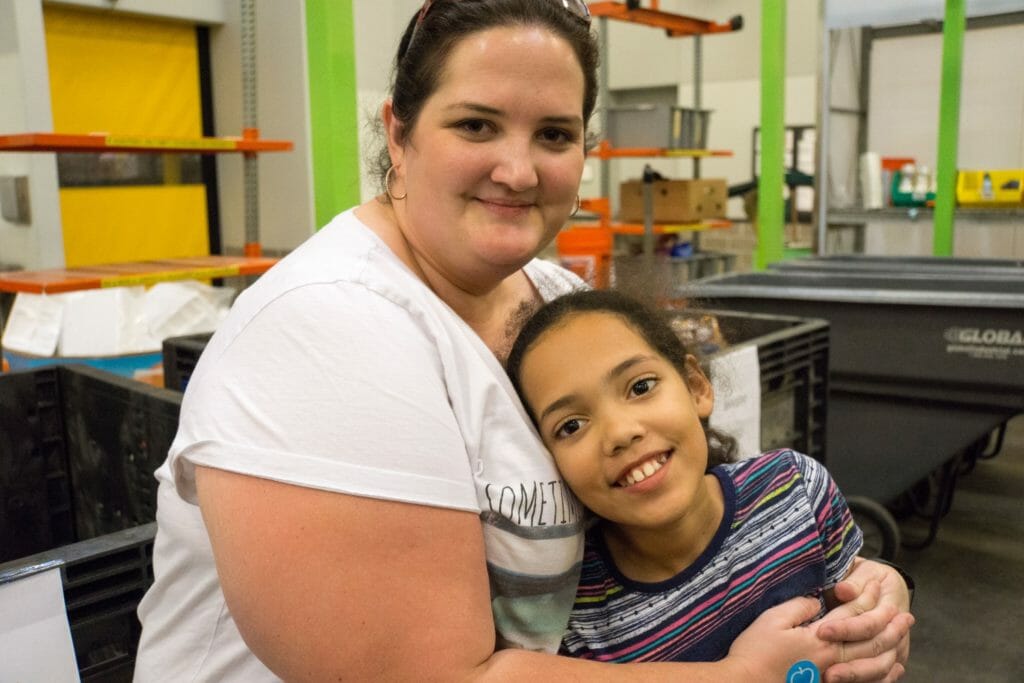
Volunteering comes in all kinds of flavors. For photographer Jill Lefforge, the chance to chronicle the good being done by the Houston Food Bank is her way to make a difference. Capturing the smiles, the eyes, the faces and the families being served gives her incredible satisfaction and speaks volumes about the Food Bank’s mission.
What inspires you to volunteer?
I had a pretty stressful job and when I was laid off, I wanted to do something that would rejuvenate me. I’d always dabbled in photography, so I decided to contact some local nonprofits to see if they could use my services. The Houston Food Bank said yes. They just have so much going on all the time. Life is hard enough – everybody needs help sometimes. The Food Bank is there for people. I just think we’re put on the earth to give back.
Describe your volunteer role with the Houston Food Bank.
There’s a cardinal rule in photography – focus on the eyes when you’re doing a portrait. I shoot so many kids at the Food Bank. I see hope in their eyes and I try to show that. People tell me powerful stories, of not having enough food to feed their kids despite working full time. I shoot at events, at the emergency pantry, whenever I’m needed. These photos are used on the website, social media and some get printed and hung on the Food Bank’s lobby wall.
How have you grown personally through your service?
My eyes have really been opened to how astonishing the need is in my own community, how much help is really needed on so many levels. There are so many nonprofits trying to make a difference. If I can just generate some help for these organizations through my photographs, I will be so thankful.
What’s the most challenging aspect of your volunteer service?
Sometimes I’m just so moved by what I’m shooting that it can be intense. I recently photographed a graduating class of intellectually disabled kids. It was so moving. Those kids are three times as motivated as I will ever be. So staying focused on what I need to do can be challenging some time.
Why do you think it’s important for others to give back?
That’s why we’re here on earth – to help each other. And when you’re helped, it makes you want to help others. If my photographs inspire even one person to volunteer, that would be huge. You don’t have to have a special skill, just show up and roll up your sleeves. It’s fun!
What’s been the most rewarding part of your work?
When it all comes together and I know I’m making a difference, that’s the best. When I photograph those kids, see their joy and hope and can translate that to a photograph. That’s an amazing feeling.
Are there any future partnerships, programs, or events that you are excited about?
The Food Bank has so many projects all the time, and they make it fun. They have an annual Selena celebration, with a look alike contest, karaoke. There’s a Texans Football day, with team members there – the kids love it. The Food Bank makes it fun and enjoyable while they’re doing good work.
What do you want people to learn from your story?
It’s easy to volunteer. You don’t have to have any special talents, just go and help. It’s so easy to do. Pick one, drive there and go! They’ll put you to work.
Do you want to make a difference in your community like Jill? Visit All For Good to find local volunteer opportunities.
Lee Greenwood
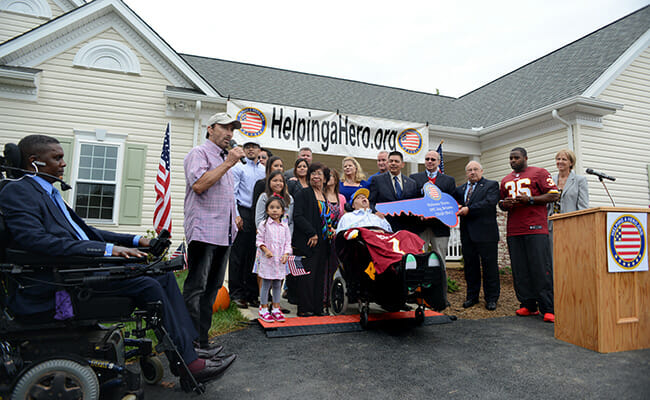
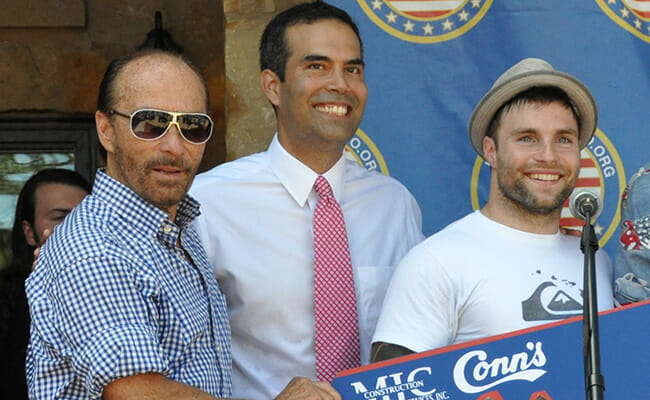
Country music legend Lee Greenwood has a voice, and a heart, for service. As the national ambassador for Helping a Hero, he flies all over the country to perform and present wounded soldiers with keys to new, handicap-accessible homes. He is also a spokesperson for Disabled American Veterans, “Products for Good” and the Honor 1 Campaign. Lee has performed his iconic 1983 hit, “God Bless the USA,” at numerous charitable events throughout his career, including a performance at New York City’s Yankee Stadium just a few days after 9/11.
“You will never be disappointed with service to others,” said Lee. “It’s a feeling like no other, and it gives your soul peace.”
We asked Lee about what giving back means to him, what inspires him and how he’s used his musical talents to inspire others.
What inspires you to volunteer?
I grew up in a family who valued America and am inspired to volunteer because I was taught to always help others. I count it a privilege to be in a position to brighten a veteran’s day or help unite the country after a tragedy like 9/11. I was raised by my grandparents and we were sharecroppers. Even though we didn’t have any money, I always believed anything was possible in America. I worked hard and started my music career when I was only 14 years old. One of my first gigs was with the USO.
I am humbled by the men and women who serve in uniform and today, it is an all-volunteer military. I think every day about these heroes who deploy away from home for a year even two at a time. Who miss important milestones, like the birth of a child, to protect the freedom we hold so dear. It makes the days we are away from home on our country music tours pale in comparison. That is why I have done more than 30 USO tours, and will continue to do so.
My dad served in World War II and I thought back to how everyone said, “I’m proud to be an American.” But I hadn’t heard that phrase in decades. When I wrote the song, “God Bless the USA,” I wanted to tell the story of growing up in America, of the pride of service and sacrifice, and the blessing we have of living here in the United States.
Our active-duty military and our wounded warriors are committed to protecting and preserving America. These wounded warriors face real daily challenges in their new normal. Many are missing limbs, facing PTSD and dealing with daily pain. It is my honor to present the keys to a specially adapted home through Helping a Hero, or serving through Disabled American Veterans, or honoring our Medal of Honor recipients. I volunteer because “I am proud to be an American,” and I’m inspired by their stories of service and sacrifice.
Why do you think it’s important for others to give back?
My wife and I are very committed to giving back. We have raised our two sons to help others and to always be aware of things you can do for those who need your help. Every American is blessed to live in the greatest nation in the world, yet we still have so many needs.
What makes music a powerful tool for change?
When I wrote “God Bless the USA” in 1983, I never imagined it would become what it is today. I was in the back of my touring coach going from one show to another all across the country. I wanted to express my feelings for the United States in a way to bring the country closer together. I included the men and women who sacrifice and even die every day to keep America free. Those simple lyrics have changed America, and I know they have changed me. Unity is hard to acquire in a nation of diversity, but I will not stop believing in this country.
After 9/11, when I walked onto the field at Yankee Stadium in New York City to sing “God Bless the USA,” there was a powerful moment when America was united and “God Bless the USA” became a cry from the ashes of where the Twin Towers once stood. Music does change people, and does allow people to reflect on the journey that brought them to that moment.
What’s been the most rewarding part of your volunteer work?
The most rewarding part of being involved with the various charities I work with is to meet the people whose lives we impact. I have been able to sing at welcome home ceremonies, and it is always emotional. The one I attended for SSG (Ret) Brian Mast, United States Army, was particularly impactful. Brian lost several of his close friends in Afghanistan and became a double amputee after an IED blast took his legs. At his key ceremony, tears were streaming down his face as he held his 2-year-old, thinking of the soldiers who never made it back. Brian shared with me how much it meant to him to hear my song when he was deployed, and to know America stood with them and was supporting them. Because he lost both legs in Afghanistan, he was standing on his prosthetics, saluting the flag, and said, “I am proud to be an American, thank you for writing that song and for inspiring our nation to unite.” My heart burst with pride while at the same time, imagining how his life will be in the coming years.
What do you want people to learn from your story?
When we were attacked on Sept. 11, 2001, I was in Los Angeles on business. I couldn’t come home or travel anywhere because they’d grounded all planes. I asked my manager to call New York and find out what they needed me to do for them. Mayor Rudy Guiliani said they were putting together a firemen’s memorial and a police memorial, and asked me to come to New York City as soon as they could put a plan together. I went with my wife, Kim, and sang “God Bless the USA” for the families at Yankee Stadium for the firemen who were lost, and the policemen’s memorial at Carnegie Hall. I also sang at the fourth game of the World Series in New York. This started two years of non-stop touring to lift the spirit of America. Our country was in need of hope. People wanted to see my heart, to see if I actually represented the cross-section of Americans that I wrote about. I sang across the country, everywhere I could possibly sing.
I hope people know that I believe in America and I hope they will be inspired to stand firm and say, “I am proud to be an American.”
New Yorker Unites Community to Fight Childhood Cancer
If it weren’t for his volunteer service at a local radio station in his small town of 3,000 people, Lou Monteleone might never have discovered his life’s passion — helping children stricken with cancer.
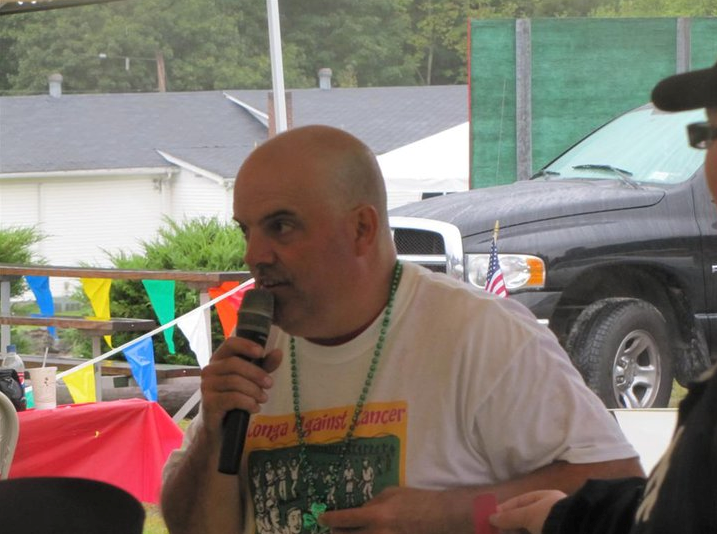
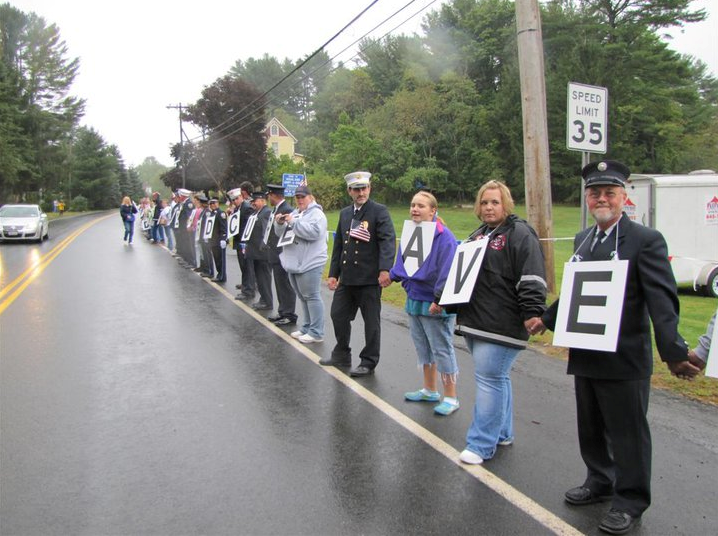
Over a decade ago, he experienced his first St. Baldrick’s event — a fundraiser where people shave their heads to support children who go bald during cancer treatment. That’s when it hit him — these kids could benefit from knowing other adults and children stand with them. To demonstrate that solidarity, he started the Line of Hope. It’s an annual event where people stand together, holding letters that spell the names of children currently battling cancer or those lost to the disease. It’s a way of honoring their struggle.
Over the last seven years, Lou has spread word of Line of Hope to all 50 states. Points of Light talked with him about his volunteer service.
What made you first decide you wanted to volunteer with St. Baldrick’s?
I volunteered for a local radio station for 10 to 12 years, and I covered the St. Baldrick’s event. I’d never heard of it before, and it was pretty new. They weren’t a foundation at that point. That’s when I learned what it was and saw pictures of the children with cancer. A light bulb went off, and even though I was volunteering elsewhere, I knew this would be a big part of what I would do. It’s heartbreaking to see children go through this. The cause of shaving heads is to be in solidarity with a child. A lot of children feel like outcasts, and they don’t want to be the only ones losing their hair.
How did that morph into Line of Hope?
I’m originally from Brooklyn, but I moved to the country at age 11. I’ve been a country guy now for most of my adult life. When I decided to do St. Baldrick’s in my town, it was a little tough. My town has a few thousand people, and the thought of shaving heads didn’t catch on like it does in a bigger place with a lot more people. It was discouraging when I tried to get my message across on what this was about and how we could put it together. So, I switched gears to get people to gather in solidarity with children and to honor them. I determined when we stood in a line for these kids, we would get the same point across. People don’t have to shave their hair and more people to come out. So, that’s how it started.
The first year, we had 60 people in my hometown, Eldred. We made letters of the children’s names who were fighting cancer or who lost their battle. Some people held letters of words of encouragement, such as strength, hope, or courage. It was a nice Sunday afternoon in September — the month for childhood cancer awareness. It just fit.
I have a business called The Corner in the center of town. I thought if we could line up people as the traffic goes by, it would make a statement. People really got into it. They gathered, I played a few songs, they stood and held hands and had letters that spelled out the children’s names. They made a donation of $5 per letter. It was emotional and powerful.
I did it for a few more years in Eldred, and it got bigger. So, I wondered if I could spread it around the country and have everyone come together for an hour on a Sunday. I thought it would be awesome to achieve that. But, I wasn’t sure how. Social media came to mind. I started using Facebook, Twitter, and Instagram. In 2013, we had the first cross-country Line of Hope. That first year, I spent hours after work and early in the morning just putting in key words like cancer, children’s cancer, touched by cancer to find groups who would be interested raising money for cancer treatment. It clicked, and I started reaching people I’ve never even met.
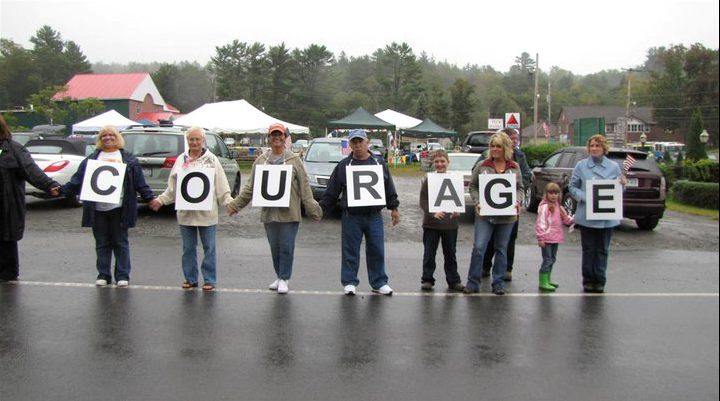
That first year, we had maybe eight states. Then, it grew to 12, then 16. By 2014, we were in every state. This was all strictly through social media, and some people who knew a lot of people who wanted to get involved. It’s easy for people to make a $5-$15 donation. Donating time is harder, and sometimes people just need a little push to do it. Some don’t want to try to do something and fail, but we’ve shown them they can do this. I get pictures and videos from across the country. It really solidifies the whole thing when you see a video of total strangers in the middle of the cornfields of Iowa or the mountains of Alaska, and they’re standing together for 25 minutes.
It doesn’t have to be anything big. It can be just a few people, even just one child’s name. A mother and father with their children and dog, holding letters in their backyard. Things took off once people realized they didn’t need a big event. People gathered a few friends and do whatever, wherever. Some people have taken it further with music and food, but you don’t have to. I tried to set the example by making a whole day out of it, but people are limited by what they can and can’t do. Sometimes you’ll see four to six people, sometimes 30 to 50 people in a line.
The one goal was to stand together and raise as much money as we could to show children support them and to not give up until they’re better. It’s been a rewarding experience for me. I’ve done a lot of volunteer stuff before, but this one — to start from a little town here — proves you don’t need a lot of money or a huge city to succeed. If you have an idea that you’re passionate about, just do it and stick with it.
Describe how Line of Hope works. How do you get people involved and what do you do?
On average, people stand together for about an hour. Some make an afternoon of it. Some years certain states are more involved than others. We tell organizers to get as many people as they can, but we know how difficult it is. We’ve reached a few thousand people over the years. Each family has their own personal story of why they’re getting involved. Some honor five or six children, and others don’t have anyone in particular to honor, but they’re involved and hold up words of encouragement. Sometimes, there are multiple events in the same state. It’s a lot harder for people to do major events in their states than it is for me here. I have resources I can tap into. We’ve incorporated head shaving since 2010. We have the Line of Hope and the Congo against Cancer. We also have the Pinwheel of Hope that we light up at night. I make a whole day of it here, but across the country, they might do a barbecue in their backyard. It’s all about coming together for a cause.
What impact have you had so far?
We’ve raised $121,000 over the past seven years. That’s a lot of money for the Catskills. I hope to raise more as time goes on. It’s time consuming, but I’m passionate about it. If we don’t get all 50 states, 25 to 35 is fine. That’s not going to deter me from continuing to try to get the country together. Any cause that gets people together for the day or the afternoon is a positive thing. This is one where we can stand together for children.
Why do you think it’s important to volunteer?
It’s a sense of accomplishment. There are so many people who need help in this country. We lose track that there are people out there who struggle. If you don’t help them, who will? We’re here to connect with other people and give back to them a little bit. If we can bring people together, we can help give them self-confidence. It makes a difference when people see others helping for no monetary gain. Just like working with EMS or being a firefighter or in law enforcement, if you help people, it’s a feeling you can’t put a price on. Most people just need a push in the right direction, and they’ll be surprised by what they can achieve. As humans, we should be as compassionate as we can be.
What do you think your future endeavors will be?
I’ll keep plugging away. I’ll keep working to make the group bigger. I’m looking for more places and people. If other areas had more resources, they could get involved, and I think this could be much larger. Once I got all 50 states involved, I created the Message of Hope. I wasn’t sure how it would go, but I got all 50 states to hold letters. Then, I asked them to do one more thing. I asked St. Baldrick’s to give me 50 words they would like to say to 1 million people — something on behalf of the Foundation’s work for childhood cancer. I asked the representative to send it to me via email, and I took each words, mixed them up, and assigned one word per state. After they stood together and took pictures, I asked them to pick a few people to hold the other word. They took a picture of one or two people holding the word and emailed it to me. I got all 50 words back, and I took them and made a video, putting them in the proper order. Separately, they don’t mean anything, then you see a woman in California holding “the” and a girl in Pennsylvania holding “children.” There’s someone from every state, and it all comes together. It quite something to see.
Do you want to make a difference in your community like Lou? Visit All For Good to find local volunteer opportunities.
Devoted American Red Cross Volunteer Celebrates 15 Years of Service
At 81 years of age, Dottie is one of the most loyal and dedicated volunteers at the American Red Cross. She has faithfully volunteered every Friday for the last 15 years and puts donors at ease by greeting them with her infectious smile as they enter the blood drive site. She also makes sure they have a snack after they have donated. Dottie stands ready to answer the frequent call of assisting mobile blood drive units around the city, driving herself to each site. Even after being involved in a serious accident, she was concerned about getting back to her volunteer duties, understanding how difficult it can be for the Red Cross to obtain faithful volunteers to assist with blood drives. Dottie is so loving that no one can leave without her giving them a hug, and she has become a beloved grandmother figure to all she meets.
Turning Passion into Action, Skilled Cook Empowers Young People to Make Healthy Food Choices
Kim Doyle Wille, a Colorado native, has been passionate about cooking since she was a young girl creating meals in her childhood home. Over time, she became skilled enough to be a winner of the 46th Pillsbury Bake-Off Contest in 2013. Creating a nonprofit focused on healthy food options for the students and families in Garfield County was a natural way to turn that passion into action.
The idea for Growing Empowerment came to Kim when the recession hit and she needed to call on her local Lift-Up food pantry for assistance. She was shocked to find out they were limited to boxed items full of salt, sugar and other unhealthy ingredients – and wanted to find a way for others struggling in the community to have healthier options.
Thanks to Beauty Beyond Belief Wildflower Seed, a Boulder, Colorado-based seed company, Kim was able to distribute donated seeds to local gardeners who were willing to donate a portion of their crops to Lift-Up.
As time passed, her passion for helping the community grew. She created an after-school gardening program where students could not only learn to grow fresh produce but also how to prepare healthy, fresh meals for their families.
“Getting to see the kids’ enthusiasm and energy to make things makes it all worth it,” Kim said.
Through Growing Empowerment, she has been able to collaborate with Cooking Matters, a national nonprofit dedicated to making sure all kids have the healthy food they need every day. One of these collaborations has been teaching at-risk teen parents at Yampah Mountain High School to make healthy meals on a budget and give them access to healthy food resources in the community.
“She has a unique gift and inspires many young parents every single day. Growing Empowerment empowers the community through education, sustainable projects and gardens for hunger relief and economic development within our communities,” said Drew Schelling, Garfield County coordinator for Cooking Matters.
Kim hopes that with this program she can teach teens, while they’re still young, how to prepare their own food and depend less on unhealthy options like fast food to feed their young families.
“Giving them basic life skills so they feel confident and they can feed themselves, that’s a great thing,” Kim said.
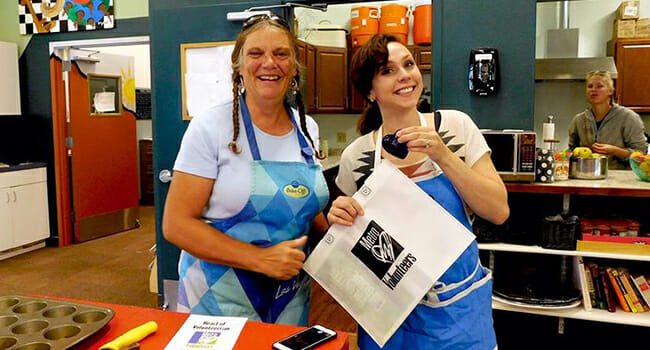
Metro Volunteers, a Points of Light affiliate, honored Kim with its monthly Heart of Volunteerism Award in recognition of her passion and dedication. For volunteer opportunities in your area, find your local Points of Light affiliate or search All for Good.
College Grad Creates Mentorship Program to Help Girls Find Their Voice
Helping young girls navigate the everyday stressors and pressure adolescents face has been important to Natalie Flanders since age 13. After hearing stories of girls being bullied by their peers, Natalie took it upon herself to become a mentor. Early on, she donated time through the national non-profit called Girl Talk, eventually becoming a national leader of the year during high school.
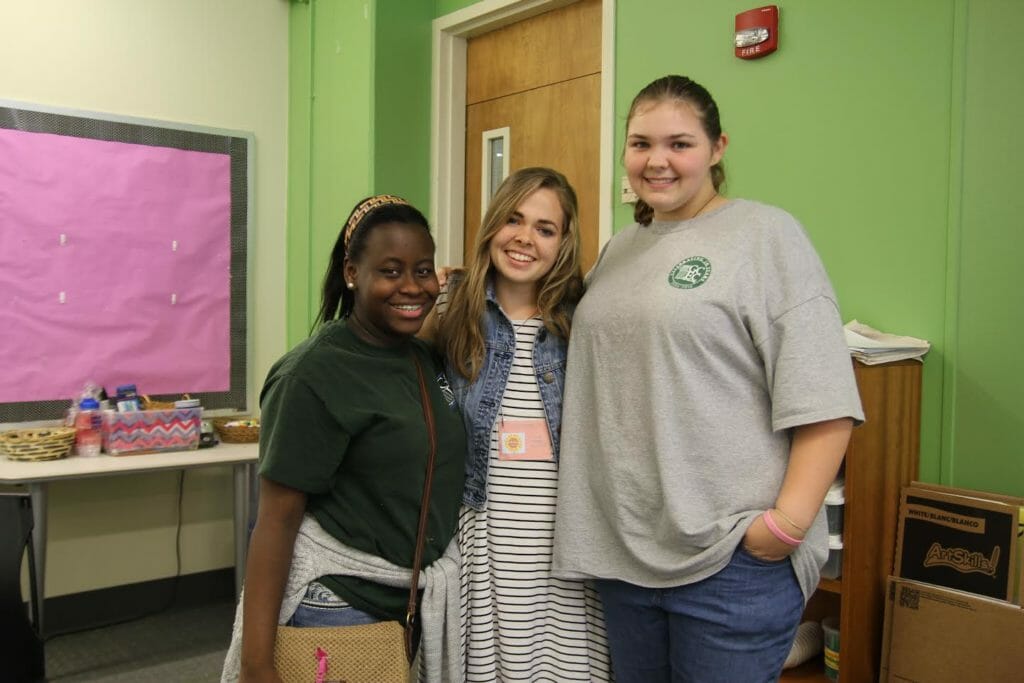
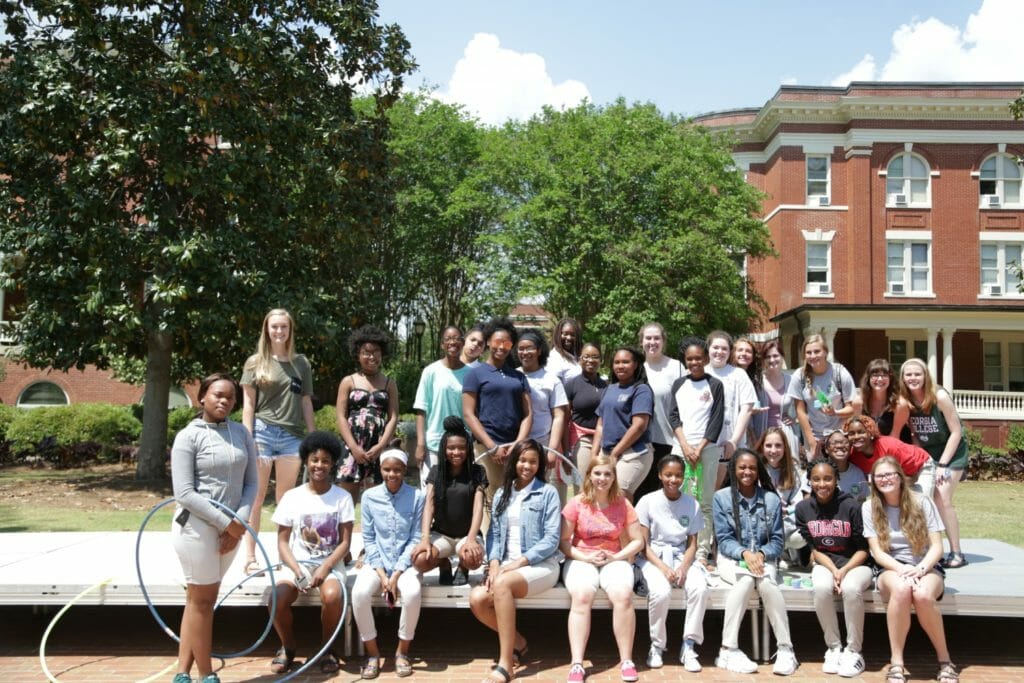
Natalie’s volunteer efforts didn’t stop there. After enrolling in Georgia College, she continued her involvement as a freshman and sophomore. Soon, she became president of the Nonprofit Leadership Alliance, a campus organization that helps students learn how to work within and lead non-profit groups. But, something was missing. That’s when, in 2015, she launched Girls Grow, an organization that pairs college-aged women with high school girls to help them develop the confidence and leadership skills they need to succeed.
Two years later, the organization is still going strong and is looking to expand to other college campuses and communities. Points of Light spoke with Natalie about Girls Grow and the impact it’s had on the lives of more than 200 high school girls.
Why did you start Girls Grow?
When I was a freshman in high school, I started mentoring through Girl Talk. It’s a program where high school girls mentor middle school girls. I did that for all four years. It’s really my passion. When I got to college, I felt lost without having a volunteer experience that I really connected with. But, it was going to be too difficult to be involved with having high school girls go to the middle school. Instead, I thought what if I had the college women lead the high school students at a local school? It started with five of us mentoring 15 girls. Within a year, we had 40 volunteers mentoring at three different schools. After seeing the success of the program, I decided to create a nonprofit called Girls Grow. With Girls Grow, I’ve developed a curriculum based on my experience with high school girls. I’m a psychology major with a concentration in development psychology. I’ve been able to do a study on the impact of the program, as well.
How does the organization work, and what are your goals?
First, I reached out to local high schools and afterschool programs, and we arranged a time for us to come into the schools. I created a student organization on campus with an executive board, and I promoted it on campus through word of mouth. Many college women connect with the idea of helping girls become more confident. Everyone has a different high school experience, and many wish they’d had a mentor to guide them through it. We’ve been able to connect with a broad range of [female students] across campus, so there are many college women the high school girls can connect with.
From there, the high schools started reaching out to me, asking if they could add us in their schools or afterschool programs. All of our mentors go through training and sign a contract that they’ll be committed to the group. I’ve found that even those who seem like atypical mentor personas have something to offer to the girls. All the girls we serve are diverse. Some are quiet. Some are sassy. Everyone is looking for a mentor she can connect with. We have mentors who are freshmen through seniors, and we work to really make sure we are recruiting across our campus from all different organizations and backgrounds.
How is the group’s curriculum organized?
We have seven sections. Each section has a few lessons and worksheets. We have “All About You” where, basically, the girls share who they are. It also helps them define themselves and identify any negative beliefs that they hold about themselves. We help them set mission statements and describe their personal intentions. This breaks down barriers so they can be authentic and vulnerable with each other. They create self-care plans that allow them to focus on how they take care of themselves because there’s a lot of pressure in high school, no matter what background they come from.
We have a section on forgiveness and dealing with anger and loneliness, and one on communicating with others. It looks at how you’re using social media. We never try to tell them how to act and feel, but we give them space to express who they are, what their actions are and how what they’re posting on social media affects them and others. It’s a conversation in a safe space.
We also talk about parents and friendships, as well as dating. We talk about healthy and unhealthy relationships and breakups, touching on how they can stay true to themselves while in a relationship. These conversations also help them think about their future. The mentors can talk about their college majors, share information, and answer questions.
Everyone meets at least once a week. Sometimes they meet as many as four times a week. They have the same mentor for an entire semester, and they can get new mentors halfway through the year. Instead of one-on-one conversations, we’re set up more like small group scenarios for individual lessons. First, we have ice breakers, and, then, we have discussion questions where they can break off into smaller groups with mentors who can guide them through the questions and share their experiences on the topics. At the end of the session, we have what’s called “Let’s Keep Growing.” It’s a challenge for the girls to implement during the week, such as setting a positive intention. For example, it could be trying to understand where your mom is coming from when she gets upset with you and seeing how you can change your actions.
What impact has Girls Grow had on its participants?
Based on our study, 100 percent of the girls said they would recommend Girls Grow to a friend. And, 98 percent of our participants agreed that after one semester, Girls Grow has helped them to respect themselves and develop leadership skills. Also, 95 percent agreed that Girls Grow is helping them make better decisions, feel happier, and prepare them for their future.
Our chapter through Georgia College started in Spring 2015. Since then, we’ve helped 230 girls with 75 mentors, and we’ve logged 901 volunteer hours.
What’d next on the horizon for Girls Grow?
We’re set to start a chapter at the University of Georgia this fall and at Georgia State this spring.
I graduated in May, and we’re applying for 501c3 status now. The goal is to bring the program to schools across the country. We’re developing training, and that’s why we have the curriculum book. We just finished designing it, and getting it to reach out into the schools is my overall goal. We want to provide resources to parents, counselors and teachers so they can use them to connect more deeply with the girls and daughters in their lives. Our mission at Girls Grow is to be a nonprofit organization committed to creating a community of support for girls so they can grow strong, self-aware and confident.
Why do you think it’s important to volunteer?
I think it helps us move out of our own heads and into our hearts. In this culture, nowadays, it’s a “me” culture. It’s what you’re sharing on social media, what you’re doing. When you’re volunteering, and it’s coming from a genuine space, you’re trying to serve from your heart. You’re doing it in a way that you know it’s actually making an impact that not only benefit the community, but also helps you become an educated citizen. It helps you be a more sensitive and caring person.
Do you want to make a difference in your community like Natalie? Visit All For Good to find local volunteer opportunities.
Teenage Environmental Advocate Uses Storm Drain Stenciling to Combat Water Pollution
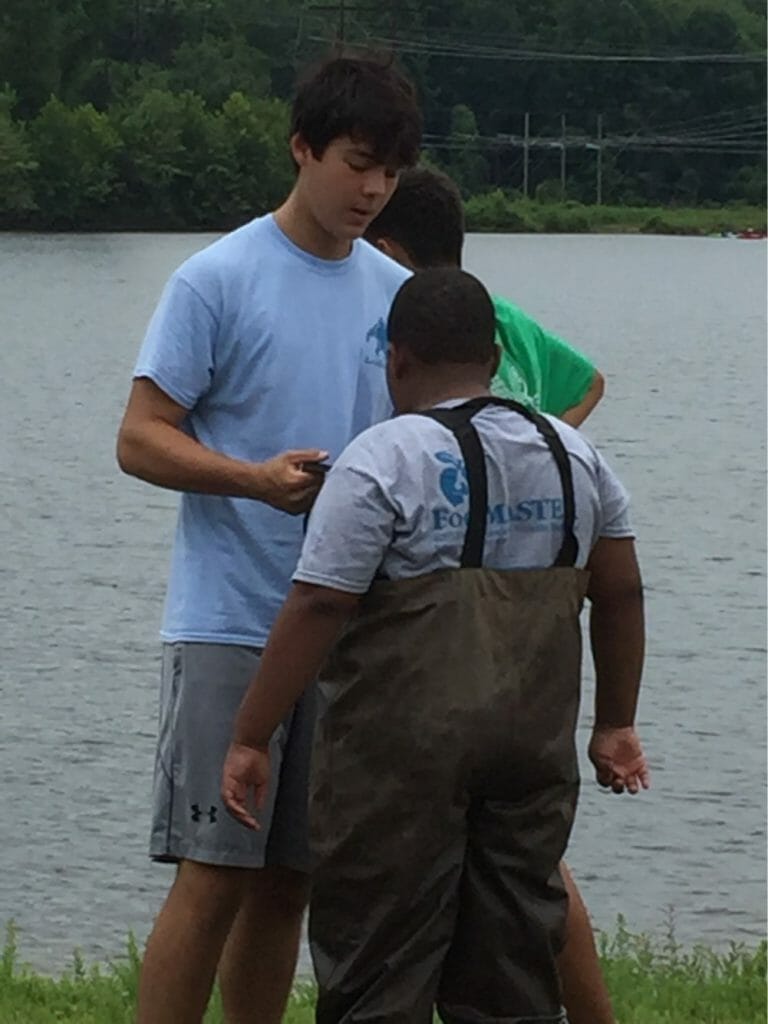
Seventeen-year-old Liam Dao is a volunteer with Love A Sea Turtle, a nonprofit dedicated to marine and ocean conservation awareness. The organization engages students in environmental stewardship through year-round service projects and conservation activities, and it provides nature-based summer programs for underserved youth.
Liam serves as a senior volunteer counselor in Love A Sea Turtle’s summer camps. He also leads the Paint the Drain project to educate people about the perils of dumping debris into storm drains, which leads to the contamination of local rivers. Liam is today’s Daily Point of Light, and he spoke with Points of Light about what inspired him to become a changemaker for the environment.
What inspired you to volunteer with Love A Sea Turtle?
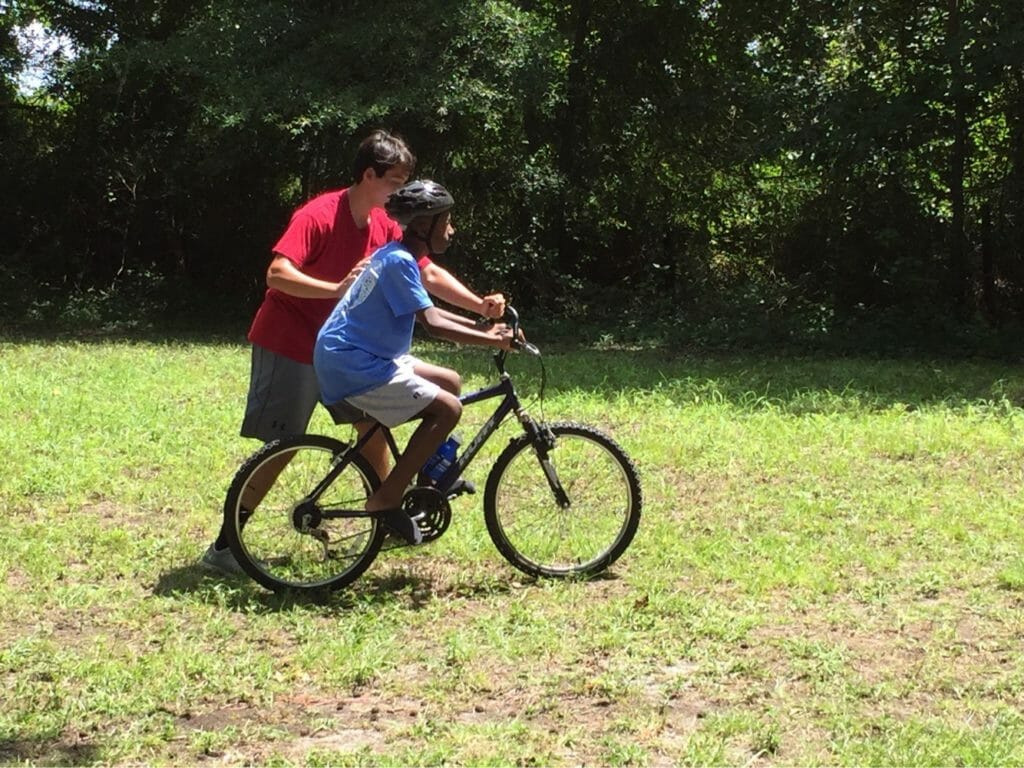
I originally heard about Love A Sea Turtle through my mom’s friend who had kids volunteering in their summer camps. The summer camps interested me because it was about helping underprivileged kids and giving them the opportunity to bike, kayak, and learn about nutrition and water quality, which might not have been available to them if not for this camp. My passion for working with kids developed from coaching a little league team. As the year progressed, I became more involved with the Love A Sea Turtle by becoming a senior counselor, participating in their leadership program and leading a project based on water quality — Paint the Drain.
Why do you think it’s important that more people donate their time and talents to helping the environment?
The basic needs of all life are food, shelter and water. All three of these are strongly affected by the environment around them. Without a healthy environment, water can become contaminated by pollution which can then contaminate food sources such as animals and plants. A polluted environment can also damage important supplies used in building shelters, like trees. Since all the basic needs of life are so strongly influenced by the environment, I think it is important for people to help maintain a clean environment.
How does stenciling storm drains educate people about the environment?
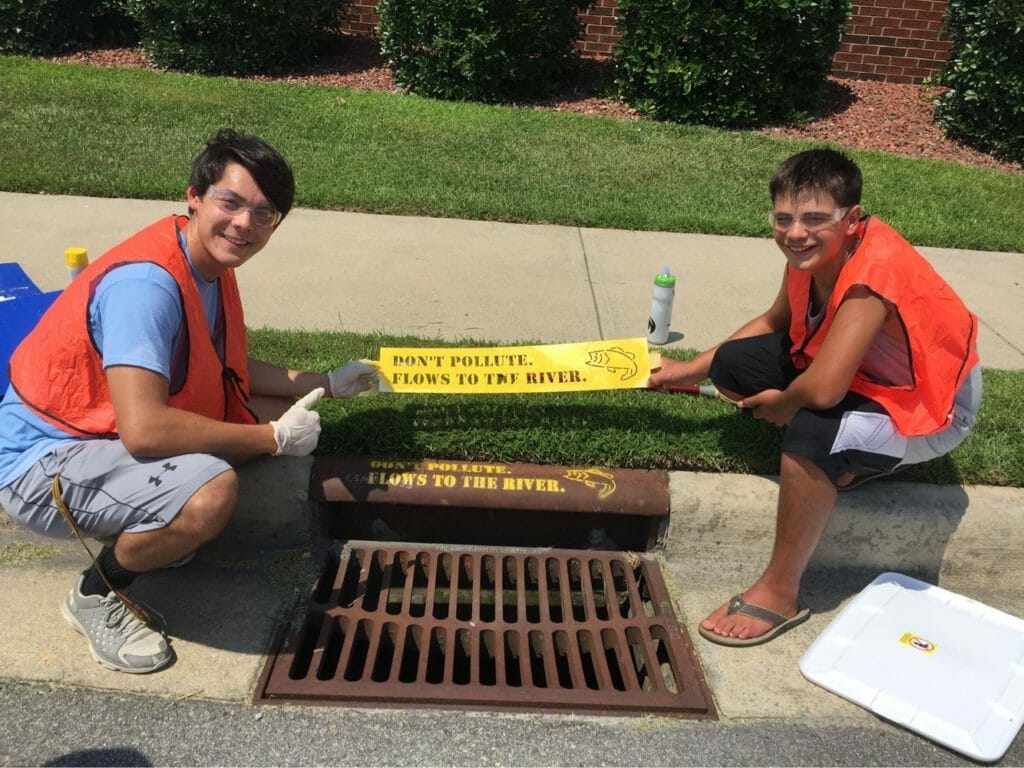
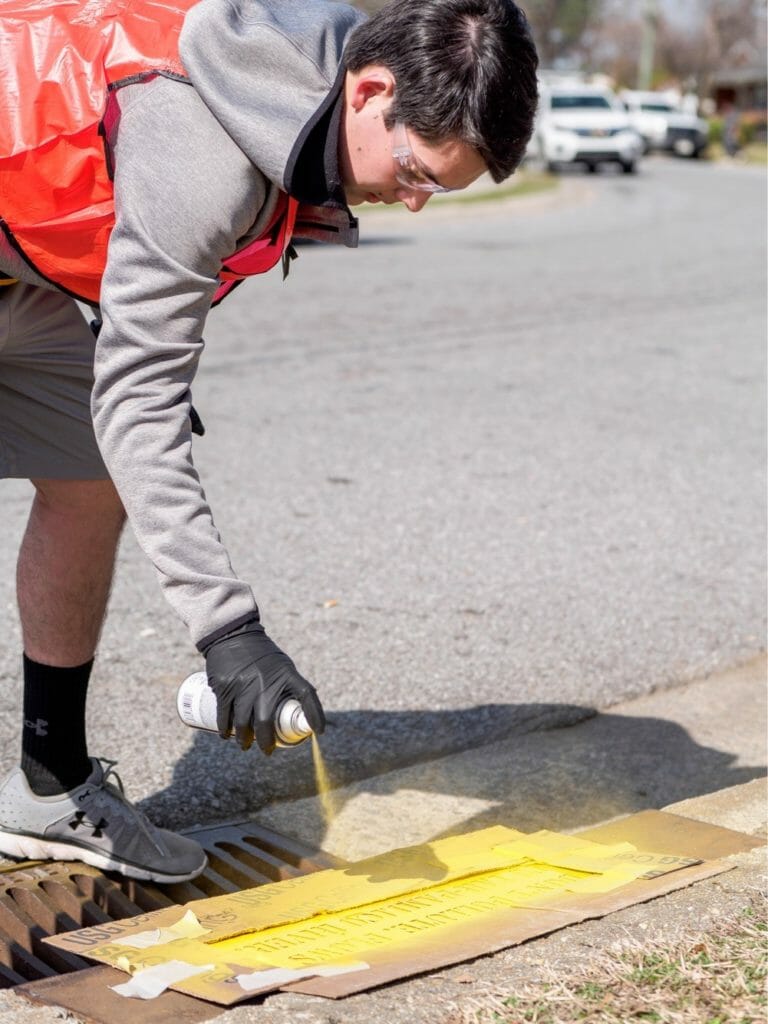
Contrary to popular belief, water from storm drains does not run through a treatment plant which means that whatever goes down the drains (bags, wrappers, trash, pollutants, etc.), goes straight into your local rivers. Paint The Drain spreads awareness about the lack of a treatment facility by stenciling storm drains with the label, “Do not pollute. Flows directly to the river.” By doing this, we inform people to pick up and prevent debris from entering storm drains. An instructional video on Youtube and a PSA that plays on local channels have also been created to help educate people on storm drains.
Describe your current volunteer role at Love A Sea Turtle.
Through Love A Sea Turtle, I volunteer as a senior counselor during summer camp, serve on the Student Advisory Board, and lead the Paint The Drain project. During the summer camp, I fill in on any job that is needed of me which so far has consisted of being a kayak leader, bike leader and team head counselor.
As the coordinator for Paint The Drain, I lead a team of younger students to carry out any tasks related to the project. We created an instructional video on Youtube and a PSA informing the public about Paint the Drain to go with the posters, stickers and t-shirt designs that we created to market upcoming events. We also planned storm drain stencil events, including three that are coming up on October 28th, November 18th and January 15th.
What’s been the most rewarding part of your volunteer work?
The most rewarding part of my work is seeing how happy the campers are. I have really enjoyed working with the kids, teaching them new things and really establishing a connection with them that they might have never previously experienced. When the campers tell me that experiencing camp was the best day they have ever had and then they hug me, it makes me see how influential I can be in other people’s lives. It makes me happy to know that I can make a difference for them.
What do you want people to learn from your story?
I want people to look at me and realize that just plain and ordinary people can make a positive change. The smallest of good deeds is still a change in the right direction. Anyone can make a difference.
Do you want to be a chagemaker in your community like Liam? Visit All For Good to find local volunteer opportunities.