Florida Teen Works to Eradicate Hunger in His Community
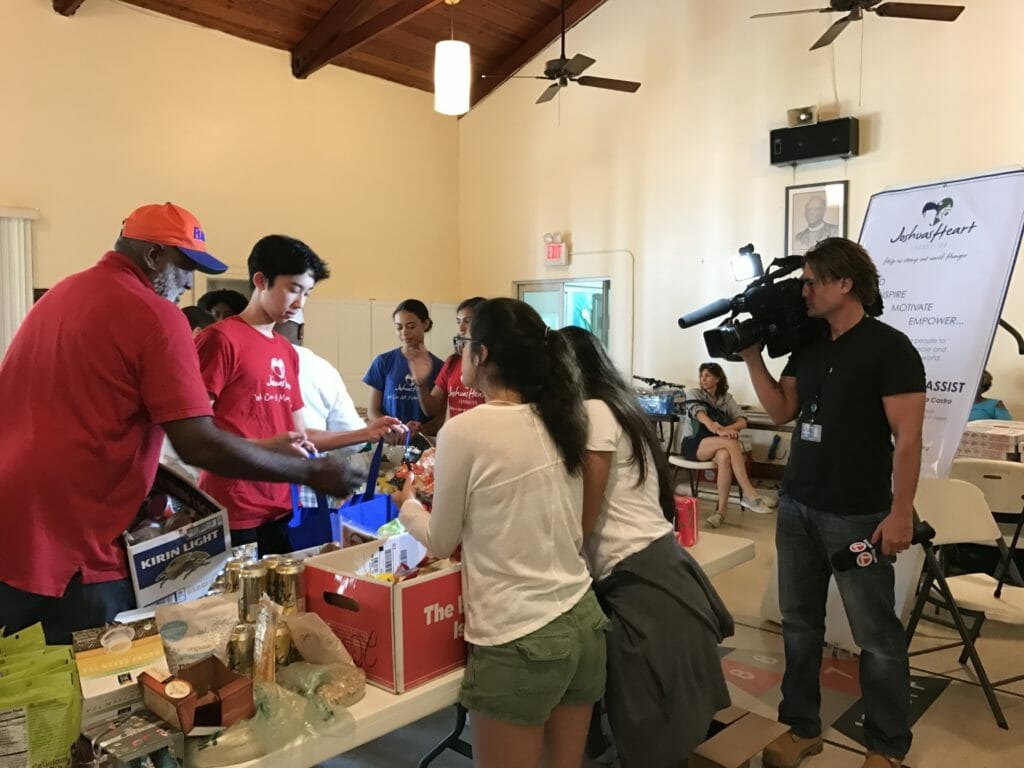
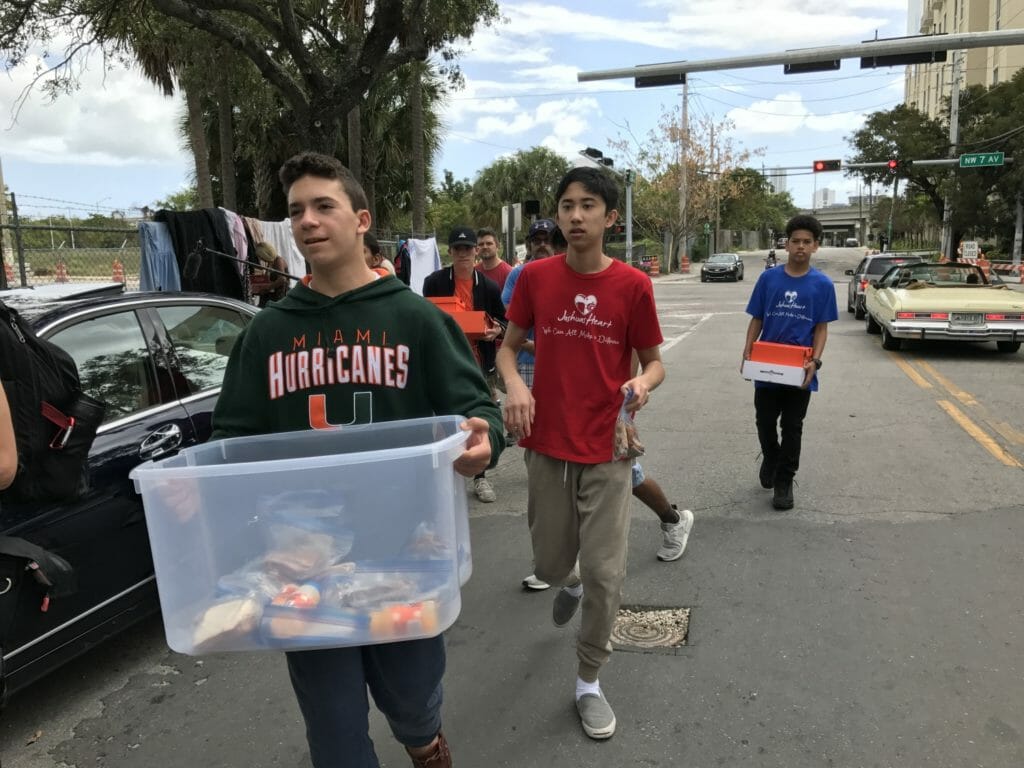
Jordan Wong is a Florida teen who’s obsessed with food – that is, making sure less fortunate members of his community have enough of it. You might say he fell in with a good crowd at an early age – eager to emulate a classmate who had started a youth-run charity, Joshua’s Heart Foundation, to fight hunger. Soon, Wong began taking on leadership roles with the organization. Now 17 and about to begin his senior year at Ransom Everglades High School, Wong helps the Miami-based charity run its food-distribution programs more efficiently, gain better visibility via social media, get better at fundraising and expand its outreach.
The food distribution agency, launched in 2005, was inspired by Joshua Williams, then just 5 years old. Joshua was awarded a Daily Point of Light Award for his service work in 2009. The bulk of volunteers for Joshua’s Heart Foundation are children and teens.
Jordan is today’s Daily Point of Light Award honoree, and Points of Light spoke with the teen about how he got started and why he leaped into leadership roles despite his youth.
How did you become inspired to volunteer with Joshua’s Heart Foundation?
It started back in eighth grade when me and Josh started becoming friends. We were in the same social studies class. I asked if I could join and it basically snowballed from there. I always wanted to make a difference somehow in my community, but I didn’t have any outlet to do it. But Josh’s organization is all about the power of kids, and the difference kids can make.
What is your role with Joshua’s Heart Foundation?
For the past two years, I’ve been the chair of Joshua’s Heart. I run the advisory board meetings with all the kids who help run distributions. I help plan the distributions and fundraisers. I usually make agendas for the meetings and I run through them with Josh. (We cover) goals we want to meet, upcoming distributions and how we’re preparing for them, such as the locations and how we’re getting the food everywhere.
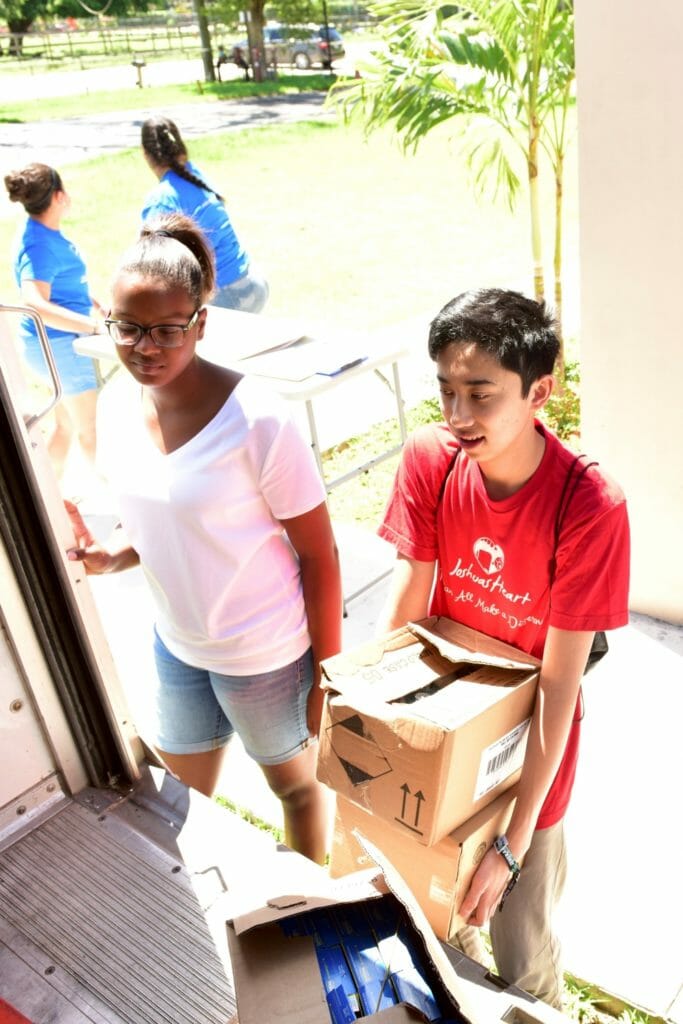
At the distributions, I help lead along with Josh. I help bring in the food. If there are new volunteers, I help train them in what they need to do and what the rules are, etc.
Why have you chosen to take on leadership roles?
It goes back to how it felt for me to help people. At every distribution I went to, it felt so good to give the food, like for families who couldn’t support themselves and needed help, the look on their faces and everything. I just started climbing the ranks because I thought I could make some improvements that would help more people and make more people happy.
What have you learned through your volunteer work?
I learned you can’t just help people without planning things. What I realized is that for all this distribution to work, there has to be a lot of planning involved, along with organization. Another thing: running a charity is a lot like running a business. For example, we were planning on buying a new van to carry food, so we had to plan how much money we would spend on food for distributions and how much money we were going to set aside for the van. There’s also fund-raising to get more money – just making everything work. I’ve learned a lot of skills to help me with that.
Did you get the van?
We’re on our way. We’re almost there with fund-raising. Something wrong happened this year. We were getting a grant from an organization, but there was a mix-up and we weren’t able to get the money, so we’re going to try again next year. We’re getting there.
So, you’re learning about setbacks sometimes, too?
Yeah, but you have to take it in stride, honestly.
Do you have future projects you’re excited about?
One of the biggest things I’ve done for the organization is my own project. It’s called Aid for Antipolo. Antipolo a city in the Philippines. I am Filipino because my mom is from the Philippines. When I visited there a long time ago, I saw all the poverty where my family is from. I saw people – and kids – who needed help. I finally found a way to help them. I started raising money by asking friends and family (and writing thank-you notes) for a shelter there that’s run by my mom’s friend. I ended up raising enough to cover four months of feeding the kids. Now, I’m planning to actually have fund-raising events, like a 5K run or something along those lines, that would not only raise money but spread awareness of the plight of some of the kids and people in the Philippines. I’d like to have at least one event next year.
In just one sentence, how does helping people make you feel?
Helping people is sort of like attempting to level the playing field so other people can have the same opportunities as we kids have – leveling the playing field gives other people the opportunity to succeed.
What can other people learn from your story?
I hope other people can learn that it doesn’t matter how old you are or what your position is – that anybody can help anybody. It doesn’t matter your situation, you can always help someone out, even if it’s in a small way. It might take a little bit more effort for us kids to make a difference, but we still can make a huge difference – even countrywide or even worldwide.
Do you want to make a difference in your community like Jordan? Visit All For Good to find local volunteer opportunities.
Longtime Volunteer Comforts South Carolina Hospital’s Littlest Patients
Meet Daily Point of Light Award honoree Mary Jane Bedenbaugh. Six years ago, Mary Jane was reading her local newspaper when an ad for volunteers caught her eye. Ronald McDonald House Charities needed help from the community to staff its 100% volunteer-run Family Room at Palmetto Health Richland Hospital. The Columbia, South Carolina, resident signed up immediately. Since that time, she’s served in a variety of roles at the hospital, including working with its tiniest patients and joining the Volunteer Auxiliary Board. Read her story, as told by Mary Jane, and nominate and outstanding volunteer, family or organization as a Daily Point of Light.
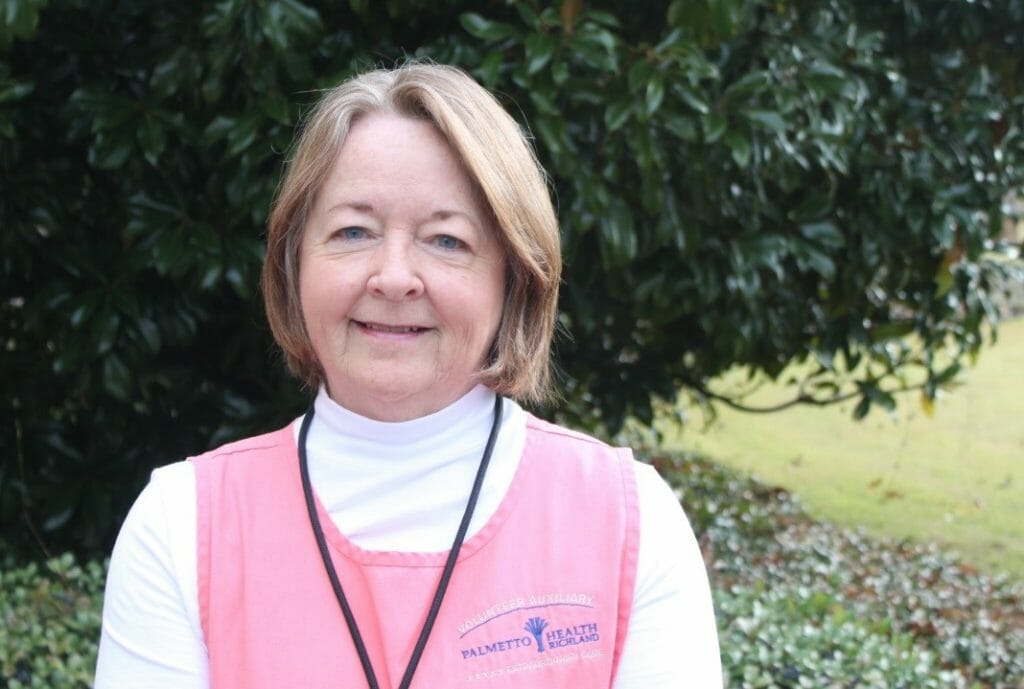
My volunteer journey at Palmetto Health Richland Hospital (PHRH) began in the Ronald McDonald House Charities Family Room, where I offered coffee, cakes, snacks and conversation to families of patients in the Children’s Hospital. Family Rooms are an oasis for families with sick children to rest and regroup away from the hustle and bustle of the Children’s Hospital. I enjoyed volunteering in the Family Room and it will always be a part of my heart, but I decided to move on after five years to a role that would allow me more one-on-one time with patients.
Luckily, my supervisor found the perfect spot for me on the third floor of the Children’s Hospital working with toddlers up to three years old. I have volunteered there on Wednesday mornings for one year, and I also volunteer in our Special Care Nursery on Monday mornings for the last six years. Honestly, I smile all the way up to the fourth floor, thinking of spending time with the PHRH’s littlest patients. I hope to be able to serve them for a long time to come.
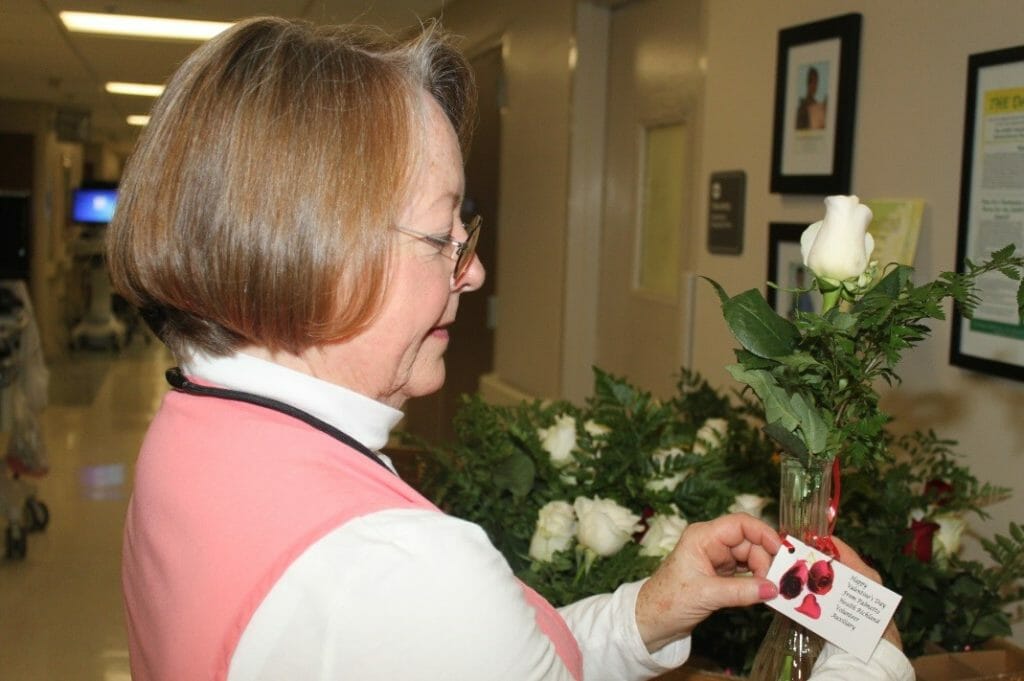
After lunch on Mondays, I deliver cards, flowers and meal tickets to patients in our Heart Hospital, Main Hospital, and Children’s Hospital. During those visits to different departments, I meet so many awesome people that truly inspire me. I also volunteer with registration one night every quarter for our Good Grieving program, which helps children and adults with their grief after losing a loved one.
This year, I was honored to become a member of our Volunteer Auxiliary Board. The board works with PHRH’s volunteers to raise money throughout the year so that we can give back to the hospital to help improve services.
There are special moments for me every time I volunteer. They can be with friends that I have met, maybe someone in the elevator, walking down the hallway, waiting in the cafeteria line, holding babies, folding the baby blankets, spending time with little ones by just pulling them in a wagon or cleaning the playroom. Every day is humbling to me. PHRH is an amazing, caring, and friendly place where I feel welcomed, encouraged, happy and excited. My life is really wonderful!
Do you want to make a difference in your community like Mary Jane? Visit All For Good to discover local volunteer opportunities.
Military Veteran Helps Animal Shelter Pets Find Forever Homes
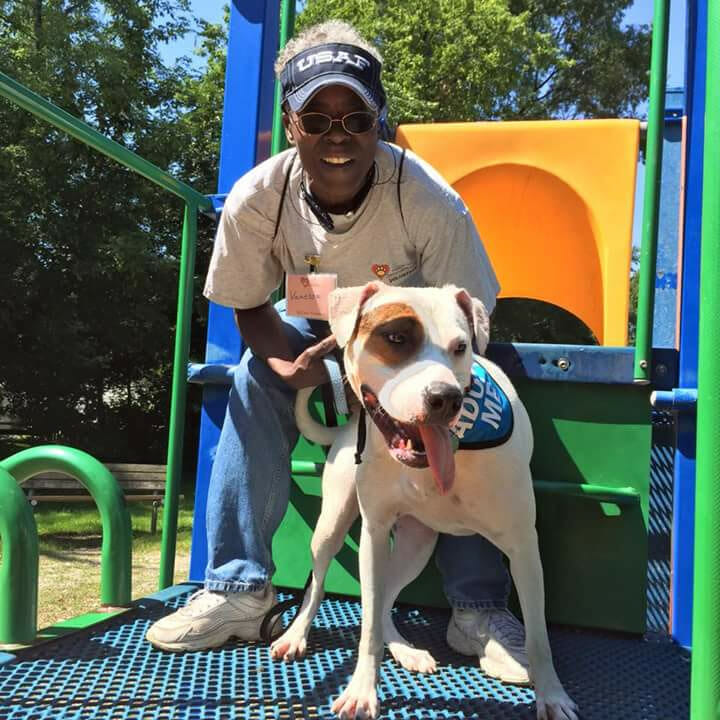
Detroit native and Air Force retiree Vanessa Williams has traded in her military dog tags for a new life helping dogs – and cats – get tagged with new owners.
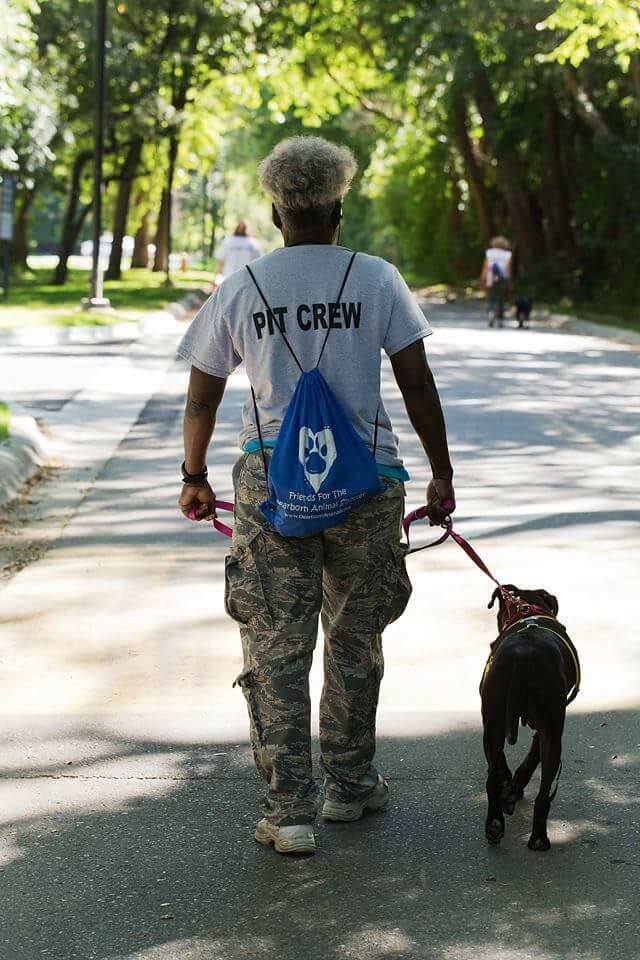
Williams has become one of the most active volunteers with Friends for Animals of Metro Detroit, based in Dearborn, Mich. She’s a trained and trusted member of the animal shelter’s Pit Crew, which prepares special breeds of dogs, including pit bulls, to become suitable for adoption. Twice a year, she participates in adoption events, where a large number of pets are shown and often matched with prospective owners. Williams uses her own vehicle to transport cats to collaborating pet stores, where she visits them weekly until they are adopted – cleaning their areas and playing with them.
Williams tells Points of Light why helping animals is a win-win for herself, the pets, and their future owners.
What exactly do you do at the animal shelter?
What don’t I do? I’m on the Pit Crew. I take dogs out twice a month to the park. I organized a pet partnership at the PetCo in Detroit. I go there on a weekly basis to clean, show pets and play with them. I help with outside events in the community where they require a Pet Crew member. My list is so long.
What is the Pit Crew?
We’re specially trained to handle special types of dogs. A lot of them are pit bulls. We’re authorized to take them out one-on-one, to play with them and get them socialized. Especially those who were abandoned — they’re kind of scared. We give them one-on-one attention so they can be adopted.
Is that successful? Are you able to get them to the point where they are adopted?
Yes. It’s a lot of work, though. It takes time and patience. They’ve got to trust you, and that takes work. Twice a month, there’s a park at a nearby college and on Sundays, when the students aren’t using the trail, we take the dogs out and just walk them, let them smell the grass and see things outside the shelter. We still need to handle them safely – we can’t let them get too close to each other. But that way, we can show them how to properly walk on leashes, how to take treats, how to drink water, you know, without being aggressive. We give them exercise and trust me, when they come back, they’re tired.
We do this regardless of weather conditions, including winter time and when it’s raining (laughs). We just have to dress accordingly. It’s fun. We enjoy working with them and a lot of them get adopted. We do off-site adoption events and Pit Crew members are the only ones authorized to take them out of their crates to show them to people. People can see how we tell them to sit and how they take commands.
What do you do with cats?
We have various off-site stores that partner with us. I go and get the cats. I set their rooms up (at the pet stores). I clean and sanitize and deodorize. I make them comfortable. Once a week, I go back and clean the rooms again, litter box and everything. I take each of them out and we go into a little room and I give them a little playtime so they can stretch their legs.
What inspired you to start volunteering?
I had a girlfriend who did it and she urged me. I have two dogs (of my own) so I thought I’d try it. I have an SUV, so I can transport a lot of animals. I started looking on their website and if I saw they needed a volunteer for this or that, I thought “I could do that.”
How do you use your individual strengths and skills to help this organization?
With my military training and all, I’m able to show them how to organize things. I’m a multi-tasker. For example, I suggested to them to expand their area for doing off-site adoptions. I suggested they expand into Detroit, not just Dearborn. The more you expand, the more you can get exposure. Ever since they did that, after a year or two, we adopted 70 cats out of that PetCo alone. It’s word of mouth.
Another strength I have, I can talk to people in a heartbeat. I’m good at sizing up people and matching them with pets. Because you just don’t want to give pets out to just anybody. You’ve got to be selective.
What is the most rewarding aspect of your volunteer work?
Getting animals out of the shelter and getting them adopted. I think of them as kids. One vital thing I help do is weigh the dogs once or twice a month. That way, (the staff) can judge if they need to give them more food or if there is a health concern that we need to notify the vet about. It takes several hours. Some of them are big dogs – we have to bribe them to get them on the scale.
What have you learned from doing this work?
To care for all animals. I used to have the misconception that pit bulls were bad. I learned that pit bulls aren’t bad at all. It’s reversed my perception of pit bulls. Now, I’m a staunch believer that we’re all misjudging them. They’re as sweet as they can be.
Do you want to make a difference in your community like Vanessa? Visit All For Good to find local volunteer opportunities.
Museum Volunteer Helps Preserve the History of American Art and Design
Franca Carr is a guide and volunteer at the Shelburne Museum, a facility dedicated to art, design and Americana located just south of Burlington, Vermont. Franca has touched the lives of many museum visitors traveling to this small country town from near and far as an educator and inspiration. Franca, a self-described “Iron Lady” who survived World War II is making a difference in her community by sharing her love for learning, and is today’s Daily Point of Light award honoree. Points of Light spoke to her to learn more about her work at Shelburne Museum.
What does volunteering mean to you?
You forget it’s a job, and that’s when you become the volunteer. I’ve been a volunteer for many, many years. Where I was raised, there was a necessity to stop doing your monetary job, and step up and do what you really felt in your heart. Volunteering for me is the heart of giving unconditionally. You give yourself, even taking risks sometimes, because you don’t pause and think about it first. Volunteering is doing, expecting nothing in return.
What’s the most rewarding part of your work?
I’ve been a volunteer at many different places – the hospital, the museum, I’ve worked with returning vets. Volunteering at the Shelburne Museum has been most rewarding ] opportunity for me. Working with the children at the museum, you have to be patient [because] they rely on you to explain things. Some of the children are underprivileged. All of these children are our future, and it’s my hope that the children take the opportunity to give themselves one day.
In five words or less, describe how giving back to others makes you feel.
Fulfilled. Absolutely fulfilled.
I work and love my job, but sometimes it’s not as fulfilling as giving a helping hand. Step out of your box and give back to others.
Why do you think it is important for others to volunteer?
There was one impaired man who visited the museum once. I spent time with him, showing him the Ticonderoga, the carousel – he didn’t want me to leave him. It broke my heart, to see this man who so needed love. Everybody has a way of giving. We all live to give [of] ourselves without expectation.
How can people help in their own communities?
There are so many ways to get involved. Everyone has something to contribute. You can go into schools, churches, hospitals, you can read to people in your community. I started at a hospital many years ago. People just have to believe that they have something to give.
What do you want people to learn from your story?
If you read one particular story about anybody, if you’re reading about me right now, you should pitch in. I think that you open the eyes of people when you are volunteering. The inspiration to volunteer comes from your heart.
Do you want to make a difference in your community like Franca? Visit All For Good to find local volunteer opportunties.
Ohio Women Turns Loose Change into Big Scholarship Opportunity for College Students
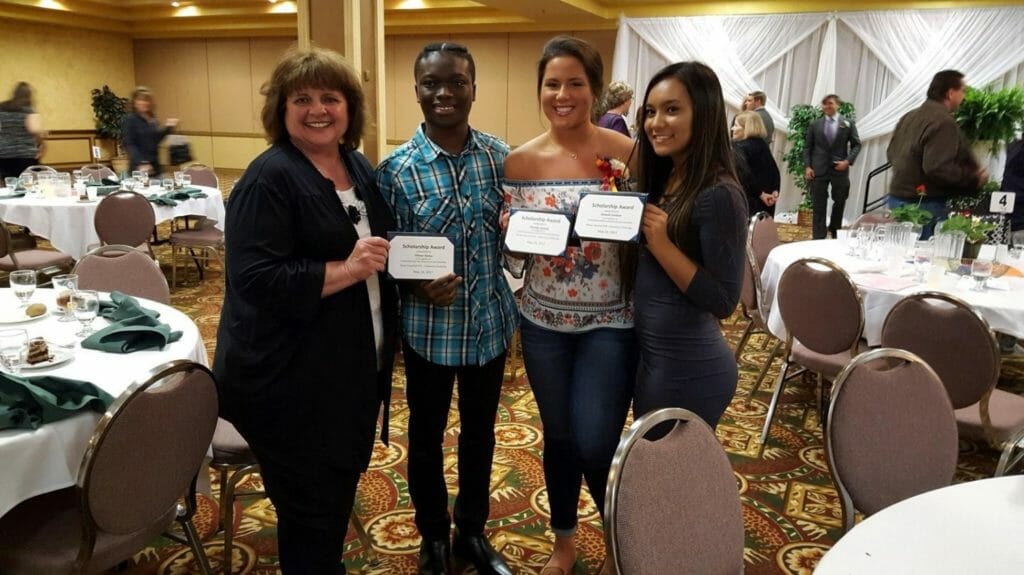
Cyndee Bratz, an avid volunteer, advocate and promoter of public education, started a Community Scholarship fund for the Parma City School District 15 years ago. Her idea was to empower small businesses and community members to give in ways they could afford that would still make a difference. Dubbed Loose Change for Scholarships, the campaign solicited just that in labeled repurposed plastic containers placed around town. That first year, the program funded three $500 scholarships, one for each local high school. To date, Cyndee’s “loose change” has added up to make a big difference in young lives, raising $40,000 paid in $1,000 scholarships to forty deserving students.
What inspires you to volunteer?
I’m not certain from where it stems, but, I have been volunteering since I was in high school. There’s always plenty to be done, especially for those less fortunate or with special needs. I have always felt that if I am able, I am happy to help out. While it is not at all my motivation, I have benefited more than I have given by being involved in my community.
Describe your volunteer role as it relates to community scholarships.
I have been involved with scholarships with Parma Council of PTAs for more than 25 years – promoting, working with sponsors/counselors/organizations/scholarship committees, developing criteria for and evaluating applications, ranking scholarship applicants, planning events and presenting awards. The program is very extensive and it is now in its seventh decade. The many scholarship offerings are from specific sponsors (PTAs, school groups, alumni, organizations, etc.), and when I became president of PCPTAs in 2002, I developed the Community Scholarship.
What’s different about Community Scholarship?
The idea behind it was to involve the community, including businesses, to a greater degree. Hundreds of smaller donations are collected throughout the school year from individuals, organizations and businesses who may not be able to sponsor an entire scholarship on their own, but can be supportive through the Community Scholarship. This creates the fund from which scholarships are awarded. The subtheme each year is “Loose Change for Scholarships,” with many small donations adding up to big scholarship dollars. Of course we also welcome and recognize larger donations and dedicated donations made in honor of, thanks to, appreciation of and memory of others. The contributors don’t know who the recipients will be, but they believe in our students and the value of continuing education. Although my term as president of PCPTAs concluded in 2004, I continue to serve as Community Scholarship Chairperson.
Why is it important to you to support students in this way?
I have been passionate about education for as long as I can remember and a child advocate my entire adult life. By providing these scholarships, kids are receiving recognition for their accomplishments as well as financial assistance and encouragement to continue their education. As economic challenges have increased for many families in our school district, the financial support is even more critical for many students.
What’s been the most rewarding part of your work?
Knowing that I have been part of something positive that has met a need or may not have happened without my involvement is certainly rewarding. I am also nourished by the joy, gratitude and pride of the recipients and their families, knowing that the path to their future has been eased a bit by their scholarship award.
What do you want people to learn from your story?
We all have the capacity to have a positive impact on others and our community. I think perhaps some view volunteering as something for certain people with specific skills. One doesn’t need a big idea, great talent or loads of time to make a difference. There are endless ways to be involved. Help an elderly neighbor with a chore. Pick up litter in your neighborhood. Invite others to join in, especially children – help them grow the volunteer spirit. eek out opportunities to be involved with non-profits in your area, something in which you have an interest (feeding hungry? rescuing animals? tutoring/mentoring kids? cleaning the environment? comforting the ill? clothing the needy? etc.) The possibilities are limitless!
There is so much to be gained in personal fulfillment by being part of something bigger than oneself.
Do you want to make a diffference in your community like Cyndee? Visit All for Good to find local volunteer opportunities.
Retired California Teacher Connects Cancer Patients with Marrow Donors, One Drive at a Time
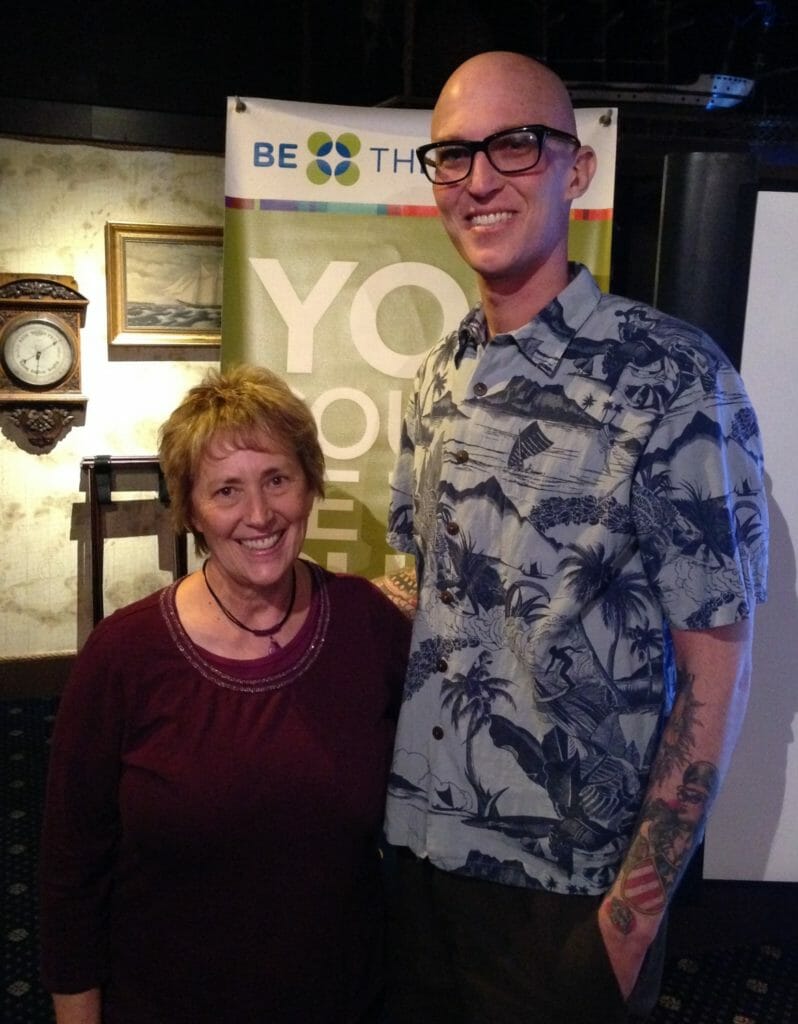
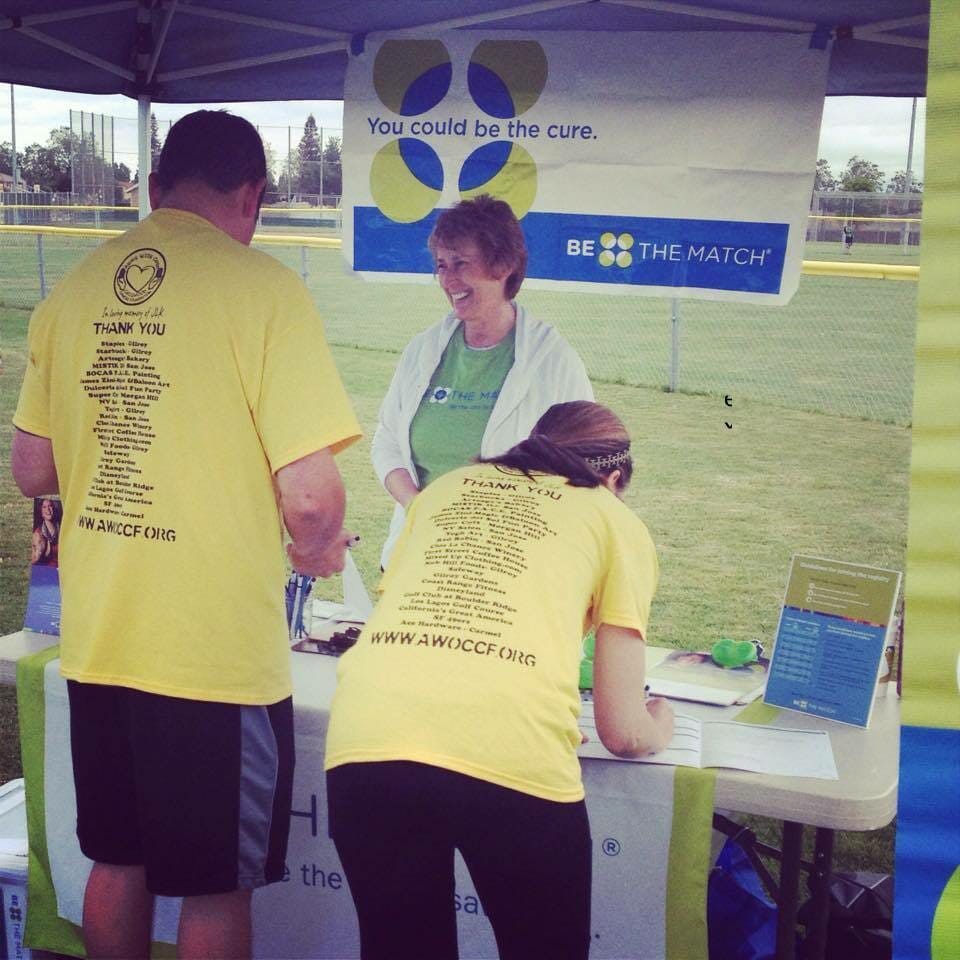
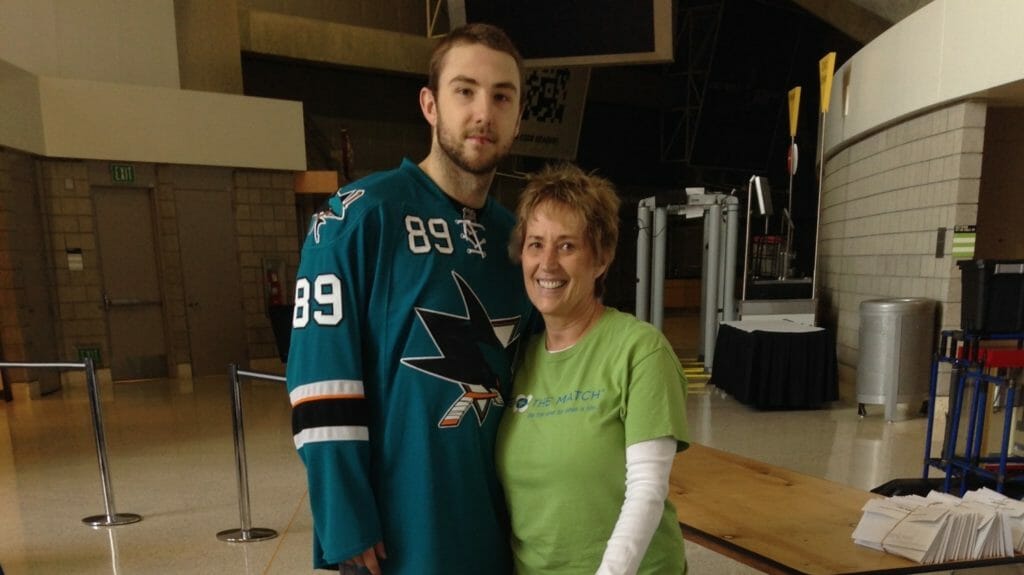
Marcia Diefendorff is a volunteer ambassador for Be the Match, a nonprofit organization operated by the National Marrow Donor Program (NMDP) that finds, registers and connects donors with patients for a life-saving marrow or stem cell transplant. For five years, Marcia has volunteered at local drives and even hosted her own where she educates people about the NMPD and helps people register. Marcia has been described as one of the most generous, thoughtful and committed volunteers by her peers, and is today’s Daily Point of Light Award honoree. Points of Light spoke with her to learn more about her work with Be the Match.
I heard that your volunteer work with Be the Match started when a close family friend of yours was diagnosed with leukemia and needed a bone marrow transplant. Can you tell me a little more about that?
When Jason was first diagnosed, I, of course, wanted to register to see if I could be match. I discovered that Be The Match registers people between 18 and 44 years of age because the success rate is greater there. I said because I’m older than that (we call it being “over-qualified”), I’ll do something else. So shortly before he found his match, after he went through chemo and that didn’t work, I did my first drive. Now, I became what they call a volunteer ambassador, which means I’m able to do my own drives. It’s easy work. I loving going out and meeting people, being educated.
What motivates you to help others and volunteer?
First of all, it’s interesting to go meet people, unique people from all walks of life. Kings and paupers, I always say. We’ve been to sport complexes and businesses, we’ve been to Apple and Google, so you meet people from all walks of life and it’s really nice to educate people. Even if they’re over the age of people we register, we have a chance to educate them and maybe they have family members that might be interested. That happens often.
Describe your role with Be the Match.
I either go to a drive that has a Be the Match volunteer and I just assist or I bring all the materials and do a drive by myself. The materials include educational materials and pamphlets. They also include registration materials where they fill out a registration form, and once that’s filled out, they have a swab kit. They swab with four Q-tips and that collects their DNA. They swab four quadrants inside their cheek and send that off to be tested. Then they’re placed on the registry to see if they can be a match for somebody someday.
What’s the most rewarding part of your work?
The most rewarding is meeting all kinds of people. It’s fun to talk to them and educate them. The other thing is that in the back of my mind, I’m thinking, someday, one of these people that register may save someone’s life and that, of course, is very rewarding.
Why do you think it’s important for people to volunteer, for whatever cause it may be?
It is just so rewarding. I was an educator. My teaching career stands 40 years. So in retirement, you look at everything, and say, “Well, what would I like to do to stay busy in retirement?” I think it’s so important to stay active, keep your mind active. I think it’s important to be out and socialize with people. I think some good comes out of that. I think Dr. Phil said when you give good, you get good. It’s just a great feeling.
Can you describe in 5 words or less how volunteering makes you feel?
I’m a game-changer.
Why?
Just because of the education part of it. Most people don’t know and telling people about the organization and what they do is, I think, game changing.
It seems as if a lot of people are scared to donate bone marrow because they heard it’s painful, but do you think the pros outweigh the cons?
Definitely. I tell this to people all the time. I have met recipients of donations and donors who have donated and the joy in those people is unbelievable. You stop to think “Okay, I have life because someone decided to do this for me.” Then the donor says, “Oh my gosh. It took absolutely nothing out of my lifetime to give someone else life by doing this.” So it just brings such joy on both sides.
What do you want people to learn from your story?
I want them to learn about Be the Match and go to the website. If they go to a drive, I’d like them to join.
How can people find if there’s a drive near them?
Most drives are done through organizations. But they don’t have to go to a drive. They can register online on the website and have a swab kit sent directly to their home.
How long do you plan to keep volunteering with Be the Match?
As long as they’ll have me!
Do you want to make a difference in your community like Marcia? Join the marrow registry by visiting Be the Match or visit All for Good to discover local volunteer opportunities.
College Student Advocates for Victims of Sexual Violence
As a psychology major at Lander University, Ari West spent the last three years of her college career serving victims of sexual violence and child abuse as a volunteer advocate for Beyond Abuse. The organization teaches people how to identify and combat abuse and provides critical services like 24/7 crisis response, accompanies victims to trials and law enforcement visits, and provides short- and long-term counseling services. After graduating this spring, Ari plans to use her volunteer experience to inform her future career in clinical mental health counseling.
Ari is today’s Daily Point of Light honoree, and Points of Light spoke to her about her drive to make a difference in the lives of some of the most vulnerable members of her community.
Describe your volunteer role at Beyond Abuse.
As a volunteer advocate for Beyond Abuse, I went through a two-week training period where I learned how to provide support and services to victims of sexual assault. It is my job to raise awareness, promote advocacy and action for victims of sexual violence, and each year I go through continuing education where I take classes on special topics. It was my responsibility to answer the crisis phone during lunch time in order to give the employees a break, and I also put together fundraisers for Beyond Abuse and worked with them on their own fundraisers.
What drew you to volunteer at this organization?
What drew me to Beyond Abuse was that it reaches out to underserved populations. In my opinion, underserved populations need and deserve the most help. It was truly inspiring to work with an agency that is so devoted to helping people.
Do you feel that volunteering helped you grow and mature in both personal and professional ways?
Volunteering at Beyond Abuse definitely helped me grow and mature professionally, mainly due to the incredible mentors I had. They always made sure I understood what I was taught about sexual violence, and they were extremely supportive of my goals and ambitions. However, the most important thing I learned was how pervasive sexual violence was in my community, and I would not have felt right if I wasn’t part of the solution helping to end this type of violence and stand up for its victims.
Why do you feel that it’s critical for communities to have organizations like Beyond Abuse that speak of for victims of sexual violence and child abuse?
Sexual violence is so prevalent in my community, and I feel like it is vitally important for agencies like Beyond Abuse to exist so Greenwood can strive for justice for victims of sexual assault. Beyond Abuse also has a [special] way of bringing the whole community together, which is so amazing.
Why do you think it is important for others to volunteer?
It’s important for people to volunteer because no matter what it is that you are doing, you can make an incredible difference.
In five words or less, describe how giving back to others makes you feel.
Amazing and rewarded. Making a difference in the world, and within your own community, is the best feeling you will ever have – and that is a promise.
Do you want to make a difference in your community like Ari? Visit All For Good to discover local volunteer opportunities.
*This interview has been edited for length and clarity.
Women’s Health Advocate Designs Reusable Menstrual Pads to Help Keep Girls in School
Meet Daily Point of Light Award honoree Ellie von Wellshiem. Read her story and nominate an outstanding volunteer, family or organization as a Point of Light.
 Courtesy: Ellie von Wellsheim
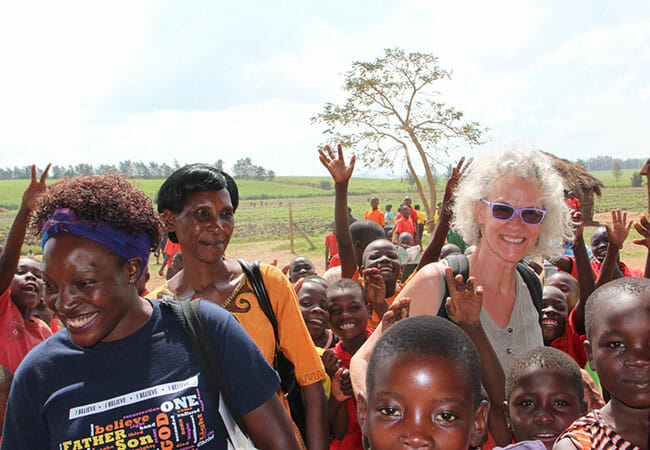
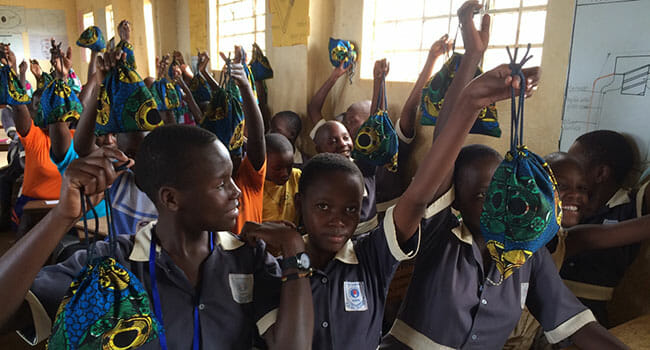
Students at the St. Kizito School, located near Wakiso, Uganda, receiving MoonCatcher kits.
Courtesy: Ellie von Wellsheim
Students at the St. Kizito School, located near Wakiso, Uganda, receiving MoonCatcher kits.
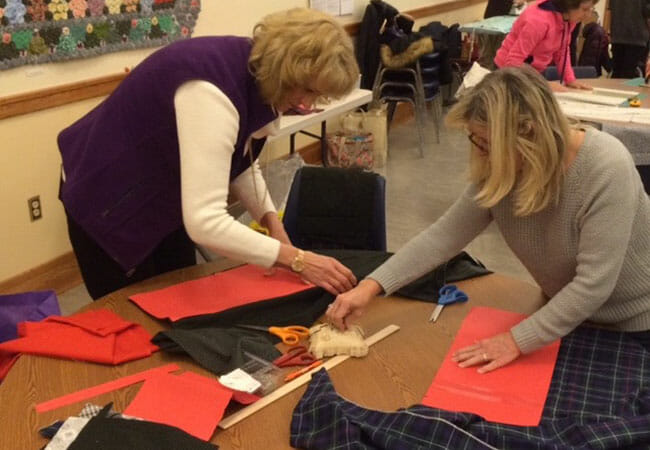
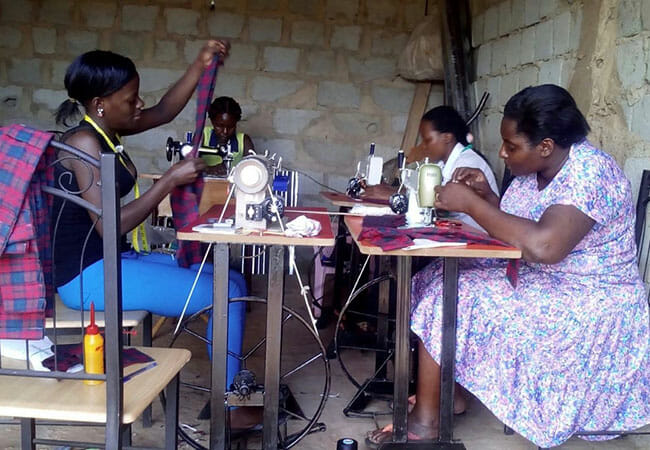
At least once a month, Ellie von Wellsheim presides over sewing bees where she guides the hands of volunteers as they sew pieces of brightly colored fabric into reusable menstrual pads. The pads are destined for girls in Uganda, Malawi, and a host of other developing countries that lack the money and access to purchase feminine hygiene products.
“To put it simply, we try to keep girls in school,” said Ellie, who is the founder of The MoonCatcher Project. “When it first came to my attention that there were girls dropping out of school because they had no way of dealing with menstruation, I was shocked.”
“Life is really hard if you can’t take care of this most basic thing that happens to women,” Ellie said. “And, we really want these girls to end up being in control – and be confident and be comfortable.”
Ellie started The MoonCatcher Project after hearing a friend, Denise Stasik, speak about a humanitarian trip to Zimbabwe. While there she met women using bark, banana leaves, old clothes and newspapers to manage their periods. Some even dug a hole in the ground and sat on it for a week because disposable sanitary products were inaccessible and cost prohibitive.
In response, Denise put together a prototype for a reusable pad that she shared with Ellie, who quickly picked apart the design. As the daughter of a dress manufacturer, Ellie learned how to sew garments from an early age and once worked as a patternmaker. She knew she could devise something better with a little help from her then college-aged daughter.
“I’d make the pattern and she’d wear it, and she’d come in and say, ‘No, no. It’s leaking here, it’s bunching here.’” Ellie said with a chuckle. “I’m fond of saying … we brought mother-daughter bonding to a whole new level!”
Once she perfected the MoonCatcher pad, the Schenectady, New York, resident recruited friends and associates to help out at monthly sewing bees. Sewing bees and knitting circles were popular in early American history as a way for women to socialize while joining forces to complete a common task – like making a quilt or completing other needle art projects. These monthly gatherings eventually became known as “moon bees.”
“It’s very hard to say no to Ellie because she’s so fabulous,” said Ginger Ertz, who was one of the first volunteers and is now a member of The MoonCatcher Project’s board. “She probably has the strongest social conscious and social justice principles of anybody you could ever imagine.”
At the moon bees, volunteers usually focus on one task for the night. “Whatever step of the process we need at that time, that’s what we do at that moon bee,” said Ginger. “Like cut a lot of the Tyvek liners. Or we might sew a lot of the straps. Or cut a lot of the waistband cords.”
A MoonCatcher kit costs $5.07 to make, and it includes a drawstring bag that acts as a discreet carrying case, a waterproof bag for used pads and three washable inserts. The inserts are secured with a belt, so that they can work without underwear.
“Most of these women and girls don’t wear underwear because they can’t afford it,” Ellie said. “It’s considered a luxury item.”
Ellie shipped the first batch of MoonCatcher kits to Jinja, Uganda, in 2010. Since then, her organization has expanded to servicing 44 schools in more than nine cities. She has also set up sewing guilds in Uganda and Malawi that employ women as “tailors” to produce the pads locally. Ellie plans to open a new guild in Kenya in the next 6 months.
Another big project on Ellie’s to-do list, is to ensure that soap and a washcloth are included in every kit. For the soap, she’s in discussions to partner with Clean the World, an organization that recycles used soap from major hotel brands like InterContinental Hotels Group and Hilton Hotels & Resorts.
“We keep saying [to the girls], ‘You need to change your pads.’ But, we also say ‘You need to wash yourself,’” Ellie said. “Well, how do you wash yourself if you don’t have any soap or you don’t have a washcloth?”
The mission of The MoonCatcher Project is not just to make sure girls have the materials they need to manage their periods. Ellie and her volunteers also go into schools to teach them about the mechanics of menstrual management and reproductive health.
“We try to be really culturally sensitive. And, so far, we’ve had administrations say, ‘No, please tell them everything. Answer any questions. We want them to know what’s going on.’ Which is amazing,” Ellie said.
Courtesy: Ellie von Wellsheim
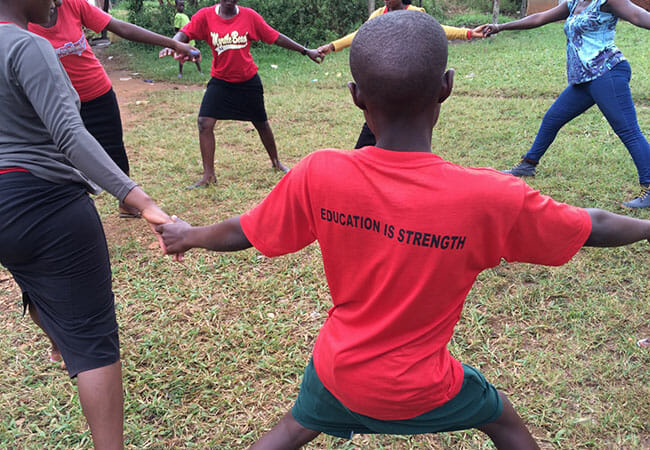
Students from Masulita Secondary School in Wakiso, Uganda, dancing after a MoonCatcher presentation.
Administrators have also shared that their schools are experiencing improved attendance records and, in some cases, a boost to their popularity once word has gotten out that they work with The MoonCatcher Project. A teacher at St. Kizito Day and Boarding School in Wakiso, Uganda, recounted a story to Ellie of how one student walked miles out of her way to attend the school because they supplied students with MoonCatcher kits.
“The teacher said [to the girl] ‘This school is not the closest one to your house, why are you choosing to come to school here?’” Ellie said. “And, she said ‘Because I hear that you give menstrual pads, so that I’ll be able to come to school every day.’”
Do you want to help Ellie keep girls in school? Here’s how you can make a difference: request supplies for 25 kits to sew and ship back to Ellie; organize a moon bee in your area; donate materials; or follow The MoonCatcher Project on Facebook to help spread the word!
Arizona Teen Makes it His Mission to Warm the Hearts, and Feet, of Service Members
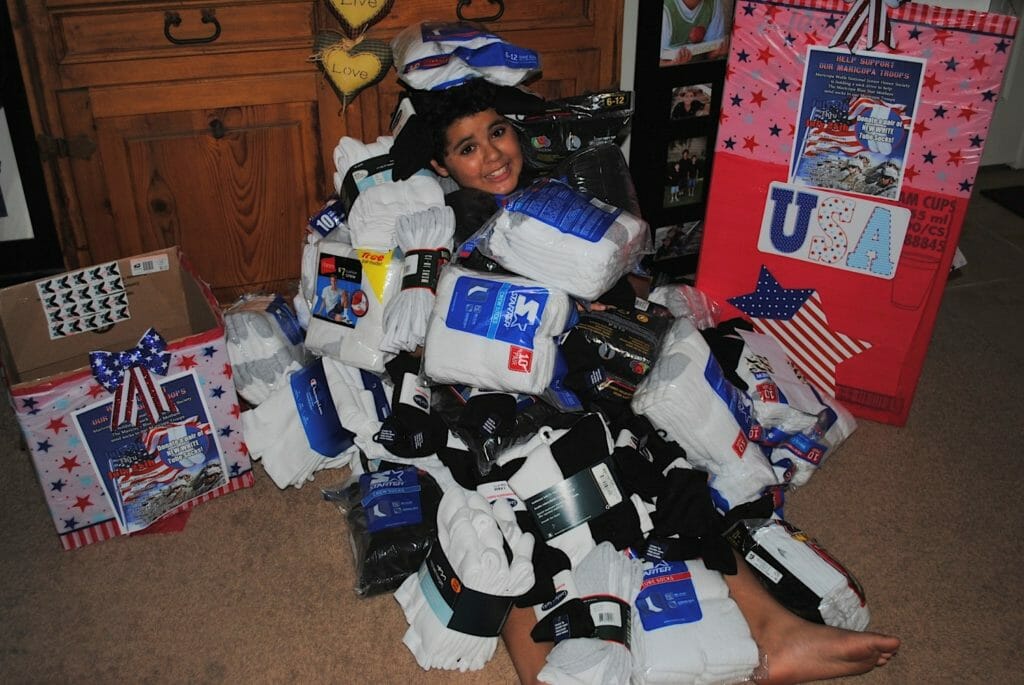
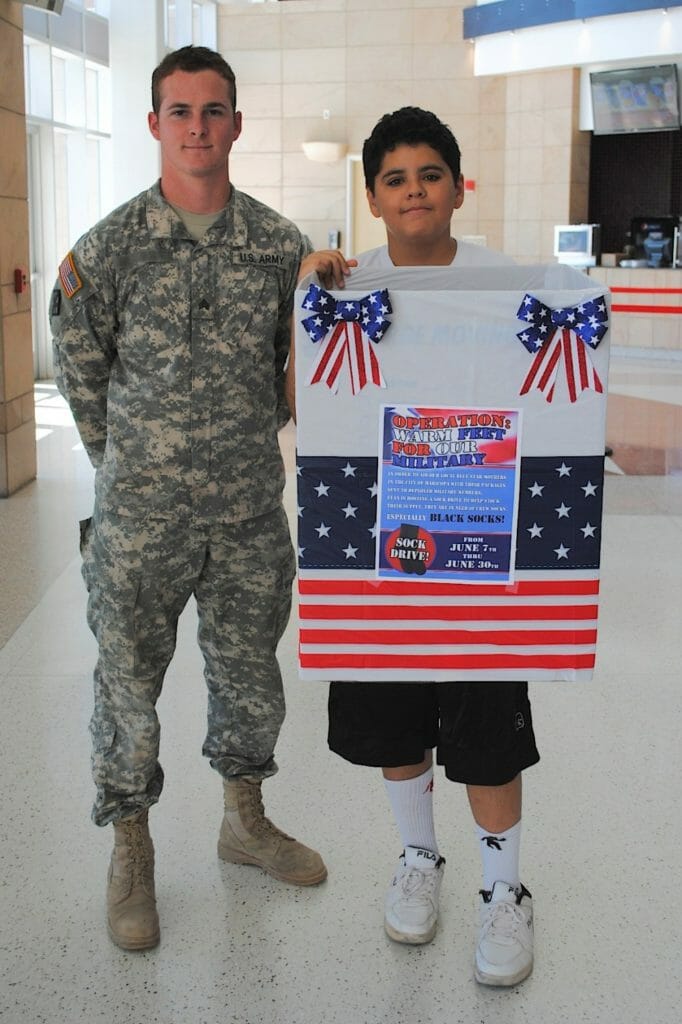
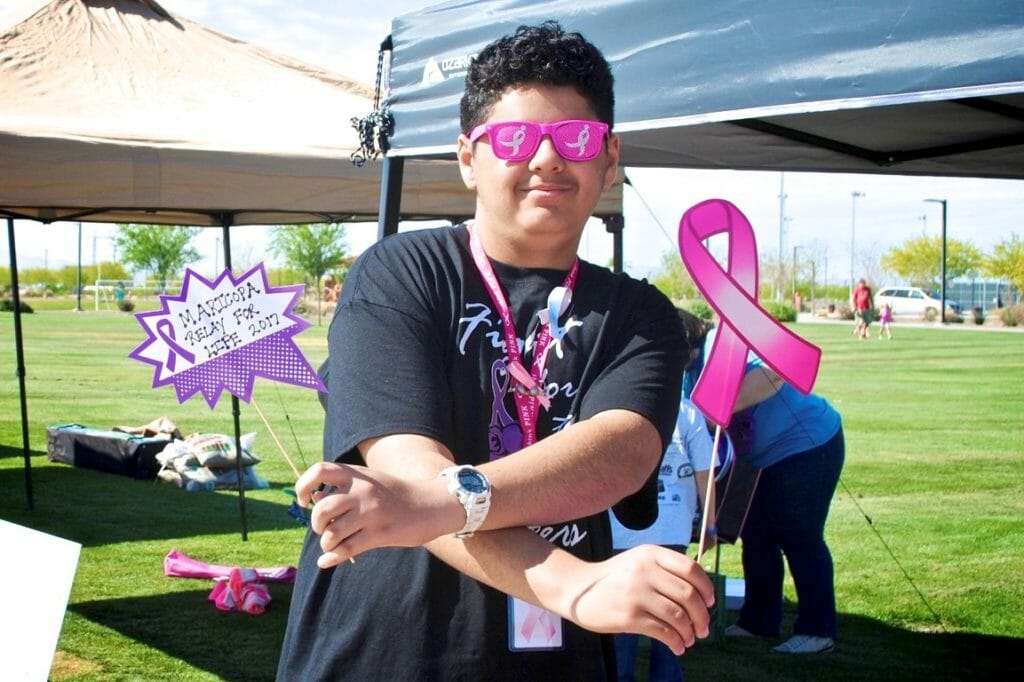
Evan Grace was just 13 when he started volunteering for The Blue Star Mothers, a non-profit organization that supports families with members in the military, troops, veterans and families of Fallen Heroes. Whether it’s organizing a sock drive, packaging toiletries or collecting Halloween candy for deployed service men and women, Evan is inspired to make a difference. He also serves on the Arizona Governor’s Youth Commission, participates in Relay for Life, has earned the President’s Volunteer Service Award twice, and was honored as the local Chamber of Commerce Volunteer of the Year. He just turned 16.
Evan is today’s Daily Point of Light Award honoree, and Points of Light spoke with him about his service work and why he feels it’s important to give back.
What inspires you to volunteer?
My mom got me started. She took my brothers and I to Welcome Home events run by The Blue Star Mothers for members of the military, and I saw that we really made the troops happy by being there. I like to think about a deployed soldier opening up a care package, about making them smile. I imagine they would be happy they have people supporting them while they’re out there supporting us.
Describe your volunteer role with The Blue Star Mothers?
We were at one of the Welcome Home Events and I overheard them saying they needed socks for care packages. So we had the idea to have a sock drive. Since then I have hosted a few drives in my community to collect socks, toiletries, candy and letters.
How successful was your first sock drive – how did you do it?
It was really great, I can’t even say how many socks we collected. I think they still have some left and that was three years ago! We made boxes and put them in different locations, at stores that kind of thing. Then I posted about it on Facebook. That method worked, so that’s how we do other kinds of drive too.
Why is it important to you to recognize members of the military in this way?
I feel it’s the least we can do for them, after all the sacrifices they make for us.
Why do you think it’s important for others to give back?
You can’t just receive all the time. When I first started volunteering, I thought about all the stuff I have. I’m really lucky to have enough of everything I need, more than enough. But there are more than 7 billion people on the earth, all of them can’t have all that stuff. You never know what people are going through. I think it’s my duty to give back to my community and work to better my community.
What’s been the most rewarding part of your work?
The fact that I know that I am making a difference and making other people happy. I’ve learned a lot of skills too. Volunteering opens up a lot of different opportunities. I’ve especially learned leadership, how to help out at events, use social media to get things done.
Has your age ever been an issue as a volunteer?
I have learned, and hope to show others, that age does not matter. You can and should make a difference at any age. When I was 13, there was a program called the Youth Council – I wanted to be involved, but I was too young. I asked them to change the age for me, and they did. That got me involved with doing volunteer work with the city and I was just honored as Chamber of Commerce Volunteer of the Year. This was the first time someone my age had ever been nominated.
Are there any future partnerships, programs, or events that you are excited about?
I am starting my second term serving on the Arizona Governor’s Youth Commission. It’s similar to Youth Council but on a larger scale. We focus on youth issues in Arizona and are now working on road signs to address distracted driving. I also am looking forward to my fifth year participating in The American Cancer Society’s Relay For Life. I want to inspire more young people to join in and participate so we can work towards a cure.
What do you want people to learn from your story?
I hope to encourage more people to be active in their communities and volunteer to make a difference. When we work together, great things can happen. And it makes me feel good to make my mom proud.
Do you want to make a difference in your community like Evan? Visit All For Good to discover local volunteer opportunities.
Retired Voluteer Lends Support and Smiles to Immune Compromised Kids at Colorado Safe-Clean Housing Facility
Like many people, Frank Mufic has lost loved ones to cancer. So, when he had the opportunity to work with and help young people suffering from this debilitating – and sometimes fatal – disease, he jumped at the chance.
Frank began donating his time when his free moments were still limited as a full-time company employee. When he could, he volunteered with Brent’s Place, the only safe, clean facility for immunocompromised patients approved by Children’s Hospital Colorado. Once he retired, he took advantage of the increased down time and dedicated even more time to Brent’s Place children and families. Today, he’s a mainstay volunteer who touches the lives of every child there.
Points of Light spoke with Frank about the time he spends at Brent’s Place and why his work is so impactful.
Why is it important to you to volunteer?
It’s a way to give back to the community. When it comes to Brent’s Place, my life has been touched personally by people dying from cancer. It’s a way for me to get more involved with this disease. At Brent’s Place we try to take care of these young kids as well as they would receive at the hospital. My time with the organization has given me back more than I’ve given in.
What do you find most rewarding about volunteering?
Just talking with the families is rewarding. I ask them how they’re doing, how their child is doing. Sometimes, it’s a good conversation. Sometimes, it’s not quite as good. But, it’s a way of me giving back, trying to interact with our community, especially with the staff at Brent’s Place.
What prompted you to get involved with Brent’s Place, specifically?
I started by making contact with them in 2002. I’m retired now, but at the time, I was still working for a company that got involved with Brent’s Place at Christmastime. I helped them put together any needed equipment, as well as handling bedding and clothing. That led to other things over time. I worked on appliances and getting repairs and replacements when nothing else worked. I retired in 2011, and I wanted to volunteer and do more for Brent’s Place. That’s when I went in and talked to the lady in charge of volunteers. We set up a meeting, and I started in June 2011.
What are your responsibilities there now?
I’ve started cooking dinner once a month for them. I prepare it for 30-40 people. I also volunteered on the Kids Cheer committee. This committee plans our once-a-year fundraising drive. It happens the last Saturday of July, and we’ve done it for 6 years. I take care of the front counters, and I’m a greeter at the door. I’m officially-unofficially in charge of the water zone with the swimming pool and the oscillating sprinkler system. The kids can slip-and-slide. There’s also a party zone where kids can get dressed up and get their faces painted. We also serve a breakfast of pancakes and orange juice. We generally get about 1,000 people. They close the grounds of the hospital, and it serves the families who have children with cancer. Annually, the fundraiser usually nets approximately $125,000.
I do other odds and ends at Brent’s Place, such as painting, and whatever else needs to be done. I also attend meetings and do maintenance. I’m normally there for 4-to-5 hours on Friday mornings.
What are the benefits for the children you work with?
The facility works to keep the kids in the family zone. That way, they’re not locked up in a hospital bed 24/7. It allows them a bit of freedom to play with kids going through the same things they’re going through. It allows the parents to circulate with other parents who are going through the same situation they are. Besides the clean environment we try to keep at Brent’s Place, that’s the one thing that sticks out more than anything else. It’s a safe environment. Kids that come to us have no immune system or very little immunity. The facility is kept as clean as possible so no infections are passed on.
What have you learned from your volunteer experience?
Compassion. I think that’s the main thing. Again, it’s just being part of a community that has a serious issue and having a desire to give back to the family as much as I get out of working with Brent’s Place.
How does volunteering make you feel?
It really excites me that I can help the community. I do other things, but Brent’s Place holds a special place for me.
What do you want people to take away from your story?
I’d have to say being involved in more than just your own immediate life. Help out other people and families that need help. Not just with money, but show compassion and try to bring some happiness back to those folks. Some of them, the kids leave and are cured and move on. You never see them again. But, some of them go in the other direction. It’s a sad community at that time. Sometimes you get to know the families if they’ve been there for 6-to-10 months, and you’re on a first-name basis. You just have to give people in need as much support as you can.
Do you want to make a difference in your community like Frank? Visit All For Good to discover local volunteer opportunities.