California Teen Starts Basketball Camp for Opportunity Youth
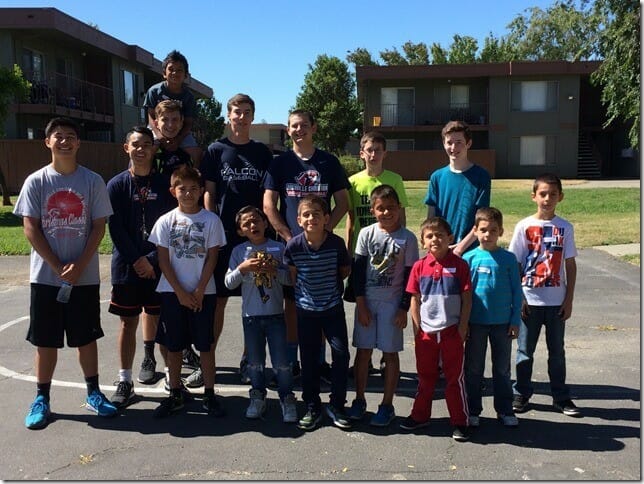
Adam Grabowski may just be 17 years old, but the junior at Vacaville Christian Schools in Vacaville, California has already spent eight years helping other young people succeed. Grabowski, who says his parents raised him to be oriented towards community service, started volunteering at The Leaven when he was in the sixth grade, first helping out with the soccer camp and now he’s in a leadership position.
The Leaven works in partnership with members of the local community, including businesses, schools and church groups to bring after-school mentoring and tutoring programs to struggling neighborhoods where drop-out rates are out of control and gangs threaten the peace of the community.
Although Grabowski works on literacy skills with 15 at-risk kids from five to 12 years old, the nuts and bolts of helping kids with school work is only part of his mission.
“It’s really about bringing hope and friendship to these kids,” he said. “We have a sense of family, of continuity with them. Many of these kids come from difficult families, sometimes even histories that include abuse and not getting enough to eat. The Leaven feeds them and provides a lot of encouragement and mentoring.”
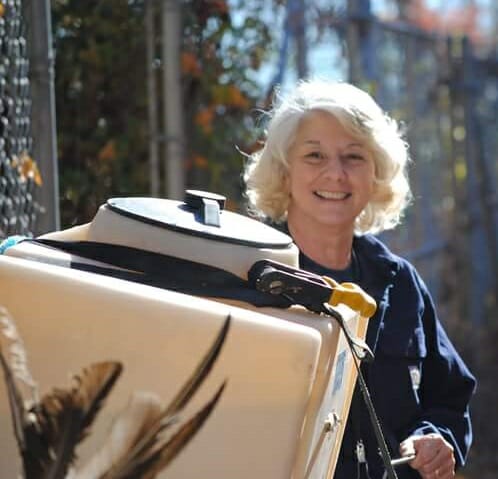
In 2015 Grabowski had the idea of working with his high school varsity basketball team to start a basketball camp for the kids when he got into high school. The majority of his group live in the Groves apartment complex. When he showed up, the basketball hoop had been taken down and the kids had nowhere to play.
“That really made me sad – but I knew we could fix the problem and move forward.” He got a truck and brought in his own portable hoop to that the six-week camp could go ahead. Although the sport is central to the camp, being present, helping the kids work out conflict, show an example of leadership and encouragement; those are the real takeaways for the children. Besides volunteering on the weekends for events and during the camps, Grabowski has motivated his teenage friends to volunteer and have fun as they serve others.
An Eagle Scout, he participates in many projects and events and strives to be a role model and mentor for his team and camp attendees. He is currently putting together a camp for cheer and volleyball for The Leaven this summer.
“A lot of teenagers think they can’t really affect change – they’re still trying to figure themselves out. I get that. But just a few hours a day makes a huge difference in these kids’ lives. I’ve been knowing some of these kids for four years now, and to see the changes, how they are growing, is the greatest reward.”
12-Year-Old Cancer Patient Speaks Up for Hospitalized Kids as a Patient Advocate
Meet Daily Point of Light Award honoree Michaeyla Nadeau. Read her story and nominate an outstanding volunteer, family or organization as a Point of Light.
Courtesy: Michael Nadeau
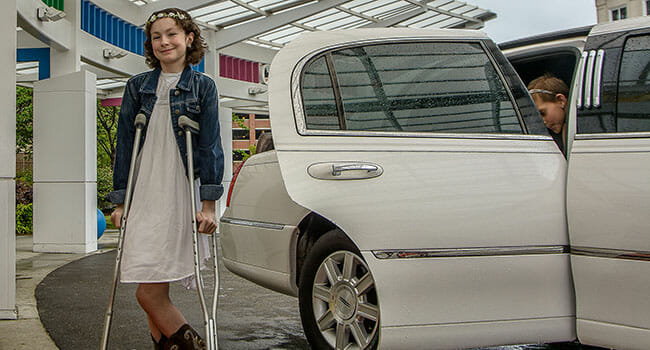
Michaeyla Nadeau arrives by limo for a prom for pediatric cancer patients held at Children’s Hospital of the King’s Daughters.
“Kids need someone to represent them, someone who will share their voice, and I love being that person!” said Michaeyla Nadeau of Virginia Beach, Virginia, who volunteers as a patient advocate for children with cancer and other illnesses.
Though she is only 12 years old, Michaeyla speaks with the upbeat energy and confidence of a healthy, mature adult. She has been battling osteosarcoma, a form of bone cancer, for two years, spending endless hours undergoing chemotherapy and surgery. At one point, she was hospitalized for nearly 320 days straight.
“High doses of chemotherapy harm the immune system so she was very susceptible to everything, and every time children with cancer develop a fever of 101.4 or higher, they stay admitted until they are fever free,” explained Michael Nadeau, Michaeyla’s father. “She would get discharged and go home to see her three younger sisters, and we were right back.”
Still, Michaeyla embraces a volunteer position at Children’s Hospital of the King’s Daughters in Norfolk, Virginia, despite regularly heading back to the hospital for meetings.
She’s a charter member of the Kids as Partners Advocacy Council, which seeks ideas to improve life for hospitalized children and teens. Already, Michaeyla, who during her long days as a patient had quickly discovered it was hard to stream movies or hold Facetime chats due to insufficient wi-fi, campaigned with the other youth members of the council to persuade the hospital to expand the bandwidth of their internet.
The council is also renovating one of its playrooms to be a haven for teens.
“We all went to the same playroom, and it was kind of overwhelming with the little kids running around and I thought maybe we could have a place for older kids to go,” said Michaeyla. The room will feature an air hockey table, arcade and video games and a sound system, along with a quiet area with a soothing “bubble wall” for teens to collect their thoughts and emotions, said Haley Brown, a childhood specialist at the hospital.
 Courtesy: Michael Nadeau
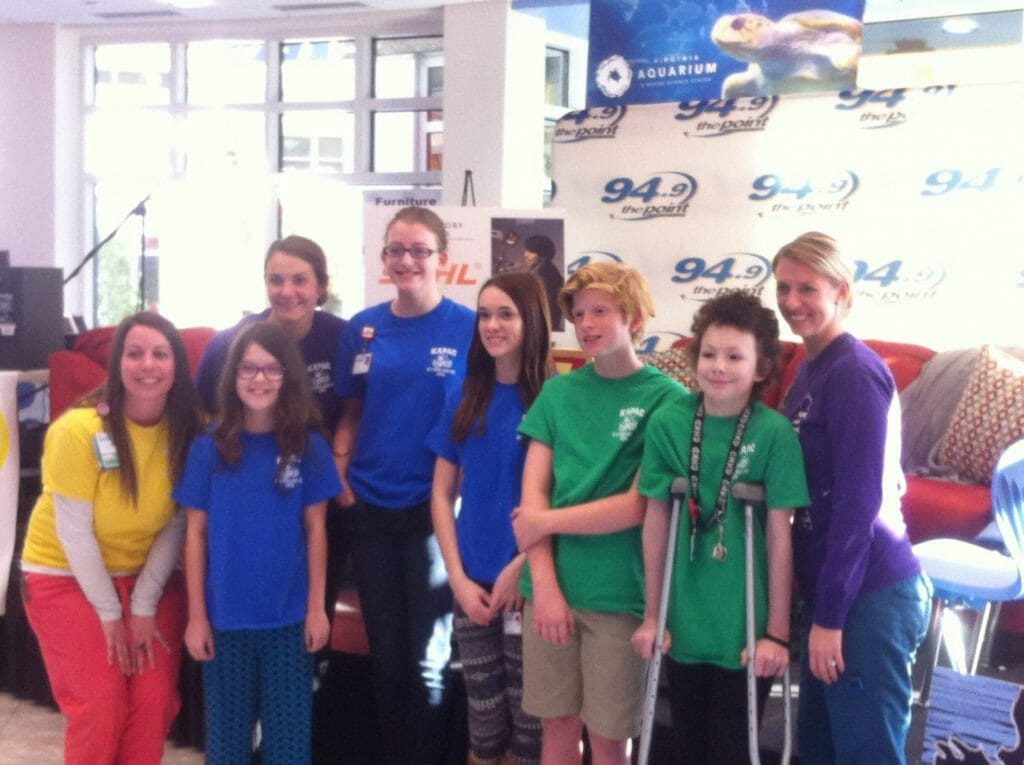
Michaeyla (second from right) attends a radiothon held by the Kids as Partners Advocacy Council to raise funds for improvements at Children’s Hospital of the King’s Daughers.
Courtesy: Michael Nadeau
Michaeyla (second from right) attends a radiothon held by the Kids as Partners Advocacy Council to raise funds for improvements at Children’s Hospital of the King’s Daughers.
Haley said Michaeyla showed self-confidence from the start, and encourages other teens to speak up. “They grilled representatives of our information systems department: ‘Why don’t these apps work? Why can’t we stream our movies?'” said Haley.
Michaeyla was soon asked to attend meetings of the Patient/Family Advocacy Council, formed to develop similar improvements suggested by parents and patients in the neonatal intensive care and other units.
“I go back and forth between [the two councils] and I tell everybody what’s been going on with both groups,” she said.
Michaeyla’s parents were surprised that their daughter wanted to volunteer her time and energy at a place where she’s spent so much time undergoing painful treatments, including surgical replacement of her entire tibia and kneecap.
“I’m shocked,” admitted Arienne Nadeau, Michaeyla’s mother. “But it doesn’t seem to bother her at all. It’s making her grow as a person rather than bringing back bad memories.”
Michaeyla, whose long-term ambition is to study engineering at MIT, plans to sign on for another year on the council. “There’s always something more you can give,” she said. “I know I’m helping someone else.”
Soccer Aficionado Uses the Sport to Impact Underserved Kids Worldwide for Good
Language can create barriers. But, for Stephen Schirra, soccer is a universal communicator that breaks them. Since college graduation, he’s used the sport to positively influence thousands of underprivileged children worldwide.
At age 23, Schirra founded Around the Worlds, Around the World, a 501(c)(3) nonprofit organization dedicated to teaching children the fundamental tenets of soccer — but, it’s much more than that. It’s a vehicle to bring support, love, and encouragement to individuals who, otherwise, face harrowing circumstances.
“I see soccer as an outlet for these kids,” he said. “I get to see the smiles and joy on their faces when they can just be a soccer player for a few hours.”
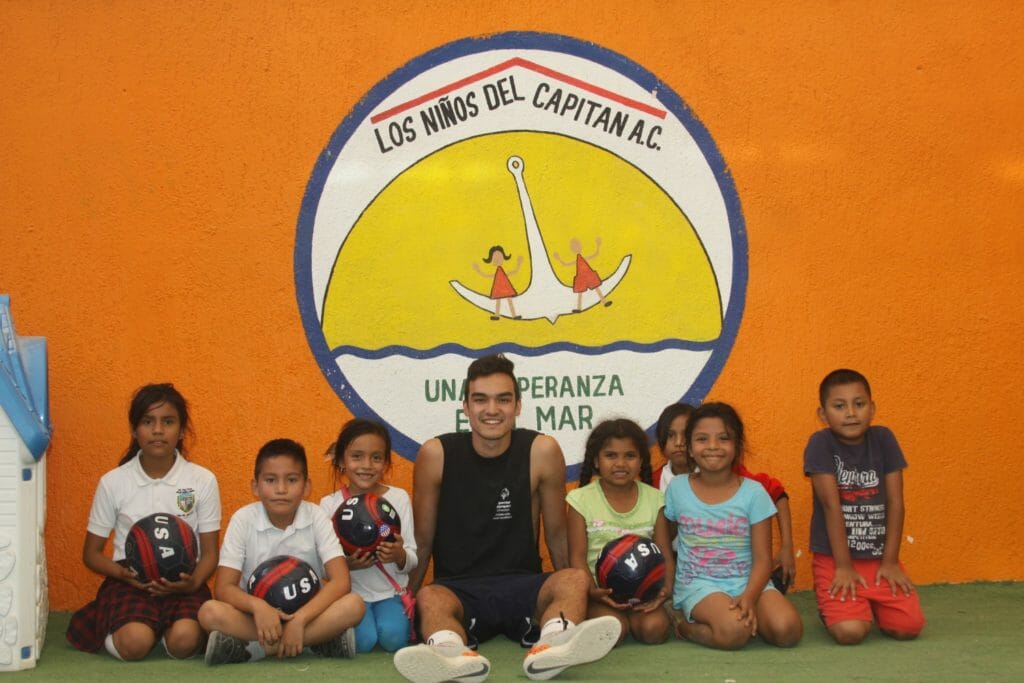
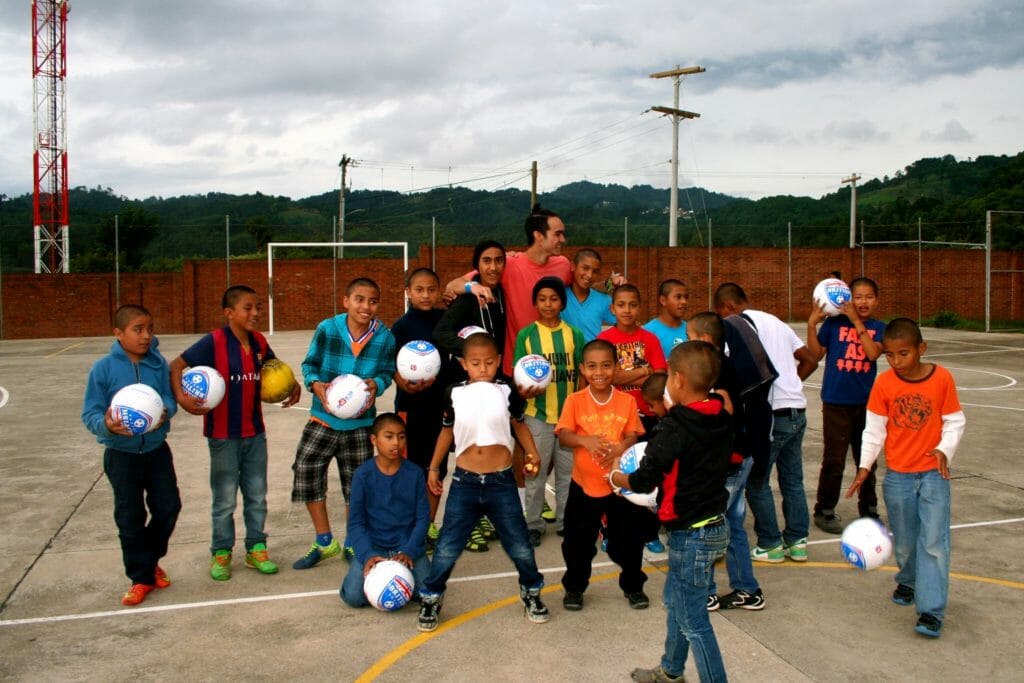
To date, he’s worked with roughly 3,200 children, hand-delivering 1,105 soccer balls, in 12 countries via 65 partnerships with orphanages, refugee homes, schools, and feeding programs.
As a high school student in Connecticut, Schirra coached younger children, igniting the desire to continue making an impact globally. After receiving rejections to partner with several aid organizations, he knew he’d have to start small. With $100, in August 2015, he purchased 20 soccer balls and traveled to work with the first group to accept his volunteer offer — an orphanage in Lima, Peru.
There, he taught children about soccer and influenced their daily lives. For several weeks, he lived, ate, and played with them, listening to their stories and offering emotional support. His subsequent workshops have been much the same — a mixture of sports instruction and friendship.
And, more programs are in the works. Schirra has plans to travel to Brazil, Honduras, Trinidad & Tobago, Portugal, Spain, South Africa, Cambodia, and Thailand.
The impact doesn’t stop there. On June 1, Schirra’s organization will award its first $1,000 scholarship to a student from his high school who has made a difference in the community through sports. The scholarship is supported by a permanent fund and will be available yearly.
“This is all about building a legacy,” he said. “Creating something that can last forever after I’m gone.”
Check out All For Good to find opportunities to volunteer in your area.
Animal Conservationist Brings Awareness to the Plight of the Endangered Red Wolf and Mexican Gray Wolf
Whether it be donning a bonnet and spectacles to trick Little Red Riding Hood or huffing and puffing and blowing down the houses of two architecturally challenged little pigs – the Big Bad Wolf trope is prevalent throughout modern literature.
“We’ve all grown up with those [misconceptions],” said Barbara Mignano. “When the Europeans came over here, they brought those tales with them.”
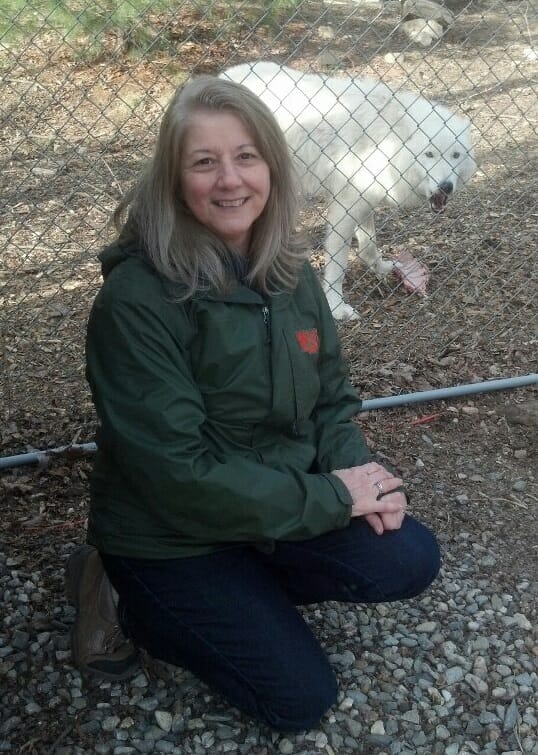
As a volunteer at the Wolf Conservation Center in South Salem, New York, Barbara has been doing her part to eliminate stereotypes and protect endangered Mexican gray wolves and red wolves since 2007. The retiree spends four days a week helping out at the center.
“Wolves are not dangerous beasts,” she said. “They are not mythical creatures. They are not anything except a wolf, and they have their rightful place.”
The mission of the Wolf Conservation Center is two-pronged – education and preservation. It’s onsite programs like the Full Moon Walk and Pack Chat for Kids teach the general public about the role wolves play in balancing the ecosystem as a top predator.
The facility is also a member of the federal Species Survival Plan (SSP) recovery programs for Mexican gray wolves and red wolves. Both species were once extinct in the wild as the result of excessive predator control programs that encouraged hunting and poisoning wolves to protect livestock. The goal of the SSP programs is to breed wolves in captivity for eventual reintroduction into their natural habitat.
“You can’t really just take a top predator like that and remove it and expect things to stay in balance,” said Barbara, citing as evidence wolves in Yellowstone National Park hunted to eradication by the mid-1920s. “The deer took over and the elk took over [because] they had no predator to be afraid of, and they destroyed all of the vegetation and the trees….”
Wolves were reintroduced back into Yellowstone in 1995, forcing animals like deer to retreat away from the predators to new areas, which allowed vegetation to regrow. “The trees came back, the birds came back and the beavers came back,” Barbara continued. “The whole park was rejuvenated.”
Barbara first learned about the Wolf Conservation Center opening near her town of Cortlandt Manor, New York, while thumbing through the local paper. “It was just by accident that I saw that article, and found a place where I really wanted to do something concrete,” she said. “Not, just for the wolves, but for animals in general that we need to protect if we want to have them for the future.”
The center currently has eighteen wolves in the SSP recovery programs that are kept off exhibit, separated by pack in large enclosures. One of Barbara’s responsibilities is leaving fresh water for them as a member of the Animal Care Team. “No one sees the SSP wolves because we want them to maintain their fear of people…” Barbara said. “The idea is to breed them in captivity with the hopes of reintroducing them back out into the wild.”
Additionally, there are four ambassador wolves in residence—Atka, Alawa, Zephyr, and Nikai—who are kept in enclosures viewable by the public. Unlike their counterparts in the wild, the ambassadors do not have a natural fear of humans because they were raised by “pup nannies” – staff and volunteers who cared for them 24-hours a day when they were newborns.
Barbara holds a special place in her heart for Nikai, who she cared for as a pup nanny. A mix of several gray wolf subspecies, but primarily Canadian/Rocky Mountain gray wolf, Nikai was brought to the center in 2014. “That was a wonderful experience,” Barbara shared. “When I first came here, I never would have dreamt that I would have the opportunity to be around these creatures.”
Another ambassador, Atka, who is now semi-retired at 15-years-old, once enjoyed traveling to schools, libraries, and museums as a part of the center’s offsite educational programs. Barbara sometimes accompanied the staff on trips, helping out with merchandising needs.
“It was always fascinating to me when they would first bring Atka into the room,” Barbara said of the majestic white Arctic gray wolf. “People’s response to him was always one of awe and amazement. And, he’s just a pro…. He’s taught a lot of people about wolves and their role in the ecosystem, and I think he’s a real champion for his brothers and sisters in the wild.”
When it comes to encouraging others to volunteer, Barbara advises people to find something they have real passion for – like she did. “As long as you find something that you really care about, you can make a big difference,” she said. “Most of these places that are taking volunteers have a tremendous amount of work to be done with a very small staff and very small operating budgets. Volunteers are what help them to succeed. I always feel great when they tell us ‘we couldn’t do this without you guys.’ [It shows] that you’re really playing an important part, and what you’re doing is making a difference.”
Learn more about the Wolf Conservation Center and catch a glimpse of its furry residents and their signature howls via the center’s live webcams!
Whether the cause close to your heart is helping animals, people or the environment – discover volunteer opportunities near you with All For Good.
Hospitalized Children Experience a ‘Moment of Magic’ Thanks to a College Student with a Big Heart
Meet Kylee McGrane, the recipient of the 6000th Daily Point of Light Award. Read her story and nominate an outstanding volunteer or family as a Daily Point of Light.
When Kylee McGrane sat down with her family to watch Frozen, it gave her a great idea – and she just couldn’t let it go.
Realizing that she looked like Elsa and that her best friend, Maggie McAndrew, looked like Anna, she had an “a-ha moment” that would become her next service project: she wanted to start visiting hospitals as the princesses from Frozen.
At first, Kylee and Maggie had a hard time getting started. But after a series of cold calls and presentations to pitch the idea, Cohen Children’s Medical Center on Long Island took a chance on the new princesses and allowed them to come in.
And A Moment of Magic was born.
Eventually, the women were not only visiting children in hospitals during treatments, but also attending nonprofit fundraisers and participating in other events, such as book readings and sing-alongs. As the program expanded, they began recruiting other students to volunteer as princesses and superheroes to meet the needs of the requests coming in.
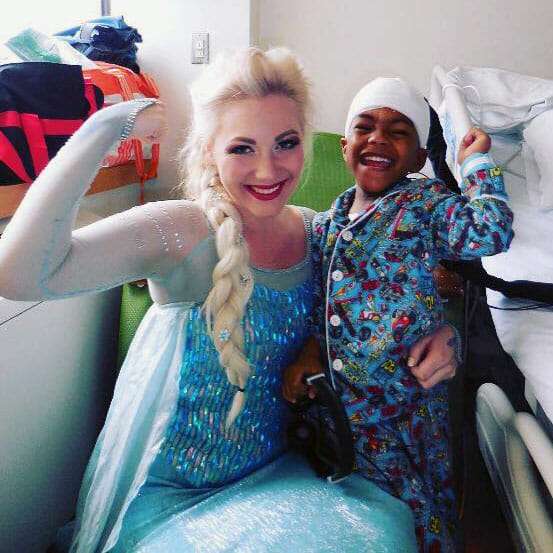 “Every week is different, but now we make between one and five visits every week, plus attend special events,” said Kylee.
As A Moment of Magic grew from an idea into an organization, its mission becomes clear: “Restoring the magic of believing at a time when a child needs to ‘just be a kid’ and reminding them to be brave, strong, and fearless”. The program also seeks to raise awareness of pediatric cancer – the leading cause of death by disease for children, with an estimated 250,000 new cases of pediatric cancer each year. That is 250 children worldwide, every day.
Kylee said one of the greatest parts of A Moment of Magic is that they get to be part of a larger story.
“We form these incredible bonds, not only with kids but with parents, and get to be part of big milestones,” she said. “A month later we’ll get a [call] to come back for the happy milestones – a child’s last chemotherapy treatment or their first day of kindergarten. To be part of that full story and part of these beautiful moments, we are so appreciative of that.”
Through their work, volunteers at the organization also become a support system for people – especially families who have had to travel out of state to a new hospital to receive treatment.
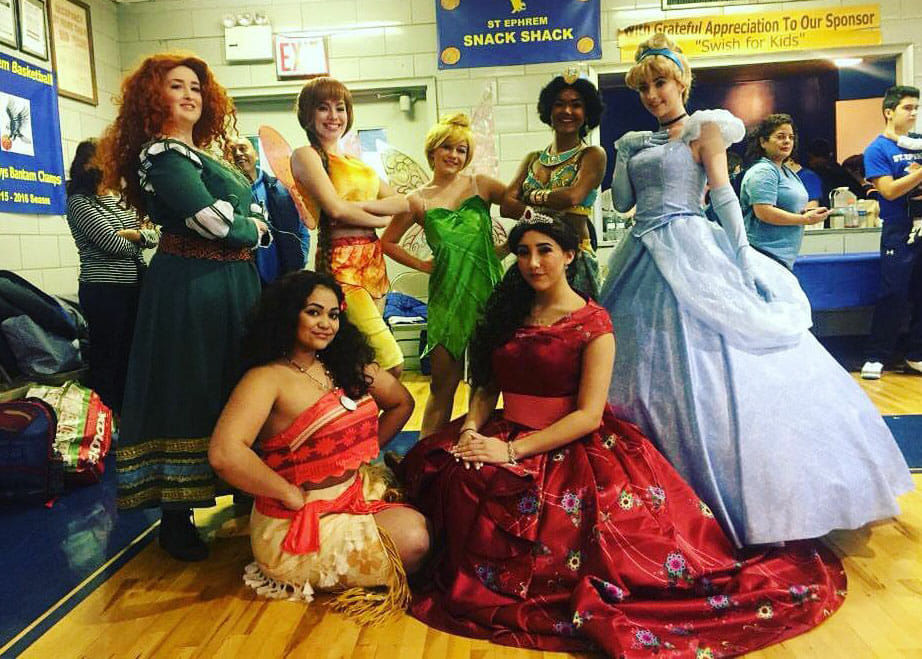
“When people have to travel and don’t have a support system, there is so much we can do,” said Kylee. “Getting to see first-hand the impact one person can have on another person, and see the power of what love and kindness can do, it’s been so rewarding.”
With her college graduation just a few weeks away, Kylee plans to become the full-time executive director for A Moment of Magic and expand the organization, announcing 10 new chapters across the country. The program is designed to be easily adopted by student volunteers on any college or university campus, and applications for new chapters will open again in the fall. Kylee has set a goal for 2018 to work with children in at least 30 states and 5 countries, totaling more than 15,000 children served. 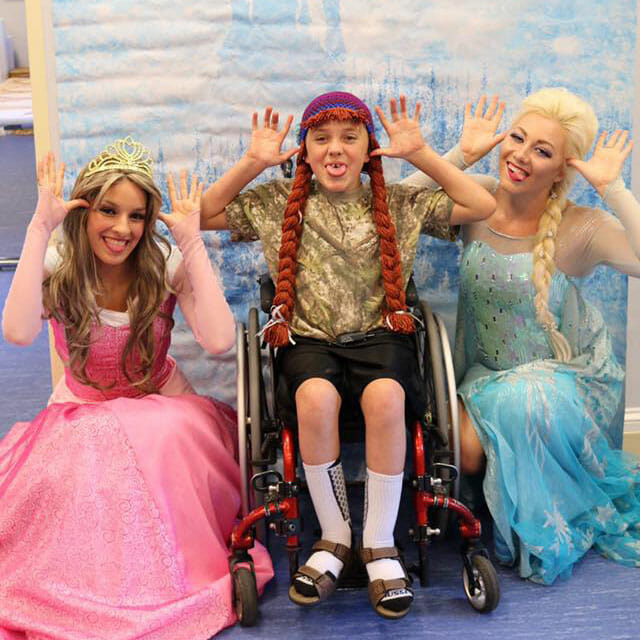
“Our plan is to expand so there can be chapters at colleges across the country,” said Kylee “It’s so sad to have to turn people away if we don’t have volunteers in a certain area.”
As the organization grows, Kylee said they’re always looking for innovative ways to engage young people in giving back. Kids, teens and adults can get involved in A Moment of Magic through different service projects, including hosting their own events like the Color It Gold coloring contest, Wear Your Crown Day and Play 4 Play Challenges.
Kylee hopes to inspire the next generation of volunteers and spread female empowerment, and she encourages everyone to take a leap of faith and find an opportunity to volunteer.
“The best kind of service work is the service work you’re passionate about,” Kylee said. “There are so many ways to get involved and help make the world a better, more sparkly place!”
Want to bring a little magic to your community? Visit the A Moment of Magic website to learn about the various ways you can get involved. And, discover more volunteer opportunities near you with All For Good.
Literacy Advocate Teaches English as a Second Language Courses for Twenty Years and Counting
Learning to live in another country requires more than simply learning the language. To be truly successful, individuals must learn to acclimate to a new culture.
That’s where David Godwin comes in. Since 1997, he’s volunteered with Literacy Initiative for Today (LIFT), a Houston-based program dedicated to helping immigrants learn English and assimilate to American society.
“It’s wonderful to see the change in people and how they appreciate what you do,” he said. “You’re not only helping them learn English, but you’re also helping them adapt to our society.”
Currently LIFT offers 20 classes of eight different levels of instruction, including pronunciation, writing, health, and computers. Classes meet Saturdays in two three-hour blocks, and volunteer teachers come from several professions, such as nurse practitioners and attorneys. At least 50 percent have been with LIFT for more than five years, said Godwin who joined in 1997.
The majority of teachers come through Volunteer Houston, a referral organization that connects volunteers with opportunities, church bulletins, and ads.
Students, who are 70 percent female, range in age from 17 to 93 years. Most are Hispanic, but some are Chinese or Middle Eastern. In it’s 26-year existence, LIFT has helped approximately 15,000 people. For six years, Godwin taught those participants, but today he volunteers as the program director, responsible for coordinating teacher schedules and securing classroom space from Houston’s University of St. Thomas.
Godwin’s was also a coordinator in his career. For 30 years, he worked in the tuberculosis program with the Department of State Health Services. He continues his involvement by working with foreign exchange students who win scholarships to come study in American high schools and the families who host them.
Just as he has endeavored to grow LIFT’s reach in the past, Godwin said he has plans for the future, as well. The groundwork is already laid to launch classes devoted to helping LIFT participants improve their resumes and choose professional dress. The goal is to help individuals make the best first impression possible.
All these efforts, he said, are done to help non-native English speakers have the best life possible in America.
“It’s wonderful to run into people years later, and they’re doctors, engineers, and attorneys,” he said. “They say thank you, and I know what I’ve done to help.”
Texas Mom Honors Her Daughter’s Legacy by Serving Others
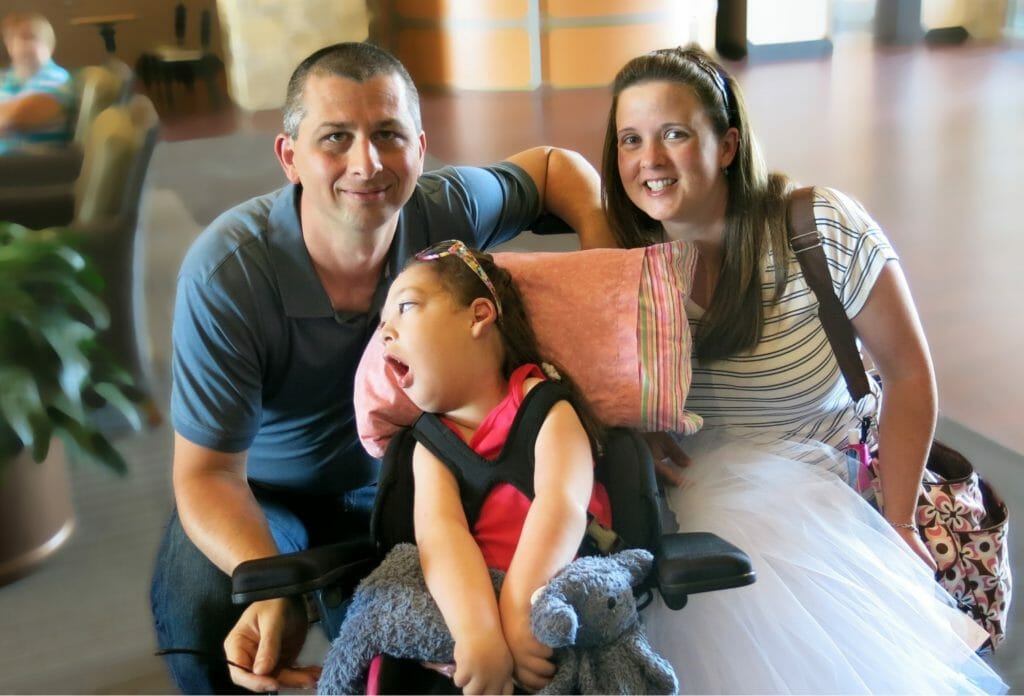
When Marty Barnes was pregnant with her daughter Casey in 2006, everything was going as planned. But then out of the blue, three weeks before her due date, Barnes’ uterus ruptured, endangering her life and creating a profound birth trauma for Casey. Due to severe oxygen deprivation, Casey was born with HIE – Hypoxic Ischemic Encephalopathy, along with cerebral palsy and lack of basic reflexes including the ability to swallow, gag and blink.
Although doctors predicted Casey wouldn’t last the night, she was a fighter. “We felt that if she were fighting, we’d be right there fighting with her,” recalled her mom. Casey lived almost 10 years, passing away in March 2016. The effect her birth and her life had on Barnes and her husband Tim is impossible to overstate. “I had tremendous guilt in the beginning, even though there was nothing I could have done differently to change the outcome for Casey,” said Barnes, 40, a resident of Austin, Texas. “Every parent of a special needs child goes through a lot of anger, a lot of fear and confusion. For the first two years we were in survival mode, just trying to keep her alive and happy.”
Trained in IT, Barnes and her husband turned to the Internet to find things they needed that didn’t exist at the time. They created forms for consumer reviews of medical products and compiled a home modifications catalog geared to the needs of complex kids and their families. “There were plenty of reviews for TVs, but none for suction machines. There were lots of holes that we were constantly trying to fill.”
What had started as a pregnancy blog to share information with out of town family members evolved into a place where loved ones and friends could get updated on Casey’s life and condition. “We just couldn’t tell the same sad story over and over again. It was critical for us to stay positive,” Marty said. Because of its specificity to HIE, other parents came across the Barnes’ story, and the circle widened.
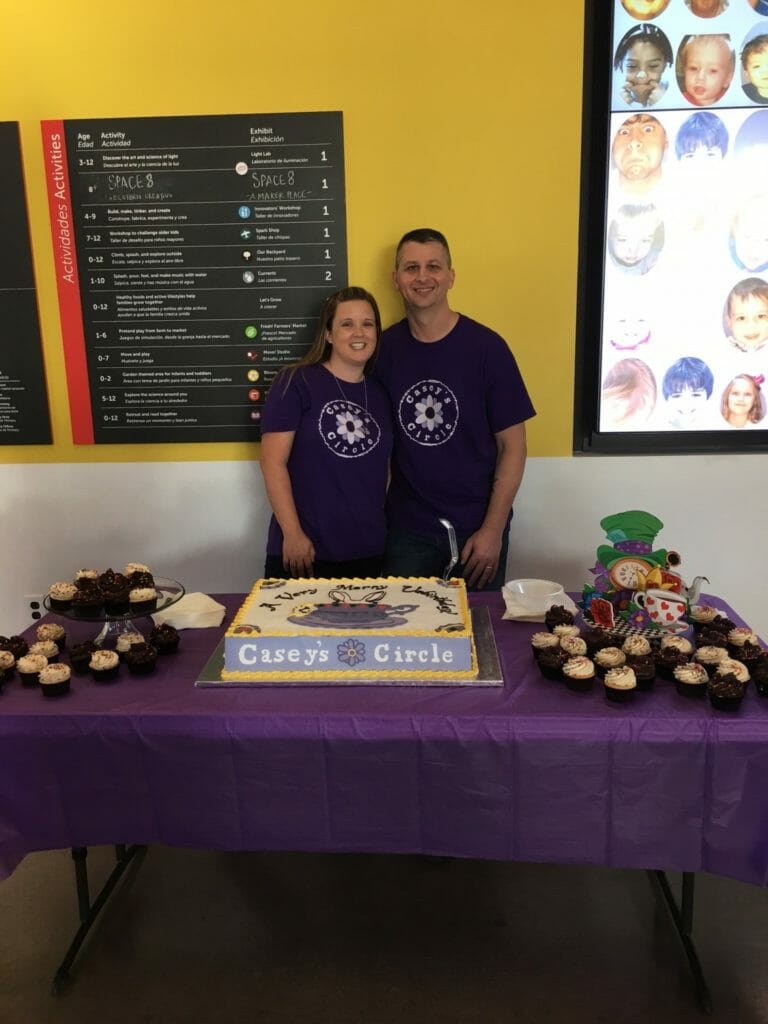
Barnes maintained http://caseyscircle.org/ throughout Casey’s life, initially as a way to help other families facing complex special needs and after Casey’s death, as her ongoing legacy. The organization is now a 501(c)3 non-profit, with Barnes continuing to dedicate her time to helping other families make childhood memories with their complex needs kids.
“We wanted to take Casey to the movies, to dance class, to girl scouts – and working with her palliative team, we learned how to modify the world and our environment so she could have fun and be a kid. Now we want to help other complex kids make those same wonderful memories we have,” Marty shared. Educating people to think of children with special needs as kids first, as people, is a big part of her mission.
In 2012 Marty hosted the first holiday party for 20 special needs children. In 2016 more than 150 children attended. This year, it will take two parties to share all that love and joy. Barnes also organizes Tuesday Talks, which are monthly parent training meetings to address the wide range of issues facing special needs families.
Although it seems that Barnes and her husband might need to take some recovery time after losing their daughter, she says that isn’t the case. “We feel like we have a lot of big ideas,” she said. “Every day we want to stay focused on making Casey proud and making life better for other children like her.”
Indiana Volunteer Pays it Foward Toward the Greater Good
To Dedric Dennist, a 39-year-old electrical engineer in Bloomington, Indiana, mentoring young people is a commitment fueled not so much by the need to give back as it is his by passion for paying forward.
“I guess I really don’t think about the big picture all the time,” said Dennist. “But long term, if I can educate every kid I work with, they’ll have less problems. If they can deal with conflict, there are less fights in school. If they know how to study and why it’s important, their grades will improve and they’ll have more options in college. If they turn around and help their community, that’s big too. I think we can never really measure the impact giving back has, but the ripple effect on the future for all of us is huge.”
The majority of Dennist’s 250-plus annual volunteer hours of service are dedicated to working with young people. Issues range from practical – “If nobody ever shows you how to set a table or tie a tie, how are you supposed to know?” to nutrition and obesity, education disparity and poverty. “The kids call it ‘adulting,’ – as in acting like an adult. We talk about that a lot.”
A volunteer and board member for numerous nonprofits, Dennist is a Big Brother, supports Real MENtors Read, mentoring in the area of literacy, and is past president of Blacks In Government, for which he is now a regional vice president. He’s director of community outreach for Alpha Phi Alpha Fraternity Inc., tutors for National Counsel for the Education of Black Children and is the Worshipful Master of Prince Hall Free and Accepted Masons. His experience as a single dad raising his own son, who is now a junior at Indiana University, often comes into play, as does his experience as an athlete when coaching a local high school track team.
Reared by a single mom raising four children, Dennist wasn’t exposed to volunteer service until he was in middle school. “I was always curious about why people acted the way they did or made the choices they did. It took some time for me to realize that there are so many factors that these kids are dealing with. Helping them sort through things and giving them more options is the most powerful thing we can do.”
Moving from his native Milwaukee to Bloomington in 2001 gave Dennist the impetus to focus more than ever on volunteerism. “I was going to work and coming home – that’s boring. I didn’t know very many people. Volunteering got me into the community, introduced me to all kinds of people I never would have met. That’s just one example of how there are so many benefits to the volunteer, besides the heart warming feeling you get when you know you make a difference.”
It’s a path he recommends to all of “his” kids, in hopes that they will continue to pay it forward. “You don’t have to spend a lot of time to volunteer – Big Brothers just asks one hour a week. We can all afford that. Dr. Martin Luther King said it best. “Everybody can be great. Because anybody can serve.” People don’t always remember what you say or what you do, but they’ll never forget how you make them feel.”
Teacher Helps At-risk Students Identify, Reach Educational and Career Dreams
Meet Daily Point of Light Award honoree Rebecca Ayala. Read her story and nominate an outstanding volunteer, family or organization as a Point of Light.
The normal high school day lasts from 8 a.m. to 3 p.m. But, for teacher Rebecca Ayala, the work day doesn’t end until well past 5. And, that’s the way she likes it.
“I’ve always been involved with helping students outside the 8 a.m. to 5 p.m. job,” Rebecca said. “It’s all about reaching the future generations and helping them now.”
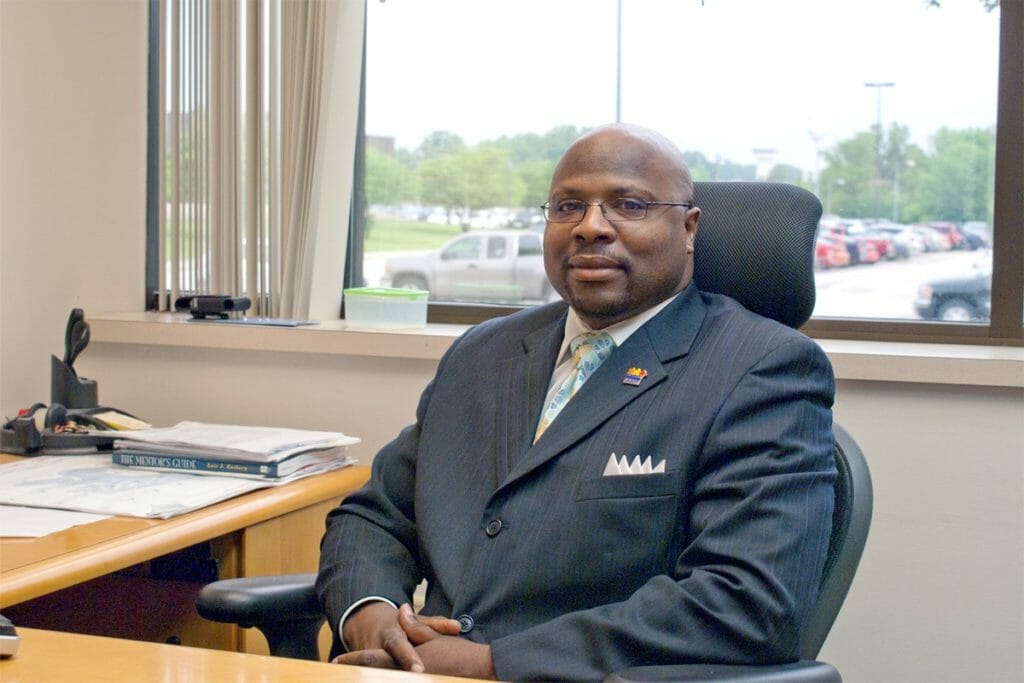
It’s that mission and mindset that led Rebecca, who teaches at San Antonio’s Karen Wagner High School, to take over Leadership: Access Granted, a program designed to help underprivileged, at-risk students identify and reach their educational and career dreams.
In a school district known for being rough around the edges, LAG gives students the opportunity to not only give back to the community in a positive way, but also to prepare themselves for life after high school. Interested students undergo a rigorous selection process, including a 20-page application and an in-person interview with school administrators and previous LAG participants.
Currently, Rebecca meets with 23 students during a 22-minute daily advisory class period, offering guidance about college applications, financial aid, resume building, and other career-oriented topics. Many students entered the program with no post-graduation aspirations, but now have plans to attend college.
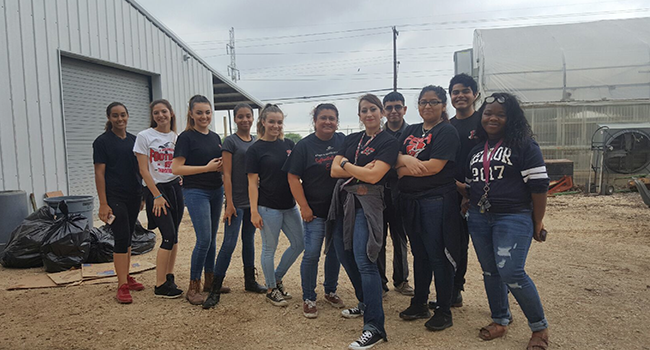
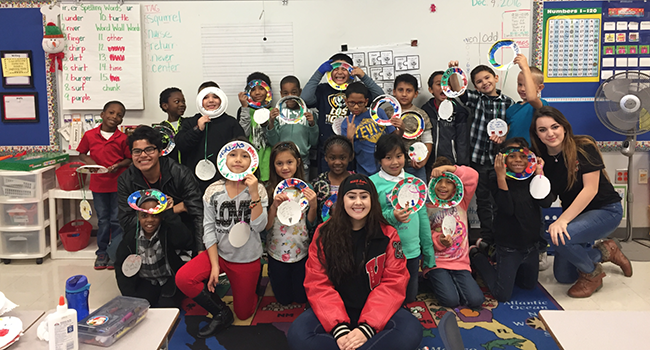
Students also craft community-engagement projects, for which Rebecca fundraises to cover transportation expenses. Some include volunteering in nursing homes, animal shelters, and food banks. One of the most effective projects involved her students mentoring second graders at Paschall Elementary School. The high schoolers felt like rock stars, she said, and experienced a significant self-esteem boost from being able to positively contribute to the community.
Next year, Rebecca said she wants to create a state-approved curriculum and expand the program to a full 47-minute class period. It’s a way for her to reach even more students, and administrators fully support the idea.
“Some of these students are not considered the most intelligent or well-rounded, but they have grown so much socially from being part of LAG,” she said. “It’s hard to reach them all, but I want to be able to teach more.”
Sam LaBarba
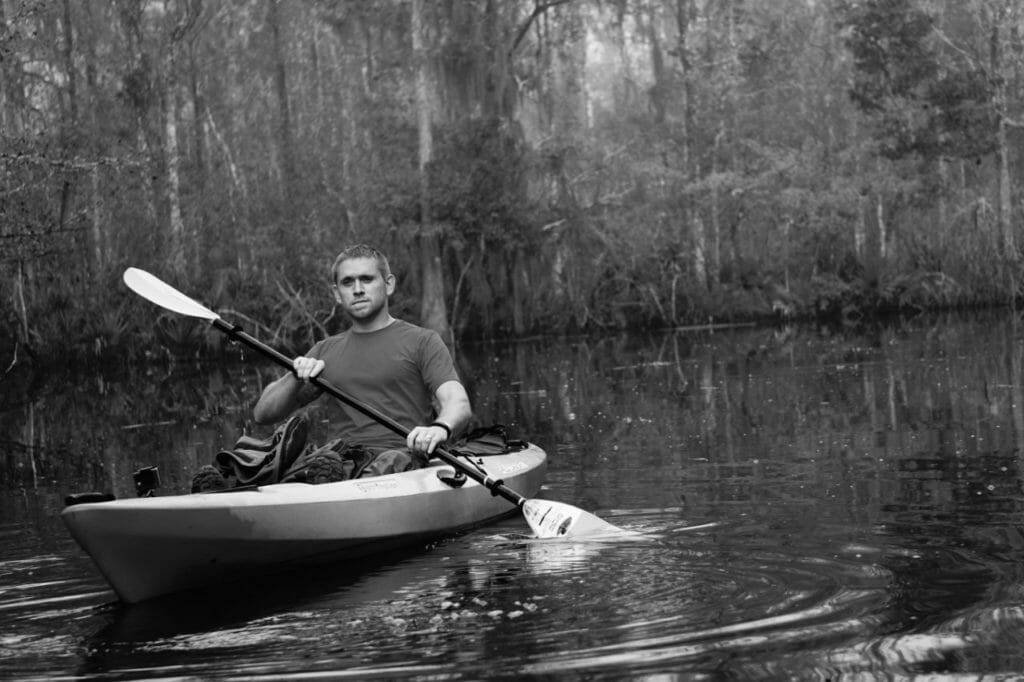
Sam LaBarba cares deeply about keeping Georgia’s coast clean and ecologically healthy. The Brunswick resident serves as a volunteer with the Marine Debris Initiative at the Georgia Sea Turtle Center on Jekyll Island. Last year, he helped remove almost 50,000 pounds of marine debris during cleanup events that he assisted in planning and supervising.
As member of the Citizen Science program, which allows allows everyday citizens to complete credible scientific research, Sam has developed several ways of analyzing data logged into the Marine Debris Tracker application. His methods have helped uncover monthly and yearly trends for how and when marine debris makes its way to the shores of Jekyll Island, and his work has led to several papers that are being considered for publication.
“Sam has greatly assisted the marine debris program at Georgia Sea Turtle Center,” said AmeriCorp Volunteer Coordinator Jeannie Miller-Martin. “and, [he] has shown exceptional ability as an educator, researcher, and planner for community events.”
Looking forward, Sam hopes to find new, innovative ways to reduce the amount of marine debris, including installing water refill stations on Jekyll Island and asking local businesses to use more sustainable products that will not harm the environment.