Dr. Daniel Toubes
Dr. Daniel Toubes donates his time and talent as a medical physician to the uninsured or under-insured patients that come through the doors of the KC CARE Clinic in Kansas City, Mo. The clinic provides health care services in general medicine, HIV prevention and primary care, behavioral health, and dentistry. Dr. Toubes volunteers two to three days a week making sure that those without insurance are given the best possible medical care. “He is here without fail and his patients have come to appreciate his loyalty, kindness, and compassion,” said Debbie Skaggs, volunteer manager at KC CARE Clinic. “We serve such a diverse population here at the clinic, and Dr. Toubes treats each patient like they are the most special person on earth.”
Rylea Elizabeth Fields
Rylea Elizabeth Fields started Rylea’s Ribbons for a Reason at the end of her second grade year after hearing another student speak about being homeless and wishing that she had matching bows like the other girls in her class. Five years later, Rylea is still going strong making hair bows, hair ties, and headbands to donate to various causes. The first recipient of her fanciful bows was Captain Hope’s Kids, a nonprofit that assists homeless children. Rylea’s Ribbons for a Reason has also donated hair bows to the Harlem’s Boys and Girls Club, and sold ribbons and bows as a fundraiser for St. Jude’s Children’s Hospital in partnership with a local Chili’s restaurant.
Student Grows Indoor Gardens to Provide Fresh Produce for Children Year Round
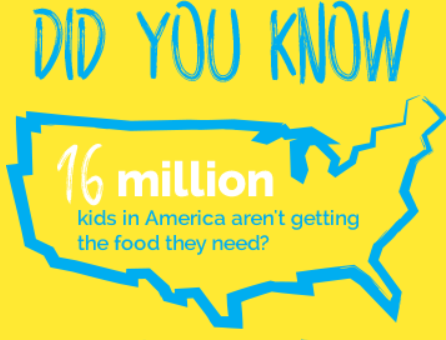
As part of generationOn’s Make Your Mark on Hunger campaign, sponsored by C&S Wholesale Grocers, Points of Light is recognizing young changemakers who are helping to alleviate hunger and food insecurities in their community through service.
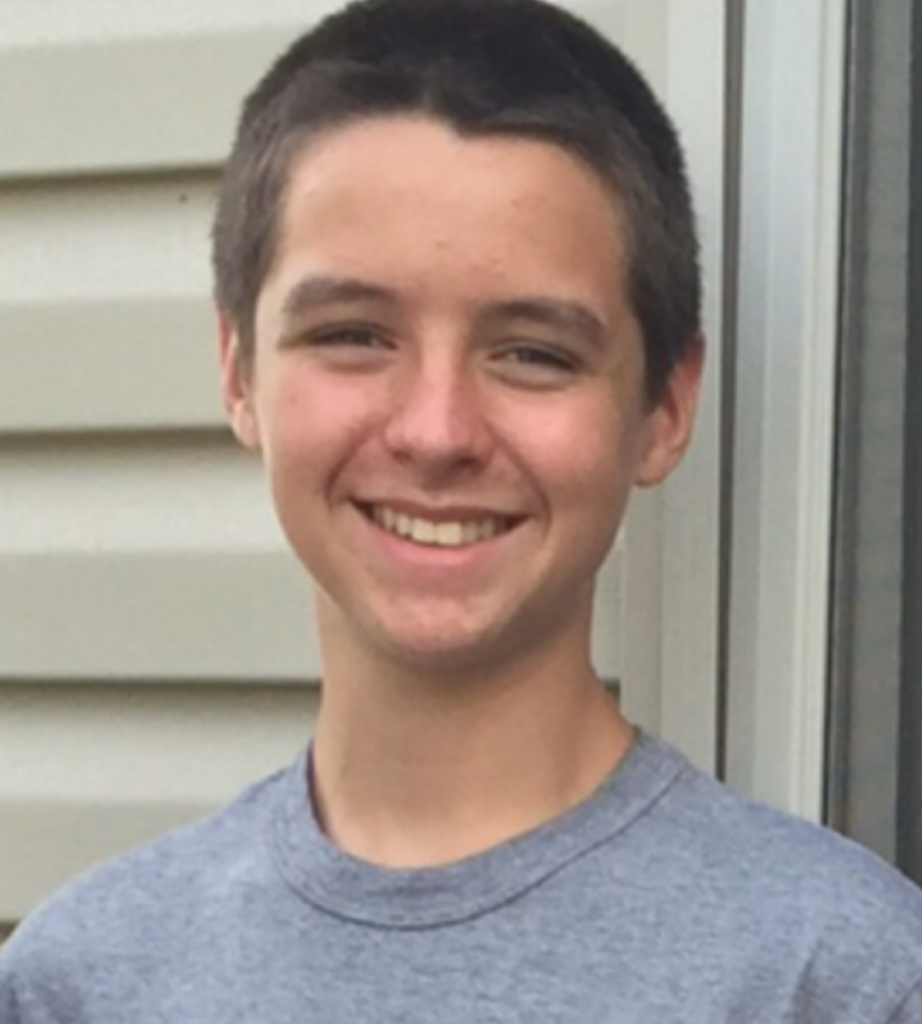
When Parker Romney of New Albany, Indiana, first got involved in organizing food drives six years ago, something stood out to him – the quality of the food being donated.
Last year, he collected more than 8,000 food items as part of a food drive for kids in his community. He noticed nearly half the donations were Raman Noodles, and the rest were also highly processed. “I don’t like to see the less fortunate eating unhealthy just because it’s cheap,” Parker said.
Deciding to do something about it, Parker engaged 15 friends and planted indoor, dirt-less aeroponic tower gardens in three local elementary schools.
The benefit of these gardens is two-fold – they allow youth to volunteer and become more engaged, learning about healthy habits, but also to help feed the children enrolled in meal assistance programs.
The students in the three schools will be in charge of maintaining the gardens, so they will learn about planting, growing, harvesting and eating healthy foods. Parker and the youth will meet weekly to talk about gardening, sustainability, urban growing and more.
Additionally, the fruits and vegetables that are harvested will be donated to kids in the schools who are enrolled in meal assistance and weekend backpack programs, allowing them access to fresh produce they might otherwise not receive.
These 12 gardens will provide approximately 250 servings of vegetables per week, and the program will educate more than 500 students on eating better, ways to fight hunger and sustainability.
Not only will kids benefit from this program, but under Parker’s lead, they’ll see that kids have the power to create change and solve issues facing the community. He hopes to inspire others to take action around any issue they see and want to change for the better!
To learn more about how you can get involved and Make Your Mark On Hunger, visit www.generationOn.org/hunger.
Morgan Dillard
College student Morgan Dillard began volunteering at a 24-hour assisted living facility for the elderly in high school. As a volunteer, she discovered that many seniors don’t get visits from family or gifts during the holidays, so she spearheaded a “Senior Wish” campaign. Morgan successfully collected $475 to grant the small wishes of the seniors with the personal items they’d requested.
Morgan also worked to bring a Meal Packaging Party to her college campus where more than 320 students participating in putting together 10,000 meals to send overseas.
Camille T. Rawlings
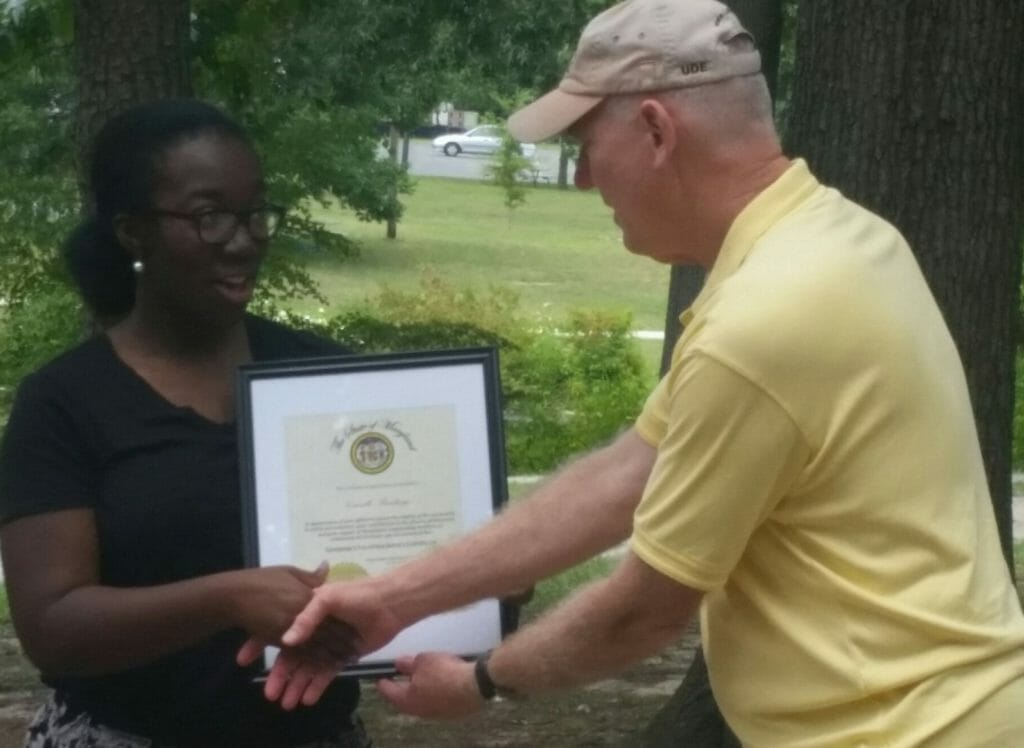
When a family member is deployed, the emotional impact of being separated from a parent, especially, can be hard to bear. Seventeen-year-old Camille T. Rawlings has first-hand experiencing dealing with a parent being deployed. The teen realized others could benefit from the ways she learned to cope with long-term separation by taking advantage of the many resources the military provides to families facing the challenges of not only deployments, but numerous moves, and changing schools. She then set out to join several groups that address the challenges of military families and youth.
Camille is a member of the United States Army Civil Affairs and Psychological Operation Command (USACAPOC) Teen Council and Army Reserve Regional Youth Lead Committee where she volunteers at military events in the community. Additionally, she volunteers with the 352nd Civil Affairs Command (CACOM) Family Readiness Group (FRG), assisting Family Readiness preparedness by briefing all soldiers and their family members on the Child Youth and School Services (CYSS) programs.
Camille attends drill weekends and conducts a “self-created” PowerPoint presentation while she speaks to soldiers and their family members about the unique challenges that military youth face. Based on her personal experience, she recounts the emotional impact that young people can experience while their parent is deployed or separated for long periods and gives resource and agency information on resiliency training and support for children of all ages.
“Camille makes herself available to all our youth if they ever have any questions or may just need to talk,” said Donna Nelson, Family Readiness Support Assistant for the 352nd Civil Affairs Command Family Readiness Group. “Our Army Reserve unit is geographically dispersed and this makes it very difficult for our youth to feel connected, understood, and it helps them so much when they realize that there are other youths of their age that experience the same frustrations.”
Jeffrey Engel
For almost forty years, Jeff Engel has volunteered as a reader for Learning Ally in Athens. With more than 5,500 hours of service under his belt, he has recorded textbooks for people with print disabilities in almost every subject area – from chemistry and religion, to geography, science, and more. As a longtime volunteer, Jeff has kept up with changing technologies, switching from his earlier readings on cassette tapes to new digital recordings. He helps guide staff and other volunteers as a member of the Volunteer Committee, and he also mentors new volunteers by teaching them how to deliver flawless recordings. Before retirement, Jeff worked as an area high school teacher. According to Stacie Court, a supervisor at Learning Ally’s Athens studio, the organization benefits daily from both his love of learning and his love of teaching.
Lisa Jakel
Lisa Jakel serves on the host committee of Volunteer Houston’s annual event, A Visit from Saint Nicholas. The event serves 7,000 students, from Pre-K through second grade, in 19 Houston Title 1 schools by providing them with backpacks filled with educational toys and books. Lisa has been involved in the event since 2014, and her work has inspired students to become changemakers in the greater Houston community. “Lisa never settles for anything less than perfection and she always delivers,” shared AmeriCorps VISTA member Anne Claire. “[She] is the heart behind the A Visit from Saint Nicolas program.”
Leanna Marie Edward
Leanna Marie Edward is a teen with a heart for giving back. At just 16 years old, she has accumulated more than 2000 hours of service. She is a volunteer at Elders First, an elderly daycare where she socializes with senior citizens and teaches younger students the ropes of being a volunteer.
Leanna also serves at her local VA hospital in the hospice and palliative care unit. At the VA, she has earned the admiration of both patients and staff by being the only student volunteer who has “stayed more than a week.” Leanna’s also proved to be an excellent recruiter. Following her inspiring example, more than 21 biomed students have applied to become volunteers at the VA hospital.
Linda Valley
Linda Valley serves as a volunteer coach for the West Sound Council of Girls on the Run, a nonprofit organization dedicated to teaching girls life skills through an experience-based curriculum that creatively integrates running. Linda is always a champion for her runners and finds active ways to engage them in each activity. One way she makes learning fun is by giving away “bling” consisting of stickers, beaded necklaces, small toys and other trinkets to encourage participation. She also uses group discussions, posters, and unique and fun running games to reinforce themes. As a longtime running enthusiast, Linda has a personal goal to run 60 half-marathons by the time she turns 60 years old.
Linda is held in high esteem by her community as a leader that takes action and effects positive change. “Linda’s caring and genuine heart make her a role model,” says friend Lauren Peters. “Her greatest service contribution is the willingness to share experiences and knowledge to encourage others to achieve success in their personal, professional, and community endeavors. The entire community has benefitted from Linda’s actions as a volunteer with Girls on the Run.”
Colorado Women Channels Grief Into Service
Five years ago, Jianna Wright, her husband, and their 3-year-old son were eagerly preparing for the birth of her second child, a little girl who was just two weeks from her due date. A morning visit to the obstetrician’s office went well, but by mid-afternoon, Wright noticed the baby wasn’t moving. That evening, her doctor confirmed the baby had died. Wright credits a sensitive nurse who happened to have bereavement training for helping her get through the delivery, her shock and grief, and the myriad questions swirling in her head. “I was prepared to order a birth certificate—did I now need a death certificate?” Wright remembers wondering. “How do I tell others? Do I still send out the announcements I’d purchased? Should I even give a name to a baby whom I will never be able to call?”
As the evening unfolded, Wright says, “Most of all, I just wanted human touch. I needed to feel that I wasn’t alone. [The nurse] held me and let me cry and told me very kindly and gently, ‘Don’t worry about it. You have a name in your heart and when the time is right, you will name your daughter. You don’t need to make that decision right now.’ That’s what I needed at the time.”
Wright and her husband, Brad, went on to establish the Wishbone Foundation, which offers bereavement training to labor and delivery nurses, social workers, and other hospital staff, who might otherwise be at a loss for the right words and actions when a baby dies. The two-day training sessions are offered free of charge and count as continuing education credits. One aspect that sets the Wishbone Foundation training apart is its equal emphasis on helping healthcare staff work through their own mental health needs after dealing with tragedy on the job.
According to the Centers for Disease Control and Prevention, about 24,000 babies are stillborn each year in the United States. The CDC considers stillborn babies to be those who were at least 20 weeks along in the pregnancy. The agency estimates about the same number of babies die during the first year of life. In Wright’s case, neither an autopsy nor genetic testing revealed a reason for the stillbirth.
After she shared her tragic news on social media, Wright was amazed at the outpouring of support and donations she received: “My husband and I kind of looked at each other and we’re like, ‘This is bigger than you and I. What are we going to do with this money?’ We realized we wanted to give back to the hospital because we had gotten such amazing care. Two or three days after we got home from the hospital, my husband created a quick, generic website, kind of sharing our story and what we were going to use the donations for, and it kind of evolved from there.”
The Wishbone Foundation guides nurses in what to expect and what to say when a patient’s baby dies. The first half of the training provides suggestions to help grieving parents gather mementos to remember their baby and celebrate the short life that he or she had while in the womb. That can mean encouraging parents to dress the baby in a cute outfit and helping arrange for photos. Footprints and locks of hair can also become treasured keepsakes.
Doctors and nurses also feel distraught and helpless when an infant dies. Yet few hospitals offer bereavement training. Lori Adams, a labor and delivery nurse at Parker Adventist Hospital in Colorado, puts it this way: “Working in labor and delivery is normally the best of the best. With a fetal death, it’s the worst of the worst. It’s not something they teach you in nursing school. It’s important to have a program to tell nurses, ‘Here’s what you can do to help yourself get through the stress of that.’”
Adams says the Wishbone Foundation has developed a useful checklist that describes all the things that need to be done for the patient. “The patient may only be here for 24 hours, and you have a lot to capture in that 24 hours,” she says.
The second day of training helps nurses to address their own mental health issues and ways to take care of themselves. “It’s very hard for nurses to go through that process,” says Wright. “They take it very personally, and it makes all the difference for families to have a nurse who’s confident and in a place to help them.”
To date, the foundation has trained 350 nurses in 18 hospitals in Colorado. More than 5,000 families have been helped. One of the most powerful aspects of the training is bringing in parent panels to share their stories. Wright has even inspired numerous other grieving parents to volunteer for the program.
Wright’s compassion for mothers who lose an infant goes beyond helping them get through the immediate aftermath. She realizes that the impact of the loss lasts for years. For Wright, bereavement counseling helped her realize that her daughter had really existed: “I carried her for nine months. She was alive. I felt her.” It helped her to assuage feelings of guilt and move on with her life. In addition to son Jace, now 8, the Wrights have since had two more sons. Ultimately, Wright did give her deceased baby a name, Mackensie, which helps her family to talk about and remember her.
“Once families leave the hospital, their journey is just beginning,” Wright said. She is now working with hospitals to continue to reach out—on the due date, after six months, after one year, on Mother’s Day, and on Father’s Day. “Those little pieces can really help families get through their new life and remember their child,” she says.