For This Family, Making Time to Volunteer Means Making Time to Spend Together
As a mom with two teenage daughters, Susan Birthright says finding dedicated time to spend together can be a challenge. That’s why she looks forward to her regular weekend volunteering projects with her daughters, Caitlin, age 14, and Morgan, age 16.
“I like volunteering with my daughters because it allows us to give back,” says Susan. “When we volunteer together, we know that time is family time.”
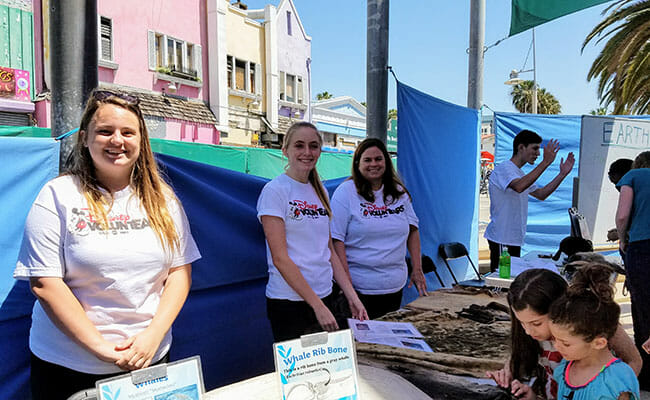
Susan, who has been a Disney VoluntEAR and Disney employee for the past 12 years, has been able to find great opportunities for the three of them to give back and spend time together, volunteering at Heal the Bay’s Santa Monica Pier Aquarium-themed Saturday events.
Susan, Caitlin and Morgan have volunteered together at the aquarium for the past two years, educating visitors about different marine life and the environmental hazards they face, helping to man the touch tank, and running special event tables such as face painint, a mock vet clinic with stuffed animals, and various arts and crafts. Volunteering at the aquarium has given them the chance to meet a wide range of people, educate visitors and learn more about these issues themselves.
Volunteering is something the Birthright family has done together since the girls were very young. When asked for their first memory of volunteering, Caitlin says, “I remember many years ago we did the chalk walk for the Children’s Hospital of Orange County.” Susan echoes, “That was actually the very first event we brought them to! Caitlin was only three years old. They have a good memory, it made an impact.”
It’s no surprise Susan got her daughters involved at young age, as she started volunteering when she herself was young, after seeing the joy and confidence her cousin had from participating in the Special Olympics. Susan realized that when you find a cause to get involved in, your passion to give back helps inspire confidence in others and exposes you both to new opportunities.
“I really liked volunteering in high school,” Susan says. “I knew that I was helping and doing good, and it took off from there.”
Her dedication to the Special Olympics was also shared with her daughters.
“Volunteering with the Special Olympics is one of the highlights of our volunteering, for me,” says Morgan.
Now, Susan looks forward to her dedicated time with her daughters, and also encourages other families to get involved. Volunteering with her daughters since they were 3 and 5 years old has given Susan a unique perspective on getting little ones involved.
“At lot of people say ‘well we have really young kids …’,” Susan says. “But I say find organizations or causes they can get your family involved and see what sparks your kids’ interests. Get them exposure to other things they wouldn’t be able to do [on their own]. Even little kids can hand out shirts or pompoms at registration. At first it might not mean much, but taking repetitive action as a family shows them how they can make an impact.”
See how your family can get involved on Family Volunteer Day.
Youth Mentor Helps Students Realize Their College and Career Dreams
Conventional wisdom dictates if you want future success, you have to pave the way. That’s what Ebony McLaughlin tries to do for young people who face challenging circumstances.
Through her organization, Infinity Youth Incorporated, Ebony offers young people the resources they need to reach their academic potential and forge a path for lifetime career achievements. It’s an effort, she says, designed to help teens conquer the life hurdles they face and navigate the complex world of college applications and professional goals.
When and how did you decide to launch Infinity Youth Incorporated?
I’m the founder and executive director of Infinity Youth Incorporated. I founded it in 2011. I became a mom at a young age and lost my daughter to heart disease in 2000. In the midst of my homeschooling from the hospital where she was, God gave me a vision to be the support for young people who didn’t have the support system I have.
That’s why Infinity Youth was created — to make sure [teens] knew they still had a chance. A lot of them don’t have the support out there, and a lot of them give up when they become young parents or they have upsets at home. I dedicate my entire life and my time to Infinity and my family. I make sure we give the kids we work with inspiration and encouragement to lead them with the necessary tools that they must have to grow academically and have the life skills they need. We offer academic and life goal setting.
How do young people in the community find you?
Usually, they come to me by word of mouth or a connection with the schools I work with. I also recruit in the community because you have a lot of kids who are involved in organizations or through the schools. But, a lot of them don’t think they’re worthy of being involved in anything in the school. Infinity goes into the community, and we get our children to participate that way.
What services do you offer your students?
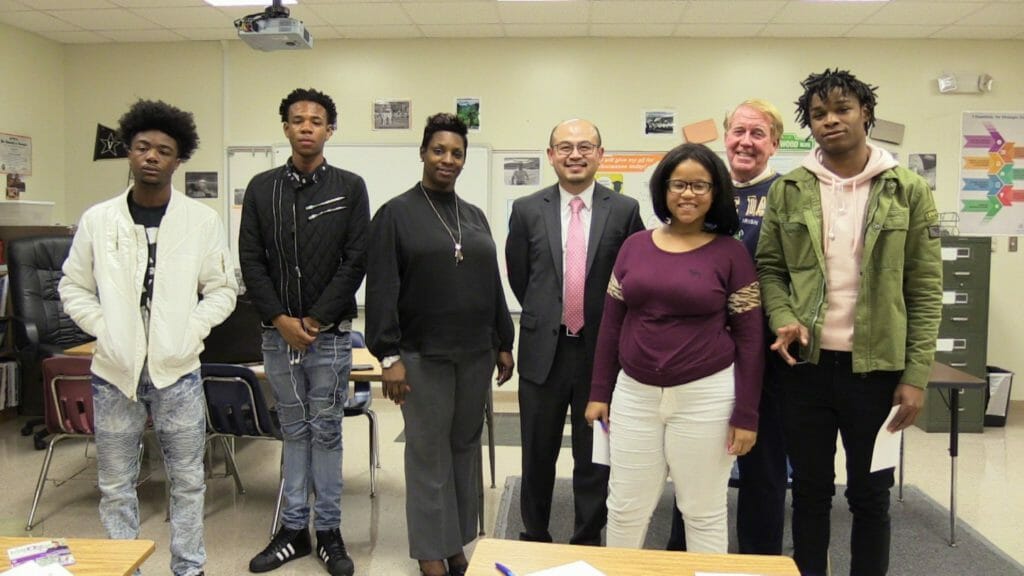
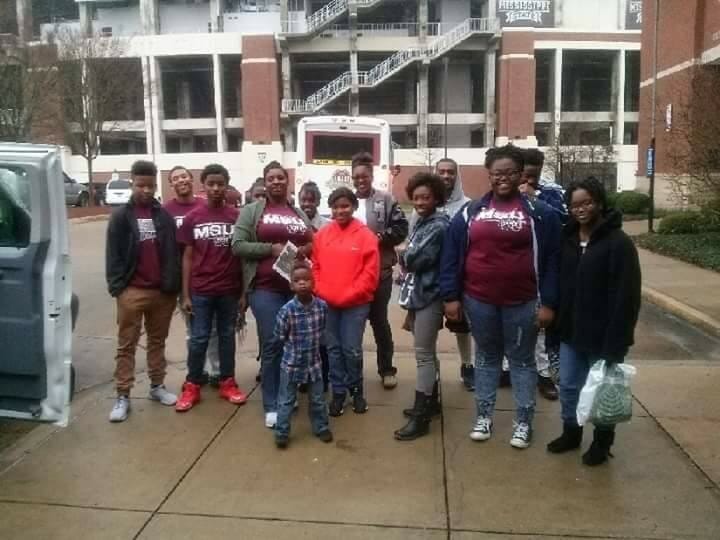
The resources we provide them are academics supports. If they’re having trouble with a subject, we get them a good tutor. We [help them focus on] their goals to graduate on time and complete the college application process. We take them on college outings because a lot of parents can’t take them themselves, and we want them to have the chance to visit the schools they’re interested in rather than just making a decision after viewing online. It’s important to a find out what they enjoy, so we sit with them and discuss their passions and what they love to do.
We work hard to make sure our students are prepared on every level and that they understand the do’s and don’ts of how to apply for college, how to meet deadline, how to navigate the red tape of financial aid and how to stay academically focused. We have study group gatherings that help them stay grounded and help them live up to the expectations they have of themselves.
We also want to make sure our students go away to college debt free. Parents often hear about student loans and grants, but there are scholarships out there. Each of our students applies for five to 10 scholarships per month because the more you look for opportunities and go after them, the more you get back.
What impacts do you feel you’ve had thus far?
So far, I’ve seen a lot of kids that wanted to give up and stop because they didn’t think they could do it. Many have been challenged with self-esteem issues, and that comes in all races and ethnicities. I specifically work with these students to give them a plan to go by. They’ve been more successful under structured leadership.
Since 2011, we’ve served more than 200 students. One stands out, in particularly. His name was Anthony. He was into sports and wanted to go to school and make his mom proud. We helped him come up with a plan and stay focused. He graduated with a bachelor’s degree in business administration. He wanted to be a truck driver, and now that’s what he’s doing.
Why do you feel that volunteering, in general, is so important?
Volunteering is so important to me because everyone needs that person to let them know they matter. Every family, regardless of whether they’re two parents or one parent, needs a second or third helping hand. Every child needs to know they have outlets to go to when things get tough. Sometimes parents just don’t understand, and they think the kid should do things the way the parent would do them. Volunteering is very important because it makes sure people know there are those in the community they can go to for a helping hand.
What are your future goals for Infinity Youth?
One of my major goals is to be able to have a campus where students will have 24-hour access. It will have a computer lab and a library where students can study. It will be something like a Starbucks, but like a study hall. Right now, we’re looking at the blue prints and the cost of what we’re trying to build and which route will be best for grants. Since 2011, we’ve been funded off of private [donations] — which basically means me, my husband, and people giving from the community.
Currently, we also have two scholarships for $500 each that we award every year. We want to give away five to 10 yearly and have them be as big as possible.
The fact is that without our community and our organizational leaders in the community, we can’t make this happen. But, everyone understands that these children need a bright future, and we appreciate everyone that is willing to come out and support us to make a difference.
Do you want to make a difference in your community like Ebony? Visit All For Good to find local volunteer opportunities.
Siblings Create Online Platform to Help Kids with Learning Differences Discover the Joy of Reading
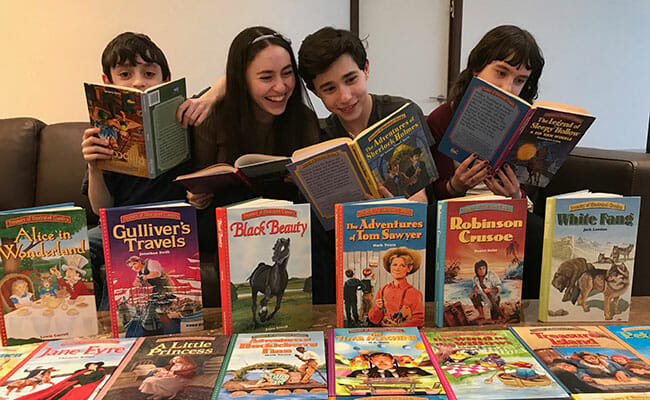
For some kids and teens, developing a love of reading can be difficult. After their family experienced this firsthand, siblings Alana, Jacob and Reuben Blumenstein founded KidsRead2Kids.com to help promote both the love of reading, as well as access to reading for youth and adults alike.
KidsRead2Kids is a web-based platform that provides visitors with read-aloud, abridged versions of literary classics – everything from “The Adventures of Sherlock Holmes” to “Jane Eyre” to “Alice in Wonderland.” And, in line with KidsRead2Kids mission, the readings are performed by a diverse team of young readers.
As a child, Jacob, now 15, was diagnosed with dyslexia. Inspired by the support he received and resources available to him, he became determined to help provide other kids with learning differences the same opportunities he’d had. “It was a really big struggle for me. I felt like I was alone, like I was different from everyone else,” said Jacob. “When I figured out I had dyslexia, it kind of made sense. So here at KidsRead2Kids we wanted to help people who have the same type of problems, but don’t have the resources, to get to the point where I got to.”
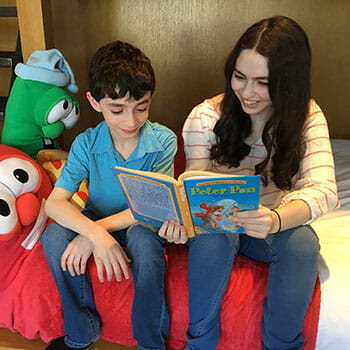
Alana, Jacob and Reuben want other kids, and even adults, to know that while it may not come easily, it is still possible to overcome those hurdles and learn to love reading. “Whenever we get feedback from moms and kids saying that our site has helped them, even if we can help just one person, it’s rewarding to us,” said Alana. “We just want to make sure that kids that are dealing with these issues feel empowered and safe, and that no child ever feels alone or that they’re the only one dealing with what they’re dealing with. We’re here too and we’ve all had the same struggles, and a lot of our readers have learning issues too, so they’re not alone. We want to give them that hope, possibility and empowerment.”
KidsRead2Kids truly is a family affair for Alana, Jacob and Reuben. While everyone still collaborates in all aspects of the organization, each of the siblings has a particular specialty. 17-year-old Alana does a lot of work with coordinating volunteers and readings, writing website copy, and generating blog and newsletter content. Jacob also works with coordinating volunteers, but his specialty is more on the technical side. He likes to edit videos, make sure various logistics are up to date, and he even wrote a song to go with one of their videos. And the youngest, 11-year-old Reuben, likes working on the artistic side of the organization and designed KidsRead2Kids’ logo.
“When you’re reading you can truly be a superhero,” said Reuben. “You can be several different people in several different places, several different time periods, all because you’re reading.”
KidsRead2Kids has been so well received in the community, C. S. Mott Children’s Hospital in Ann Arbor, Michigan, has begun using the website to read to patients when their parents and loved ones aren’t able to. Since it launched in mid-June, KidsReadtoKids.com has had more than 3,000 viewers from 44 countries around the world. The website has also been promoted by various groups like the International Dyslexia Association and Dyslexia Malaysia.
“A lot of people can feel alone and it’s important that everyone needs to know they all have a voice,” said Jacob. “It doesn’t matter who you are or how old you are, you have a voice and everyone should do their best to help the world.”
When it comes to volunteering with their family, Alana, Jacob and Reuben love it. Alana said, “we have a lot of fun and we work really hard, but we work really well together.”
Georgia Cheerleader Uses Her Spirit for Service to Help Others
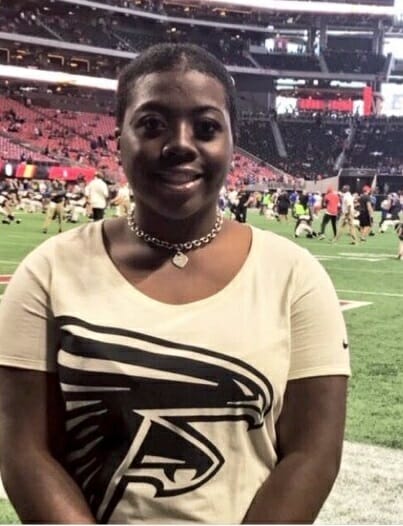
For most high school seniors, being an honors student, a varsity cheerleader and the student government class vice president would be enough to stay busy. But, not for Chioma Ajuonuma. Instead, this Atlanta-area resident spends as much time as she can giving back to others in her community.
At any given point during the month, Chioma can be found coaching young girls interested in cheerleading, tutoring veterans working on professional training, providing resources to homeless families or pitching in at hospitals and health departments. It’s service that leaves a positive imprint, she says, even if the result isn’t immediately visible.
Points of Light talked with Chioma about her myriad of volunteer activities and what she does to help others.
How did you get involved with the Parks and Recreation cheerleading?
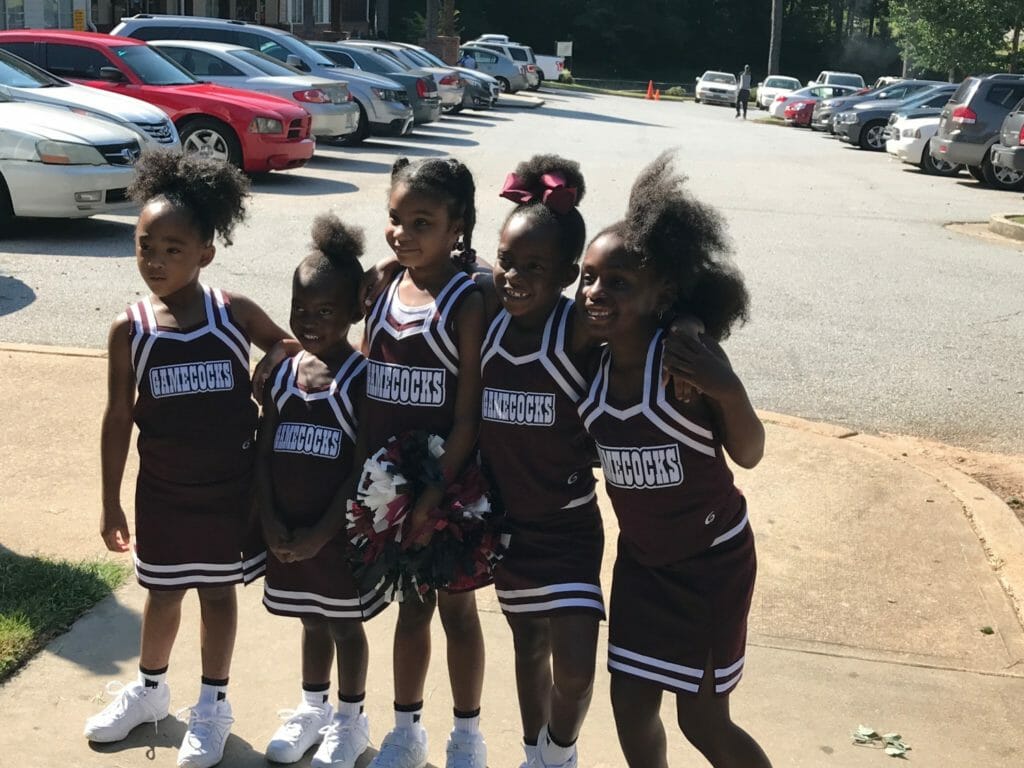
I’ve been cheerleading for eight years, and I’ve always wanted to coach. One day, I drove by Parks and Recreation and saw the cheerleaders practicing. I went up to the manager and asked if they needed an assistant coach. They did, and, this year, they made me the head coach. I plan practices, teach them competition routines and [develop] halftime shows.
I started around July of last year. The girls are between 4 and 8 years old. I love it — it’s so much fun.
Did you create Boxed with Love on your own? Why was this something that was so important for you to do?
I created this on my own. My mom helped me a bit. While we were in downtown Atlanta once, we noticed [there were] a lot of homeless people. So, my mom and I got boxes and decorated them, putting toiletries and things that people might need in them. We invest our own money, but we’re hoping to get sponsors to help us out in the future. I’ve been doing it for about four years, and we’ve done about 30 boxes that we give out every time we’re in that area. We just hand them out ourselves, usually to people who are living under bridges.
The people who have received the boxes seem to love it, and we’ve gotten a lot of thanks. I didn’t know this before, but there are a lot of moms and kids who are homeless under the bridge. So, we’ve started putting toys and diapers in the boxes, too.
How did you get involved with volunteering at hospitals and health departments?
During one summer, I volunteered at Grady Memorial Hospital, and I really enjoyed it. I worked in labor and delivery. The next summer, I wanted to work closer to home at the Board of Health. And, there, I played a role in making sure that kids got all their immunization shots for school. I worked in the back of the office where I weighed them and got them ready for the nurse.
What made you want to get involved with tutoring veterans?
My grandmother has a company called CCME Training Services. And, the veterans that come there are working to get certified for doing several trade jobs, like plumbing and other mechanical professions. Some of them needed a little help because they were having trouble. I noticed that some of the stuff they were working on were things I was doing in high school, and I asked my grandmother if I could come down and help.
I’ve [tutored] three veterans pretty regularly. I help them with their reading to better understand questions and take their time to analyze paragraphs, and I help them with algebra.
What types of impact do you feel you’ve been able to make?
We don’t often notice the impact because we’re just out working. But, one day this lady at Wal-Mart approached me and said how much her daughter loved working with me at cheer. How much she was going to miss me. The mom wished me good luck later in life. That made me realize that people pay attention — that even if it’s something small that you can do, you should try to do it because people will remember you. It will make a difference in their lives.
Do you want to make a difference in your community like Chioma? Visit All For Good to find local volunteer opportunities.
DPOL
Veteran and Civil Right Activist Builds on MLK’s “Beloved Community” Through Service
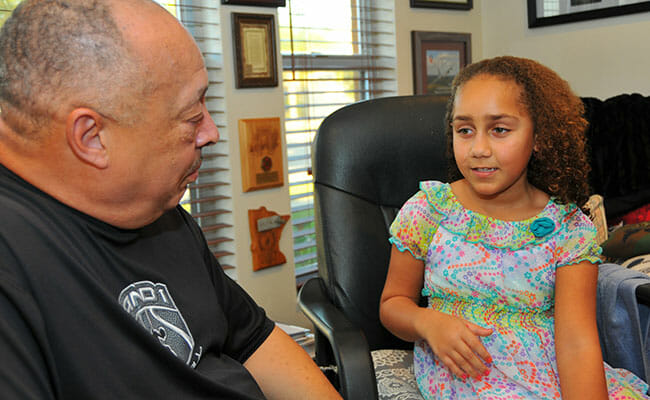
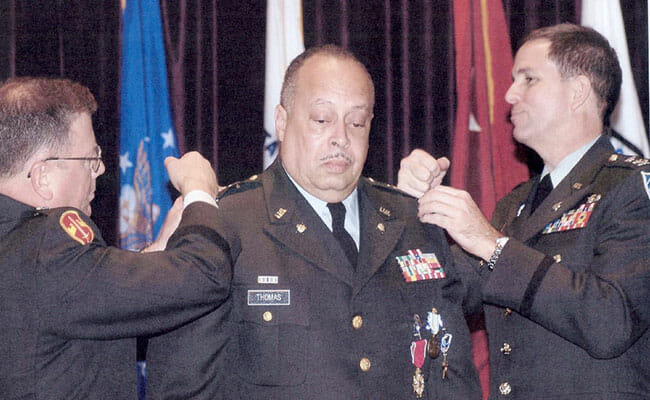
Col. Nathan Thomas Jr. is a retired veteran who served more than 39 years in the Army and Air Force, but for this Alabama native, currently living in Melbourne, Florida, supporting his community has been a natural extension of his life’s work. As a teenager, Nathan marched alongside civil rights heroes in Birmingham and Selma, Alabama, and was beaten along with hundreds of other marchers in the horrific 1965 “Bloody Sunday” police attack in Selma. Nathan is inspired every day by Dr. Martin Luther King Jr.’s idea of “The Beloved Community,” and has touched the lives of many in need through his contributions. Even in retirement, he has not stopped giving back. Nathan works with high-risk teenagers, the children of soldiers who died fighting for their country, and created the Minnesota Buffalo Soldiers Youth Camp, an organization dedicated to offering troubled kids going through the Department of Corrections process a final chance at redemption.
We spoke with Nathan to learn more about his work, and how he is helping to build stronger communities.
You grew up in Birmingham, Alabama, at the height of segregation, when the country was divided. Who were some of the heroes in your life?
Rev. Shuttlesworth and Rev. Abernathy were both from Birmingham. Birmingham was, at the time, the most segregated city in the United States. The church I went to was the 16th Street Baptist Church where the four little girls were killed. Oftentimes these ministers weren’t the “national heroes” they became, they were just people who were elders, and people who were preachers and deacons who tried to teach us the right way and how to try to be noble in our service, both to our country as well as to our communities. Rev. Abernathy and Rev. Shuttlesworth were my heroes at that particular time, along with A.D. King, who was the brother of MLK. He had a church in Ensley, Alabama, which was not far from where I lived.
You grew up dealing with great adversity. How did that shape your ideas on giving back?
I came from a very, very poor area called Sherman Heights – it was the poor of the poor. But how we learned to get along and survive was by sharing with each other. Then in the greater community, we learned to share with people who didn’t look like us, and who were afraid of all the racists and the nationalism and the Klan, but were still willing to sacrifice to help us to become as proficient as we could at that particular time. So it’s been a standard for me, and I learned that all people aren’t bad, whether they’re white or black or brown. There are bad people, make no mistake about it, but we can get around that, and still survive and help each other and help people grow.
You were a foot soldier in the Civil Rights Movement of the 1960s, fighting for equal rights. Are there lessons you learned from the civil rights heroes you marched alongside that are still with you today?
I still carry a piece of them with me and part of that was how they taught us how to work within the community. They would always say, “it’s not the government’s job, it’s the community’s job,” both to raise the children and to provide for them. I had a lot of people who taught me that methodology – to always take care of the person, and if you did that, then it would come back to you. It was also a very biblical belief, to always be a Good Samaritan. It just became a thing that engrossed my whole spirit to see how people responded, especially people who had nothing, when you gave them something.
What would Dr. Martin Luther King Jr. say about today’s political environment?
Dr. King would be passionate about how we treat folks, and investing in the community. To be able to come to the table to talk to each other about our needs. Personally, I think he would have said that we need to put down the cell phones and come to a table and sit down and talk, especially about race. Because it was a big concern then, it’s still a big concern, and it affects everybody. His message would have been a strong one of love, it would have been that “I am my brother’s keeper.” I think it would have been about community – he always talked about “The Beloved Community,” he talked about that almost until the day he died. It is about community, and that’s what I’m about.
What inspires you to volunteer?
My mother. Many, many years ago, we lived in a segregated system here in the United States. What I learned from her was that there was a way of helping and giving in a community that was basically segregated white and black. But she taught me that when her boss was sick, to take soup to them, and vice versa. So it was a way of getting around the system, but still acting within the community and actively giving.
What makes your home, the community, the United States – so important to fight for?
I’ve spent 39 years of my life in the military, I’ve traveled all over the world, been in command of tons and tons of troops. And, to be honest, this is still the best county that I know of that has all the benefits if you’re willing to sacrifice, if you’re willing to help others. People can come here with very little, and if they get involved, they can become whatever they want to be.
What do you most want people to learn from your story?
That community is anywhere you are. One of the things I started, the Buffalo Soldiers in Minnesota. We had all these kids who were from single mom, single dad homes, some of these kids had issues because no one really cared. We turned them into very, very good citizens, and people would say, “well, what did you guys do to these kids?” We didn’t do anything – we fed them, we clothed them, we talked to them, we cleaned them up, and we taught them survival skills. And those things changed the children around. To personally make a connection, and understand that it’s bigger than just one person, it has to be a community.
What’s in the future for you?
I want my community to grow, I want to do more for the people who need help. At my age, I don’t know how many more years I’ve got, but I want to see the growth, I want to see us communicating with each other. Not about each other, not away from each other, but to each other. My dream was to win a million dollars – and guess what – spend more money on food and all those essentials. Money is great, but it doesn’t cure everything. It depends on the hands of the person it falls into. So for me, it’s giving back and watching it grow. If I can help a child educationally, and tutor him, that’s great. Because my legacy, I always think of it this way: between the day you were born – which for me was in 1945 – there’s a little dash in there, and then at the end, your last year. It’s what you do with that little dash that leaves a legacy. And if they remember nothing else, they’ll remember that Mr. Thomas tried to give them something – something of value.
Find opportunities to get involved in your community at AllForGood.org.
Library Volunteer Uses Cosplay to Spread Joy in Memphis
Derrick Patterson loves books, and he loves helping people.
So, three years ago, in October, he signed up to be a volunteer with the Memphis Public Library. He’s worked there ever since, helping library visitors find the resources they need.
“I like that I’m part of the library. I like working with the books,” Derrick said. “It gives the employees working there a helping hand. They can’t do two or three things at once.”
For 10 hours a week, Derrick, a 31-year-old special-needs adult, sorts books, files microfilm, and manages the carts that carry books around the library. He’s responsible for keeping the books in their proper places, making it easier for readers to find the materials they need and want.
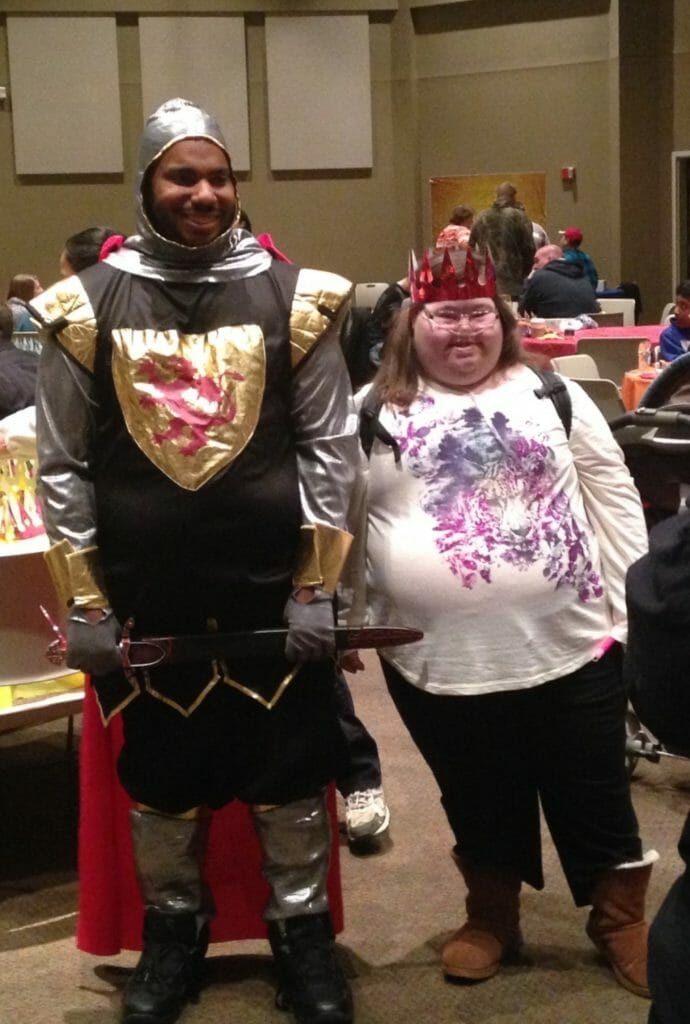
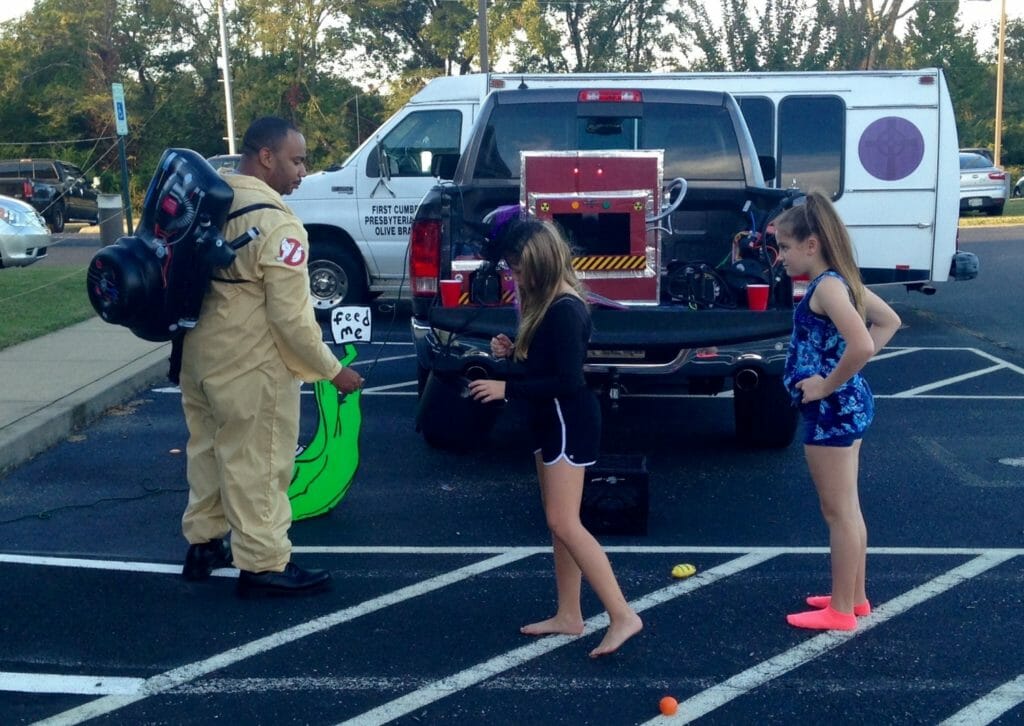
But, Derrick’s volunteer service doesn’t stop there. As an avid cosplay fan, he frequently brings the joy of fiction to children in schools and hospitals. Through two charity groups, including Cosplay for Charity, he reaches out to schedule times when he can visit children to brighten their days. While there, he dresses up and entertains them by acting out what various fictional characters do.
His favorite, he said, is to be a Ghostbuster. But, he’s also been the Green Lantern, a pirate and a knight.
“I like to get dressed up and show the kids the performances. I like to show them what the purpose of the characters are,” he said. “I believe the kids want me there because it brings some entertainment into their lives.”
Ultimately, he said, giving others a helping hand is something he enjoys immensely, and he plans to continue donating his time.
“Volunteering is something that I want to do on a daily basis,” he said.
Do you want to make a difference in your community like Derrick? Visit All For Good to find local volunteer opportunities.
How a Data Engineer Used Tech Skills to Help Rescue 35,000 Disaster Victims
As Texas, Florida and Puerto Rico face the aftermath of Hurricanes Harvey, Irma and Maria, Points of Light is honoring everyday citizens who stepped up to serve their communities during the immediate response and to embark on the long road to recovery. Meet Daily Point of Light Award honoree Matthew Marchetti, and nominate an outstanding volunteer you know as a point of light.
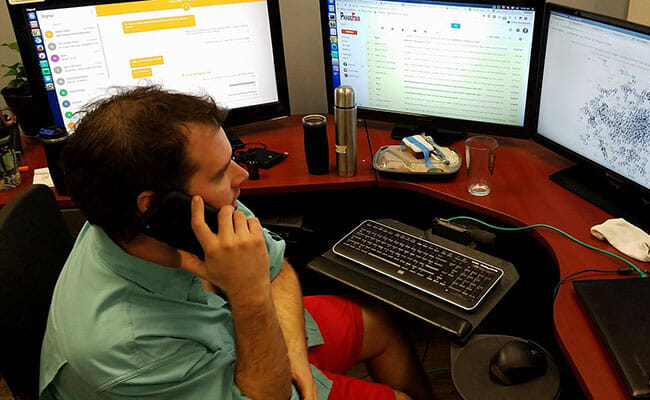
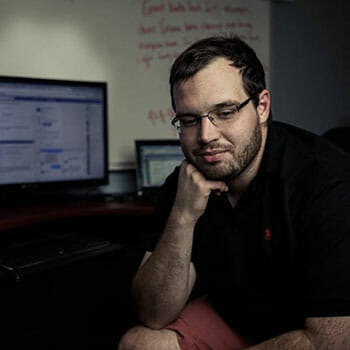
After spending a chaotic day on a boat rescuing people from Hurricane Harvey floodwaters, Matthew Marchetti set out to see if he could put his data engineering skills to work to find a more organized way to save those affected by the storm damage. He created a platform called CrowdSource Rescue to connect victims with volunteers while local officials and the U.S. Coast Guard were inundated with calls. Within hours of setting up the platform, Matthew received thousands of requests for rescue. Thankfully, people from all around the world stepped up to to volunteer their time to rescue those in need. So far, CrowdSource Rescue has been used to aid victims of Hurricanes Harvey, Irma and Maria, as well as victims of the Mexico City earthquake. In the course of just a couple months, the platform has helped connect more than 12,000 volunteers to rescue more than 35,000 people affected by these natural disasters, and it is still being used in Puerto Rico’s ongoing Hurricane Maria response efforts.
We spoke with Matthew to learn more about his experiences using technology as a tool to connect disaster victims with volunteers who are ready and able to help.
What is CrowdSource Rescue?
On the first day of Harvey, I was out in a boat helping rescue flooded people in my neighborhood. It was such a disorganized, chaotic mess. That night, my friend and I sat down and created a website that we could use to upload rescue cases and coordinate neighborhood rescues, and I texted it out to my friends.
I went to bed that night with maybe 50 rescue requests that had been entered and woke up the next morning to thousands. I freaked out. How were our three boats going to rescue all these people? Did we just give thousands of people false hope and make a terrible situation even worse?
I popped on Zello, a walkie-talkie app most people were using to coordinate, and heard the most beautiful thing though: we had gone viral overnight and average citizens were self-organizing around our technology to coordinate rescues on a massive scale. We had thousands of rescues requests, but that number was dropping as more people logged onto the site and more rescuers checked in.
CrowdSource Rescue became bigger than me or my friends in an instant – it was, and is, a tool for all of us to help all of us. Rather than bottlenecks or tightly controlled information, we placed the information and tools in the hands of everyday citizens and volunteers, and people organized around it.
Rescuers came from all across the country and were dispatched by people all across the globe. A victim would submit a rescue request and a rescuer would often be dispatched by a volunteer in less than 10 minutes. We had 60,000 people on the site at one point calling rescuers and victims, each coordinating, rescuing, and dispatching in their own zones.
All told, we had about 8,000 civilian rescuers sign up on the site to help rescue close to 30,000 people from their homes using our data and technology. We then turned around and used the same system in Hurricane Irma, Hurricane Maria, Hurricane Nate (where we thankfully weren’t needed), and Mexico City.
What is your role?
I put “Conductor of the Crazy Train” on my e-mail signature. In truth, I help set the overall vision, lead the development team, create key partnerships, and beat the war drums for rescuer recruitment. However, the beauty of decentralized leadership is no one person is critical to the movement. In fact, going a step further, I’d say CrowdSource Rescue worked despite me, thanks to all of our volunteers and rescuers giving it their all. If it were all up to me, this wouldn’t have worked.
Describe how CrowdSource Rescue has been used in responding to the recent hurricanes.
Our website has morphed into a rescue and early relief technology that is used to connect disaster victims needing help (be it rescue, medical attention, supplies, or evacuation) with qualified volunteers. It has an intake form for rescuees, a dispatch system for rescuers, volunteer coordination aspects, and some nifty mapping resources that help empower local volunteers and first responders to cut through the noise of a disaster.
It’s turned into a decentralized movement of citizen responders that has been used to help connect volunteers with about 30,000 people during Harvey, 1,200 people in Irma, 20 people in Mexico City after the earthquake, and more than 4,000 people so far in Puerto Rico.
We’ve also been working with organizations, local governments and universities to use the rescue data gathered to help in relief and recovery. The Red Cross and FEMA have been using our scrubbed data to place upcoming shelters. We are working with Rice University data scientists and the City of Houston to understand the impact of Harvey, and we have partnered with several local recovery agencies that are following up on our rescue cases.
What has been the most rewarding part of the experience so far?
I had a front-row seat to a nation of helpers and volunteers. The amount of human compassion has been overwhelming. It was beautiful, life changing and I don’t think I’ll ever be the same.
At some point, my personal cell phone got posted and shared virally online as a hotline to call if you were a rescuer heading to Houston. My phone never stopped ringing! I received 2,500 calls during Hurricane Harvey from regular, everyday citizens who dropped everything they were doing for a week and spent thousands of dollars to drive across the country in order to help rescue people they never met … all for no other reason than because it was the right thing to do. Incredible.
What have you learned through your experiences as a volunteer?
In Harvey and Irma, I realized that I would subconsciously breathe a sigh of relief when I heard a Cajun accent responding to a call. If you know a Cajun Navy member, please buy them a beer.
Why do you think it’s important for others to get involved and make a difference in their community?
You are the best person to help your community. In Puerto Rico for instance, we are focused on local Puerto Rican volunteers helping other local Puerto Ricans because they know what’s best for their community.
Are there any future partnerships, programs, or events that you are excited about?
This technology is game-changing and we want it to be the future of disaster response. We are working with a couple organizations and universities to make that happen. If you are interested in helping or have ideas, please reach out to me!
What do you want people to learn from your story?
You have the capacity to make real change just by doing what you know and focusing on your community. I used my skills as a data engineer to help where I could in my neighborhood and wound up accidentally creating an international volunteer movement. I didn’t exactly plan for that, but thanks to the nature of the technology and the goodness of humanity we were able to save lives.
Email Matthew Marchetti or visit crowdsourcerescue.com to learn more or get involved.
Learn about Points of Light’s disaster response work, and find out how you can help.
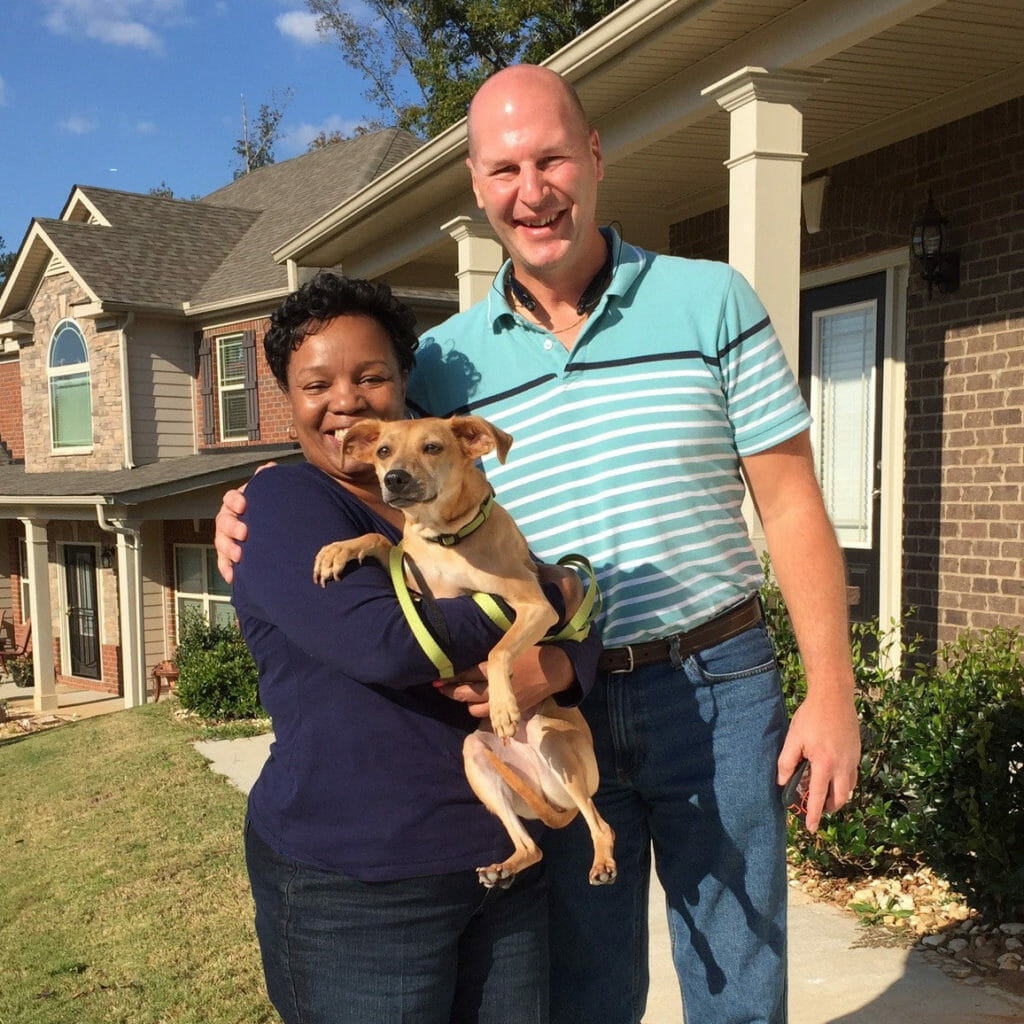
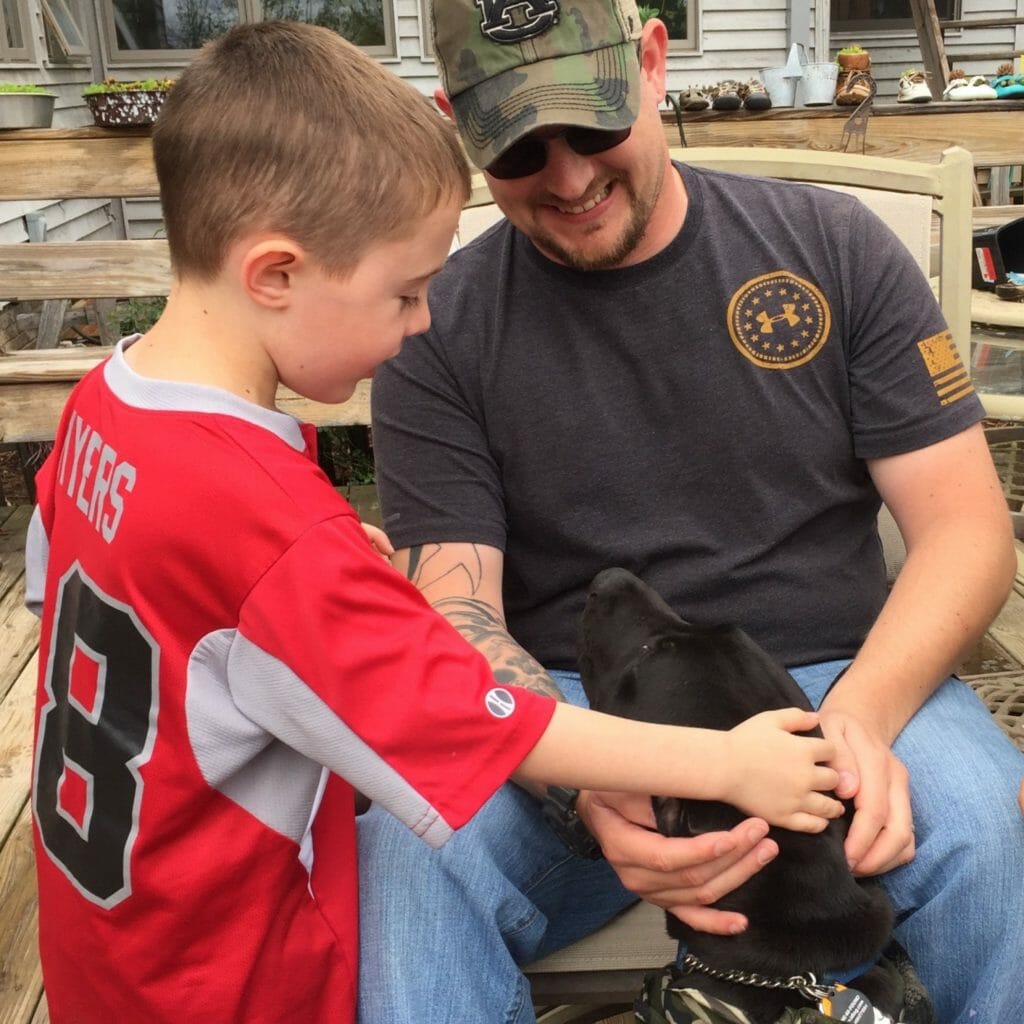
Combining Her Passions, Volunteer Helps Connect Vets with Companion Pets
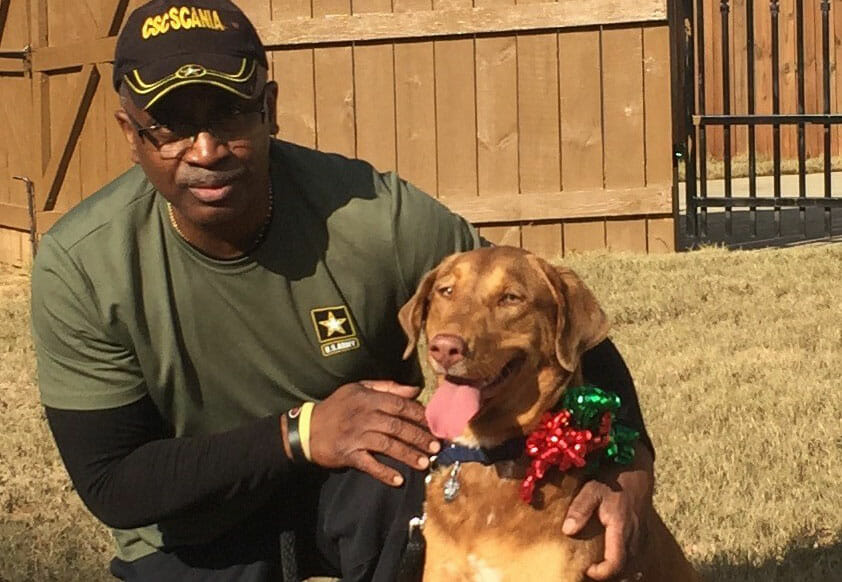
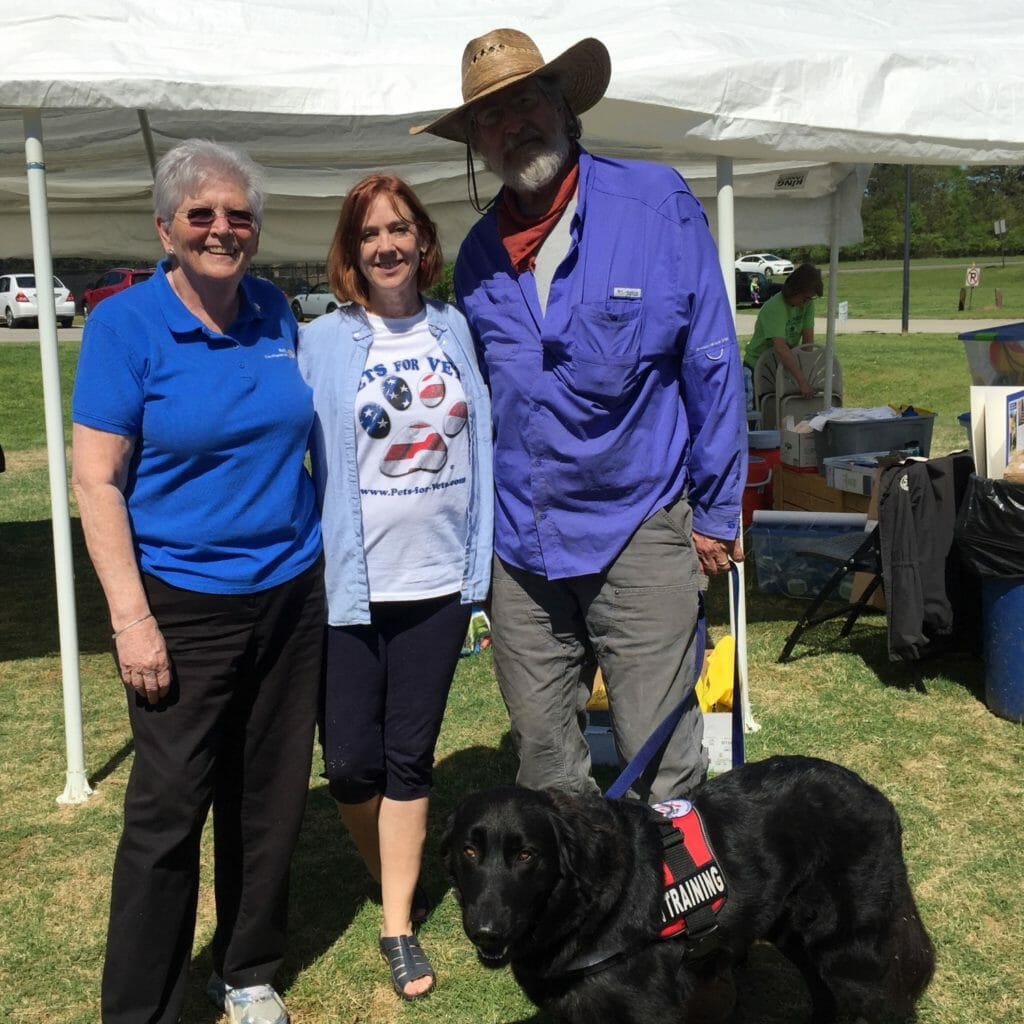
For military veterans who have proudly served, there can be physical and emotional injuries that make it difficult to transition back to civilian life – some estimates say as many as 20 percent of returning vets suffer from post-traumatic stress disorder. Barbara Blair has touched the lives of many struggling vets in need of companionship through her efforts as the Georgia chapter director of Pets for Vets, where she leads state-wide programs for the national organization dedicated to veterans and rescued shelter pets. After reaching out to Pets for Vets in 2012 offering to serve as a volunteer in Atlanta, and realizing a local chapter didn’t exist, Barbara took on the challenge of volunteering her time to start a chapter for the Peach State – on top of her full-time job as a strategic account manager for AT&T Mobility & Business Solutions. Barbara is making a difference in by providing opportunities for veterans to reconnect with their community, and finding good homes and companions for animals in need.
We spoke with Barbara to learn more about her work with Pets for Vets, and what inspires her to serve.
What inspires you to volunteer?
I’ve always been in pet rescue, I’ve worked with animals, and just enjoyed doing it. I was looking for an organization to become involved with, and wanted to focus on veterans because I had been reading about how returning vets sometimes struggled with suicide, and it was very upsetting. I found Pets for Vets, and I thought, ”what a great organization.“ It combined the two things I was most passionate about: veterans and animals. I enjoy just helping people – particularly right here in the community where I live. You get to know people, you work on the same goals, towards the same cause. Volunteering is a really good way to connect with people and do something to really make a difference.
How do you pick the perfect dog for a veteran?
We focus first and foremost on the veteran. We’re not an animal rescue group – we have a very in-depth interview that we do with the veterans who contact us about a companion dog. They fill out an application, we have a conversation with the vet that takes place over time. We find out what they’re looking for, what their lifestyle is, we do an evaluation in the home to make sure it’s safe for the dog. Then our trainers go to the shelters and start assessing dogs for that specific veteran. Every dog we place is chosen for that veteran – that’s a process that takes between 3-4 months. Typically, the veterans will be very specific about the breed or temperament of dog they are looking for. We once had a veteran tell us he wanted a “big, mean dog.” Of course that doesn’t mean we’re doing that. We want to find the right companion dog that will get them out of the house and is approachable so that people will come up and talk to them, and make a connection. We’re looking for the same dog every time – just a different mix or size – we’re still looking for the same temperament. We want that dog that really wants to be around people, is good with kids and is good with other pets. It has to have a mild temperament. One that’s being willing to sit and be patient.
What kind of impact do these rescue dogs have on veterans?
We’ve heard back from vets – they tell us, “I am getting out more, we’re exercising the dog.” Because of the dog, they’re getting out around people. They’re getting more social, which is great, and they’re sleeping better at night. The sleeping thing is huge. If you’ve ever had sleep deprivation, you know how terrible is it – you can imagine what that’s like for veterans, night after night, to not be able to get a good night’s sleep. It’s really a challenge for a lot of veterans. But, they’re able to fall asleep with their companion by their side.
Why do you think it’s important for others to give back to veterans?
We need to give back to our veterans because they do so much for us. When you look at some of the challenges they have, I don’t think the veterans get the attention, the respect or the assistance that they need. If you look around at what’s going on, it is the nonprofits and people who start these organizations to serve veterans who have this impact and can help.
What have you learned through your experiences as a volunteer?
I didn’t come from a military family, so I’ve learned about veterans in general. There’s a real divide between civilians and military. And I think a lot of times people who aren’t involved or don’t have familiarity with military life, they don’t understand their challenges or what their priorities are.
Are there any future partnerships, programs, or events that you are excited about?
We’ve based here in Atlanta, but we also have a branch in Columbus, Georgia, that’s been very successful. We would love to expand to Macon, Savannah and particularly because of our proximity to Fort Benning – we have veterans to help. We need dog trainers more than anything. They are the heart of the organization, and they work very closely with the veterans. We pay $1,000 to trainers for every match they make. For us, we have the funding, we have the veterans, we have the dogs – we need more traininers.
What do you want people to learn from your story?
First and foremost, I want them to understand the positive impact that animals have on veterans struggling with PTSD and other issues. People should understand how important that bond can be and that veterans really do need our help. Anything you can do to get involved and help veterans is a good thing.
Military Wife Helps Strengthen Family Foundation for Veteran Community After Husband’s Traumatic Brain Injury
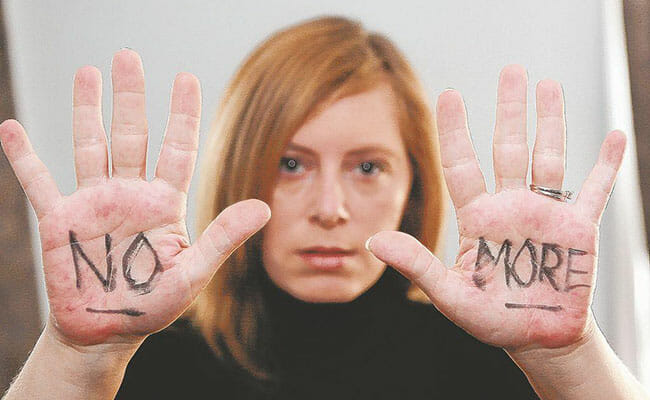
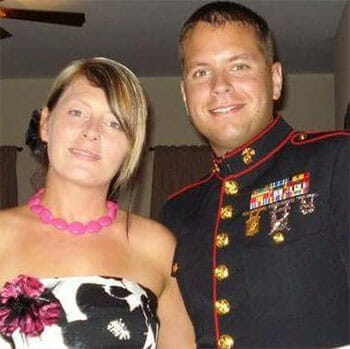
Lisa Colella is the president and founder of Healing Household 6, an organization dedicated to connecting caregivers of U.S. veterans with essential support as families face transitioning from active duty to the civilian world. When Lisa’s husband was forced into a medical retirement after he suffered a brain injury during deployment, the mother of two was forced to confront some issues that threatened to break up her family. Realizing there were others like her in the veteran community who needed critical resources, Lisa, now based in Charleston, South Carolina, started a Facebook group for families of veterans in an effort to strengthen the family foundation through support, and that initial network bloomed into what is now HH6.
We spoke with Lisa to learn more about her work through Healing Household 6, and how she is making a difference in community by advocating for veterans and their caregivers.
Where did the name of Healing Household 6 come from?
It’s an old military term, it comes from the spouses before myself. A lot of the older commanders will joke that “household 6 is on the line” – that’s kind of their term for your spouse and your family if you don’t want to answer that call (laughing). For me, the “household 6” part, that represents the nickname for the household and who kept that household running. And so Healing Household 6 was our way of saying that we are looking at the family dynamic, we’re not just focused on veterans, we are focused on all of the people who suffer from trauma due to these wars and everyone that came before that. Children who were in these situations, brothers and sisters, anyone who is helping to keep that service member’s household intact and together while they are away at war.
Where does your dedication to help others come from?
I think that’s a two-part question. The first part – I never expected to be in this type of family. I never expected to be in a relationship where intimate partner violence was happening in my home. I have an education and come from a good family, my husband and I had a great marriage before his injury. We had all of the things that make people say, “that doesn’t happen to people like them,” – but it did. And when it did, you know, my husband had to leave the home, and I had to keep my children safe, and I had to keep myself safe, and there was just nobody there to help with that. And when you go into any military community, and you start talking about these things, these are things that are kept very quiet. When I started talking about them, so many other people came forward. And so, half of it, from being in that position myself, where no one would listen to me … I didn’t ever want anyone to feel that way. And then the other half – so many women still come to me and say, “I’ve spoken to a commander, I’ve spoken to a leader, I’ve spoken to the VA,” – whoever that person is that they’ve gone to, or their family and friends, and they’re not getting that validation that they needed. And I just felt, gosh, we can’t go on like this. Even if we don’t necessarily have the tools to fix the problem right away, we still need to validate those feelings for these families so that they’re not stuck in a place where I was stuck in.
How many have you helped since you founded HH6 in 2014?
We’ve had more than 300 clients since we were founded, so those are clients that we have either assisted financially or we’ve handed off formally to agencies that can assist them. Whether that be their local domestic agency, or whoever that looks like for them. And then we have three peer support groups and the total number of those women that we’ve spoken to, or helped for peer support, is right around 2,500.
Fundraising is difficult for your organization. Explain why financial support is so critical to HH6.
It is difficult to fundraise, and I think that’s for a few reasons. We don’t always qualify for domestic violence grants because we help a specific category (military families of wounded warriors) instead of the whole. And then those that fund military organizations feel as if maybe we’re not shedding the best light on veterans, so we have difficulty there. But there are organizations that have stepped up – Independence Fund has stepped up, Kaplan University has stepped up. We have a lot of people like that that give us grants. And they understand that we don’t want veterans in jail, we want families to come together. Our goal is treatment. The veterans don’t want to leave their family, they don’t want to be doing this. We’re really trying to help the entire family, including the veteran.
What does your husband say about your work?
There are veterans out there are that grateful for us, and my husband, I know he’s proud of what we do. But I think it’s probably hard being in that spotlight where your wife is telling the world, “hey, I started the org because this was happening in my home.” But I think it’s also important because it shows that people can change, and with treatment, you can have the better relationship. I am still in my marriage, and my marriage is functioning better now than it ever has, and that comes with treatment. I know that he’s proud. When he has extra funds he does help out, he donates, he tells people about us.
Explain the challenges injured veterans and their families face during and following service.
For me personally, we are all this big family. And I know people say that all the time, but I’m not sure people actually grasp what that means. I was very young when my husband went to war the first time. We were married before 9/11, we didn’t anticipate – you always see these comments, that people say, “well, you knew what you signed up for,” but for a lot of us, we didn’t. We were in a peacetime era, and we didn’t know what war would look like. So when you move to these installations – all we had was each other. And then every few months, every few years, you’re getting picked up and moved all over again. For a lot of wives, this is all they had. They didn’t get a chance to dig into their community and meet long-term friends. We kind of get forgotten in that shuffle. Our kids get forgotten, that they are making new friends, they’re also sacrificing for this war. They are also dealing with parents that have missing limbs, and brain injuries, anger and disputes – all of that which comes along with being frustrated with medical issues. And once that person gets out, that whole structure that they had to support them is immediately taken away from the family. The veteran still kind of still has it, within his friends and the VA, but the family doesn’t.
Why is it so important for you to give back?
For me, so many women came to my home, when my husband was medevaced home – some I didn’t even know – and offered to cook and help. They dropped everything they were doing for us, so I thought, what else can I do? How do you pay that back, when someone just takes you in and makes you a part of their family, when they don’t even know you?
What’s next for you?
I want two things: Currently 17 VAs have intimate partner violence programs – it’s called the Strength at Home program. It’s a 12-week program, it has a very high rehabilitation rate, unlike most domestic violence programs. We want to see that in some rural areas across the country where there aren’t as many resources. We really want to see VA hone in on that, but that’s going to take some time. Secondly, we want to have a program that offers legal services, because sometimes it does go too far, and the only option is to get them out. These women lose caregiver benefits when their husbands leave them, there’s nothing that they have access to through the courts when it comes to a veteran marriage. They often haven’t worked in a really long time after they’ve taken care of their veteran, or maybe because of military moves they didn’t work at the jobs they were qualified to work at and they don’t have the experience they need to be able to gain employment that would contribute to taking care of their family on their own. What we’d like to see on the other side of healing – when we can’t do that, can we provide them with enough resources and financial backing to be able to hire legal representation for themselves.
What’s the one thing you want people to learn about HH6?
We know that [domestic violence] is a national problem and we’re not saying that it’s more important for veteran families, we’re just saying that those people sometimes have less access to the things that they need. Typically, veterans aren’t violent in an everyday situation, but the things that they go through create an enormous amount of stress with a little bit of money. And those things all impact our families. All of these veteran families have given so much more than a leg, a hand. They’re literally giving their family dynamics over for the safety of the country. People can deal with all these things, but when families are falling apart and there’s no help out there for them, organizations like us are the ones that fill those gaps. It’s really important that people, even just if they can volunteer, even if they can bring someone a meal, there are so many ways you can help, even if you don’t have the financial means to do it, just by being a friend to someone in this situation.