Building a Culture of Service, Marlins Exec Leads Team of Volunteers With ‘Marlins Ayudan’ Community Initiative
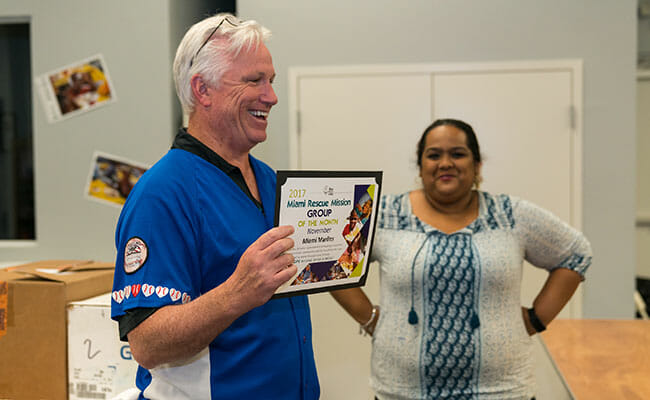
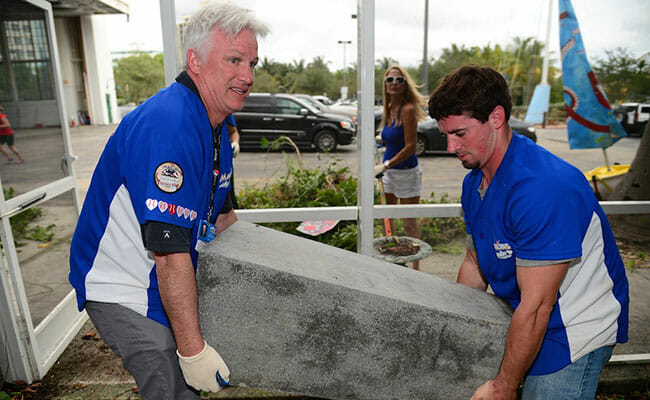
In 2010, the Miami Marlins launched a community initiative called Marlins Ayudan (“help” in Spanish). Through the program, 230 front office employees have served more than 48,000 hours, donning blue shirts and volunteering in teams throughout the community – beautifying the Miami River, picking up trash along South Florida beaches, or taking underprivileged youth on field trips to local museums and attractions. Claude Delorme, executive vice president of operations and events, has helped establish this rich culture of service by leading a Marlins Ayudan team each year.
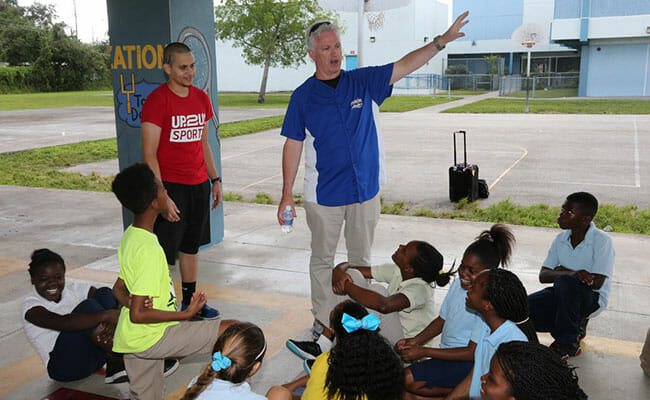
For the last three years Claude’s team, ”The Voice,” have committed the most hours to Marlins Ayudan, dedicating themselves to helping Miami’s youth and homeless population. In 2014, the team started mentoring special-needs students at Citrus Grove Middle School, visiting once a month. Before every visit, Claude adapted lesson plans to make sure they were appropriate for the group. He also organized an end of year field trip for the students at a bowling alley to celebrate the end of the mentoring season.
The Voice also volunteers with the Miami Rescue Mission, which transforms the lives of homeless men, women and children through comprehensive residential rehabilitation programs. In addition to service meals with the team, Claude raises money as the chairperson of the men’s shelter committee, Home Run for the Homeless.
We spoke with Claude about Marlins Ayudan, his passion for helping the community, and his approach to building relationships and continuity to deepen the impact of the Marlins’ corporate social responsibility.
When did you first get involved with Marlins Ayudan and what inspired you to get involved?
The program started in 2010 when the organization participated in dedicating full days in the community (Thanksgiving, Christmas toy drives, Give Miami Day, etc.). In addition, each member of the organization was assigned to a team of 12 to 15 people, and we attended monthly outings in the community. I quickly realized the value and benefits to the community, the difference we could make to their lives by showing we cared and having some continuity to our programs on an ongoing basis. The more we connected with them, the more impact on them and personal satisfaction to me and the team members.
In your own words, describe Marlins Ayudan.
Integrating ourselves in the community by giving our time and services to local charities and nonprofit organizations. We are very fortunate to be members of the Marlins family, and this allows us to connect with the community on an ongoing basis.
What is your favorite memory from your work with Marlins Ayudan?
The first year we held the graduation of Miami Rescue Mission at Marlins Park was my highlight. They were so appreciative that the Marlins would donate the facility for [participants of the rehabilitation program] to graduate in a professional sports setting. They were proud of what they accomplished and felt supported by the Marlins organization. Their families attended and watched from the seating bowl as their loved one was called to the stage. It was truly a magical moment. They remind me of this moment every time that I attend an event at the mission. It was very rewarding and priceless.
What have you learned through your experience with Marlins Ayudan?
I wish that I would have been exposed to it earlier in my career, as it allows us to take a step back and realize the corporate social responsibility we all have. We can make a difference in the community and make their lives better. We cannot fake caring for others and getting involved. What a great message for an organization to extend to their community. As we mentor our interns, it is a great way for them to realize the value of this responsibility.
Why do you think it is important for others to get involved and make a difference in their community?
Mostly that as an organization, we can make a difference in the community. Each person’s role and touch points can change lives and motivate people to change or stay focused on their new path. We have met several people who have dealt with more hardship than they deserve or made mistakes in their lives, but their kindness and dedication to change is worthy of a second chance.
Eve Glenn
Eve Glenn was first drawn to give back as a constructive way to spend her time during her father’s deployments. The Tampa, Florida, teen is a volunteer STEM tutor who spearheaded a tutoring program to benefit students with an academic need in her community. She has also led two STEM-related service projects to benefit local schools, and served as a volunteer for the USO, as well as other school and military affiliated organizations.
“Volunteering gives me an instant purpose […], and long-term friendships in each new location our family is stationed,” Eve said.
Do you want to give back to your community like Eve? Visit All For Good for local volunteer opportunities.
Autumn Williams
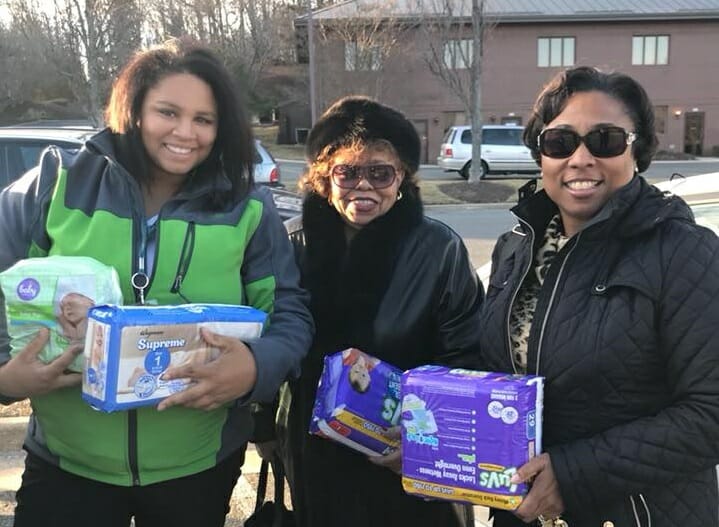
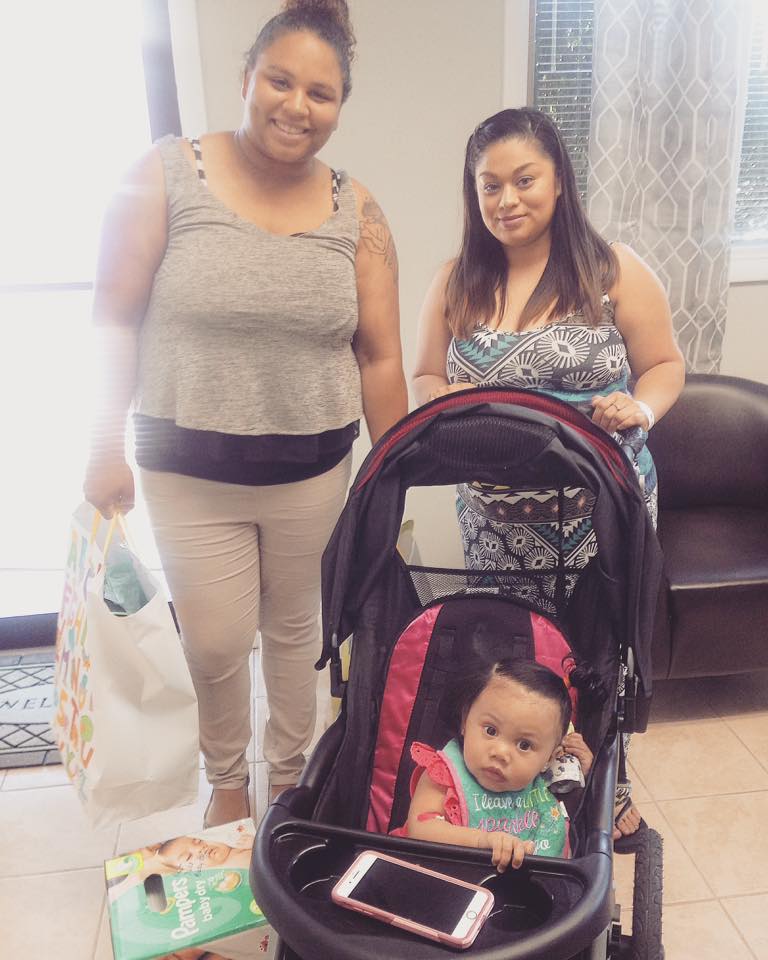
Autumn Williams is the founder of the Two Percent Project, an organization that provides community resources, moral support, and parenting education for teens who are pregnant or parenting in the northern Virginia area. Autumn was inspired to start the nonprofit after becoming a teen mom herself and learning that less than 2% of teen mothers graduate college by the age of 30. Autumn is today’s Daily Point of Light, and she spoke with Points of Light about how her experience motivated her to help others.
What inspired you to give back?
I became a teen mother at the age of 17-years-old, a week before I was supposed to leave for college on a partial athletic scholarship. When I graduated college, I came across the statistic that less than 2% of teen mothers would graduate college before the age of 30. This prompted me to create a pregnancy center that was specifically for teen parents run by people they could relate to – The Two Percent Project. This allows us to be built on a “first-hand experience” foundation.
What does the Two Percent Project offer its clients?
Our organization assists clients with education completion plans, workforce development, employment [counseling], and education on building and sustaining healthy relationships. Upon completion of parenting education sessions, goal accomplishments, and attending life skill workshops, clients earn credits to purchase baby and incentive items from our organizations “stock pile” which is stocked through community and corporate donations.
We have serviced over 120 clients in 2017 alone in Fairfax and Prince William Counties. [This year], we expanded and added two more offices in Fredricksburg and Old Town Alexandria to be able to triple our services and reach more in need parents.
What is the most important lesson you’ve learned through your experience as a volunteer?
The amount of stigma that these parents face every day. Although I was in their same shoes nearly a decade ago, it seems that teen parents are stigmatized more now than back then.
Why do you think it’s important for other people to volunteer?
We hire former teen parents to mentor our clients. I think it’s important because they are able to have support from someone who knows what they are going through.
Do you want to make a difference in your community like Autumn? Visit All For Good to find local volunteer opportunities.
Cynthia Sluka
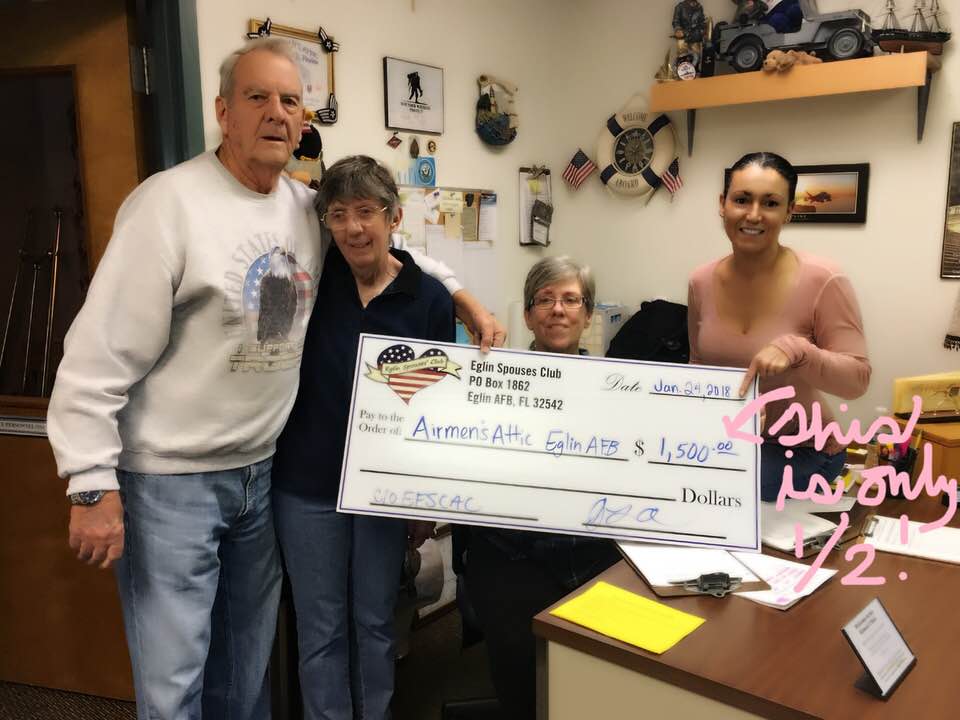
Cynthia Sluka volunteers as an assistant manager at the Airman’s Attic at Eglin Air Force Base in Okaloosa County, Florida. Airman’s Attic helps defray the costs of setting up a household for eligible, active-duty military members by providing children’s clothes, baby items, and furniture at no-cost. Cynthia oversees sorting, deliveries, and pickups.
“I have been volunteering for many years,” Cynthia said. “I’ve always wanted to help the less fortunate – especially my fellow sisters and brothers of the military since I am a retired veteran myself.”
Cynthia also volunteers with the animal shelter on the base, where she helps rehabilitate animals and fosters them in her home. “A life is a life – no matter if it’s a human [being] or an animal,” Cynthia said. “We all need help at some time or another in our lives.”
Do you want to make a difference in your community like Cynthia? Visit All For Good to find local volunteer opportunities.
Marty Haley
In the aftermath of Hurricane Harvey, Marty Haley and his sons Cody, Casey, and Wyatt stepped up to aid those stranded by rising flood waters. The men used Cody’s 5-ton army vehicle to evacuate an assisted living facility and transport police and county sheriffs to affected areas where normal emergency vehicles were unable to venture. In total, the Haley family helped 260 people and their pets to safety over the course of four days.
Marty Haley shared that one of the most revealing lessons he learned during rescue and recovery efforts was how vulnerable the elderly become during times of disaster. Motivated by what he witnessed, the Santa Fe, Texas, resident is taking steps to help improve response to senior care facilities in the future.
“I joined Houston Mayor [Sylvester] Turner in forming a taskforce to regulate assisted living/boarding homes in Houston to ensure that we know where these facilities are and can direct assistance to them in a [timelier] manner during the next disaster,” Marty said.
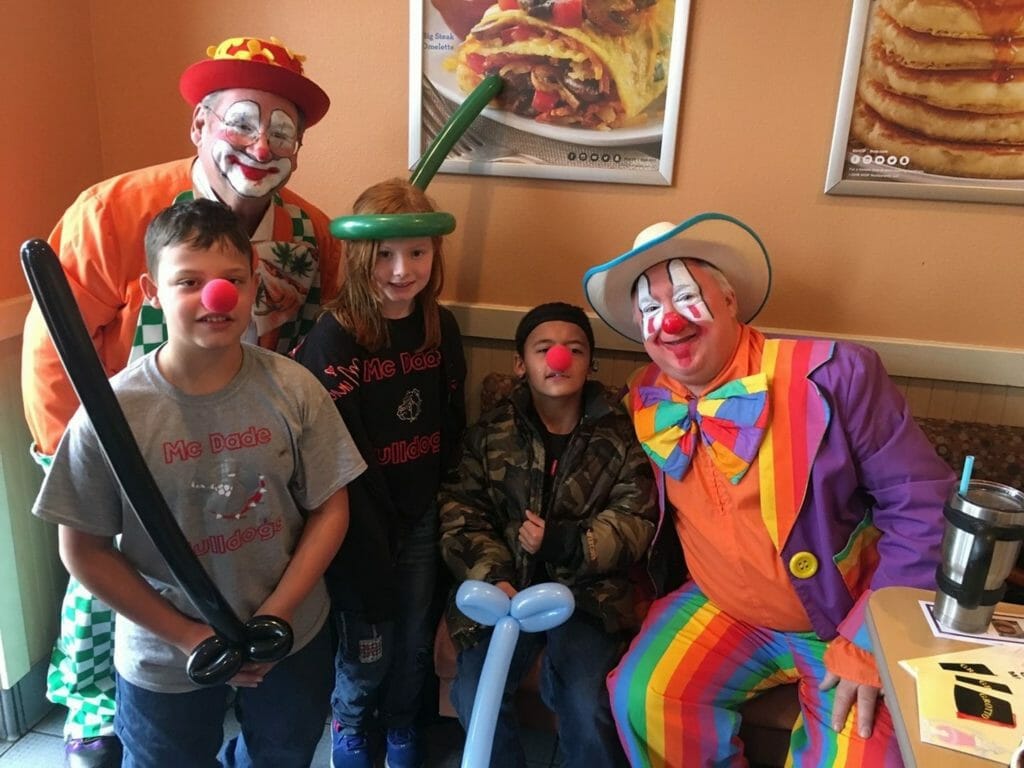
Marty is also a longtime volunteer through the Shriners International organization and often dresses up as one of their infamous clowns to entertain local children and raise money for scholarship funds.
“We [all] have the ability to truly make a difference in our communities and to our neighbors,” Marty said. “Whether helping in a disaster, raising scholarship funds, or being a Shriner clown for hospitalized kids – this commitment is where we find joy.”
Do you want to make a difference in your community like Marty? Visit All For Good to find local volunteer opportunities.
Turning Her Pain into Purpose, Youth Advocate Works to Give a Voice to the Voiceless
At age 14, Samantha Gerson was placed in a residential treatment center; but instead of help and healing, she experienced physical and emotional abuse. At first, Samantha tried to shut away what had happened to her, but then she realized she could make a difference for other teens who felt alone and scared. Her experience motivated her to find ways to support other youth in need, and to eventually work with lawmakers to change public policy focused on institutional abuse and conversion therapy.
Now a graduate student in clinical social work at the University of Southern California, Samantha volunteers with at-risk youth and provides training to parents, schools and counselors around how to identify institutional abuse. She also advocates for policy change at the local, state and federal level, and is running for a seat on the Board of Education in Los Angeles in 2019.
We spoke with Samantha about her commitment to helping at-risk youth and what drives her to be “a voice for the voiceless.”
When did you decide to start volunteering to support at-risk youth?
I started as a teenager; my mom was a major advocate for me going out and helping those who needed help. I unfortunately was institutionalized in a residential treatment center when I was 14, which gave me an inside look at the atrocities that happen behind their closed doors. As soon as I got out, I realized this is what I want to do with my life. I want to make it so nobody ever has to experience what I have experienced. I want to give the voiceless a voice.
How did you get started?
At 16, it can feel like there is not much you can do. But, I found the Trevor Project and started working to support suicidal LGBTQ youth. I was part of their first youth advisory council, which was just a group of adolescents who identified with the community, or identified as an ally. Together we worked on various projects that would ideally make a difference in LGBTQ communities nationwide. We helped create a site for LGBTQ teens to go chat with one another. Sort of like a Facebook for kids. At the time, it was called Trevor Chat. From there, I just spent so much time doing things with Trevor Project, they asked if I wanted to join them as an intern and I of course obliged. Then I eventually started overseeing the entire youth advisory council.
How did your activism evolve?
As I grew older, I had more access and ability to get involved. I found myself involved in social work, and interned with various communities. Since then, I have been given many chances to work with victims of institutional abuse and conversion therapy. I have sort of done it in any way possible. Since I am not a licensed social worker yet, most of my work is very casual and very low-key. I write reviews and research on any site that I can, and I write blogs regarding specific institutions.
I also go to conferences, schools and agencies to do trainings and workshops on how to spot abuse in institutions, as well as how to prevent it. For example, “if you have a neighbor whose kid is in treatment, here is how you know if it is abusive or not…” Additionally, I talk a lot about how you can advocate for these vulnerable adolescent populations. I have recently gotten into macro work at a policy level. There are a lot of new bills coming out, especially in L.A. with Rep. Adam Schiff. He is a strong advocate for protecting institutionalized youth. He introduced a federal bill that would prohibit the practice of conversion therapy. Being involved in policy and being a voice for this has been really powerful for me.
How have you been involved in changing public policy?
I am very open and out about my experiences in institutions. I will speak to whomever will listen, whether it is a congressman or an average lay-person, about my experience and my testimony. I also have a presentation that I created that I share with lawmakers and educators. Right now I volunteer with dual-status youth, foster youth who are involved in juvenile delinquency court, and my supervisor is allowing me to do a training at the Children’s Law Center in the near future.
I am fortunate enough to be able to do this work more on a level where I can reach the people who can make systematic changes. I cannot make the change myself yet, but I can help educate others so they better understand the issue and stop future abuse.
What inspired you to run for office?
I feel like the voiceless need a voice. I remember being a teenager and feeling like no one listened. There was no person who represented me, or looked like me, or sounded like me, who was in office wanting to create change. I want to be that person who a struggling 16-year-old girl goes, “I’m in a tough spot, and no one cares … but at least she is speaking my truth. She is saying what needs to be said.” I feel like maybe I can have that impact on someone.
How can people get involved to support LGBT youth and other vulnerable at-risk youth in their community? What advice do you have for them?
I recommend people check out the organization Survivors of Institutional Abuse. A really amazing person named Jodi Hobbs founded it. She has done so much and this website is a great resource. It connects you to other survivors, it has information-backed statistics, and provides any other information you might want. It will even tell you how you can help locally. If you are an educator or counselor, or you work at a law office and are interested in training, please reach out to me. I love to help educate others on this topic. You can connect with me on LinkedIn.
Amina Hylton
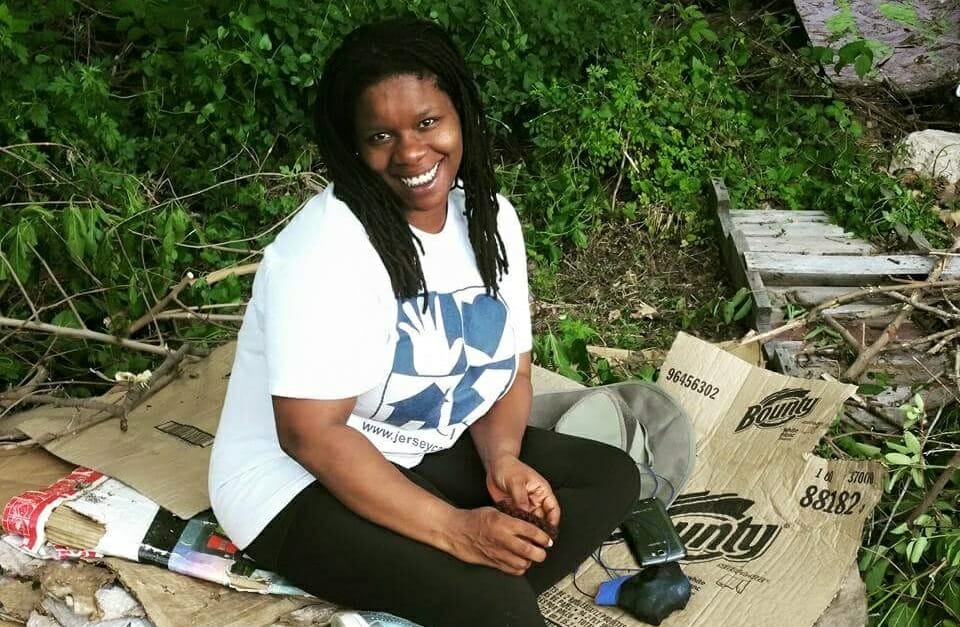
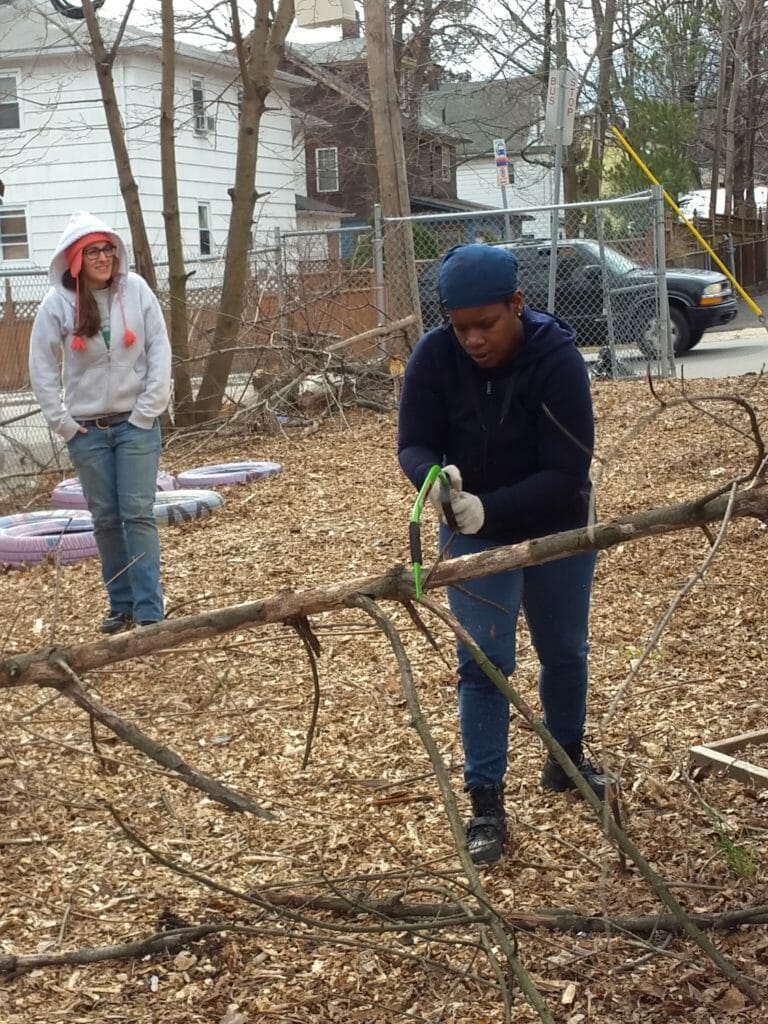
Amina Hylton believes that volunteering brings communities together. The Newark, New Jersey, resident serves through a variety of organizations, including leading projects for Jersey Cares. As a project coordinator, she has managed scheduled projects like Plant It Forward, Cooking Creations, Beach Beautification, Bike Exchange, Earth Keepers, and Hunger Helpers.
Amina also volunteers as the assistant to the volunteer manager for the Congressional Black Caucus; utilizes her early childhood education background as a reader for the Celebrity Reader program at United Way; serves on the National Council of Negro Women as a lead volunteer; and volunteers as a committee member for the Heart of Vailsburg Health Havens Garden.
“I believe it is important for other people to volunteer because it will bring them closer to the community,” Amina said. “They will be more responsible citizens when they are able to see, up close, the impact they are able to make while revitalizing the community…. How one chooses to give back is not important, their efforts will be appreciated and are greatly needed.”
Do you want to make a difference in your community like Amina? Visit All For Good to find local volunteer opportunities.
Amanda Cathcart
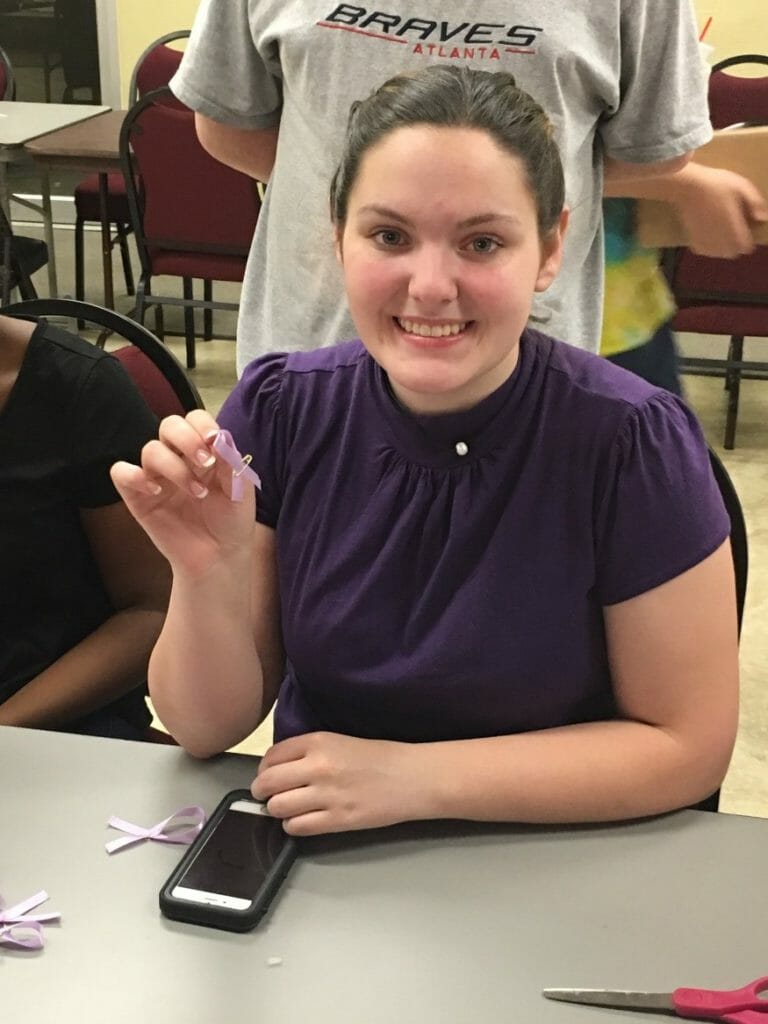
Amanda Cathcart volunteers through 4-H and the Marine Corps Junior Reserve Officer Training Corps (ROTC). As an operations officer, she develops volunteer activities that her fellow ROTC members can participate in, and via 4-H she assists at various events that support the organization’s mission to develop leadership skills in young people. In 2013, she began planning Purple Up Days for Military Children in her local Rockdale County, Georgia, community, which includes passing out ribbons, collecting items for care packages, and teaching classes to raise awareness about the challenges military children face.
“The most important lesson I’ve learned from being a volunteer would be that it doesn’t matter how small your actions are, [they] mean a lot for other people,” Amanda said.
Do you want to make a difference in your community like Amanda? Visit All For Good to find local volunteer opportunities.
Isabella and Anthony Cuturrufo
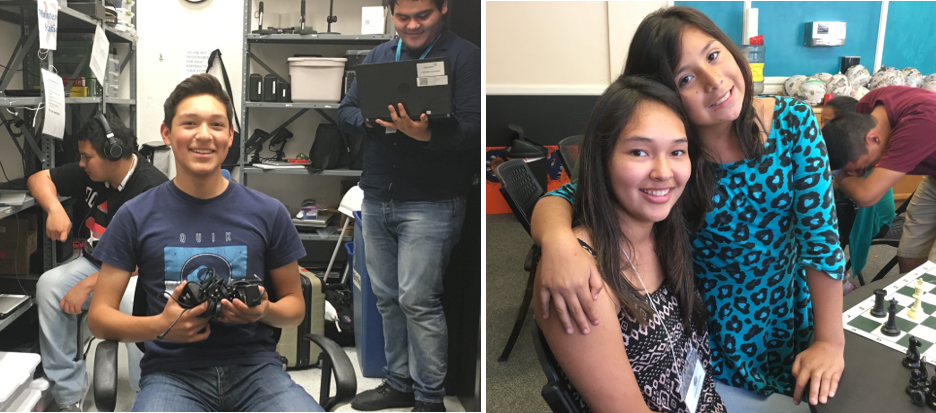
Siblings Isabella and Anthony Cuturrufo are avid volunteers who serve at several organizations near their Aptos, California, home. At The Teen Kitchen Project, they lead other teen volunteers in cooking healthy meals for patients with chronic illnesses. Through YouthSERVE, they work with various nonprofits such as the Environmental Science Workshop where they help elementary students bring their ideas and drawings to life using different materials.
Anthony also volunteers at Digital NEST, a nonprofit that gives low-income youth access to free computers after school and offers them various training and networking opportunities. Isabella leads activities for middle school students at YouthNOW.
“Through volunteering we learned how action and persistence is needed to make a difference for our community,” Isabella said. “Seeing the impact we had […], either through smiles or laughs from the patients at Teen Kitchen or students at YouthNOW, we saw how even the smallest gesture can have a large impact.”
Do you want to make a difference in your community like Isabella and Anthony? Visit All For Good to find local volunteer opportunties.
Katharine Trojak
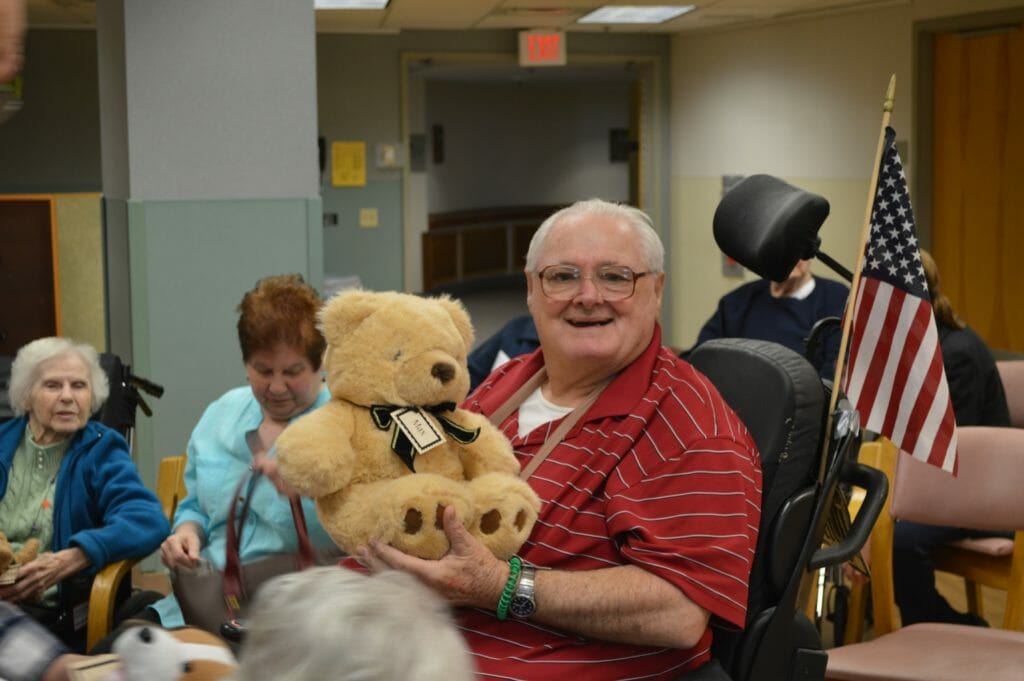
Used stuffed animals are finding a second home, and purpose, through The Stuffed Animal Rescue, which was founded by Katharine Trojak in 2013. The Churchsville, Pennsylvania, teen cleans the used toys, names them, and distributes them to seniors, homeless shelters, and kids in need. Katharine is today’s Daily Point of Light, and she talked with Points of Light about why it’s important for her to give back.
What does The Stuffed Animal Rescue do to help the community?
One might not see the connection between The Stuffed Animal Rescue and environmental conservation, hope, and a better tomorrow – but it’s all there underneath our main mission. We clean the stuffed animals, give them names, then distribute them to local nursing homes, pass them on to women’s shelters, and give them out at homeless centers.
We [expanded] internationally and have now delivered over 5,000 stuffed animals to orphans in India. We’ve also opened a research division to revise the way we sanitize the stuffed animals. With each stuffed animal that we rescue, it’s one less out of the millions that are left in dumpsters every year.
What inspired you to give back?
When I was young, my grandmother came down with something called Guillame-Barre syndrome which forced her to be bed-bound. Instead of leaving her in a nursing home, my mom decided to care for her at home. For 11 years, I watched my mom care for my grandmother and both of their love for the world and dedication to making it a better place inspired me to create projects and work with other organizations in order to do all that I could.
What is the most important lesson you’ve learned through your experience as a volunteer?
That we can never stop caring for others. It’s not hard at all to reach out a hand to make the world a better place, even at a small level. It’s not hard to begin a project that can help those around you, and it’s not hard to find other organizations that make it easy to help spread their message even further. Whether it’s helping with fundraising, volunteering a little time to run an event, or offering professional services for free, it’s so easy to get the ball rolling. And once it’s rolling, I’ve found that I never want it to stop.
Why do you think it’s important for other people to volunteer?
This world is connected in so many ways, and it’s that connection that keeps us human. We have to keep helping each other and can’t be ashamed of accepting help when we need it. Not only can we find ourselves in volunteering, but we can help others find themselves and bring light to where there is darkness.
Do you want to make a difference in your community like Katharine? Visit All For Good to find local volunteer opportunities.