Replacing Shame and Stigma with Hope and Change
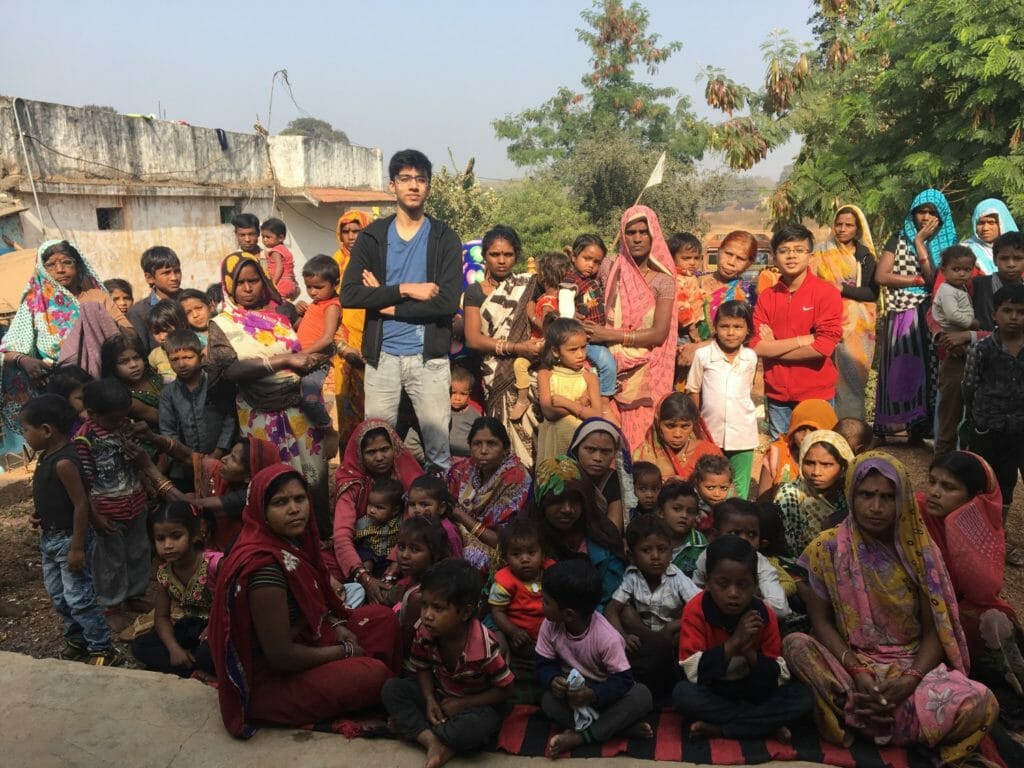
Ansh Jain began an interest in community service as a boy growing up in Peoria, Ill. In 2016, he visited Nepal for a three-week hospital volunteer stint. Ansh was amazed to learn that many women who came to the hospital complaining of stomach aches or urinary infections, were in fact, not sick, but struggling during their menstrual cycles for lack of proper sanitary products. He found that 88 percent of menstruating women in India are forced to use unsanitary alternatives, such as rags, ash, sand and husk. Poor menstrual hygiene in India causes one in four girls to quit school upon reaching puberty, he says, and also can cause reproductive disease.
Ansh, whose parents emigrated to the United States from India in 1997, visited the village of Teori, his grandparents’ hometown in 2015. He was inspired to help Teori and other poor villages fight poverty.
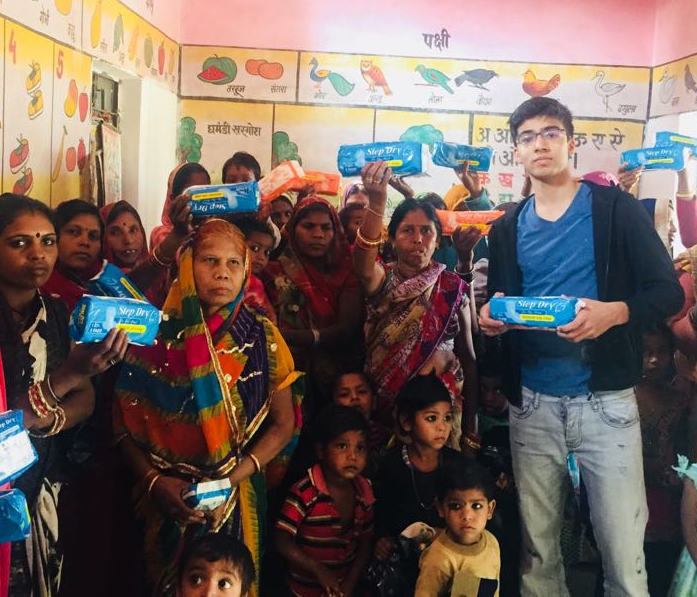
Ansh, now 16, continues to raise money for the poor, which he donates to nonprofit organizations that purchase sanitary products at a discounted rate. Ansh visits poor villages regularly, to teach proper hygiene and to distribute the products.
What inspires you to volunteer?
I have built a connection with community service from a very young age, volunteering in service activities from the age of 10. Volunteering is now an integral part of my life. Volunteering and giving back to the community provide a sense of satisfaction not attainable through any other outlet. Since I have the privileged ability, as a part of this advanced society, to positively impact those struck with poverty and misfortune, I will attempt to make a statement in deprived areas of the world and continue to stay inspired.
Describe your volunteer role.
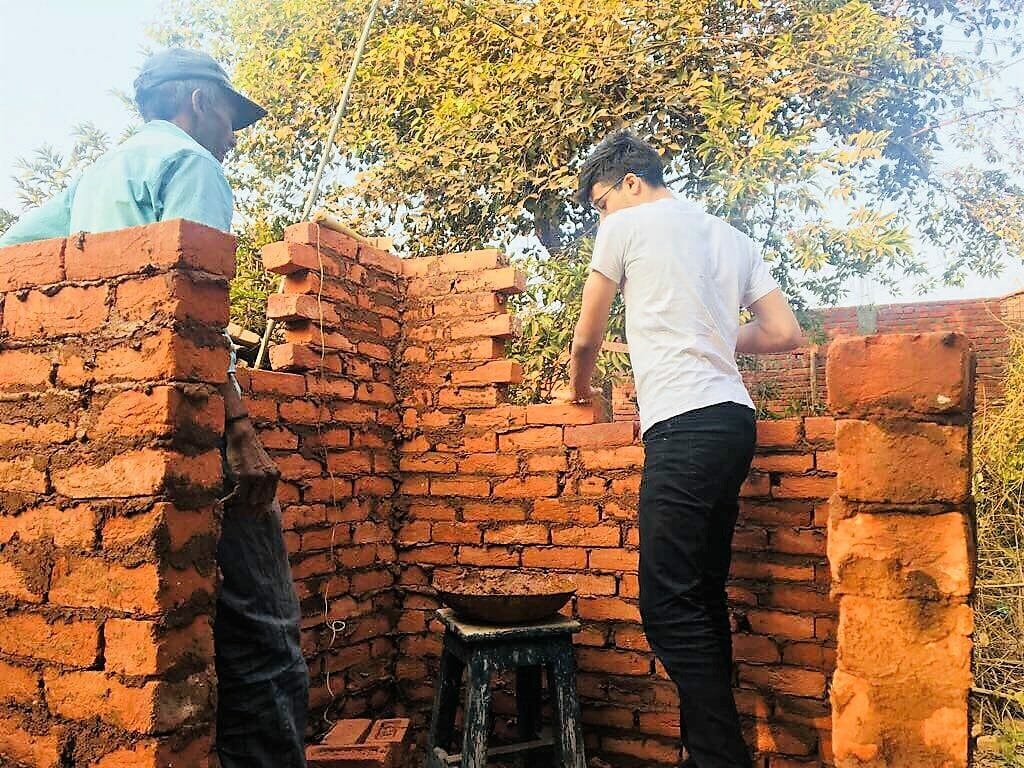
With the aid of those around me, I initiated a project with a small vision of bringing about positive change in rural areas of India, starting with the village of Teori, which is incredibly poverty-struck. I was able to fundraise through donation drives and other activities. I am constantly connected to the village, visiting at least twice a year. With the help of NGOs and higher authorities, we have spread multiple causes and helped hundreds of unfortunate villagers.
You say you are privileged. What do you mean?
During our visit to the village, a sense of realization sank in about how fortunate we are to be living in a highly advanced society. While we were there, temperatures were soaring as low as 6 degrees every night. In the mornings, I would see many women and children on the roads walking with pots and buckets and upon asking, they said they had to walk 8 kilometers daily in the mornings in order to get water to sustain their families. This really struck a chord within me that many of the women didn’t have a toilet built near their house, which is what we see as a basic convenience.
Why are you, a male, promoting issues for women, such as supplying sanitary napkins? Do you feel you are successful as a male in advocating for this issue?
Our society does not like boys talking about the menstrual cycle. In villages in India, it is treated as a “sin.” Our biggest challenge was to break the barrier of girls accepting a boy talking about this topic. I overcame it by telling them that this is a biological process and they should not be ashamed. I shared that men and boys also go through puberty. Convincing NGOs and family/friends to participate in this cause was also very difficult. I personally feel that I have been successful as a male advocate. We have seen an increase in the attendance over the period of time in the schools we have covered so far. Our idea is to take it to many surrounding villages.
What’s been the most rewarding part of your work?
Communicating with the villagers first-hand has been an extraordinary learning experience. Being able to break barriers with the villagers on a personal level and attend to pressing issues of their society has been pleasurable as well as rewarding.
Are there any future partnerships, programs, or events that you are excited about?
During my latest visit I saw that many small kids were working in factories. More than 68 percent of India’s population lives in absolute poverty and the literacy rates are the lowest globally. My new project, Factory to Classroom, will allow a completely new group of primary school students to enroll and study alongside the existing primary school students for their first five years of education – one group learning all morning and another group in the afternoon. We will additionally be providing educational materials, such as stationary, textbooks and puzzles.
Why do you think it’s important for others to give back?
As individuals who have the ability to impact the community, we should use our ability and give back in all ways possible. Staying engaged in community service helps us gain interesting perspectives from different spectrums of the world. Giving back helps us grow as individuals, as we gain insight into issues faced by societies and our capacity to help.
Do you want to make a difference in your community like Ansh? Visit All for Good for local volunteer opportunities.
Post written by Kay Nolan
Finding Joy in Comforting the Dying
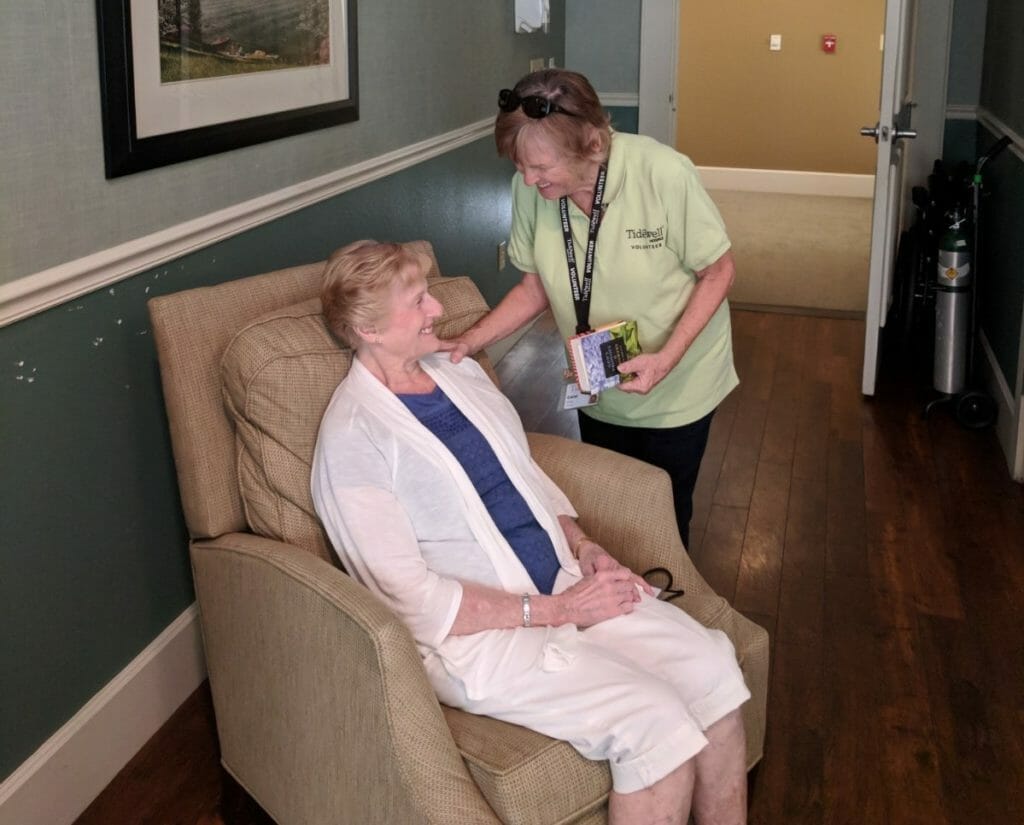
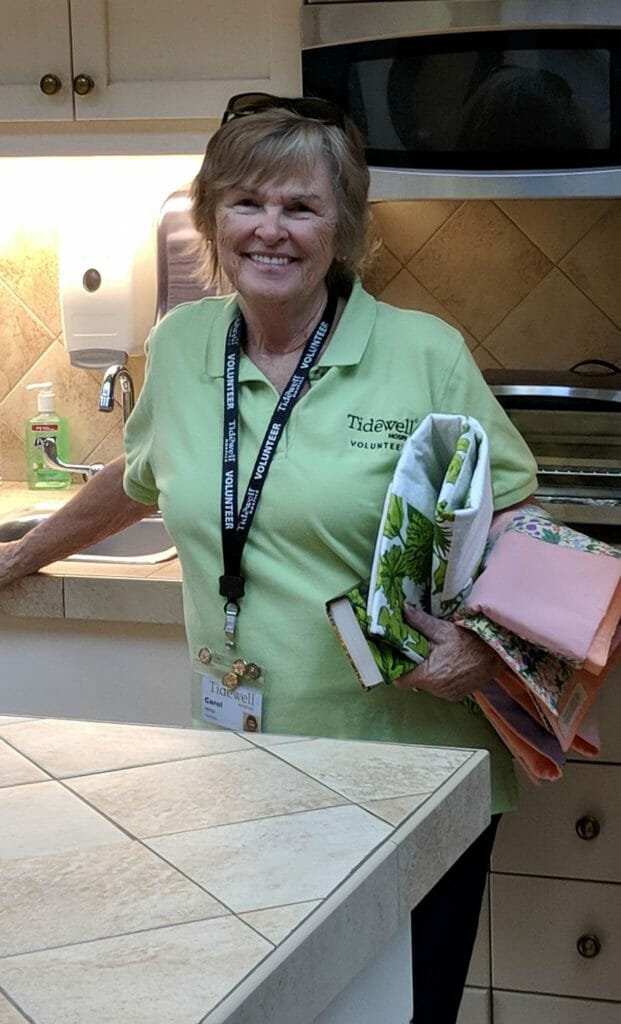
Death holds no fear for Carol Iddings. Carol lost her husband in 2006, and in the final days of his life, staff and volunteers from Tidewell Hospice in Port Charlotte cared for him. She was very familiar with Tidewell, because even before her husband’s death, she was a hospice volunteer. Since then, she has given more than 2500 hours of service to Tidewell Hospice, doing everything from sitting more than 100 vigils, which involves staying with the person in their final hours or days, to visiting and engaging with 40 patients with Alzheimer’s and dementia in area nursing homes. Although she has seen death up close many times as a volunteer, Carol chooses to see life, to hear a person’s story, to find joy in comforting someone who might otherwise be alone. She believes that death is a part of life, which makes consoling the dying her greatest source of happiness.
Carol is committed to making a difference in her community and she is today’s Daily Point of Light Award honorees. Points of Light spoke with her about her commitment to service.
What inspires you to volunteer?
I first learned about hospice reading about a 20-year-old hospice patient, a young girl from the Boston area, which is where I come from. The article was a call for volunteers, and I was impressed. It was the best thing I could have done, because my patients are my inspiration. Each one affects me in ways I never expect.
Describe your volunteer role.
We work with the dying to make the end of their lives better by giving comfort in many small ways. We have two programs, the regular hospice program for folks that have a clinical diagnoses of less than six months to live, and transitions, for people who don’t have a diagnosis but are still declining, perhaps Alzheimer’s patients. I visit many patients in transition and also offer respite care so that caregivers can take a break. I spend about 500 hours a year visiting patients in nursing facilities, doing respite care, vigils, transportation and for the last few years mentoring new volunteers.
What’s been the most rewarding part of your work?
The relationships with my patients most definitely. There is a special space to sit, to listen, talk, laugh, and answer their questions when I can. They make me smile. I can visit a woman in a wheelchair and she’s just speaking gibberish. I have no idea what she’s saying, but I can make her smile and laugh, can give her a hug. Some of my patients might not know my name even if I’ve been visiting them for two years, but they know I’m important to them.
What have you learned through your experiences as a volunteer?
I’ve learned that death is a part of life; it is just like birth, we do it in different ways but we all follow the same script. Also I’ve learned that because somebody is old doesn’t mean they should be ignored. This is a person with something to offer, to share. It breaks my heart sometimes to see the way this country treats death and dying and older people.
Are there any future partnerships, programs, or events that you are excited about?
We have a nice music program that we are trying to get started, bringing donated iPods loaded with music to Alzheimer patients in nursing homes. I’m looking forward to that.
Why do you think it’s important for others to give back?
Because it gives me such joy. Really what would I be doing with my time all day, particularly after my husband died? I live alone. This work has given me a purpose. The people who volunteer with me are like family and my patients become good friends. If you don’t volunteer you miss out on a lot. The more I volunteer, the happier I am.
What do you want people to learn from your story?
To not be afraid, to learn about the end of life experience before it happens to you. We have a wonderful book we give to families that lets them know what to expect during the process, but usually they are too busy to read it. I explain to them as I can, which I think is also a comfort. Working with the dying is a privilege and I wholeheartedly recommend it.
Do you want to make a difference in your community like Carol? Visit All for Good for local volunteer opportunities.
Post written by Beth D’Addono
Illinois Woman Creates Meaningful Retirement by Helping Others Get Employed
When most people think of retirement, they probably dream of traveling the world, moving to another state, or maybe joining some fun classes. After decades of being in the workforce, working (and for free) is probably the last thing that comes to people’s minds. But Ildiko Schultz, who retired four years ago, jumped right into volunteering at CareerPlace, a non-profit that provides job seekers with coaching, classes, connections and support to help them land new careers.
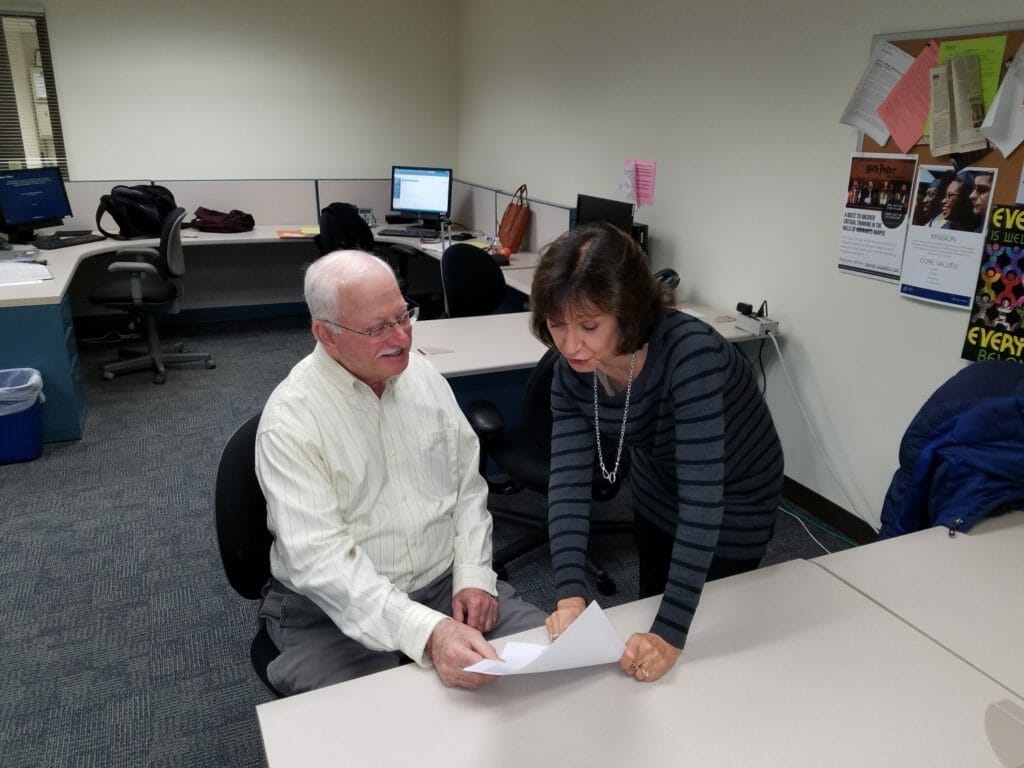
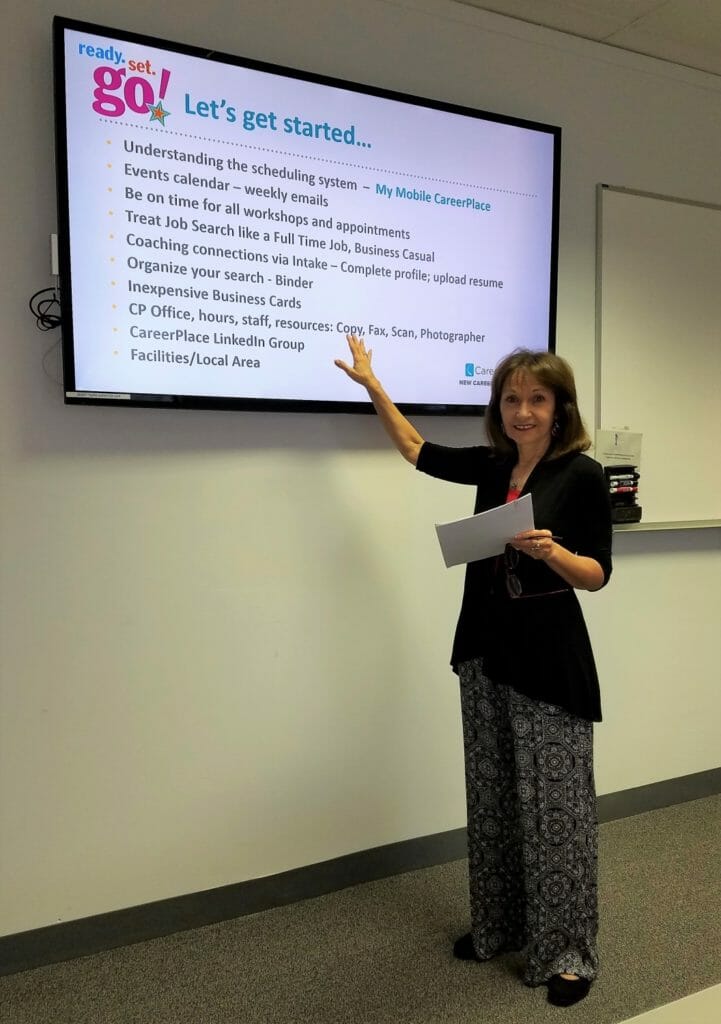
Ildiko serves as the lead volunteer at CareerPlace and is often the first face that job seekers encounter when they walk through the doors. During the 50+ hours she dedicates each month, Ildiko facilitates the “Navigating Your Job Search” workshop and also matches each job seeker with a career coach that best fits their needs. She is today’s Daily Point of Light Award honoree and we spoke with her to learn more about why she chooses to help others during one of their most stressful periods of life.
Describe your volunteer role with CareerPlace.
Once I retired from my career, I decided that I really wanted to volunteer. I looked around and I was familiar with CareerPlace and with some of the work they did. When I was working, I was very much in the finance, technical type of world so [volunteering at CareerPlace] was an opportunity to use, for lack of better words, the other side of brain by training, developing, coaching and counseling. CareerPlace provides people in job search with resources. We provide them with a multitude of different workshops that help them plan and execute their job search in the most effective way possible. We teach them how to create resumes, interview, use LinkedIn, etc. So I deliver several different workshops for CareerPlace every month. One of the things that people say add real value is that we provide individual one-on-one coaching in the job search process. I’ve coached several clients and they’ve landed jobs successfully. I started getting involved in the front-end coordination of matching people with individual coaches because when you’re working with a coach it’s very important to work with someone that has the style that’s going to meet your needs. Some people are very focused and they want someone to hold them accountable. They don’t need hugs or any of that. Other folks are looking for more of a balance and some folks are very frustrated and vulnerable so they need a lot more of the people side of the support and coaching. We have about 15-20 coaches depending on the time of year so I try to match as best as possible the skill and abilities of the coaches with the specific needs of the person who is in job search. Also, if there’s fundraising or events, I’m happy to go along and present our work to organizations and explain what CareerPlace is. In general, I’m happy to do whatever they need me to do to help them.
Why is it difficult for these people to land jobs?
Finding a job today is very difficult just because the process has become so complicated and complex. We have clients that come to us and say “I’ve never had to look for a job. I was with my company for 30 years.” Well, these are folks that just know the very basics of LinkedIn and don’t know how to utilize it for networking. The ways you present yourself via resume and cover letter have changed a lot. In the olden days, your resume was a listing of what you did, each of the jobs you had and what your responsibilities were. Nowadays, you have to really focus on the great things you’ve accomplished. People don’t know how to write accomplishment statements. They don’t know how to talk about the things they’ve done in the past that are going to be of value to future employers so we help them with that. We help them better understand their strengths. Also, a lot of [the job search process] is done online. There are a lot of technical skills that many people aren’t comfortable with so they need to get those skills up to speed before they can actually dive into the job search.
What’s the one word of advice you give to people who become discouraged after not landing a job?
We always tell them that first of all, the job search is going to take a long time for everybody. It’s not directly related to the fact that you weren’t good enough or talented enough for the particular role. A lot of times, the people you’re interviewing with are looking for fit. It’s one of those things that you can’t quite define. It’s really just about the connection. So we try to boost them and give them positive feedback. We tell them, “You’ve been successful your whole life. Think about all those successes. You are going to be successful again.”
How were you able to learn those technical skills yourself?
One of the things we offer people is we help them identify their strengths. But one of my strengths is that I’m a learner. I love knowledge and constantly learning new things so when I decided I was going to volunteer at CareerPlace, I started researching, reading articles, taking online classes, attending all the workshops that CareerPlace had to offer. I network with people, talk with recruiters and HR people and ask companies what they are looking for. I keep my knowledge and skills up to date so that I can then pass it on and help others with this knowledge.
What inspires you to volunteer?
I just love every aspect of what I do. I’m a very responsible, accountable person and when I commit to something, I commit to it 100%. I put all of me into it. I don’t know what other people say when they volunteer, but for me, it’s a win-win. I would be kidding myself if I said I only do this because I want to help others. I do this because I want to help others, but it also gives so much back to me. It gives me an opportunity to fill that need to be productive, helpful and busy. It just keeps me going. I love it.
What’s been the most rewarding part of your work?
When somebody says, “Oh my goodness! I took what you said and I changed this” or “I incorporated it into my approach and I have several interviews and I think I’m going to land this job and I’m so excited” and when they succeed. When we find out that people got the job and that they’re moving on and their fears and frustrations are over, it makes it all worthwhile. That’s what we’re there for. We’re here to help them land that next great opportunity so when you hear about that, I feel very rewarded.
Are there any future partnerships, programs, or events that you are excited about?
We continuously look to see if there are other things we need to develop and bring forth to our clients. We’re always looking strategically to see if there are any areas we haven’t tapped into. One of the things we talk about is when we had the financial crisis in 2007 that happened up until the last couple of years, the economy and the work world were difficult for a lot of people and a lot of people took positions that were at lower levels than where they had been previously. We call them the underemployed. They’re working, but they’re underemployed. So we’re looking at that and seeing if there are ways we can help folks in that aspect. Because no matter what goes on in the economy, companies still lay off, companies still merge and move jobs overseas. Even though things have really improved, we are still seeing a lot of that going on so we just need to continue to stay on top and help as many people as we can and get the word out that we’re here. We’re a non-profit so every penny that we have goes into helping people.
Why do you think it’s important for others to give back?
I think it’s important, but that being said, I don’t think it’s for everyone. You have to have a certain type of mindset and internal driving force to volunteer. I think the real key is to find people that have that internal drive and motivation and that get as much out of volunteering as they give. Match those people with the right opportunities and magic happens.
What do you want people to learn from your story?
There are so many opportunities out there and so many different places where you can help if you decide you want to volunteer. Keep looking. Try things out. Examine and find that good match of your skills, abilities, desires with some type of volunteering opportunity where you can contribute 100% and it will pay back for you as well as help out your community. That’s what it’s all about. The lifeblood of CareerPlace, of all the non-profits around is volunteerism. We couldn’t do what we do without the people that are willing to dedicate their own time and efforts to helping an organization provide for the community. Make sure you find the right match like I did and pour your heart and soul into it and you’ll get as much back as you give.
Do you want to make a difference in your community like Ildiko? Visit All For Good for local volunteer opportunities.
Post written Alicia Lee
Scoring Success and Smiles with Special Needs Kids
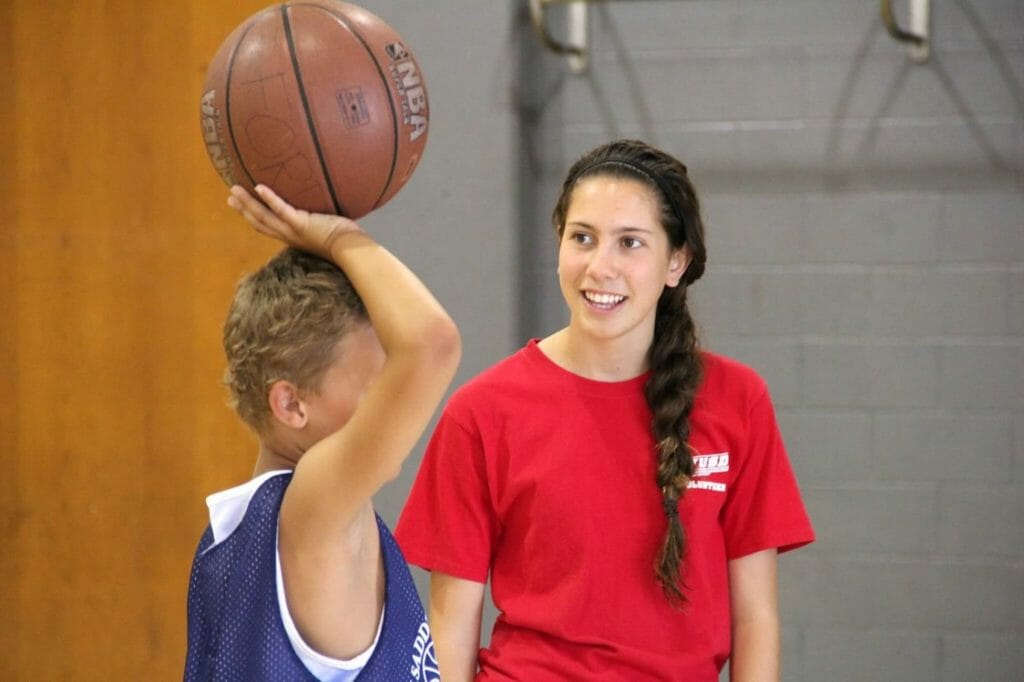
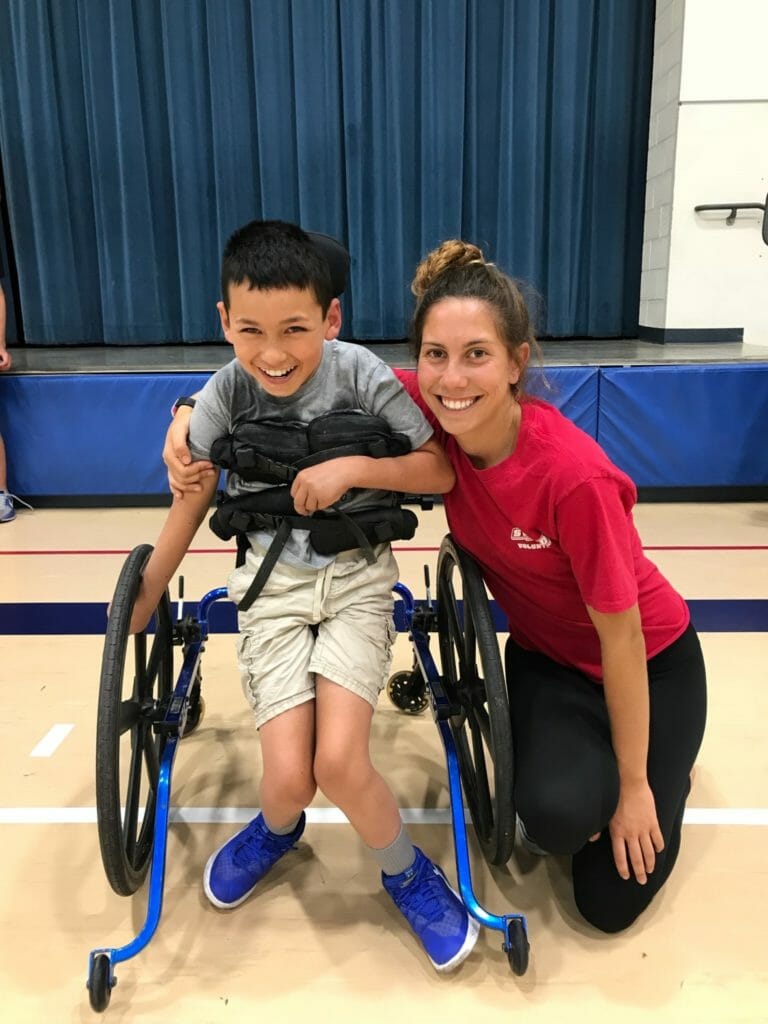
Ieneke Jimenez, 17, has always put the emphasis on special with special needs children. Two of her three older brothers cope with disabilities, so she saw firsthand at a very young age the challenges they faced. She also saw the impact that the support of others made in their lives, a realization that started her passion for volunteering when she was just five years old. Ieneke started working with Special Olympics at that early age, and her love of volunteerism has only intensified. Ieneke’s main focus is helping kids with disabilities feel like winners on the basketball court. As a volunteer with Shooting Stars, a local special needs basketball league, Ieneke has spent more than 400 hours since 2009 helping these special kids achieve success and joy playing a game that might have seemed out of their reach. Her specialty is working with new, timid players, and reassuring their parents concerned about their child’s feelings and self-esteem. Ieneke wants two things for her young charges: for them to know they can do anything they set their mind to, and for the outside world to support and accept them into everyday life. She feels so strongly about this mission that Ieneke has decided to become a teacher and make her love for this important segment of the population her life’s work.
Ieneke is committed to making a difference in her community and she is today’s Daily Point of Light Award honorees. Points of Light spoke with her about her commitment to service.
What inspires you to volunteer?
I have been volunteering my whole life, and the joy of helping someone to do something no one ever thought they could do is what inspires me to volunteer.
Describe your volunteer role.
In Shooting Stars, my volunteer role is to help kids and adults with disabilities to play a competitive game of basketball. I am a one-on-one volunteer, which means I focus on one player at a time to him/her participate in the game, get down the court, dribble, pass, and make a basket. I also created an option in my local California Scholastic Federation chapter to earn their community service hours through volunteering with Shooting Stars. I am in charge of attendance reporting and training of all volunteer participants.
What’s been the most rewarding part of your work?
The most rewarding part of volunteering has been seeing the basketball players’ faces light up when they make their first basket and hearing all the parents cheer for them. It has also been when a parent thanks me for helping their child do something they didn’t think they would be able to do. That is amazing!
What have you learned through your experiences as a volunteer?
I have learned that volunteering is the best thing you can do with your free time, and that volunteering does not always have to take place in a volunteer setting. There are opportunities all around us to help others and make a difference.
Your volunteer service hits close to home as you have brothers with special needs. How did this influence your choice?
Growing up with disabled brothers has given me special insight into how I view people with disabilities. I see them as individuals with feelings and emotions that are important and should not be disregarded. I have also seen how the help and kindness of others made a huge impact in my brothers’ lives, and that definitely influenced my choice to spend my free time volunteering.
Are there any future partnerships, programs, or events that you are excited about?
In the near future, I am excited to be getting back with the unified sports club at my school and helping other students with disabilities learn how to play sports. I’m also looking forward to the upcoming Shooting Stars basketball season. Over the years, I have watched many players grow up and grow in their confidence and skills. It is always fun to see who returns and the excitement they bring. In the distant future, I am looking forward to becoming a teacher and incorporating disabled students into my classroom to give them the opportunity to thrive in a typical setting.
Why do you think it’s important for others to give back?
It is important to help transform and improve your community for the better so that future generations can live in a world that is better than ours. We all have something to give, and there are many people who can benefit from the kindness and support we can bring into their lives.
What do you want people to learn from your story?
I want people to learn that you should volunteer out of the kindness of your heart. Volunteering fills your spirit and brings so much joy. It is an unbelievable thing to be making a difference and at the same time get so much personally out of the experience. I hope people are inspired and look for ways they can volunteer.
Do you want to make a difference in your community like Ieneke? Visit All for Good for local volunteer opportunities.
Post written by Beth A’ddono
Facing Personal Loss, She Found Meaning by Helping Others
When Donna Davis lost her husband Ken after a sudden and brief illness, she felt adrift. The couple was together more than 30 years and her life was never going to be the same. Endless hours seemed to stretch ahead of her, until she made a decision. During her husband’s illness, Donna had been moved by the empathic care he’d received from the staff and volunteers of Kaweah Delta Hospice near the couple’s Visalia home. She decided to volunteer at the hospice, a way to both give back and give her life new meaning. Donna has volunteered close to 600 hours in the past three years, a commitment which has brought her new friends and a sense of gratitude that brings her joy.
Donna is committed to making a difference in her community and she is today’s Daily Point of Light Award honorees. Points of Light spoke with her about her commitment to service.
What inspires you to volunteer?
I know what a difference hospice made to us when my husband was sick and dying. Everyone was so wonderful that after he died I decided I needed to give back. And it was a great decision on my part.
Describe your volunteer role.
I started off making bereavement calls to check on folks who had lost their loved ones. Then I was trained and assigned to patients, to visit them, just talk and visit. That is so rewarding. I also go into the office a few times a week, packing things that the RNs need to bring with them, doing filing, whatever is needed.
What is the most rewarding part of your work?
Getting to know my patients. They’ve got stories! Sometimes they are talkers; sometimes they just want somebody there with them. I have made so many special friends that will have a place in my heart forever. I have learned so much from them, and have such great memories or our times together. I feel very blessed.
What have you learned through your experiences as a volunteer?
I’ve learned how enriching volunteering can be. But more than that, I’ve learned how to enjoy life while you’ve got it, to be happy with what you have and not dwell on things you don’t have. If you have a bucket list, do it now!
Are there any future partnerships, programs, or events that you are excited about?
We just started putting together baskets of activities for our patients and it’s fun to put those together, with puzzle books, cards, things for them to enjoy.
Why do you think it’s important for others to give back?
Putting yourself out there, giving back, is the best feeling in the world. It makes my life so very rich.
What do you want people to learn from your story?
Maybe to not be afraid of death. To take a chance and see what it feels like to share these precious moments with these amazing people. I promise you will never regret it. This work has not just given me something to do, it’s taught me so much, given me new friends and helped me on a personal level after my husband’s death. I feel lucky every day.
Do you want to make a difference in your community like Donna? Visit All for Good for local volunteer opportunities.
Her Bucket List Delivers Help in Times of Emergency
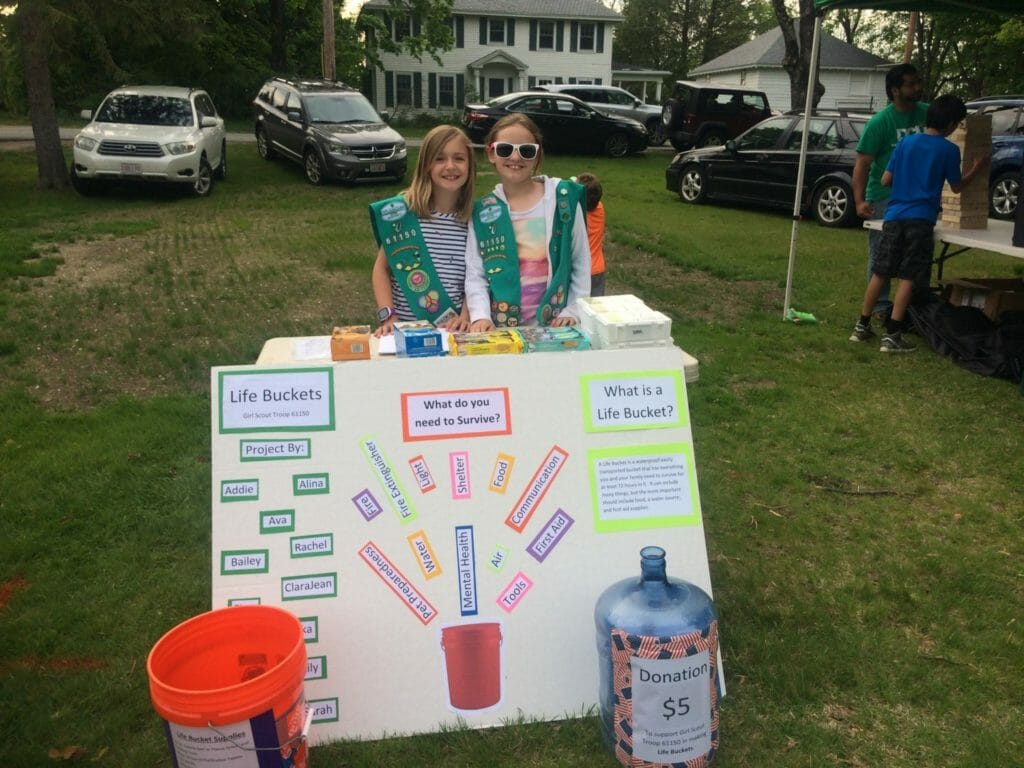
Rebecca Fusco may just be nine years old, but this fourth grader has been volunteering since she could walk. Raised by her mom Rachael and dad Dan to always think of others, she grew up helping, at the local food pantry, with her mom’s Girl Scout troop, at her school. Now a girl scout herself, Rebecca dreamed up the Life Bucket Movement to educate and prepare families for disaster relief. A Life Bucket is an easily transportable waterproof bucket that contains the materials need to help a family survive for 72 hours in any emergency. She personally contacted companies like Home Depot and Survival Frog for donations, and with her troupe raised $400, which was matched by a $500 donation from United Way, giving her $900 to buy supplies. So far, Rebecca and her Girl Scout troupe have distributed 100 of these buckets throughout the community, but it’s bigger than that. Rebecca is also training other community organizations to help their neighbors be prepared when disaster strikes. Her goal is to inspire other young people to give back. First on the list is her four-year-old brother Christopher, who is already a seasoned volunteer.
Rebecca is committed to making a difference in her community and she is today’s Daily Point of Light Award honoree. Points of Light spoke with her and her mom Rachael about her commitment to service.
What inspires you to volunteer?
My mom for sure, because ever since I can remember we’ve been doing a monthly service project as a family. I am also inspired by Girl Scouts and by my friends.
Describe your volunteer role.
When our junior Girl Scout troupe decided to do a special project, we thought about what our community needed. There seemed to be a lot of disasters in the news, floods and hurricanes and fires. So preparing for an emergency seemed like a good idea. My role was to research what was needed in an emergency and put a pamphlet and presentation together to teach people how to survive. Then I wrote and called companies to let them know how they could help. We got donations for the materials that I needed to add to the life buckets. I also held an overnight with my Girl Scout troop for girls 5-18 years old to teach them how to survive. I also hosted booths at town events and hosted the town-wide Easter egg hunt with more than 600 participants to raise awareness.
What is in a life bucket?
Good stuff! Everything you need, including long lasting food, emergency blankets, light sticks, matches, fire starters, a multi tool, water purification tablets and a deck of cards for passing the time.
What’s been the most rewarding part of your work?
Giving people the life buckets at the food pantry for people who may not be able to afford them. The smiles and the good feeling I get from these nice people means so much to me. It makes me feel very happy.
What have you learned through your experiences as a volunteer?
I have learned all about emergency preparedness and how to stay mentally strong. I also learned to work as a team. I spent a lot of time researching the mental health aspects of surviving an emergency, which was hard at first. But understanding how to keep your family safe and thrive despite the emergency, how to not freak out, is really important. I also have learned how to speak up to grown ups, to talk in a convincing way to get what I need.
Are there any future partnerships, programs, or events that you are excited about?
I am still looking for more opportunities to train other community groups about the Life Bucket Movement. I was super proud that my phone call to Survival Frog got them to donate light sticks for our buckets. I am going to continue to try to make partnerships with all kinds of companies. I was also very proud to speak at the United Way Youth Center Conference.
Why do you think it’s important for others to give back?
It is good for everyone and you can learn new things that you didn’t already know. I know I have.
Do you want to make a difference in your community like Rebecca? Visit All for Good for local volunteer opportunities.
Post written by Beth D’Addono
Atlanta Doctor Perseveres Through Tragedies of War, Illness and Mass Shooting to Help Fellow Immigrants and Refugees
On the evening of July 29, 1999, Gulshan Harjee’s world came crashing down. The police told her that her husband had been killed in a mass shooting that left eight other people dead. It was the day after their daughter’s fourth birthday. “She was still looking for him everywhere, in the garage, in the house, thinking her dad was playing hide-and-seek,” Gulshan said.
Her husband’s death was barely the first tragic event in Gulshan’s life. She had her own brush with death when she caught malaria as a teenager, which was worsened because she suffered from lupus. Soon after recovering, she was forced out of her country of Tanzania where her family had lived for three generations because of heightening tensions against Asian immigrants. Gulshan went to Pakistan and then Iran to continue her studies and pursue her dream of becoming a doctor, but her studies were cut short when the Islamic Revolution brought disorder and violence to the country.
With this much experience with death, heartbreak and pain (including a battle with breast cancer in 2008) one would expect a person to live the rest of their life for themselves by traveling the world, buying luxurious things, eating expensive meals. But Dr. Harjee Gulshan has dedicated her life to helping those that are in similar situations she was in by co-founding and running the Clarkston Community Health Center, a free clinic that offers medical services to refugees, immigrants and low-income residents. She not only provides medical care to her patients, but donates clothes, food, furniture, whatever it is they need to help them transition to a more comfortable life in the U.S. Dr. Harjee is today’s Daily Point of Light Award honoree and we spoke with her to learn more about her passion for service.
Describe your volunteer role with the Clarkston Community Health Center.
In 2013, my good friend Dr. Raees and I got together and he said “How about we start a free clinic?” We were both very excited and focused on it, but the reason I got involved was one, because of my own background of where I grew up and I knew the scarcity of healthcare, but also because of my private practice. We spoke almost 15 languages and we saw a lot of immigrants and refugees. Refugees only get six months of Medicaid and once it runs out, they are able to only get insurance if they find full-time employment. As time went on, I was able to kind of take care of them as I could in my private practice, but the volume of patients got so large that I couldn’t take care of them all myself so it made sense when Dr. Raees offered to start a free clinic with him. 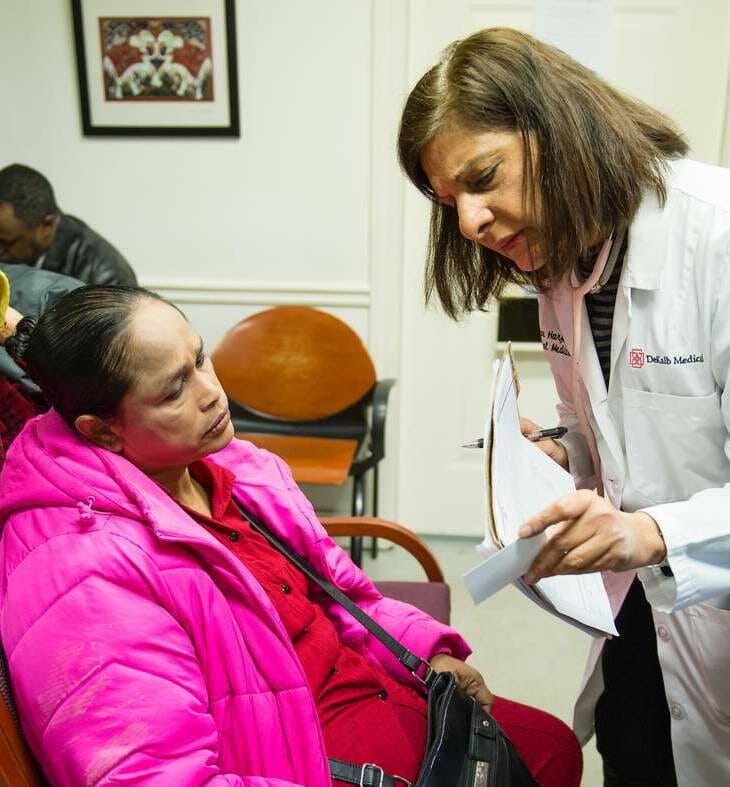
We started in 2013 and it took us almost six months to become a 501c(3) and then we put a board together. We started looking for a space in Clarkston, which is a one-square-mile town near Atlanta and it is very immigrant, refugee friendly. In just that one-square-mile city, 60 languages are spoken. I speak six languages myself and do internal medicine primary care so everything fit as to why we wanted to start the clinic and what my purpose was. In February of 2015, we opened the doors and we are a 100% volunteer-operated clinic. We started with just primary care, but within a year and a half, we were able to add free dental, free mental health and prescriptions. We’re about to add cardiology and pulmonary. For the last two years, we were the youngest organization to win grants for screening mammograms. It’s been a journey and it’s in no way easy to run this operation because of the current climate and how the country looks at refugees and immigrants.
The day of the 2016 election was the day that I made the decision to sell my private practice. The clinic was already open, but the day of the election, it became clear to me that this administration was not going to expand Medicaid and there were going to be repeals on Obamacare so I felt that the clinic was going to get busier. So the day of the election I made that decision and in six months, February of last year, we sold the practice.
As an immigrant yourself, how do you feel about the anti-immigrant, anti-refugee rhetoric that’s been increasing in society?
Nobody wants to leave the comfort of their own culture and own birthplace unless they have to. Everybody likes where they were born, where they grew up, where their family grew up, but the reason people leave is because everybody has the desire to elevate their lives. Everybody has their dream. Everybody wants their children to get a good education. Everybody wants safety and security. Everybody wants healthcare. So people move and they face these risks of swimming across or going on a boat or walking for days without food or water just because they think that on the other side, they are going to have safety, security and a better life. It really saddens me. Look at me. I would have never left Tanzania if we didn’t have the political turmoil and the ethnic cleansing that went on. But I was kicked out with a Tanzanian passport in my hand at age 17. I didn’t know anything else. That was my country, where I was born so it was very traumatic. It’s humanity to take in people and no matter what faith you follow, the first thing is service to people, the kindness you extend to people.
Is there a story of a particular patient that sticks out to you?
There are many stories. We see about 25 patients on Wednesdays and Fridays and we see 100 visits on Sundays. Every person that comes through that door has a story. People have escaped gunshots. They have escaped dehydration, diarrhea, disease, war, rape, all kinds of things. The stories are horrible. One woman carried a child on her back and two other kids in her arms, running from bombs. Can you imagine? It’s terrible. They wouldn’t leave their country if they didn’t have to.
What inspires you to volunteer?
I do whatever I can so that people don’t have to feel the pain that I did. But also in reaching out to people, I, myself, am healing. It makes me feel better. I’m able to reach out to people and give what I can because I want to make their suffering less and let them know that they’re not alone. My faith teaches me that by going through these trials in life, you are getting closer to the Lord.
My faith tells me that we are here to serve humanity and that’s what we are all about. There is nothing we take away after we die. We can sit here and make a trillion dollars, but if you don’t do anything for the world, essentially, your coming to this earth was useless. When some people die, they’re dressed up in a suit or dress or even their wedding gown. But when Muslims die, we are wrapped up in six feet of cotton cloth so we know that we don’t take anything with us when we die. The Lord entrusts us with his gifts and we are trustees of what he gives us and he wants us to use it for his children and to better the world.
What’s been the most rewarding part of your work?
No matter how hard it was for me to become a doctor, I would never trade the ability to heal, cure or allay somebody’s pain. Being able to talk to them, to help their confidence and be their confidant, I wouldn’t trade it for anything else. I can’t tell you how rewarding it has been even though it was so painful to get to that point.
What have you learned through your experiences as a volunteer?
First, I think everybody has a skill. Everybody has a talent with which they can give back to society and it can be in any number of ways. From the day we are born, we keep taking away from the earth. We have to leave back something so that the generation that comes after us can continue our legacy and build upon it so that each generation, we are becoming stronger and better human beings.
Are there any future partnerships, programs, or events that you are excited about?
I hope that in three or four years, we can make the clinic completely sustainable so we’re continuing to speak to academic institutions, neighborhood hospitals and foundations. We’re developing alliances and speaking to more donors to see how we can create more naming opportunities. Awards like yours allow us to speak and talk about our work so that somebody can read about us and be moved by it. Suddenly you’ll see people clicking on your website and you’re getting 20 dollars, 25, 500 dollars. Hopefully one day someone will click and put six figures for us!
What do you want people to learn from your story?
I want people to learn perseverance and that if you have a dream, follow it. If you can achieve just 5% of your dreams, then you’re a very fortunate person. But no matter what it is you achieve, you have to share it, give back to society. Don’t forget that we are living in this world where there are other people with us.
Read more about Dr. Gulshan Harjee’s story here.
Do you want to make a difference in your community like Dr. Harjee? Visit All For Good for local volunteer opportunities.
Post written by Alicia Lee.
Working With the Elderly Helps Volunteer Deal With His Own Memory Loss
Gene Traudt, who once ran a janitorial supply business in the Milwaukee, Wis.-area, saw his life turn upside down in December 14, 2002. That day he suffered a devastating heart attack. “I had what’s called a widow-maker,” says Gene. “I truly believe the paramedics brought me back to life.”
But although doctors repaired Gene’s heart, the event caused severe short-term memory loss. Even after 15 years of rehabilitation, Gene still has it. But he laughs about it now — now that he’s found a meaningful outlet in volunteering at Milwaukee Catholic Home, which offers independent living, assisted living and special nursing care for older adults.
What inspired you to volunteer at Milwaukee Catholic Home?
Gene jokingly says he doesn’t remember. His volunteer coordinator at Milwaukee Catholic Home explains that Gene originally attended adult day care classes there shortly after his heart attack, but soon progressed into becoming a useful volunteer who now works full-time at the facility, but without pay. “I love it, but my wife loves it even more,” Gene jokes. “She gets to get rid of me for eight hours a day and knows that I’m in a safe place and that puts a smile on her face.”
Then Gene takes a serious tone: “If not for the Milwaukee Catholic Home, I’d be somewhere else – in some care facility as a client myself. All I used to do was walk, and my wife didn’t like me doing that very much, because she worried I’d get lost.”
Describe your volunteer role with Milwaukee Catholic Home.
“I talk to people,” is Gene’s simple answer. But he does much more. Gene runs the general store at the facility, and he works in the cafeteria. He also leads local high school students who come to do work-study programming, and he especially shines at helping residents in the memory-care wing with projects such as cooking or going on field trips.
What’s been the most rewarding part of your work?
“The smiles on other peoples’ faces. Making other people happy, I think, is one of the best things in the world. I hope that I do that a lot, and with the smiles I do see, I think I am doing that.”
What have you learned through your experiences as a volunteer?
“Life is too darned short. Don’t take everything so darned serious. Relax and enjoy every single minute of every single day – and hope somebody else does as well.”
That’s an interesting comment, because you do volunteer work in a place where most people feel serious.
“Well, maybe they do. I hope they don’t. If they don’t feel that serious, life can be a lot shorter and a lot more enjoyable.”
Since you have memory loss yourself, is that a factor in working with other people with dementia and memory loss?
“Yes, it makes me more understanding and more compassionate.”
Why do you think it’s important for others to give back?
“I think it’s important – if you love other people, do whatever you can for somebody else.”
What do you want people to learn from your story?
“Enjoy every single day of your life. You never know what’s going to happen tomorrow. And that’s true for everybody, no matter their age or if they’re healthy.”
What would say to someone who is unsure about volunteering at a nursing home?
“I’d say, try it and see what you don’t like. Ninety-nine percent of life is being nice to other people.”
Do you want to make a difference in your community like Gene? Visit All for Good for local volunteer opportunities.
Post written by Kay Nolan
Delivering Books is a Game Changer for At-Risk Kids
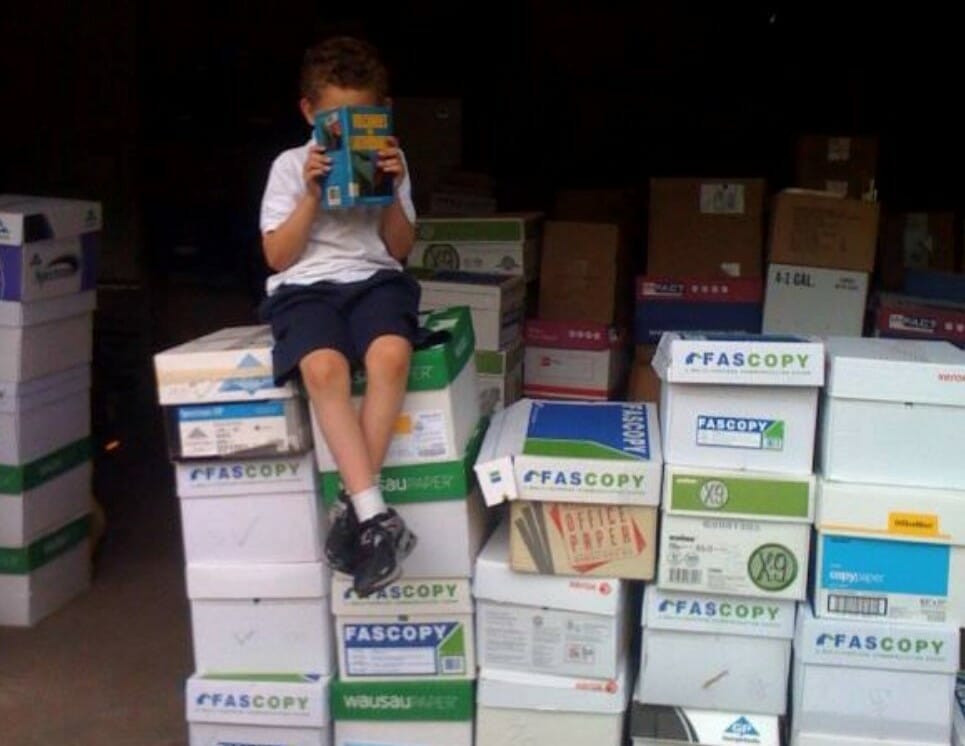
It’s not everyday you run into a 14-year-old warehouse manager. But that’s just one of the roles that Ryan Keller handles as the lead project manager for Read Indeed, a nonprofit founded by his sister Maria in 2009. Ryan has advocated for children’s literacy since he was five years old. Promoting literacy to youth throughout Minnesota, Ryan and Maria are at the forefront of Read Indeed, which collects and distributes books to children in need. According to the organization DoSomething.org, one in four children grow up in America never learning to read, which connects directly to Read Indeed’s mission statement: To promote literacy by collecting and gifting books to at-risk children. For close to 10 years, Ryan has worked an average of five hours a week in the Read Indeed warehouse, counting, sorting, and boxing books to be distributed to children who have none in their homes. Now 14, Ryan is the lead project manager for Read Indeed, which involves orchestrating book drives, writing grant proposals, managing the Read Indeed warehouse and overseeing the organization’s youth advisory board. Currently Read Indeed has collected and distributed more than 2.7 million books, and Ryan is working toward the 3 million book goal. Diligent and passionate about literacy, this teen is eager to provide books to children whose life stories are just unfolding.
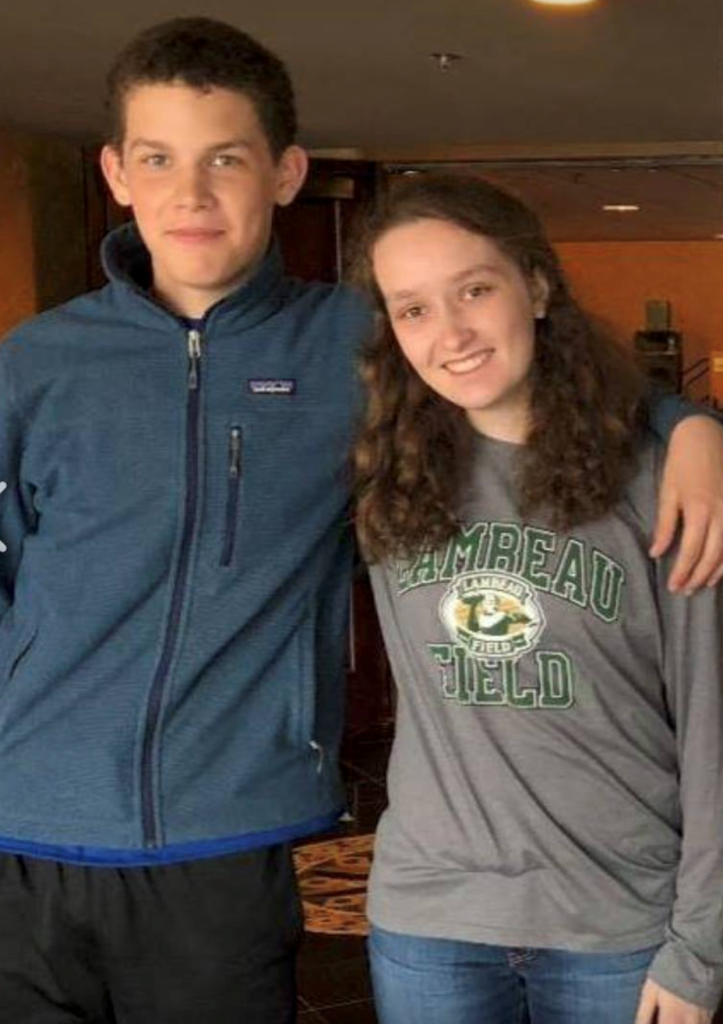
Ryan is committed to making a difference in his community and he is today’s Daily Point of Light Award honorees. Points of Light spoke with him about his commitment to service.
What inspires you to volunteer?
I’d say for sure my sister Maria inspired me and continues to inspire me. Even when she was eight years old, she had a vision and that vision became mine too. Through my role with Read Indeed, I’ve been privileged to meet so many children who are eager to read and do well in school, but they don’t have the books at home to help them do so. Knowing that the books that we provide to these kids can impact their lives is extremely motivating.
Describe your volunteer role.
I’ve been a part of Read Indeed since I was five years old, when my sister first started the organization. Over the past nine-plus years I have worked extensively collecting, counting and sorting books at the Read Indeed warehouse. Now that my sister is off to college, I am leading the organization as the program manager. In my role, I organize and train employees, lead the Read Indeed Youth Advisory Board, research grant opportunities, orchestrate book drives and oversee the activities of the Read Indeed warehouse.
What’s been the most rewarding part of your work?
I love working with teachers and others who work with low-income children, when they come to the warehouse to select books. It is so rewarding to see these teachers get so incredibly excited knowing they have a huge supply of books to give to their students. Since Read Indeed’s inception, we have gifted more than 2.7 million books, valued at more than $4 million, to kids in need.
What have you learned through your experiences as a volunteer?
I have learned that volunteering can be challenging, yet extremely rewarding. To volunteer effectively takes a lot of diligence and perseverance.
Are there any future partnerships, programs, or events that you are excited about?
The Read Indeed Youth Advisory Board is hoping to partner with the Jefferson Awards programs to engage other teens in our literacy efforts. Our goal is to distribute books to all 50 states in the U.S. and every country in the world. We will do it!
Why do you think it’s important for others to give back?
Simply put, life is all about doing good deeds for others. Once you begin volunteering you will experience such a strong sense of goodwill and also thankfulness for your own situation.
What do you want people to learn from your story?
I really want people to understand that Read Indeed is an extremely kid-centric organization. Not only do we collect and gift thousands of books each year to kids in need, but our volunteer base mainly consists of kids. Children and teens really can make a difference.
Do you want to make a difference in your community like Belinda? Visit All for Good for local volunteer opportunities.
Post written by Beth A’ddono.
Reading was her Bridge to Success and She’s Helping Children Cross it
In 2019, Belinda Sewell will earn her doctoral degree in education from Concordia University in Chicago. To say this is a monumental achievement for the 47-year-old mother and grandmother and soon-to-be Dr. Sewell is beyond an understatement. When she was growing up in the impoverished West Side of Chicago, Belinda struggled to learn to read and write. Her parents had fourth grade educations, and literacy was not expected or encouraged. It took the intervention of a caring second grade teacher to unlock the world of reading to her seven-year-old self, a little girl thirsty for words and education. She vowed to help other struggling children learn to read, a passion she has been pursuing since she was nine years old helping friends with lessons in the hallways at school. Through her work with Chicago Hopes, a public school initiative that provides educational support for latchkey kids and children in homeless shelters, Belinda makes a tremendous difference. She’s currently tutoring three children, ages 8, 12 and 15, 15 hours after school at the Kelly Branch Library. Because she’s lived it, Belinda is able to earn parents’ trust and get them onboard with helping their children learn to read, something her own mother wasn’t able to do. Her commitment to tutoring young disadvantaged youth has the power to create future leaders and literally change the world.
Belinda is committed to making a difference in her community and she is today’s Daily Point of Light Award honoree. Points of Light spoke with her about her commitment to service.
What inspires you to volunteer?
My volunteerism is a passion I developed as a child. Being a child growing up with parents who had a fourth grade education taught me to never take anything for granted. There were many days I wondered if I was ever going to learn how to read and write. I promised myself that when I got older I would achieve my fullest potential and help others who were struggling to read and write. This is what inspired me to volunteer and give back to others. I have spent the last 30 years giving back my time and services to help others in need.
Describe your volunteer role.
My role as a volunteer is as what I call a servant leader. I organize, participate and recruit others to join projects and missions to promote literacy. As a volunteer for Chicago Hopes I’m assigned to homeless families and work to help both the children and the parents, winning their trust as I work to help them with reading and writing. I try to play a key role as a leader and full service volunteer.
What is the most rewarding part of your work?
The most rewarding part of my work is being able to talk to the neighbors in the communities I serve and listen to them and their stories and let them know we all come from the same place. To see a smile on their face lets me know I am doing God’s work and making a difference in the lives of someone other than myself. This is what keeps me going, being able to help others is very rewarding.
What have you learned through your experiences as a volunteer?
As a volunteer I have learned there are so many families and children in the communities I serve struggling with illiteracy. They are afraid to reach out and share their stories with others, afraid of being judged and feeling ashamed. As a person who has faced similar experiences I am able to share my story with the families I serve and help them to understand they are not alone. I have been able to reach out to many at risk families and donate free books to them and tutoring.
Are there any future partnerships, programs or events you are excited about?
Yes, I am in the process of building my brand! I have been working on a literacy project to open a community center to support at-risk youth and families.
Why do you think it is important for other’s to give back?
Giving back is important because there are other’s who are less fortunate who need help. I believe I was born with the gift to be a servant leader and this is why giving back is important to me.
What do you want people to learn from your story?
I want people to learn that there are still good people out here who enjoy giving and helping others. The families that I provide services to face so many challenges each day, and getting to meet them and know them is a blessing. Many great relationships are built during volunteerism. I choose to help them in my life long journey as a servant leader. The gift of giving has so many rewards. The smallest amount of time brings so much joy to others.
Do you want to make a difference in your community like Belinda? Visit All for Good for local volunteer opportunities.
Post written by Beth D’Addono.