Through Home Repair, Retired Airman Mentors Military Personnel and Helps Community in Need
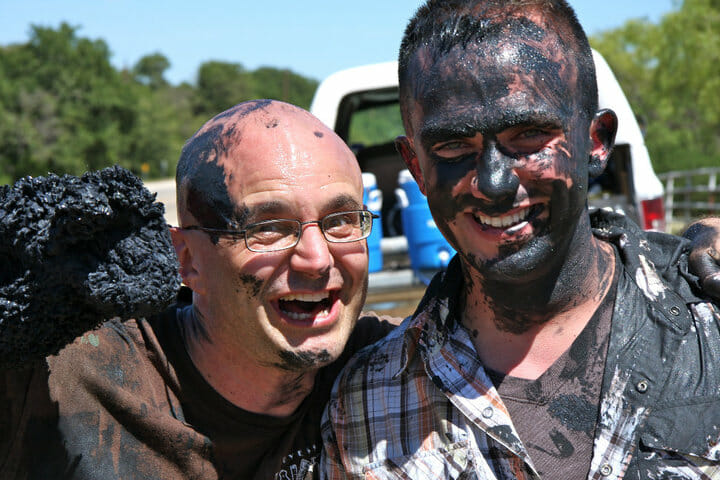
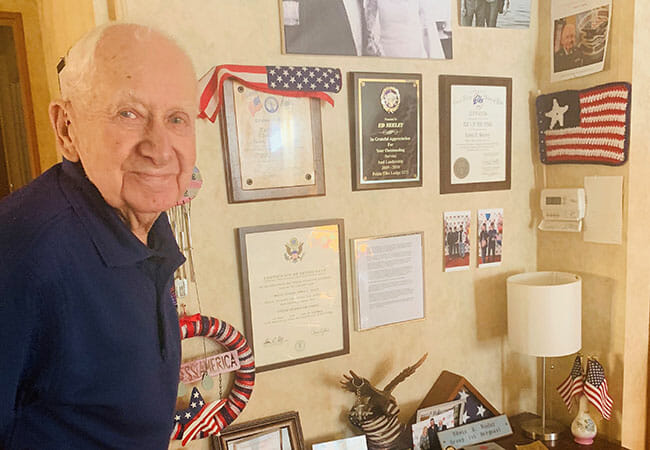
A former Master Sergeant in the U.S. Air Force, Gordon Storey is giving back to his country even in retirement.
Establishing The Dyess We Care Team (WCT) in 2000, Gordon says his mission was to provide community service opportunities for airmen stationed at the Dyess Air Force Base in Abilene, Texas. In turn, the volunteerism has provided essential leadership development and mentorship opportunities for servicemen and women. Combatting the anxiety and suicidal ideologies that affect an increasing number of today’s military members, Gordon is connecting these individuals with an outlet to serve others and benefit from the positive emotional impact that comes with service.
With up to 550 volunteers each year helping the elderly, disabled and others in need of minor home repair and additional community service, Gordon is making a lasting impact on the community through WCT, and is today’s Daily Point of Light award honoree. Points of Light spoke to Gordon to learn more about his volunteerism.
What inspires you to volunteer?
Two things: First, we’re helping homeowners that really need the help. By the time they reach us, they’ve already tried family, friends, maybe churches or other groups to repair and paint their home, they just don’t have the resources. Second, continuing to work with our military. I’m retired, but serving was such a vital part of my life. Through WCT, I’m still mentoring airmen and giving them avenues to develop and watch them succeed.
Describe your volunteer role at WCT.
During the day, I work with foster care families. In my free time, I’m volunteering about 20 hours each week for WCT, reaching out to the community, coordinating with our committee and volunteers. Screening projects, then organizing and planning them. Lastly, raising awareness about our organization.
Share one impactful story with me from your volunteerism.
One individual that stands out to me is a tech sergeant. He was someone that came in to the service, didn’t have the guidance and supervision that he wanted and needed. This gap was causing him to be depressed, so he turned to WCT to develop his social leadership skills. He turned his career around through utilizing the We Care Team. And there are several like him.
What’s one thing you want readers to take away from your service?
When I started WCT, I was a first-level supervisor in the military. That’s the lowest ranking of the non-commissioned officers. It’s not like I had a lot of power by virtue of rank, but I had the heart. I was passionate. And I think if people would just find something they’re passionate about, then they can make change happen. Don’t complain about society, and say what a pity it is that your neighbor’s home is rundown – do something about it.
You must be a painting pro by now. Give readers 3 painting tips.
Taping: To get crisp straight lines, put your tape down and repaint white over the edges of the tape. Let it dry, then paint your desired color so that it creates a seal over the tape. When you pull the tape, all your blocks of color will pop.
Interior painting, trimming: Use a good-quality angled paint brush for ceilings, ect. Paint a line maybe half an inch if you’re painting the edge of the wall to the ceiling, then gently fan it out. This saves a little bit of money since you’re not having to use tape.
Color: Don’t be afraid of color, what’s the worst that can happen? If you don’t like it, you can paint over it again.
What does WCT’s service mean to these homeowners?
We have an expression: Paint is magic. Color is something we take for granted. For our homeowners to have someone say, not only will we paint the colors, but you can pick whatever you’d like? They have so few free choices in their lives, this change means the world to them.
Tell me about an upcoming event that you are excited about.
In Abilene, Texas on May 7, United Way is hosting the annual Abilene Gives. It’s one big day for everyone to do good. WCT will be a part of that day, so please check our Facebook page for more information about how to give back: https://www.facebook.com/DyessWeCareTeam/.
Do you want to make a difference in your community like Gordon Storey? Visit All For Good for local volunteer opportunities.
Post written by Marlena Militana.
This Closet Lifts Spirits With Love and Dignity
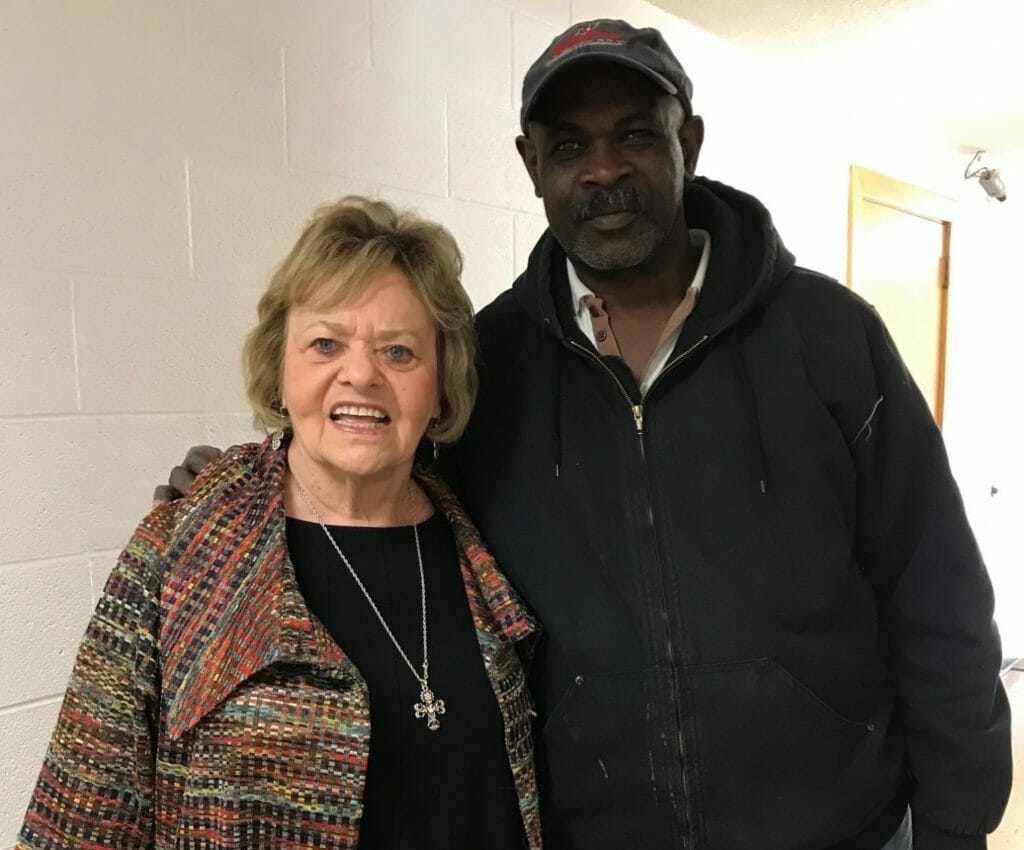
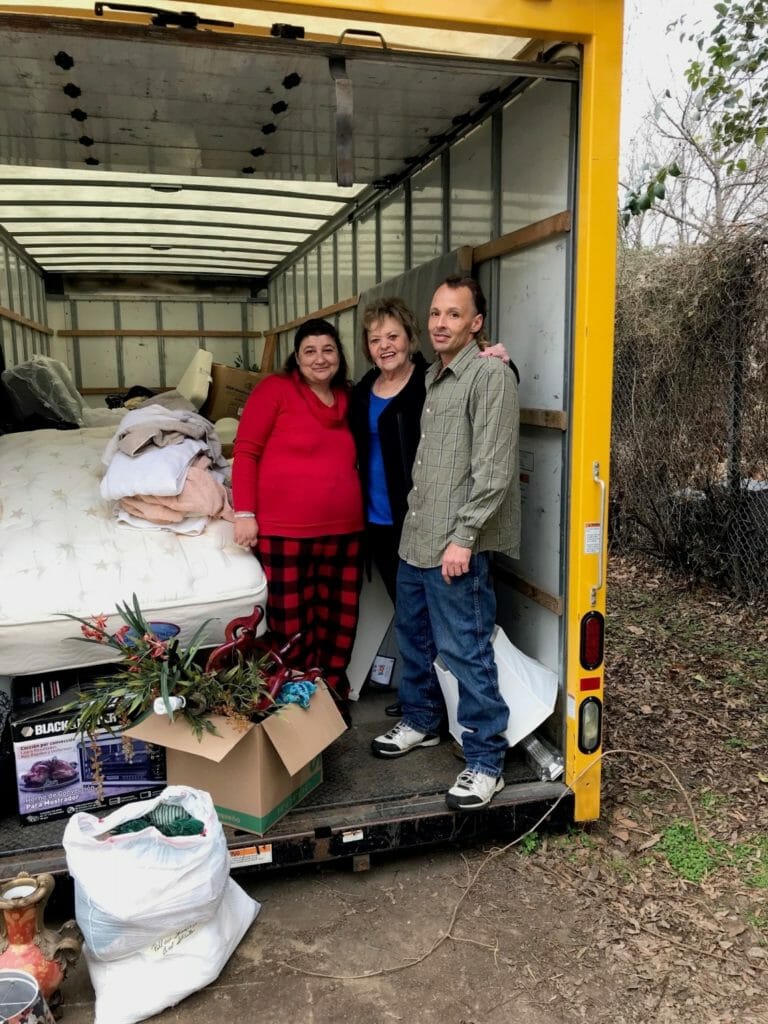
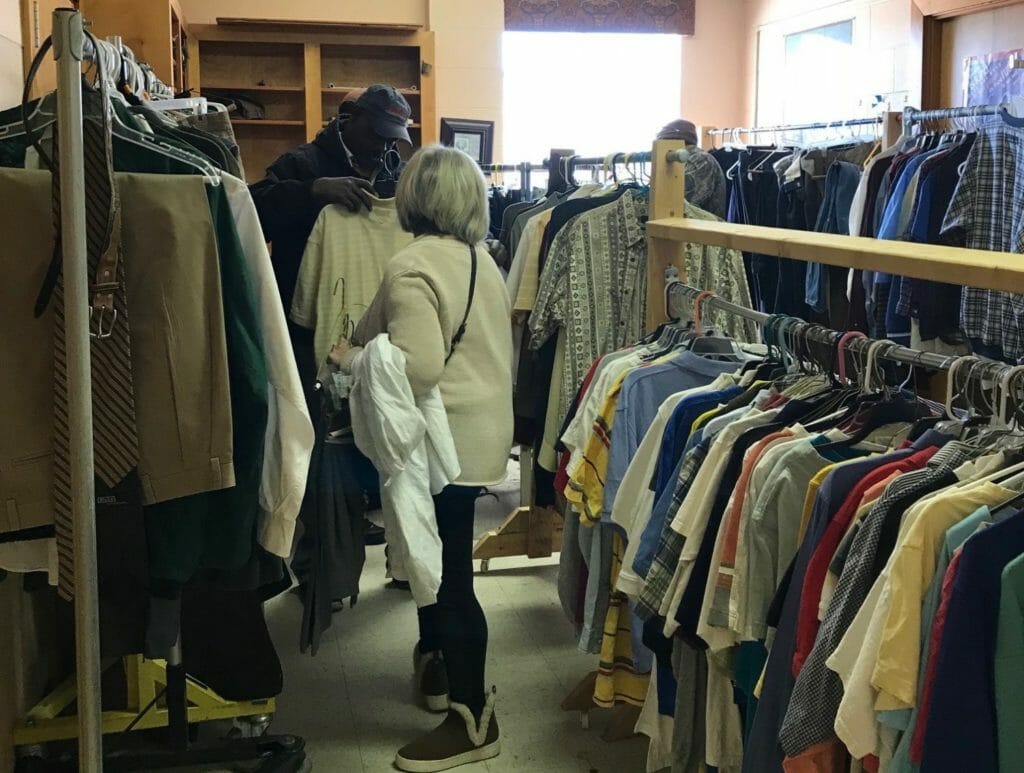
Mary O’Farell takes Matthew 25:36 quite literally. “I needed clothes and you clothed me,” says that Gospel verse, and since 2011, working with her church at First United Methodist Church in downtown Texarkana, she’s been doing exactly that. The retired education administrator has volunteered for years, both through the Junior League of Texarkana and Rotary, making history by becoming the first female Rotarian in Texarkana. The proud grandmother of six wanted to do more when she retired and providing clothing and household goods to families in need and folks in the local homeless community was what spoke to her heart. Whether it’s helping a family who lost everything in a fire or giving homeless people the dignity of making choices for themselves, Mary makes a huge impact on her community.
Mary is committed to making a difference in her community and she is today’s Daily Point of Light Award honoree. Points of Light spoke with her about her commitment to service.
What inspires you to volunteer?
I was taught about volunteerism through my family and the examples they set. I was trained as a volunteer through the Junior League of Texarkana.
Describe your volunteer role.
I currently serve on numerous boards and many of them relate to homelessness and to Mary’s Closet. I founded the Closet in 2011 and it has grown every year – we now have nine rooms in the church. We partner with the Red Cross to help people when they have a house fire.
What’s been the most rewarding part of your work?
The most rewarding part of my work is the hugs that come from the people we help. I have grown in my understanding of homelessness and the “working poor” people in our community. A large percent of the congregation is made up of homeless people and we are in a wonderful location between two shelters.
What have you learned through your experiences as a volunteer?
I have learned that I live in a very generous community and people are willing to help but just don’t know what to do. It is difficult to understand what little things can mean to someone who has nothing but the clothes they can carry. I have learned that each one of us must take responsibility for the well-being of every person in our community especially those who are not just like us. I agree with Margaret Mead who said, ‘Never doubt that a small group of thoughtful, concerned citizens can change the world. Indeed, it is the only thing that ever has.'”
Are there any future partnerships, programs, or events that you are excited about?
I am excited about finding new grants in my area to help us expand.
Why do you think it’s important for others to give back?
Most of us have been given so much and we often forget that there are people in our community who need so much.
What do you want people to learn from your story?
I want people to realize how much need there is in our community and that so many of the things we have around our house that we take for granted can mean the world to someone who has nothing or someone who has just lost everything they owned.
Do you want to make a difference in your community like Mary? Visit All for Good for local volunteer opportunities.
Retiree Helps Homeless Community
Julie Becker is today’s Daily Point of Light Award honoree for her work providing crucial resources to homeless and low-income people in her community. Points of Light spoke with Julie about her commitment to service.
In late January, temperatures throughout the Midwest plummeted – to 30, 40, even 50 degrees below zero. Life seemed to pause during some of the coldest days. Schools and businesses closed, flights were cancelled and everyone who could stayed home, bundled up in thick socks and sweaters, kept warm by their furnaces. In Chicago, the cold was so intense that the transit authority set fire to their train tracks to keep the steel rails from cracking.
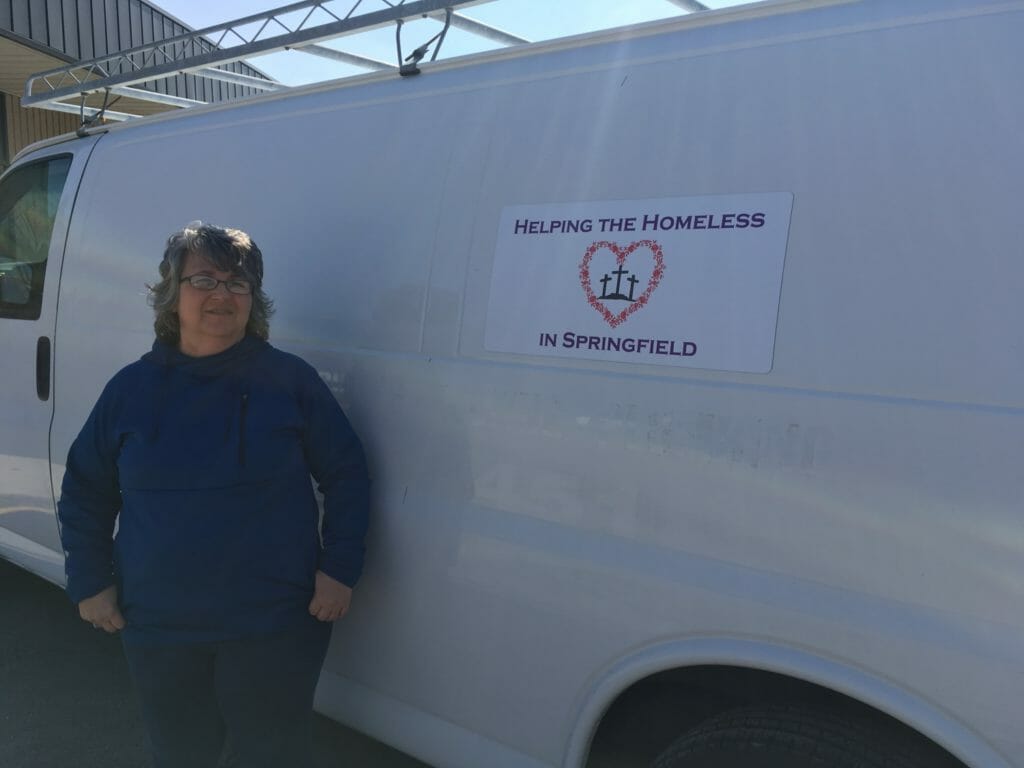
For Julie Becker, just three hours away in Springfield, Illinois, the cold signaled something more than a cup of hot cocoa in front of the fire – serious danger for the homeless people she works with every day through her ministry, Helping the Homeless in Springfield, IL. Throughout the winter, she had been working to get them out of the cold and into motels on the coldest nights. “I’m so grateful for the warmer weather,” Julie says with a laugh. “I was running out of motel money.”
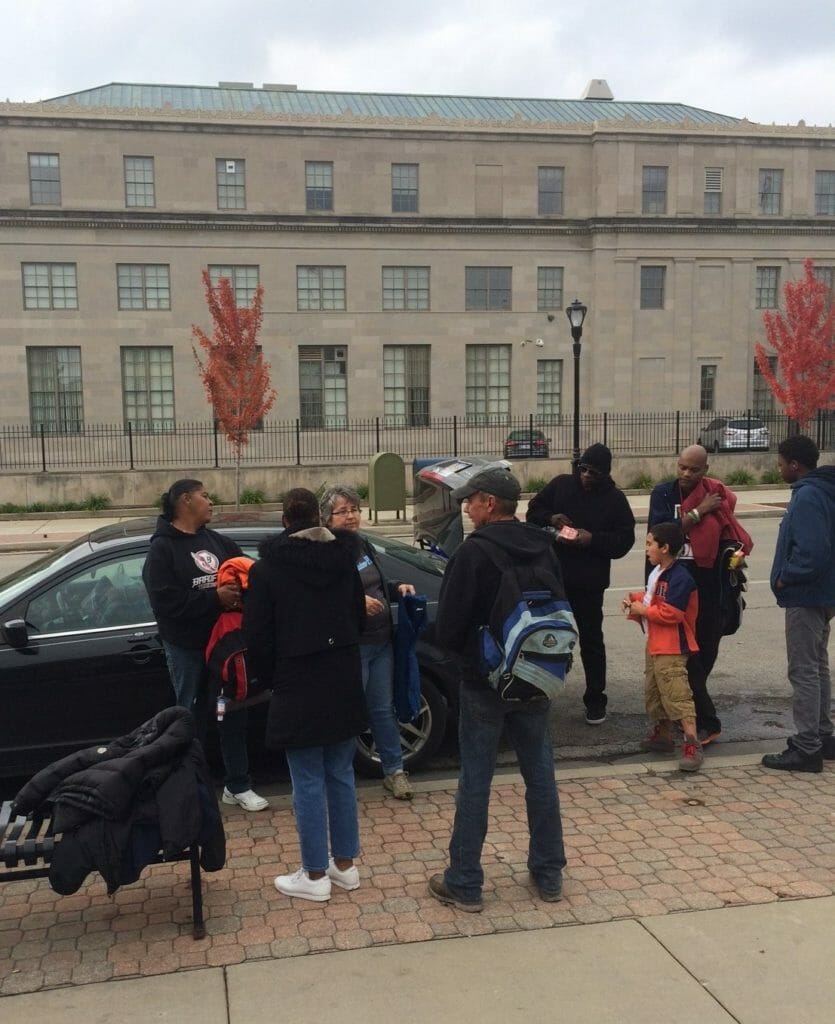
Known affectionately as “Miss Julie,” she began serving homeless people in her community in 2016. As she describes it, “the Good Lord whispered in my ear and told me, ‘You are going to help the homeless.’” She started by gathering a few items, and collecting some donations from her coworkers, and handing them out in the parking lots of nearby homeless shelters. Realizing that there was a real need, she began expanding her efforts, driving downtown to distribute toothpaste, coats, food – whatever was needed. Upon her retirement, her employer donated a van, which she now fills with donations from across the city and even neighboring towns.
When she meets with homeless people, Julie gives them her personal cell phone number and invites them to reach out whenever they need something. She might get a call in the morning from someone who needs boots or a text in the evening from someone sleeping outdoors who needs a sleeping bag to make it through the night. “It’s a 7-day-a-week job,” she says. “People who are in need don’t live from 9-5.”
This responsiveness is something that sets Julie apart, and has only increased since her retirement. Having her days open has also allowed her to expand the scope of her work. She’s started connecting with city agencies to identify and meet needs, and with landlords to attempt to find long-term housing for the homeless people she works with. “I’ve become so ingrained in my community that the police have started reaching out to me,” she says. A public defender recently contacted her to share that, without her, one of their clients may have ended up homeless.
Julie is quick to credit the donors, whom she refers to as “angels,” for making her work possible. These donors, many of whom connect with her through her Facebook page “Helping the Homeless in Springfield, IL” come from across the city and even neighboring towns. She tells a story of how she once put out a call for donated microwaves and within days had received four offers – twice as many as were needed. At Christmas, she hosted a fundraiser at a local pizza chain. Afterwards, her van was completely filled with food and other items. “I took 15 trips from the van to the basement and it still wasn’t empty,” she says.
“I get so emotional, when I’m in the parking lot at HyVee or JC Penny, when I’ve said that I need donations and 10-15 cars pull up full of donations,” she says. “It’s such a moving experience to see people when they give.”
When asked what she would like people to learn from her story, Julie says she wants people to realize that the homeless should be treated with respect. “Don’t be afraid of homeless people. They are also children of God… I hope that my ministry can bring awareness to the issue. Maybe the next time someone working downtown sees a homeless person on a bench, they might stop to offer a sandwich and talk.”
Do you want to make a difference in your community like Julie? Visit All For Good for local volunteer opportunities.
Hospital Volunteer Spends 26 Years Bringing Peace and Comfort to Infants
For more than 26 years, Cliff Preston has volunteered at UF Health Shands Children’s Hospital, offering love to families and children in the NICU.
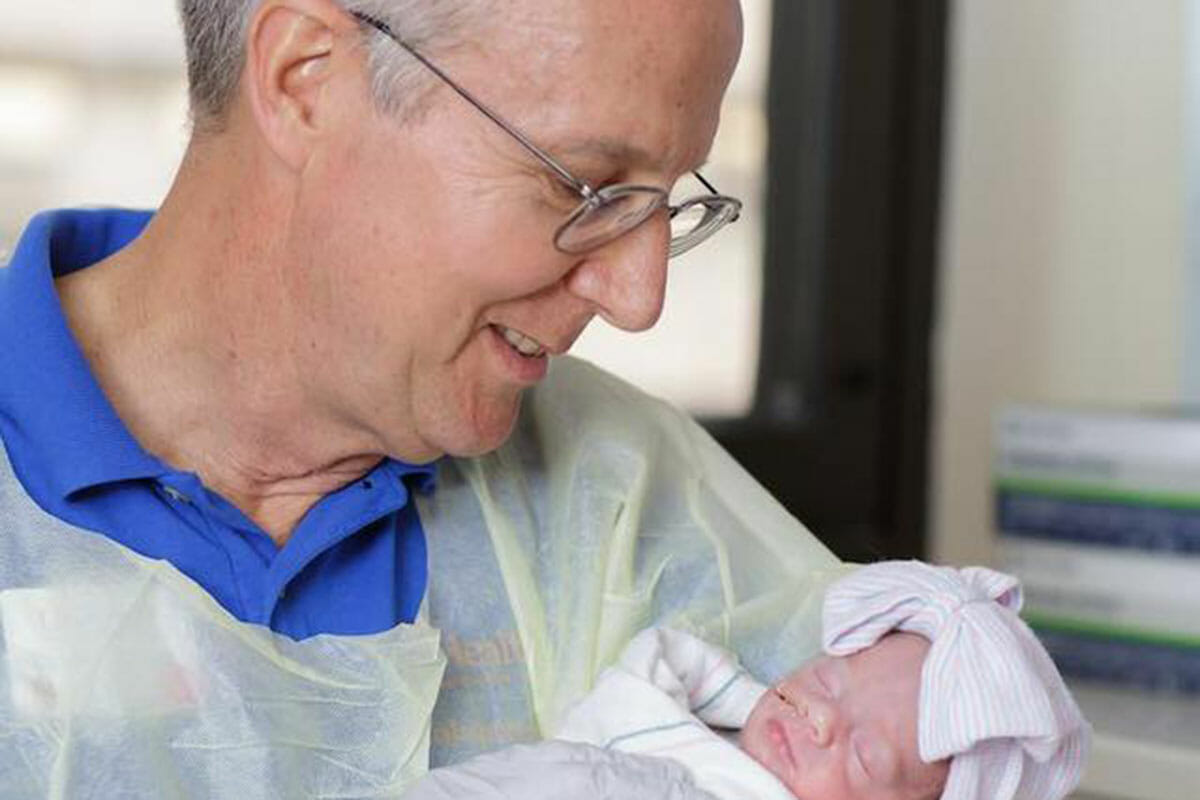
For Cliff Preston, the most joyous time of the week is the time he spends comforting hospitalized newborns. Known as a baby cuddler, Cliff has volunteered for more than 26 years at UF Health Shands Children’s Hospital. Infants need to form vital human connections from birth, and volunteers like Cliff help make this possible while their parents are away. The staff and patients in the neonatal intensive care unit has quickly become a second family to this Gainesville, Florida, native.
Cliff first learned about NICU volunteer programs in the fall of 1992 and, before long, he discovered similar opportunities at his local hospital. After going through an interview process and training sessions, Cliff became an official cuddler, and has spent every Thursday morning in the NICU ever since.
Infants in the NICU often face serious health issues and challenges in these early days of their life. It is common for nurses to have more than one patient they’re caring for, and it’s impossible for most parents to be with a child in need during all hours of the day. This is where cuddlers come in. Cliff helps fill these gaps of time when a child may be distressed, and in need of human connection and comfort.
“Every day I’m there is special,” said Cliff. “Every time I can get a baby to a place of peace, when they have been in pain or upset, means so much. Twenty-six years later, it never gets old.”
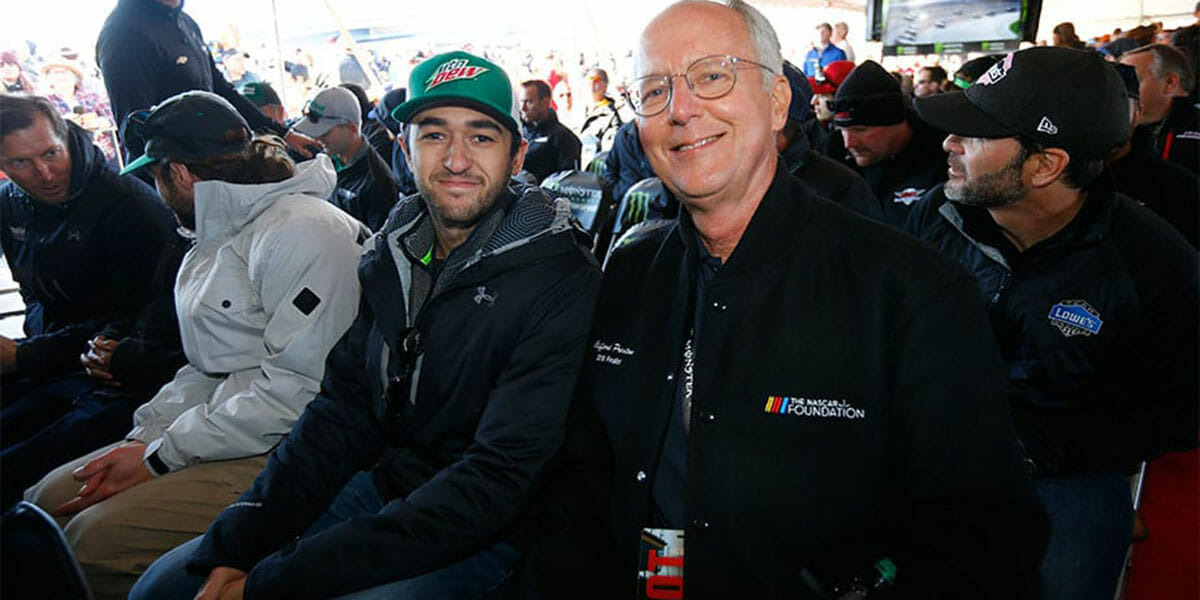
Cliff was recognized by the NASCAR Foundation as a Betty Jane France Humanitarian finalist.
Cliff’s dedication has not gone unnoticed. A loyal NASCAR fan since he was a child, Cliff was a finalist for the NASCAR Foundation’s Betty Jane France Humanitarian Award, which honors fans who volunteer for children’s causes in their communities. Through this recognition, Cliff raised $25,000 for the NICU at UF Health Shands Children’s Hospital.
Cliff’s acknowledgement by the NASCAR Foundation led to numerous individuals reaching out to him looking for ways to get involved in similar programs at their local hospitals. “If other people are doing this because I’m doing this, then that’s huge,” said Cliff. He has also had the unique opportunity to meet some of infants he once cared for – now, all grown up.
Baby cuddling has taught him how to look outwards towards those in need. “For those three hours every Thursday morning, my universe gets very small and very large at the same moment,” Cliff said. “It’s hard to put into words how I feel about doing this. If they charged me to do this, I’d pay them.”
Not everyone can hold newborns, but Cliff inspires everyone around him to find something greater than themselves to become involved with. “Just look around you, seize the opportunities in front of you and find ways to serve others.”
Do you want to make a difference in your community like Cliff? Visit All For Good for local volunteer opportunities.
California Teen Creates a Safe Space Through Art
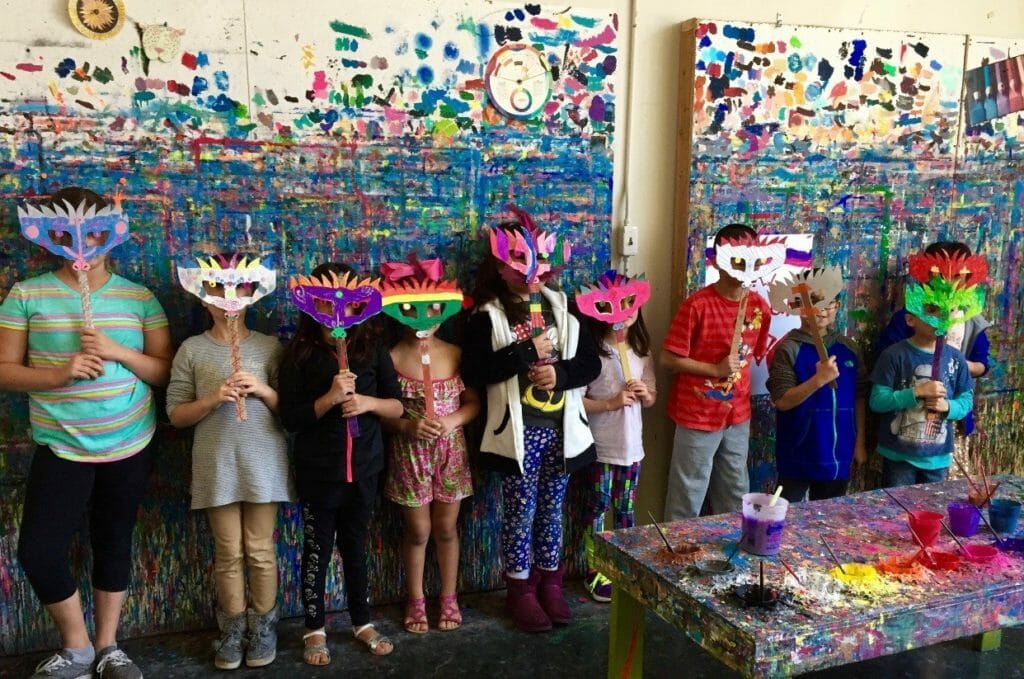
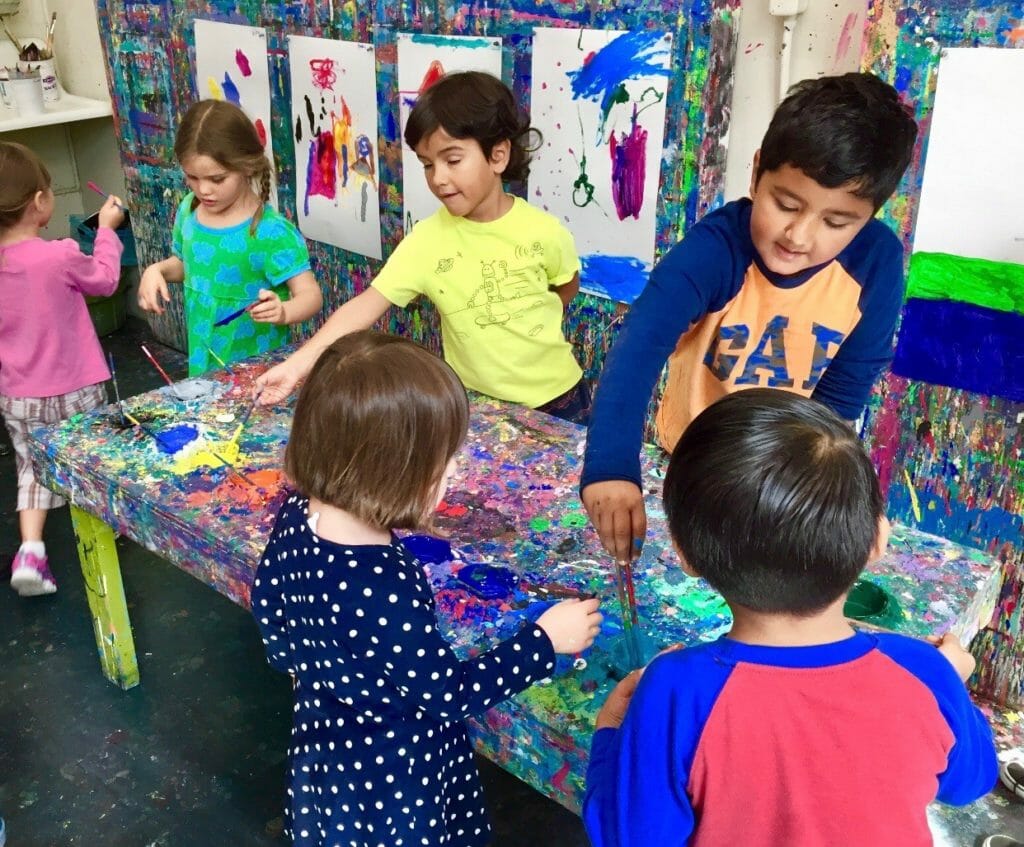
The Richmond Art Center is a safe space for Nicole Ward. She started taking art classes there when she was just 7 years old after her grandparents noticed that she had artistic talent. Now in high school, she has been volunteering there for almost two years, assisting one of her former teachers with classes and a summer art camp for kids ages 2-12.
Ever since elementary school, Nicole has always made friends with the outsiders. Now, she’s the go-to volunteer for working with students that might feel like the odd ones out. She has a gift for making them feel comfortable and included, and helping them flourish in the classes.
Nicole is helping children discover the joys of art and working to make the Richmond Art Center a safe space for future generations. She is today’s Daily Point of Light Award honoree. Points of Light spoke with her to learn more about her service.
This interview has been lightly edited for clarity.
What inspired you to start volunteering?
I used to take classes at the Richmond Art Center when I was little, so I used to go there a lot as a kid. When I got older, my grandpa wanted me to have a “job,” so he went and talked to the volunteer coordinator at the center about me volunteering. I didn’t know I’d like it as much as I do, but it ended up being really good for me.
Describe your volunteer role with the Richmond Art Center
I assist the teacher and do whatever she wants me to do, whether that’s cleaning, setting up, washing brushes, organizing things or helping the kids. I do a lot of hands-on work, too. Usually she lets me work with the problem kids – the ones who are in trouble all the time or have special needs or who are really little. That’s usually where I step in.
I have a big part in showing new volunteers what to do, where things are, where we put things. When a new volunteer comes, I’ll tell them where things go, where to find certain things, what we usually do at the end of the class.
What has been the most rewarding part of volunteering?
For me, it would be helping out this one kid, his name is Vincent. He has autism and, when he first came he didn’t want to be there and he was very disruptive. But he was a really cute kid, so I would try to help him. I didn’t know how to help him at first, but it was really inspiring and touching to learn how to handle him and make him feel comfortable, to make him laugh sometimes, to watch him grow and get more comfortable in the class, to actually start doing stuff.
Is it hard to manage the classroom?
Sometimes it’s very difficult, because the teacher can’t do it all by herself. The maximum number of kids in the class is 12, but this session we have a lot more. The teacher is very generous and likes to take kids off the waiting list. In one of our classes, we have 14 people and some of them don’t have a chair. Sometimes I’m the only volunteer there, and when that happens I have to work very fast. I feel like I’m running sometimes. It isn’t always easy, but I have to get it done.
What is your favorite thing about volunteering?
I really like interacting with the kids. I’ve met some really cool volunteers there, too, and made friends with a lot of them. I have social anxiety and sometimes get anxious about talking to strangers, so being friends with volunteers and getting to know them has been really cool. The kids are also a lot of fun to interact with. The little ones say funny things and they’re really cute.
What have you learned from your volunteer experience?
I’ve learned more about kids. I’m not around kids a lot, because I’m the only kid in my house and there aren’t kids on my street. For me it’s been interesting to learn what they’re like and see all their different personalities. To see how they talk to each other and how they interact on their own.
Why do you think teaching art is important?
I think it’s important for kids to be able to express themselves, especially if they’re young and can’t do it through words. Sometimes, certain colors they use can describe what they’re going through. There was this one kid who was sad a lot and I noticed he liked to use a lot of black. Colors or different activities we do can express what they’re feeling, even when they can’t talk about it, or don’t know how to talk about it, or don’t know how to say it because they’re only 3 years old.
Art also gives kids something to do. It’s very fun for them. If they don’t want to play, they can sit there and use all these different colors. They like to ask what colors they are, and that’s really cool.
Are there any future events, programs, or partnerships that you’re looking forward to?
We have Jazz Art coming up, which is going to be fun. Jazz musicians come into the class and the teacher reads stories to the kids while there’s jazz music playing. The kids will draw an instrument or whatever they want to draw. I like the music and I think it’s good for the kids to hear that kind of stuff. The kids really like it, too.
At the end of each season, we have a big art show for the parents where we hang up the kids’ pictures and show off their pottery, and the parents come in. All the art the kids make is kind of cool. It’s really cute and funny how deformed what they want to make is [laughs]. They want to make an elephant, but then the legs are so long and the trunk isn’t that long, or they want to make an alligator, but they don’t know how to make spikes.
Why do you think it’s important for others to give back?
I think it’s especially important for teenagers. People think video games and all of that are more important, when there are kids out there. I think it’s important that the volunteers at the Richmond Art Center are giving their time to help these kids.
The kids appreciate it, too. They can use having younger people around. It’s really important for everyone if there’s volunteers around. For teenagers it’s so important – it’s something you’re doing with your time that’s worth it.
Do you want to make a difference in your community like Nicole? Visit All for Good for local volunteer opportunities.
Teen Works Year-round to Donate Thousands of Toys to Children in Need
Kennedy Steiner was listening to one of her favorite radio stations when she heard a call to the community that would change the course of the next six years of her life.
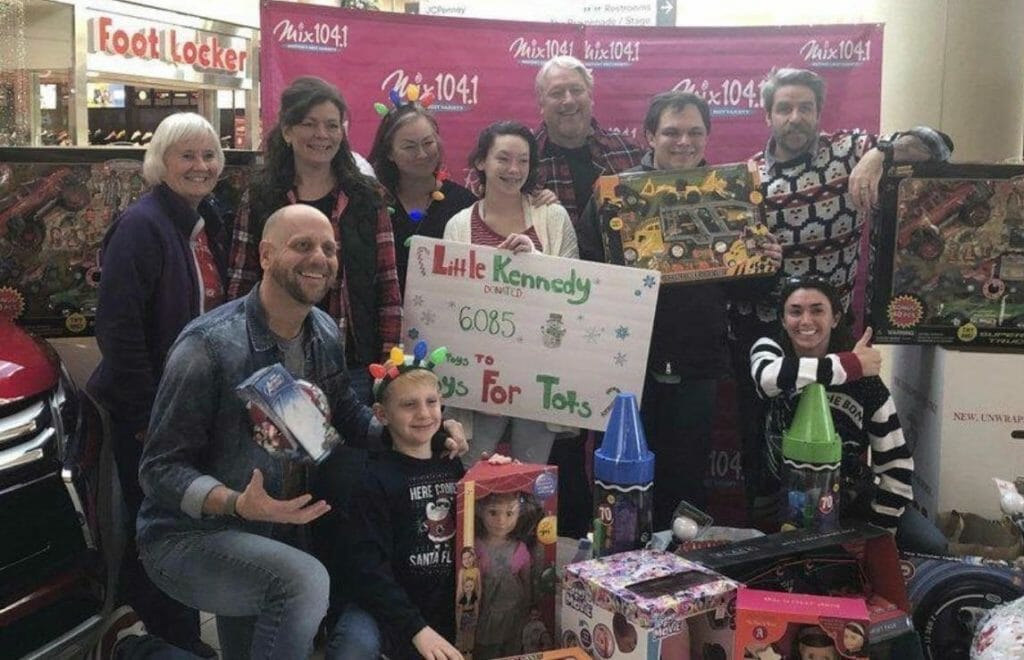
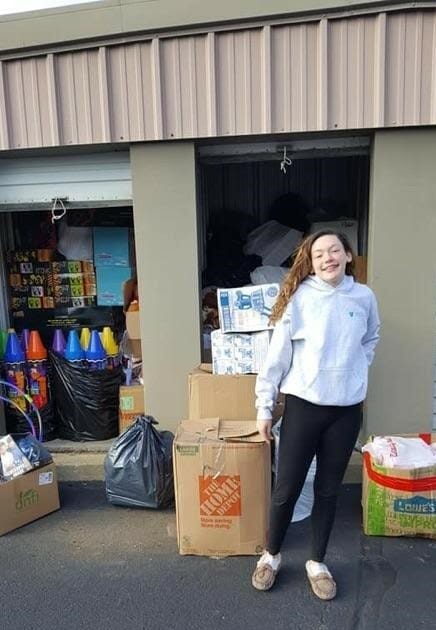
The station was gathering donations for Toys for Tots, a not-for-profit charity that collects and distributes toys to less fortunate children at Christmas. Kennedy followed their call and donated what she could that year — and then spent the following years trying to donate even more and more. Kennedy has since donated over 30,000 toys to Toys for Tots.
The teenager spends all year long gathering toys, which are for children aged from infants to in their early teens. She manages to gather the money and resources for the toys through yard sales, drives and through advertising on her Facebook page. Kennedy is now in the process of applying for nonprofit status so she can take her volunteer work, which she calls ‘Kennedy Kares,’ to the next level by being able to request donations for businesses.
“I want this to go as long as I can do it for,” Kennedy said. “I want to be helping kids and helping other people for as long as I can.”
For her constant dedication to ensuring as many kids as possible have a bright holiday season, Kennedy is today’s Daily Point of Light Award recipient. Points of Light spoke with her about how she’s managed to make such a large contribution to her community at age 15.
Describe your volunteer role.
So throughout the year I do a toy drive that gets donated to Toys for Tots at the end of the year.
I do can drives, like bottle and return drives. I do yard sales to collect money. I do a bunch of different things to collect money and collect toys so that at the end of the year I can get as many toys as possible for Toys for Tots. I have two storage units that I keep them all at. So I run my own drive and then I donate that to another drive that goes to Toys for Tots. So the people that run the other drive come and collect all the toys and then they get them to Toys for Tots.
What made you want to start the toy drive?
I listened to a radio station that happened to have a DJ with the same name as me which I thought was really cool. They started collecting toys for Toys for Tots so I wanted to help because I thought it was really cool what they were doing and I listen to them a lot. So that year I only donated a little bit. And then each year I donated more and more, because throughout the whole time, I started realizing even more how many kids don’t get as much as other kids and how fortunate so many kids are, but also how unfortunate so many other kids are. I just wanted to be able to help that and know that I was helping toward something that was really important.
How do you get the word out so you’re able to collect so many toys?
I have a Facebook page and I make flyers. When it gets a little bit closer to the season, I pass those out. Even though this is an all-year thing, most people don’t realize that it’s all year until it comes to Christmas time. So around that time, I pass out flyers just saying who I am, what I’m doing and why I’m doing it. All year round I’m putting things on to the Facebook page so people know about it, and on social media in general.
How does it feel once you’ve finally donated all these toys at the end of the year?
Throughout the year I obviously feel happy about everything I’m doing, but when it finally gets to when I drop everything off and see how much I’ve really gathered and donated — it feels amazing, honestly, getting to see how much work has gotten put into this and how many kids are going to be helped.
What’s been the most rewarding part of your work?
Getting to realize how many people I’m helping. Also … getting to realize that someone my age is able to do something and make this impact. I know that I’m helping kids all over my area. Even though I don’t know them, it’s still rewarding to me that I’m able to help them.
Are there any future partnerships, programs, or events that you are excited about?
Hopefully my drive will become a nonprofit called Kennedy Kares, which is what I call myself now, but eventually I want it to get to the nonprofit status so I can reach out to bigger companies so I can get even more toys. So that it can get even bigger and I can help even more kids.
What do you want people to learn from your story?
That no matter how young you are, you can create as big of an impact as you want. Honestly all I really want anybody to get out of this is that they can do whatever they want to be able to do. No matter how old you are, no matter what you think you can do, you can do whatever you want to be able to do.
Do you want to make a difference in your community like Kennedy? Visit All For Good for local volunteer opportunities.
Post written by Morganne Mallon.
Teen Promotes Literacy and Changes Lives with the Power of Reading
An avid reader, Isabella Tejeda says the library was her second home as a child, and now, the 17-year-old Yorba Linda, California resident is sharing her love for reading with children in her greater community.
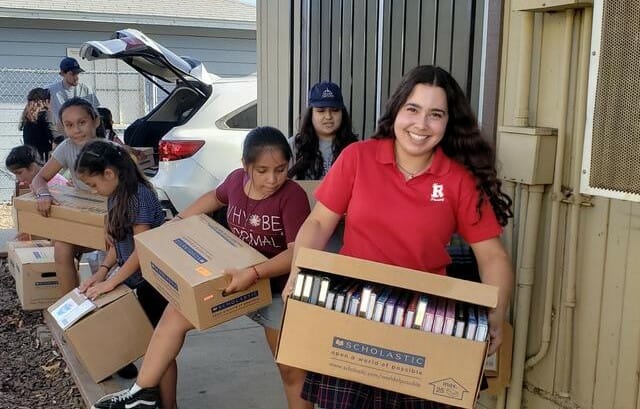
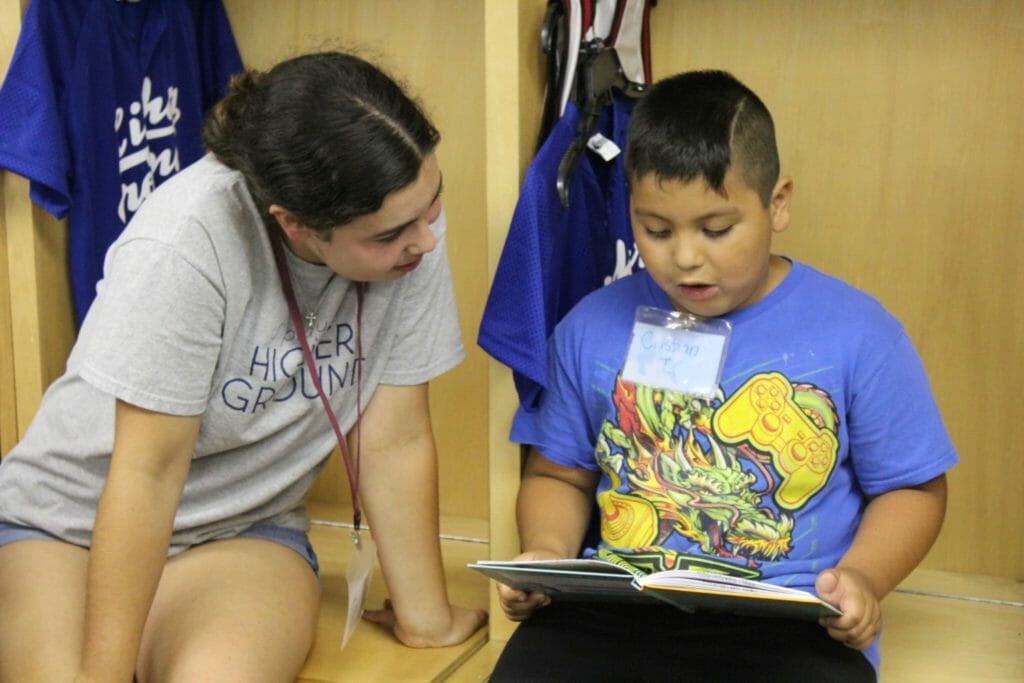
Launching “Read a Story, Change a Life” in 2018, the high school junior’s Gold Award project for Girl Scouts incorporates fun storytime and engaging reading activities for elementary school children most at-risk for falling behind in school. Designed to help provide equitable access to reading success, Isabella’s project promotes early literacy intervention and builds lifelong readers.
Inspiring imagination and confidence amongst over one thousand students in her community thus far, Isabella is today’s Daily Point of Light award honoree. Points of Light spoke to Isabella to learn more about her volunteerism.
What inspires you to volunteer?
I really, really, really love helping kids and spending time with them. I’ve grown up volunteering, it’s a part of life with my family. I want to be able to share with others the same experience and lifestyle I’ve had, and spread that joy and happiness with everyone.
Describe your volunteer role with the Yorba Linda Public Library and “Read a Story, Change a Life”.
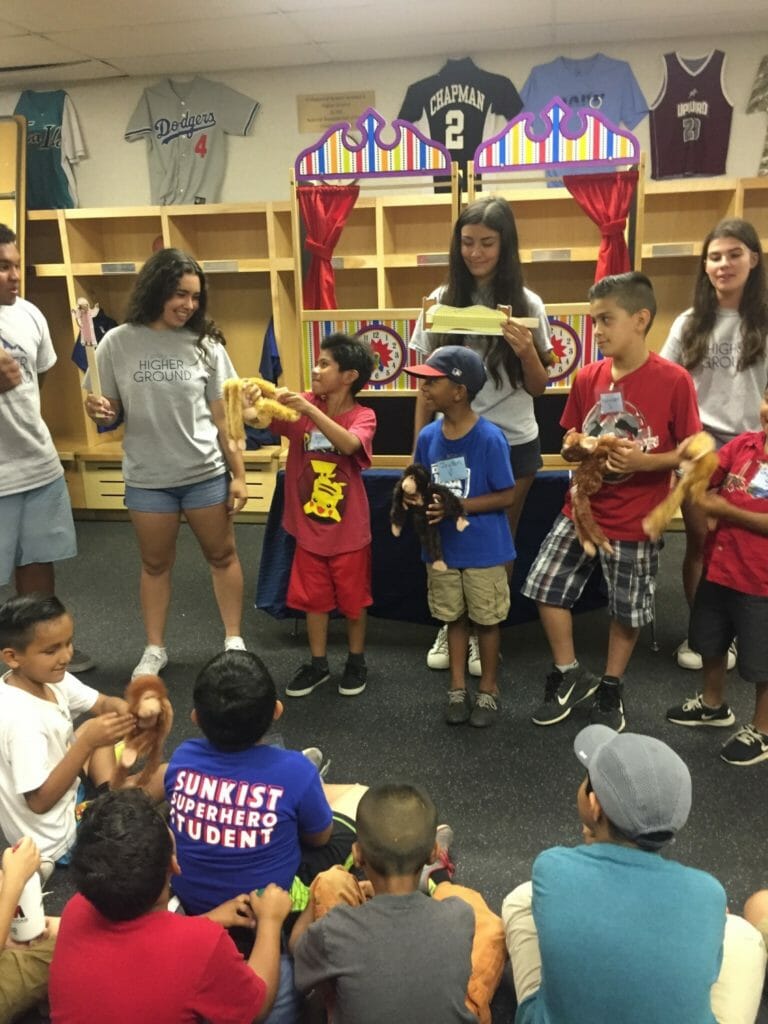
I am a volunteer with the Teen Advisory Board at the Yorba Linda Public Library, so between those responsibilities and my “Read a Story, Change a Life” program, I volunteer on a weekly basis, logging more than 350 hours this year. For the program, I create curriculum, including puppet shows and unique songs and stories. We put on these shows at Book Bug Club at the library, a weekly storytime for younger elementary students. I’ve also helped out with special events for the library including Summer Reading Club Kick-Off Festival and Library Sleepover.
Why did you decide reading was a way to connect with students in need?
I was volunteering at Higher Ground Youth & Family Services, a nonprofit organization based in Anaheim, California that supports youth and families at risk, and I realized that a lot of kids there weren’t able to read at their own grade levels. The third-graders were barely able to read at a kindergarten level. We saw a change in the students that summer as they participated in our program. Some of the most reserved students, who at the beginning were too cool for school, transformed into engaged students, being the first to raise their hands and participate.
Tell me more about your program, the activities sound like fun!
Our program started as a summer event, but is now transitioning into a year-round program. We put on puppet shows, read books to the children, and then they’ll write their own stories, or read during storytime. Each activity helps to support increasing their reading abilities. We started with a few puppet shows and some donated books, and now the program has evolved into a huge binder of 70 puppet shows, songs and little stories the kids can perform on their own. We also just recorded all our songs and puppet shows on a video DVD so that parents and other groups can teach the program on their own. And we’re branching out worldwide! We recently sent our kit to a primary school in Uganda.
Share one impactful story with me from your volunteerism.
This is my favorite story to tell. This boy’s dad was a gang member and his mom wasn’t in the picture. When we first met him, he was in third-grade, he was trying to act all tough and he didn’t want to participate in our program. During one of our puppet stories, he kept yelling, “this is fake, this isn’t real!” That was the moment we realized he probably doesn’t know what pretend is, because he doesn’t have a chance to just be a kid at home. He didn’t have opportunities to pretend to be a superhero, or a chef, because he had to act like a tough kid at home. At the end of our program, he was sooo excited to be there. He volunteered for everything. It was amazing to see how he went from sitting in the corner, hiding under a table, to wanting to read his own book and write his own story.
What’s one thing you want readers to take away from your service?
Every teen and person, no matter how old you are, or who you think you are, can always make a difference in the world.
What does it mean to you to hear that your service is making an impact?
Honestly it makes me really happy, because when I first started this, I wasn’t very outgoing and I didn’t really think I could make such a big change. It makes me feel really good about the work I’m doing, and it makes me want to do more in addition to influencing others so that they can make a change themselves.
What do you want to be when you grow up?
I really want to be a pediatrician. That’s my dream.
What’s your favorite book to read?
Because of Winn-Dixie by Kate DiCamillo. My favorite book to read to children while I’m volunteering is “I’m a Frog!” from Mo Willems’ Elephant and Piggie series. They love the Elephant and Piggie stories (laughs).
Do you want to make a difference in your community like Isabella Tejeda? Visit All For Good for local volunteer opportunities.
Post written by Marlena Militana.
Boulder Volunteer Gives Back to Her Community Through Mentoring
Mentors play many roles in young people’s lives, serving as trusted role models, advocates, cheerleaders, and friends. The word “mentor” itself can be traced back to Homer’s “Odyssey.” In the epic poem, Mentor is a friend of Odysseus, left in charge of the household while the mythic king fights in the Trojan War. To help Odysseus finally return home from the war, the goddess Athena later disguises herself as Mentor to guide the king’s son, Telemachus, in search of his father. More than 2,000 years later, “mentor” entered the English language in reference to these two trusted advisors and guides.
Mentors are as important for young people today as they were in Ancient Greece. Yet, as MENTOR: The National Mentoring Partnership reports, 1 in 3 young people will grow up without ever having one. Quality mentoring relationships have a profound impact on young people in their personal, academic, and professional lives. According to MENTOR, young adults who were at-risk for falling off track but had a mentor are 55 percent more likely to enroll in college, 78 percent more likely to volunteer regularly, and 130 percent more likely to hold leadership positions.
Juana Gómez knows first-hand the importance, joys, and challenges of mentoring. In 2010, the Boulder, Colorado resident began volunteering on special projects with “I Have a Dream Foundation of Boulder County“, which provides individualized social, emotional, and academic support to young people from low-income communities from 1st grade through college. In 2015, she started mentoring a middle-school student on a weekly basis and the two have been growing together ever since.
Juana is making a difference in her community through mentorship, and is today’s Daily Point of Light Award honoree. Points of Light spoke with Juana about her commitment to service.
What inspires you to volunteer?
The ability to give time back to my community serves as the biggest impetus for volunteering.
Describe your volunteer role
My main volunteer job at I Have a Dream Foundation of Boulder County (IHDF) consists of mentoring a student who is growing up with the many disadvantages of poverty, though with a very strong support system of family, school, and social services. I am part of that support network. We meet almost weekly and sometimes more. She was in 7th grade when we started. We go on outings to the museums, concerts, game park, craft activities. Sometimes she needs extra help with schoolwork (though she is an excellent student) and we work on that. I attend her and her family’s many activities at school, sports, and church and have become close to her parents, especially her mother. Along with visits and attendance, the student and I talk about life, cliques, being a teenager, budgeting, her plans for her future, the value of things such as punctuality. I see my job as offering one-on-one support, modeling adult behavior, and expanding her circle of experiences. And, of course, I feel that I get back as much as I give.
What has been the most rewarding part of your work?
Participating in the life of the student I mentor, contributing to her development, and becoming close to her siblings and parents
What have you learned through your experiences as a volunteer?
Providing continuity and stability in children’s lives will have lasting positive effects. Mentoring is a volunteer experience that may seem simple, but has many positive and long lasting impacts. Students who have mentors are 55% more likely to enroll in college, 78% more likely to volunteer regularly, and 130% more likely to hold leadership positions. Youth with mentors are 46% less likely to start using illegal drugs and 27% less likely to start drinking.
Are there any future partnerships, programs, or events that you are excited about?
I look forward to continuing my mentoring and meeting new students to mentor in the years ahead.
Why do you think it’s important for others to give back?
Many programs and activities require monetary resources, but also giving of your time can have a tremendous impact on a community and on individuals’ lives.
What do you want people to learn from your story?
A neighborhood/town/city needs a strong foundation of social infrastructure. Volunteering is the corner stone of that structure.
Do you want to make a difference in your community like Juana? Visit All For Good for local volunteer opportunities.
94-Year-Old Honor Flight Volunteer Ensures All Veterans Get Their Moment of Honor
Meet Daily Point of Light Awardhonoree Gene Neeley. Read his story and nominatean outstanding volunteer or family as a Daily Point of Light
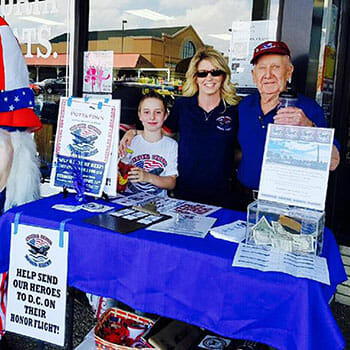
Edwin Eugene “Gene” Neeley makes sure that every veteran gets their moment of honor. At 94 years old, the World War II veteran is the secret weapon for the Greater Peoria Honor Flight, where he seeks out and encourages veterans to take a special flight to Washington, D.C., at no cost. In his volunteer role, Gene looks for veterans who have not yet participated in the honor flight, which brings veterans to the nation’s capital to visit the memorials, and helps them understand that their sacrifice is never forgotten. He has become the radiant face of the honor flight, and his love for the brave men and women who have served our country is contagious.
During his senior year of high school, Gene was told that he would be drafted into the war. From the very beginning of his time in the military, he had a simple, yet powerful mentality: serve others, and do the best that you can. He served from 1943 through the end of 1945, and joined the Illinois Air National Guard’s 169th Fighter Squadron following his to the United States. After 20 years of service, Gene retired from the Air Force in 1962.
It was Gene’s granddaughter who introduced him to the Greater Peoria Honor Flight in 2013. Part of the Honor Flight Network, the volunteer-run chapter in Peoria, Illinois, has honored the service of more than 1,200 local veterans, with each participant bringing along a guardian to foster empathy and bonding experiences.
It was this granddaughter who accompanied Gene on his own honor flight, and stood alongside him as they marveled at the memorials in Washington, D.C., and the awestruck faces of the veterans around them. There were no words to describe what the honor flight meant to Gene, who has taken only one flight because he never wants to take the seat away from another veteran who could share in that experience.
Now an honor flight participant turned volunteer, Gene is described as the Energizer Bunny that keeps the Greater Peoria Honor Flight inspired. He does outreach for the organization in public places, fundraises, and gives presentations about the flight — but his biggest job is advocating to other veterans, and not taking no for an answer from those who initially think that the trip is not for them.
“Gene is the face of honor flight,” said Phyllis Piraino, vice president of the Greater Peoria Honor Flight. Gene and Phyllis became fast friends and are the organization’s dynamic duo. Together, they seek out as many supporters as possible and show veterans that they are worthy of accepting an honor flight invitation.
Many veterans believe they don’t deserve a trip on an honor flight because they did not serve overseas during a war or that their time didn’t make a true difference.
Gene knows that every veteran has their part to play, and without him, many would never have gone on a flight. “We work to take care of our veterans. That’s number one in my book,” he said.
Upon return from their visit to Washington, D.C., veterans often begin to open up and tell stories they’ve never told before. The honor flight experience has been therapeutic for hundreds of men and women, and Gene is dedicated to guiding them on this path to peace and healing.
“As a veteran, I served because I believe I should be doing that for my country,” he said. “I still do that same thing for the Greater Peoria Honor Flight.”
In addition to finding veterans to invite to the honor flight, Gene is involved in local community events. Nets for Vets, a Greater Peoria Honor Flight fundraiser hosted at local elementary and middle schools, gives children the opportunity to win an iPad for every $10 they raise. Veterans lead the event during P.E. classes, and Gene’s enthusiasm caught the attention of several principals – eventually leading to more schools participating in the fundraising event.
Schools helped raise more than $10,000 during the first year of the fundraiser, and the idea began to spread. To date, more than $300,000 has been raised to send veterans to Washington, D.C., with $106,000 raised by kids for the Greater Peoria Honor Flight in 2018 alone.
Gene helps those around him remember what an honor it is to know and thank a veteran. Today’s children will be the last generation to be able to shake the hand of a WWII veteran and thank them for their service. Every Thursday morning at the local grade school, eight or nine veterans from WWII and Vietnam greet kids as they come off their school bus. Thanks to Gene, spaces are being created to not only honor veterans, but also give youth access to meet living history.
What’s next for Gene and the Greater Peoria Honor Flight? He and Phyllis will be traveling to Normandy, France, for the 75th anniversary of D-Day. They will travel for two weeks with Veterans Back to Normandie, an organization that helps veterans pay their respects to their comrades who never returned home and bridge memories across generations.
Gene is committed to showing veterans that their service matters. He does whatever he can to give veterans in his community the chance to experience an honor flight, and he finds joy in making days a little brighter for somebody else.
Do you want to make a difference in your community like Gene? Visit All For Good for local volunteer opportunities.
New York Teen Gives Back to Her Community
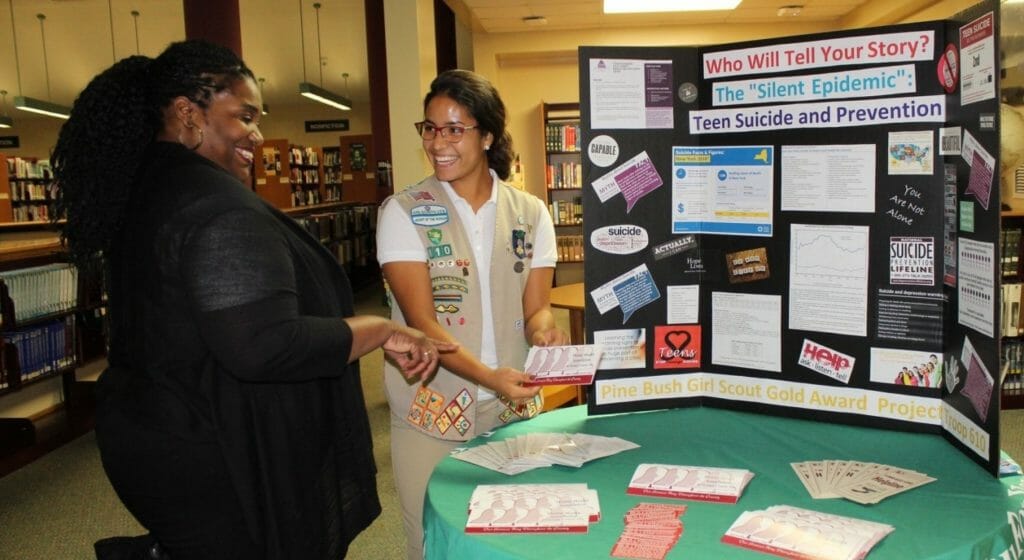
When she became a Girl Scout Daisy in kindergarten, Isabella Sapio had already been volunteering for years. Born into a family of service minded people, even as a tot Isabella learned from her mother what it meant to give back, at church, in the community, at food banks, nursing homes. Scouting was something the family nurtured, her mother and all five of her aunts had been girl scouts. For Isabella, the organization gave her the framework to make a difference. Now, as a senior in high school, she leads a Teen Outreach peer group that provides education and support to middle and high school students on topics ranging from suicide awareness and bullying to drugs, smoking and alcohol. Although she’ll be going to college, Isabella plans to be a lifelong Girl Scout and bring her dedication with her wherever she goes.
What inspires you to volunteer?
I come from a family that has always taught me the importance of volunteering and giving back. As soon as I could walk my mom brought me to food drives to help, as long as I can remember. Children learn what they live.
Describe your volunteer role.
We do all kinds of community projects and events. While we are busiest in the summer when school is out, we serve year-round. We do a lot with food pantries, collecting and making food for baskets at Thanksgiving, Christmas and Easter. We write letters and send care packages to soldiers in Afghanistan, visit nursing homes and do clean up in our town.I have also been involved with 100 Hispanic Women of the Capital District, an organization to lead Latinas toward excellence in leadership and inspire, challenge and empower Hispanics to maximize their strengths and potentials. We did a lot of work towards the recovery effort for Puerto Rico after the hurricane.
What’s been the most rewarding part of your work?
The most rewarding part is just working hard, reaching out and making a difference in people’s lives. I am one person going out into my community and making the world a better place through volunteering. I’m proud to have earned the bronze, silver and gold awards in Girl Scouts, along with two Presidential awards.
What have you learned through your experiences as a volunteer?
I feel like people look at volunteering as taking away time from their day that they could do something else. But so often we end up on the couch, just on our phones. Instead, what you put out in volunteering, you get back and so much more. what you get back.
Are there any future partnerships, programs, or events that you are excited about?
I’m excited to see what college life has to offer as far as community service and volunteering. Upon graduation I plan to become a lifetime girl scout and continue giving back.
Why do you think it’s important for others to give back?
Not only does it help you connect and be involved in community, volunteering helps you grow as a person. And it really does make the world a better place.
What do you want people to learn from your story?
I want people to know that you can start volunteering at any age, doesn’t matter how young or old. Again I’ll quote my mom, who always says that children learn what they live.
Do you want to make a difference in your community like Isabella? Visit All for Good for local volunteer opportunities.