After Digging Out Of Credit Debt, Volunteer Teaches Financial Literacy
Meet Daily Point of Light Award honoree Andree Taylor. Read his story and nominate an outstanding volunteer or family as a Daily Point of Light.
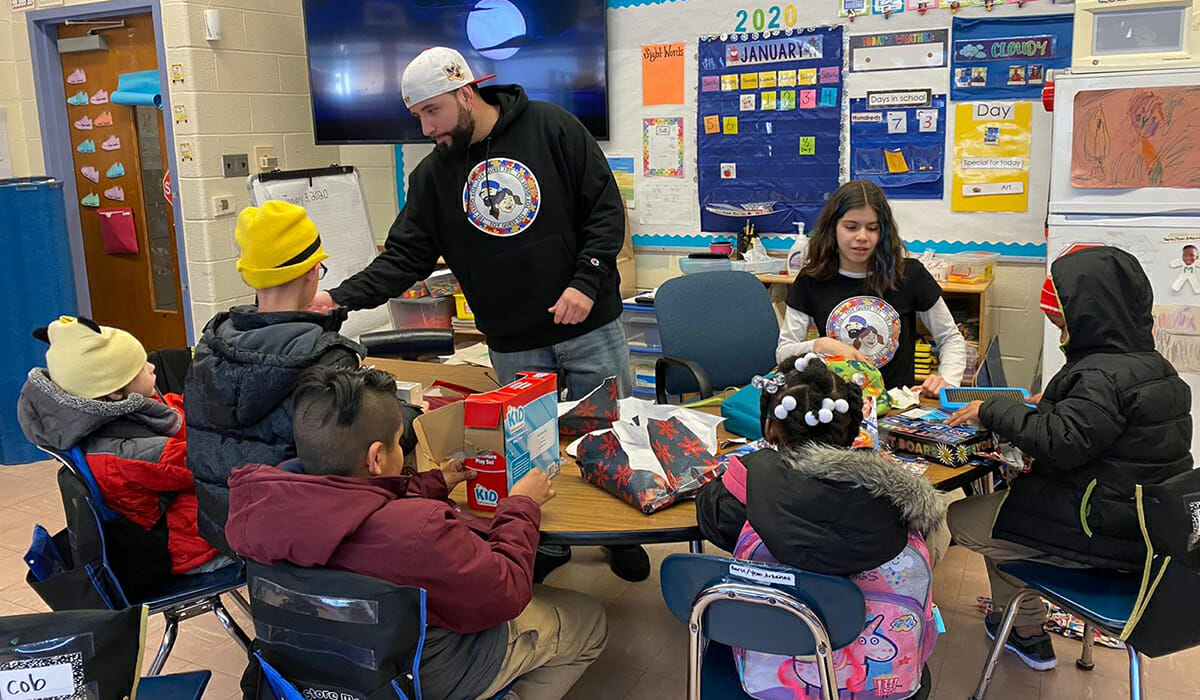
Andree Taylor’s story of credit debt is a familiar one: the unsuspecting college freshman signed up for a credit card to receive a free t-shirt, and when the card arrived in the mail, the jobless teen didn’t understand how to responsibly use it. Taking years to finally pay off that card, the Charlotte, North Carolina resident is using his experience to help improve financial literacy for others in his community.
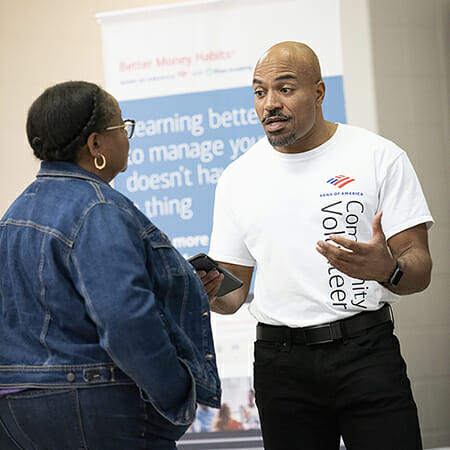
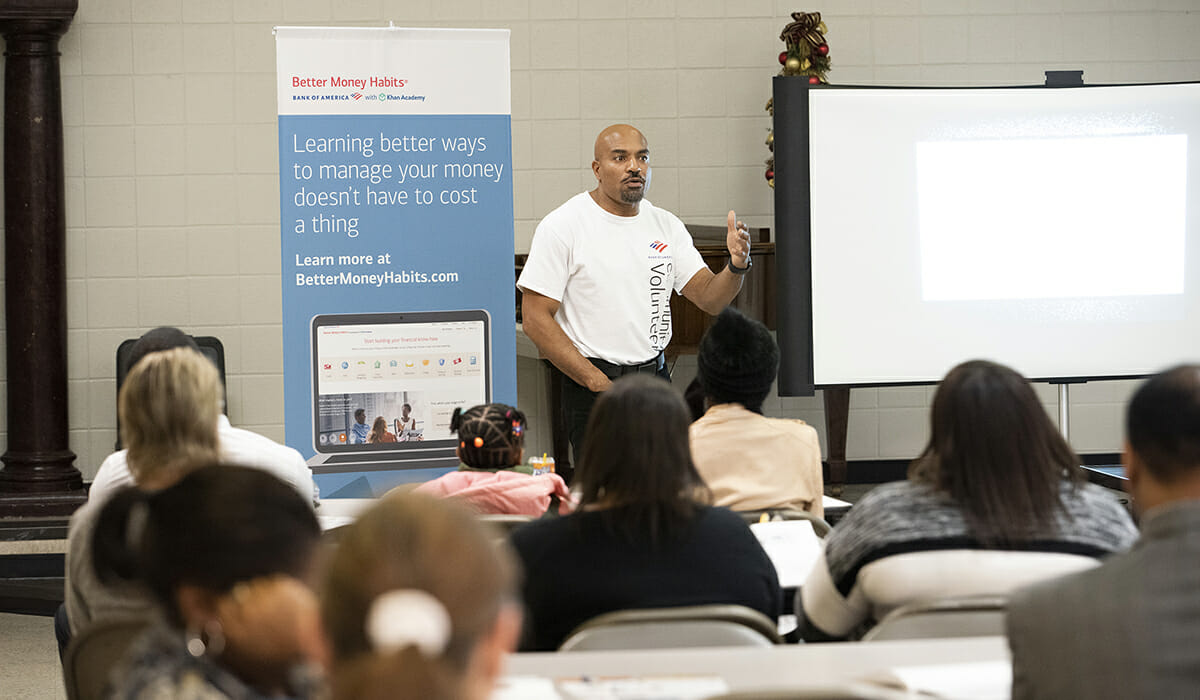
As the lead volunteer for Bank of America and Khan University’s Better Money Habits Champions organization in the Charlotte area, Andree is leveraging skills from his day job in the finance industry to simplify concepts like budgeting, credit and savings. Connecting with more than one thousand people thus far, Andree is helping to change the future for his community.
What inspires you to volunteer?
The spirit of helping people and giving back to my community has always lived within me. Growing up, people gave back to me, and that support really helped me get to where I am today. Through service, I am paying that support forward to folks that have limited opportunities to grow in their lives.
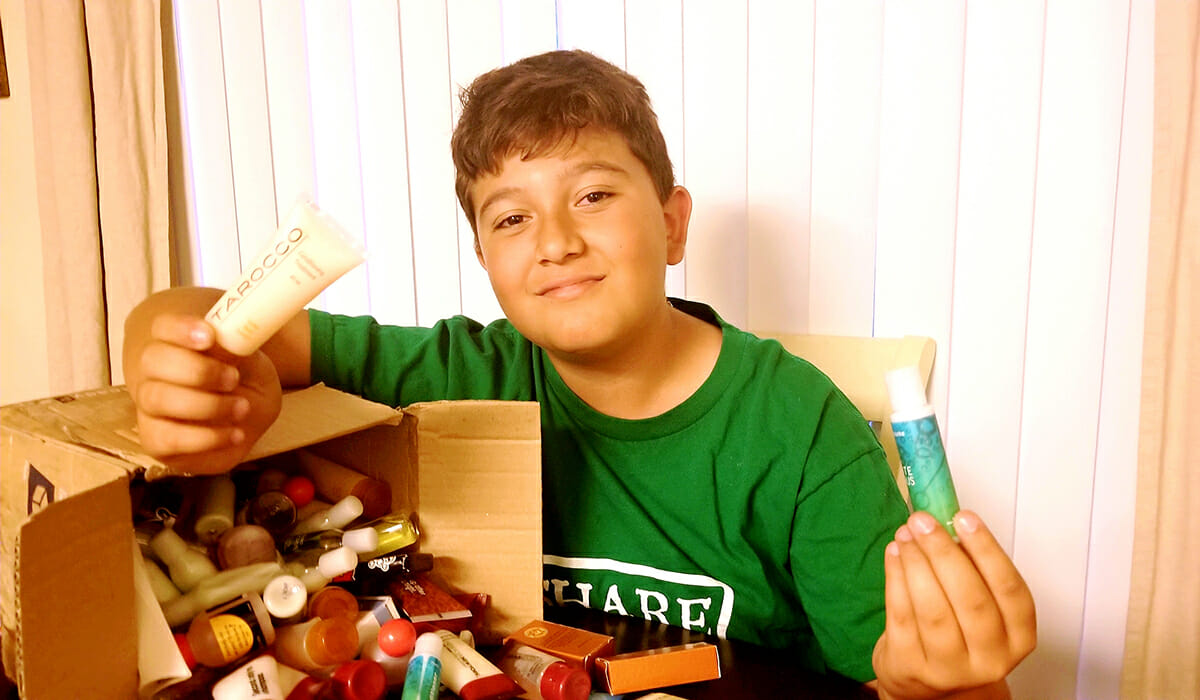
Andree Taylor is improving his community’s financial literacy as a Better Money Habits Champion lead volunteer./Courtesy Andree Taylor
Describe your role with Better Money Habits Volunteer Champions.
As the lead volunteer in the Charlotte area, I provide financial education and help to coordinate volunteer activities across several hundred volunteers in our area. We host educational sessions including basic financing, budgeting and credit for anybody age 13 and up.
Share some personal stories with me from your volunteerism.
I recently spoke to college students through an event hosted by the United Negro College Fund about the wealth gap between African Americans, Hispanics and Whites. Their eyes just lit up when they saw the disparity that exists, and the topic spawned questions about how we can reduce that gap. At the end of the session, folks came up wanting to know what they can do now to apply the knowledge we are providing.
We also recently held a virtual Better Money Habits session with 12 Georgia State University students who are on the autism spectrum in conjunction with World Autism Awareness month. We talked about how banks work, interest, budgeting, financial independence and financial information security. The students were engaged and asked some really good questions, and even shared some personal experiences. It’s great to have these conversations with students.
You are making a positive impact on the lives of others. What does that mean to you?
I can’t put a value on what this financial information will do for these individuals and their future generations. It makes me smile and makes me want to volunteer more. We are helping struggling people to help themselves and in turn, help others to grow as a people.
What’s one way you hope to inspire others in your service?
As I think about people and the future, our lives are not our own. If we do our part here, and somebody else does their part, then we as a people will grow holistically, and we grow as a people overall.
Andree Taylor volunteers to provide education on financial aspects like budgeting, credit and savings to individuals age 13 and up./Courtesy Andree Taylor
What’s been the most rewarding part of your service?
The “a-ha” moments. Seeing someone’s eyes light up as you’re talking to them. These people get it, and then they start to ask questions that relate to their situation. Those moments give me that internal drive to keep helping others.
What have you learned through your experiences as a volunteer?
This is stuff you may take for granted, but a lot of folks don’t know about what I consider to be basic financial knowledge. That realization makes me want to dive deeper into the details of what we’re talking about, and continue to provide specific demographics with a deeper understanding of financial literacy.
In one word, what does volunteering mean to you?
Fulfillment. Volunteering fulfills my internal desire to give back.
After Transformative Volunteer Experience, Teen Illuminates Path of Service for other Youth
Meet Daily Point of Light Award honoree Justin Crosby. Read his story and nominate an outstanding volunteer or family as a Daily Point of Light.
A hallmark of his long life, former president George H. W. Bush lived a life of service, consistently demonstrating kindness to others. As a volunteer leader in his own community, 16-year-old Justin Crosby has dedicated his service to the former president’s memory, now illuminating the path of service for other children.
Selected as a Project 351 Ambassador, the now rising high school senior was just 13-years-old when he served alongside other students from each of Massachusetts’ 351 cities and towns to unite the entire state in service to greater causes. That transformative volunteer experience highlighted the importance of looking beyond self and helping others for the Middleton, Massachusetts teen. Establishing Leaders Lead Leaders (LLL) in 2017, Justin is building leadership skills within young children by spotlighting service opportunities for hundreds of youth across community organizations.
What inspires you to volunteer?
I’m very fortunate to have a family grounded in service, and I was taught to always think about community first. Having experienced the transformative powers of volunteerism, I am able to better understand the qualities that defined service hero George H. W. Bush: integrity, ambition, resilience, devotion and initiative. Tomorrow, the children we are leading in service are going to be our nation’s teachers, politicians, volunteers and change makers. Having that perspective and love for service can truly make America an even better country than it is right now, and that selflessness was something that former President Bush emblemized as a point of light.
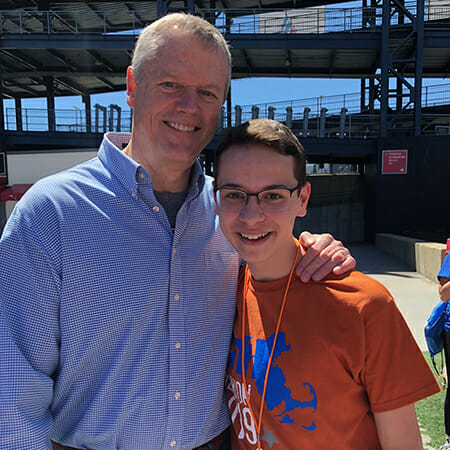
Justin Crosby pictured with Massachusetts Governor Charlie Baker at a Project 351 reunion, before Project 351’s annual Peace & Unity Walk./Courtesy Justin Crosby
How did President Bush become a focal point of your volunteerism?
I am now on the alumni leadership council for Project 351, and last year, I led a team of Project 351 Ambassadors on their unique service missions. Spring Service was designated as a clothing drive in their schools that supported Cradles to Crayons. This team united in service under the example and inspiration of George H. W. Bush. In honor of the president’s birthday last year, the first birthday his family would be celebrating without him, I worked with my team and started a new service campaign called the “George H. W. Bush Kindness Project”. We ended up committing more than 640 acts of kindness together.
Describe your role with Leaders Lead Leaders.
As founder and director of LLL, I research organizations to partner with and then coordinate with local elementary schools in the area to connect students with service opportunities. We start with sixth grade student councils and then they get their entire student bodies involved in the collection and engage their grade in a service event. I manage our communications, and plan collections for service initiatives. We’ve done different campaigns including clothing and care package drives to benefit many families in need around the country. We’ve connected with many community organizations including Cradles to Crayons, The Wonderfund of Massachusetts and Room To Grow.
Why is it important to introduce young children to volunteerism?
Sixth grade is a transformative year, it’s almost like a new era of a person’s childhood where they branch off of one community, and engage in a new one. It is more important than ever before that they have skills to serve and can connect with other youth.
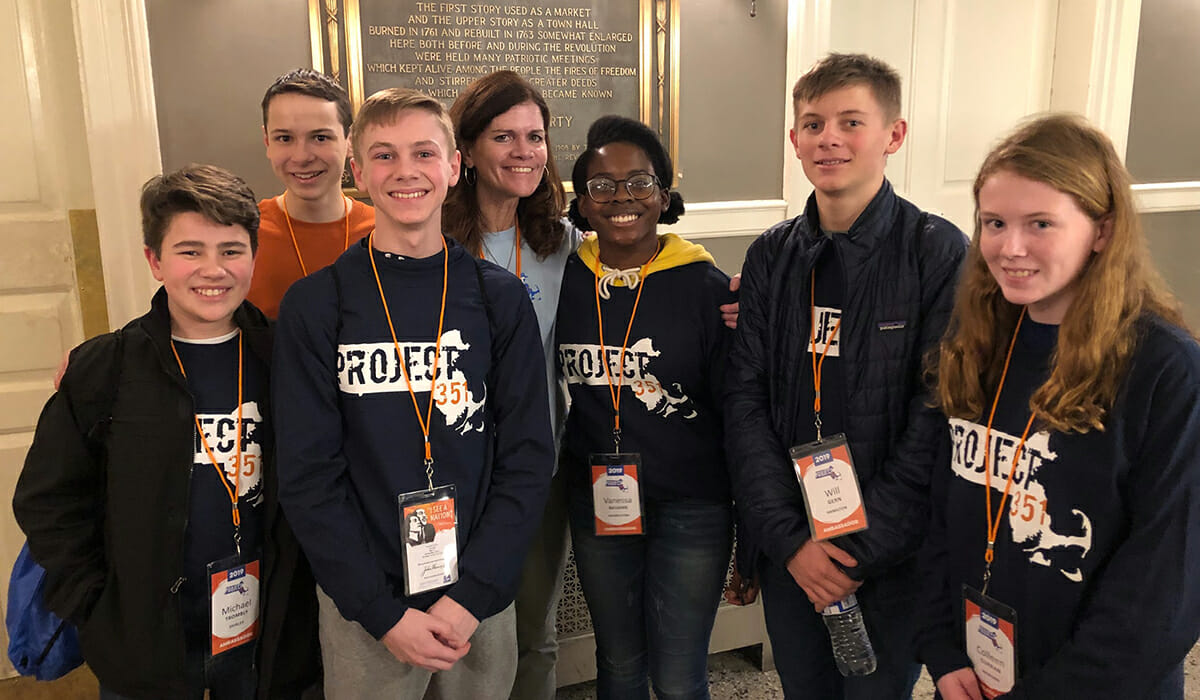
Justin Crosby (2nd to left) pictured with Project 351 Ambassadors. Of service, Justin says, “Tomorrow, the children we are leading in service are going to be our nation’s teachers, politicians, volunteers and change makers.”/Courtesy Justin Crosby
Share one personal story with me from your volunteerism.
This is something I will always remember. At our first LLL event with a group of sixth graders, we spent 30 minutes making cards, and were then headed down to the cafeteria to make care packages for Room To Grow. As I walked down with these students, one kid looked inside the cafeteria and said “wow,” and then smiled. That one word spoke thousands to me, and it still inspires me every day. It motivates me to know that others are learning that service equals joy. It is my hope that student will carry this sentiment about service through adulthood, and that “wow” will always be a part of his life.
In one word, what does volunteering mean to you?
Resilience.
When you’re not in school or volunteering, what do you do for fun?
I play with my dog and little sister.
If you were able to thank George H. W. Bush for his service, what would you say?
Thank you for reminding me to always strive to be a point of light. I am grateful to have had the ability to lead in your honor.
How can readers help?
In lieu of the unity that is fostered through community at school, we’ve been hosting virtual events. Please visit LLL’s Facebook page for more information about how you can help.
Texas Teens Volunteer to Teach Next Gen Future Leaders
Meet Daily Point of Light Award honorees Tanya Manocha and Rachel Georgian. Read their story and nominate an outstanding volunteer or family as a Daily Point of Light.
Tanya Manocha and Rachel Georgian are rising high school seniors who are part of a wave of Generation Z youth doing their part to address critical issues future generations face, including education deficits. As Gen Zers, Tanya and Rachel have dedicated their volunteerism to teaching the next generation to become future leaders.
Co-founders of the Youth Executive Leadership Program (YELP), Tanya and Rachel, both aged 17 and Houston, Texas residents, focus on building leadership skills in students who may not have access to career building resources. Educating students about leadership and public speaking skills through workshops, conferences and online resources, Tanya and Rachel have impacted around 400 students in the greater Houston area and beyond.
What inspires you to volunteer?
Tanya: As a Gen Z person, it’s our mission to connect with kids our age and offer access to similar opportunities that we’ve been able to take advantage of. I believe that as Gen Z is getting older, they should address many of the problems that have been neglected, specifically in education as they are either currently in or just graduated from a type of education system. We are able to speak personally about the topic of education inequality and understand that this issue is extremely prevalent in society.
Rachel: My parents are first-generation immigrants from India. I was so fortunate to be brought up in America, and when I toured India in 2017, I noticed so many kids didn’t have access to education, and didn’t have opportunities to develop their skills. This prompted me to think about youth and education, and I started getting interested in the power of youth development. I am inspired by the hope that one day, the work we are doing will be able to impact these kids from all around the world and direct their future in a new way, in a way that wouldn’t have seemed possible before.
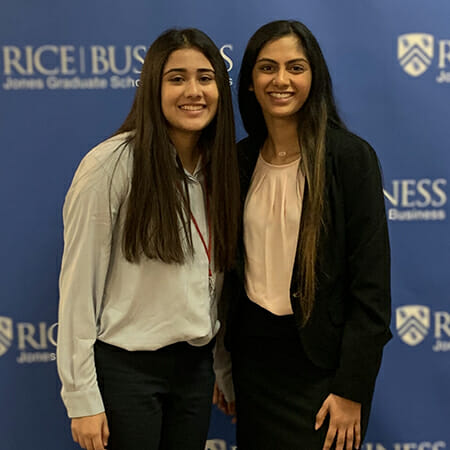
Tanya Manocha and Rachel Georgian pictured at the Rice University Girls Empowerment Conference. /Courtesy Tanya Manocha and Rachel Georgian
Describe your roles with Youth Executive Leadership Program (YELP).
Rachel: As co-founders, we meet virtually with our seven international team members and also recruit other teens to volunteer their skills. We are always coming up with creative projects and reflecting on our mission and vision to determine how we can impact more kids.
Share one personal story with me from your volunteerism.
Tanya: Through our partnership with PAIR, we work with recent refugee students. After one of our workshops, one student spoke with us about what it’s like to live in her community in the Third Ward in Houston. She talked about how students are not taught core skills like leadership, public speaking and how these skills could make a difference in her future. Where she’s never previously been equipped with skills to change her future, this student shared how our support motivated her big mission to pursue her passion for medical work. I’m inspired seeing students like this, who are super excited to learn about the skills we are teaching.
YELP offers several projects. Tell me about your international efforts.
Rachel: YELP has many projects, and one is a literacy project called Project Inspire. This project gives kids a chance to write for a magazine about any topic. We ask them to think and write about what they want their future to look like. We work with organizations including the World Literacy Foundation and Asante Africa Foundation to get kids from all around the world to contribute to the magazine, and we’ve featured writers from Tanzania, Uganda, Malaysia and more. All profits from the magazine are donated to organizations promoting literacy.
Why do you think it’s important for others to give back?
Tanya: It’s our mission to facilitate education for youth and promote education equity in our community.
It’s important to give back specifically on the education path, because disadvantaged communities lack access to a lot of skills, including in education. Students in these communities have enormous potential to do so much in the future, but the problem is that we don’t give them opportunities and the skills.
Youth Education Leadership Program co-founder, Tanya Manocha: “I believe that as Gen Z is getting older, they should address many of the problems that have been neglected…We are able to speak personally about the topic of education inequality and understand that this issue is extremely prevalent in society.”/Courtesy Tanya Manocha and Rachel Georgian
In one word, what does volunteering mean to you?
Rachel:Hope. It’s hope for a better and brighter future. Hope for children to take their lives in a different direction. Tanya: Aspiration.
When you’re not in school or volunteering, what do you do for fun?
Rachel:You will find me on the basketball court. I am a varsity basketball player at my school. Tanya: I like to go running a lot. I’m trying to train for a half marathon.
Describe your volunteerism amid Covid-19.
Rachel: Due to the pandemic, some of our projects and initiatives have had to be pushed back. We’ve had to postpone a girls empowerment conference, hopefully we’ll get to do that next year. We’ve been doing a lot of projects virtually so we can still make it a point to support kids during this time of need.
How can readers help?
Please visit our website for more information about how you can help.
Shopping for Seniors During Pandemic, Volunteers Unite Community Amidst Social Distancing
Meet Daily Point of Light Award honorees Simone Policano and Liam Elkind. Read their story and nominate an outstanding volunteer or family as a Daily Point of Light.
Simone Policano is a professional actor and producer who lives and resides in The Big Apple, but her current volunteer job may be the 25-year-old’s most important role yet.
“I was walking home in March, and passed a grocery store. I saw elderly folks doing their own shopping. We weren’t in full lockdown yet, but the situation wasn’t great. I wanted to go over to these strangers and say, ‘I promise I won’t take your cash and I can help do your shopping!’ I was thinking to myself, this doesn’t seem safe. I’m young and healthy, so how can I help (seniors) to stay home?”
With one short post on Facebook, Simone set in motion what has become a community-based response to the COVID-19 pandemic, making over 4,500 food deliveries to seniors sheltering at home since mid-March. As a co-founder of Invisible Hands, Simone is volunteering alongside two fellow co-founders, including family friend Liam Elkind. According to 20-year-old Liam, a rising senior at Yale University currently living in New York City, Invisible Hands is delivering more than just food to seniors.
“We’re talking about social distancing as a result of the pandemic, but that’s wrong. We’re physically distancing. We can still socially engage during this era of social distancing. The people whom I’ve delivered food to have become my friends. One woman I delivered to tried to set me up with her granddaughter on a date (laughs). Another, Carol, invited me in for cookies and treats when I made her delivery. I said, ‘Carole I can’t come into your apartment, that’s opposite of the whole point!’”
Each delivery takes about three volunteers, as a call center receives the incoming request from clients in New York City and parts of New Jersey, another volunteer then matches the “shopping” volunteer with the client, and then the “runner” volunteer is dispatched to the store. Simone says the response to their service has been overwhelming, the organization has heard from people around the world, with volunteers from as far away as California and Florida joining the cause.
Often connecting volunteers with clients who live in the same neighborhood, Invisible Hands is introducing two strangers who may not have otherwise met in a city of more than 8 million residents./Courtesy Invisible Hands
By matching volunteers up with seniors referred to Invisible Hands through word of mouth and community partners, volunteers are selected based upon proximity to the client and then the two discuss the client’s food requests. Often connecting volunteers with clients who live in the same neighborhood, Invisible Hands is introducing two strangers who may not have otherwise met in a city of more than 8 million residents. Bridging the gap between generations, Invisible Hands has brought communities together during unprecedented times, says New York City resident, 83-year-old Carol Sterling, who received a food delivery from co-founder Liam.
“He came to my door but he didn’t come near me. This was long before the whole social distancing was really something we became accustomed to. He chatted with me for about half an hour. It wasn’t just delivery of food, it was also sort of getting to know me, a social connection in addition to a generous delivery of food. It occurs to me in hindsight that through this unprecedented period which has challenged us in so many ways, it was so gratifying to see a non-profit bringing the community together. This is an example of how kind-hearted and compassionate young volunteers are helping an older generation and those most vulnerable.”
Simone says that by fostering these connections, the volunteers are benefiting just as much as the clients.
Liam Elkind: “I’ve got some extra time on my frequently washed hands, and so this is what I am doing to help. It has been incredibly inspiring to see everyone pull together at a time when it feels like the world is pulling us all apart. It’s been a profound reminder that when we pull together, we pull through.”/Courtesy Invisible Hands
“We’ve mobilzed young people to volunteer. It does seem like we’ve found something. The traditional volunteer base of retirees is the population we are encouraging to stay at home. Younger people aren’t normally signing up to be volunteers, but we’ve made it easy for people to be able to help, and mitigate our own feeling of helplessness. I do think that we’ve found an area of need that would be great to continue (to serve), even post COVID-19.”
Liam, who says he looks forward to the day when he is able to have cookies and treats with Carol in person, says he’s been inspired by the generosity shown by the more than 10,000 Invisible Hand volunteers.
“I’d been feeling incredibly inspired by medical workers, public transportation workers who are literally risking their lives to help those in need,” says Liam. “I’ve got some extra time on my frequently washed hands, and so this is what I am doing to help. It has been incredibly inspiring to see everyone pull together at a time when it feels like the world is pulling us all apart. It’s been a profound reminder that when we pull together, we pull through.”
Do you want to make a difference in your community like Simone Policano & Liam Elkind? Find local volunteer opportunities.
Father-Daughter Duo Start YouTube Show to Inspire Kids with Autism
Meet Daily Point of Light Award honorees Miguel and Illiana Figueroa. Read their story and nominate an outstanding volunteer or family as a Daily Point of Light.
Through the power of toys, superheroes, some celebrity guests, and a lot of love, father and daughter Miguel and Illiana Figueroa are working to empower kids and make the world a more inclusive place for people with autism.
Miguel and Illiana are the stars and creators of YouTube show “Toy Quest 101,” where the duo review toys, discuss pop culture and occasionally interview celebrity guests ranging from WWE stars including Sonya Deville to Run-DMC’s Darryl McDaniels. Miguel was inspired to start the show to prove to his daughter that she can do anything she sets her mind to despite having autism. Their goal with each show is to promote a culture of acceptance where kids with autism and special needs can be empowered and not feel their disability is a road black to achieving their dreams.
As the show has grown, Miguel and Illiana have also volunteered throughout their Vineland, New Jersey community, using their platform to raise money for Red Nose Day, collect toys for kids in need during the holidays, support their local Boys and Girls Club, help feed the homeless, clean local parks, and more. Together, the father-daughter team are doing what they can to promote positivity and put smiles on people’s faces.
Describe what “Toy Quest 101” is.
Miguel: “Toy Quest 101” started off as a Youtube show. My daughter has autism and a couple years back, she was watching YouTubers on the computer … I told her one day she should do a show herself. She kind of looked down. She closed the iPad, and I said “What’s wrong?” She said “I can’t,” and I said “Why?” and she said “Because I have autism.” As a parent it broke my heart. I didn’t know what to do. At first I was a little upset because when I asked her why, she didn’t really say why, and I thought maybe she was being bullied and someone told her she can’t. When she gave me that response, it was a lot different from what I was expecting. I went ahead and I set up my basement. We did our first show and she started talking more, she started describing things more. Some of the things we were trying to help her with, some of the things she, as a kid with autism, was struggling with — speech, motor skills. When I saw that after the first video, me and her mom kind of looked at each other in surprise. We were like “Wow, we’ve never seen her like that.”
We took it to another level so we decided to create the show called “Toy Quest 101” where we try to transform the lives of children with autism and special needs worldwide, and inspire the lives of children and families through our videos and our stories. Our vision is to bring awareness and promote a culture of acceptance where all kids with autism and special needs can be empowered to do what they set their mind to, and not feel like their disabilities are a road block to accomplishing their dreams or wishes. That’s our mission and our vision. Basically we just want to make sure kids with autism and special needs, if they set their mind to want to do something or be somebody, that they can, and not let their disability become a road block to accomplishing their dreams. We started off opening up toys and unboxing blind bags and things that kids do nowadays. Then we took it to another level. We started having celebrity guests come on to the show who have a bigger platform to spread our message, and talk about their message too, because there’s a lot of people out there who have their own stories. To give an example, we had Darryl McDaniels from Run-DMC. He just got done promoting a book on mental health and suicide awareness so we started talking about that. Then we started taking on more things and spreading all kinds of positive messages and stories out there, not only with celebrities, but we also had local people from the community who are doing things themselves to promote positive things out there. … We do it all through the power of our videos and toys. We have a lot of kids who watch our show when we have celebrities on. We volunteer all the time. Anything we can volunteer on, or if anybody reaches out to us for help, we try and go do it. We just try to stay positive and put smiles on people’s faces, especially kids, and do what we can to make the world a better place.
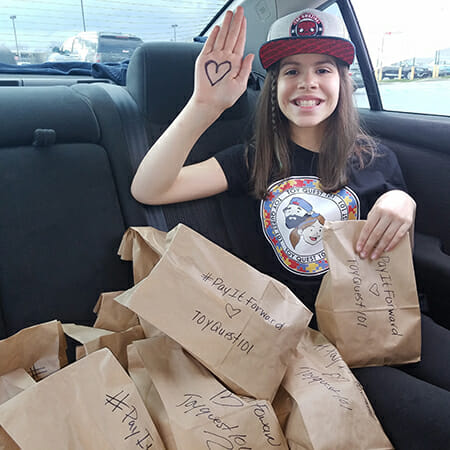
Illiana sits with the bagged lunches she and her father put together to give to the homeless for Pay It Forward Day./Courtesy Toy Quest 101
Can you describe the volunteer work you’ve done?
Miguel: I try to volunteer as much as we can with whatever the cause be, as long as it’s positive. A lot of times we do stuff ourselves. Sometimes we get people reaching out to us to see if we could help. The most recent thing prior to COVID that we did, which made a huge impact, was we teamed up with T-Mobile and we got the entire district of south Jersey to do a toy drive for kids and families in need. I think we got around 150 different toys that we collected with the help of T-Mobile, which is a huge company that supports what we do, during the holidays when people need help the most. We went around and we gave out toys to four or five different causes. We went to a Boys and Girls Club, several of them around south Jersey. We surprised them with toys that the kids were super happy about. We got in touch with some districts and different schools and gave out toys to underprivileged families that really needed some help during the holidays. We also got involved with one of the special education departments in a specific school in our district where we visited all the special ed classrooms. It was kindergarten through fifth grade. It was five or six different classrooms, and we went in there and we gave toys to these kids and they loved us. Because we’re of Latino descent, we not only did it for Christmas but we did it through Three Kings Day. We went on several weeks of gathering the toys. We wrapped them up and we took them out to these different places and shared those moments with those families and kids.
We also have done things with Red Nose Day. We partnered up with Walgreens. There’s a Star Wars group of individuals that are the biggest cosplayers in the United States. Basically they go around and do cosplay and do things for special events like Red Nose Day, so we got all these people dressed up in professional Star Wars attire along with “Toy Quest 101” at the Walgreens. We were taking pictures and the proceeds went to Red Nose Day. We’ve volunteered to clean parks. Every year we do Pay It Forward Day. Usually we go out and we pack food for the homeless. This year, because of COVID, we couldn’t really do much, but we still wanted to try to make an impact so we donated some money to the ALL IN Challenge that helped with five different organizations. … We like to stay involved in stuff we do in the community with the Boys and Girls Club, cleaning parks, things like that. We do numerous amount of things and as much as we can just so we can set a positive example for everybody.
Have you gotten any feedback from other kids with autism or their families?
Miguel:We’ve gotten a lot of good feedback. The biggest one that impacted me was one day they called us up to do a free comic book day at one of our malls here in New Jersey. Basically a bunch of vendors set up and have their stuff out and are either selling or promoting art. They put a post up and we put a post up saying we were going to be there. Of course, we had a lot of people we knew come and see us. I took a break and Illiana stayed at the table with my mom. My girlfriend and I walked away from the table for a little bit. I was looking around at the other vendors … and all of a sudden I felt somebody grab onto my leg. I looked down and it was this little girl who I had never seen before in my life. I got a little scared because I was like, “What is happening?” She was like, “I’ve been looking at you this whole entire time.” And I looked at my girlfriend, and she looked at me, and I’m kind of confused. When I looked up, I see a parent walking toward me. She’s like, “Oh my god, you have no idea the impact that you had, the hope you’ve given my daughter.” Then she got off my leg finally and she showed me her arm. She had a bracelet that had puzzles on them like [the symbol for] autism. I never met these people before in my life. They were outside of town so they drive quite a bit to be there, and they wanted to meet Illiana and me. They watched our videos. It gave me so many goosebumps and I was almost to the point of crying, and I’m not somebody to cry like that. I brought her to my table and gave her all kinds of stuff because I was so impacted by the reaction I got from a complete stranger, and what we did and how she looked at my daughter as a role model and inspiration, and the fact that she has autism and now she feels it’s a super power and she can set her mind to do whatever she wants to do.
What’s been the most rewarding part of your work?
Miguel: For me, the biggest thing is even if I make one person smile and it changes their life, it’s worth all the time and effort in the world, because it’s going to stick with them. It’s going to be a memory for them. I remember being a kid growing up and I went to a wrestling show or a baseball game … it made a big impact. I remember them like it was yesterday. I remember high-fiving my favorite baseball player, or high-fiving a wrestler, or meeting someone I never in a million years thought I would meet, and it always stuck with me. I think if we can make that same impact in one person’s life, just like that little girl in the mall, that’s worth all the time and money and everything we put into it. Making that little girl smile or that person smile or giving that person hope. It’s all about giving someone hope to be motivated and feel like what they can accomplish is there, and not let anything discourage them from doing it. To give a positive influence on people to do good things, to volunteer more, to pay it forward, to donate, to go out and clean a park, to do something. It starts with you, with yourself. You can’t try to change everybody, but if you start with yourself and other people see what you’re doing, maybe it’s something that grows into something bigger and changes other peoples lives. That’s really the biggest thing we get out of it, the impact that we can make for somebody or for an organization or to make the world a better place. A lot of these things we do, especially with the bigger corporations, we don’t see the reaction or we don’t always get to see how it makes someone happy or impacts them, but we know it’s going to a good cause. We don’t always have to see that to know we’re doing good for either a person or a place or the earth or whatever you want to call it, but it’s always something we want to do.
Illiana: If we can make one person smile and make differences, that’s what my favorite part is. I like to help people and I know this makes them happy. I like seeing people smile and get excited when we do things.
Miguel and Illiana, center, hand out toys to kids in a local special education classroom during the holidays./Courtesy Toy Quest 101
What was your favorite video that you’ve done?
Illiana: My favorite video was when I was with Sonya Deville.
Miguel: Sonya Deville is one of the WWE superstars in wrestling. She is one of the female wrestlers. She’s been on the show twice. She was on the show in person and then during COVID, for Autism Awareness Month, she did a live with us. She’s actually been very special to the show. Not only is she in a sport that’s predominately male, but she and the other girls in the locker room just this past year started to make a stand for women and women empowerment, so they started doing matches that only guys did. They started pay-per-view events. They went overseas to Saudi Arabia where women are not really looked at to play sports. They actually were the first time ever allowed to go over there and put on a wrestling show and made history. They’re in a time right now where they’re making woman be in the forefront of the business. Not only that, but she also represents the lesbian and gay community and she is forever trying to do positive things and she’s really been a big impact. Sonya and Illiana have a real special bond. She follows us and texts us all the time to make sure we’re good. She’s just an awesome person. She’s actually from New Jersey originally as well. When the wrestling team is down in local areas, she’s constantly sending us tickets for us to go watch her and everybody else. She got us in touch with Titus O’Neil who is another wrestler we had on the show, so she’s been a really big support system for us. Her and Illiana are very close. She was one of the first handful of celebrity guests we got to be on the show … She believed in us from day one and that was very impactful to us and our viewers.
Illiana: Sonya is great and she is a special person who thinks autism is great. When I see her she has a smile on her face.
Is there anything you want people to know about autism?
Miguel: With autism, there’s different spectrums. Autism is such a wide spectrum. Illiana is on the lower end of the spectrum. But the biggest thing is it’s not a disability. For me, and I like to tell kids all the time, it’s your superhero power. There are some kids out there with autism who could sit there and play a whole entire Beethoven symphony on a piano. It’s just amazing. Any kid, whether they have autism or they a disability, can set their mind to something and just do it. It’s not a disability. It’s something they can work towards and use it and channel it to do what their hearts are set to do.
Illiana: It doesn’t matter if you have autism or any other disability, you’re still a great person and can do anything you want. Autism is a part of who you are and that’s what makes you special. That’s your superpower. Embrace it and be who you want to be.
What do you want people to learn from your story?
Miguel: I think the biggest thing is to be kind, especially now with all this going on in the world. Be kind and be thoughtful and be someone who wants to be positive and make an impact in other people’s lives or just do good. I think that’s the biggest thing — to spread that love and that kindness, and the ability to volunteer and go out and make a change or a difference in your own community or your own backyard or if you want to do it on a bigger level. The biggest thing is we want to be able to not only make an impact, but make an impact where somebody else can make an impact for somebody else, and it just continues to go on and on and get paid forward every single time, and changes the life of somebody to do more good for themselves and the world.
Illiana:What I want people to know is that their dream can come true and to make people smile.
Volunteer Queen: Texas Child Serves People in Need
Meet Daily Point of Light Award honoree Salina Ramirez. Read her story and nominate an outstanding volunteer or family as a Daily Point of Light.
She’s racked up pageant titles from Oklahoma to Texas. She’s the reigning 2020 Little Miss Military City and 2020 Little Miss Victoria Grand Supreme and Reigning YAMI JR Miss Friendship state. But 9-year-old Salina Ramirez has added another crown to her collection, serving those in need as a volunteer queen in her Corpus Christi, Texas community.
Feeding the homeless, donating school supplies and toys to children, brightening the day of hospitalized kids, even reading to dogs and puppies, Salina is a little girl with a big heart, volunteering to make her greater community a healthier and happier place.
Points of Light spoke with Salina and her mother, Ida Ramirez, to learn more about her volunteerism.
What inspires you to volunteer?
Salina: I am inspired to make a difference in my community. It makes me feel happy to see smiles and people coming together.
Ida: Salina was 7-years-old when she started volunteering. Her older sisters would go to volunteer, so Salina was very little when the family would bring her along to join in on service.
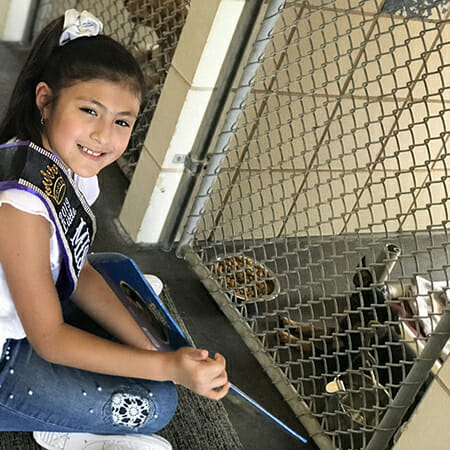
As a volunteer for the Corpus Christi Animal Control “Wolf Pack” reading club, Salina reads to dogs and puppies at the shelter./Courtesy Salina Ramirez
Describe your volunteerism.
Salina: I feed the homeless on Sundays at Artesian Park for CASA in Corpus Christi. I’ve donated books, school supplies and backpacks to the kids at the Corpus Christi Salvation Army of Texas. I also donate books and bears to children’s hospitals and donate clothes, make cards and cook meals for residents at Corpus Christi Ronald McDonald House Charities. I also help cancer pediatric patients as a member of National Pediatric Cancer Foundation SAS (Share A Smile) and I volunteer with the Corpus Christi Animal Control “Wolf Pack” reading club, where we read to dogs and puppies at the shelter.
Ida:Salina’s volunteerism is all about teamwork. We drive her where she needs to go. She also does volunteer work at home. She makes cards and care packages for veterans, active duty or wounded soldiers on the front line for Operation Gratitude.
Share one personal story with me from your volunteerism.
Salina: I helped this lady volunteering for Brooke’s Blossoming Hope, she was selling flowers in honor of her daughter, who she lost to cancer. I gave her my golden crown, it made me feel happy.
Ida:Salina was Volunteering with Brooke’s Blossoming Hope, at a Go Gold for Kids With Cancer night in honor of Brooke and all kids with cancer. She donated her crown to make it part of Brooke’s foundation.
Why do you think it’s important for others to give back?
Salina: It’s important to volunteer to meet new people, and you give back to your community. Volunteering brings people together to build a better world and community.
What’s been the most rewarding part of your service?
Ida: Salina has a mission to make a difference in the community. She likes connecting with children and helping them, especially the less fortunate.
How have you been volunteering amidst the Covid-19 pandemic?
Ida: Salina has been making bracelets which are being collected to send to hospitals for sick children.
When you’re not volunteering or going to school, how do you spend your time?
Salina: I like to sing, play soccer, dance and do pageants. I also like to spend time with my family and friends.
Volunteer Provides Financial Education to Communities & Families of America’s Fallen Heroes
Meet Daily Point of Light Award honoree Payal Shah. Read her story and nominate an outstanding volunteer or family as a Daily Point of Light.
Banking, credit, checking and savings, budgeting – they’re the building blocks of financial literacy. For many in need, these basics are inaccessible, resulting in a negative impact on personal wealth. Drawing upon personal experience, 41-year-old Payal Shah has dedicated her volunteerism to educate others about finances.
Payal, a New York City resident, says her father, who grew up in poverty in India but changed his life for the better as an immigrant in the U.S., serves as her inspiration to help others. Volunteering for many years to support financial literacy for people in the New York area, Payal is a Bank of America Better Money Habits volunteer. Coordinating with other Better Money Habits volunteers across the country, Payal volunteers with young adults through the Tragedy Assistance Program for Survivors (TAPS), which supports families of America’s fallen heroes.
Payal, a Bank of America employee who works in learning and talent development by day, has connected with hundreds of people, offering financial education and a chance at a better life.
What inspires you to volunteer?
My dad grew up in poverty in India, but he came to the U.S. and changed his life here because people supported him. That is my inspiration to help others. People want better choices to move forward, but the biggest challenge they face is a lack of resources. Financial literacy equips people without resources to manage finances and create a better life.
Describe your volunteerism.
As a volunteer for TAPS, I spend 90-minutes teaching financial literacy courses primarily targeting young adults. Along with teammates nationwide, I volunteer to teach young adults who have lost their military parents, guardians or siblings how to build credit, how to budget, and save for the future. From my own experience with my father, I know that parents are the primary source of financial knowledge, which may be missing for these young people who are grieving the loss of a military loved one. That’s where skilled volunteers can step in and help.
Share one personal story with me from your volunteerism.
I was teaching a young adult class in Brooklyn, and I asked the kids what they wanted to learn. One mentioned they wanted to look into how to save money to buy a home for their mom, who was living in a poorer area. People feel really uncomfortable discussing finances, but one thing that makes financial literacy great is that after we introduce these basics in a class, they want to learn and understand more, and that means they’re more willing to save for the future.
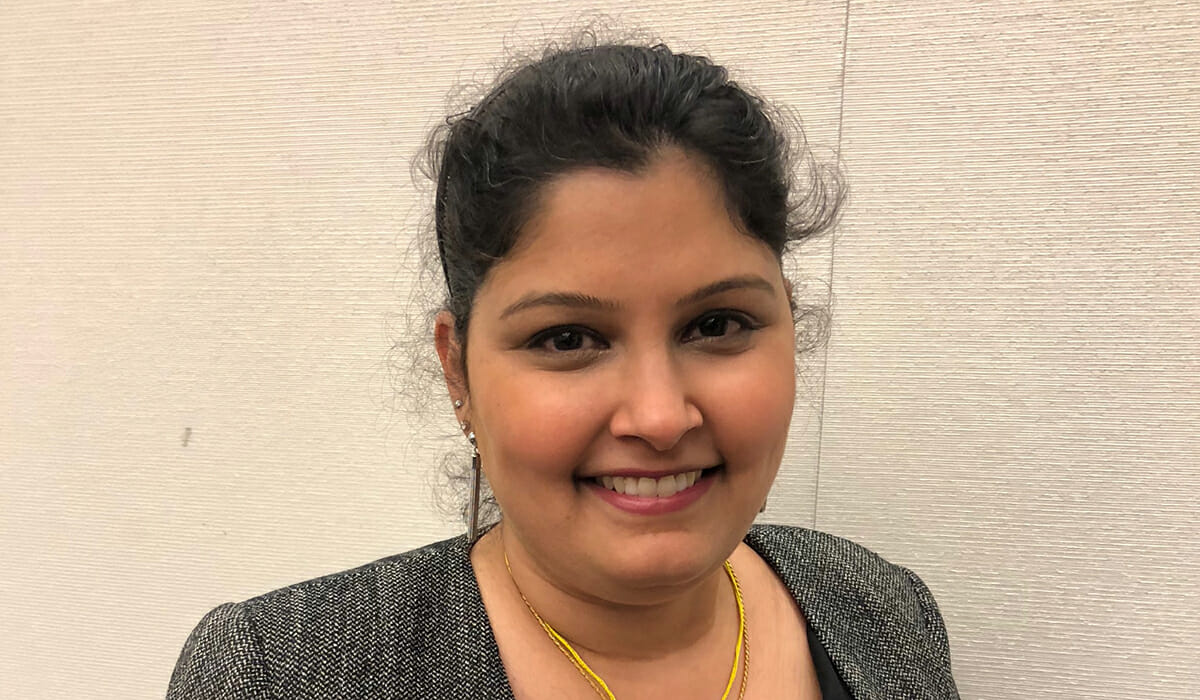
Payal Shah, a Bank of America Better Money Habits volunteer, has connected with hundreds of people through her service, offering financial education and a chance at a better life./Courtesy Payal Shah
Why do you think it’s important for others to give back?
Volunteerism is within all of us. It makes us who we are and it’s a part of our being. I always think about what my dad went through and think to myself, my dad was able to turn his life around because people supported him. If other people can give back, society would move forward and we will make community stronger.
In one word, what does volunteering mean to you?
Hope. Hope for a better future.
Explain how you’re adjusting your service through the pandemic.
We’re working on a virtual format to teach our Better Money Habits curriculum. Just because you can’t meet in person doesn’t mean you can’t educate people on their finances.
Father-Son Team Volunteer to “Do Good” by Helping Homeless and Sick Children
Meet Daily Point of Light Award honoree Symond Boschetto. Read his story and nominate an outstanding volunteer or family as a Daily Point of Light.
It was just $5 in Symond Boschetto’s pocket that launched the 8-year-old’s efforts to help homeless individuals on the West Coast. That pocket money, his father Russell says, has gone on to change thousands of lives.
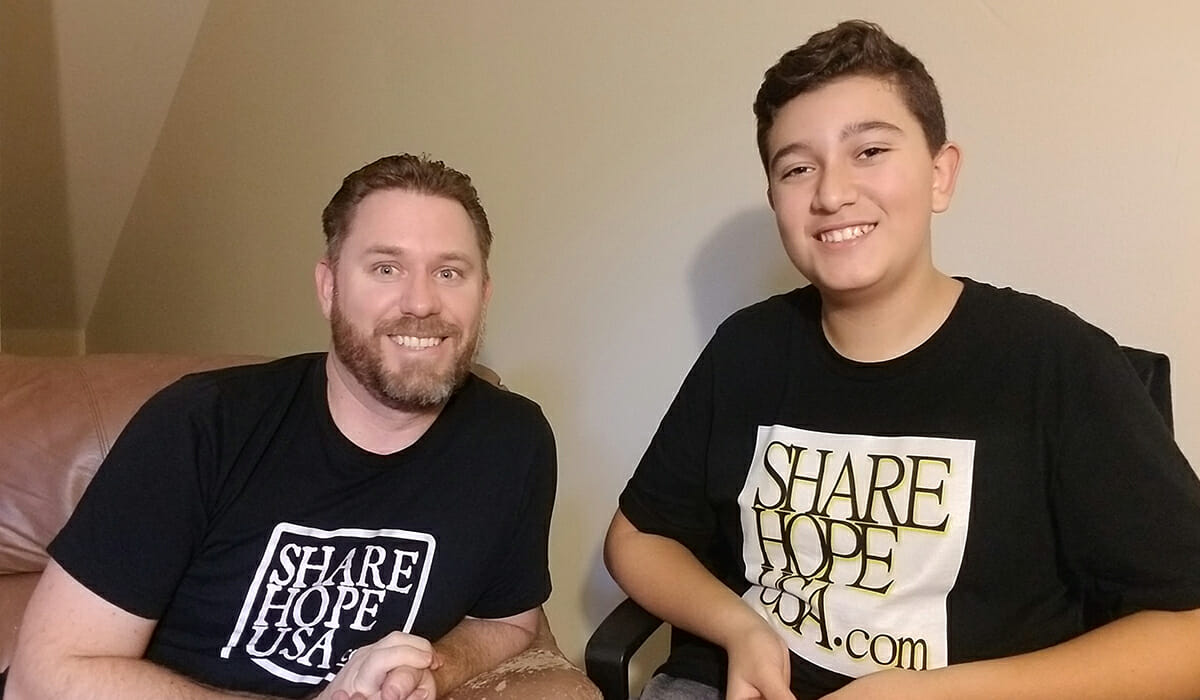
Symond, currently living in West Linn, Oregon, created Share Hope USA in 2015 to help the homeless in Los Angeles after the now 13-year-old saw a homeless man on the highway holding a sign saying he was hungry. Dedicating his time to providing assistance to homeless individuals and since branching out to lift the spirits of sick and injured children in local children’s hospitals, Symond and his father have teamed up to inspire other people to do good, and have helped thousands across Los Angeles and the greater Portland, Oregon region as they work to change their community for the better.
Points of Light spoke with Symond and Russell about their volunteerism.
Explain what inspired you to serve those in need.
Symond: We were driving up to an exit on the freeway and we saw a homeless person holding up a sign saying he was hungry and that he needed food. I had $5 in my pocket at the time, which I probably would have spent on snacks. I asked my dad why he was on the streets. He said most of these people had lost their jobs and didn’t have homes. My dad said there were many ways to help people like this, and I said, you don’t understand, I don’t want to just help this man – I want to help all of them.
Russell: That $5 represents the touching of over 9,000 homeless lives. When we started down this path, we had no idea that five years later, we’d still be doing it. We have literally changed peoples’ lives. People who are no longer homeless will come up to us and ask if Symond is that same little kid who fed them all those years ago. They tell us that the only reason they got off the streets and got clean is because Symond feeding them, an 8-year-old kid at the time, served as their inspiration. That’s a pretty important $5.
Describe your role with Share Hope USA.
Russell: Symond is the engine, I’m the wheels. He tells us what he wants to do and who he wants to help, and then me and my wife do what we can to get him towards that goal. In Symond’s pursuit to do good and be kind to others, we started helping the homeless but have now branched out to help sick kids in hospitals. Alongside our volunteers, we plan events, fundraise and connect with local shelters and hospitals in need of donations.
In addition to the support you provide to shelters, you also connect with homeless directly. Explain.
Russell:We hit the streets with our Street Team. We’ll fill up carts filled with care packages of basic necessities and we’ll pull them to the back of freeways and alleyways and get resources directly to homeless that aren’t living in shelters. We also hold events every other month where we pass out clothes and hot food, plus barbers who provide haircuts, groomers for homeless pets, we also sometimes offer medical help.
Russell Boschetto: “Symond is the engine, I’m the wheels. He tells us what he wants to do and who he wants to help, and then me and my wife do what we can to get him towards that goal.” /Courtesy Share Hope USA
Share one personal story with me from your volunteerism.
Symond:One of the first people we helped, her name was Dana. We’ve been following her since the very beginning, she was the first homeless person I met and helped.
Russell:Some of those we’ve helped have gotten themselves clean and some of them are still fighting the battle. Dana is dear to our hearts, she’s still fighting the battle that she was fighting the first day we met her. We bring her items she needs, we always ask her, are you ready for help? We’ll offer to start the process for her at the shelter. She’s not ready. We have other people who…
Symond: They’ve seen me grow up, so as I change, they change as well. They feel like family now.
In one word, what does volunteering mean to you?
Russell:Essential.
Symond:Hope. We offer happiness and hope through our service.
Why do you think it’s important for others to give back?
Symond: You reap what you sow. You give something, you’ll get something back. You give someone food and you get a good feeling and you feel like you’re helping someone. We’ve started our youth ambassador program to help other kids make an impact in their community.
Russell: Through our ambassador program, we hope to plant that seed of change and inspiration of hope, that these kids can accomplish anything they want in life.
Share Hope USA founder Symond Boschetto distributes hygiene products and other necessities to homeless populations living on the street and in shelters. /Courtesy Share Hope USA
You’re also helping sick children.
Russell: Along with our homeless outreach, Symond said he wanted to help kids in the hospital. We started collecting Play-Doh, and have since collected over 46,000 containers which have been handed out to kids at Children’s Hospital Los Angeles. We’ve had to postpone our annual Play-Doh drive because of the coronavirus pandemic, but we’ll be doing the drive next year to support sick kids in Oregon and L.A. based hospitals.
How can readers help?
We rely on donations to provide support to our community. Please visit our website for more information about how you can help.
Teen Gives Students a voice; alerts School District to Surprising Reasons Some Students Lag in Studies
Meet Daily Point of Light Award honoree Brandon Griggs. Read his story and nominate an outstanding volunteer or family as a Daily Point of Light.
When Brandon Griggs needed to prepare a Power Point presentation as part of a routine classroom assignment, his family couldn’t afford electricity at the moment, much less a computer.
Brandon, who lives in an impoverished neighborhood in Jacksonville, Florida had few options.
“When I sprinted over to the library to work on it, it was closed,” Brandon tells viewers in a compelling TED Talk video he created last October. “When I raced to the community center, they turned me down almost instantly. And I went from door to door, asking all of my friends and neighbors, not one of them had a computer I could use.”
Determined not to give up, Brandon set off on foot to find a Best Buy store to ask for use of a computer there, “which seemed like a good idea, until it started to rain,” says Brandon. Ultimately, Brandon arrived, soaking wet, at Best Buy and somehow completed the assignment, earning his “first-ever A grade.”
Today, Brandon, now 16 and a high school junior, gets straight As and is on track to earn an “Early College Program” associate’s degree in arts along with his high school diploma next year. He’s university-bound and plans to study medicine. Not bad for a teen who nearly flunked his Florida Standards Assessments (FSA) test in middle school.
But Points of Light is honoring Brandon for more than his own self-improvement. He’s our Daily Points of Light honoree for his immediate instinct to help other students in similar circumstances.
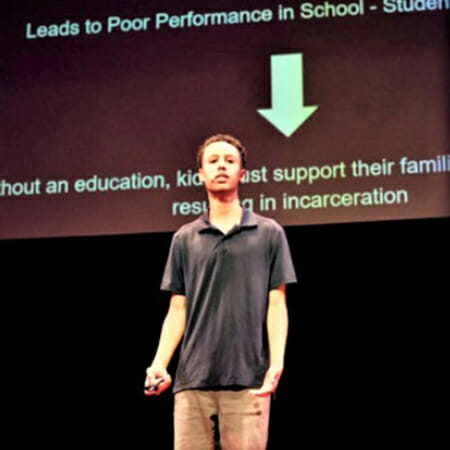
Brandon Griggs delivers a compelling TED Talk in October 2019 about challenges facing disadvantaged students, who often lack the basic learning tools needed for academic achievement./Courtesy Brandon Griggs
Thanks to Brandon and his “Hear the Youth” program, more students now have computers and Internet access – something not only key to ordinary classroom work in the 21st century – but especially significant during the coronavirus pandemic, when classes have been held remotely since March.
“He’s a very intelligent thinker and he thinks globally,” says Khristi Keefe, Brandon’s school counselor. “Sometimes teenagers become a bit self-centered and more focused on their own needs, but Brandon stood out right away because he thinks about a very large picture.”
Brandon invited school district officials to round-table meetings with students at his school, one of 22 high schools in the enormous Duval County Public School District.
“No one knew it was such a big issue that so many students lacked access to computers,” he says.
He and other youths also began showing up at City Council meetings.
“To our surprise, most of the people there were not representative of the communities where we live, yet they were trying to solve problems that affect us, like crime and poverty,” he said. “We felt empowered when we got up and shared our experiences. We invited the council members and School Board members to visit our school and listen to the youth that they were talking about and saying they were trying to help.”
“We had about 30 or 40 (youths) at our very first meeting,” said Brandon. “They were super excited.”
Local and school officials were surprised to learn how many students didn’t even have basic access to the internet, while the teens learned of a resource that they were unaware of.
Duval County Public Schools Superintendent Diana Greene explained an existing school district program sells refurbished laptops to families in need for just $40 apiece.
“Brandon talked about how challenging it was for many of his classmates to do their homework, because their textbooks are online and teachers asked for reports to be submitted online,” says Greene. “He pointed out that the public library only allows computer use for 30-minute increments.”
That’s when Greene realized that another roadblock is lack of internet, due to the monthly cost.
“I went to our chief information officer and said, ‘What would it cost us to provide hot spots on a check-out basis?’” she said. In fall of 2019, the district launched a program to distribute hot spot devices to high school students. This spring, with the coronavirus pandemic requiring online instruction, some 3,000 devices are in use by district families in both elementary and high school.
“The program started with the conversation with Brandon,” said Greene.
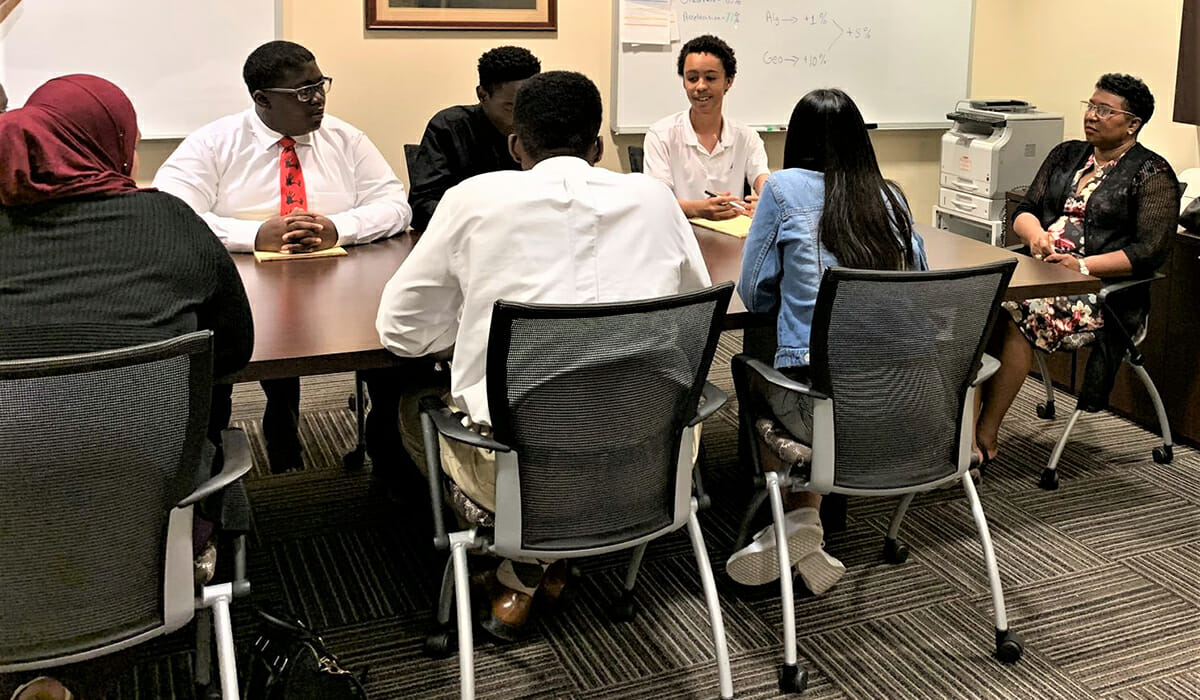
Hear the Youth students meet with representatives of Chartwells Dining Services in April 2019 to discuss concerns over hunger in schools and how it affects student morale and performance./Cou
Brandon’s Hear the Youth team also persuaded school officials to arrange a meeting with the district’s cafeteria food vendor to discuss how inequities in income affected both student morale and nutrition.
“It was very evident that they felt the food service needed some fresh perspective and changes,” said Greene. Although the students could not change the fact that some students could afford higher-priced items from food trucks that were allowed on campus, the food vendor did agree to add popular items, such as chicken fingers, to the standard menu.
Brandon says he’s learned that “it’s really important to let people talk about what their issues are.” He adds, “You can’t really lead them in any one direction. You just have to let them have their voices heard and let them empower their cause. Young people really can make a difference.”
Book Worm Fosters Love of Reading in Children at an Early Age
Meet Daily Point of Light Award honoree Heather Winsby. Read her story and nominate an outstanding volunteer or family as a Daily Point of Light.
A passionate advocate for child literacy, Heather Winsby is working to inspire a love of reading by providing new books to children in need.
Launching Books for STL Kids in 2015, Heather provides children in the greater St. Louis, Missouri area with books they can take home and keep. Making age-appropriate books and other materials available to children from the time they are babies all the way up to middle and high school students, Heather is building on a foundation established nearly two decades ago when she helped to launch the St. Louis chapter of First Book, a national education organization which serves low-income children.
Since 2015, Heather has helped to promote literacy with more than 15,000 children through Books for STL Kids across day care centers, schools and community organizations.
What inspires you to volunteer?
Volunteering is something I’ve always done because helping others just sounds right, especially when I can help to serve others in the name of literacy, a cause I believe so strongly in.
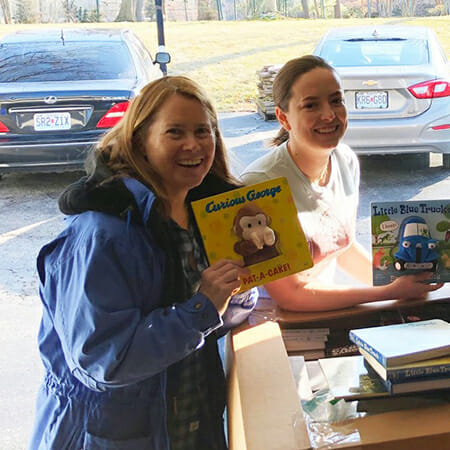
Heather Winsby pictured (left) unpacking new books for children from low-income families./Courtesy Heather Winsby
Describe your role with Books for STL Kids.
As board president for Books for STL Kids, I fundraise through events and appeals, I write grants and research community organizations to partner with. I also plan events for our up to 100+ volunteers across different initiatives including our signature event, The Largest Book Party in St. Louis, where we give away free books and read to hundreds of children.
You provide books to children in a unique way. Explain.
We want to become known as the United Way of literacy. Our Book Grant program grants books credits biannually to community organizations so that they can purchase heavily discounted books. What makes our process different is that we are putting the power of choosing book titles in the hands of people closest to the children they serve. Every other organization chooses the books they distribute to children, but we are empowering the boots on the ground to decide what reading material is best, because every child’s need is so unique and different.
Share one personal story with me from your volunteerism.
We ran a fundraising initiative called Penny-A-Page where children earned a penny for every page they read. I visited a low-income school to get students interested in reading, and one teacher was handing me all of the reading packets from children who had participated, but mentioned there was a missing packet for one child she knew had read. The teacher pulled out a quarter from her desk, and put the coin in the student’s envelope. He’d read, but his family didn’t have any money to give him. The moment was heartbreaking in a way, because it shined a light on poverty, to think that somebody couldn’t have put in something, a penny, for this child. That realization was tough. But it made me so appreciative to the teacher for being so diligent. She wanted him to have what the other kids who read were going to have, a free scoop of ice cream.
Why do you think it’s important for others to give back?
Because it helps one become well rounded. Through service, you know the other side of life, it’s not all about you, it’s about all of us. We’re still learning this lesson in the age of COVID. Through my volunteerism, we are helping children to learn, to be good students and thus be good citizens in the community.
What’s your favorite book?
My favorite children’s book is ‘That’s Good! That’s Bad!’ by Margery Cuyler. Another book is about a young snake, ‘Verdi’, by Janell Cannon. The power of reading just takes your imagination. If you live in a household that maybe isn’t positive, or is underprivileged, that book is an escape for you because you can be anything you want to be.
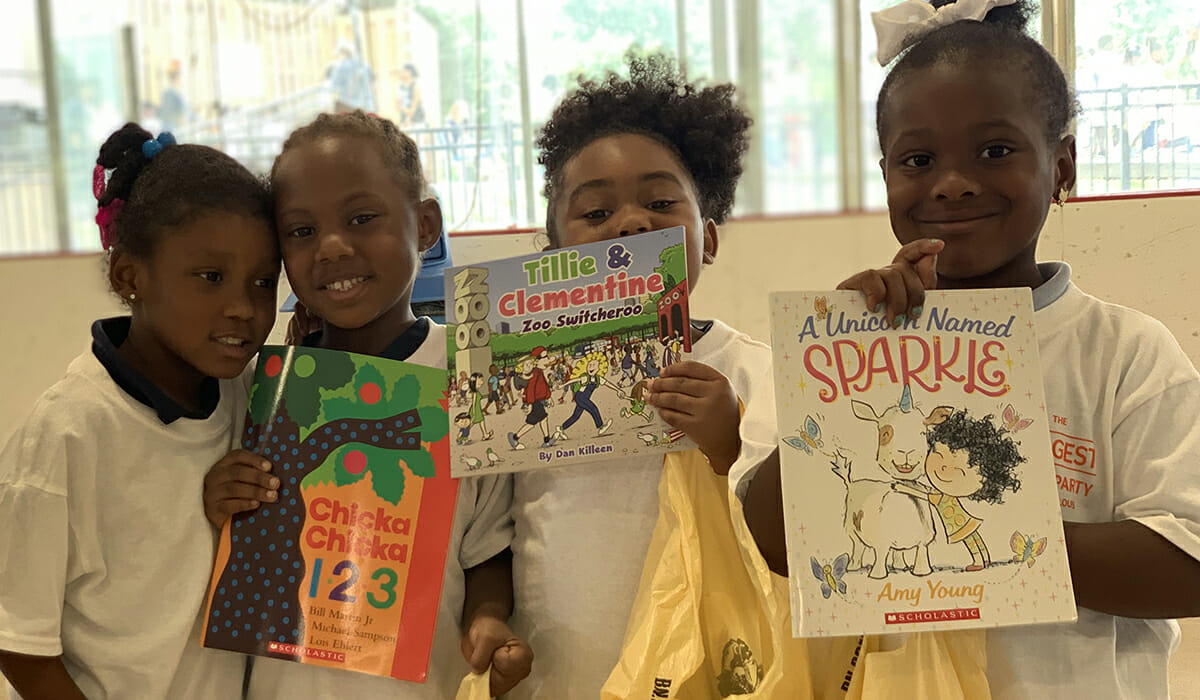
Children attending The Largest Book Party (LBP) in St. Louis in 2019. /Courtesy Heather Winsby
What’s been the most rewarding part of your service?
The kids, when we’re handing out books, they’ll go sit down and then they come back and hand the book back to you. When we explain to them that they get to keep the book, the amazement you see on their faces, that they get to keep the book, is quite amazing. It’s also been rewarding to watch our organization grow because that translates into more books that we’re able to give to kids in our community.
How can readers help?
During the COVID-19 pandemic, we partnered with five school districts and five other non-profit organizations to provide “lunch and a book.” Many schools in low-income communities are handing out free lunches to children, so we decided to offer a book to go with their lunch. In the course of seven weeks, we provided more than 3,000 free books to children. Please visit our website for more information about how you can help.