Medical Student Builds Equity by Paying it Forward to Medical Student Applicants
Meet Daily Point of Light Award honoree Daniel Pan. Read his story and nominate an outstanding volunteer or family as a Daily Point of Light.
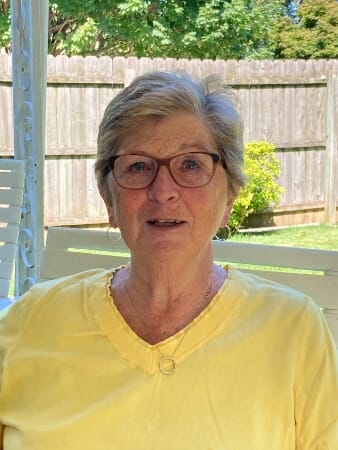
Applying to medical school is a long and expensive process. It’s common for students to face uphill battles of unequal access to MCAT preparation and application resources. This is where Daniel Pan comes in, a 25 year old from Morgantown, West Virginia, who works to improve equity for hopeful medical students.
In February of 2020, the University of Pittsburgh School of Medicine student formed Giving a Boost with his peers on campus as a student organization. Its volunteers target underserved applicants, like low-income and first-generation college students, who are at a greater disadvantage entering medical school and offer them free support services. So far, Pan has built partnerships with nine universities and trained 65 medical students to support 97 underserved applicants throughout West Virginia, Pennsylvania and Delaware.
Describe your Giving a Boost organization and how you became interested in helping underrepresented medical school applicants:
I’ve always really enjoyed being a mentor, being a tutor and providing academic advice. In undergrad, I worked with a lot of high school students and pre-medical students. I tutored a lot of students in preparation of the MCAT, and it was just something I always did for fun. It was always a volunteer activity that I really loved.
Basically, when you go through the medical school application process, there’s a lot of difficulties, and you realize that certain groups of people have a very certain advantage over others; they might be able to pay these huge consulting groups thousands of dollars for help. Because of that, other groups are then more disproportionately disadvantaged in that whole process.
When I got to medical school, I loved giving out free application and interviewing advice. I ended up forming Giving a Boost because it was a really great way to give back to the greater Pittsburgh area and to furthermore prioritize helping applicants who are more disadvantaged in the process. This includes students who come from first-generation, low-income and underrepresented minority backgrounds.
Can you explain the problem that Giving a Boost is trying to fix?
So this whole process is unfortunately a really big financial burden. When we go to medical school interviews, we would have to travel there on our own. So that’s also already expensive to begin with. Even in the whole process, we also have to study for the MCAT and oftentimes use certain resources that are expensive. After the primary application you also have to pay an additional $50 to $100 for secondary applications for each school you apply to. On top of that, some people can go and get personalized consulting help. A lot of students don’t have connections to begin with or mentors that are physicians who can look over essays, give you feedback and interview tips. If you don’t have those connections or financial resources it kind of puts you at a disadvantage to begin with. So that’s kind of why we try to prioritize people who are more disadvantaged by this whole process.
How has Giving a Boost grown and how have your partnerships developed?
First, we used more local contacts and then reached out to health professions, advising groups, student organizations and school departments. We were able to essentially reach out to these different groups and tell them about our free service. We’ve tried to work with students in the West Virginia, Pennsylvania and Delaware regions. We’ve also had the help of the Pitt Med Student Ambassadors Program. With all the volunteers we had, we haven’t had to turn anyone away, especially if they come from a certain background that we want to prioritize to help. They might even come from the East Coast, West Coast or even Canada.
What services does Giving a Boost provide?
We work on all aspects of the application process. We host workshops, read people’s personal statements and conduct mock interviews. We’ve already scheduled 85 mock interviews during these last few weeks. We advertise them as 30 minute mock interviews with 10 minutes of feedback, but I’ll be honest, I always go over. It’s fun and interesting to talk to the interviewee for like two hours and they get more comfortable.
What inspires you to volunteer?
I think one of the really cool things about volunteering is that it gives you a higher sense of purpose and that you’re able to really make a difference in someone else’s life. It just feels really great that you’re able to do something like that and I feel like that’s not something that you can just get replicated by doing something else. Whenever someone comes up to you and says that you helped them reach a certain goal and that they were able to make it is really, really cool. Honestly, that’s one of the coolest things about medicine as well because you work with a patient and get to provide advice to them and try to help them reach their health-related goals.
What have you learned through your experience as a volunteer?
I’ve learned how amazing the medical school community is. I didn’t know to begin with that I really loved the people here. I’ve been so happy to see so many of my classmates and other students in the years above and below who have heard about the Giving a Boost initiative, and immediately want to sign up to volunteer.
Why is it important for others to give back, especially to future students?
That kind of goes back to the idea of having that purpose in life. “I also realize that not everyone has the capability to volunteer at certain times or in specific ways. But I think volunteering is just really a great purpose to have.” At the same time, a lot of us get to where we are because we had amazing mentors, so I feel it’s great to kind of pass it down to others who are in this position that we were in.
Are there any partnerships, programs, or events that you are excited about?
My favorite thing is the mock interview preparation which is happening right now. I always end up spending more time with them as long as the student, you know, has time, and it’s always just cool to give them authentic practice. It’s fun to also get to tell them more about what medical school is like and answer all of their questions.
Hospital Volunteer Offers Peace and Comfort to Patient Caregivers
Meet Daily Point of Light Award honoree Fran Treston. Read her story and nominate an outstanding volunteer or family as a Daily Point of Light.
A volunteer at the Hospital of the University of Pennsylvania for nearly a decade, Fran Treston describes herself as a familiar face to those supporting their loved ones.
Currently serving as a volunteer at the Family Caregiver Center, Fran, an Abington, Pennsylvania resident, welcomes caregivers, whether in the surgical waiting room or intensive care unit, to the center and its resources. Recognized for her selfless service, Fran is helping to provide respite to many in need across her community and beyond through volunteerism.
What inspires you to volunteer?
I’ve been pretty fortunate in my life. If possible, it’s important to give back. I’m inspired to volunteer because I feel as though I have something to contribute.
You’re recognized as a role model for service. What does that mean to you?
It’s very flattering. I don’t think of myself that way, but it’s really very flattering to think that’s how I’m perceived. Volunteering is very gratifying.
Describe your volunteerism with the Family Caregiver Center.
There are some people who are literally at the hospital for weeks or months at a time, so we offer them respite through our service. As a volunteer at the Family Caregiver Center, I visit different units around the hospital to make people aware of the center so they can avail themselves of our services while they have a loved one in the hospital. In addition, I welcome people at the center and help to put them at ease, whether that’s offering them a quiet place to sit or using our massage chair. Prior to this role, I worked on the information desk and also volunteered in the emergency room.
Fran Treston: “Everyone has something to give. The world is a better place when people open themselves up to opportunities and share their talents and abilities that might be helpful to others.”/ Courtesy Fran Treston
Share one personal story with me from your volunteerism.
One woman whose partner was in the hospital for over two months visited us at the center. She’d come every day, sit down, have a cup of coffee and talk with us just about anything. She said the center provided something she didn’t even know she needed. She called the center her oasis. It was her break from the day to see friendly, familiar faces. I’m grateful for the opportunity to serve others and it’s gratifying to know that being available provides so much to others.
Why do you think it’s important for others to give back?
Everyone has something to give. The world is a better place when people open themselves up to opportunities and share their talents and abilities that might be helpful to others.
What’s been the most rewarding part of your service?
It’s rewarding when someone thanks me for just being there, or for making them aware of the center and offering them respite. People say the center is like stepping out of the hospital and into a quiet space. We’ve eased their journey by talking to them and helping them.
How have you continued to volunteer throughout the COVID-19 pandemic?
I was one of the first volunteers to return to duty at the Family Caregiver Center once restrictions began to lift in March. Strict restrictions were in place when we first returned, so we’ve adjusted our service based upon hospital guidelines.
What do you want people to learn from your story?
You get as much as you give. I’ve met so many wonderful, nice people who are in difficult circumstances, yet they are pleasant, they’re doing the best they can. If you can help anyone in any way, that’s the important thing, whether it’s helping someone at the center, or just across the street.
Teen Volunteer Unites Community with First Responder “Read-Along” Book Bags
Meet Daily Point of Light Award honoree Griffyn Burrage. Read her story and nominate an outstanding volunteer or family as a Daily Point of Light.
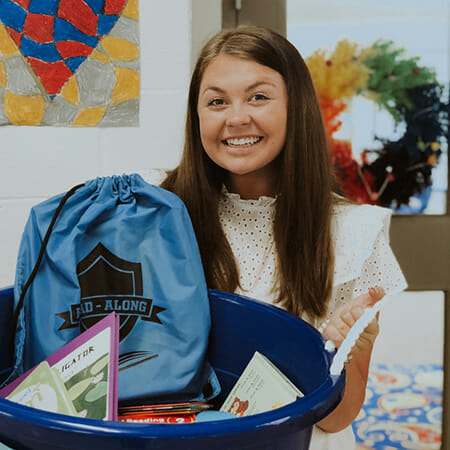
Griffyn Burrage is just 17-years-old, but the Anniston, Alabama high school senior is uniting her greater community through service, one book at a time.
Launching the “Read-Along” program in response to concern over interactions between community members and the police, Griffyn decided that books were the answer. Collecting children’s books that are then distributed in book bags to first responders across Calhoun County, Alabama, Griffyn is helping to facilitate positive interactions between first responders and civilians in her community. Donating more than 2,000 books thus far, Griffyn is offering hope and healing amidst troubling times.
What inspires you to volunteer?
If you are capable, you should put in the effort to help others. I’m very blessed, and that inspires me to help others who are not as blessed.
Explain the meaning behind “Read-Along”.
“Read-Along” is a play on words. A “ride-along” is an opportunity for a civilian to observe the work day of a police officer, firefighter, or paramedic. It’s my hope that the books will serve as a positive way for officers to interact with children and give them hope in troubling times.
Describe your volunteerism with the Read-Along program.
As founder, I pick-up and receive donated children’s books for kids ages two to thirteen, and then fill book bags and deliver them to first responder recipients around the county. We have book drop off locations and sometimes, I’ll pick books up at individual homes.
Griffyn is uniting her greater community through service, one book at a time./courtesy Griffyn Burrage
Share one personal story with me from your volunteerism.
I brought a bag of books to police, and they told me the donation would really help children. They were really excited about the program. Being able to make a difference on my own time makes me feel really good, because it’s not something I’m forced to do, but volunteering is something I do because of the happiness it’ll bring to others.
Why do you think it’s important for others to give back?
Anyone who is able to give back, should. When you’re there for others it reflects well on you and hopefully, how others would treat you if you were in the same situation.
What’s been the most rewarding part of your service?
It’s rewarding to see how many people donate books because they support me and they support my projects. That’s very fulfilling.
What’s in the future for your volunteerism?
I expect to continue the Read-Along program. I want to get more book bags out to first responders across the state of Alabama.
What do you want people to learn from your story?
There are so many ways you can help people. Even doing something little that you aren’t sure is going to take off has the potential to help many people.
What’s your favorite book?
“To Kill a Mockingbird” by Harper Lee.
In one word, what does volunteering mean to you?
Selflessness.
When you’re not busy volunteering or in school, what do you do for fun?
I cheer and I’m a lifeguard.
How can readers help?
We rely on financial donations to continue our program. It cost $11 to assemble two book bags. Please email us for more information about how you can help.
California Teen Reduces Food Waste through “Zero Waste Initiative” Volunteerism
Meet Daily Point of Light Award honoree Amita Ramanujan. Read her story and nominate an outstanding volunteer or family as a Daily Point of Light.
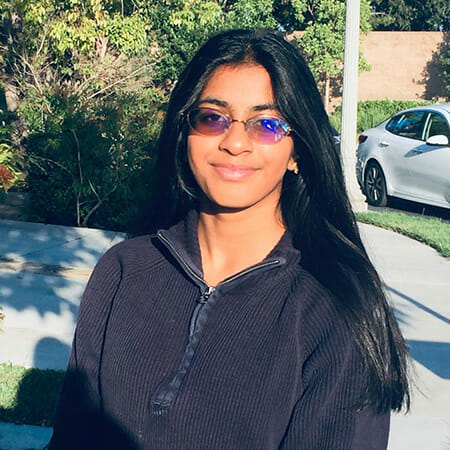
Food waste occurs at every level of the supply chain, and is a stress on the environment and economy, says Amita Ramanujan. When the 15-year-old Irvine, California student decided she wanted to give back to her community, Amita focused her service on reducing food waste.
As a volunteer with Zero Waste Initiative, Amita is helping to save nutritious food on a daily basis for the more than one in ten families that experience food insecurity. Zero Waste Initiative receives donations from restaurants, bakeries and cafes they in turn donate to community partners, rescuing more than $100,000 worth of food waste thus far. Through volunteerism, Amita is helping to feed hungry members of her community.
What inspires you to volunteer?
COVID-19 caused a lot of financial instability for people, putting them in even harsher circumstances and increasing the number of people who needed help. I felt driven to do my part for my community to reduce some of the suffering caused by food shortage, a problem we commonly take for granted.
Describe your volunteerism with the Zero Waste Initiative.
As vice-president of volunteer operations, I pick up bagel donations three times a week and drop the donations off at community non-profits including Salvation Army, Power of One Foundation, Family Forwards, Human Options, Lighthouse Outreach Center and Orange County Rescue Mission. I also help Zero Waste Initiative to expand their opportunities through social media and getting more volunteers involved. Reducing food waste doesn’t even have to be done in a big way, the little ways always help. Examples include not wasting food when you go to a restaurant, or don’t overbuy at the grocery store and leave food in the fridge that you have to throw out.
Amita Ramanujan is volunteering with Zero Waste Initiative to reduce food waste in her community./Courtesy Amita Ramanujan
Share one personal story with me from your volunteerism.
When I first started picking up bagels, I entered the store and saw workers putting bagels into large trash bags. It put into perspective for me how much is going to waste, instead of going to people who could use it. It’s heartwarming to see hard-working volunteers from our community getting together to distribute food and help people in need. Their service is a reminder that we’re not alone.
Why do you think it’s important for others to give back?
As a community, it’s always important to give back so we don’t take anything for granted. Having access to food is a privilege that most people aren’t as privileged to have. It’s our duty to volunteer.
What does the future of your volunteerism look like?
Now that I’m aware of how many people are in need of help, I’m very motivated to continue with this initiative, even after COVID-19. Reducing food waste can provide great relief to people.
What do you want people to learn from your story?
There are many people in need of help right now. It’s important that we all do our part in giving back, even if it’s just a little. Maybe one week, you donate a can of food you’re not using, even that’s a great help to someone who needs it.
In one word, what does volunteering mean to you?
Inspiring.
When you’re not busy with volunteering, what do you do for fun?
I hang out with my friends.
How can readers help?
Please visit our website for more information about how you can help.
Pilot Helps Rescue Animals In Need of Transport Around the Country
Meet Daily Point of Light Award honoree Daniel Bamuel. Read his story and nominate an outstanding volunteer or family as a Point of Light.
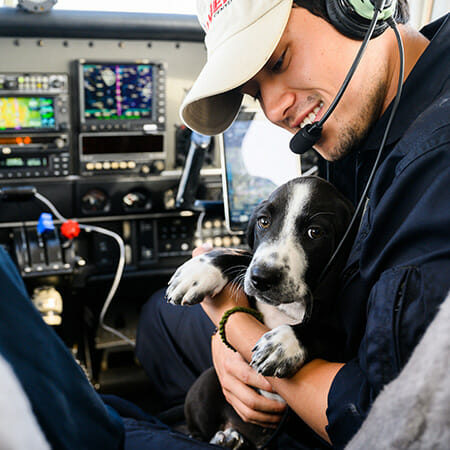
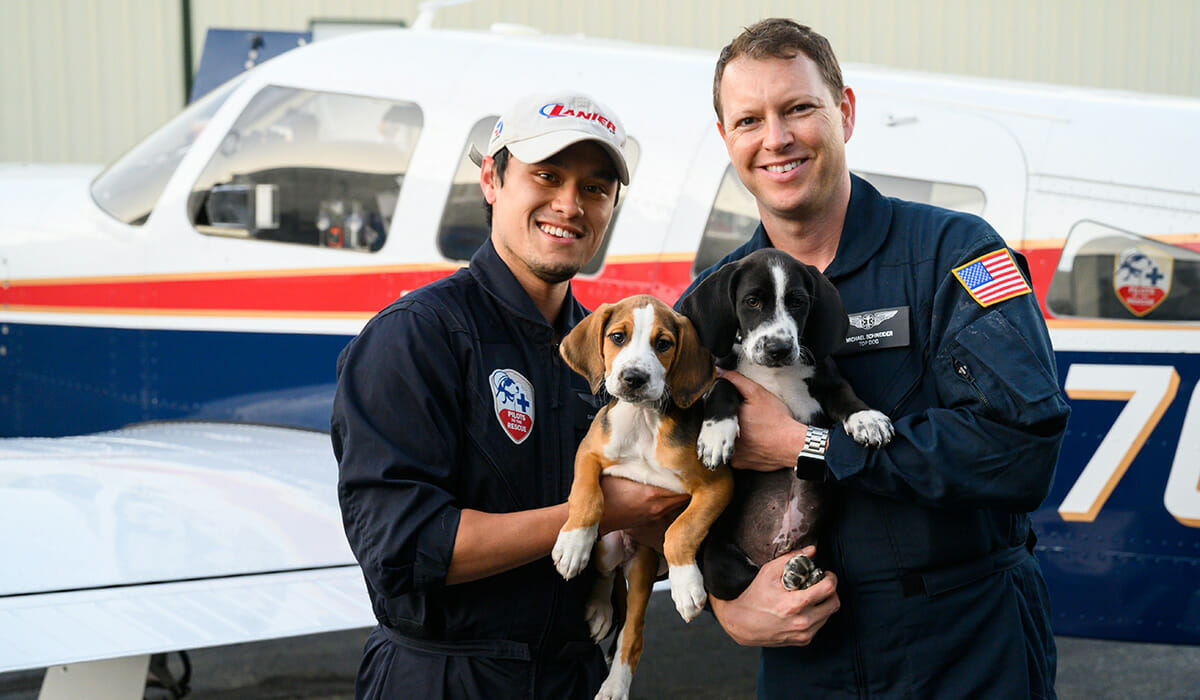
Daniel Bamuel has long been passionate about aviation, flying since he was around 13 years old and holding his pilot’s license since 2011. After hearing about a lot of rewarding service work that utilized flying, he started searching for a way he could volunteer in his New York area. This search led him to Pilots to the Rescue, a nonprofit aviation organization that transports domestic and endangered animals as well as people at risk. Daniel quickly connected with the nonprofit and its founder, Michael Schneider, and began volunteering in early 2019.
Since joining, Daniel has participated in dozens of flights and rescued hundreds of animals on the eastern seaboard. The animals rescued are predominantly dogs and cats, but Pilots to the Rescue has also saved wolves, turtles and fennec foxes. The nonprofit has also participated in angel flights, helping to transport families and individuals to medical appointments that they would not have the financial or logistical means to get to otherwise.
Describe your volunteer role with Pilots to the Rescue.
Pilots to the Rescue is a 501(c)(3) nonprofit. We rescue either endangered animals or animals that are in need of transport due to issues such as overpopulation in shelters, which is typically the biggest one, seizures, or puppy mills that are irresponsibly breeding. Pilots to the Rescue works with certain foster and shelter programs here in the tristate area and we try to transport animals from areas in the south that are typically having issues like that. Connecting the dot between the organizations down south that are trying to help these animals and transport them here, where they have a chance at fostering or adopting, is the goal there.
Daniel Bamuel holds one of the hundreds of dogs he has helped save by the nonforgit Pilots to the Rescue./Courtesy Pilots to the Rescue
What inspired you to get involved with Pilots to the Rescue?
I had just moved back to New York from Oklahoma, where I was working and had gone to school. I had my pilot’s license and I heard about a lot of rewarding organizations that did good work with flying, so I thought to take a look and see what was around in New York. After a lot of searching, I came across Pilots to the Rescue, which at the time was a lot smaller in terms of footprint. I reached out to Michael Schneider. He’s the guy who had the dream of creating this organization. After a few emails back and forth, he said why don’t you come along on a rescue to see what it’s all about, so I came along on my first flight with him and the rest is history. It’s one of the most rewarding things you can do not only generally but also as a pilot. It’s a great way to combine your passion and love for aviation with rescuing animals, which as a dog owner, is a really nice and rewarding way to give back.
Why is it important for animals in need of transport to have an aviation option like Pilots to the Rescue?
There’s definitely debates we have had about how a van can certainly transport more animals in a given trip, but I think what we give them is time. A lot of dogs are in overcrowded shelters in the south, and a lot of times due to funding or the way the shelters are structured, they can’t always take in the volume of animals they get. Unfortunately, one byproduct of that is animals are euthanized when they’ve been in the system too long or they don’t have the room. If we can get that overflow out from that area into a shelter or foster program where that isn’t the ultimate end if they can’t get them out as soon as they’d like, then that’s what we give them, more than trying to get a van down to the area, as those areas can take a lot longer.
Have any of your flights been particularly memorable?
Generally the memorable part is the period after we land when volunteers show up at the airport and we start transporting animals. Each animal has it’s own way of handling the rescue. A lot are obviously nervous or stressed or maybe they poop or pee during the flight, and others are just taking in their journey. When we get to take them out of the crate and you can see they almost know something good is happening, I think that’s what’s rewarding for us — that moment we get to share with the animal, and especially hearing back afterwards about the outcome of the dog getting adopted or recovering from whatever medical illness they had. It’s hard to pinpoint one flight in particular, because they’re all so special, but it’s that moment when we take them out of the crates and we transfer them to the volunteers and we can see they’ve been through a stressful journey but they’re on to something better. If that’s all we get out of this, that’s all we could ever want.
Do you have any goals you would like to see Pilots to the Rescue accomplish?
A big limitation for us is the airplane itself, in that it has a limited range and limited speed, and most importantly, limited size in terms of its ability to carry crates. I think one of our few-years-out goals would be to get a larger airplane, which of course is contingent upon our ability to raise funds. We would love to eventually get a bigger plane that can allow us to travel farther and get more dogs in one time. Maybe one day we can do disaster relief flights and things like that. … We just want to continue getting bigger and better and hopefully can make an even bigger impact than we are now.
Daniel Bamuel, left, poses with Michael Schneider, the founder of Pilots to the Rescue./Courtesy Pilots to the Rescue
What’s been the most rewarding part of your work?
I think anyone who has or had a dog knows how special that animal can be in your life. Getting to be a critical part of that link where an animal’s ultimate end could be being put down, to now it being this amazing, unconditionally loving creature that can make a family that much better, I think is the most rewarding part to us. Our interaction with these animals is a fleeting few hours that we fly them back, but it’s knowing the impact this animal will now have, and not only having just saved it, but it’s going to be giving someone else this love for all these years. I think that’s why we do it.
What do you want people to learn from your story?
One thing we always talk about is it’s not work if you love what you do. Certainly there are days where it’s extremely exhausting going on a full-day flight that starts at four in the morning and we get back very late at night. If you love what you do, it’s not really work. I think that’s one thing we’ve come to really appreciate. On an animal front, of course we love to say if you can adopt instead of buying a dog, that is doing a tremendous service to these animals and the community as a whole, if that’s something you can afford to do. Even if you can’t take on that responsibility, because I realize that’s a lot, if you can volunteer at local shelters and help spread awareness, that’s a small drop in the bucket but extremely helpful. Do whatever you can to support the cause, and that’s all we can ask for.
Volunteer Offers “HOPE” to Memory Loss Care Partners
Meet Daily Point of Light Award honoree Julie Donovan. Read her story and nominate an outstanding volunteer or family as a Daily Point of Light.
As a leader for some of the hundreds of support groups facilitated by HOPE Dementia Support, volunteer Julie Donovan describes a sense of family as individuals experiencing a range of different circumstances join together.
“One gentleman wandered in, he’d recently been diagnosed with dementia,” says Julie. “What a gift (he was). Then, another new person joined and brought her husband who was diagnosed with dementia. They shared the kind of things we’re talking about. The people in HOPE’s groups are amazing because they support each other. They know when somebody’s having a hard time, and they’re there for them.”
An organization that provides support, education and advocacy for people caring for a loved one with dementia, HOPE enhances quality of life through an incredible network of dedicated volunteers and participants, says Julie, a Vancouver, Washington resident. Raised as a child to make a difference through service, Julie grew up helping to care for her neighbors and family. Her service with HOPE spanning nearly a decade, currently as the organization’s vice president, is made stronger by her lifelong commitment to helping others.
“There’s a lot of volunteers working hard to be there for HOPE. Some have experienced dementia directly with a loved one, some because they’re passionate about the geriatric field. It takes all of us, and there are no lone rangers. We all come into this world with gifts or talents or abilities. Those gifts are theirs to share.”
HOPE connects with thousands of care partners and their loved ones living with dementia, wherever they are living, including home, assisted living or memory care facilities. Using her gift to help by facilitating life-changing support, Julie helps others to cope through programs including Celebrating Dreams and MaryAnn’s Babies.
As the vice president of HOPE Dementia Support, Julie Donovan is volunteering to enhance the quality of life for memory loss care partners. /Courtesy Julie Donovan
“One of the members of my group, the love of his life resided in an adult family home up north, and he didn’t have any transportation to see her. Every once in awhile he’d get up to see her, and would also video chat with her. Eventually she got to a point where she couldn’t communicate any more. He experienced this loss, a feeling of not being able to connect. Through Celebrating Dreams, we got him up to see her once a month, and he could hold her hand. It changed his world. She is gone, but he still talks about (that time) now. I feel grateful that I had that ability to help and that he was open to it.”
One of those personally touched by Julie’s volunteerism, Robert Rez, a former member of a HOPE support group and community volunteer, says Julie’s balance of intuition and empathy is the key to her success in helping so many.
“As facilitator, Julie creates a place of order that’s not often found in the lives of caregivers or others,” says Robert. “These are mothers, fathers and children who don’t often have the freedom to have order in their life. We all give, and I’ve seen her give of herself. (Julie) helps to put off pressure we are going through as caregivers or spouses of caregivers.”
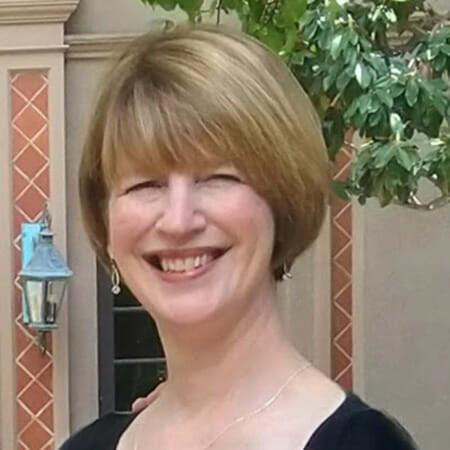
In addition to her volunteerism with HOPE, Julie has dedicated her life to working with the senior community professionally, and also serves as a leader in the Life Transitions End of Life Coalition which provides education to the community in providing care at the end of life and in completing advance care planning. When HOPE was forced to adjust their programs because of the COVID-19 pandemic, Julie’s tech savvy came in handy, using her skills to help support groups continue their activities almost seamlessly. Across her many service achievements, Julie maintains that she is just one part of a greater effort to better lives, and says the work isn’t done.
“Our goal would be to have more volunteers, to be able to provide more support for those that are walking that journey. Once we are back in person, we hope to expand our programs, including a combined program for care partners and those diagnosed with dementia. It’s not about me, I really feel like a facilitator in anything I do. Volunteering is an opportunity where I might be able to help open a door to something and enhance a person’s life in some way.”
There are daily examples of how Julie’s dedicated efforts are breathing life into relationships and families that are often permanently altered by memory loss. According to Robert, Julie is a trusted friend who is showing people a new path in life, and letting them know they are not alone.
“She is a support person for people whose lives have been broken. Your whole life changes (after memory loss) and she provides different venues for us. It’s all about balance. A HOPE credo is, ‘You are not alone’. Julie shepherds our family, that’s what our support group has become. Even after my partner passed away in November 2019, I still go to group meetings because they’re family and we support each other. It’s because of her guidance that we’ve developed these relationships and we’re not alone.”
Georgia Retiree Takes Volunteerism to “Main Street” to Unify Community
Meet Daily Point of Light Award honoree Mary Lynn Johnson. Read her story and nominate an outstanding volunteer or family as a Daily Point of Light.
Mary Lynn Johnson says her family’s small business was the anchor of downtown, and the Hartwell, Georgia retiree is now continuing that commitment to community as a volunteer with the Hartwell Main Street Program.
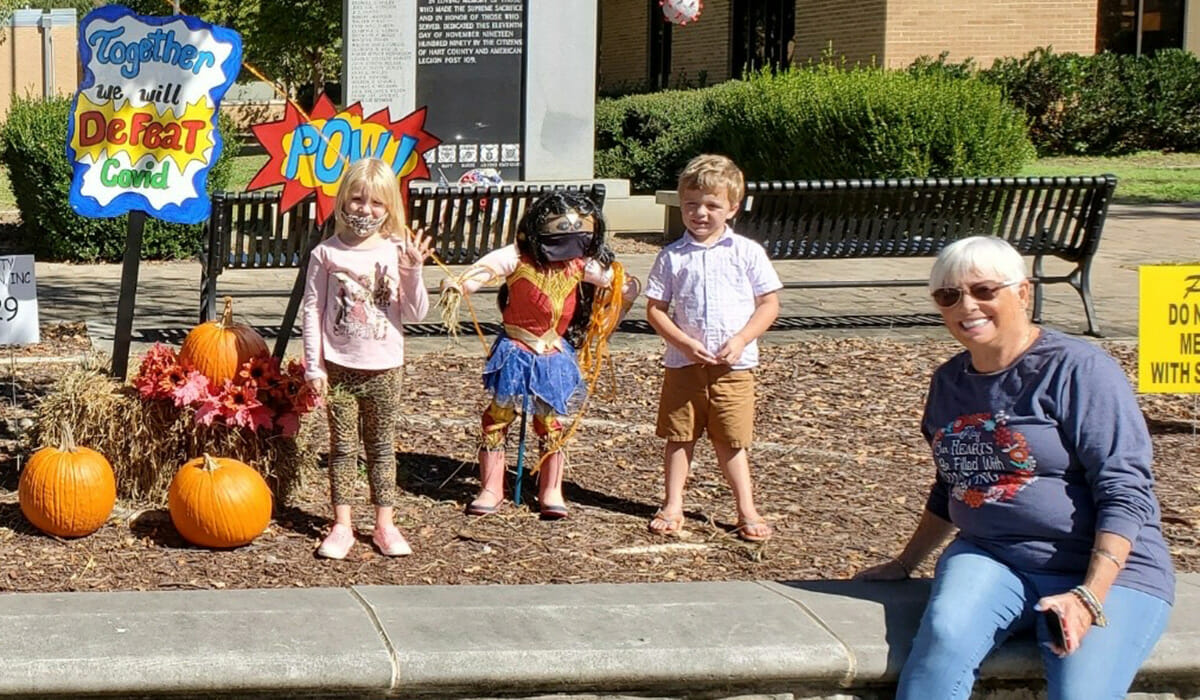
Championing community, Mary Lynn tirelessly organizes her fellow neighbors to keep the economic and service heart of main street alive, from holiday events like the Scarecrow Bash and Christmas parade, to community beautification, fundraisers and music festivals. Helping her community grow for the better, Mary Lynn is unifying through service.
What inspires you to volunteer?
I like to be involved and I’ve always been a volunteer, even from my early years. My parents were volunteers in their community, and my husband is also very involved. Volunteering is a natural thing for me to do.
Describe your volunteerism with the Hartwell Main Street Program.
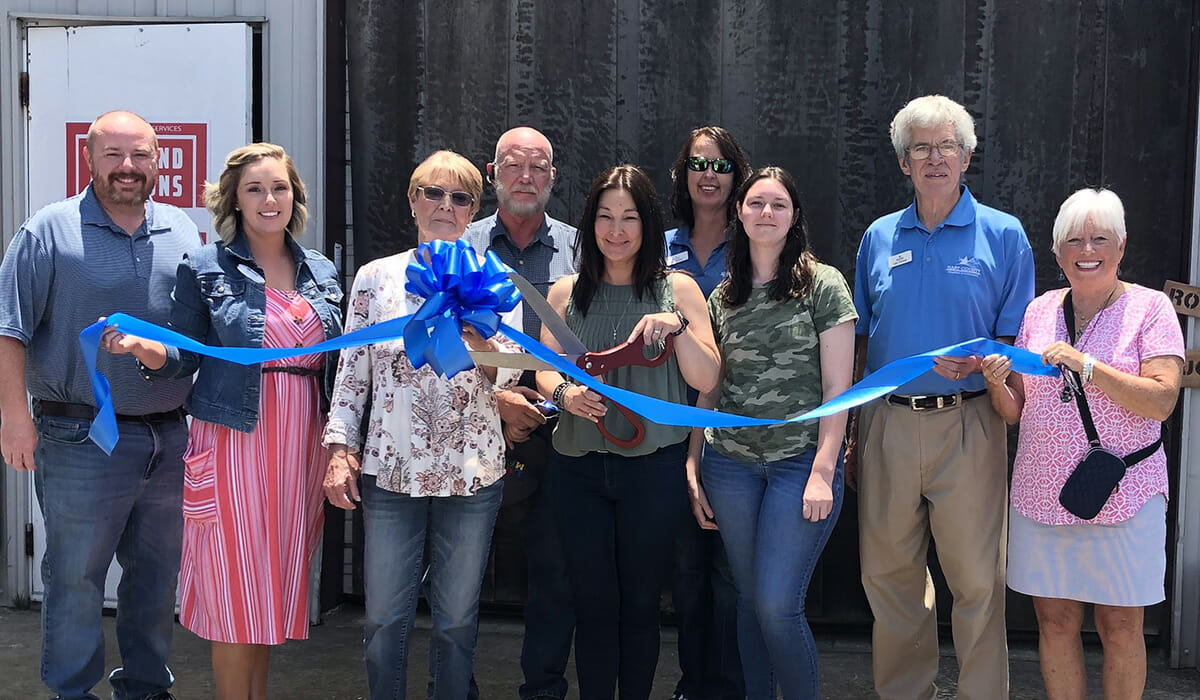
I volunteer as the promotions and event chairwoman, doing everything from identifying and implementing ribbon cuttings to new business grand openings. We plan promotions to draw people to the downtown area. The support we receive from our mayor and city council is crucial.
Mary Lynn organizes her fellow neighbors to keep the economic and service heart of main street alive with events like their Scarecrow Bash./Courtesy Mary Lynn Johnson
In one word, what does volunteering mean to you?
Friendship.
Share one personal story with me from your volunteerism.
When I visit shops as a customer, business owners will ask when we have another event planned for downtown. Our service brings more customers in and also, helps our community to grow and to be connected as a group for the betterment of all of downtown.
Why do you think it’s important for others to give back?
It’s important to volunteer because we’ve been given to for so long. Specifically as a business owner myself, I benefited from what main street did for me, and see value to bringing community together. Now, I can do for the other businesses in town.
How have you continued to volunteer throughout the COVID-19 pandemic?
We did more virtually, and we had to scale back on some of our events. We were able to get back to in-person events, but it’s getting bad in our area again, so we’ve already had to modify upcoming events.
As a former family small business owner, Mary Lynn (right) is continuing her commitment to community through service. /Courtesy Mary Lynn Johnson
What do you want people to learn from your story?
Volunteerism is a way to meet people and to form friendships. When you work together towards a common goal, you form a bond with people you might not otherwise be in contact with.
How can readers help?
We’re always looking for more volunteers. Please visit our website for more information.
Teen Volunteer Inspires Brighter Futures for Students through Tech Innovation
Meet Daily Point of Light Award honoree Anya Sikri. Read her story and nominate an outstanding volunteer or family as a Daily Point of Light.
16-year-old Anya Sikri says she’d noticed a large wealth disparity where she lives in San Jose, California, low-income students lacking the same educational opportunities that their wealthier peers enjoyed.
Dedicating her volunteerism to introducing underserved students to technology, Anya launched Youth Tech Leaders in March 2019. The organization provides every child with the opportunity to become a technology leader, regardless of financial means, education and location. Connecting with a couple hundred students thus far through service, Anya is putting technology into the hands of those in need to inspire brighter futures.
What inspires you to volunteer?
When my students learn something new and interesting that they’ve never had an opportunity to experience before. Seeing their smiles and happiness and fostering innovation and creativity in students inspires me to volunteer.
Describe your volunteerism with Youth Tech Leaders.
As founder and president, I create events, coordinate with our partner organizations, volunteers and mentors, recruit students to participate and organize lesson plans. We provide courses that help students get the core knowledge for a technology and business career.
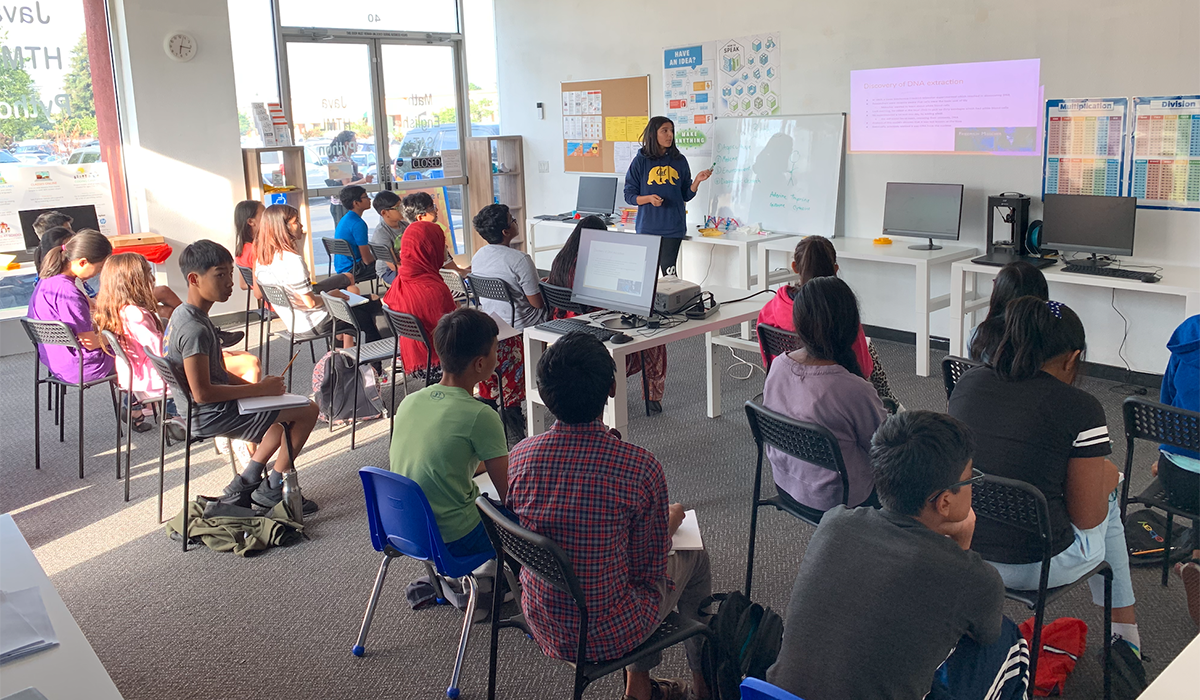
Anya Sikri founded Youth Tech Leaders to provide every child with the opportunity to become a technology leader, regardless of financial means, education and location./Courtesy Anya Sikri
Share one personal story with me from your volunteerism.
Before the pandemic, we held in-person lessons and labs like DNA extraction and cheese culturing. I was teaching a lab that was like the back of my hand to me, but a new concept to a student. He had to re-do it a few times, but by the end, he was fascinated. I feel very fortunate for my education, and I wanted to continue to make a difference in the lives of other people. It makes me feel really happy and grateful that I have the power and ability to bring something so special to others.
Why do you think it’s important for others to give back?
To be able to make a difference in the lives of others is really amazing and special. Everybody should volunteer because it only takes up a small portion of your life and time.
What’s been the most rewarding part of your service?
When students come back after learning a difficult concept or topic, and they’re able to explain it or understand it very proficiently, that’s the most rewarding, because they got something very tangible out of it.
How have you continued to volunteer throughout the pandemic?
Instead of in-person classes and labs, we held online sessions, but still had to keep students engaged. We researched virtual labs that students could do, and still taught them concepts without being hands on. We were able to reach more people through our virtual sessions, in addition to partnering with Northwest YMCA of Silicon Valley.
Anya Sikri: “To be able to make a difference in the lives of others is really amazing and special. Everybody should volunteer because it only takes up a small portion of your life and time.”/Courtesy Anya Sikri
In one word, what does volunteering mean to you?
Contribution.
When you’re not busy with school or volunteering, what do you do for fun?
I love watching Netflix and driving with my friends.
How can readers help?
Please visit the Youth Tech Leaders website for more information about how you can help.
Disaster Relief Volunteer Dedicates Time to Feeding Thousands in California
Meet Daily Point of Light Award honoree Danial. Read his story and nominate an outstanding volunteer or family as a Daily Point of Light.
To Danial Peck, volunteerism is all about people, and he does whatever he can to lighten the loads of others around him. Even after serving more than 15,000 volunteer hours in disaster relief efforts, his volunteerism is far from over.
Peck currently serves as the feeding manager for the American Red Cross in Coarsegold, California, to ensure that those who are in need do not go hungry. What started out as an opportunity to lend a hand during a California wildfire has turned into a lifestyle for Peck which includes his entire family. When they’re together, you can find them in Red Cross T-shirts with Danial leading the way in feeding thousands in times of crisis.
Describe your volunteerism with the American Red Cross.
Seven years ago, there was a fire here where we live close to Yosemite. We live in a mountain community. The American Red Cross started evacuating near our home and my wife and I were sitting there talking and thought, What could we do to help? We thought that we’re in the service of our fellow beings and we’re all in the service of our God, and that’s kind of a motto we go by.
So we threw a couple of cases in the trunk of the car and drove over to the evacuation center and it was chaos. It was a madhouse and I felt so bad for everyone. But I’m all about food. I’m all about feeding, so I just took over the kitchen and my wife stepped in and started helping the evacuees. I called my daughter who was in Idaho at the time and asked her to start making calls for me for what I needed and she started making connections with businesses, restaurants and stores to get what I needed to feed these people. I signed up with the Red Cross that day and have been with them ever since. I’m now the feeding manager for my territory.
If there’s an event going on, my wife and kids put on their Red Cross shirt and go to work and they mostly help me with the feeding because feeding all these people three meals a day is a major responsibility.
What are your daily activities at the American Red Cross?
I like to say my normal day with the Red Cross is the normal eight hour a day. It can also go anywhere from 16 to 24 hours when I get busy because I’m planning most of the meal coordination and vendor work since restaurants and stores give us the foods that we need. Now, I also work with other local organizations that may contact me to assist in providing food to people.
Did your volunteer service shift during the COVID-19 pandemic?
During COVID-19, we had an evacuation for what they call the Creek Fire, which was the biggest fire in the state of California history. We would have normally had what’s called a congregate sheltering, but because of COVID, they put everybody in hotels. So I was feeding thousands of people hundreds of miles apart because of where they were located across the city.
Now people are coming back to common shelters. Of course, we still have to abide by the CDC rules and social distancing. So things have changed a little bit, but they’re now in a centralized location.
What inspires you to volunteer?
Well it’s funny because within my family, we’ve always been about service. I’ve always instilled that in my children. I used to be busy with the Boy Scouts of America, which is all about service. I was with them since 1991, but this last year I kind of moved on from the Boy Scouts and tried to dedicate myself strictly to the American Red Cross, and of course, to our churches as well. There’s always opportunities for service for individuals or families that may be in need. With us it’s kind of a way of life. It’s not just a one time thing, It’s an everyday thing.
What have you learned through your experience as a volunteer?
People are resilient and people are really generous during times of emergency. Where they may have differences — whether they be political or religious — it doesn’t matter. People come together and all those differences go out the door. And that’s a real, real joy to see.
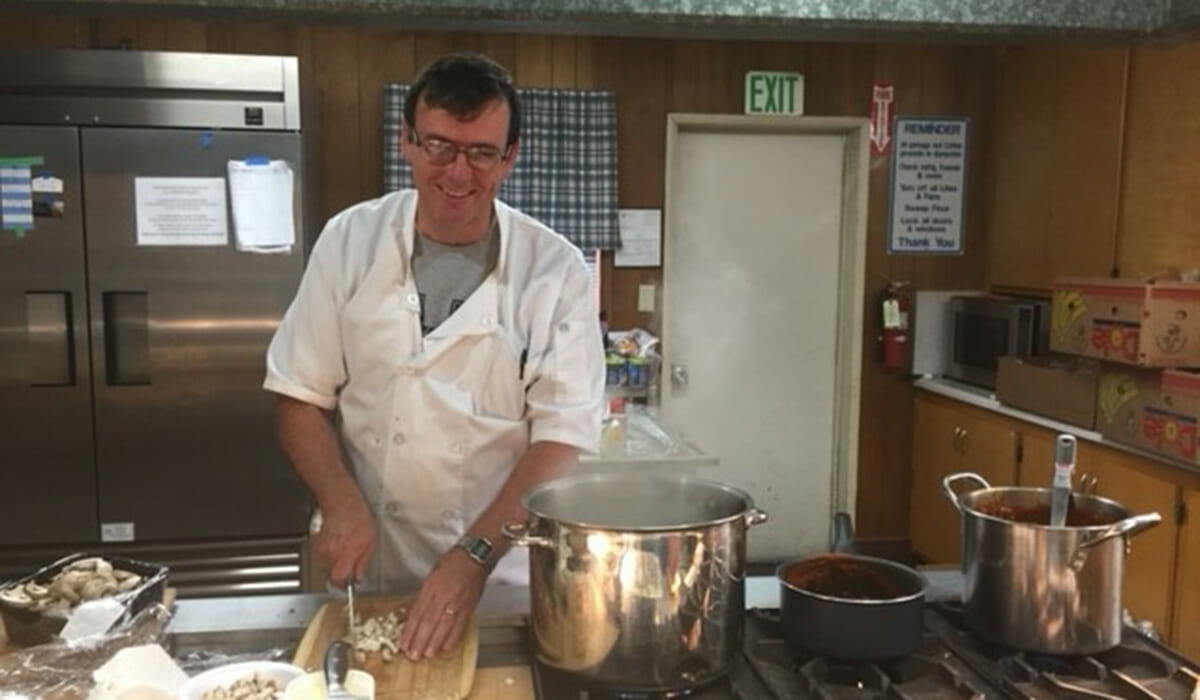
Daniel Peck prepares food at an American Red Cross evacuation center in Coarsegold, California as the territory’s feeding manager./Courtesy Danial Peck
Why is it important for others to give back?
Well, it’s kind of an individual thing to begin with, and some people may have limitations on what they can and cannot do. But it goes back to my personal belief that when you’re in the service of your fellow beings and in the service of your God, I truly believe in lifting up others along the way. Even if it’s just one person, I feel like I’m serving my Heavenly Father.
What would you want others to learn from your service story?
Every little bit helps, regardless of a person’s circumstance. It doesn’t matter what organization; whatever organization that you can help with, every little bit helps from the youngest person to the oldest person.
What kind of volunteers are needed in disaster relief?
Well I would say any. Any type of volunteer because the work is so varied and it doesn’t just amount to the Red Cross. You have the Salvation Army for example, so you have other organizations to respond in times of disasters. Even if it’s with their local church, when volunteers respond to disasters, they can help with just about anything. There’s logistics, the feeding, the mental health and the medical side so it all amounts to what their abilities are and what they have to offer. It’s pretty much just about anything.
Translator Helps Serve Houston’s Female Refugee Population with Women’s Empowerment Group
Meet Daily Point of Light Award honoree Tamara Al Rawwad. Read her story and nominate an outstanding volunteer or family as a Point of Light.
When Tamara Al Rawwad first came to the United States from Jordan in 2012, she received help from others to become acclimated to her new country. Now, she pays it forward to refugees newly arrived to the Houston, Texas area. Tamara, who is a nurse and also has a PhD in public health and social work, first worked as an admin for a Facebook page for people newly immigrated from the Middle East to find resources in Houston. When she heard Interfaith Ministries for Greater Houston, a diverse community organization, was searching for a translator, she thought the role would allow her to help even more.
Tamara serves as a translator for Interfaith Ministries’ Women’s Empowerment Group, which aims to bring together women who have recently immigrated to the United States and help them form a community as well as develop skills. The group frequently has guest speakers on informational topics ranging from U.S. law to financial literacy, and Tamara not only translates English for the women, but also helps add cultural relevance to the topics at hand.
Describe what Interfaith Ministries does.
Interfaith Ministries is a nonprofit organization that works with the State Department or works on different projects. One of them is Meals on Wheels and the other one is refugee services. Basically, they welcome the refugees and they work with them the first six months to settle them and provide information about the country and services. The specific initiative I was working with was the Women’s Empowerment Group. It started as a socialization group for these women who newly came to the country and didn’t know anyone there. They have escaped the horror of war in their country. It was an effort to educate them and it was also an opportunity for them to meet other refugees, and also other Americans, to keep the ties with their culture and also learn more about the new country.
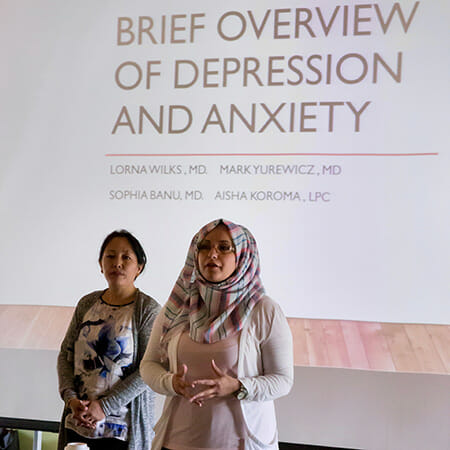
Tamara Al Rawwad, right, serves as an interpreter during a presentation on mental health for Interfaith Ministries of Greater Houston’s Women’s Empowerment Group./Courtesy Tamara Al Rawwad
What is your volunteer role?
The Women’s Empowerment Group started as socialization, but it had more activities in it. With the organizer, Chloe Krane, we did some interactive type of learning where we bring guest speakers who would talk about topics that would benefit these ladies — for example, the laws in the U.S., the medical problems or diseases, English classes, financial literacy. Because of my background, I’m a nurse and I also have a Master’s in public health and social work, I was able to interpret — not really literal interpretation, but summarizing what the speaker or the presenter would say and make it relatable to the women. They were coming from different cultures, and I’m aware of both the American and Middle Eastern culture. I would give examples they can relate to. It was a basically collaborative listening presentation between me and the presenter where I interpret but I also add the cultural relevance.
Why is it important for new arrivals to this country to have the type of resources Interfaith Ministries provides?
The newcomers, as anyone who goes to a new place, don’t have knowledge about the new country or city they’re moved in, plus there’s a language barrier. For someone who knows English, they can reach out to other people, ask questions, Google information they need. But for these new immigrants who are refugees, not all of them are educated, and they also have language proficiency issues. Interfaith was trying to pair some of these refugees families with volunteers, but the problem was not all of the volunteers know Arabic or the language, and the refugees don’t know English. So the idea of bringing in an interpreter who knows both languages was an initiative to overcome that. They also have interpreters for specific issues, like for case management. They’ve been working on so many levels, and that was one of the greatest initiatives they have, especially for women who stay at home. Most men, as soon as they come to the country, they are being hooked up with businesses where they can go out and work, but for these women, most of them stay at home. They needed something to not only connect them with the new host country, but also to encourage them and empower them, and let them try new things they wanted to try in their own countries but they were not really allowed.
What made you want to help the refugee community in the first place?
First of all, they’re coming from war-torn countries and they’ve been experiencing the horror of war, and they have a lot of trauma. With that, and with their kids and not being aware of the new laws and regulations, it’s a completely different culture. … The other thing is the mental health. In their countries, mental health is not a thing basically. If you have depression or anxiety, that’s because you’re weak and don’t know how to handle your issues. But here, they have the opportunity to access mental health services or to get help with their issues, especially them coming in with trauma and PTSD and all these issues. I felt they were not understood, also. I’ve heard a lot of comments about them like, ‘Why do they come here? Why don’t they stay in their countries? Why don’t they fight?’ All these comments coming from people who don’t know what a war means or what a civil war means, where you don’t know who’s with who.
The other thing is, some of these refugees come with degrees. They’re engineers and accountants and nurses and pharmacists, but when they come here, all their degrees mean nothing. They end up at home and it affects their self esteem, because they were something in their old countries, and when they came here, they had no value basically. Their value came from their work and their contribution to society and their homes. One of the things we try to do here is make them also active members of society here. We provide them with opportunities for volunteering. … I’m not coming from the same countries, but we’re from the same region, so I know what the people who are living in these countries learn. It was painful for me to see these countries break like that. The least I can do is help those coming into this country have a new start here.
What’s been the most rewarding part of your work?
Seeing peoples’ lives change. Just hearing, “Oh, thank you, you helped me with this” or “I didn’t know how to do this.” It’s the joy. The joy comes from seeing that whatever you did had a positive impact. Sometimes you don’t hear it right away or see it right away. It comes later. One example is one of the physicians who came here. She didn’t graduate from here so her degree was useless. I was encouraging her to do something else, like sonography or something, and she did. She was at home for two years and now she works. She’s happier and she’s active. She feels different and I was happy for her. There are many other examples. It’s just seeing what you do have a positive impact on other people’s lives.
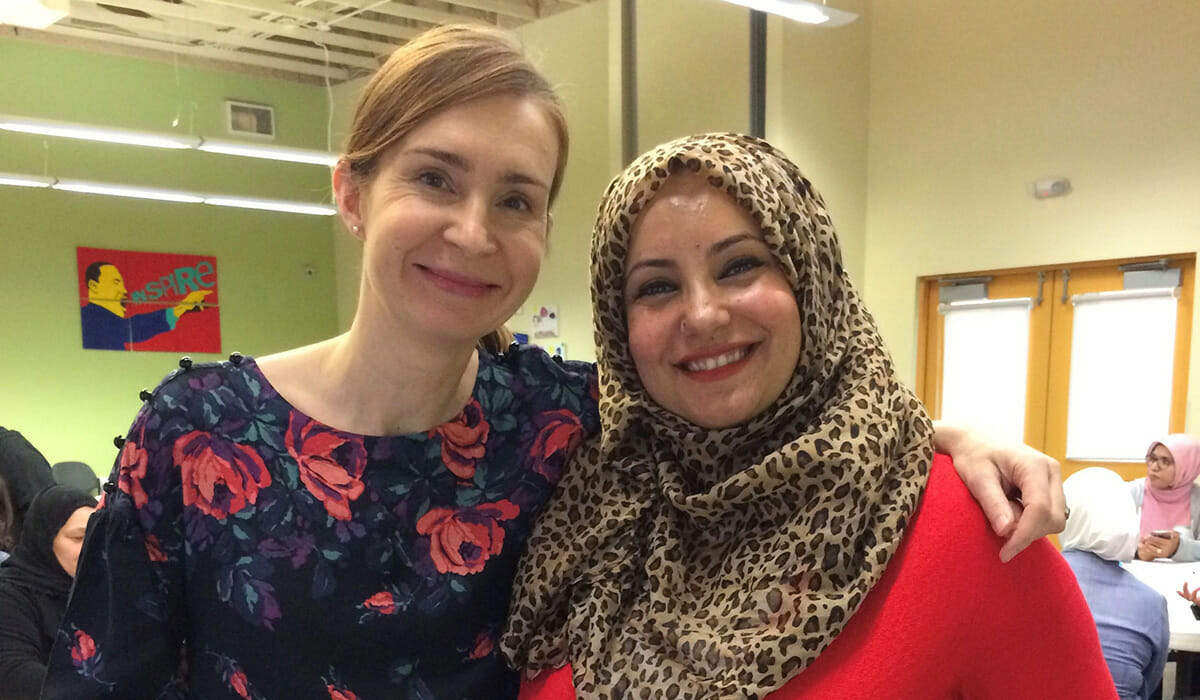
Tamara Al Rawwad, right, smiles with Chloe Krane, the Women’s Empowerment Group liaison for Interfaith Ministries of Greater Houston./Courtesy Tamara Al Rawwad
Why do you think it’s important for others to give back?
I feel it’s like a pay it forward type of thing. I was helped during my stay in the U.S. by other people, so I feel I may not be able to give back to them, but I can help and give it to someone else. I experienced it first hand. Some people just don’t ask for help. We need to be proactive and look for these opportunities, and look for people who may silently suffer and may not know how to ask for help or their pride might stop them from doing that. The other thing is because it strengthens society and it’s what makes it a good place to live in. If all people do good things for each other, then that will erase the hatred and anger and misunderstandings.
What do you want people to learn from your story?
That being busy doesn’t really mean that you can’t volunteer. At that time, I was a doctorate student and I had two kids and I’m a single mom, but I found time to help other people. It really makes you feel good, because you might have a community who supports you, but some of these people don’t. It would be so great if you can help just one person who has no one to talk to or they can trust. If my work with this community or this group allows these women to open up and tell me things they wouldn’t tell anyone else, then that has also allowed me to help them. If I didn’t develop those trusting relationships with them, I wouldn’t have a chance to help them.