Impacting the Next Generation and Leading a Life of Service Through Community Involvement
Meet Daily Point of Light Award honoreeDebbie St. Onge. Read her story and nominate an outstanding volunteer or family as a Daily Point of Light.
Points of Light stands on the principle that everyone can get civically engaged in some way. Some take action by volunteering a few times a year at a food bank. Others might hold donation drives every month. And then there are those who have devoted their lives to volunteering with others.
Debbie St. Onge is an inspirational leader in Poughkeepsie and Hyde Park, New York. The 57-year-old resident works with populations and causes so varied, there are few initiatives she doesn’t have her hands in! Read Debbie’s story, get her advice for aspiring volunteers, and learn the secret to what keeps her going.
Describe your volunteer roles.
I’m a coach with Girls On the Run, a nonprofit that runs programs to inspire girl empowerment by building confidence, kindness and decision-making skills for girls in third through eighth grades. As a coach, I enjoy encouraging the girls.I volunteer with Compassionate Animal Rescue of Dutchess County to foster dogs, walk dogs, help with marketing and community outreach, and help craft and build whatever is needed. For Hyde Park Recreation, I serve as the commissioner, so my role is to guide improvements at our parks and help at events. During local road races, I help hand out water, popsicles and other refreshments. Our poster says, “High Fives, Hugs, and H2O,” and I help organize the water stop teams.
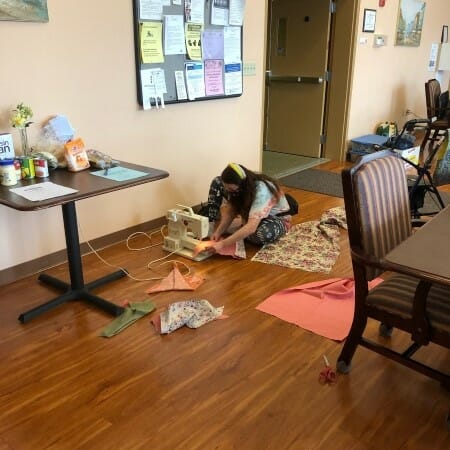
Making bandanas for foster dogs at the senior center is one of a variety of volunteer efforts for Debbie./Courtesy Debbie St. Onge
During eWeek, I talk with kids about being an engineer at IBM and do hands-on activities with them. I’m a troop leader, silver/gold mentor and events coordinator in Scouts as well.
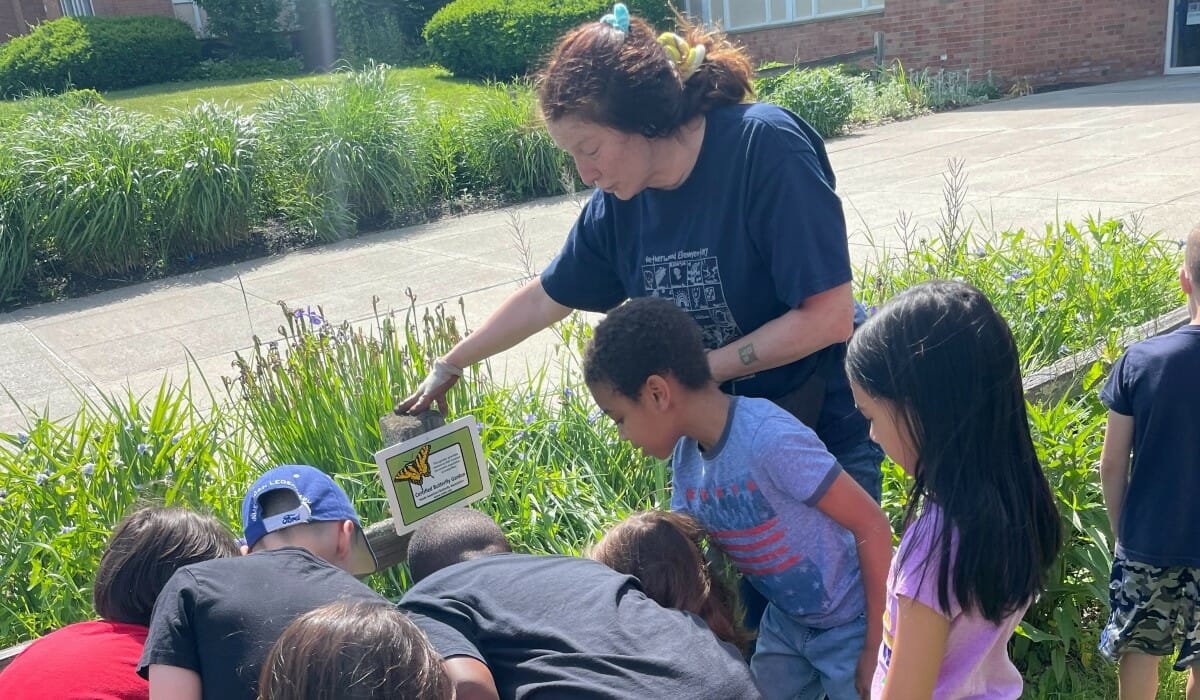
At multiple local schools I’ve run a Chess Club since 1997, and I help with other programs like Garden Club, Slime Day, Bus Driver Breakfast and others. At Dutchess Outreach, I run programs that get kids, workplaces and seniors involved in collecting, cooking and serving food. I also assist with their annual coat drive and do community outreach to inform and encourage people to volunteer.
Wow, that is a lot of volunteering! What most inspires you?
I’m most inspired by seeing the positive change that I’m able to be a part of. I love helping to create beautiful moments and inspiring others to join in. I want to be a catalyst for good things. I want to motivate people to share their talents and feel good about what they have done.
What’s been the most rewarding part of your work?
I most enjoy volunteer activities that allow me to work with kids and their families. I especially love opportunities where I can bring joy and teach them new things. I’m always trying to bring more people into volunteering and foster a love for it, hoping to create lifelong volunteers.
Debbie St. Onge volunteers with kids in many capacities, from Chess Club to Garden Club./Courtesy Debbie St. Onge
Why do you think it’s important for others to volunteer?
So much of the goodness that happens in our world is because of volunteers. We need people to care. When you care, you can then take the time to put your energies into positive change. Through your caring, concerted efforts, you then become part of creating a better society.
What do you want people to learn from your story?
It doesn’t have to be perfect to be awesome. With so much of what I do, there’s someone else who could do it better. But I make it happen because I care, and you can too, by simply taking action instead of striving for perfection.
Fostering Comfort, Community and Joy With the Power of Music
Meet Daily Point of Light Award honoreeJoseph Kayne. Read his story, and nominate an outstanding volunteer or family as a Daily Point of Light.
Joseph Kayne is a rising senior at Indian Hill High School in Cincinnati and has already figured out how to combine his passion with his volunteer efforts. Joseph founded The Power of Music (“POM”), a nonprofit organization that seeks to enrich the lives of people who are isolated or detached from the broader community – people seeking shelter, receiving medical care and residing in nursing facilities – by giving them the warmth and togetherness of live music.
Joseph has volunteered hundreds of hours bringing POM to life through facilitating live performances and is leading and inspiring others to join him in alleviating the harmful effects of social isolationism. He’s a powerful example for his generation and beyond, displaying just how far-reaching the impact of young people can be.
Describe your volunteer role with The Power of Music and where your idea originated.
I founded The Power of Music (POM), three years ago in order to enrich the lives of people living in conditions where they may be socially isolated. The idea for POM came from years of caring for and interacting with my grandmother, Frances Rodriguez-Cabral, a 91-year-old living testament to the power of music. She was a professional singer and musician, and not only taught me music but later showed me how much joy I could bring her through singing music with her via FaceTime calls.
POM has already attracted over 40 vocalists who have performed for hundreds of people who might benefit from more social interaction and warmth. We generally get in touch with leaders of organizations like nursing homes, mental health clinics, Ronald McDonald Houses and the like, we organize a date and time to come perform, and then we practice. POM also raises and donates money to the organizations that we visit.
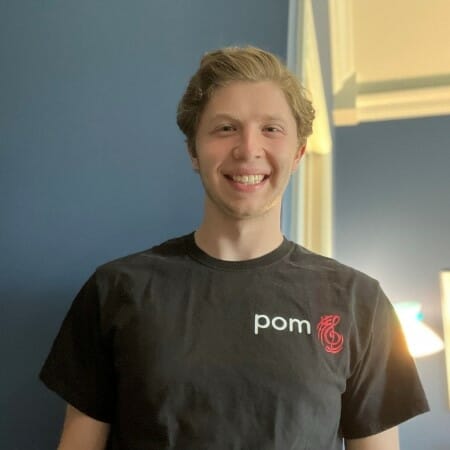
Joseph Kayne is the founder of The Power of Music (POM), spreading his love of music and theatre through his nonprofit./Courtesy Joseph Kayne
What kind of music do you generally perform?
It changes based on the season. For instance, we did caroling for the holidays, and we do light, joyful tunes in the spring. It’s mostly uplifting, contemporary music, with an occasional showtune thrown in.
I sing, and most of our performers mainly sing, because that’s what is easiest to do in any space – minimal setup. We also have some guitarists and pianists.
What inspires you to volunteer?
What inspires me is the impact I know I can have on a personal level with people at these organizations. Interaction is vital, but music is particularly special. Even for those who aren’t performers, studies show that music can have a positive impact on their physical and mental health. “Where words fail, music speaks” is POM’s driving principle.
What’s been the most rewarding part of your work?
There are so many moments that stand out. Once, at a nursing home, an elderly woman stood up and started dancing and told us it was the best time she’d ever had in the nursing home!
Recently, we went to a center for folks with developmental disabilities, and while a lot of these people were smiling and clapping, we later heard from a staff member that one of the residents looked the happiest she’d ever seen her.
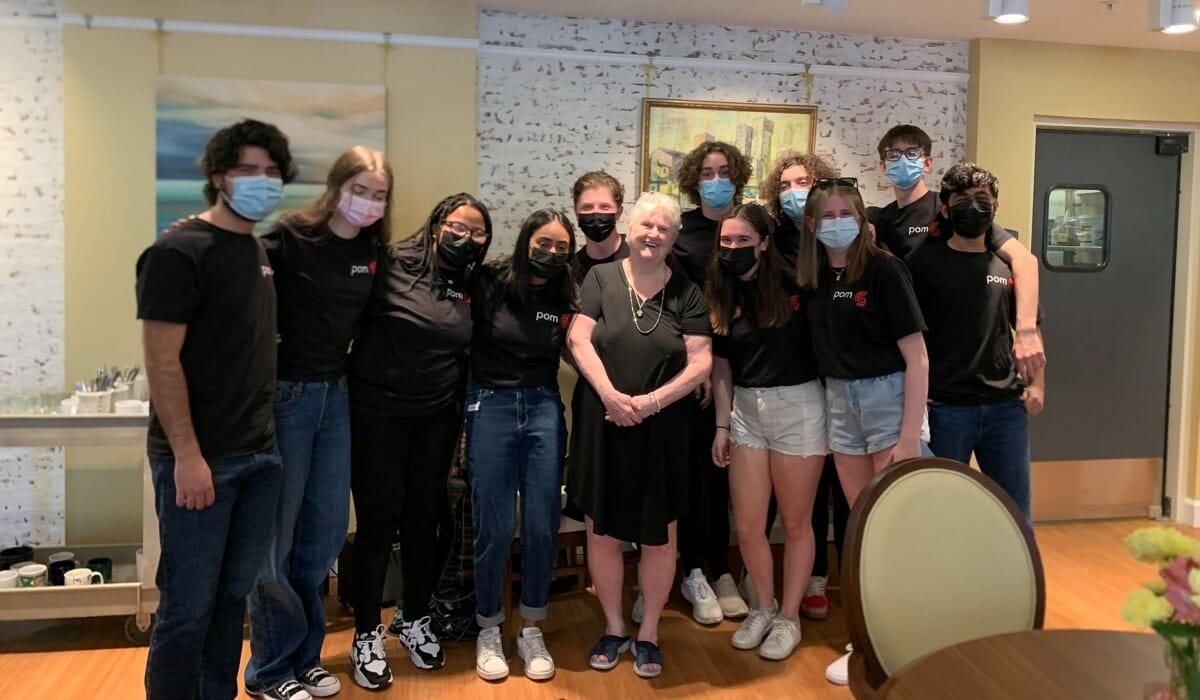
Joseph Kayne and the volunteers from The Power of Music (POM) bring music to people who are isolated from their broader communities./Courtesy Joseph Kayne
What have you learned through your experiences as a volunteer?
COVID-19 really showed us all a lot about social isolation. And just like I’ve done via FaceTime with my grandmother, we were fortunate to have digital methods to keep bringing people music. In fact, POM performed for people virtually by putting video recordings together they could then broadcast at their facilities.
I’ve been doing music and theatre all my life and three years ago, I never would have thought this would be a thing that people do. But combining volunteer opportunities with your existing passions is a great way to get engaged. People underestimate the impact they can have by doing what they already do.
How can others get involved?
Check out our website and Instagram for upcoming events and announcements or to get involved. We’re looking forward to scheduling more opportunities in our area, and we’re currently working to form new chapters at schools and organizations throughout the country.
Believing in Food Security for All, New Jersey Volunteer Provides Allergy-friendly Food to Communities in Need
Meet Daily Point of Light Award honoree Shreya Shivakumar. Read herstory, and nominate an outstanding volunteer or family as a Daily Point of Light.
Like many immigrant families who must build a completely new life in a completely new land, Shreya Shivakumar’s family often faced financial instability and food insecurity as they worked hard to adjust from their life in India to their new American life in the Washington Heights neighborhood of New York.
As Shreya saw her parents and neighbors struggle to keep food on the table, she didn’t feel defeated. Rather, a fire for food equality was lit inside of her. After moving to Edison, New Jersey, in 2012, Shreya started volunteering at food banks, and after quickly realizing that she wanted to do more, she started her own nonprofit organization called Nourish America at age 15.
An estimated 2 million Americans live in poverty with food allergies or Celiac disease, according to Allergic Living. Federal assistance programs such as SNAP do not provide enough financial resources for families to afford gluten-free or allergy-friendly foods, which are often higher in price. Shreya, now a 19-year-old second-year college student, is working to solve this problem by hosting fundraising events and food drives for allergy-friendly foods through Nourish America and donating them to food pantries so people in need can easily access them.
What is Nourish America, and what inspired you to start it?
Nourish America is a nonprofit organization dedicated to providing allergy-friendly and organic food to communities in need. It was really born out of the idea that giving back and fighting hunger needs to focus more on nourishing the people who need it the most rather than simply feeding. We focus on donating to under-resourced communities all across the U.S., and our donations typically consist of nonperishable, organic, nutrient-dense, healthy foods appropriate for multiple cultures, appropriate for children, for people with other food-related conditions such as diabetes, so that everyone who needs food assistance can receive it.
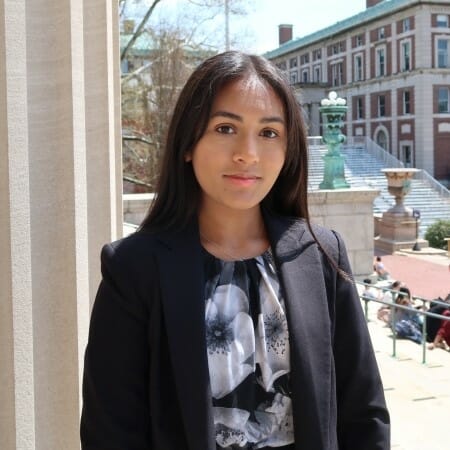
Shreya Shivakumar is the founder of Nourish America, a nonprofit providing allergy-friendly foods to communities in need./ Courtesy Shreya Shivakumar
What’s been the most rewarding part of your work?
One of the great privileges of this work is directly interacting with the families that we help and talking to them. They show their gratitude, surprise and happiness once they realize the new options that are available to them. They’ll tell me stories about how their child who is allergic to peanuts can now have sunflower butter or how their elderly parent who cannot have that much sugar now has this lower sugar alternative, so these individual stories of how Nourish America is giving these families a little less to worry about. I’m really proud of that.
What kinds of events do you hold to fundraise money and donations?
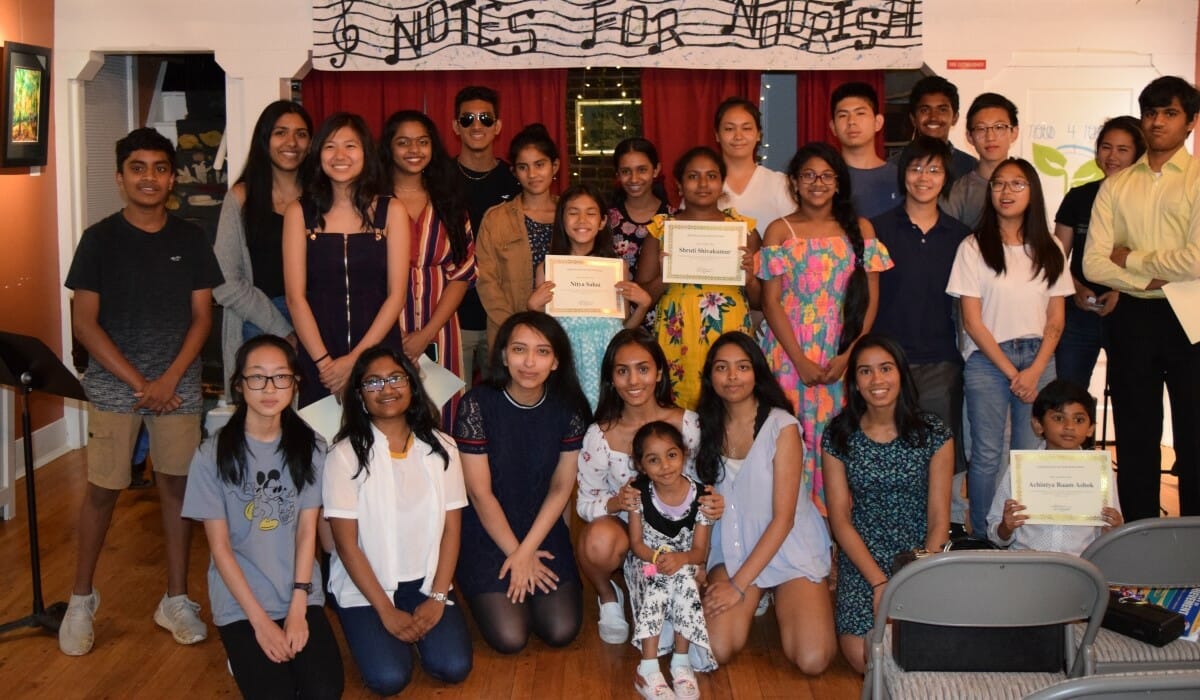
We typically did food drives partnering with community organizations, but with COVID-19, it became kind of a safety hazard to directly collect food, so we transitioned to online fundraisers. Our biggest fundraising event is a youth-led benefit concert called “Notes for Nourish.” We had an in-person concert in 2019 that had a great turnout. Many youth musicians volunteered their talents, and we had a great attendance. In the years since COVID-19, 2020 and 2021, we continued to do that same event in a virtual format on YouTube and getting donations from that.
What has the impact of Nourish America been so far?
With a combination of fundraising and grants, we’ve raised about $12,800 so far and donated 4,500 pounds of organic and allergy-friendly foods.
Shreya (bottom middle) and volunteers held a youth-led benefit concert in 2019, raising thousands of dollars for Nourish America./ Courtesy Shreya Shivakumar
Do you have a volunteer experience that’s been especially memorable?
Before Covid, I was volunteering with a refugee assistance nonprofit in New Jersey, mainly tutoring refugee children English and Math on Sundays. When COVID hit, their families suffered financial troubles due to layoffs and just economic turmoil because of the pandemic, so the president of the organization reached out to me to see if our organizations could partner up to provide food assistance to these refugee families. We conducted our first online benefit concert with other youth organizations in our area and raised enough money to provide 400 refugees with weekly donations over a couple of months in the spring of 2020.
Are there any future partnerships, programs or events that you are excited about?
Our efforts are typically focused in New York and New Jersey, but recently, we’ve expanded to Michigan, and this coming year, we’re going to partner with food banks in Atlanta, Georgia.
What do you want people to learn from your story?
I would like people to learn how to give back in a way that stays true to yourself, your roots and your authentic experiences. No one can represent that as accurately as yourself, so I hope that everyone realizes that they have a unique power in their own experience, their background, their lives to make a change in a way that they can only do themselves.
Teen Leads Cross-campus Coalition to Prevent Sexual Violence
Meet Daily Point of Light Award honoree Harrison James. Read his story and nominate an outstanding volunteer or family as a Daily Point of Light.
Points of Light is proud to share the following uplifting and inspiring story. However, we acknowledge that the topic of sexual violence may be difficult for some readers. We encourage you to please care for your own well-being above all.
Seeing problems with sexual violence in schools led Harrison James to take action by creating structures of support for survivors. Harrison is the co-founder and organizer of the Independent School End Sexual Violence Coalition (ISESVC), a nationwide coalition of students dedicated to promoting anti-sexual violence mobilization across campuses.
The coalition unites students across multiple independent schools to address sexual violence as one unified district, going on to devise and organize consent education to institute awareness. ISESVC has effectively reached more than twelve student groups across the country and has been endorsed by many of the major stakeholders in the anti-sexual violence movement. His work is a testament to the power of youth-led efforts and debunks the stigma that sexual violence is a women’s issue. Harrison is a powerful male voice in this movement, paving the way for others in allyship.
Describe your volunteer role with ISESVC.
As co-founder and organizer of ISESVC, I strive to facilitate community-based anti-sexual violence mobilization. There are three pillars to this work. First, it takes collaboration amongst community members, which is why I like to assemble task forces. In fact, we spearheaded a group of three administrators and four students to execute a week of consent education for 180+ students.
Second, we bolster the ongoing work of existing campus anti-sexual violence efforts. I work with an array of student groups and organizations; we’ve worked with End Sexual Violence at Brown University, Shatter the Silence FCPS, Our Harvard Can Do Better and more.
And third, we seek to provide a space for all survivors of sexual violence to make them feel safe and heard. We direct them to survivor-centered resources and facilitate academic, social and emotional systems of support.
What’s been the most rewarding part of your work?
Undoubtedly, what we’ve been able to accomplish. This coalition is the only cross-campus group that exists to prevent sexual violence across multiple independent campuses. We’re interested in taking the burden off of student survivors, and we’ve seen people deeply impacted by this stance, versus other institutions they might be encountering on their journeys.
This can only help to strengthen survivor-centered justice. It means that in the future, there is no student survivor responsibility to speak up or be forced to relive their trauma on a daily basis in order to spearhead reform. We even have a survivor mutual aid fund currently in the works.
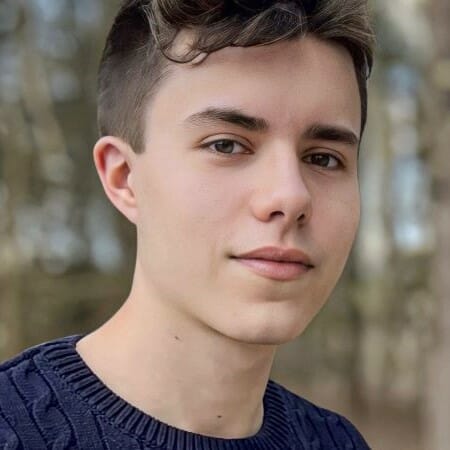
Harrison is the co-founder and organizer of the Independent School End Sexual Violence Coalition (ISESVC), a nationwide coalition of students dedicated to promoting anti-sexual violence mobilization across campuses./Courtesy Harrison James
What have you learned through your experiences as a volunteer?
A horizontal structure really works for our type of organization. We have five or six different committees that operate based on different tasks. When someone is interested in getting involved, we find the best fit based on their skills and passions. This can help prevent volunteer burnout.
Are there any future partnerships, programs or events you’re excited about?
Our coalition is currently working to engage in a partnership with the Association of Boarding Schools (TABS), presenting them with a list of demands to be implemented into their Sexual Misconduct Prevention and Response Training program.
The outcome of a relationship with an academic association such as TABS can initiate contact between independent school administrators, possibly to communicate resources and curriculum for consent programs.
We’re also planning to host our first bimonthly webinar, which will include panel discussions with speakers to educate and inform.
Why do you think it’s important for others to contribute to causes they care about?
In general, there is so much power and strength in numbers with this particular movement. Simply showing up and showing that you care can truly help transform the perspectives of other people. It shows that you’re willing to listen, willing to help and ready and willing to participate.
What do you want people to learn from your story?
Many assumptions exist as to what kind of person can make a difference in the work to end sexual violence. I want people to take those prejudices and dismantle them.
Most of us aren’t trained in advocacy or trauma response, and many are not survivors themselves. Anyone – absolutely anyone – can be an ally, and that means participation in movements like ours. Using your voice and your presence to show up is about going beyond sympathy and performative measures like simply posting on social media. It’s about harnessing your empathy, which is far more valuable to the movement and the survivors themselves.
If you or someone you know has experienced the trauma of sexual assault or rape, you can support them by listening, letting them know you believe them, and offering to help them find medical attention or mental health support. Contact RAINN to find help near you or call 800-656-HOPE (4673) to talk to a trained crisis counselor. This service is free, confidential and available 24/7.
Orthodontist Helps Give Kids Their Smiles and Calls Others to Do the Same
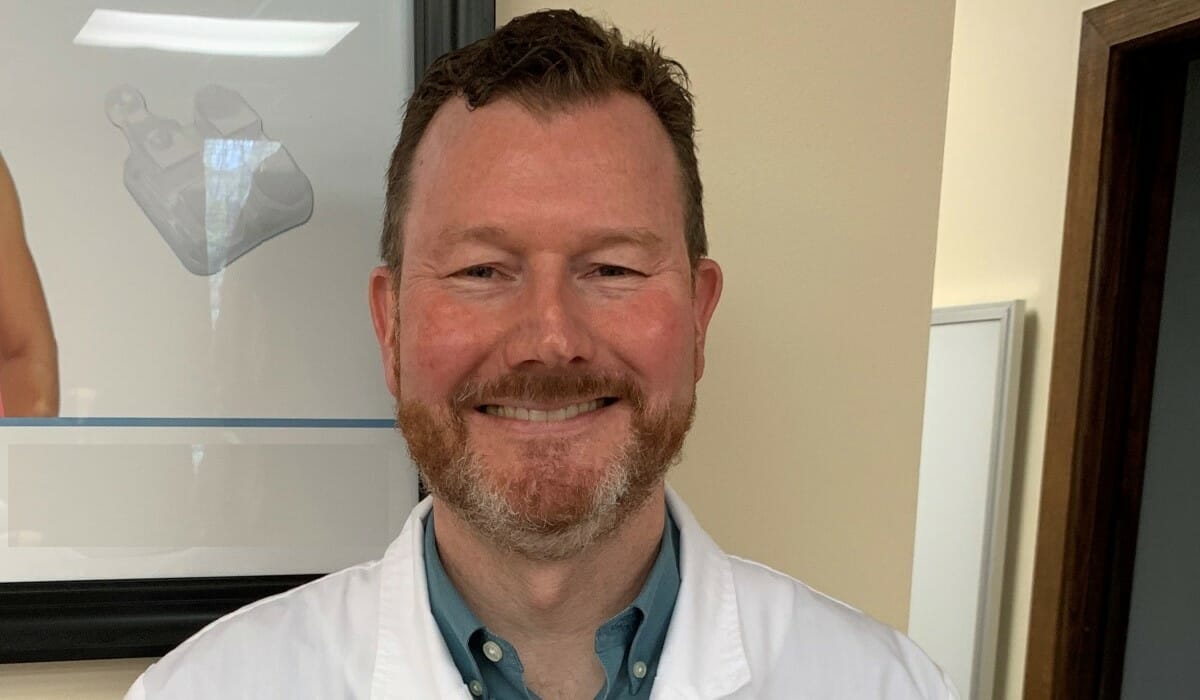
Meet Daily Point of Light Award honoree Spencer Pope. Read his story and nominate an outstanding volunteer or family as a Daily Point of Light.
Dr. Spencer Pope knew that he wanted to be an orthodontist since he had braces at a young age. Dr. Pope not only fulfilled his career goals, but turned his profession into a bridge to help young kids and teens receive orthodontic services they couldn’t get on their own.
As the co-founder of the Illinois Donated Orthodontic Services program, Dr. Pope has matched a multitude of patients to volunteer orthodontists who offer pro-bono treatment. He’s helping kids gain their best and beautiful smiles one-by-one, and he has no plans of stopping. Now, Pope wants other orthodontists to join a program that’s changed his life for the better.
Describe your volunteer role with the Donated Orthodontic Services (DOS).
In 2009, the American Association of Orthodontists started the Donated Orthodontic Services (DOS) program and they picked five states as pilot states — Illinois was one of them. I was the President of the Illinois Society of Orthodontists at the time, so I figured that’d be a good fit and I wanted to help start this program and make us successful. So myself and a colleague co-founded the Illinois program, and Illinois has been the most successful state — we’ve had the most kids treated. It was such a successful program across all of the pilot states that the American Association of Orthodontics made it national and the DOS Committee was created, which is what I’ve sat on the past couple of years. Now the program is national, but Illinois still is the number one state.
As a committee chair, I work with our program coordinator to set the organizational vision in order to help grow the program and identify volunteers in other states where maybe we have patients in need of treatment. I also assist in identifying new volunteers and strategize how we want to grow the program. Our program coordinator handles the day to day things, but I really do enjoy the scholarship program. In order for the kids to apply to the organization, there’s a $200 charge, but there are some kids and families that can’t even cover the $200. So we have a scholarship program that kids can apply to that will cover part or all of that application fee, and I really enjoyed reading the applications for the kids. They write their own letter of why their smiles are important to them and it’s really very heartwarming. Some of these kids really come from difficult backgrounds and it’s just really nice that we’re able to help them and provide them with the benefit of a beautiful smile.
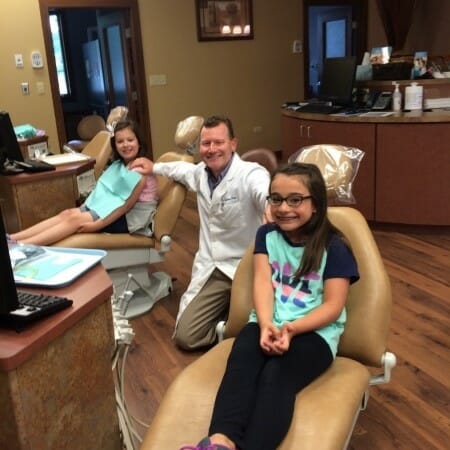
One of Dr. Spencer Pope’s favorite part of leading the Donated Orthodontic Services organization is receiving letters of gratitude from the patients he’s helped give free orthodontic services to./Courtesy Spencer Pope
Why is pro-bono orthodontist work needed?
We know how important a smile is for self-confidence and self-esteem. When I have kids come into my office for treatment, a lot of times they don’t want to smile because they don’t like how their teeth look, they don’t want to open their mouth or that their mom says that they never smile in pictures and always keep their mouths closed. I was fortunate growing up because my parents were able to provide orthodontic treatment for me and my brothers, but not every family is that fortunate. So the goal of the DOS is to provide a lifelong, healthy, functional and beautiful smile for all kids. That’s what our vision has always been. When the kids are finished, they’ll write a thank you letter as well and some of the letters that I get almost always makes me cry. I’m just so grateful for having the opportunity to give the service that they couldn’t otherwise get. It’s really nice.
How have you helped grow the pro-bono program and recruit volunteers?
I think orthodontists are pretty generous. A lot of them donate free time and care to kids in the community. What we want to do is try to help identify kids that maybe don’t even know about the program. So we’re trying to raise awareness to orthodontists and patients that the program is there, and then grow the program by helping match them with volunteers. From our standpoint, just making orthodontists aware of the program and getting them excited about us so they’ll want to join and contribute is one way that we want to try and grow. The most difficult part isn’t identifying kids and treatments; it’s matching them with volunteers. That’s why one of our task forces is working on expanding the program and identifying volunteers in all 50 states.
What inspires you to volunteer?
My parents were always very generous; they were very involved in our church, community and in scouts. So I kind of just saw them give back and my brothers and I always knew that it was important to do.
For me, I wanted to be an orthodontist since I was a teenager, probably since I had braces. I was so excited when I got into it and so grateful that I wanted to give back to the profession and the DOS seemed like the ideal way to give back because you’re giving orthodontic services to kids who couldn’t otherwise afford it. I also have a lot of colleagues that are extremely generous with their time as well, so I just find that dentists tend to be very generous.
As the co-founder of the Illinois Donated Orthodontic Services program, Dr. Spencer Pope has matched the most patients to volunteer orthodontists who offer pro-bono treatment./Courtesy Spencer Pope
What have you learned through your experience as a volunteer?
I’ve learned to be more compassionate and understanding of other people that come from all different walks of life, and that they all need to be treated with respect and compassion. It feels good to give back and it feels good to help out. People are very grateful, and hopefully, doing something good for someone else inspires them at some point in their life; maybe they can help someone else out. I’ve learned to always try and help and you maybe can’t appreciate it at the moment, but over time, you know it’ll come back — like getting a nice letter from a patient thanking you or something like that.
Why is it important for others to get involved?
I think helping each other is important. It’s the most important thing we can do. Everybody needs help at some point in their lives, and helping feels good. It’s the right thing to do. I think that the more that you give back and the more involved you get, the more fun it becomes. That inspires you to do more. When you give back to others, you’re helping yourself as well. It’s fun.
Are there any partnerships, programs or events that you are excited about?
We just had our annual meeting in May and we did award the first Ray George Award; he was the orthodontist who was the mastermind of the DOS program. Our committee created the award in his honor and we awarded it to our first recipient, Dr. Michael Durbin this past May. He was the co-founder of the Illinois program with me.
Police Officer Donates Millions of Masks and Pounds of Food During Pandemic
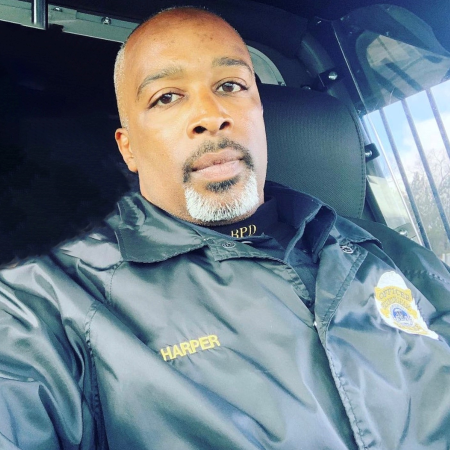
Meet Daily Point of Light Award honoree Lane Harper. Read his story and nominate an outstanding volunteer or family as a Daily Point of Light.
Lane Harper has led a lifetime of service, professionally as a Birmingham, Alabama police officer and personally, through decades of acts of kindness, most recently supporting communities experiencing hardship amidst the COVID-19 pandemic.
As the co-founder and executive director of the Power of Life Foundation, 50-year-old Lane has helped thousands of children and adults across the United States since the start of the pandemic, distributing four million free masks, more than four million pounds of food and thousands of new boots, socks and backpacks filled with school supplies. Empowering underserved populations and responding to great need during the pandemic, Lane’s volunteerism is helping to change the world for the better.
What inspires you to volunteer?
It’s about reciprocity, treat people like you want to be treated. In my family, we were always very grateful for things people had done for our family. Becoming an adult, you realize the blessings that have been given to you and things that have been shared. It’s always nice to put a smile on someone’s face and be a blessing by lending a helping hand. Everybody has a story and we need to learn how to listen more.
Describe your volunteerism with The Power of Life Foundation.
As co-founder and executive director, I’m connecting with individuals in need through programs including:
As the co-founder and executive director of the Power of Life Foundation, 50-year-old Lane Harper has helped thousands of children and adults across the United States since the start of the pandemic./Courtesy Lane Harper
Soul for Souls: Providing shoes for transient unhoused children and people living at or below poverty level.
It’s Cool To Be Covered!: Distributing face masks and promoting wearing masks to children to help prevent COVID cases.
We do a Turkey giveaway around Thanksgiving, and host a coat giveaway in the winter. Our Hearth and Soul program provides new coats, blankets, hats, socks and shoes to people in need, including women and children at or below the poverty level, transient men or veterans. Basically, anyone who needs help.
Share one personal story with me from your volunteerism.
We had a tornado here in Alabama, and a family lost their grandfather. We visited the site and saw the chair the man was sitting in that had been crushed. His truck had been carried ten miles down the road. This woman called us, and was so appreciative that we answered the phone. She’d called so many asking for help, and the only thing she was getting were recording services. When we actually answered the phone, she began to cry. We gathered our supplies and got her and her family household items. Volunteering is about helping fellow human beings when they need it.
You volunteer in your personal time, but you also serve the community professionally.
I’m a Black police officer in this time, so for me to be able to step out and help people, it allows them to view not just me but so many other officers in a different light, to understand we’re not warriors, we’re peace officers.
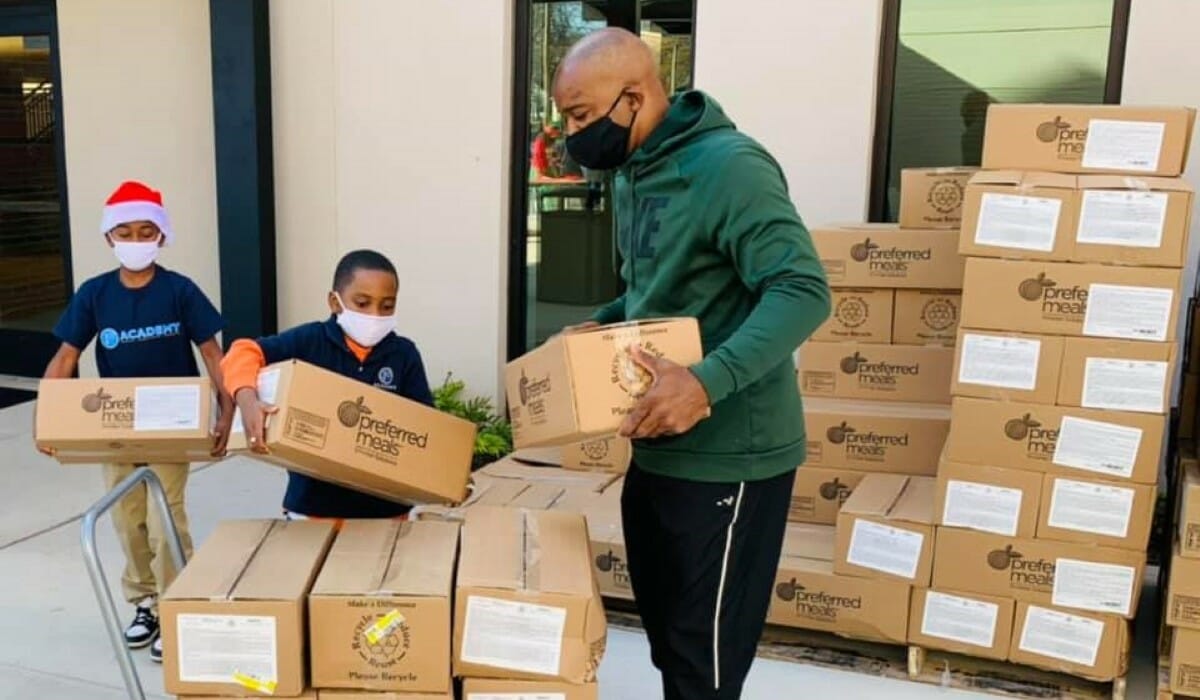
Lane pictured serving summer meals for the students of a charter school./Courtesy Lane Harper
Why do you think it’s important for others to contribute to causes they care about?
We don’t realize how many opportunities people have given us. When we reach a certain plateau in our life, we feel as if we’re on a level that we never have to reach back down and pull someone up. It’s important for us to pull people up and remember the hands that did the same for us. Be grateful to the people who allowed us to get our first job, or drive a car. We can’t continue to move forward if we’re not giving back because if we’re not giving back children beneath us won’t know what to do. Everything has a foundation.
What do you want people to learn from your story?
No matter what opportunities you have, never forget where you have come from. If you have the opportunity, always go back to your hometown. Always bring something positive back to the community you left, so that you show other people that if you can do it, they can do it too.
In one word, what does volunteering mean to you?
Fellowship. I opened my arms when I said that, fellowship. Coming together as one.
How can readers help?
Donations support all the different services we offer. Please visit our website for more information about how you can help.
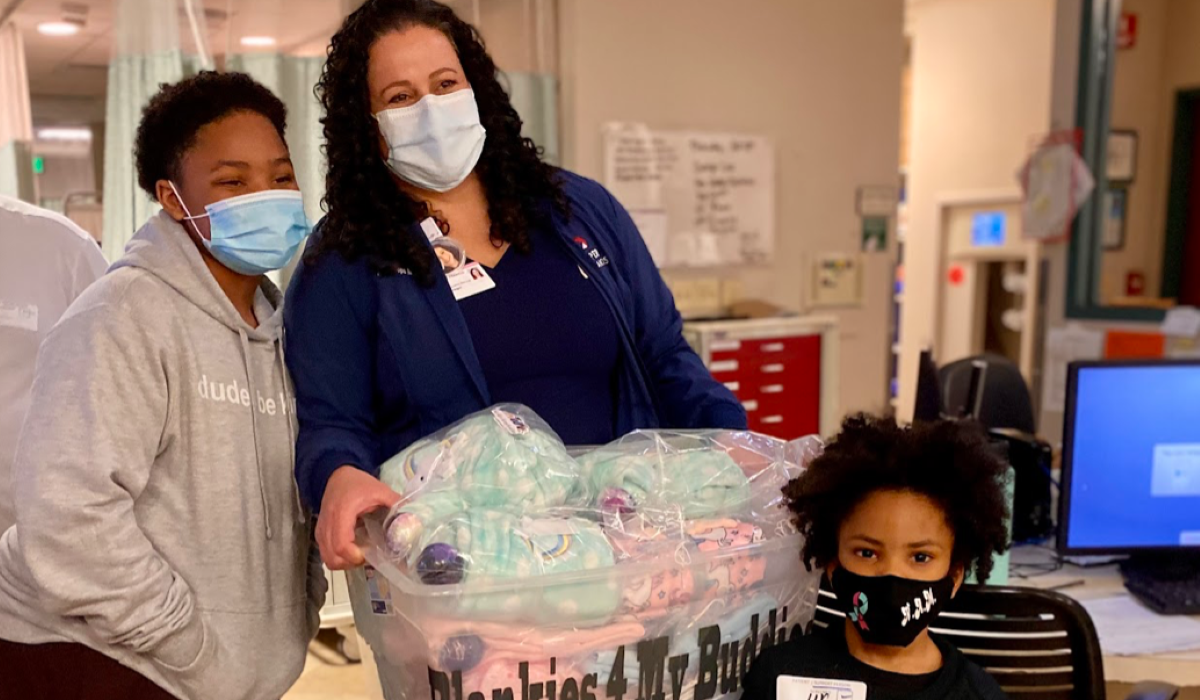
Georgia Teen Offers Comfort through “Blankies 4 My Buddies” Service
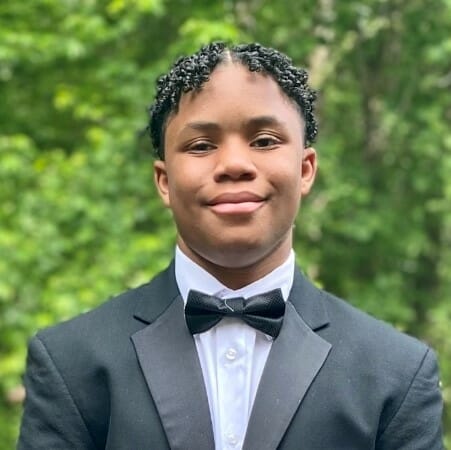
Meet Daily Point of Light Award honoree C.J. Matthews. Read his story and nominate an outstanding volunteer or family as a Daily Point of Light.
C.J. Matthews was just 5 years old when he was first introduced to charitable giving. Fast forward to today and the McDonough, Georgia 14-year-old is hosting blanket drives through Blankies 4 My Buddies and helps plan his annual event, The Giving Bowl, a charitable event centered around flag football.
Connecting with at least 100,000 people across the United States as far away as California and closer to home in Georgia, C.J.’s steadfast dedication to his community has helped provide comfort to children and families, unhoused individuals, those with mental health issues and survivors of gun violence.
What inspires you to volunteer?
I’m inspired to volunteer because I know a lot of kids don’t understand the importance of giving back. For my newest project, the Blanket Box Project, I am distributing boxes filled with materials for other youth volunteers to make two blankets. The volunteers can keep one blanket for themselves and donate one. We’re trying to figure out a way to encourage kids to show empathy for others.
Describe your volunteerism with Blankies 4 My Buddies.
As founder of Blankies 4 My Buddies, I offer comfort to others. My family experienced a pregnancy loss when I was 5 –years old, and I told my mom I never wanted another kid to feel sad and lonely. I organize The Giving Bowl, which takes place around Thanksgiving, and we collect food and blankets to distribute to families during the holiday season.
Blankies 4 My Buddies founder C.J. Matthews has connected with thousands as he offers comfort to individuals and families in need./Courtesy C.J. Matthews
Share one personal story with me from your volunteerism.
A 5th grade student at my school was fatally shot. We recently held an event for those impacted by gun violence in South Carolina and I got to meet the kids I was donating to. All the kids had experienced a deep loss like I did. I felt a connection to them in a way. It’s natural to give back, volunteering is just something my parents taught me to do.
Why do you think it’s important for others to give back?
Some people go through things that are not always the best. It can bring a person down. By volunteering, giving them a blanket, you can not only heal their physical but also mental pain.
What do you want people to learn from your story?
Any act of kindness counts.
In one word, what does volunteering mean to you?
Loving.
C.J. pictured with his little brother Kollin delivering blankets to the NICU C.J. spent time in as a baby./Courtesy C.J. Matthews
When you’re not busy volunteering or in school, what do you do for fun?
I play video games, watch TV and play with my little brother. My family and I have family nights where we watch movies and play games.
How can readers help?
Please visit the Blankies 4 My Buddies website to learn more about my volunteerism and how you can help.
Turning Passion into Action, Indiana Teen Sells Artwork to Save Animals
Meet Daily Point of Light Award honoree Madeline Phuong. During International Assistance Dog Week, August 7-13, 2022, Points of Light will be amplifying the work of service dogs, training and rescue organizations and other related groups that are helping individuals in their own communities and abroad. Do you know a volunteer doing good things with dogs? Nominate them as a Daily Point of Light.
Seventeen-year-old Madeline Phuong has been bringing animals to life through her watercolor paintings, from a curious turtle swimming in the ocean’s various shades of blue to a hungry parrot eating bright red berries. But she’s also helping real animals stay alive and cared for with her organization, A Second Chance, through which she sells her artwork to fund local animal shelters and nonprofits in her town of Fort Wayne, Indiana.
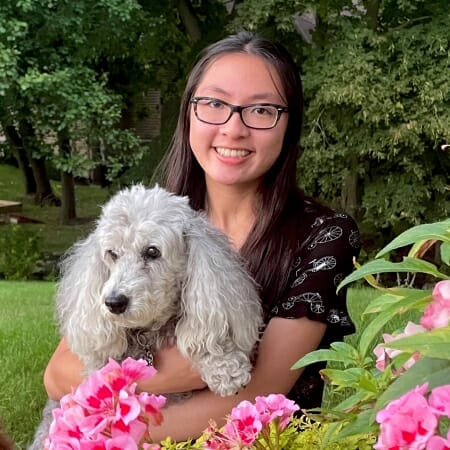
Madeline has loved creating art since her days in third-grade art class, but her love for animals started even earlier at age 7 when her family adopted their first dog, a poodle named Roxie.
“Roxie sparked my passion for animals,” Madeline said. “She actually was given up because the family could no longer afford to keep her. That moment really opened my eyes to realize that caring for pets can take a toll financially. I really wanted to make sure other families in my area did not have to experience that.”
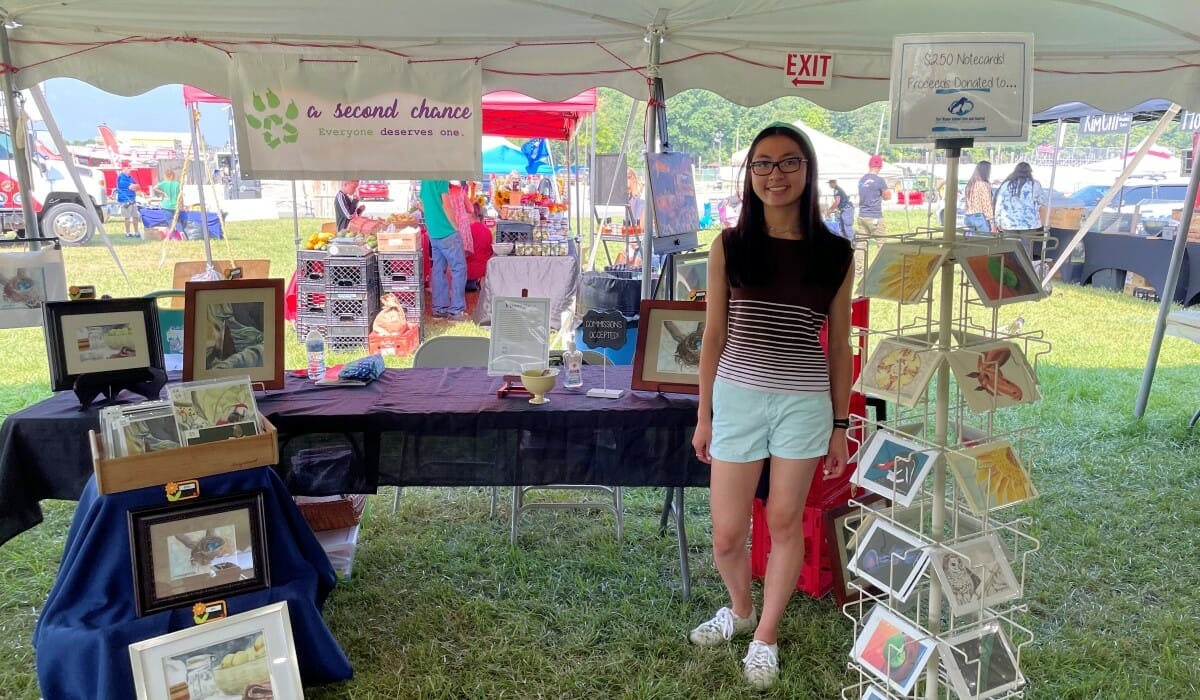
So in 2018, with her art skills drastically improved and her heart for animals bigger than ever, Madeline started her business, A Second Chance. She printed her artwork on greeting cards, prints and other products and began selling them to friends and family. Then she moved on to selling them at farmers markets and artist fairs around town. Her prints of a green sea turtle and a robin’s nest quickly became a crowd favorite.
“Her art is beautiful,” said Terry Doran, founder of the RiverDrums festival, where Madeline has sold her art.
Madeline Phuong is the founder of A Second Chance, a business through which she sells her artwork and donates the proceeds to local animal shelters./Courtesy Madeline Phuong
“But using her art to form A Second Chance and donating the proceeds to animal shelters, that’s what makes it phenomenal,” Terry added. “She’s using her talent to help others and that’s what society should be about.”
Despite selling each card for a reasonable price of $2.50 to $3.50, Madeline has been able to raise over $13,000 so far. Her first set of donations went to helping two animal rescue organizations run vaccine clinics, allowing more than 355 cats and dogs get vaccinated for free. She’s also donated to Humane Fort Wayne’s Pet Promises program, which provides in-home pet care services to seniors or those with disabilities who may have trouble getting to an animal hospital on their own.
“It’s really gratifying to see the impact that the funds I donate can have,” Madeline said. “Especially through the matching donation campaigns, I see how generous and giving other people are, and I want to reflect that, encourage that and spread that.”
In 2021, Madeline painted her biggest piece of artwork yet when she was asked to be one of 25 artists to paint a giant fiberglass statue that also doubles as a bench, as part of Humane Fort Wayne’s LoveSeats public art project. With Madeline’s participation, the campaign raised more than $120,000, allowing Humane Fort Wayne to save even more animals and find them forever homes.
In a year, Madeline will be heading off to college, where she’ll undoubtedly be busy with classes and homework. But she said she’s determined to keep A Second Chance going.
Madeline sells her artwork at local farmers markets and artist fairs./Courtesy Madeline Phuong
“One of the great things about the way my cause is set up is that it can travel with wherever I go so I can continue to share my love for the arts and for animals,” said Madeline, who also sells her prints online through her Etsy store.
From the time it takes to complete a painting to making the products then setting up at farmers markets and fairs, Madeline estimates that she’s dedicated at least 100 hours to A Second Chance so far. But she said it’s more than worth it because she’s doing what she loves – creating art – while helping the creatures she loves most – animals.
“If you pursue what you’re passionate about, it becomes so much more gratifying and so much easier to give back and help your community,” Madeline said.
Mother of Adoptees Helps Ethiopian Families Reunite Their Histories
Meet Daily Point of Light Award honoree Andrea Kelley. Read her story and nominate an outstanding volunteer or family as a Daily Point of Light.
After Andrea Kelley and her husband adopted their first child from Ethiopia in 2000, she set out on a mission to fill in the missing pieces of her son’s history by finding his mother. After thousands of hours and dollars spent, Andrea had no luck. So she created the Beteseb Felega – Ethiopian Adoption Connection organization in 2014 to help other family members and adoptees find resources to complete their history.
Andrea operates the organization full-time in Shawnee, Kansas, and has grown the Beteseb Felega – Ethiopian Adoption Connection to feature a database and new DNA project in order to help others navigate searches and provide post-adoption services.
Describe your volunteer role within Beteseb Felega – Ethiopian Adoption Connection.
I started Beteseb Felega – Ethiopian Adoption Connection after a 10-year failed search for the mother of one of my children born in Ethiopia because we didn’t have enough information in our adoption paperwork to find the family. I founded and now run the organization from my home office in Kansas City. I manage and coordinate our team of three social workers from different parts of Ethiopia and I specifically work with adult adoptees and adoptive parents who want to search for their birth family in Ethiopia. I also handle all the administrative work for the organization including running the website and our Ethiopian Adoption Search Registry Database.
The organization now provides access to birth and adoption histories for Ethiopian adoptees. We want to restore the history and relationships that have been lost through international adoption. It’s a basic human right that is sometimes overlooked in the adoption process because it’s commonly believed that children will have a better life after being adopted. I realized that if Ethiopian birth families could reach out and search for their children, there would be a higher likelihood of success for everyone. That’s why I created our Ethiopian Adoption Search Registry in 2014 — to give a voice to Ethiopian birth families.
The inspiration for Andrea Kelley’s (second from the left) Beteseb Felega – Ethiopian Adoption Connection organization was her family and her first adopted child from Ethiopia/Courtesy Andrea Kelley
Why is it important to reunite adoptees and their families?
I strongly believe that every adoptee deserves access to their history if they want it. It’s a basic human right and we only need to look at the boom in DNA testing to see that people are very interested in their genetic background.
International adoption is a complicated thing. There are many moving parts and the children usually come from challenging areas that lack resources in place to care for them and often children’s files and histories get lost in the process of adoption. Recovering that history can be a long and tedious process. One issue that I noticed when we were searching for our children’s families 20 years ago was that there was no way for the Ethiopian birth families to reach out to their children. I wanted to change that, and now I work on it full time.
How has the Beteseb Felega – Ethiopian Adoption Connection grown?
The organization started with just me and an American birth mother, Claudia. Claudia designed the website and the Ethiopian Adoption Search Database. Now we have three wonderful social workers in Ethiopia and a few volunteers in the United States. Our database contains over 1,200 searches and we’ve recently launched a DNA project. Tens of thousands of adoptions have occurred in Ethiopia, and we want to restore the histories and family relationships of as many Ethiopian adoptees as possible.
What inspires you to volunteer?
I was originally inspired by my own children who were born in Ethiopia. I tried to imagine being in their shoes and having no information about where I came from. I knew that I would want to know my own story. I’m continually inspired by the adoptees and birth families we serve because being separated from your original family for life is not easy even if you have a good life now.
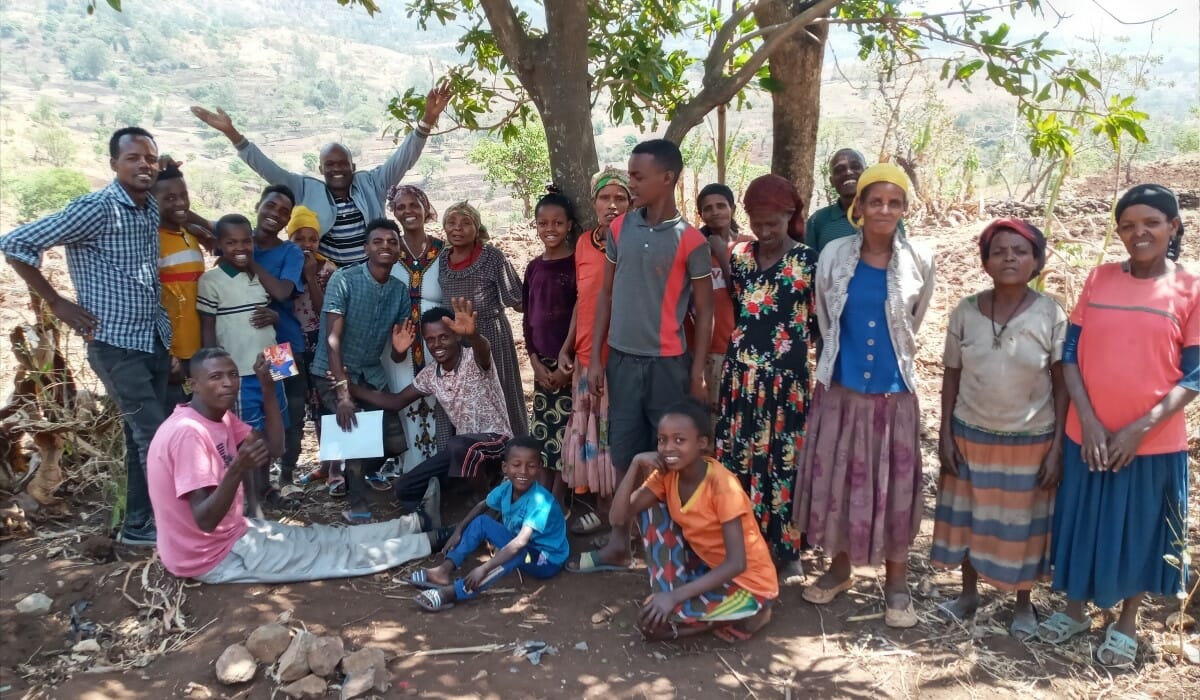
Andrea Kelley hosts a family reunion in Ethiopia after adoptees navigated the Beteseb Felega – Ethiopian Adoption Connection database and DNA resources./Courtesy Andrea Kelley
What have you learned through your experience as a volunteer?
I’ve learned a whole lot about Ethiopia and how culture informs everything in life. There are great challenges in working across different cultures, but in the end, people are essentially the same everywhere.
Why is it important for others to get involved with causes they care about?
Economically challenged folks in some places around the world don’t have access to many of the things we do, so we’ve all got to step up and help. If everyone helped just a little in a way that they can enjoy, then the world will be a better place. It’s hard, but it is also satisfying.
Are there any partnerships, programs, or events that you are excited about?
Beteseb Felega – Ethiopian Adoption Connection just began a partnership with Family Tree DNA. This company provides us the opportunity to purchase discounted DNA kits, so we’ll be able to test Ethiopian families this way and hopefully reunite more and more adoptees with their birth families.
North Carolina Teen Leads Initiative to Diversify School Curricula
Meet Daily Point of Light Award honoree Alyssa Rambert. Read her story and nominate an outstanding volunteer or family as a Daily Point of Light.
17-year-old Alyssa is the founder and project leader of We Stand, a nonprofit organization dedicated to diversifying current curricula by teaching others about underrepresented Black history. Her story begins with her family’s nightly gatherings, where she learned about African American history and became aware of the contrast between what she was learning at home and what she was learning from her school’s history curriculum.
Much of what she studied at school forced her to examine herself through the prism of persecution, contradictory to the stories she learned at home that showed Black people through the prism of strength. Now she seeks to change the narrative both in and out of schools, hoping to establish culturally relevant curricula for youth through her initiative.
Describe your volunteer role within We Stand.
We Stand is an initiative promoting inclusivity in education through diversifying curriculas’ narratives. My responsibilities range from speaking to leading and organizing events under the supervision of my mentors. In terms of leadership, I serve as a spokesperson, help develop lesson plans and organize events. In Greenville, North Carolina, for example, I was able to serve as the spokesperson for videos about African American history. In these videos, I talked about Ledonia Wright, Lucille Gorham, C.M. Eppes High School, and Sycamore Hill Baptist Church. The videos were made in collaboration with Greenville’s local television station to educate viewers about the city’s little-known history.
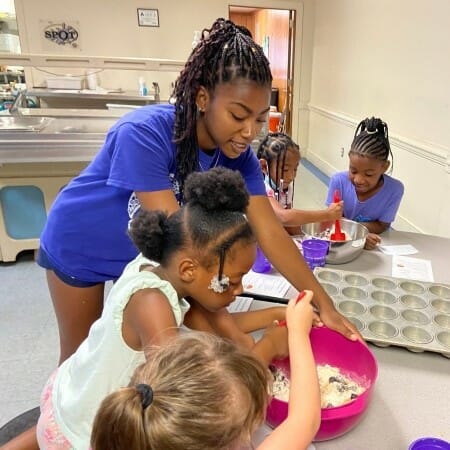
Bake for Good is a program that allows Alyssa Rambert to bake with children in the area./Courtesy Alyssa Rambert
I also volunteer with Love a Sea Turtle, which is an initiative dedicated to environmental sustainability. My volunteer role varies from day to day, but I mostly help with teaching and other volunteer events.
What inspires you to volunteer?
My parents have always instilled in me the importance of remembering your community since I can remember. Prior to joining Love A Sea Turtle, my family and I organized a “book bag giveaway,” which is an annual event held before the start of the school year to distribute school supplies, clothes and underwear. Remembering these principles motivates me to volunteer because it allows me to connect with and help others.
What’s been the most rewarding part of your work?
The most rewarding part of my work is being able to connect with other people and communities while having shared conversations to learn more about them.
What have you learned through your experiences as a volunteer?
I have learned that when volunteering, it’s important to not just be present but to be participatory. As my mentors (Mr. Dan and Mrs. Kay) say, “have fun but go around introducing yourself, talk and connect with others.” I initially was shy and had trouble initiating conversation, but eventually, through volunteering, these words have become my goals.
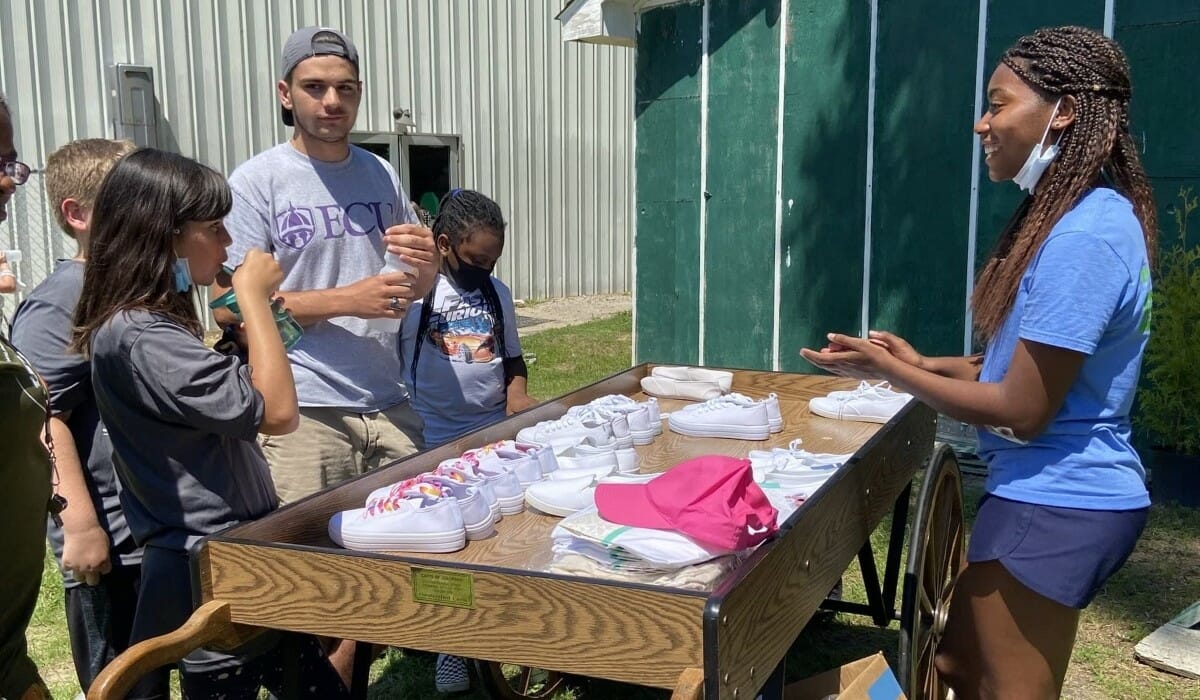
Alyssa Rambert has been volunteering with her family to organize clothing drives and book bag giveaways./Courtesy Alyssa Rambert
Are there any future partnerships, programs, or events that you are excited about?
I am currently volunteering with Love A Sea Turtle and at The SPOT in Wilson, North Carolina for a program called Bake For Good. This program allows me to bake with children so they can take their creations home with them.
Why do you think it’s important for others to get civically engaged?
I believe it is important to get involved because it allows you to see the world and situations differently. It gives a new perspective that not only looks at issues concerning yourself but at how you can help others.
What do you want people to learn from your story?
I want people to understand that if there is a problem in their community, they can help in their own unique way. Your efforts are making progress.