A Heart for Chinatown and a Commitment to Community Service
Meet Daily Point of Light Award honoree Gabrielle Verzo. Read her story, and nominate an outstanding volunteer or family as a Daily Point of Light.
For Gabrielle Verzo, volunteerism isn’t just about getting involved—it’s about strengthening the bonds within her community. As an active member of the Chinatown Teen Council, Gabrielle has dedicated her time and energy to initiatives that uplift vulnerable populations, particularly senior residents in the neighborhood. One of her most impactful contributions is her work with the community grocery distribution program, where she helps pack and deliver fresh produce to low-income seniors living in Single Room Occupancy (SRO) buildings. Her efforts ensure that hundreds of these residents receive essential food supplies, providing them with not just nourishment, but also a sense of connection and care.
Beyond her work in grocery distribution, Gabrielle has played a crucial role in advocating for social change. She has volunteered at hate crime workshops aimed at addressing the rise in anti-Asian violence, an issue that has deeply affected the Chinatown community. Her involvement in these workshops reflects her belief in using education and awareness as powerful tools for change.
Gabrielle’s contributions extend beyond Chinatown, reaching larger community events held at the Central Library in Downtown Los Angeles. Whether assisting at the Libros/Book Festival or guiding participants at Girl Scout Day, she has proven to be a reliable and enthusiastic volunteer. What sets Gabrielle apart is her willingness to embrace every opportunity that comes her way. Read on to find out more about her work in ensuring that her fellow community members receive the support they need.
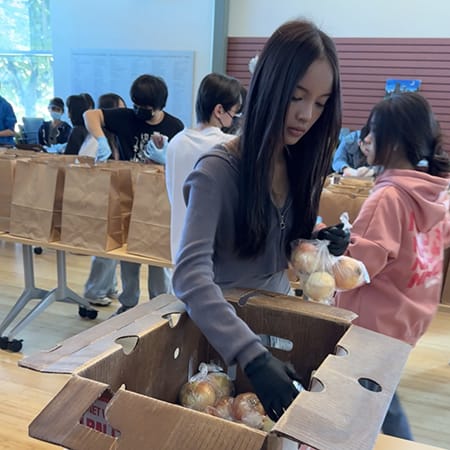
Gabrielle grabbing onions from delivered boxes for a grocery distribution to elders in Chinatown.
Tell us about your volunteer role.
I’m a Chinatown Teen Council member. I’m able to volunteer with their posted events when I can. I have a lot of roles, and they have a broad range. I help out with the grocery distribution and with big events in the Central Library. For the grocery distributions, a lot of it involves carrying the big boxes of produce into the library itself, and packing bags at the stations. We pack everything in the bags, load them into the carts and then we go around Chinatown to deliver them to the seniors.
What inspired you to get started with this initiative?
Before I was involved in the Teen Council, I was already involved in Chinatown as a tutor. I already saw how many seniors there were. When I went to a hate crime workshop, I heard a story about one of the elders being beaten. That story affected me. I’m Asian myself. Through gentrification, these vulnerable seniors are also getting kicked out of their homes. The grocery distributions help a lot with food security for these seniors.
What’s been the most rewarding part of your work?
When I see the reactions from the seniors getting food delivered to them. Gentrification isn’t just kicking out the seniors, but is kicking out businesses too. There was a market that many of these seniors relied on that was forced to relocate. Many of the seniors in Chinatown can’t drive that far. Seeing their happiness after food is delivered to them – eggs, noodles, vegetables, fruit and other basic necessities – is the most rewarding.
What have you learned through your experiences as a volunteer?
I’ve learned a lot about people, not just through grocery distributions but through the events at the library too. I get to meet seniors, little kids, stressed adults. I enjoy getting to interact with all different types of people.
Why is it important for others to get involved with causes they care about?
Honestly, now is the best time to volunteer – especially as youth. Not only does volunteering have a lot of benefits for me personally, like how to be responsive and how to have compassion for people, but it sets up a foundation for a strong community. Younger people committing time into their communities makes the community interconnected, more supported and ultimately stronger.
Any advice for people who want to start volunteering?
Just do it! Volunteering means you’re sacrificing your own time, and any organization is going to be grateful for and appreciate any help they can get. Even if you’re nervous or scared of meeting new people, organizations will be so grateful for your efforts.
What do you want people to learn from your story?
I want people to learn that if they can, help people who need help. Especially as high schoolers, there’s often prioritization of self, but it’s important to put in effort and sacrifice time for those who can’t do anything about their situations, for more vulnerable people and populations. I want people to also remember to be grateful for what they have. Even though I struggle with my own stuff, I understand how much more I have than some others. I am fortunate, and that drives me forward to help others who need some help, especially in my own communities.
New York Retiree Keeps Central Park Blooming with 1,000+ Volunteer Hours
Meet Daily Point of Light Award honoree Fran Nelson. Read her story, and nominate an outstanding volunteer or family as a Daily Point of Light.
Growing up near California’s Sierra Nevada mountains, Fran Nelson developed a deep love for nature. Her childhood was filled with camping trips to Lassen Volcanic National Park and multi-day backpacking adventures. But when she moved to New York at 18 for school in the 1970s, she found herself missing the wilderness she had always known. At the time, Central Park was unsafe and neglected, far from the vibrant oasis it is today. Yet, as Fran rode horses along its bridle paths, she saw its potential as a sanctuary for New Yorkers.
In 1980, that vision was brought to life when a group of New Yorkers came together, taking action to establish the Central Park Conservancy and transform the park into the stunning oasis it is today.
During her career in real estate, Fran often walked through Central Park, admiring its natural landscapes and colorful gardens. She realized that behind its beauty were dedicated volunteers. From that moment, she knew exactly what she wanted to do when she retired.
Now, at 76, Fran has been a devoted Central Park Conservancy volunteer for four years and counting. She has dedicated 1,246 hours to maintaining the park’s landscapes—raking, weeding, pruning, planting and tending to its trails. Beyond that, she shares her passion with the public, teaching children and families how to garden.
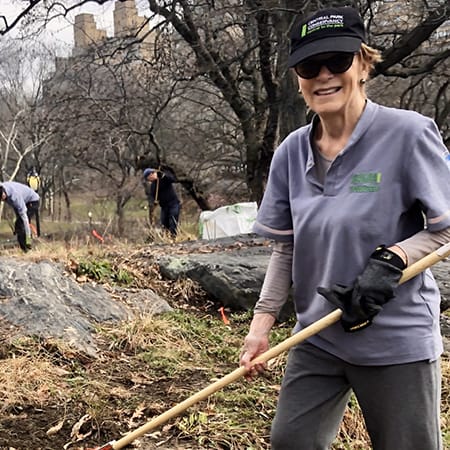
Fran (right) teams up with a volunteer coordinator to rake leaves and keep the landscape tidy./ Courtesy Fran Nelson
What inspires you to volunteer?
I moved to New York over 50 years ago, and at that time, the park was an unsafe and desolate place. But I found a horseback riding stable near the park, and there were bridle paths throughout, so I began riding there regularly. That’s when I truly got to know Central Park and realized what a treasure it could be for the public. Once the Conservancy was founded, they transformed it into a safe and beautiful place for people to walk and enjoy. That inspired me to get involved and help the New York City community by becoming a gardener.
Tell us about your volunteer role with the Central Park Conservancy.
I volunteer three to five days a week. I spend one day in the Ramble, one of the park’s three woodland landscapes, and another in the formal Conservatory Garden, designing flower beds and planting. I also assist with general horticulture projects—raking, pruning, soil erosion control and ecological restoration. We help Conservancy staff maintain the trails to create the feeling of being in a real forest. Additionally, I take part in park-sponsored events, teaching urban forestry skills to teens, families, corporate groups and the public.
Do you have a favorite plant or flower in the park?
It’s hard to choose a favorite because Olmsted and Vaux designed Central Park so that every step offers a breathtaking vista. Each season highlights different trees, flowers and shrubs, making it beautiful year-round. Even in winter, the park is quiet and stunning when it snows. Every plant and flower contributes to Central Park’s beauty.
What are your long-term plans or goals for the organization?
I’ll volunteer for as long as I can hold a shovel. And when I can’t, I’ll become a greeter and sit in a booth! I love the park. I truly believe it’s the most important space in New York because it’s where people come for recreation and fresh air. It’s like the city’s backyard, and I don’t think we could live without it.
What’s been the most rewarding part of your work?
The most rewarding part is meeting people from all walks of life who share a common love for the park. Volunteering allows you to connect with others, refine and learn new skills and be part of something bigger than yourself. It challenges you to think beyond your own needs and offers a lifelong journey of personal growth and community engagement.
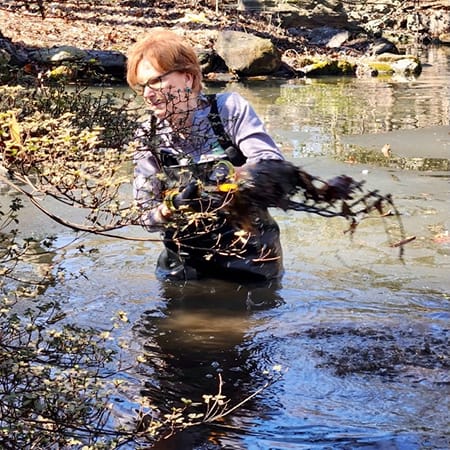
Fran Nelson clears debris from a Central Park pond to keep the water flowing smoothly./ Courtesy Fran Nelson
Tell us about future partnerships, programs or events that you are excited about.
I’m excited about spring! The public programs, which close during winter, reopen in spring, including teen and family volunteer Saturdays. We offer a variety of outdoor programs and events, like the Conservancy’s official tours and chess workshops. The most exciting part is that, after three years of restoration, the Conservatory Garden will fully reopen in the spring—just in time for visitors to enjoy the tulips we planted last fall!
Why is it important for others to get involved with causes they care about?
When I was in my mid-20s, I was hiking old logging roads with a fishing buddy, searching for a new stream. We stumbled upon a fire lookout tower and stopped to chat with the ranger, hoping he’d share a good fishing spot. Suddenly, he yelled, “Fire!” About 1,000 feet away, a fire had started smoldering. He asked us to dig a trench around it until he could help. We grabbed axes, shovels and water canisters and got to work. When the professional firefighters arrived 40 minutes later, the ranger told us, “I never share my favorite fishing spot, but you two earned it.”
That fishing spot is still one of the best I’ve ever been to. That’s what I want people to know about volunteering—you get unexpected rewards. You can volunteer in the most unusual ways and find incredible meaning and satisfaction.
Any advice for people who want to start volunteering?
Find an organization that matches your interests and just start. You can begin at 7 or even at 70, like I did. Sign up, commit to it and you’ll see how much you can contribute to your community.
WORKING TO REPAIR THE WORLD THROUGH ACTS OF SERVICE
Meet Daily Point of Light Award honoree Jonathan Arogeti. Read his story, and nominate an outstanding volunteer or family as a Daily Point of Light.
From his home base in Atlanta to islands off the coast of Africa, Jonathan Arogeti’s mission is to help others. A returned Peace Corps volunteer, Jonathan is a dedicated member of Repair the World, an organization that mobilizes Jews and their communities to take action to pursue a just world. In his early days of volunteering with the organization’s Atlanta chapter, you could find Jonathan tackling tasks ranging from working on a farm to sorting reading material for a book drive. Since then, he’s risen in the ranks, but remains dedicated to the organization’s principal goal of building thriving communities around the country.
A founding member of Repair the World’s Atlanta Advisory Board, Jonathan was asked to join Repair the World’s National Advisory Board in August of 2024 after several years of working with the organization. While the governance role is a bit different from the work he started out doing, it’s vital to the organization’s livelihood. A member of the group’s development and finance committees, Jonathan says the bigger picture is about being a cheerleader for the organization on a local and national level. Clearly, the mission is working.
Last year, Repair the World mobilized 1,792 participants to complete 3,209 acts of service and learning just in Atlanta. Nationwide, the organization mobilized 133,145 participants to 218,721 acts of service and learning. Jonathan’s dedication to the cause is an example of how volunteering can transform a community, no matter the setting. Simple acts of service work as motivators to encourage others to get out there and do the same, and the endeavor quickly spreads around the world.
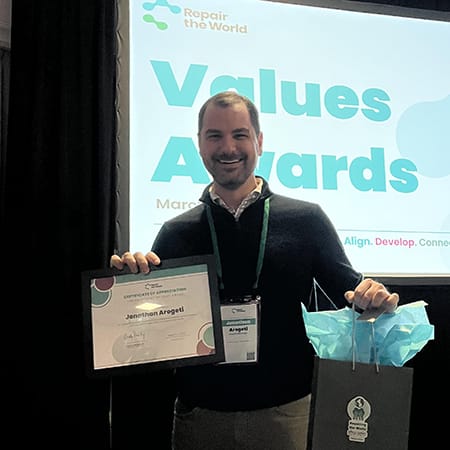
JONATHAN AROGETI RECEIVES A CERTIFICATE OF APPRECIATION FOR HIS VOLUNTEER WORK WITH REPAIR THE WORLD. /COURTESY JONATHAN AROGETI
Tell us about your volunteer role with Repair the World.
Repair the World is the Jewish service movement in this country. When Repair was just starting in Atlanta around 2017, I was a volunteer at different events with a clipboard, passing out name tags, gloves and shovels. If we were at a debris cleanup activity, I was passing out trash bags. From there, I was the initial co-chair of the Atlanta Advisory Council, serving as a sounding board to the city director, helping to get connections with funders and helping them recruit volunteers. Now, I’m a member of the National Board of Directors and serve in a governance role. We support the organization with its programming and oversee the budget and executive director.
What inspired you to get started with this initiative?
I grew up volunteering. I came from a family where volunteering was important. In 2015 and 2016 I was a Peace Corps volunteer. I did a posting in Mali in 2015 and a posting in Comoros in 2016. When I came back stateside, Repair the World had already existed as an organization nationally and they were beginning to think about expanding into Atlanta. Several people I respect said Repair sits at the intersection of my Jewish values and my American national service ethos, and recommended I get involved.
What are your long-term plans or goals for the organization?
The board, the staff and the volunteers have a goal to reach 1 million acts of service and learning by 2030. An act of service and learning is a metric that we have. With each service activity, there’s an element of Jewish learning in the event. For example, what does Judaism say about the issue that we’re confronting in volunteer service? We’re all laser-focused on this 1 million by 2030 goal.
What’s been the most rewarding part of your work?
I was particularly proud during COVID-19 when we were one of the top cities for what was then the initial Service Corps. That started during the COVID-19 pandemic and was taking advantage of a time and a place where some people had extra time and resources that they could make available to support others. On the flip side, some people had hugely increased needs because of what the pandemic was causing. That was when we developed the Service Corps. It wasn’t a once-a-year type of thing. How do you do something in between a five or 10-hour-a-week commitment extended over weeks and months? Seeing that succeed and becoming such a core of what Repair the World does nationwide now is something that brings me a lot of joy.
What have you learned through your experiences as a volunteer?
It’s helped me learn how to listen to the leadership at the organization and try to figure out the appropriate ways to help somebody. That’s something that’s not just important for the board of this organization, but how we view volunteering more broadly. A lot of volunteering is really about what the volunteer gets out of that experience. I think we’re at a time and place where we need to be thinking about what volunteering means for the person being served. It’s good that I’m learning that lesson being on the board.
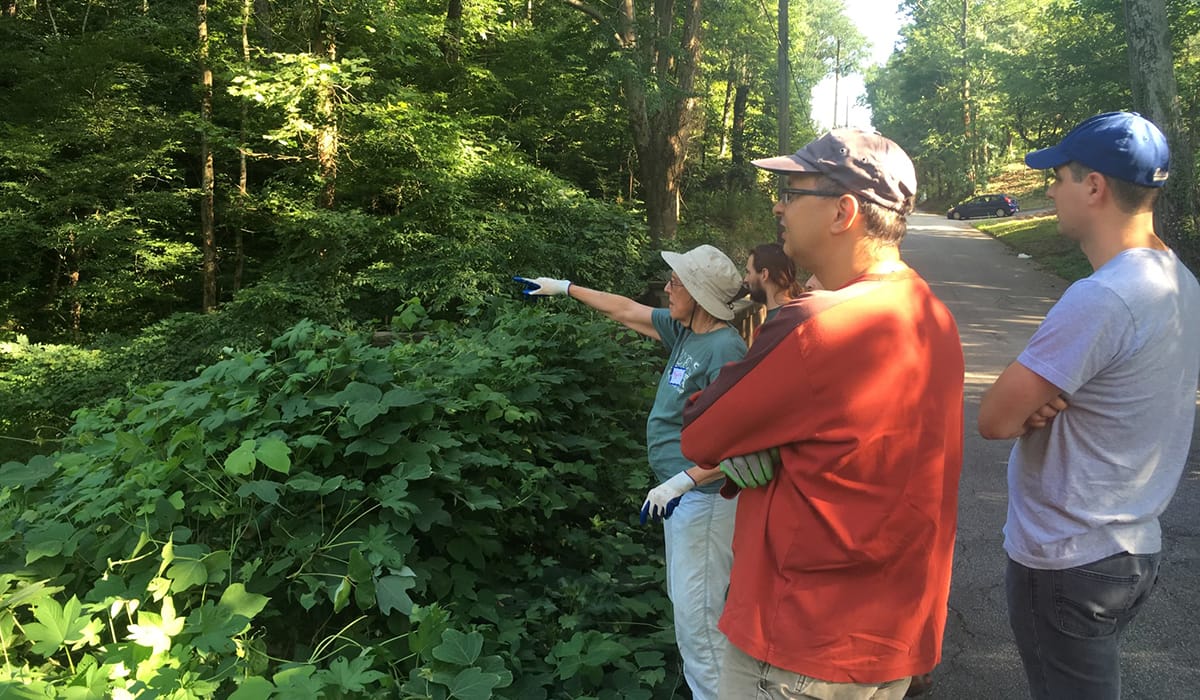
JONATHAN AROGETI (FAR RIGHT) OBSERVES KUDZU, A CLIMBING PERENNIAL VINE, WITH FELLOW VOLUNTEERS DURING A SERVICE AND LEARNING PROJECT. /COURTESY JONATHAN AROGETI
Tell us about future partnerships, programs or events that you are excited about.
Martin Luther King Jr. Day in this country has become a big focal point of volunteerism. We have created something called the National Days of Jewish Service, which takes place all through April. What we’re doing is supporting more than 5,000 volunteers to complete an act of service and learning in communities across the country. We are organizing events around the country in April, and we are supporting people from all over the country who want to create their own volunteer service event during the National Days of Jewish Service.
Any advice for people who want to start volunteering?
People can look hyper-locally. They can look at the block they live on – there might be a child in their community who has a particular need and might benefit from support. Look at your own place of worship, for example. There are always seniors in that community who might need a sort of companion, somebody to sit with them once a week or once a month. Look locally into spaces where you’re already existing, and try to help somebody in those spaces first.
What do you want people to learn from your story?
There are a lot of different ways of volunteering. Something I have come to appreciate is that a lot of people have different strengths, and volunteering relies on people using their strengths for a good cause or a good purpose. That’s the main point of what people can get out of it.
Air Force Photographer’s Service Comes Full Circle at Bush Presidential Library
Meet Daily Point of Light Award honoree Chris Allen. Read his story, and nominate an outstanding volunteer or family as a Daily Point of Light.
Chris Allen’s life seems to be shaped by one powerful force: service. From the hallowed halls of the White House to the tranquil surroundings of the George H.W. Bush Presidential Library & Museum, Chris’s dedication to preserving history and honoring President Bush’s legacy has come full circle. And it’s this sense of duty, a thread woven throughout his career, that now drives him to volunteer over 1,100 hours a year at the Bush Library, where he has found a profound way to reconnect with his past, offering a unique perspective on the Bush administration he helped document during his time as a U.S. Air Force photographer at the White House.
Chris’ journey began in the mid-1980s, when he joined the U.S. Air Force and was eventually selected to be an aerial photographer for the Thunderbirds jet demonstration team. His work took him across the country and the world, capturing breathtaking images of the team’s daring air shows and flyovers. But even with such an exciting role, Chris knew that his next step would be even more significant.
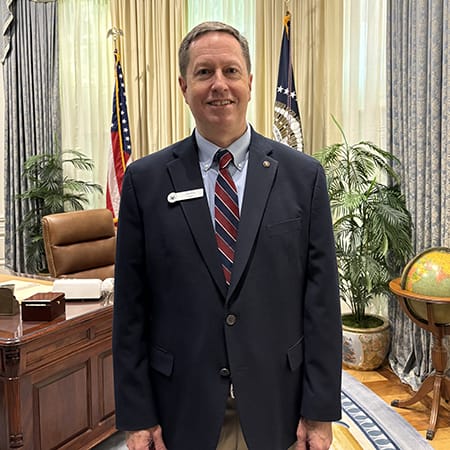
Chris Allen stands in the Oval Office replica at the George H.W. Bush Presidential Library & Museum, where he also volunteers as a docent./ Courtesy Chris Allen
“At the end of my three years with [the Thunderbirds], I looked for another exciting way to serve my country as an Air Force photographer,” Chris said. “And I really wanted to serve President Bush as my commander in chief.”
He applied for, and received, an assignment with the White House Communications Agency, tasked with providing communication, advance and photo support to the President. He primarily worked for the photo office, creating contact sheets for each roll of film taken by the White House photographers. A contact sheet is a print that displays thumbnail-sized images from a roll of film, allowing the photo office to quickly review, select and print the shot they need.
“Words really can’t describe the thrill of supporting my commander in chief every day, but it was even more special to support George Bush, an incredible president and a person I truly look up to,” Chris said. “I saw firsthand how he treated everyone with the utmost respect and empathy. Whether you were a king or queen or an Air Force photographer, he genuinely relished meeting you.”
After serving at the White House during the last two full years of the Bush administration (1991-1992), Chris left the Air Force, earned his undergraduate degree, and transitioned into the civilian workforce, dedicating his career to the nonprofit sector. Upon retiring, he immediately knew he wanted to continue his service by volunteering at the George H.W. Bush Presidential Library & Museum at Texas A&M University so in 2023, he signed up to be a docent, leading guided tours for visitors to explore the library and museum.
“One day, just by chance, I found out that they were scanning the contact books and that there was an opening for me to help do that, so I jumped at that opportunity,” Chris said.
By volunteering five days a week, Chris has completed the monumental task of digitizing nearly 170 notebooks from the Bush Quayle White House Photo Office, including more than 16,000 contact sheets he helped produce during his White House assignment.
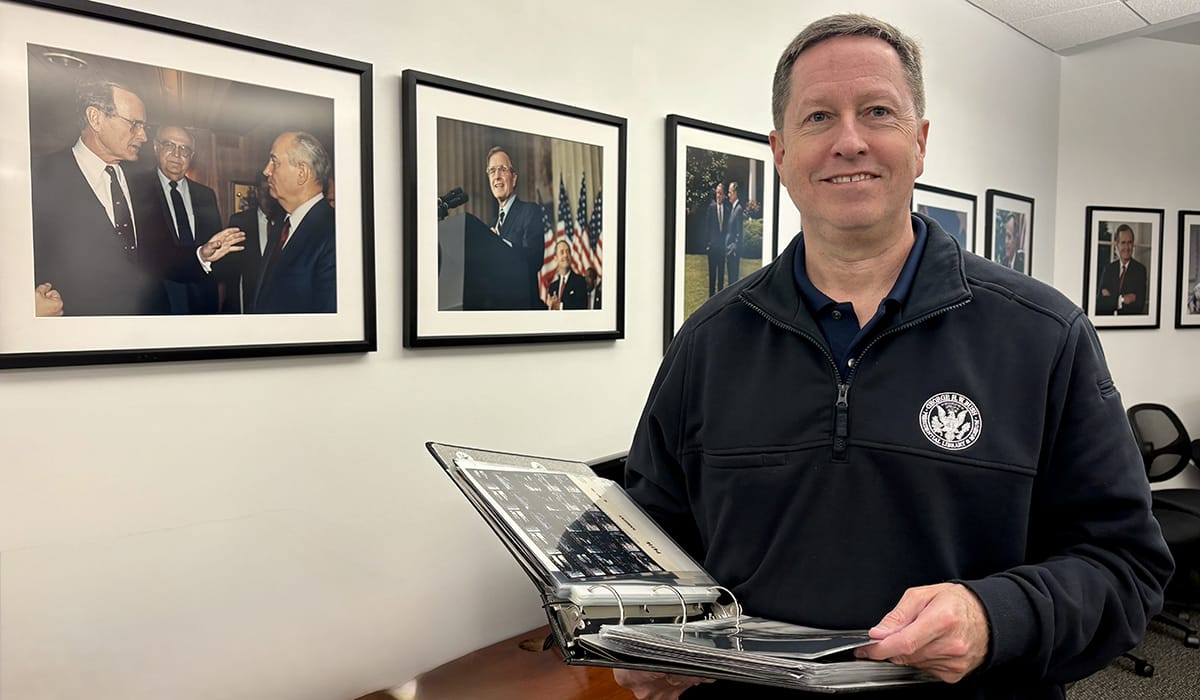
Chris Allen holds a binder of contact sheets he digitized, standing before a wall of iconic photos from the Bush administration./ Courtesy Chris Allen
“Every day that I scan, I’m reminded of a particular visit or something on his agenda that day that I remember deeply from 30 plus years ago. To be able to go back and look at it again and see his administration on a daily basis the second time around is really a phenomenal experience,” Chris said.
“Digitizing all these photos and allowing them to be on our website is giving researchers and scholars and the general public access to all these photographs that weren’t available to them before,” said Monica Lerma, volunteer coordinator at the George Bush Presidential Library and Museum. “Chris’ dedication to this project and his volunteerism is a great example of what President Bush wanted and envisioned for being a point of light.”
With every photo he digitizes and every tour he leads, Chris hopes his volunteer work helps preserve President Bush’s legacy and inspire others to learn from his example.
“President Bush championed volunteerism and encouraged Americans to be points of light in their communities,” Chris said. “The more people who embrace that spirit, the better off we’ll all be.”
From Risk to Asset: Retired Business Owner Helps Make Homes Sanctuaries
Meet Daily Point of Light Award honoree Steve Wiener. Read his story, and nominate an outstanding volunteer or family as a Daily Point of Light.
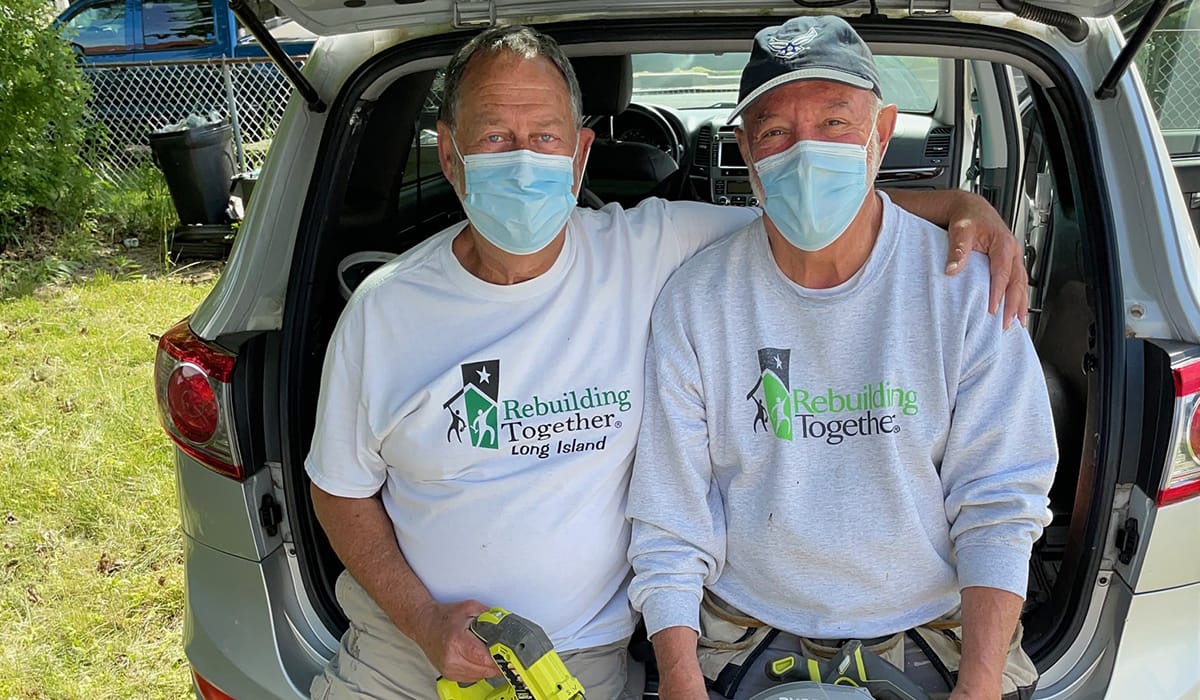
Retired business owner Steve Wiener likes to work with his hands. During three decades as a wholesale distributor, the time he spent figuring out how to fix things around the house helped get his mind off of work. So, when he was trying to fill the 60- to 70-hour work weeks he retired from, he was intrigued by Rebuilding Together Long Island, a chapter of a national nonprofit that repairs homes for income-qualified seniors, veterans and people with physical challenges.
Steve is the Suffolk County team leader, coordinating and overseeing repairs with a 15-member crew. Volunteers make critical repairs and modifications—like building wheelchair ramps, for example—to ensure the safety and accessibility of clients’ homes, at no cost.
Steve finds satisfaction in checking items off his list—replacing a toilet, fixing a rotted window, rewiring and more. He spends 24 to 30 hours a week working on roughly 60 homes each year. Sometimes it’s as simple as washing a lamp globe that has 20 years of dirt built up or changing a lightbulb a homeowner can’t access. Other times, it’s rebuilding a broken cabinet.
Between four grandkids, a dog and his self-proclaimed handyman hobby, Steve stays busy. The best part? He loves it. And his neighbors, no matter which part of Long Island they inhabit, are safer because of it.
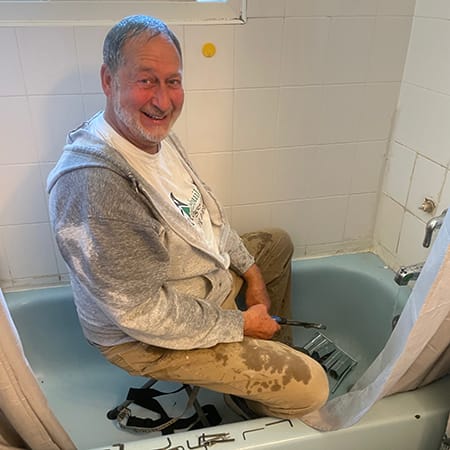
Even as he’s showered on, Steve fixes a plumbing issue.
What inspired you to get started with this initiative?
When my two kids were young, I coached Little League and was treasurer for a number of years. And through my temple, at times, we would volunteer. But mostly, I worked. When I sold my business and eventually retired, I was looking for something else to keep me busy and out of my wife’s hair. I’d heard about Rebuilding Together Long Island and signed up. I started working one day a week doing different jobs. Then, it went to two days a week. Then, around the pandemic, the person who was coordinating Suffolk County left, and I, by default, took over.
Tell us about your volunteer role with Rebuilding Together Long Island.
A lot of clients are referred to us via Suffolk County for the Aging, the Veterans Administration and churches. If they qualify, a home visitor creates a report that comes to me with information about the client, the house and what they need done. Ultimately, I visit the client to test outlets, run water and look for leaks and other things. I make a list and tell them what we can and can’t do. We have a lot of guys with skills, but we’re not contractors.
Next, I email my volunteers a plan and see who’s going to be available. In the meantime, I make my shopping list. Part of my shopping happens in my garage. I have a lot of stuff. The rest I pick up.
I contact the client about when we’re going to be coming, and then we all meet up to do our physical work on Tuesdays and Thursdays. I general contract the job. I do less myself than I used to, because I have a bad back, but I go around and help. When I go home, I write it up and enter it into the computer system. I write up the volunteer hours for each person. Then, I gear them up for the next job. Rinse and repeat.
What’s been the most rewarding part of your work?.
Our last client was beside herself that we did all these things. Some items weren’t even on her list, but I saw things that needed to be done. What makes it rewarding is knowing that you’re making their lives better. She had a leak under the kitchen sink. Before we put in a new faucet, she had the water turned off and washed pans in the bathroom.
When something breaks and people don’t have the skill to fix it, or money to have it fixed, it stays broken. One thing after another breaks, and it becomes insurmountable. Then, they get referred to us or they find us, and we fix things that have been broken, some for years.
Some people have family or people who help them, and some don’t. Many are alone. Some people have a very hard life. We get nice letters now and then from people thanking us. I send scans of them to my whole crew, because it’s uplifting. It’s very fulfilling helping our neighbors.
Steve takes a break with a fellow crew member.
What have you learned through your experiences as a volunteer?
I’ve been doing this for almost nine years. I knew stuff to begin with, but I’ve learned a lot more. We teach as we go along, too, because why not? It helps volunteers contribute in more ways when we go to a house. One guy who had never installed the dishwasher in his life is now my dishwasher guy. Everybody has a specialty.
Why is it important for others to get involved with causes they care about?
The term Tikkun Olam means, “Repair the world.” Each one of us has an individual obligation to do so. I have something in my cell phone case that says, “The futurist had taped to the wall, ‘What is my job on this planet? What is it that needs doing, that I know something about, that probably won’t happen unless I take responsibility for it?’” That’s volunteering.
I ran a pretty substantial business with many employees and customers and 26,000 items in my warehouse. I can do this. Plus, we have a great time.
What do you want people to learn from your story?
It’s our responsibility to help those who need it. I’m lucky. My wife and I are comfortable and in decent health. My sons’ health is good. They’re both successful in their careers with wives and children we’re crazy about. Life has been good to me, but it’s not good to everybody. Some people are having a hard time. If I had made a different turn somewhere along the line, who knows? I think that’s the lesson.
TAKING STEPS TO MAKE LIFE EASIER FOR THOSE AFFECTED BY CANCER
Meet Daily Point of Light Award honoree Renee Lynn Scott. Read her story, and nominate an outstanding volunteer or family as a Daily Point of Light.
Renee Lynn Scott was shocked when she was diagnosed with cervical cancer at age 28. The special education teacher was undergoing infertility treatments to start a family with her husband, and her world was turned upside down. She and her husband had just built their dream home, and their lives were put on hold to deal with the onslaught of her disease. But facing cancer didn’t stop Renee from helping others.
After doing some volunteer work at a local cancer center, Renee realized that people living with cancer in her community weren’t having their needs met. Many who were working when they were diagnosed with cancer could no longer remain at their jobs, creating a significant financial burden for their families. In 2005, Renee established Stepping Stone Support, an organization dedicated to helping people affected by cancer.
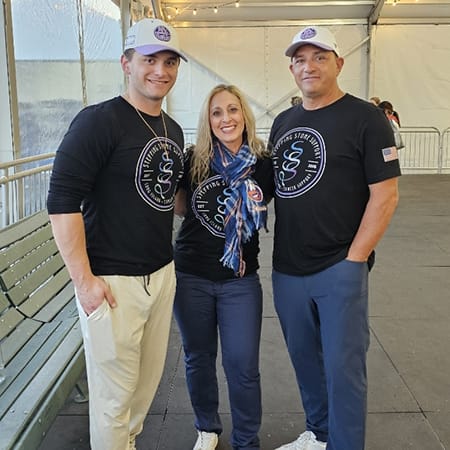
Two of the organization’s biggest components include Survivor’s Helper, a program that lessens the financial burden of the holidays on families dealing with cancer by providing wish list gifts, prepared meals, toys, clothing and gift certificates. The second component is the S.T.E.P. Program (Survivorship, Tone, Exercise, Personal Training), a free health and fitness program for those affected by cancer and their immediate family members. It follows Renee’s goal of promoting a healthy body and mind.
RENEE LYNN SCOTT (CENTER) SMILES ALONGSIDE HER SON BRENDEN AND HUSBAND CRAIG. /COURTESY RENEE LYNN SCOTT
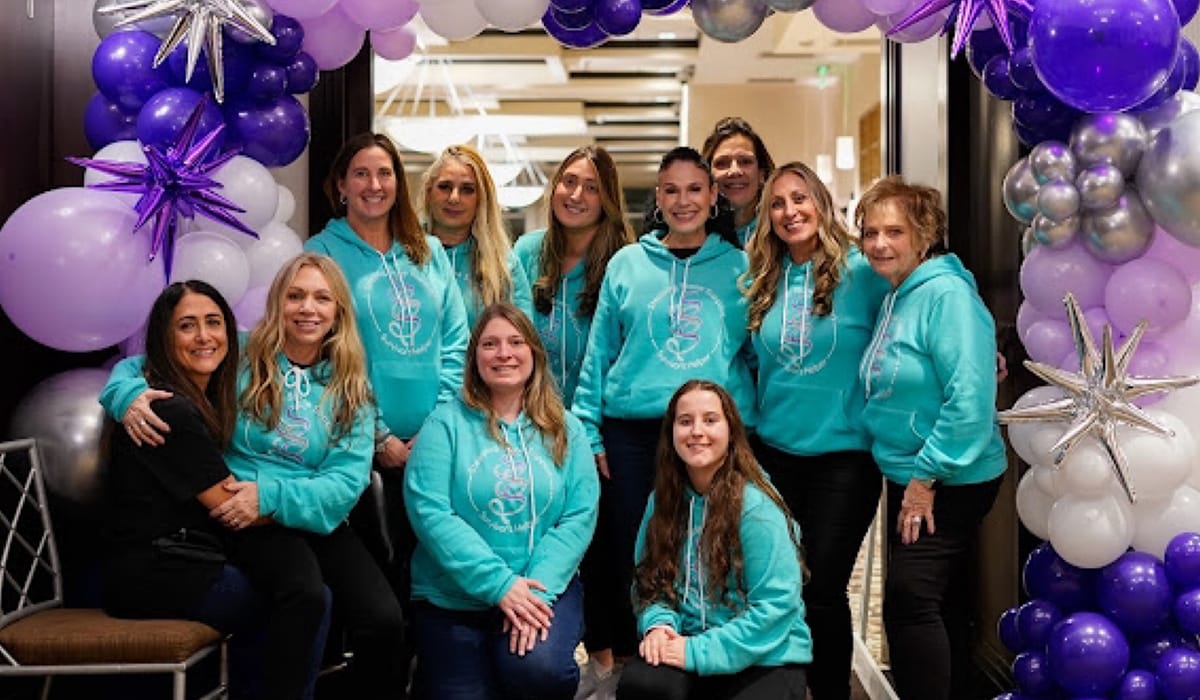
Renee’s passion for bettering the lives of people with cancer also comes with a goal to inspire young people to help others. She frequently brings young people into the organization to fulfill community service requirements, but sees them ultimately blossom into driven volunteers in their own right. In addition to raising thousands of dollars to support her mission, she has created a variety of community partnerships with area youth groups, businesses and other nonprofits to empower people, young and old, to make a change in the world.
Renee just celebrated her 25th year cancer-free and has established a force for good within her community. Her story of turning a terrifying journey through cancer into a lesson on how to help others shows how influential volunteer work can be.
What inspired you to get started with this initiative?
I was diagnosed at 28 years old with cervical cancer while my husband and I were starting our family. I had always done volunteer work, but I was diagnosed with cancer while I was just beginning my teaching career. We were in the middle of starting our family, and I was going through a lot of infertility treatments after a miscarriage and some IVF treatments. I was diagnosed with aggressive cervical cancer, and my life was completely upended. After I had several surgeries, I started doing some volunteer work and saw a need in the community that wasn’t being addressed to provide support and resources to people. There were a lot of resources available for lower-income individuals, but not for middle-income individuals.
Tell us about your volunteer role with Stepping Stone Support.
I volunteer anywhere from five to seven days a week. Sometimes it’s two hours a day, other times it’s 10. I run the entire charity. I’m networking daily with local businesses. I meet with different businesspeople to share ideas about how to get them involved in our mission. I run all the social media. I do all the marketing and have committee meetings. I meet with youth groups to engage our youth volunteers. Two years ago, we opened a fitness center to offer free personal training and nutrition coaching to cancer survivors and their family members to help promote a healthy body and mind.
What are your long-term plans or goals for the organization?
Our long-term goals are to get enough funding to create a larger fitness center that includes an area where our Survivor’s Helper recipients can come help others. We collect and wrap gifts during the holidays, so we would like the opportunity to have a bigger space. But with rent being so expensive on Long Island, it’s been very challenging for us.
What’s been the most rewarding part of your work?
The most rewarding part is seeing how involved my son has been from the time he was 3 years old. His involvement and the support of my husband and my family have been unwavering. That is so rewarding to me, but to also see so many families that we’ve adopted come back and want to help, even if we’ve lost a cancer survivor. The family members have come back and become part of our committees. That’s how many people believe in our mission and want to support the cause.
What have you learned through your experiences as a volunteer?
I’ve learned that through loss and tragedy, we can use that significant trauma in our lives to truly find the need in the community and change what’s happening. I think it’s important that people use their own stories and their voices to make a positive impact. Even if they don’t think that they can, they truly can make such a huge difference in the lives of other people by just showing support, compassion and empathy, and giving whatever they can of themselves.
RENEE LYNN SCOTT (SECOND FROM RIGHT) IS JOINED BY HER VOLUNTEER COMMITTEE AND SEVERAL YOUTH VOLUNTEERS ON FAMILY VOLUNTEER DAY. /COURTESY RENEE LYNN SCOTT
Tell us about future partnerships, programs or events that you are excited about.
For our 20th anniversary, we’re going to be having a charity concert with the New York Rockabilly Rockets. We’re very excited about that. And then we have our annual Family Volunteer Day every November to kick off the season of giving. We’re looking forward to that.
Why is it important for others to get involved with causes they care about?
It’s about connecting people with the community. I think that it’s so important for volunteers to get involved. If adults get involved, they show the youth how to think about what they can give of themselves. They’re able to see what other people are doing in the community to make a positive impact, and it may positively impact them to want to continue to contribute. I’ve seen that over and over.
What do you want people to learn from your story?
I think it’s important that everybody takes a look at what’s happening in the community, and whether they see something that they feel needs to change. If their own story can help create that change, they should follow up on that and not just look the other way. If you feel like what you’re going through and what you’re suffering from can be used to create positive change, then try to do something about it. Whether it’s partnering with another nonprofit or creating one on your own, like I did, I think that it can help you heal.
Overnight Angels: How This Volunteer Helps Rescued Pets Reach Their Forever Homes
Meet Daily Point of Light Award honoree Bob Potemski. Read his story, and nominate an outstanding volunteer or family as a Daily Point of Light.
When it comes to saving the lives of pets being rescued from euthanasia, every mile matters—and every stop along the way can be the difference between stress or comfort, fear or reassurance. For Bob Potemski, each stopover is a carefully choreographed act of compassion. As the Transport Stop lead for Best Friends Animal Society’s Kansas City location, Bob ensures that every transport of homeless dogs and cats traveling from overcrowded to no-kill shelters goes off without a hitch.
Since 2019, Bob has been the heart and soul of these crucial stopovers, coordinating dozens of volunteers, streamlining logistics and providing care to hundreds of animals each year. It is his responsibility to recruit, train and supervise groups of volunteers to help with these tasks, as well as oversee each detail during the actual transports. These overnight breaks aren’t just pit stops—they’re moments of care and comfort that give vulnerable animals the strength to finish their journey.
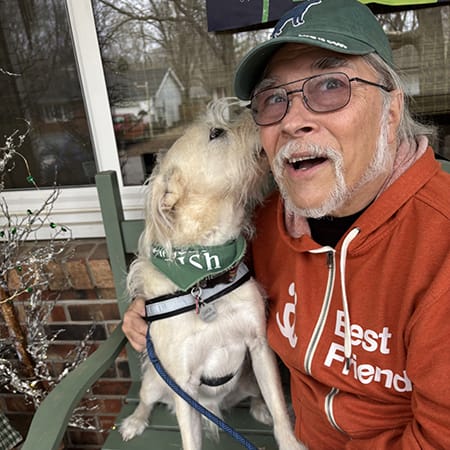
“I’m a volunteer at heart,” Bob reflects. “I’ve volunteered in a number of different capacities with a number of different organizations. I’ve always been an animal person and have a dog and a cat myself. I saw a posting on Volunteer Match in 2019 about the transport help needed. This was in the infancy of the program. I signed up, and after my first volunteer experience, I saw opportunities for a bit more structure, which I shared with the organization. They asked if I’d like to take that role on, so I did.”
Bob and his own rescue dog, Damon.
The first few times Bob led the initiative, he saw three to five volunteers show up. Now, the program has as many as 12 to 15 volunteers per transport—which means a lot more individual attention for the pups. After all, a typical transport is a whirlwind of planning and precision, as well as care. Bob begins recruiting volunteers three weeks in advance, monitoring signups daily and launching new efforts if needed. As transport day nears, he receives detailed rosters and diagrams from the sending shelter (usually in Houston, Texas) and uses that data to create customized signs for each animal. On the night of the transport stop, Bob leads the volunteer team in unloading crates, walking dogs and ensuring every pet gets food, water and a clean, cozy place to rest.
From 6 p.m. on Friday to 8:30 a.m. Saturday, Bob is on duty, managing teams, caring for animals and troubleshooting any issues that arise. He helps with difficult cases, making sure all volunteer and animal safety protocols are being followed, supervising the feeding, walking and cleaning operations, and performing other duties as required. Remarkably, no serious incidents—like escapes or injuries—have occurred under his leadership. And that’s a testament to his thoroughness and calm under pressure.
“The most rewarding part is when we can make a connection with an individual dog, one who’s scared or stressed,” Bob shares. “One dog comes to mind from about a year ago. He was cowering in a back corner of his cage and wouldn’t respond to treats or interaction. I opened up his crate door, laid down on the ground and talked to him in a soft voice. I told him that I was sorry for whatever happened to him in the past to make him afraid of people, but that part of his life was over and he was with people who cared about him now. He took a couple steps forward, then shrunk back, then took a couple of steps of forward and finally bounded out of his cage and started licking my face. I think he finally understood that not every person in this big world was out to mistreat him. That’s happened a lot, where they’re afraid and they’re under stress, confused and disoriented, and we can connect with them and let them know they’re in a safe place and good hands now, and that their life is going to be different.”
But Bob’s efforts don’t end with the transport itself. He also documents the events through photography for marketing purposes, logs volunteer hours and sends thank-you messages and recognition to the incredible teams who make these lifesaving trips possible. This dedication builds a sense of community and purpose among the volunteers he leads. Bob’s work is instrumental to Best Friends Animal Society’s mission to make America no-kill by 2025. Since August 2021 alone, close to 1,200 dogs and cats have been saved through the Kansas City transport stopovers—none of which would have been possible without Bob’s behind-the-scenes leadership and tireless attention to detail.
“I want people to understand that the condition of overpopulation in our animal shelters is still a major issue,” Bob says. “Our shelters are full. While taking on an animal as a pet is a big commitment, it’s such a worthwhile one. Pets make no judgments, ask no questions, offer nothing but love in so many cases. If you have reservations about adopting a pet, I encourage you to investigate it. And volunteering is a great way to do that. It’s a great way to interact with them without parenting them. And then, once you get a taste of that, it may make it that much easier to adopt when the time comes.”
When he’s not busy with transports, Bob still finds time to support the organization through administrative and IT volunteer work. His multi-faceted contributions demonstrate that even the most complex challenges—like ending pet homelessness—can be chipped away it, through dedication, compassion and the will to make a difference. For the animals resting safely on their journey to a new life, Bob is nothing short of a guardian angel.
Bob’s commitment is clear when he shares, “I’ll do transports as long as they find it’s an effective way to move animals from the circumstances they’re in to better circumstances.”
Meet Daily Point of Light Award honoree Nivita Thomas. Read her story, and nominate an outstanding volunteer or family as a Daily Point of Light.
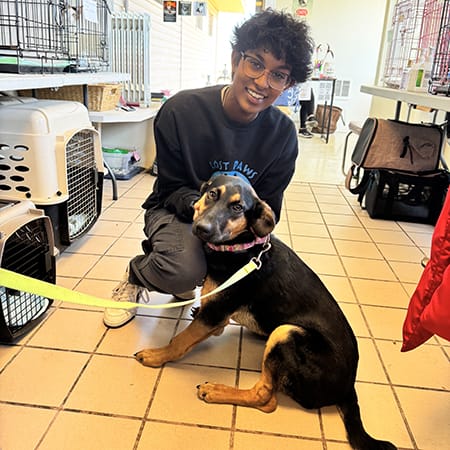
Nivita Thomas has always loved animals. As a young child, Nivita frequently asked her parents if she could have a dog or cat. While her parents resisted ownership, they allowed Nivita to dip her toes into working with animals. Several years later, the endeavor stuck. Now 17 years old, Nivita has spent the last three years volunteering with Lost Paws Animal Rescue, a group dedicated to rescuing unhoused animals and placing them in loving homes.
Initially, Nivita found balancing schoolwork on top of her volunteering schedule to be quite challenging, but she’s gotten into a flow these days. However, Nivita’s mom keeps an important rule in check: If the homework is not done, Nivita can’t foster a dog over the weekend. In addition to performing the necessary tasks that come with helping care for dogs, like taking walks and doling out kibble, Nivita has fostered over 40 dogs during her time as a volunteer with Lost Paws.
NIVITA THOMAS SMILES FOR THE CAMERA ALONGSIDE NEEMA, A FURRY FRIEND SHE FOSTERED AT LOST PAWS ANIMAL RESCUE. NEEMA NOW HAS A FOREVER HOME. /COURTESY NIVITA THOMAS
Recently, Nivita fostered a pup named Neema who has a deformed leg. While Nivita was thrilled to see Neema be adopted and go off to live with a family, it was bittersweet to let go of a dog she grew so close to. Nivita’s relationship with the special dog is a strong example of how passionate the teen is about helping animals live the lives they deserve.
In the last six months alone, Nivita has dedicated over 300 hours to volunteering with Lost Paws Animal Rescue. Her role as a volunteer goes far beyond simply being an animal lover. Instead, it’s serving as an advocate for a population that can’t speak for itself. Nivita’s dedication at such a young age shows that anyone can make a difference if they’re truly passionate about helping others.
Tell us about your volunteer role with Lost Paws Animal Rescue?
At Lost Paws, I assist with microchipping, I make calls and I help maintain the area by cleaning out cages and other maintenance tasks like that. I verify medical records, walk dogs, collaborate with other volunteers and staffers, and make calls to vets to ensure that the person can maintain an animal if they already have one. It’s so rewarding seeing the animals go to good homes.
What inspired you to get started with this initiative?
At a very young age, I was based around animals. I always wanted a dog or a cat. My parents initially said no. Volunteering with animals drives me. It gives me a purpose, and it gives me a goal and a plan for my future. It’s just magical being around them, especially in rescue work, where you meet animals who’ve been abused, on a euthanasia list, returned or not wanted. I’m very happy building trust with them and keeping them in my house.
What are your long-term plans or goals for the organization?
We want more of a stable position, because at this point, we are moving here and there and it’s very difficult with the equipment we need to bring. I think right now, our goal is to have a spot where we can stay instead of moving back and forth. Our long-term goal is to get transportation and stuff like that for the animals because we transport animals from down Georgia.
What’s been the most rewarding part of your work?
I think the most rewarding part of my work is seeing the dogs go home to a house every single day. I know some rescues aren’t like that. Some rescues use kennels. Knowing that an animal is going to a loving home every single night and is sleeping under a warm roof and all of that – it’s really rewarding seeing that happen.
What have you learned through your experiences as a volunteer?
As a volunteer, I’ve learned that there are a million different ways to perceive a situation. Seeing animals come in, we don’t know what they’ve been through, what they’ve seen or what’s happened to them. Learning to be slow with them, learning to adapt to what they need – that’s a lot that I’ve learned. Also, I’ve learned a lot about talking to people. No one person is the same, so it’s different when you’re approaching an older couple versus a younger person.
Why is it important for others to get involved with causes they care about?
Each one of our communities always has needs. There is a learning process about how to go about doing things in the beginning, but once you find something you’re passionate about to advocate for, which in my case is animals, then it becomes like second nature to you. I think it’s also very important for me because animals don’t have a voice, and they can’t speak for themselves. It’s a way to find purpose.
Any advice for people who want to start volunteering?
I heard dogs in the back, and asked my mom if we could check it out. We asked a couple of questions here and there about how to get into volunteering. My biggest advice is to just go for it. Just shoot for it, no matter if it’s in a call or an email. Just go for it, because it is very rewarding, and it might go your way.
What do you want people to learn from your story?
I want people to learn that one person can make all the difference. When I first started, I was just cleaning cages and all that. But now, when helping microchip and vaccinate and working with transport calls, it’s nice to see everybody else I work with get a little break because of what I can bring to them and what I can help out with. It’s good to help the people around you.
Meet Daily Point of Light Award honoree Katie Fessler. Read her story, and nominate an outstanding volunteer or family as a Daily Point of Light.
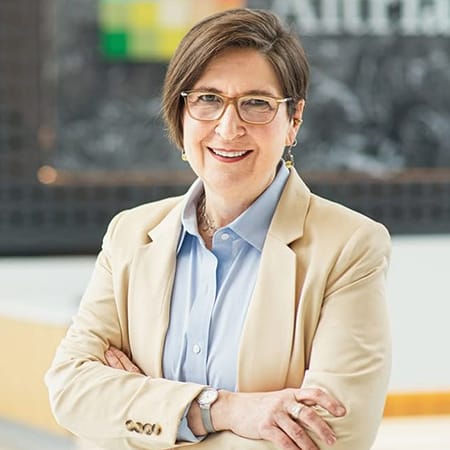
Katie Fessler is a changemaker. Throughout her professional life working in corporate social responsibility with Altria, Katie Fessler guided many by demonstrating how important it is to help others. But outside the office, Katie put that same passion for community service to work and ultimately bettered the world. Possessing expertise in both the artistic realm and youth development, Katie’s volunteer work is a strong demonstration of what it means to be a person of action.
For more than six years, Katie served as a board member at SPARC, the School of the Performing Arts of Richmond Community. Already a devoted volunteer leader in Richmond’s philanthropic community, Katie was an essential component of the SPARC team as they made a significant shift toward their mission of creative youth development. She was instrumental in completing several national searches for essential roles within the organization, including finding a new executive director when Ryan Ripperton planned to depart the role. That 10-month process was complicated by the pandemic, requiring remote interviewing and careful social gatherings. But with Katie’s help, the process was a success.
Katie Kessler is a devoted volunteer leader in Richmond’s philanthropic community.
“Katie pursues what she believes in, and she teams up with people who believe the same,” says Ryan, who has known her for 14 years.
In addition to her dedication to SPARC, Katie has put in hundreds of hours of work for other organizations in the Richmond area, including the Richmond Triangle Players, a nonprofit professional theatre company, and the Greater Richmond Chamber Foundation. While there is a laundry list of organizations that count Katie as a dedicated volunteer, the list of organizations that wish they could have Katie on their team is even longer.
“I think that she is just a person who recognizes that if you put your energies toward the things that you’re passionate about, and you leverage those in the right way at the right time in the right place, you can change the world,” says Ryan.
Katie’s tenacity is deeply admired by colleagues, peers and fellow volunteers. Her understanding that people can accomplish much more if they work together is a passionate example of how volunteering can revolutionize a community.
Meet Daily Point of Light Award honoree Laurentia Woo. Read her story, and nominate an outstanding volunteer or family as a Daily Point of Light.
Laurentia Woo, 17, is a talented violinist on a mission. She’s classically trained and has been in pre-college programs since she was 4 years old, first at Hong Kong Academy of Performing Arts, then at the Colburn School in Los Angeles upon moving to the U.S., and now at Julliard in New York. These audition-based programs offer Saturdays full of lessons, orchestra, chamber music and theory.
A few years ago, she fell in love with contemporary classical compositions, a genre she’d previously cast aside, and was changed. Attempting to share her discovery, Laurentia founded the Clexical Foundation by making a website and hosting composer interviews as the world started emerging from the pandemic. The goal was—and is—to make contemporary classical music more accessible. Today, along with her ambassadors, Laurentia fosters greater awareness and appreciation of the style, expands access to music education and creates performance opportunities that highlight underrepresented composers.
What inspires you to volunteer?
My first violin teacher, Jennifer Moberg, went to Afghanistan to teach kids violin when I was 7 years old. She inspired me to be a musician who uplifts my community, not one who only plays for themselves or for certain people. One day, I saw a flyer fundraising to build a music school in Myanmar. I grabbed two of my friends—a cellist and a pianist—and hosted a concert where we played trio works. We raised a few hundred dollars to donate and did a few concerts before I moved to Los Angeles. Ever since then, I’ve carried that responsibility—that as a musician, I should be contributing to my community.
What inspired you to get started with this initiative?
For a long time, I thought contemporary classical music was too atonal or ugly and dissonant compared to works by Bach or Mozart. That’s a stigma many children raised in this strict classical education system have. During my freshman year of high school, I participated in the Johansen International Competition in Washington, D.C. Jessica Krash wrote a piece for us called “The Imagined Wisdom of Bella Pavis” inspired by her great grandmother who had passed away, to have a conversation through the piece. I really connected to it. At that time, my own grandmother had recently passed away.
I realized that we shouldn’t have this stigma towards new music, because it truly reflects the emotions we’re having in the current times. Many kids, like me, whose mindsets are so ingrained about new music bring unapproachable, end up not exposing themselves to these kinds of experiences. It’s important to make it accessible in education systems, not only the elite ones but in every part of musical education and to kids who may not even have access to these schools. That’s why I started Clexical.
Tell us about your volunteer role with Clexical.
As the founder and president, for like three years from the beginning, I managed everything by myself. I did about 30 composer interviews discussing their creative processes and recently published a book based on them. I was writing all of the news articles and posting seminars at schools and libraries near me. Then, I realized this could also be useful to kids without any accessibility to this genre, so I partnered with El Sistema, an organization doing work to help children and underserved communities get musical education. I now host composition workshops and contemporary music workshops for those children to be able to compose their own music and better understand the music of today.
As Clexical started to gain traction, my peers wanted help. Now, I have around nine team members, or ambassadors, in the U.S. and Canada who conduct interviews and contribute to news articles about new compositions and events. Through our buddy program, our ambassadors offer one-on-one sessions with children interested in learning about composition and interpreting new music. Ambassadors also host workshops and champion the mission in their own areas. My role has become helping them carry out their own events and missions as well.
Tell us about future partnerships, programs or events that you are excited about.
I’m really looking forward to the concerts scheduled for the Clexical ensemble made up of a few of our members. We play new music by student composers or famous living composers. We’re also planning a free online summer camp providing new music education, composition, ear training, music theory and new music interpretation classes. We work with all ages, but the majority of people are 7 to 12 years old.
What’s been the most rewarding part of your work?
One of the best experiences was the first workshop I held with El Sistema with about 30 kids, 7 to 18 years old. They were all heavily invested. Some of the little kids started improvising and composing their own little melodies after we taught them how. The older kids really enjoyed listening to the new music being produced today, especially things with technology incorporated. Seeing people of such a wide age range truly enjoying and immersing themselves in this art form and finding their own voice within it was very moving.
What have you learned through your experiences as a volunteer?
Contemporary music thrives on conversation and community. It’s important that we keep engaging with it, whether it’s by performing, listening, teaching or even advocating. It helps the field become more vibrant and inclusive. I’ve always thought of Clexical as a lifelong project. Contemporary music is the future of classical music. It’s important that people can become involved with it and help shape what it’s going to become so that it continues to evolve and reflect the diverse voices that we have across the world.
What do you want people to learn from your story?
I had no experience building a nonprofit. But no matter how young or inexperienced you are, if you have passion, vision and goals for what you want to change in your community, it can happen. You can grow and achieve every one of those goals.