Teen Founder Takes Hot Car Safety From Backseat to City Hall
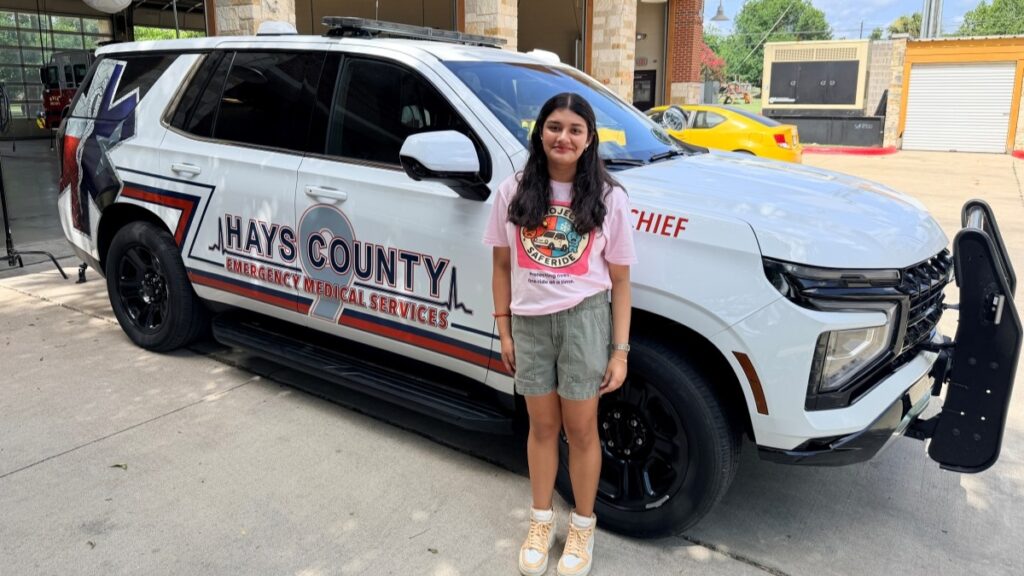
Sailee stands in front of a Hays County EMS vehicle on the set of a heatstroke awareness PSA in Kyle, Texas./ Courtesy Sailee Raja
MeetDaily Point of Light Awardhonoree Sailee Raja. Read her story, and nominatean outstanding volunteer or family as a Daily Point of Light.
Since 1998, more than 1,000 children in the United States have died after being left in hot vehicles, with each one of those tragedies being preventable. Sailee Raja first learned about the danger when she was 7 years old, when she moved from California to Texas and noticed how intense the heat could be inside a parked car.
Now 17 and a high school senior in Cedar Park, Texas, Sailee founded Project SafeRide in June 2025 to teach families to check the backseat for children, pets, even groceries. Since then, the youth-led initiative has launched a free reminder app and expanded its outreach to 30 cities across the country.
What inspired you to start Project SafeRide?
I was born and raised in California, and when I moved to Texas at 7, I immediately noticed that the heat was on a completely different level. As I learned more about the dangers of extreme temperatures inside parked vehicles, I was shocked by how quickly a routine moment can turn into a preventable tragedy. What surprised me most is that these deaths are 100% preventable, yet a lot of people believe it’s rare and would never happen to them. That’s the biggest problem.
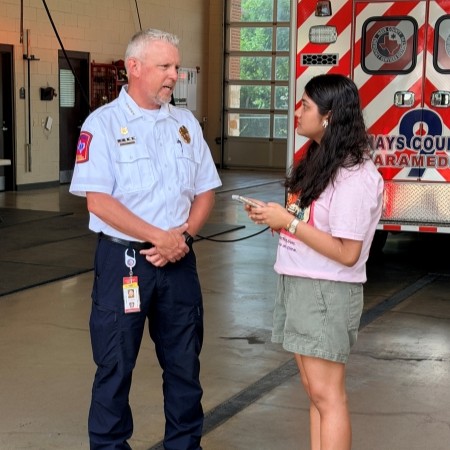
Sailee talks with Chief Hill of EMS District 9 in Kyle, Texas./ Courtesy Sailee Raja
What inspired me to act was realizing that awareness can make a difference. Something as simple as building the habit of checking the backseat can help protect children, older adults, people with disabilities, and pets. I wanted to turn a simple safety reminder into a larger effort focused on education, advocacy, and prevention.
What does your role as founder involve?
My role mainly includes community outreach, government advocacy, public education, and program development. I work directly with local and state leaders to raise awareness about pediatric vehicular heatstroke and advocate for clear hot car safety policies. I also coordinate awareness efforts with cities, participate in community safety events, create educational campaigns and resources online and offline, and build partnerships with first responders and other community organizations. On top of that, I manage Project SafeRide’s day-to-day operations.
How do you spread the word in your community?
Social media is Project SafeRide’s biggest tool. We have multiple campaigns going, including the Zero Series, the Billboard Series and Look Before You Lock. I also attend community events at elementary schools and around holidays like July 4 and Christmas. When I talk to parents, I hand them a small card with the Project SafeRide name and a QR code so they can learn more about what we’re working toward.
How has Project SafeRide grown since you launched it in June 2025?
At first, it was just social media and getting the app out so people could use it. Around March 2026, it grew into government advocacy. I gave a public comment at my local city hall about hot car awareness, and that led to a proclamation recognizing May 1 as Hot Car Awareness Day. I also worked with the city of Kyle, Texas, on a heatstroke PSA, which led to another proclamation. Since then, I’ve been working with cities across the country, and we’re now in 11 states, doing things like PSAs and public comments that lead to proclamations recognizing Hot Car Awareness Day.
How do you get adults and officials to take a student advocate seriously?
I love this question because I’ve experienced not being listened to by adults. My biggest advice is to know your subject. Being really immersed in it helps you advocate to adults. I’ve done a lot of research on hot car deaths, and that’s how I’m able to speak at city hall. If you’re starting out as a young changemaker, it’s important to know your concept really well.
What’s been the most rewarding part of your work?
Seeing this idea turn into real-world impact, whether that’s working with city leaders, collaborating with first responders, or speaking with families at community events. People have come up to me and said that whenever they see something about hot car deaths, they remember our social media campaigns. Knowing that a simple conversation or reminder could save a life is what means the most to me. I also love seeing young people realize they don’t have to wait until they’re older to create meaningful change.
What are your long-term goals for Project SafeRide?
I want to grow it into a bigger national safety initiative that combines education, advocacy, and technology. I hope to keep expanding community partnerships and working with government leaders on clear vehicle safety policies. I’m already working with the Texas Senate on this, and I’d like to work with even more states. Ultimately, success would mean fewer preventable deaths and a culture where checking the vehicle before walking away is just normal.
Any advice for people who want to start volunteering?
Start with something you really care about, and don’t wait until you feel completely prepared. You don’t need a title, a large organization, or years of experience to help someone. Reaching out to a local organization, attending a community event, or simply offering help is community service. My biggest advice is to start small, stay consistent, and be willing to learn. And just like I mentioned earlier, know your subject really well. Some of the most meaningful opportunities come from taking initiative.
What do you hope people take away from your story?
You don’t have to be a certain age to start volunteering or making positive change in your community. You can start whenever you’re passionate about something and ready. Age shouldn’t be a barrier, and I hope people check the backseat.
GIVING STRESSED FAMILIES ONE LESS THING TO WORRY ABOUT
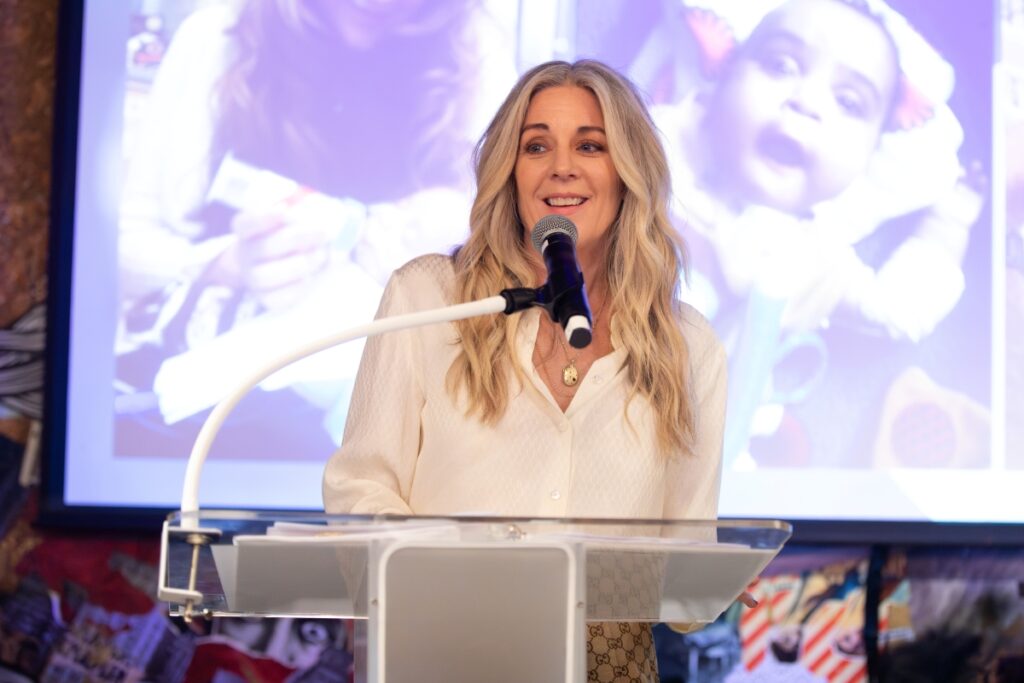
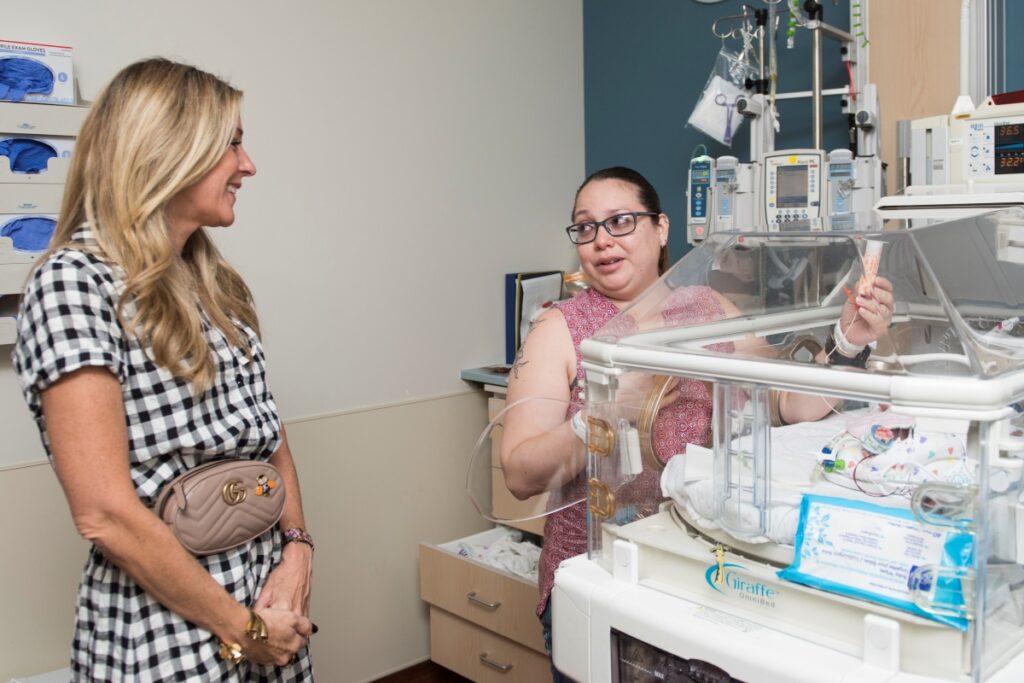
CARRIE MEGHIE, CO-FOUNDER OF THE JACKSON CHANCE FOUNDATION, SPEAKS AT THE PODIUM AT THE ORGANIZATION’S ANNUAL PING PONG BALL. /COURTESY CARRIE MEGHIE
MeetDaily Point of Light Awardhonoree Carrie Meghie. Read her story, and nominatean outstanding volunteer or family as a Daily Point of Light.
Carrie Meghie always says that her son Jackson was as special as his birthday is unique. Born on November 11, 2011, at 11:11 p.m., Jackson spent his whole life, except for 48 hours, in the neonatal intensive care unit at two different hospitals in Chicago before he passed away just shy of 10 months old.
In the first six weeks her son was in the hospital, Carrie and her husband spent almost $2,000 on parking. Seeing how much of a financial burden that cost can be, they created the Jackson Chance Foundation to help other families have the opportunity to be with their children who are in the NICU as much as possible. The foundation provides families with a 24/7 unlimited in-and-out parking pass so they don’t have to pay for the expensive hospital parking during that challenging period. They can leave to go walk their dog, go to a meeting, and come back at lunch, instead of paying every time they leave the garage.
Carrie’s dedication to the Jackson Chance Foundation has allowed the organization to thrive, and they’re entering a period of tremendous growth. They just hired a new Executive Director, which will allow Carrie to dedicate more volunteer time to expanding the organization’s reach.
While Carrie’s story may be one of intense sadness, it’s also one that provides her with tremendous satisfaction. She sees the opportunity to provide family members with parking as a special way to honor her son and let his memory live on. While losing a child is heartbreaking, Carrie’s volunteer work allows her to celebrate and talk about him, while also impacting other babies like him. Her powerful personal story and determination to turn a painful situation into an opportunity to help others show just how influential volunteer work can be.
What inspired you to get started with this initiative?
My husband and I started the Jackson Chance Foundation in honor of our son, Jackson. We provide parking and transportation for families in the NICU. Parking was our largest out-of-pocket expense when we were in the hospital, and we were truly shocked that it actually was a real obstacle that prevented families from being with their babies when they were in the hospital fighting for their lives. We were very fortunate and blessed to be able to be with him each and every day and had support to help pay for that and be there, and we really believe that contributed to how much happiness and joy he had while we were in the hospital. We wanted to give other families and other babies like Jackson that gift to be able to have a loved one with them 24/7.
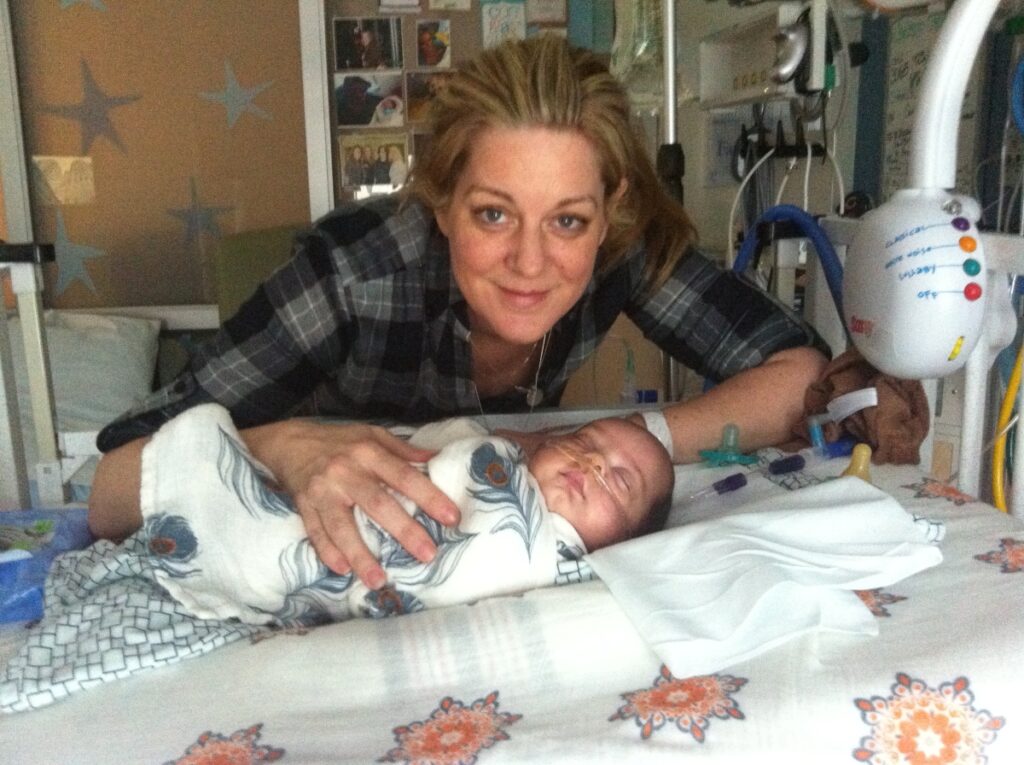
CARRIE MEGHIE, CO-FOUNDER OF THE JACKSON CHANCE FOUNDATION, SMILES WITH HER SON JACKSON IN THE HOSPITAL. /COURTESY CARRIE MEGHIE
Tell us about your volunteer role with the Jackson Chance Foundation.
It varies. We have been a very lean organization since inception until about a year ago. We had one employee, and I was very hands-on, leading the organization day-to-day and working with our board. I’m thrilled that we have a new Executive Director starting in October, which will take the day-to-day and the organization to the next level. We’re at a great growth point. I think my role will change at that point to be more board leadership, fundraising, and mission-focused.
What are your long-term plans or goals for the organization?
We recently launched at our fourth hospital in Chicago just last month, which was a great milestone, and we now cover the primary hospitals in Chicago that serve the NICU population. The next step is looking outside Chicago. We’ve done a little bit of work in LA with Cedars-Sinai. We have other top hospitals across the country that have reached out looking for us to support their NICUs. Growth outside of Chicago is the next phase.
What’s been the most rewarding part of your work?
Hearing from families. Every year at our annual event, we have a mission family who is a family very similar to us, and they often say that we knew what they needed before we knew it. We get to hear them talk about how the foundation allowed them to spend way more time and participate while their baby had a medical crisis, and how that really had an impact on the baby and the outcomes. Hearing firsthand from these families is just extremely rewarding.
CARRIE MEGHIE (LEFT) CHATS WITH SOMEONE IN THE HOSPITAL. /COURTESY CARRIE MEGHIE
What have you learned through your experiences as a volunteer?
I am used to running businesses, and I’ve learned a lot about the differences in running a nonprofit, as well as the similarities. I have learned that there are so many genuine, generous, amazing people in the community. We initially just wanted to raise a little bit of money to support families, and the organization really took a life of its own when people started donating. We were raising hundreds of thousands of dollars. Starting a big organization wasn’t the goal. The supporters and the donors dictated the direction it was going. It was amazing to learn and see the generosity of the community.
Why is it important for others to get involved with causes they care about?
We live in a world that’s a community, and what we do impacts each other. Even the smallest thing can have a significant impact on another family. A $10 donation to us can give a family a whole 24 hours with their baby, which can be very meaningful if they’re there at an important and critical time. Even the smallest things can have great impacts on people when they when they need it. It can have way more impact than you might realize.
Any advice for people who want to start volunteering?
Reach out to an organization whose cause you believe in and just do it. Just go for it, and you can always pivot or change if it’s not quite right. If you’re unsure, the best step is to just do it. Don’t hesitate. There’s no right or wrong way, and nothing’s permanent. Just reach out and try something.
What do you want people to learn from your story?
Even though it sounds like a really heartbreaking story because we lost our son, those were an amazing 10 months. We had so much joy, and I’m honored to have been his mom for even a short period. Don’t be afraid to talk about that loss. It shouldn’t be such a taboo thing for people to talk about.
Student Baker Serves Up Sweet Support for Her Community
Elisa Lei, founder and president of Charity Treats, turns her love of baking into homemade desserts for hospitals, shelters, and first responders across Chicagoland.
Meet Daily Point of Light Award honoree Elisa Lei. Read her story, andnominate an outstanding volunteer or family as a Daily Point of Light.
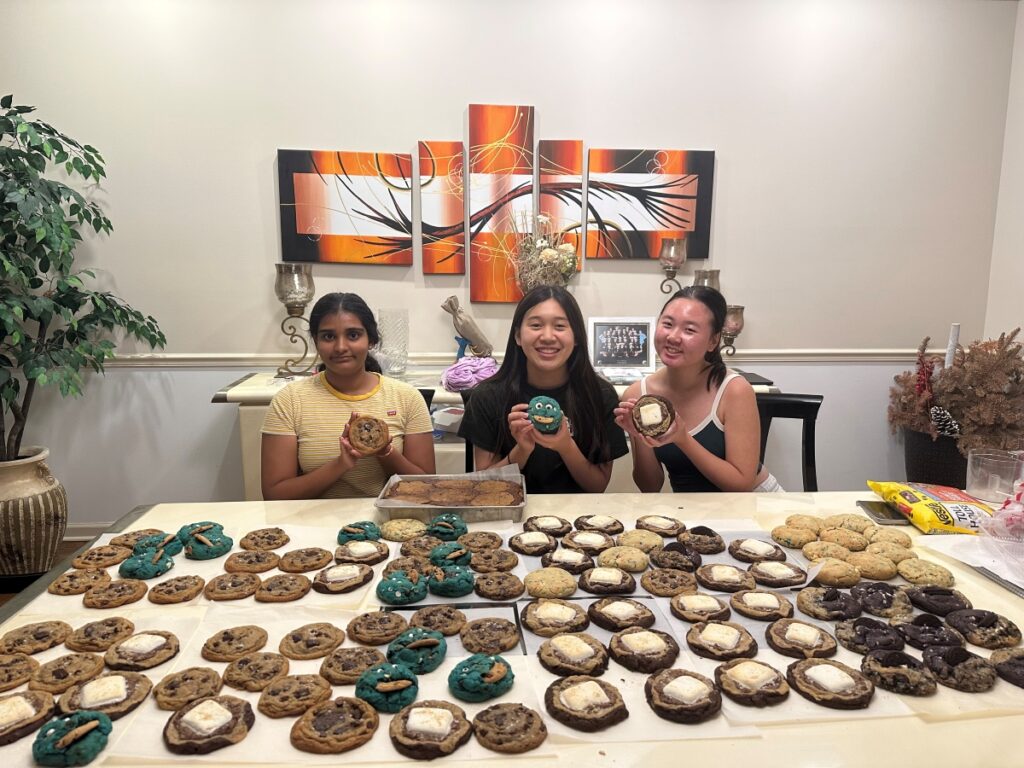
Elisa Lei has always loved watching someone light up after a bite of something she baked. Almost two years ago, the Chicago-area student decided that feeling shouldn’t stop with friends and family, so she co-founded Charity Treats, a student-run nonprofit that gives back through homemade desserts. Today, with two branches serving Chicagoland, the organization has delivered thousands of cookies to more than 25 organizations, including hospitals, homeless shelters, foster-care organizations, fire departments, and food pantries.
As president, Elisa spends about 20 hours a month planning events, coordinating volunteers, overseeing executive boards, and building community partnerships. She leads baking days for a different organization each time, runs fundraisers at farmers markets, and bake sales, and arranges every delivery. Across two summers, Charity Treats has raised more than $4,000, all reinvested in supplies.
Along the way, Elisa has learned that a strong team can accomplish far more than one person alone, and that her volunteers get better at baking every time. Some customers stop by just for a cookie and leave wanting to support the cause. For Elisa, the proof that a small idea can grow into real community impact comes out of the oven every time her volunteers gather to bake.
Working at nonprofits and volunteering as a board member for Washington County Foster Closet and the Homeless Services Coalition of Dane County, as well as serving as a crisis hotline counselor, give Jasmyne joy and purpose.
MeetDaily Point of Light AwardhonoreeJasmyne Bass. Readherstory, and nominatean outstanding volunteer or family as a Daily Point of Light.
Content Warning: Points of Light is proud to share the following uplifting and inspiring story. However, we acknowledge that portions may be difficult for some readers. We encourage you to please care for your own well-being above all.
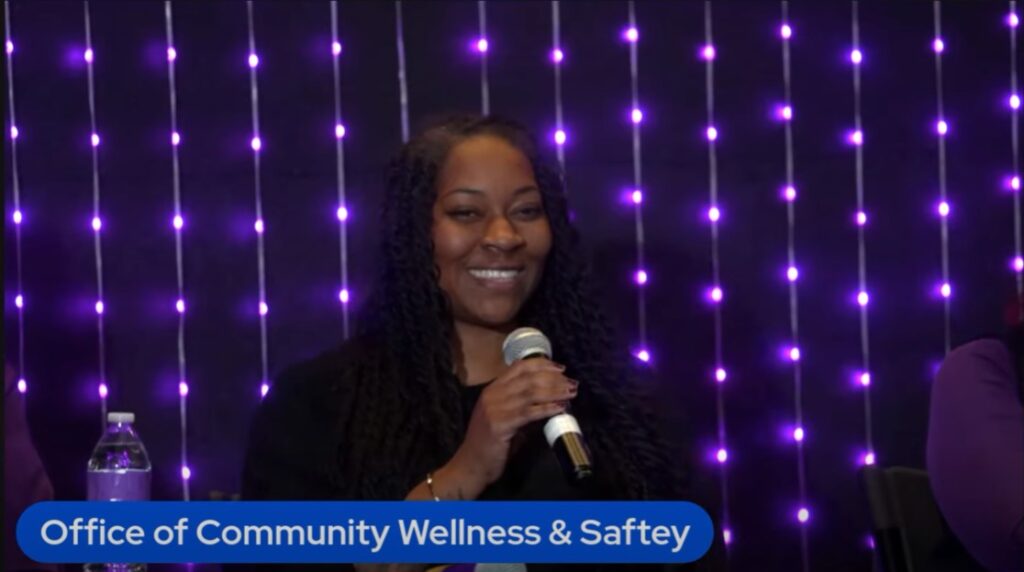
Jasmyne Bass, 36, has made a career out of helping others. Currently, she is an anti-violence advocate for the LGBTQ+ community. She’s the Multicultural Community Outreach Specialist at a sexual violence resource center, and she trains police on trauma-informed care. She’s also the Branding and Communications Coordinator for her statewide coalition to end domestic violence.
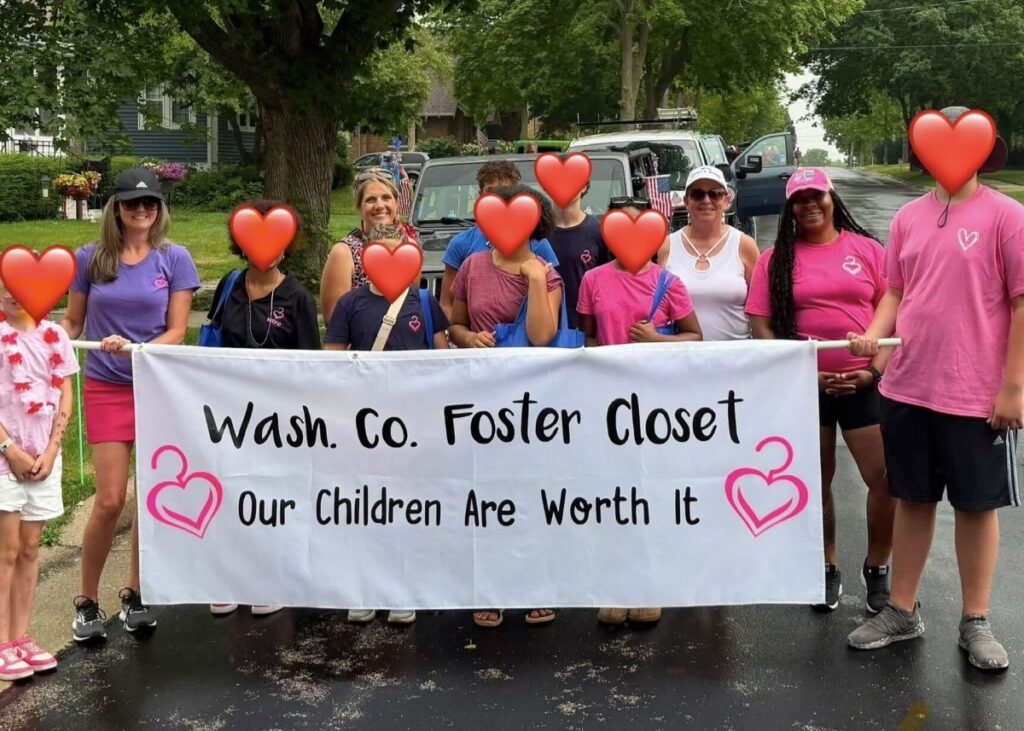
Helping others is inextricably entwined in Jasmyne’s “off” hours, too. As a mother of three, her kids are a priority, but she’s also been a foster mom, expanding her family to include someone who needed one. And she serves on the boards of the Washington County Foster Closet (WCFC) and the Homeless Serves Consortium of Dane County (HSC).
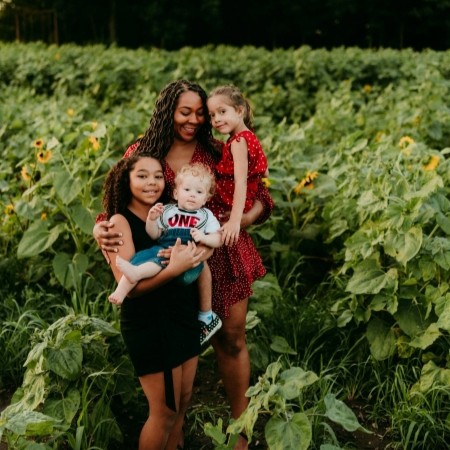
Jasmyne poses for a family photo with her children.
As a suicide prevention counselor for the Crisis Text Hotline, Jasmyne supports those in their darkest moments. Driven by lived experience, she uses her expertise to educate others through mentoring and presentations nationwide, highlighting issues affecting survivors of violence, historical trauma, and systemic harm as well as historically underserved communities.
Jasmyne’s dedication to change isn’t new. She has previously served on two other boards, one that ran a rehabilitation program for violent offenders and another that created space for LGBTQ+ people to build community in a conservative rural county. Nor is her commitment temporary. Her direct, one-on-one support changes lives, and her advocacy for systemic change will improve outcomes for years to come.
What inspires you to volunteer?
I was a foster youth, myself. I went to college for social work, intending to work with other foster youth, but after 200 hours of unpaid work at a domestic violence agency for my required practicum, I found my calling. I never left that work. But I did find my way back into the foster care system by becoming a foster parent and sitting on the WCFC board.
Tell us about your volunteer roles.
With WCFC, we discuss finances, trends, needs, and more at board meetings, and we talk to our volunteers. I support efforts that strengthen resources, visibility, and community support for foster families. Our board members do tabling as well. And if there’s an award that needs to be accepted or a bid for a grant, one of us will go.
We work closely with those in the Human Services building, with family courts and such, to connect with the people whom these decisions are affecting. Officially, we meet once a month, but we do a lot in between, like representing the organization in a local parade.
I also sit on the board for the HSC. We fundraise for local shelters and run a count of the unhoused every quarter to help us figure out the best way to allocate resources. We go over paperwork, listen to presentations, and vote on who gets funding.
As part of the Voices of Dane County Committee, I contribute to conversations and initiatives centered on representation, equity, inclusion. I ensure those with intersectional or marginalized identities have a voice and are being considered in decision-making.
Volunteering for the Suicide Prevention Hotline required specialized training. I answer my phone whether I recognize a number or not, because it could be coming through that line. Some days or weeks I’ll not get a single call or text, and sometimes I’ll get them back-to-back. When someone is contemplating suicide, I’ll send emergency personnel to them if there are high lethality indicators, or I’ll stay on with them until they either get connected with a trusted loved one or until they fall asleep.
Jasmyne Bass (2nd from right), her fellow Washington County Foster Closet board members and their children walk in the local Fourth of July parade.
What inspired you to get started with these initiatives?
Foster youth often fall between the cracks. I lived with the same family from age five to 18, but they made it clear it was not a long-term family situation. So, when I was 18, I had nowhere to go. I was unhoused until I was about 20 years old, when I got pregnant with my daughter.
My life is very good now, so I try to contribute to others through organizations that offer help but may not have that lived experience. I use that experience with the Suicide Prevention Line, too. I live with depression, and there were times when I’ve experienced the desire to end things. Knowing what I wish someone had said and what I needed at that time, I like to offer that space. I don’t often share my experience, because the focus should be on the person in crisis. But if they ask, I share, and there’s bonding that happens.
What’s been the most rewarding part of your work?
It’s the people I’ve met and being able to connect with them. And I’m seeing my work have an effect. We don’t see the final outcome when we do work, but when I volunteer, I do.
When I’m talking to someone on the hotline, at least in that moment, I know they’re okay. I get to see our foster families and hear about the connections being made. With the HSC, I’m making a difference with every vote I cast leading to more resources for the unhoused.
What have you learned through your experiences as a volunteer?
If you’re passionate about something, and you feel called to help, it can be as much or as little as you can give. It’s going to be appreciated no matter what.
Why is it important for others to get involved with causes they care about?
At the end of the day, it’s about uplifting and helping our community and everyone in it. This is self-care, because it makes you feel better mentally and emotionally. A lot of people are looking for purpose, so if there is a cause you feel passionate about, maybe your purpose is making yourself useful to that cause.
What do you want people to learn from your story?
Resilience and passion. We can take our experiences and do something positive with them. I could have easily let myself continue down a darker path. But instead, I took the things that happened to me and turned them into motivation to make things better for others, because I know what it’s like.
Turning Youth Silence Into Civic Action Across 17 Countries
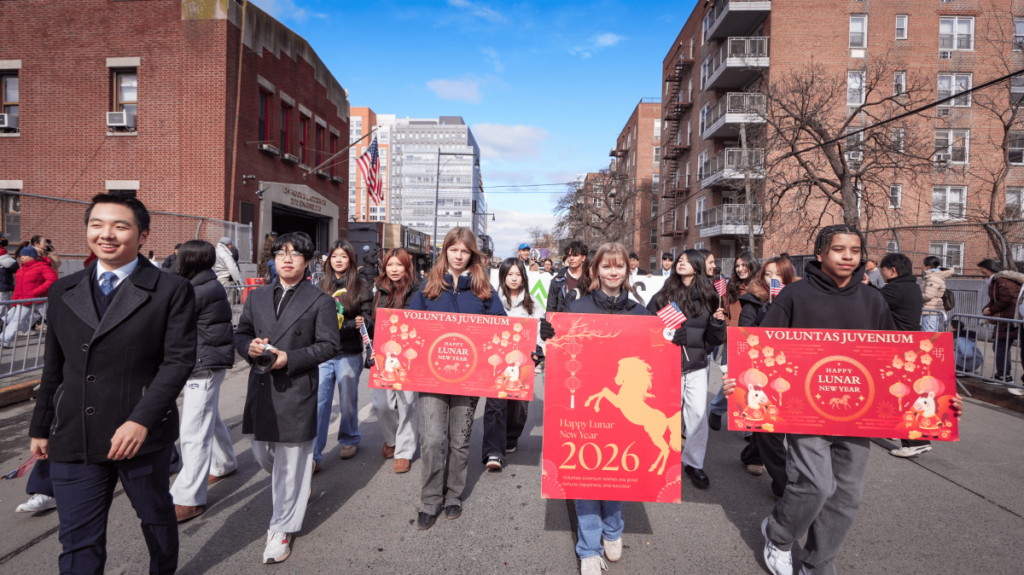
Yu Hei Ip helps young volunteers find their voice and grow into civic leaders through Voluntas Juvenium.
Meet Daily Point of Light Award honoree Yu Hei Ip. Read his story, andnominate an outstanding volunteer or family as a Daily Point of Light.
When Yu Hei Ip first joined Voluntas Juvenium, he was just looking for places to volunteer. What he found was a community he wanted to help build. Two years later, he serves on the board of the youth-led nonprofit, which connects young people to service opportunities and civic engagement, and supports them in launching their own projects.
Yu Hei has secured partnerships, run logistics for more than 300 events, and raised roughly $50,000 to support 1,700 volunteers across 17 countries. Together, those volunteers have removed more than 15,000 pounds of waste, distributed over 5,000 meals, and provided thousands of hours of tutoring. He also helped launch the organization’s civics branch. One volunteer’s advocacy idea grew into a partnership with a state assembly member and recognition on the state assembly floor. For Yu Hei, the clearest proof of impact is the volunteers themselves: about 130 have earned mayoral, state, or national awards for their service.
He believes problems don’t get solved when everyone assumes someone else will step in, so young people need to start building the future they want now. His advice to anyone hesitant is to take the first step. The sense of fulfillment that follows, he says, will push you to keep going and help you discover your role in the world.
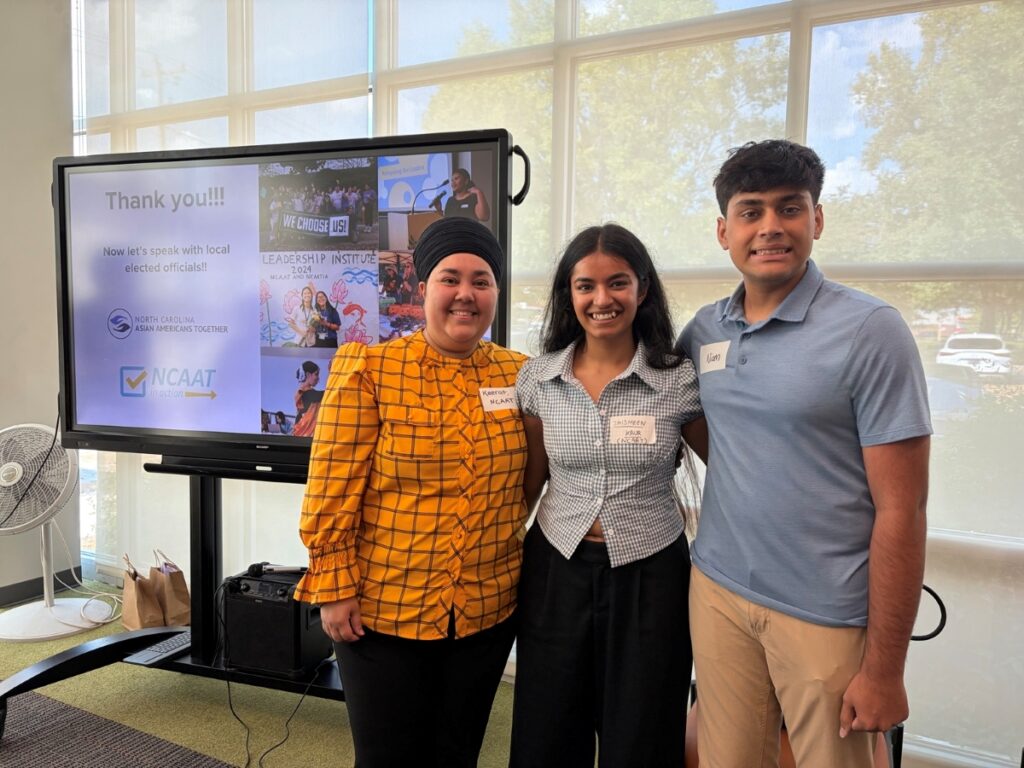
NIAM KATHROTIA (RIGHT) JOINS COMMUNITY ADVOCATES AND KNOW YOUR RIGHTS PARTNERS AT A NORTH CAROLINA ASIAN AMERICANS TOGETHER CIVIC ENGAGEMENT EVENT. /COURTESY NIAM KATHROTIA
MeetDaily Point of Light Awardhonoree Niam Kathrotia. Read his story, and nominatean outstanding volunteer or family as a Daily Point of Light.
Niam Kathrotia saw what was happening in his community, and he knew it was time to take action. Last year, immigrant enforcement operations came to a peak in the Charlotte, North Carolina, area, with enforcement operations around the city. This caused a tremendous amount of uncertainty for the area’s large immigrant population. As the founder of Indian American Youth Leadership, a youth-led nonprofit organization dedicated to empowering young leaders through advocacy, education, and community-driven initiatives to create meaningful change, Niam knew he could use his education and skills to help the people in his community to live safe, stable lives.
Enabled by his education working as an intern at a law firm, Niam developed “Know Your Rights” guides to help immigrants understand their rights. He sought feedback and guidance from qualified attorneys and translated the guides for the diverse Charlotte population. Niam reached out to Charlotte businesses and inquired as to whether they’d be willing to keep the guides in their establishments. Niam would reach out to 50 different businesses, and it was likely that 40 of them would say no. But for the 10 businesses that agreed, Niam had succeeded in providing a tangible tool that helps their clientele. Thus far, he has partnered with more than 30 businesses and organizations across the Charlotte metro, reaching over 10,000 people digitally. On top of his busy school workload, he contributes around 30 hours per month to this important project, and isn’t slowing down anytime soon.
Currently a high school senior, Niam has spent so much time immersed in learning the legal rights of his fellow community members that he’s now interested in pursuing a legal career when he heads off to college. He’s fascinated by the intersection of law, policy, and decision-making, and would love to explore federal regulation or immigration law in a way that betters civil rights. Niam’s dedication to his volunteer work has been so successful that it’s even helped him discover a future career path. His willingness to advocate for his community through volunteerism is a testament to just how much change the willingness to help others can create.
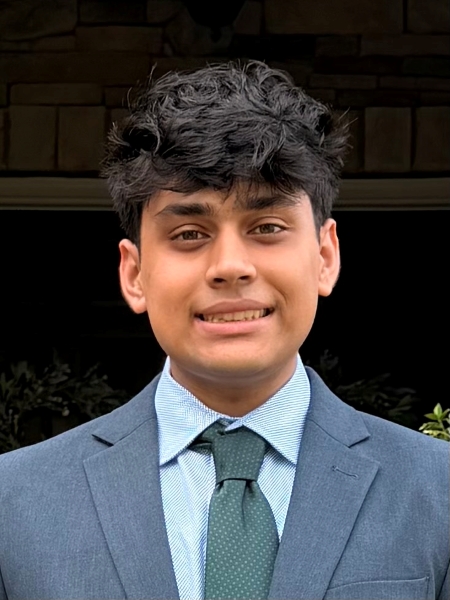
NIAM KATHROTIA IS THE FOUNDER AND PRESIDENT OF INDIAN AMERICAN YOUTH LEADERSHIP. /COURTESY NIAM KATHROTIA
What inspired you to get started with this initiative?
Last fall, a lot of immigrant communities really felt uncertain about what rights they had. Being someone who’s in the South Asian community myself, I saw this firsthand. Having been in legal spaces before as an intern, I did what I could. I reached out to some people I had worked with at a law firm previously, and they were in that same immigration space. I really wanted to reconnect with them and see what we could do. From there, we launched partnerships. We got them to translate our materials and help distribute them. Then, it became a citywide volunteering project. But it really all started because I saw what was happening in the community around me.
What inspires you to volunteer?
Honestly, it’s a personal tie-in. It’s seeing not only how this affects me, but also how my community is impacted by these kinds of issues. It’s knowing what I can do to step in, since I may have more resources, connections, and links to better the community that I live and go to school in. Just knowing that really inspires me to help the people around me that I live and work with.
Tell us about your volunteer role with Indian American Youth Leadership.
As the founder of the organization, I launched this campaign and came up with the idea. I started reaching out to the law firm, and from there I spent most of the summer driving around Charlotte and calling businesses. I’d say, “Hey, I think this would be a resource that would really help you out because you guys are in an immigrant community,” or “You’re in an area where information may not be as readily accessible.” Sometimes that would require Google Translate because it may be a Spanish-speaking business or another language. A lot of my work was outreach and distribution. Then later on, there were opportunities like speaking engagements and advocacy opportunities with elected officials. It really was just about getting those materials out there, driving around the city, putting the boots on the ground, and doing that work.
What are your long-term plans or goals for the organization?
Long-term, I really hope to scale this initiative and bring it across the state of North Carolina to places across the country, because the information is not solely localized to the Charlotte area. It’s simple Know Your Rights information that applies to all across the United States. Especially when we see all these different things on TV about policies and actions, people get really confused. But having a simple guide to demonstrate that is really important. Currently, I’m working with another Asian American organization across North Carolina to expand it into schools and more places that people have to go every single day. Expanding that accessibility into those everyday spaces is really important. In college, if they had their own social justice initiatives or volunteerism initiatives, that would help me continue that work.
NIAM KATHROTIA (LEFT) DISTRIBUTES BILINGUAL KNOW YOUR RIGHTS RESOURCES AT MYERS PARK COVENANT CHURCH. /COURTESY NIAM KATHROTIA
What’s been the most rewarding part of your work?
The most rewarding part of this volunteer work is just getting to see who’s impacted by this, especially living in those kinds of communities. Seeing people who maybe don’t understand what legal rights they have or what their rights are at school; seeing some classmates who maybe don’t understand what their rights are; seeing them have that access to information, then personally thanking me and saying it’s really helpful. Not just having a guide in a law firm, but having it in a coffee shop or in a Colombian bakery, places that people go every day. People have really told me what it means to them, and that’s been really meaningful for me.
What have you learned through your experiences as a volunteer?
The importance of speaking to people. I’ve really learned the importance of clear communication, especially when it’s an issue that affects people’s lives directly and there’s an urgent need. I’ve learned to communicate in a clearer way and learned to just meet people where they are.
Why is it important for others to get involved with causes they care about?
Getting involved with causes that you care about is so impactful because it affects everything around you. You may not think that it affects you, but all of these issues affect you. If you care about an issue, whether it’s gun rights, environmental safety, or immigration rights, it in some way affects you, your family, and your community. Getting involved can put your own personal experiences and perspectives into play, because there may be someone who has similar experiences to you, but they don’t have your exact experiences. Bringing your own perspective to the table, getting involved is so incredibly meaningful and helps you become a better, more well-rounded person who benefits the community around you.
What do you want people to learn from your story?
I want people to learn how important it is to simply have access to information. Expanding access to that kind of trusted educational information. What are my voting rights? What are my civic rights? What are my healthcare rights? Those are things that affect people’s day-to-day lives, and having access to that information can directly empower them in situations where they may feel uncertain. It just helps them engage and helps them understand what exactly they can do. Being informed is the first step, and it leads to so many better things. Communicating that idea to people and having them learn simple, clear information is one of the most important things for any volunteer project or anything that’s benefiting the community.
Student Volunteers Rally to Give Local Kids a Ready-to-Learn Start
Megha Pillai, co-founder and Chief Marketing officer of DFW Tools4Schools Foundation, helps make sure local students start the school year with the supplies they need.
Meet Daily Point of Light Award honoree Megha Pillai. Read her story, andnominate an outstanding volunteer or family as a Daily Point of Light.
Megha Pillai saw firsthand how many under-resourced students in the Dallas–Fort Worth area start the school year without basic supplies, and how that shortfall affects their confidence and ability to succeed. Believing that educational equity begins with equal access to foundational learning tools, she co-founded DFW Tools4Schools Foundation in June 2024 to close that gap.
As the nonprofit’s co-founder and Chief Marketing Officer, Megha leads digital marketing, community outreach, and volunteer operations. She builds business partnerships, connects with school districts, and manages a network of more than 70 student volunteers. Together, her team has hosted 10 community volunteer events and distributed more than 5,000 school supplies and 500 complete kits to local students.
For Megha, the reward is knowing those supplies relieve stress for families and help students thrive from the first day of school. Building an organization from the ground up has also taught her that real impact takes strategic planning, clear communication, and adaptable problem-solving.
Megha encourages anyone who wants to make a difference to start small, look at the needs in their own community, and bring friends along, because every contribution matters, whether it’s an hour at a local event or building something completely new.
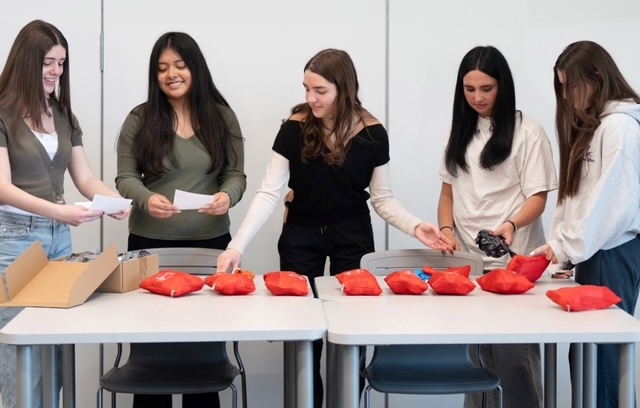
Sumner (middle), community members and volunteers assemble Hope Kits, packing each kit with the supplies needed to respond to a bleeding emergency.
MeetDaily Point of Light AwardhonoreeSumner Silver. Readherstory, and nominatean outstanding volunteer or family as a Daily Point of Light.
Sumner Silver, an 18-year-old college freshman, is studying physics and astrophysics on a pre-med path while serving in Air Force ROTC with a goal of one day working at a space organization. She is friendly, driven, and well-spoken with a long list of accomplishments in and out of the classroom.
One would never guess she has spent the past few years dealing with the aftermath of a tragedy. But in the wake of a mass shooting and a personal loss, Sumner turned her grief into drive, preparing people to save future lives by responding to traumatic bleeding before first responders can make it to a scene. Someone with a gunshot wound or other bleeding emergency can die in minutes, making response time vital.
With Hope Kits, Sumner has organized more than 40 hands-on certification courses that have certified hundreds of people to care for such injuries. Her organization has also strategically distributed 1,000+ Stop the Bleed kits equipped with the supplies necessary to care for wounded people and raised more than $20,000 to support their work.
What inspires you to volunteer?
My synagogue has tons of volunteer initiatives, and my parents were really involved with one called Mitzvah Garden. We would plant produce and donate each week’s harvest to our local food pantry. It was instilled in me from a very young age the importance of getting involved in my community and helping those in need.
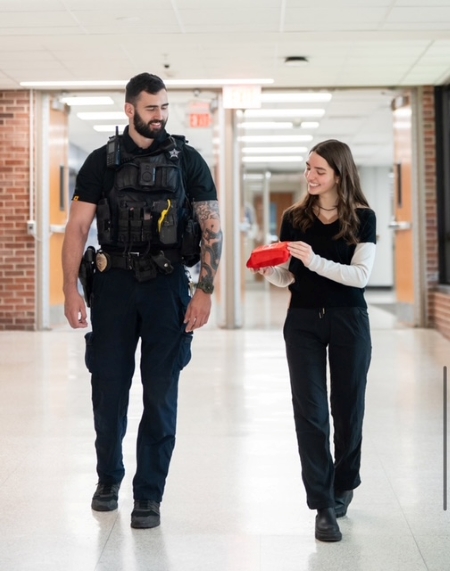
police officer from a department that partnered with Hope Kits consults with Sumner about the contents of the kits.
Tell us about your volunteer role with Hope Kits.
I organize all of Hope Kits’ Stop the Bleed certification courses. That means working with fire departments across the Chicagoland area on scheduling and creating outreach materials to bring community members in. We have participants ranging from freshmen in high school to senior citizens.
I also coordinate the assembly and distribution of kits. That involves working with local nonviolence organizations to identify communities that would most benefit from them, as well as working with experts like emergency physicians and firefighters to determine what supplies would be most effective.
Inside each is a CAT-certified (Combat Application Tourniquet) tourniquet with an instruction manual to make it easy for people who haven’t used one before. There’s gauze and bandages to pack a wound, gloves, and a marker to record the time of application on the tourniquet. In one round, we also included bandages specifically for the abdomen. Kits go to schools, places of worship, and businesses. We try to target the most at-risk communities–those with high rates of gun violence.
When I first started Hope Kits, I fundraised by creating Happy Notes greeting cards and selling them at local art fairs and stores. While I still sell Happy Notes, our main source of funds are grants we’ve been awarded from other nonviolence organizations and organizations that support Chicago initiatives.
What inspired you to get started with this initiative?
On July 4, 2022, a mass shooting occurred in my hometown of Highland Park, just north of Chicago. Afterwards, my local fire department began offering Stop the Bleed certification courses, and the firefighters emphasized how critical those first few minutes can be before first responders arrive. Learning about those simple skills really stuck with me. I wanted to give people the knowledge and resources to save a life in an emergency, which became the foundation of Hope Kits.
What’s involved with the certification?
It’s a two-hour course in which you learn how to apply a tourniquet and pack a wound with gauze and bandages on a limb versus in the abdomen. And there are tips and strategies about how to work in that scenario most effectively.
What’s been the most rewarding part of your work?
The most rewarding part has been hosting the Stop the Bleed certification courses in my hometown. Close to 2022, it was very clear how deeply the shooting affected my community. But it was equally clear how eager people were to learn how they could help in an emergency.
After the courses, community members often share their own experiences from that day with me and explain why they wanted to learn these skills. Those conversations remind me about a part of this work that started off as something more than the distribution of kits or hosting courses. In the aftermath of July 4, it was also about giving my community a way to turn something painful and tragic into something constructive.
What have you learned through your experiences as a volunteer?
People often underestimate how much they can do as an individual. Hope Kits is a testament to how, with the right skills and resources, one person can save a life.
Tell us about future partnerships, programs or events that you are excited about.
I’m at school in Florida at the moment, and we’re hosting a Stop the Bleed certification course for community members in the South Florida area in October. We’re trying to expand our presence here.
Any advice for people who want to start volunteering or, more specifically, help with this cause in their own area?
Look at your local fire department’s website. Our fire department just started offering the courses by themselves. You can also take part of the class online and do a skills-only portion in person to complete the certification.
Think about what you enjoy doing, and then figure out how you could use that skill to help. I loved creating art, so I raised money by selling handmade greeting cards at local art shows with Happy Notes, and then donated the proceeds to Hope Kits for supplies. Volunteering doesn’t have to look a certain way; it can be something that’s completely tailored to your interests, skills, and causes of interest.
What do you want people to learn from your story?
You don’t have to have a huge organization or a lot of resources to start making an impact. If you care about a cause, that drive can take you far. If a community cares about a cause, that really makes a difference.
Where Small Steps to Provide School Supplies Meet Big Community Impact
Nayana Paturi is the high schooler behind Coloring Brighter Futures, and she’s proof that you’re never too young to change your community.
Meet Daily Point of Light Award honoree Nayana Paturi. Read her story, andnominate an outstanding volunteer or family as a Daily Point of Light.
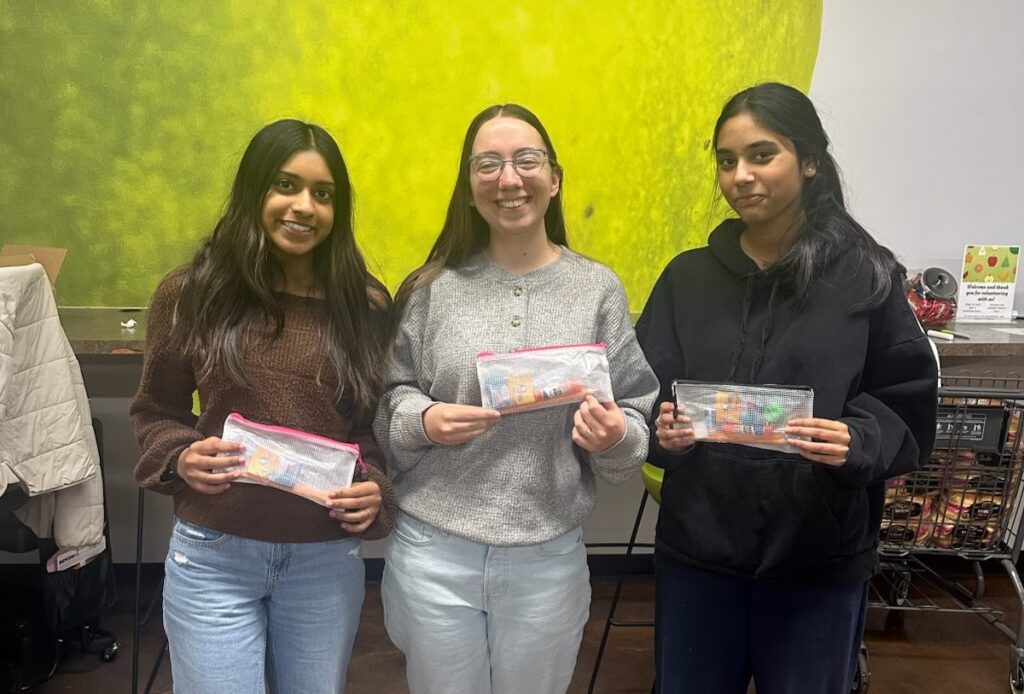
When Nayana Paturi tutored at a library 30 minutes from home, she noticed something that stopped her cold. Students there relied on librarians for basic supplies like pencils and rulers, because their families couldn’t afford them. As a high school student, she didn’t wait for permission to help. In March 2024, she founded Coloring Brighter Futures, a youth-led 501(c)(3) nonprofit that puts school supplies directly into the hands of children in underserved communities.
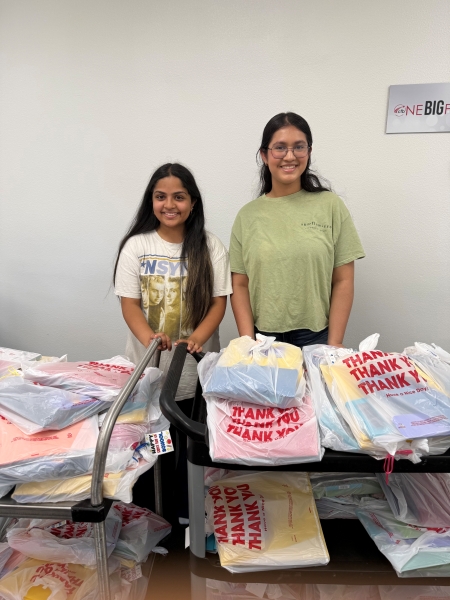
Since then, Nayana and her team have partnered with elementary schools, homeless shelters, free stores, churches, and community centers, raising more than $10,000 and delivering over 6,000 supply pouches filled with pencils, crayons, rulers, and glue sticks. She leads an executive team of six and coordinates more than 75 volunteers, overseeing everything from fundraisers to deliveries.
Nayana values the hugs, the handwritten thank-you notes, and the looks on children’s faces when they receive a pouch made just for them. Each of these pouches has the power to genuinely transform a child’s life. Nayana believes that anyone who thinks they’re too young or too small to create change just needs to start, and the rest will follow.
MeetDaily Point of Light Awardhonoree Dhilan Patel. Read his story, and nominatean outstanding volunteer or family as a Daily Point of Light.
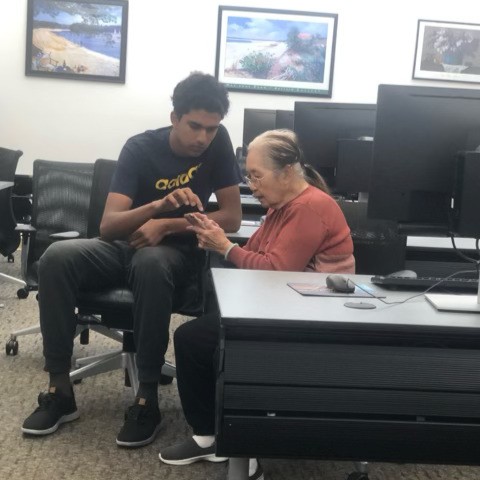
Dhilan Patel saw his grandparents struggling to connect with others during COVID, and realized he could make a change. As the world began to open up more in 2023, Dhilan started volunteering at his local church, providing one-on-one technology assistance to seniors struggling with smartphones, email, telehealth, and online services. He realized that being a digital native could help him recognize the impact of digital isolation, and decided to use his youth to empower others. Dhilan established Support for Seniors, an organization focused on empowering seniors to live fuller lives through technology support, active engagement, and community connection. Dhilan hosts technology classes, workshops, and outreach programs, empowering thousands of seniors to gain confidence, maintain independence, and strengthen their connections with family and friends. He has expanded his efforts, launching companion walking groups and fitness programs to promote healthy aging and social connection. The organization even grew to include work at food distributions and community markets, taking on the issues of senior isolation from several perspectives.
DHILAN PATEL (LEFT) ASSISTS A SENIOR IN THE COMPUTER LAB AT THE TUSTIN AREA SENIOR CENTER. /COURTESY DHILAN PATEL
Now a junior in high school, Dhilan has grown the organization’s reach by recruiting over 25 volunteers who enjoy the volunteer work just as much as he does. Since founding the program, he has worked directly with over 8,000 seniors across Orange County. But he’s also worked hard to balance his volunteer work with his busy high school workload. He emphasizes setting aside time off to work on his own health, making sure he doesn’t let his busy schedule get the best of him. Looking toward the future, Dhilan is excited to pursue a college education. But he’s also hoping to fuse his college education into his future career. He’s interested in pursuing technology from a public health advocacy perspective, particularly with the rise of artificial intelligence. What started as a desire to connect with his own grandparents during a time of struggle has grown to become an entire volunteer movement. Dhilan’s example shows that young people have the capacity to change the world, no matter their age.
What inspired you to get started with this initiative?
I started this mostly because of my grandparents. I saw a gap in technical knowledge with my own grandparents. They live across the country in New Jersey. They were struggling, especially with communication, and especially during COVID and the lockdown. They were really isolated, and their generation isn’t as familiar with technology as we are. During COVID, I realized I’m now at the age where I can start helping out my community and volunteering.
What inspires you to volunteer?
I think it goes back to how I was raised by my parents. I’ve always been instilled with the values of helping others. If you have the opportunities and the resources to develop something that will help others, you should. I think that’s something I was always raised with.
Tell us about your volunteer role with Support for Seniors.
We do a lot of different events. Sometimes we’re at farmers’ markets. Sometimes we’re at the senior center. Before, we did smaller classes at churches and stuff like that, but normally we do a lot of well-being programming centered around technology, and it’s expanded. I’m normally the one leading these sessions or well-being workshops. We’ve also had tours walking around the town center, workshops on technology, and then a lot of different fairs that are mental health-based. We’re a resource there, and we use technology for that gap in isolation and technology.
What are your long-term plans or goals for the organization?
For the organization, I think it’s just really expanding our reach and getting more known in the community, and being able to extend our resources. We’ve expanded to Tustin, Irvine, Costa Mesa, and that area, but maybe even further. We’re developing a website right now. We just want to be able to give resources to a larger number of people.
What’s been the most rewarding part of your work?
I think it’s the small interactions that you see on a day-to-day basis. Not necessarily helping them with the technology aspect, but a lot of these seniors don’t have daily interactions where they’re able to connect with volunteers and people like me. They don’t really get that connection so often outside of their family. I think it’s really nice to connect with different types of people and brighten their day, aside from the technology help aspect.
What have you learned through your experiences as a volunteer?
The importance of patience. We all come from different backgrounds, and we all deal with problems differently. Being able to take a step back and put yourself in the senior’s shoes really helps us as well as it does for the seniors.
Why is it important for others to get involved with causes they care about?
I think everyone has their own set of skills, and I feel like everyone can bring something to the table. As a society, if everyone puts their heads together, being able to volunteer your time and do something that you’re really passionate about is what makes our community so great.
What do you want people to learn from your story?
I think it’s a call to action. If you can identify a problem in your community, taking action, going out there, and actually trying to solve it and make an impact on the people in your community is something I would tell them to do.