Nonprofits and government agencies’ abilities to solve societal issues are often constrained by organizational capacity. When your roof is leaking, you focus on the immediate issue of repairs and may put off a much-needed basement remodel. The same can often be said for capacity building initiatives; they take time, resources and staff capacity that many nonprofit organizations don’t feel they have, even if it would pay off in the long run.
The
, sponsored by JPMorgan Chase & Co., focused on these issues and offered attendees proven and feasible solutions for increasing nonprofit capacity. Across the nine sessions, three trends emerged as to how nonprofits can leverage existing assets and resources to do more.
1.
Move from Partnerships to Collaboration
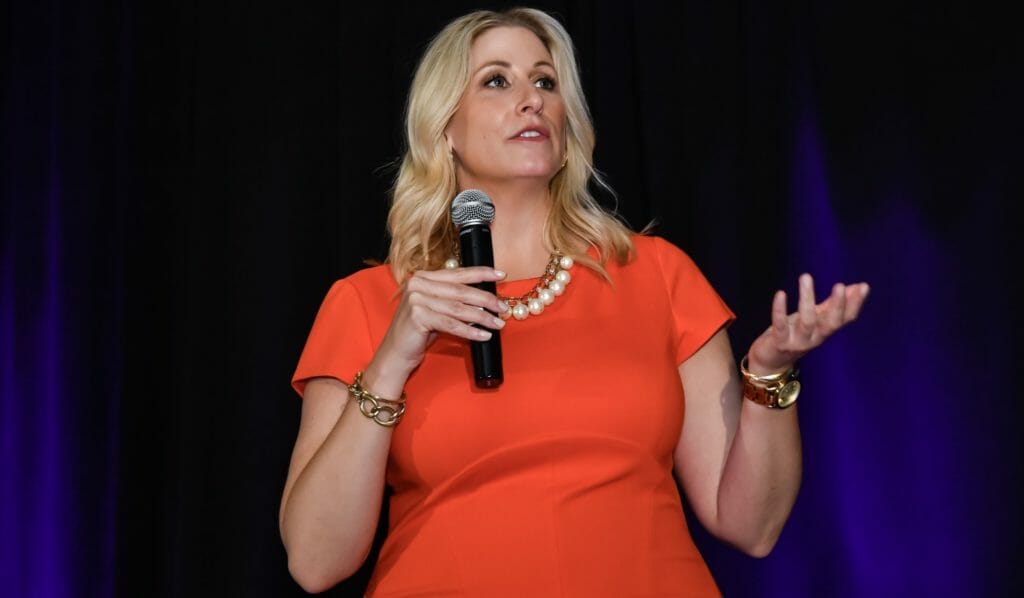
The biggest trend across all the sessions was the need for a pragmatic shift in how nonprofits engage companies and work with other organizations. During the “Corporate-Nonprofit Partnerships Blown Way Out of Proportion” session, Bea Boccalandro, president of VeraWorks, pushed attendees to think about how they could triple their impact by focusing on cultivating integrative partnerships – where the success of both the nonprofit and company are intertwined. “Most relationships between business and nonprofits are philanthropic or transactional. But to get at impact, we need to push towards integrative,” Bea said.
Bea recommended starting small, with pilot initiatives. This was echoed by Rebecca Wang, senior manager of corporate affairs at Hewlett Packard Enterprise, who offered a corporate perspective. Rebecca compared the process of entering a new partnership to taking it slow with a new romantic partner. “When I am working with a newer organization that maybe another company has referred to me, it’s kind of like the dating phase. You are really thinking more about your own benefits. As you go through multiple dates, you start to understand each other better. You may decide to become exclusive. At that point, the commitment to each other becomes integrative.”
Sessions also encouraged nonprofit sector attendees to rethink how they partner with each other. Too often, nonprofits feel that they are competing against one another and therefore cannot truly collaborate. Shonna Ferree and Rikki Wheatley-Boxx of the Public & School Partnership, an AmeriCorps VISTA program, shared best practices for collaborations between organizations and recommended leveraging
mandated days of service as platforms for local collaboration and outlets for raising awareness of national service efforts.
2.
Be Data Driven, Not Numbers Numb
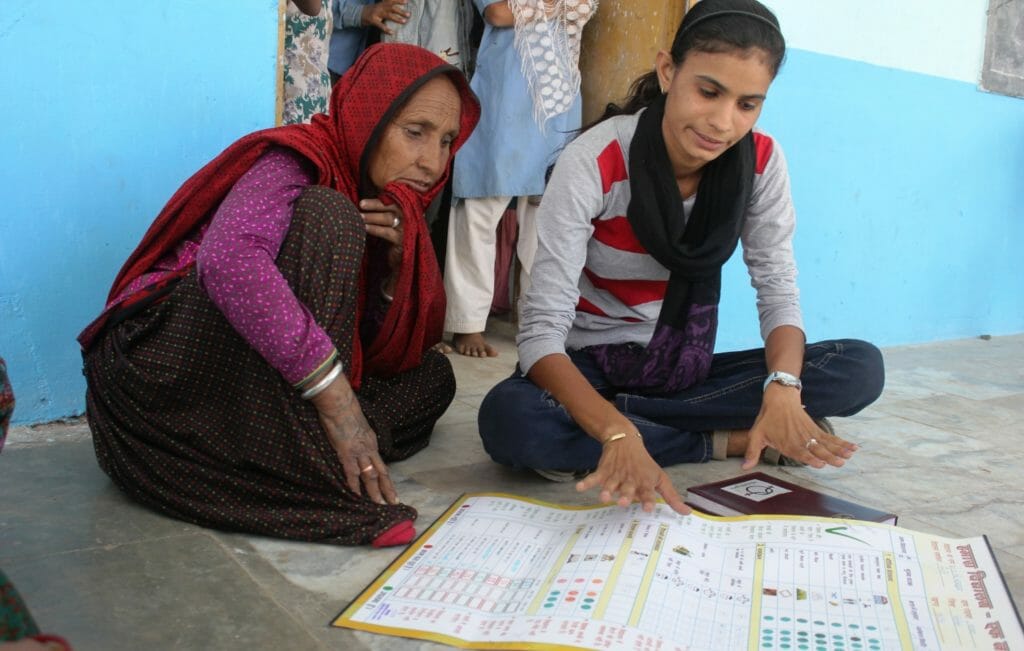
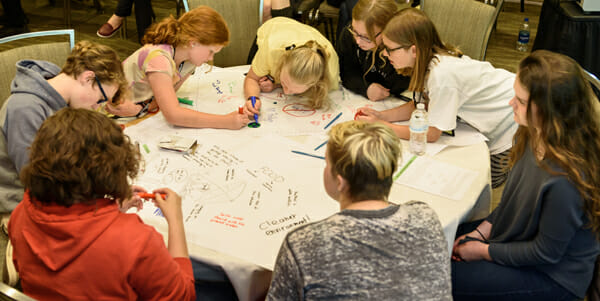
Two sessions focused on the importance of leveraging data, but in strategic and creative ways in order to see real community impact, not just a shift in numbers. In the hands-on “Survey Sense/Let the Creativity In: Exploring Alternative Methods for Data Collection” workshop, Stephanie Lloyd, manager of evaluation and performance measurement at Points of Light, walked participants through a visual survey methodology called SHOWeD, first developed by Wang and Burris in 1997.
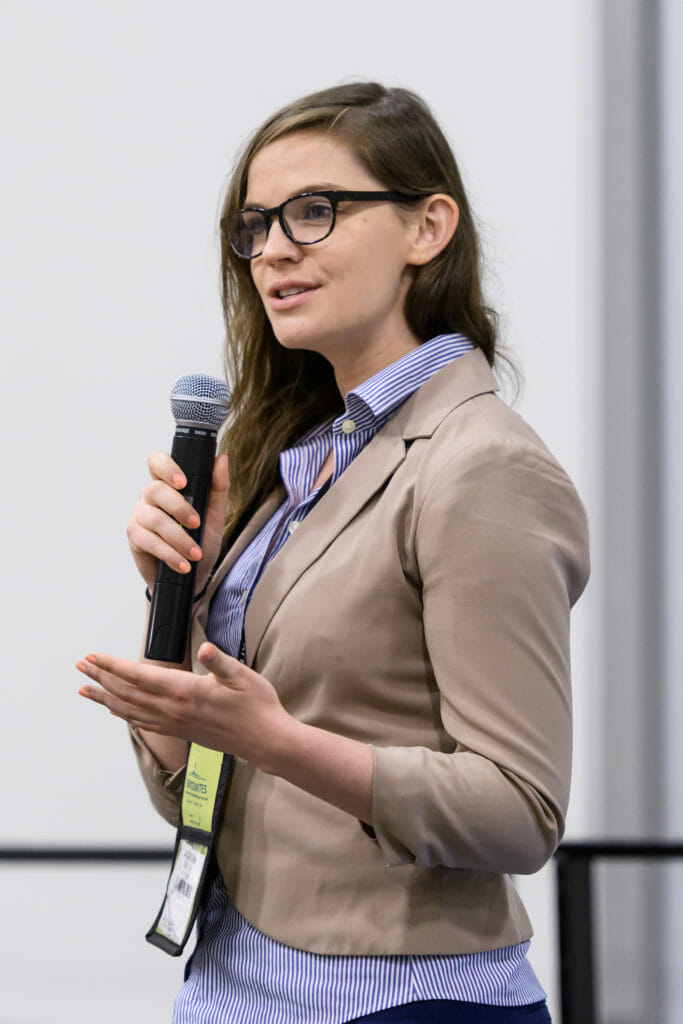
For attendee Leah Vanhoeve, the session was thought-provoking. “It was great to be engaged and feel like we could be engaging other people through this instead of staring at a computer screen codifying qualitative data, because it’s really not that different from quantitative data, it’s just two sides of the same coin,” she said. “This felt very out of the box and applicable, and not something I had ever heard of before.”
3.
Leverage the Power of Pro Bono
Many nonprofits are interested in recruiting pro bono and skills-based volunteers but are unsure how to start or struggle to find ways to effectively leverage these volunteers to build capacity within their organization. Yet, pro bono volunteers can provide up to 500 percent greater value to nonprofits than the value of traditional volunteering, by supporting needs such as general operations, technology and professional services.
Panelists at the Making the Most of Corporate Skills-Based Volunteering: A Fireside Chat with JPMorgan Chase & Co. session shared tips and best practices for developing a pro bono strategy. Attendees broke into small groups and worked through Common Impact’s skills-based volunteering
.
“We are a volunteer-based organization, so we are very familiar with plugging volunteers into our actual programs, but thinking about pro bono from a capacity building standpoint is something we are just starting to dig into,” said Jessie, an attendee from Grid Alternatives. “It was helpful to hear some examples of how other organizations have done that, but also just some of the resources that Common Impact provided around potential projects and the questions you need to think about before you even approach a company with a pro bono idea.”
These are just a few of the highlights from the Capacity Building track. Across the sessions, attendees were exposed to new ideas, trends and resources to take back to their organizations.
Connecting Nonprofits and Volunteers to Create a Culture of Service in India
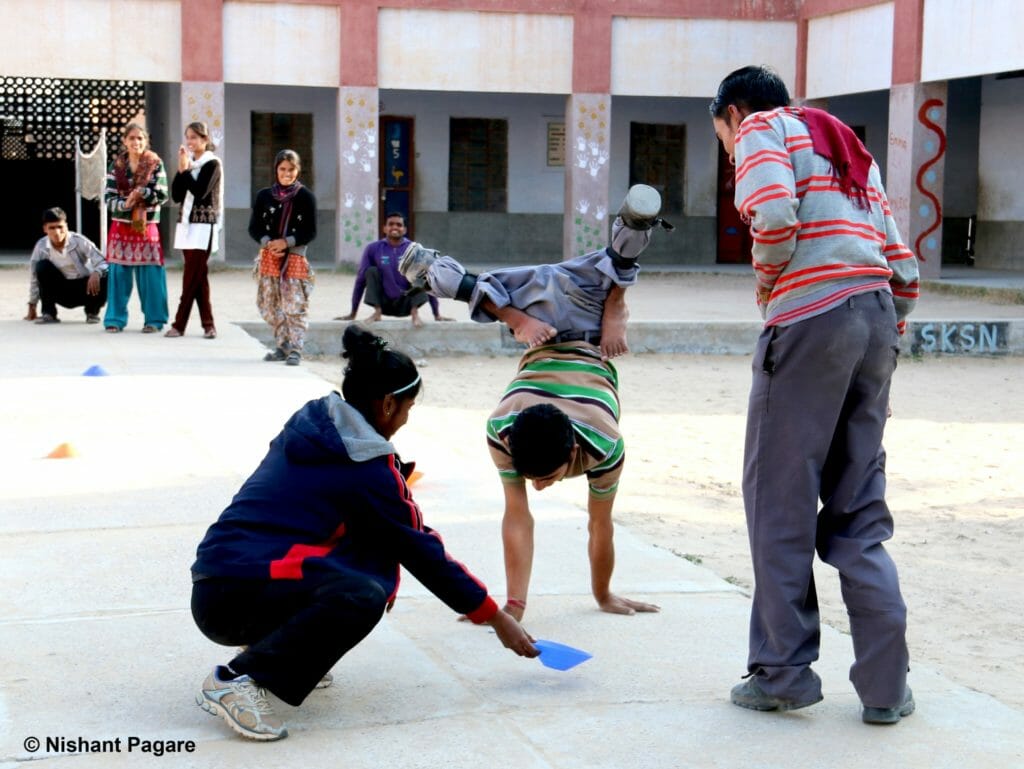
Team Balika, a group of community volunteers who support a grassroots intiative called Educate Girls, won the Leader in Volunteer Engagement Award during the 4th edition of the iVolunteer Awards for their work to reduce the gender gap in education by spreading awareness for the importance of educating young girls in their village.
With seven offices in India and 350 nonprofit partners,
is one of the largest affiliates in Points of Light’s global network. Last year alone, the organization engaged more than 10,000 volunteers in service across 25 cities. However, it wasn’t always that way.
iVolunteer was established as a solution to the challenges faced by Indian nonprofits in recruiting volunteers to serve their causes. Shalabh Sahai, co-founder and director of iVolunteer, explained that when the organization was founded in 2001, nonprofits worked in silos and, as a result, had trouble engaging volunteers – particularly middle-class citizens who had the resources to give back, but for whom volunteering was not a part of their culture.
“In the beginning, the idea was to found something which got people to volunteer, that would allow people to work with the nonprofits to lend a hand in all the good work they were doing,” said Shalabh.
The result was the iVolunteer platform, which is the organization’s online database of service opportunities that allows volunteers to search by keyword and pick projects that fit their interests.
“Over a period of time, we realized that simply putting together a platform would not work because volunteering itself was in a very infant stage and people did not understand NGO culture and NGOs did not understand how to engage the upcoming middle class,” explained Shalabh.
To address these issues, iVolunteer put together a number of programs that would both help nonprofits appeal to volunteers and help volunteers understand the value and importance of giving back.
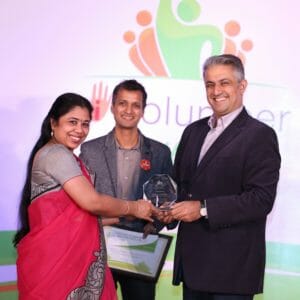
Archana Raghuram (left), senior director and global head of corporate social responsibility at Cognizant Technology Solutions, accepts the Leader in Employee Engagement Award during the 4th Edition of the iVolunteer Awards on behalf of Outreach, Cognizant’s corporate volunteering arm that promotes technology education in Indian Communities.
Cognizant Outreach, the corporate volunteering arm of Cognizant Technology Solutions, received the Leader in Employee Engagement Award during the 4th edition of the iVolunteer Awards for its program that promotes technology education in Indian communities. Left to right: Archana Raghuram of Cognizant Technology Solutions; Shalabh Sahai of iVolunteer; Dr. Akhil Shahani of the Shahani Group.
Though this type of programming is common among the members of the Points of Light network, iVolunteer is unique because it operates as a social enterprise rather than a nonprofit. Social enterprises apply commercial strategies to improving communities – making profits is as essential to their success as making an impact.
For iVolunteer, Shalabh explained, this structure was necessary because limited funding made scaling its services to support such a large community difficult.
“A lot of the work that we were doing was restricted by the funds that were available,” said Shalabh. In responding to the recruitment difficulties that nonprofits faced and with “the ambitions we had as an organization, we could not be bound or limited by the funds that were made available.”
Though the organization has come a long way in making volunteerism a part of Indian culture, when taking stock of their accomplishments in 2011 – one decade into their work – they found there was still a distinct lack of understanding among Indian citizens about why volunteer service is important.
Shalabh explained that, for example, taking time off from work to give back was often not permitted by employers. Furthermore, there was little to no recognition for the good work being done by volunteers across the country.
“If someone wants to volunteer today, none of their peers understand or appreciate that work, nor would their employer understand or appreciate that work,” said Shalabh.
Indiability, an organization that helps change attitudes towards people with disabilities and empowers them to lead full, independent lives, received the Leader in Volunteer Engagement Award during the 3rd edition of the iVolunteer Awards.
In 2012, the organization instituted the iVolunteer Awards with the objective of spreading recognition and appreciation for the work that both volunteers and nonprofits were doing across the country and internationally (in partnership with VSO International, iVolunteer sends volunteers all around the world to participate in service projects).
With categories that recognize nonprofits, youth, employees and corporate volunteer programs, the iVolunteer Awards seeks to honor all types of volunteers. One award in particular, the Volunteer Hero Award, lifts up the recipients as heroes, helping to not only raise awareness for the work of the individual volunteers, but also reposition volunteerism as the pinnacle of community development in India.
The awards program has accomplished two things for iVolunteer. The first is identifying new benchmarks established by volunteers and nonprofits that others can use to measure their impact. The second is shedding light on new volunteer models and projects that are making an impact in a unique way.
One example is the Indiability Foundation, recognized with an iVolunteer Award for their initiative in which disabled people teach life skills to non-disabled people in rural communities. This program completely challenges pre-conceived ideas of “the haves helping the have-nots,” said Shalabh, additionally bringing pride to the families of the disabled persons and the individuals themselves.
Through robust programming and innovative initiatives, iVolunteer has uniquely adapted to the needs of volunteers and nonprofits in their community using a trial and error approach, while maintaining focus on the organization’s central objective – engaging more individuals in service to their communities. This adaptability was central to its early function and development and, today, makes iVolunteer an invaluable asset to Indian nonprofits and volunteers alike.
Serving a Cause Greater than Ourselves
This post was written by Gigi Raffo, an Atlas Corps Fellow from Venezuela who attended the 2017 Points of Light Conference on Volunteering and Service. It originally appeared on American Express Leader Stories.
Dr. Martin Luther King Jr. noted, “Life’s most persistent and urgent question is, what are you doing for others?”
The
– the largest service-related convening of nonprofit, government, business and civic leaders in the world – brought thousands of people to Seattle the last week of June to answer this question, both for themselves and their societies.
This year’s conference affirmed the critical role that volunteers play in addressing some of our societies’ biggest challenges. It also tackled timely and relevant themes, like empowering women, working across cultural and national boundaries and redefining what it means to volunteer by putting people at the center of transforming their communities.
As an international attendee from Venezuela, I was impressed by how the power of collaboration can be used to solve targeted and urgent problems, especially if individuals, foundations and corporations come together to create innovative projects to positively impact the neediest communities.
Inspiring Women, Inspiring Us
At the Conference we learned that we can’t wait for inspiration. We have to go after it. I was inspired by the strong, smart and professional women speaking – and participating – at the Conference.
One panel brought together Umran Beba, CHRO, human capital management for PepsiCo; Cheryl Strayed, author of “Wild;” Sarah Hurwitz, former speechwriter for Michelle Obama and Zoe Terry, 10-year-old CEO of Zoe’s Dolls. Another featured a touching talk about refugees from Libyan Lubna Yousef, who is a fellow Atlas Corps member serving at Airbnb. This conference was an amazing opportunity to connect with like-minded people and hear great ideas and stories that I will try to replicate in my home country, Venezuela, and during my Atlas Corps Fellowship.
Bridging Barriers and Building Global Movements
What does it take to move ideas across national and international borders to change people’s lives? This was the topic of one panel during the Global track session, “Changemaking Across Borders: What’s Possible?” I had the pleasure to participate as a speaker with MovingWorlds volunteers Sarah Horrigan and Melissa Sassi, of Microsoft.
We spoke about how volunteerism, aid and development are viewed, why we should refocus our efforts on challenging power and inequality and how we can lead and facilitate in new ways to create the positive change the world needs right now.
We also talked about the amazing work that Atlas Corps and MovingWorlds, two global service exchange organizations, are doing to build bridges among leaders all around the world. By promoting innovation and cooperation these two institutions are changing the way that talent and opportunity are perceived. While the problems of the world are too great to solve alone, there is no challenge we cannot tackle together. We are building a global movement of superheroes!
Translating Vision into Reality
One of the many things that resonated with me at the Points of Light Conference was the belief that individuals have the power to spark change – from this, leaders are born and can start their journey creating social change and wellness in their communities. Leadership is the ability to translate vision into reality!
On that note, I had the pleasure to attend the first night of the
, which takes place in conjunction with the Points of Light Conference on Volunteering and Service. The Academy program is developed and delivered by the Center for Creative Leadership and funded by American Express. Forty-eight emerging leaders participated in a two-day leadership development training program that included a feedback-intensive learning environment and hands-on activities to enhance the leadership capacity of all the attendees. These leaders are in the volunteering and service sector and share the interest of advancing their positions to a greater leadership role. I had the opportunity to connect with other nonprofit professionals, who provided me with some great ideas on how national and international service is the new ally for social change.
This year’s American Express Leadership Academy at Points of Light by the numbers:
The Academy kicked off with dinner and inspiring words by Aaron Hurst, co-founder and CEO of Imperative and founder of the Taproot Foundation. “Leadership begins with defining the core role of work in your life as helping others and being personally fulfilled,” Aaron shared.
Aaron also shared a surprising statistic from his research from Imperative: Only 45 percent of the people who work in the nonprofit sector are purpose-oriented! That means that the majority of people working in the sector who are primarily responsible for helping our society are not purpose-oriented.
This made me think: the single most powerful way to grow as a leader is to become truly self-aware, which means to cultivate, on a daily basis, an accurate sense of how I show up in the world and what motivates me. What impact do I have on others? What do I care most about? These are some of the questions that I have to ask myself – and that the other leaders in the room have to answer in order to develop as leaders in this sector.
To help leaders become more purpose-driven and more effective, Aaron shared his
, the youth division of Points of Light, and asked about her reaction to the training. She told me: “This training was the perfect opportunity to share experiences with those of like minds and from across the globe. Being from Kenya and having the opportunity to have conversations with other professionals from India, Nigeria and the United States was very impactful and encouraging.”
How Tech Skills and Innovations Support Nonprofits, Increase Volunteer Impact
track at the Conference on Volunteering and Service highlighted stories of civic-tech leaders who are using technology to help solve social problems, creating empathy in their communities and encouraging others to use their tech skills for good.
Rohit Malhotra, founder and executive director of Atlanta-based
, spoke about creating local innovation communities to spark change in our cities. His passionate and inspirational presentation highlighted the importance of building trust and empathy through real relationships with people in our communities. The secret sauce, he said, is engaging people in the creation of companies, organizations and communities through civic and community engagement. This leads them to see the good over the bad of creating these institutions – not only because they had something to do with it, but also because they know the whys and hows of what was created and become a true part of improving their community.
to create a better volunteer experience in their organization, Jenn Downs, director of user experience design at Points of Light, built on Rohit’s theme of creating trust in communities. Workshop attendees practiced conducting user interviews, learning about the power of silence in active listening, and the value of using the phrase “tell me more about that” to dig deeper into problems. This group of volunteer organizers were also able to see that by sharing with and asking what others are struggling with, they could collaborate on solutions to common volunteer management problems like budgeting, retention and using new technologies to craft better volunteer experiences.
In a workshop sponsored by
, attendees learned how to use social data to engage volunteer networks and address common problems many organizations face. Presenters discussed applying the lessons and practices of social listening – identifying and mobilizing micro-influencers among a social media following – beyond fundraising and advocacy goals. Participants also learned how to use technology to address volunteer management challenges like recruitment, attrition and retention, as well as matching volunteers to the right roles.
Expanding on Blackbaud’s ideas about social media data, Clay Johnson, senior vice president of digital at Points of Light, and Rebecca Wang, senior manager of corporate affairs at Hewlett Packard Enterprise, highlighted changes to
, Points of Light’s digital hub for volunteerism and community engagement. And, looking toward the future of All for Good, Clay and Rebecca envisioned a platform where social data can be used to encourage sharing opportunities with friends and family, leading to an increase in participation in volunteer activities around the world.
The relationship between All for Good and HPE started with HPE’s
, which asked people what apps and digital tools they would create to improve people’s lives. The Points of Light digital products team pitched an idea to empower volunteers through social sharing and machine learning within All For Good – the team was 1 of 4 winners, each receiving HPE’s support in the form of time and talent to help make their idea a reality.
These were just a few of the insights that the Tech for Good track offered attendees as they learned about and discussed the latest developments in tech-focused volunteerism. The discussions that took place and the lessons learned from these sessions shed a positive light on the future role that technology will play in helping nonprofits and social organizations recruit and retain volunteers – and in broadening the scope of impact individuals are able to make in their communities.
In San Jose, California, a playground rises from the concrete in a single day. Across the country, a rundown library in North Chicago, Illinois, is transformed to reflect its city’s brightening future. And thousands of miles away, the wish lists of community centers in Brazil and Ireland are fulfilled.
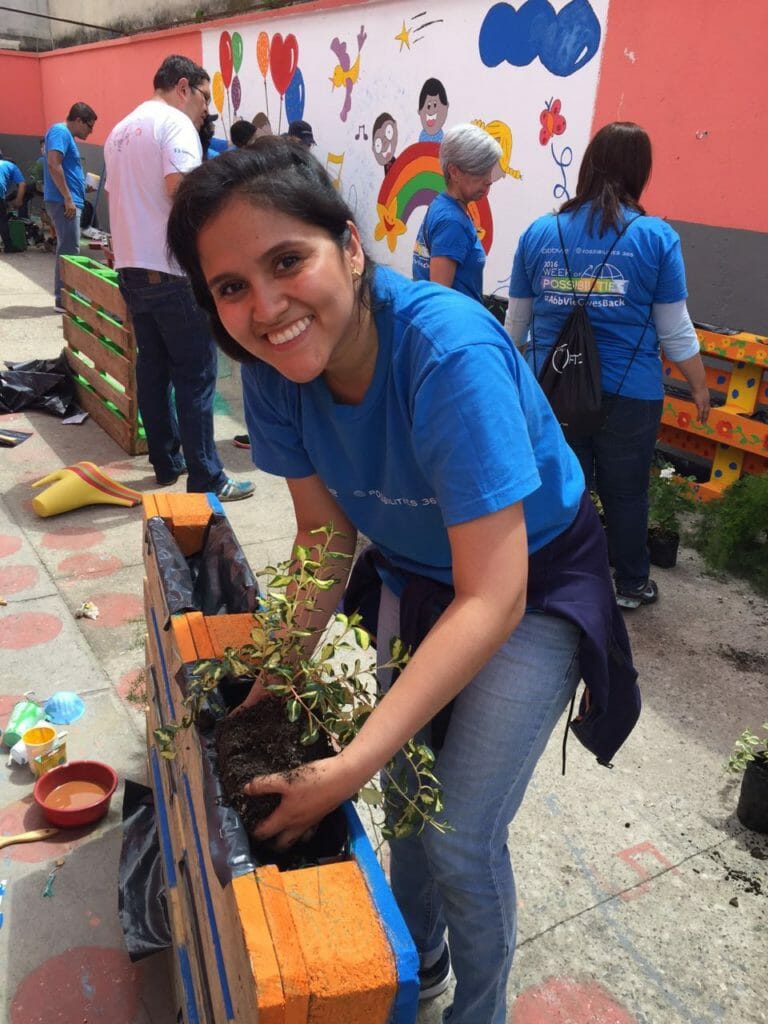
Every year, during the Week of Possibilities, AbbVie employees from around the globe offer up their talents and time to enrich the communities where they live and work, assisted by financial support by the AbbVie Foundation. But it’s the organizations behind the scenes that truly make it possible to bring more than 6,000 employees in more than 50 countries together for one common goal.
We spoke with leaders from these nonprofit organizations to get a peek behind the curtain, discovering the secrets to successful corporate volunteerism. Jill Hardy Heath, president & CEO of Heart of America Foundation; Gared Jones, senior vice president, global at Points of Light; and James Siegal, CEO, KaBOOM!, share their experience and insight below.
Q: What are the typical ways your organization works with corporate partners?
James Siegal, KaBOOM! (JS): We believe that great things happen when people come together with a common purpose to get things done in their communities. That’s why we build playgrounds the way we do, and that begins with the kids in the community. The kids are asked to draw their dream playgrounds and bring all their creativity and spirit to it. Over the span of a few months, we then work with the community to get them ready to build a playground in one day, with a team of about 200 volunteers from our corporate partner and the community.
Gared Jones, Points of Light (GJ): We’re trying to help companies create innovative, inspiring, meaningful impact in their communities through their employee giving as part of advancing our broader mission, by offering end-to-end solutions that include program design, local project implementation, storytelling that deepens a company’s culture of volunteering and impact reporting. We work with companies all around the world to create days, weeks or months of service; with others, we do year-round employee volunteering.
Jill Heath, Heart of America (JH): We help our corporate partners transform spaces into modern learning environments. This means refurbishing libraries, tech labs and educational spaces, and making sure children have books and technology that inspires learning, like computers, 3-D printers, tablets, interactive whiteboards and more.
Q: How does your organization prepare for a large, international employee volunteer program, like Week of Possibilities?
GJ: Week of Possibilities is one of the biggest and farthest-reaching programs we work with – especially because we’re working in so many places. We support activities directly in 15-20 countries and touching AbbVie program leaders in as many as 50-55 countries. We have a global network of volunteer local organizations led by social entrepreneurs, and we work closely with them to identify the types of needs a company wants to serve in the community. We really want the employees to be able to create the greatest impact. A key part of our approach is focusing on what’s meaningful in those communities, and the only way to do that is our relationship with those local non-governmental organizations (or NGOs).
Q: Have you observed any new trends in corporate volunteerism? How do you think the practice will change in the coming years?
JS: We’re seeing a renewed sense of urgency because people are more disconnected and divided than ever, and there are very few opportunities for people to feel they can make a real, tangible difference. We are all seeking an alternative to what feels like a sense of hopelessness, feeling like nothing is going to change. True, authentic corporate volunteerism with powerful corporate citizens is, I think, an antidote to those things.
JH: In the past few decades, corporate volunteerism has gone from a “nice thing to do” to the cost of doing business, to being an absolute must. Many new hires and the generations graduating from college are looking for an employer that gives back to the community where they live and supports causes in the focus areas that matter to them individually.
GJ: One trend we’re seeing is that with the announcement of the United Nations 2015 Sustainable Development Goals, there are a growing number of companies thinking about their volunteer impact relating to these goals. And companies are using these programs as a way to build culture, corporate identity and to better connect with employees.
Q: Do corporate partners ever unintentionally offend the communities they are trying to serve, and if so, how do you navigate this?
JS: Sometimes it’s the little decisions that people don’t think about that really matter. At all of our playground builds, we serve lunch, and it’s the responsibility of the community to make sure there’s lunch for all the volunteers. A potluck may not be the first choice for a corporate event, but if it provides an opportunity for the community –and these are often people who don’t have significant means –to contribute and showcase their talents and their culture, then it’s the right thing to do. We try and help our corporate partners see why decisions like that matter to the community when the first instinct may be, “let’s make sure everyone has really delicious food from the local restaurant,” as opposed to “this is an opportunity for the community to shine.”
JH: At times, corporate partners are very focused on brand visibility. Brand placement within education and learning environments can be distracting, so whenever we go into a community or a school district, we listen and learn what is appropriate. Then we can guide how to best and authentically design learning spaces that simultaneously honor and recognize the “brand” of a benefactor/corporate partner, while accomplishing what is needed for the beneficiaries.
Q: In your opinion, what makes a “good” corporate partner?
JH: Listening … building community support and giving both what is truly needed for the community and for the business. Remaining thoughtful on how the corporation uses their resources for good, how they build, structure and evolve their giving program and devote their team members’ time and talent in the right places.
GJ: Authentic leaders. The more that the culture resonates with the desire to impact communities and give back, and the more the company’s leaders are espousing those values, the easier it is to do really cool things. Also, it’s great to have clarity on what the program goals are, what’s driving it – is it employee engagement? Is it impacting education? And lastly, we love when partners come with a spirit of partnership and adaptability – a willingness to flex based on what a company is learning in the process.
JS: If the partner is interested first and foremost in how its brand will show up, that can lead to challenges. But if the partner comes to the table saying we’re here to make a difference in a community where our employees work or our stakeholders live, that really is the key to success. The best corporate partners are driven by authentic engagement and the desire to make a real, tangible difference.
Q: What is the one thing you wish corporate partners knew that could make your partnerships more effective?
GJ: That it’s important to start with a spirit of co-creation and engage in a dialogue about what’s most meaningful in a particular community. Last year, we were working with AbbVie in Brazil for Week of Possibilities, rebuilding a youth center. But the community said what they really needed was staff for this center. So we worked with AbbVie to hire someone to develop a curriculum and had AbbVie employees volunteer to teach. Shaping volunteer activities based on what communities really need allows companies to have the greatest impact.
JS: We work in some of the most challenged communities in this country – communities dealing with extreme adversity. You can only imagine what it’s like growing up in a community like that. And I think we have to go the extra mile and push ourselves out of our comfort zone to make a difference in their lives, and that can feel uncomfortable. Sometimes corporate partners can be risk adverse in that sense. But when they step up, it makes a difference – your employees know it, your stakeholders know it, and when it does happen, it’s magical.
5 Trends in Effective Volunteer Management
Jenné Meyers, CEO of Chicago Cares, explained, “nonprofits that engage volunteers are better led, better managed, more adaptable and capable of going to scale.”
Across the globe, volunteers are a powerful force for good, changing the world by giving their time, talent and other resources. Guiding these individuals are volunteer managers who help volunteers thrive by channeling their passions and skills.
The
at the Conference on Volunteering and Service offered 20 sessions to equip organizations with breakthrough tools and strategies for recruiting, retaining and managing high-impact volunteer programs. In recognition that the nonprofit landscape continues to evolve, the track focused on the question of how organizations can capitalize on the passion and enthusiasm of volunteers, some who have never before added their voice to a cause. The sessions placed special emphasis on innovation and idea exchange with peers who manage multi-issue programs.
Across the sessions, five trends emerged:
1. Volunteer management can make or break an organization.
shared, “research tells us that organizations that engage volunteers are better led, better managed, more adaptable and capable of going to scale.” Additionally,
shared how nonprofits can leverage skill-based corporate volunteers to develop professional development programs for their employees, increasing retention and human capacity.
Yet, volunteer management is something that takes work and intentionality. During a breakout session, Katie Zwetzig, executive director of
found that the number one challenge nonprofits face is volunteer management. When nonprofits invest staff capacity and resources into effective volunteer management it has a strong return on investment.
2. Everyone has a role in volunteer management.
In order to get a high ROI on volunteer engagement, everyone from board members to program managers to event volunteers must be passionate about cultivating and retaining volunteers. Karmit Bulman, executive director of the
, found that the scope of volunteer involvement within an organization hinges on the excitement of staff at all levels, as well as an organization’s readiness to support and partner with volunteers. In order to fully maximize the value of volunteers, every staff member needs to be involved in the process.
3. The paradigm of volunteering is shifting.
A common theme across multiple sessions was a shift in how nonprofits and individuals perceive the role of volunteers. Rick Lynch, principal consultant at
, framed the changes as a series of gradual shifts. According to Lynch, the volunteer management era “grew up” when many people volunteered as an alternative to professional work, whereas today’s volunteers do so as an alternative to other leisure activities. In order to be effective practitioners, Lynch encouraged volunteer managers to focus on cultivating relationships with individuals and engage them as consultants, building toward serial involvement, not as unpaid employees.
4. Nonprofits can expand their volunteer capacity by focusing on causes and impact.
As baby boomers retire and millennials are increasingly looking to give back, the sector needs to respond to changing volunteer motivations. Emily Holthaus, national director of social responsibility at
, shared that often, organizations are only able to engage volunteers at the surface level, leaving a large gap between the service provided and the volunteers’ true capacity and desire to create impact. Today’s volunteers want to make tangible impact toward specific causes or programs. Beth Steinhorn, president of
, encouraged organizations to put to rest the idea of a volunteer “belonging” to one organization versus another and focus on inspiring volunteers around specific causes and projects.
5. Technology is not a silver bullet, but it is powerful tool.
Many nonprofit leaders believe they don’t have the resources or capacity to fully leverage data and technology to advance their work. Several sessions debunked this idea by offering concrete (and achievable) steps nonprofits can take to use technology. Gary Bagley, executive director of
, shared how they used Google Ad Words grants to increase their SEO and overhauled their volunteer recruitment process, automating communication at key steps, to increase new volunteer signs ups by 14 percent.
These trends are just a sliver of the knowledge shared during the Volunteer Engagement track. Through informal chats, dine-arounds and networking sessions, attendees made personal and professional connections with peers around the globe. Through a shared passion and commitment to volunteerism they will continue to grow the service movement, helping turn volunteers’ passions into progress.
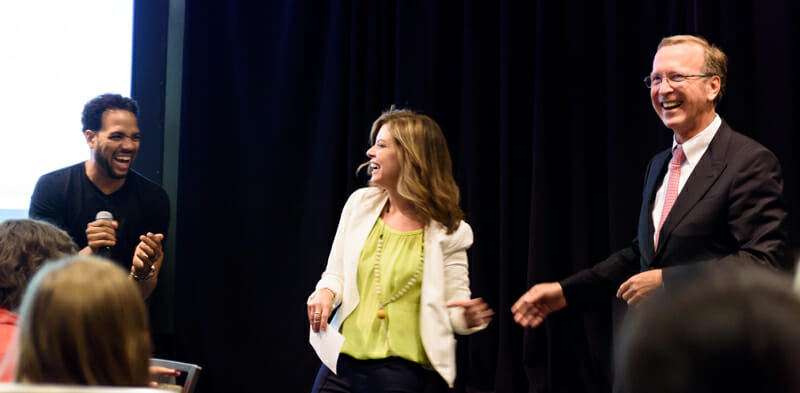
Points of Light board chair Neil Bush asked, “Who here stands with Points of Light in 100 percent supporting national service?” the entire concert hall rose to its feet.
Conference attendees shared their enthusiasm for national service throughout the Service Unites Summit through cheers, applause and social media. During the summit at the Conference on Volunteering and Service, Points of Light and Voices for National Service encouraged attendees to participate in their ongoing
in support of national service. Thunderclap, the world’s first crowdspeaking platform, allows individuals and organizations to lend their voice – and social reach – in support of ideas and causes that matter.
The thunderclap asked Congress to invest in – not eliminate – national service. The White House budget proposal for fiscal year 2018 calls for the elimination of the
over the course of the next year, which would include ending national service programs like AmeriCorps and Senior Corps. Through these programs, the Corporation for National and Community Service engages millions of Americans in results-driven service each year.
During Conference, attendees and national service supporters across the country made their voice heard by joining the social media campaign. Over the course of the campaign, 1,634 accounts signed on in support of the Thunderclap, reaching more than 3.6 million people on social media. The Thunderclap is just one part of a larger effort to
, honing techniques to strengthen their local AmeriCorps & Senior Corps programs. Through sessions including “Creating a Mindful Workforce for the 21st Century: AmeriCorps Member Management,” “Getting the Right People On Board: Developing a Strong AmeriCorps Leadership Team,” and “Creating a Retention and Engagement Program,” attendees connected with practitioners to learn hands-on information on recruitment, retention, member participation and satisfaction.
Attendees also had the opportunity to hear an update on the state of national service legislation and funding.
shared best practices to effectively engage and reach out to elected officials. A key takeaway was that national service supporters must speak up and share their service stories. Jen Ney, managing director of Voices for National Service shared an important reminder, “Elected officially engagement is a muscle, you have to work it out regularly. It needs to be part of your ongoing work.”
Points of Light looks forward to working with national service supporters to continue bringing together our collective voices and resources to raise awareness of the value of these important programs.
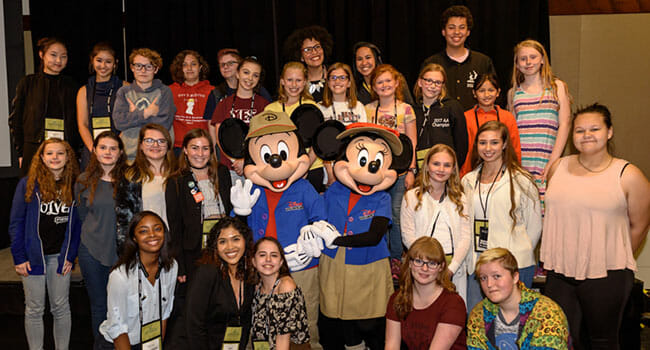
During this year’s Conference on Volunteering and Service, and with the generous support of Target, youth in and around the Seattle metropolitan area were invited to complete interactive and engaging workshops to develop a service project that positively impacts their community.
The Youth Summit featured 8 teams of young people that brainstormed ways to address a social issue important to them, develop a strong plan of action and pitch their idea to a panel of judges for a chance to win $250 to $1,000 grants to implement their project. The winners were chosen based on points received in the areas of relevance, creativity, community engagement, planned scope of work, defined outcome and sustainability.
In addition to the competition, the summit provided an opportunity for the students to network with each other and develop their collaboration skills, as well as their experiences and best practices with each other. Terra Gay, Points of Light’s senior vice president of Programs, summarized it best, “As you seek opportunities, seek out others as well.”
Building a Movement: Leaders of Social Change Inspire Action at the Service Unites Summit
Encompassing the themes of movement making, women’s empowerment, and economic and social justice, the Service Unites Summit at the Conference on Volunteering and Service in Seattle featured individuals from across the globe – coming together around the shared belief that being in the service of others can change the world. Ken Workman, a descendant of Chief Seattle, welcomed attendees in Lushootseed, the Duwamish native language; Kayah George, a young Tulalip and Tsleil-Waututh scholar, activist and leader, opened the summit with the powerful message that it is compassion that makes one strong, and there is no limit to the extent of human kindness.
Turning a Moment into a Movement
“In this hall we have people that share the common belief that being in the service of others can have positive impact on the world we live in. The belief that being in the service of others is joyful. The belief that service unites,” said Kevin Johnson, CEO of Starbucks. Focusing on the three pillars of sustainability, opportunity and community, Johnson said Starbucks works to use its influence to make a difference in the world – committed to hiring veterans, military spouses, refugees and Opportunity Youth.
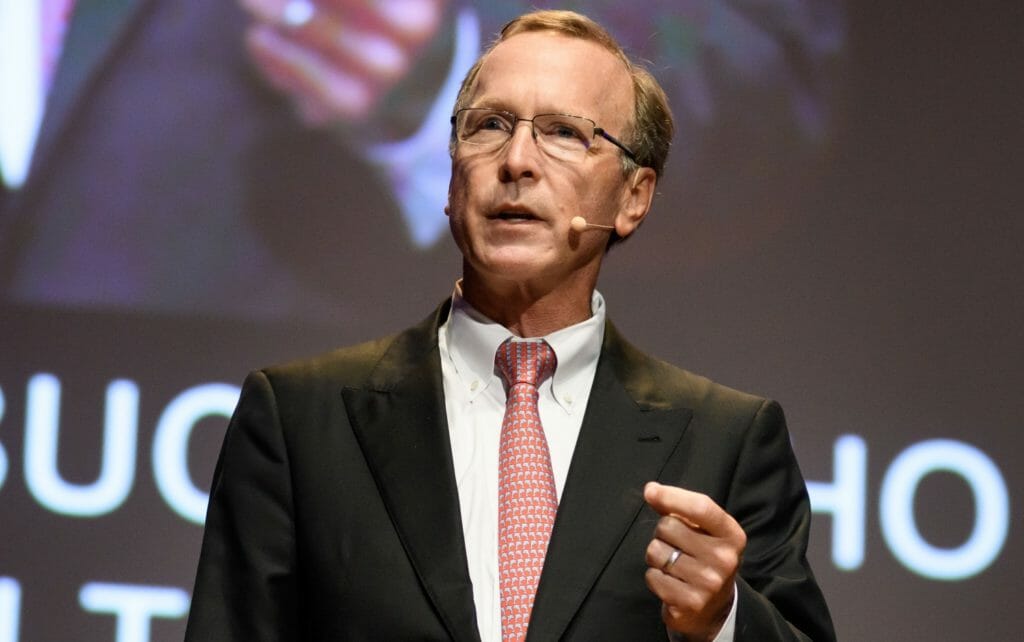
Points of Light chairman Neil Bush delivered an impassioned speech about the power of service to unite us in solving tough problems across the world, and the power of each individual to spark change. “The most effective change does not come from the top down,” Bush said. “It comes from the bottom up.”
“Voluntary service and liberty are two sides of the same coin,” he continued, noting that volunteerism is, in fact, the essence of our liberty and key to our national character in the United States. With the White House’s fiscal year 2018 budget calling for the elimination of the Corporation for National and Community Service, the federal agency that oversees AmeriCorps and Senior Corps, Bush called on the audience to join the movement to save these critical programs. Attendees had the opportunity to participate in a Thunderclap campaign in support of national service programs. Run in partnership between Points of Light and Voices for National Service, the Thunderclap drew support from 1,635 individuals and organizations across 555 cities that added their voices to take a #Stand4Service, calling for Congress to invest in – not eliminate – national service. Released at the end of the summit, the campaign had a social reach of 3.59 million.
Bush noted that national service programs are the foundation upon which thousands of organizations across the country build their volunteer programs. “Let me be clear,” he said. “We 100 percent support the Corporation for National and Community Service.”
Tracy Hoover, CEO of Points of Light, emphasized that while this year has been one of mounting tensions and deep frustration, the best reaction is to take action through service. “Progress has never been gained because of policy, but because of citizens,” Hoover said, encouraging each of us to unite as agents of change, working together for a common goal. Drawing on Dr. Martin Luther King Jr.’s idea that whatever affects one of us directly will affect all of us indirectly, Hoover stated that, “Our destinies are increasingly tied together.”
Acting as perfect examples for this individual commitment to change, Dr. M. Sanjayan, incoming CEO of Conservation International, and Ashton Cofer, a young inventor, sat down to tackle the issue of climate change. “The death of the planet has been foretold,” said Dr. Sanjayan. “The question remains, ‘What are we going to do about it?’” At only 15 years old, Cofer has already stepped up to answer that question – he invented a way to recycle Styrofoam by converting it into carbon that can be used to purify water, solving two global problems at once. We don’t all need to be inventors, he said, but we can start out with small ways to help that will add up. “If we can use science, use teamwork, we can solve any of these problems and really succeed in the future.”
Eric Liu, CEO of Citizens United, drew attention to another type of climate change. “We cannot deny that our civic climate is changing as well,” he said, and not for the better. The solution, he said, is national service. Liu said these programs bind us together with common purpose and aspiration and get people thinking about how they can be a part of something bigger than themselves. “I stand here today as a citizen, asking each of you to stand for national service,” Liu said, ending with a call for all of us to “exercise the full breadth of our citizen power.”
Empowering Women and Girls
Umran Beba, CHRO, human capital management for PepsiCo, turned the conversation toward the empowerment of women and girls. “Girls have the power to the change the world,” she said. “We have the opportunity and responsibility to empower them.”
Spoken-word poet Tonya Ingram and award-winning journalist Tamron Hall lent their voices to underscore the importance of empowering women and girls. Rachel Gerrol, co-founder of Nexus, led a panel featuring Beba, Cheryl Strayed, author of “Wild,” Sarah Hurwitz, former speechwriter for Michelle Obama, and Zoe Terry, 10-year-old CEO of Zoe’s Dolls. The young social entrepreneur captured the heart of the audience and wisely questioned the antiquated insult “you run like a girl.”
“Girls are strong, powerful, and bold. We have a voice, and we are changemakers,” said Zoe, calling on the older generations not to underestimate young girls. “We are small, but we are mighty!”
Strayed said we must work to change the cultural story of gender, and “challenge the stories that hold us back.” Hurwitz reminded the audience that women’s issues are human issues and that we must find the courage within ourselves to stand up.
Changemakers for Economic Mobility and Social Justice
Kerry Sullivan, president of Bank of America Charitable Foundation, noted the importance of advancing economic mobility for individuals, families and communities. The company’s strategy is to put people at the center of change, giving them the tools and resources to build pathways to success.
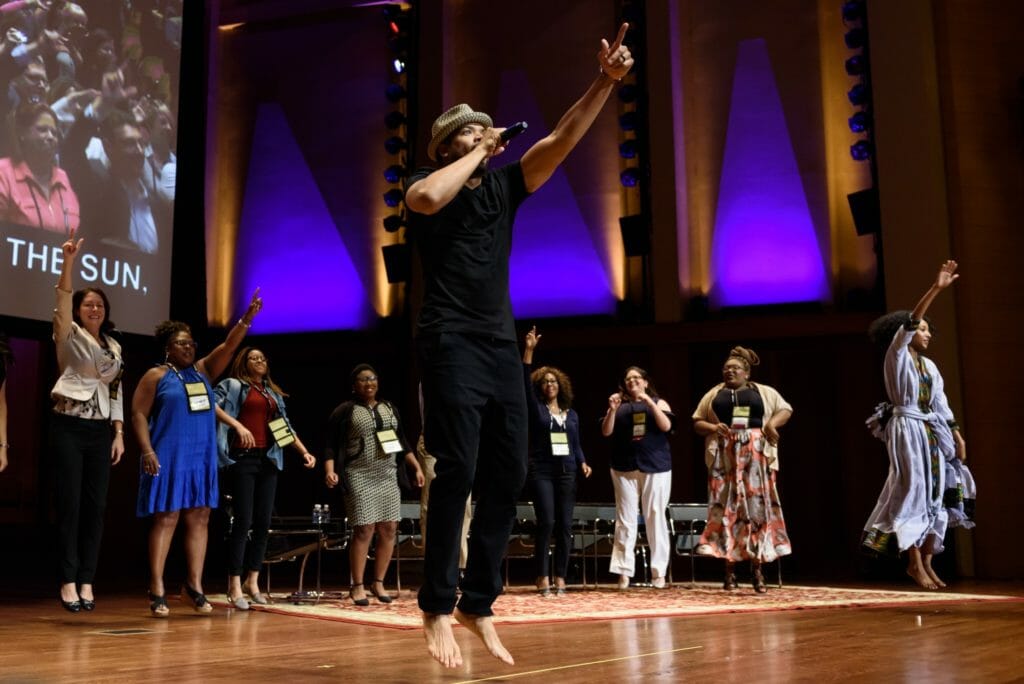
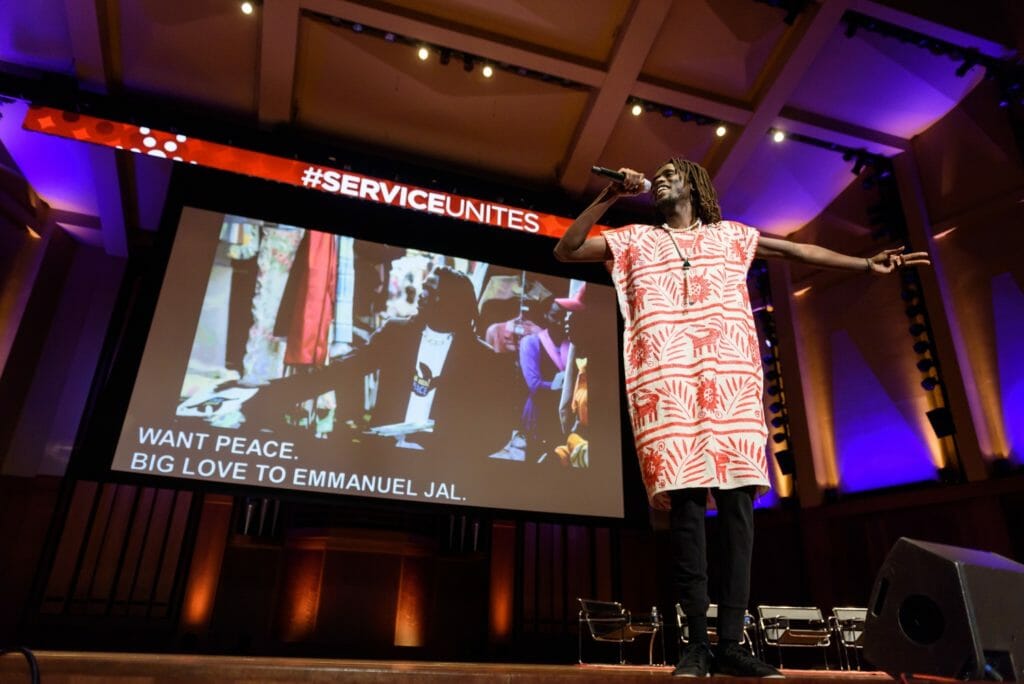
“Everybody in this place is an angel doing something great,” said Emmanuel Jal, a former child soldier and refugee from Sudan, turned artist, activist, actor and author. In a rousing musical performance, Jal told the audience that every person has a story to share, and everyone is capable of doing something great. Sharing the story of his own journey, Jal said, “I stand here because some lady cared. I stand here because somebody dared.”
Elisa Hahn, a reporter with KING 5, led a panel featuring Carmen Best, deputy chief of the Seattle police department, prison reform activist Suellen Fried and Rev. Harriett G. Walden, founder of Mothers for Police Accountability. Focusing on issues related to the criminal justice system, the panelists emphasized volunteerism, education and investment in young people as the key solutions for overhauling the system and counteracting the social problems its flaws have created. And, working together. “If you’re not at the table, you’re on the menu,” said Deputy Chief Best. “We need to be all together at the table, having these conversations.”
The energy-filled and inspiring summit concluded with an address from pioneering astronaut Dr. Mae Jemison, the first woman of color to go into space. Dr. Jemison was also presented with the Daily Point of Light Award, in recognition of her work with youth, empowering a new generation to explore and connect with the world through STEM education. “I feel like all my work should be in the service of helping this world be a better place,” said Dr. Jemison. Quoting Alice Walker, Jemison noted, “‘it is the nature of the flower to bloom.”
“Our task is to ensure that we create the right conditions to allow all of us to bloom,” she said.
Corporate Volunteer Councils are local networks that businesses join to share best practices and address community needs through workplace volunteering. The Corporate Volunteer Council of the Year Award recognizes councils that have a clear purpose, meaningful educational activities, and measurements for success. All entries are reviewed and a winner is selected by an awards committee comprised of national Corporate Volunteer Council leaders and supporters convened by Points of Light.
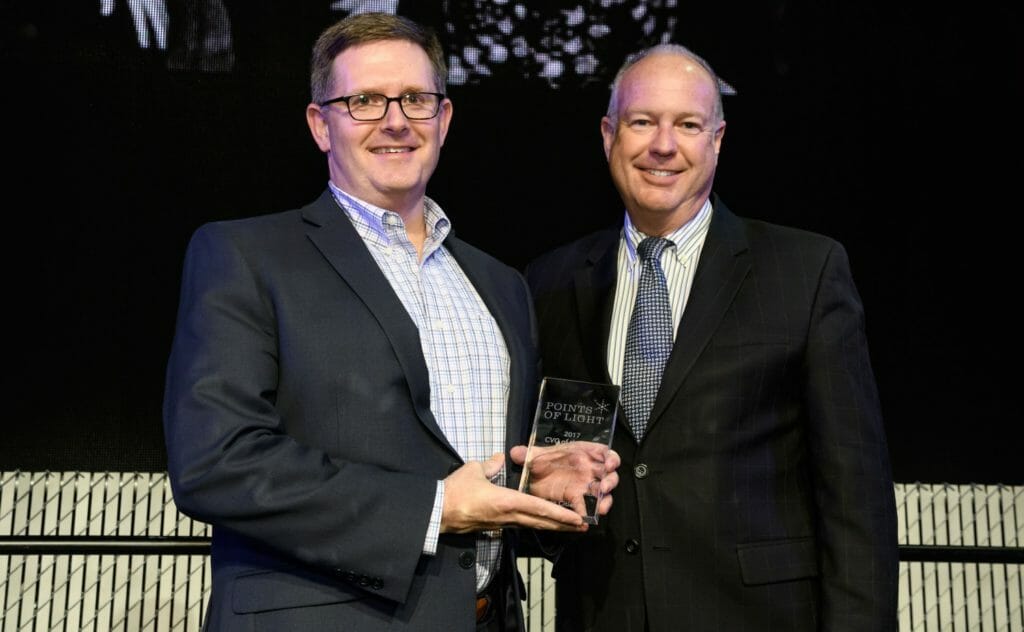
The Corporate Volunteerism Council – Twin Cities was presented the award by Points of Light board member Jeff Hoffman during the conference’s Civic 50 Gala. Scott Cummings, Minneapolis market development director for Accenture and 2016 CVC-TC president, accepted the award on the organization’s behalf.
The CVC-TC connects members to local issues, volunteerism best practices, and community and national trends through networking, programming, and promoting significant events such as National Volunteer Week. Since its founding in 1980, it has provided corporate members with opportunities to increase their skills through ongoing engagement – balancing networking events and an annual awards celebration with content-rich programs that dually meet the needs of members with sophisticated CSR programs and those who have recently started their corporate volunteer efforts.
Their membership structure provides for strong community connections by including one nonprofit member for every four corporate members. This offers members a strong local network and direct access to volunteer opportunities. Cross-sector collaboration is woven into how the CVC-TC operates; businesses and nonprofits regularly work together to best meet the needs of the Twin Cities community. One shining example of this is the award-winning Twin Cities Corporate Giving Garden Network, with 20+ CVC-TC members growing fresh produce on their corporate campuses to help stock local food shelves and feed hungry neighbors. More than 40,000 pounds of fresh produce has been grown and donated in the last 8 years.
“We are so fortunate in the Twin Cities to have a culture that values volunteerism as a powerful tool in making our community thrive,” said Jenny Moe, manager of corporate social responsibility for Target. “We are even luckier that we have the Corporate Volunteerism Council – Twin Cities to help support this culture through facilitating nonprofit and corporate collaboration, learning and networking opportunities.”
CVC-TC members also volunteer their own time to help educate and bring along newer members. The annual CVC-TC Pro Bono Consulting Project provides resources to new members who are looking to both benchmark and improve their volunteer programs. The CVC-TC has also launched an innovative Twitter book club (#CVCTCbookclub) to increase online engagement with CVC-TC and support the professional development of its members.
Sarah Richter, senior manager of community relations at Ameriprise Financial, shared: “The Corporate Volunteerism Council – Twin Cities has been so valuable for Ameriprise Financial. From networking, to learning and sharing best practices, I know I can benchmark my peers whenever I have a question. As a community rooted in philanthropy, this group continues to elevate and demonstrate that volunteerism is good for business and community.”