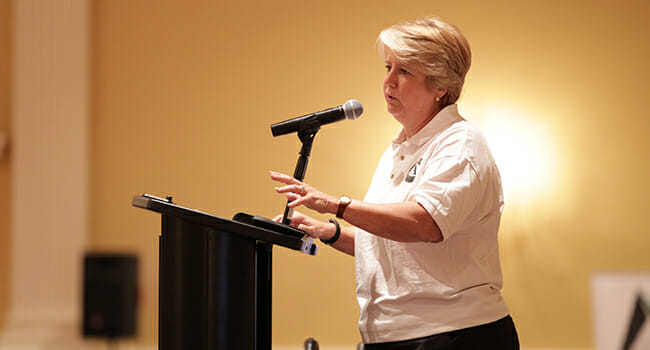
This post was written by Teri Johnson, senior vice president of strategic partnerships, training and consulting for Points of Light.
The nonprofit sector spends a lot of time agonizing over organizational strategy and how to meet mission with increased demand and fewer resources. Though volunteers seem like an oversimplified solution to the problem, through strategic volunteer engagement, they can be viable and, oftentimes, necessary assets to nonprofit capacity building.
The good news is, people want to volunteer! According to the
, 1 in 4 Americans volunteer through an organization. The report also indicates that volunteers are twice as likely to donate money to organizations compared to non-volunteers. Why, then, are some organizations unhappy about the idea of volunteers knocking on their doors?
Great volunteer engagement is done strategically, as a part of the organizational culture; however, this approach takes an investment of time and energy that many organizations don’t feel they have. The result is a resistance to developing a more vibrant volunteer engagement program. Even some of the strongest nonprofits with vibrant programs engage volunteers either episodically, or because they are mandated to do so. When you engage volunteers with a fill-the-gap approach, without a needs assessment, compared to one of strategy, it’s harder, more time consuming, and generally less fulfilling for both the organization and the volunteer.
However, organizations that build a culture of volunteerism, and purposefully embed volunteerism into their strategy, experience stronger retention rates, increased volunteer engagement and higher
, for example, experience a 23 percent average increase in new volunteers in their first year after being certified by implementing strategic volunteerism practices.
Strategic volunteerism means embedding volunteers as capacity builders into your operational and programmatic strategies. Any organization, regardless of size, is capable of engaging volunteers strategically. It takes time and commitment, but the outcome is stronger mission delivery. Here are a few tips for helping your organization tune in to a culture of volunteerism:
Enlist the support of senior leaders and decisions makers for volunteers to be more integrated into your organization.
Perform an internal needs assessment to determine where there are gaps.
In every program design or strategy session ask the question, “How can we engage volunteers to help us achieve this work?”
Commit to a codified recruitment, training and recognition program for your volunteer program.
Track your volunteer efforts and report on outcomes and outputs.
When volunteers are an afterthought, it can be challenging for everyone involved – but when volunteerism is a part of organizational culture, your efforts will return bigger results. Volunteers will be your ambassadors in the community, your capacity builders and some of your greatest assets. Volunteers will step in to fill the necessary gaps to allow your organization to make a bigger impact.
The 4-Step Guide to Taking Part in Good Deeds Day 2017
Good Deeds Day is a global day of service that unites people from more than 89 countries to do good deeds for the benefit of others and the planet. Now in its 11th year, Good Deeds Day was created in 2007 by Points of Light global affiliate Ruach Tova. As an event partner, Points of Light encourages our community of changemakers across the globe to participate in Good Deeds Day on April 2, 2017.
Courtesy: Good Deeds Day Kids performing in a flash mob on Good Deeds Day in San Jose, Costa Rica.
International Good Deeds Day is a day solely dedicated to making a positive impact on the people around us and thereby the world as a whole. There is an almost endless supply of opportunities for everyone to spread the goodness in their own way, it can almost be overwhelming.
Millions of people from more than 75 countries around the globe will take part in Good Deeds Day 2017. If you want to be a part of the global movement of doing good and are still looking for ways to get it all started, we got you covered with our little guide on how you can get involved.
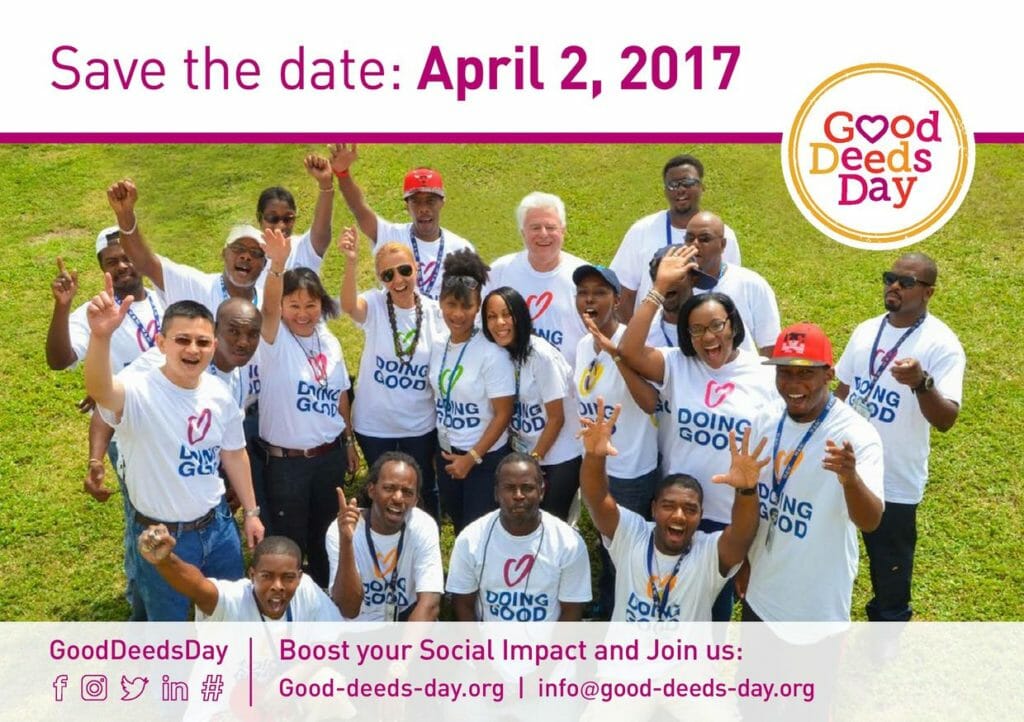
1. Save the date
International Good Deeds Day is already celebrating its 11th year, and over 1.5 million people will join hands to do good on April 2, 2017. Mark the day in your calendar and clear your schedule – it’s gonna be a great day.
Once you’ve decided on the impact you’re gonna make, share it to your Facebook friends and motivate them to join you in making a difference. Afterall, happiness is so much better when it’s shared.
Courtesy: Good Deeds Day Share your awesome ideas with the world to inspire others to do good as well.
Once your inspiration has grown into an idea, simply fill out this form and the International Good Deeds Day team will be in touch to help your plans off the ground.
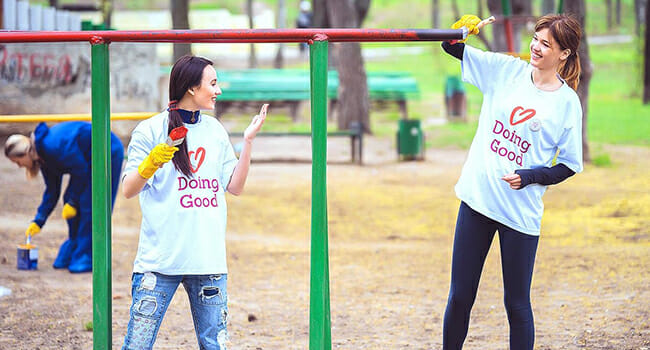
Courtesy: Good Deeds Day You project could be as simple as giving a children’s playground a fresh coat of paint.
4. Get the word out
Congratulations, you are now officially a part of the global movement of doing good and you should be proud of it. Talk to others about Good Deeds Day, spread your own ideas, and find like-minded people who will join you on April 2.
The Good Deeds Day team prepared lots of cool material in eight different languages that will help you to inform, inspire, and spread the goodness. Print some stickers, get a GDD shirt, or just change your email signature. The more people that join you in doing good, the greater your positive impact on the world will be.
Courtesy: Good Deeds Day The more the merrier – get your friends and family involved in doing good and share the happiness.
This article was originally published on Goodnetand appears here with permission.
ServiceWorks ‘Dream Team’ Pair Demonstrates Power of Mentorship
At first glance, Jersey Cares Success Coach Marc Wolensky and college student and ServiceWorks alum Christian Illescas don’t seem like two people whose paths would be likely to cross – but looks can be deceiving.
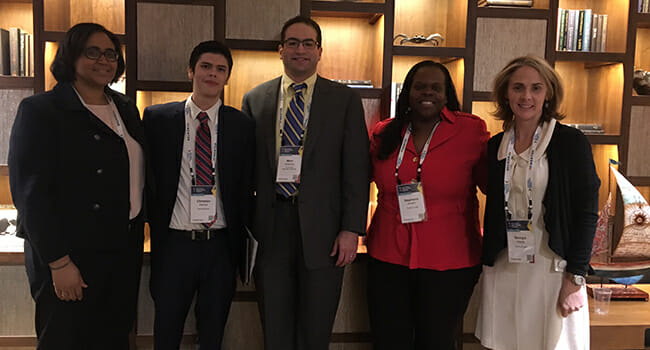
Through Points of Light’s ServiceWorks program, Marc and Christian were paired up as a success coach and mentee in 2015. Working together, they share ideas and find unique ways to help their community. Their successful relationship – Christian calls them “The Dream Team” – led them to be invited to speak at the recent MENTOR conference in Washington, D.C.
We sat down with them to talk about their relationship, how being part of ServiceWorks has affected them, and what they see for the future.
Q: Marc, what made you want to become a success coach?
MW: I wanted to be in a position to positively impact people’s lives. I love working with and helping people, especially college students, become their best selves. From what I’ve seen in my experience as a professional coach, and what I personally experienced being coached, I felt that it would greatly benefit the students in my local community.
Q: Christian, what’s something you have learned from Marc?
CI: Say yes to everything, and then figure out how to do it! Sometimes we reject opportunities because we are afraid or do not believe in ourselves, but Marc taught me how to take action and take these opportunities to a different level.
Q: What are some goals you set at the beginning of success coaching?
CI: In the beginning of coaching, my goals were to buy a car before sophomore year; to take the 2016 entry-level law enforcement examination; to graduate from college with a double major in three years; to get admitted to law school after my undergraduate degree; and to become a politician. Marc helped me figure out how to set time frames and due dates and get a very clean perspective of how to achieve these goals.
Q: How has your relationship grown?
MW: Coming into this program, I never thought that I’d make this kind of relationship with a Service Scholar. From the moment we met, I knew that Christian was special, and he was goal driven. To have been able to help him has been a pleasure. Even though our official coaching relationship ended, Christian and I have become friends and we continue to work together, helping each other to be our best selves.
CI: Marc and I have become really good friends since our official relationship as mentor and mentee ended. Marc has become like an older brother to me, he is always there to help me whenever I need him.
Q: Why do you think the ServiceWorks program is so successful?
CI: ServiceWorks has a solid structure – it’s a family working towards the same goal and people bring desire, performance and perseverance every day.
MW: It’s a great model, with great teachings, led by great people! Everybody involved with ServiceWorks has something special to add to it, and that’s part of what makes it a successful program. The lessons taught are beneficial to all, especially young people. The model allows growth to occur to everybody involved, including the trainers, coaches, Service Scholars, and the local communities they serve.
ServiceWorks, a national program powered by the Citi Foundation, AmeriCorps and Points of Light, uses structured volunteer service as the primary strategy to help 25,000 low-income youth and young adults in 10 cities develop the skills they need to prepare for college and careers.
Innovative Volunteer Engagement Program Helps Address Refugee Crisis in Brazil
In difficult times, we often look to humanitarian groups to support those in need. Since the onset of the refugee crisis, this has certainly been the case in Brazil. To supplement governmental support, which can be quickly overwhelmed by an influx of immigrants, Atados used a project model that revolutionizes the way volunteers become involved in solving social crises.
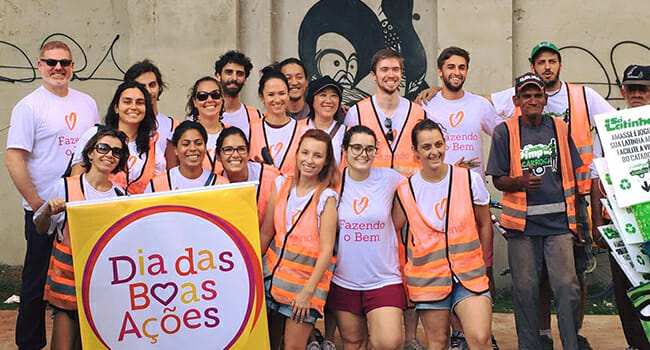
Atados’ three-pillar model works to 1) awaken people’s interest in social causes, 2) connect them to nonprofits and, 3) develop projects with high potential. They have used this program to support a variety of quick-action campaigns and engage a large number of volunteers, especially in traditionally non-engaged communities. One of these campaigns was Feminicidade, which promoted gender equality and women’s empowerment, and engaged more than 500 volunteers in 2016. Atados also organized the first Good Deeds Day celebration in Brazil, which activated more than 10,000 volunteers across 40 Brazilian cities last year.
With its successful track record in volunteer engagement, Atados readily adapted its model to respond to the global refugee crisis and provide aid to the people who had already taken refuge in Brazil.
Since 2011, the number of refugees in Brazil has doubled each year. In 2013, Atados began connecting with these refugees through Adus, a nonprofit that offers free Portuguese lessons and helps resolve legal, medical and work issues, playing a critical role in helping refugees integrate into Brazilian culture.
“The number of refugees was increasing a lot in Brazil, but many people had prejudices on the matter,” said André Cervi, cofounder of Atados. “Therefore, we decided to focus on the first pillar [awakening people to social causes].”
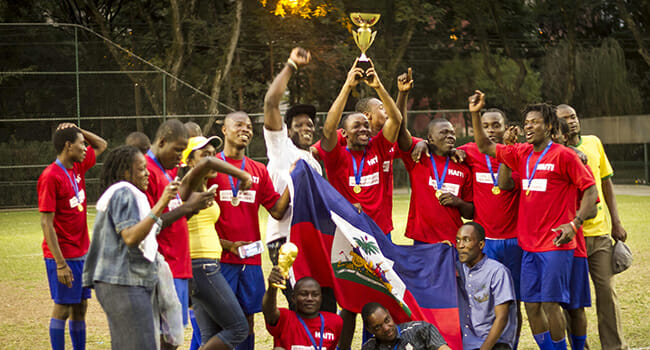
In 2014, Adus and Atados collaborated to organize the first World Cup of Refugees, scheduled to take place around the same time as the official World Cup in Brazil. In addition to uniting 150 volunteers, 150 refugees and an audience of more than 200 people, the event was also broadcast by several outlets, which helped bring attention to the struggles of refugees in Brazil.
After shedding light on the cause, Atados moved on to the second pillar of its program – connecting people to nonprofits. From teaching Portuguese to organizing volunteer events, Atados has connected nearly 300 volunteers with service opportunities at Adus.
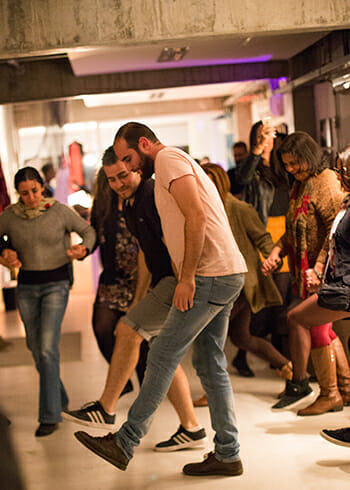
All of this culminated in the development of a project with a high potential for impact. Focusing on one of the most overwhelming difficulties that refugees face – finding a job – Atados and Adus looked to refugees’ cultural and language diversity. Together, the organizations opened Abraço Cultural, which translates to “cultural hug.”
This school, which employs refugees to teach about the culture and language of their native countries, hired 15 refugees to teach 120 paying students in its first year. Abraço also engaged more than 80 volunteers to help get the school off the ground through communications support, teacher training, administrative functions and cultural activity implementation.
Using these three interconnected pillars, Atados is able to support a wide range of causes, engaging volunteers at a high capacity to accomplish major projects that achieve sustainable results.
“Abraço Cultural has already reached it ́s break-even point,” André said. “Once it ́s profitable, [it will] donate the surplus to Adus.”
With their eyes on creating future projects, Atados plans to build a new program called Creator of Acts. This program will help nonprofits identify and scope innovative volunteering opportunities that will continue to engage previously non-engaged citizens in inventive solutions to the problems that their communities face.
Celebrating the Contributions of Extraordinary Black Changemakers
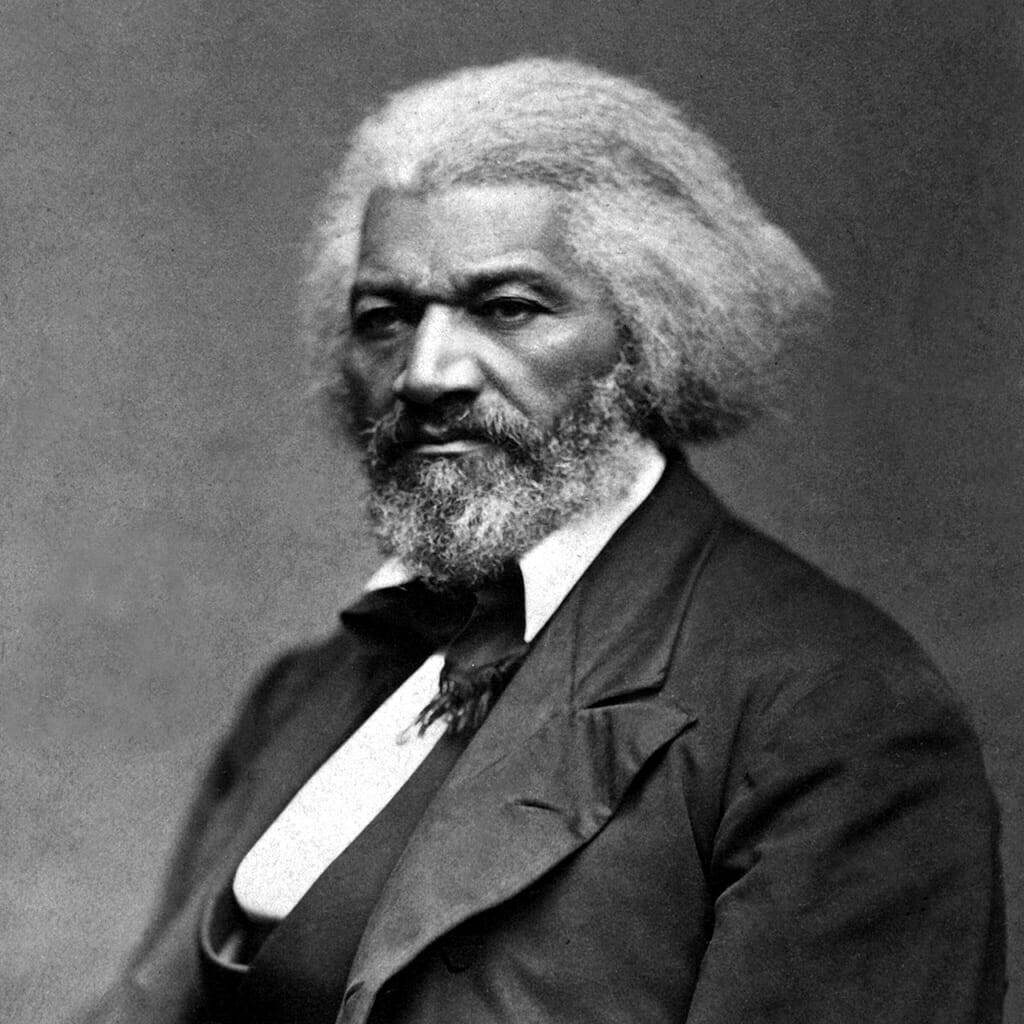
Famed orator and writer
Fredrick Douglass
was also a key architect of the movement that ended slavery, the very institution into which he was born. Even after his goal to abolish slavery was achieved, Douglass persisted in his struggle for equality, working in the women’s rights and civil rights movements to help set the stage for further landmark change in the United States.
Douglass is featured on the
, a one-mile walkway in Washington, D.C., that honors the actions and service of famous Americans who have transformed our nation and the world. During Black History Month, we recognize and celebrate the significant contributions that African-Americans have made throughout our history, recognizing their achievements and the great economic, social and political issues these points of light dedicated their lives to. Learn about other influential African-Americans featured on the Monument:
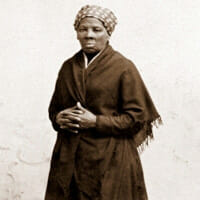
Harriet Tubman
escaped a life of slavery only to return south, at her own peril, time and again, to lead more than 300 fugitive slaves through the Underground Railroad to safety and freedom. After the Civil War, Tubman raised money to clothe and educate newly freed African-American children and established a home for and indigent African-Americans.
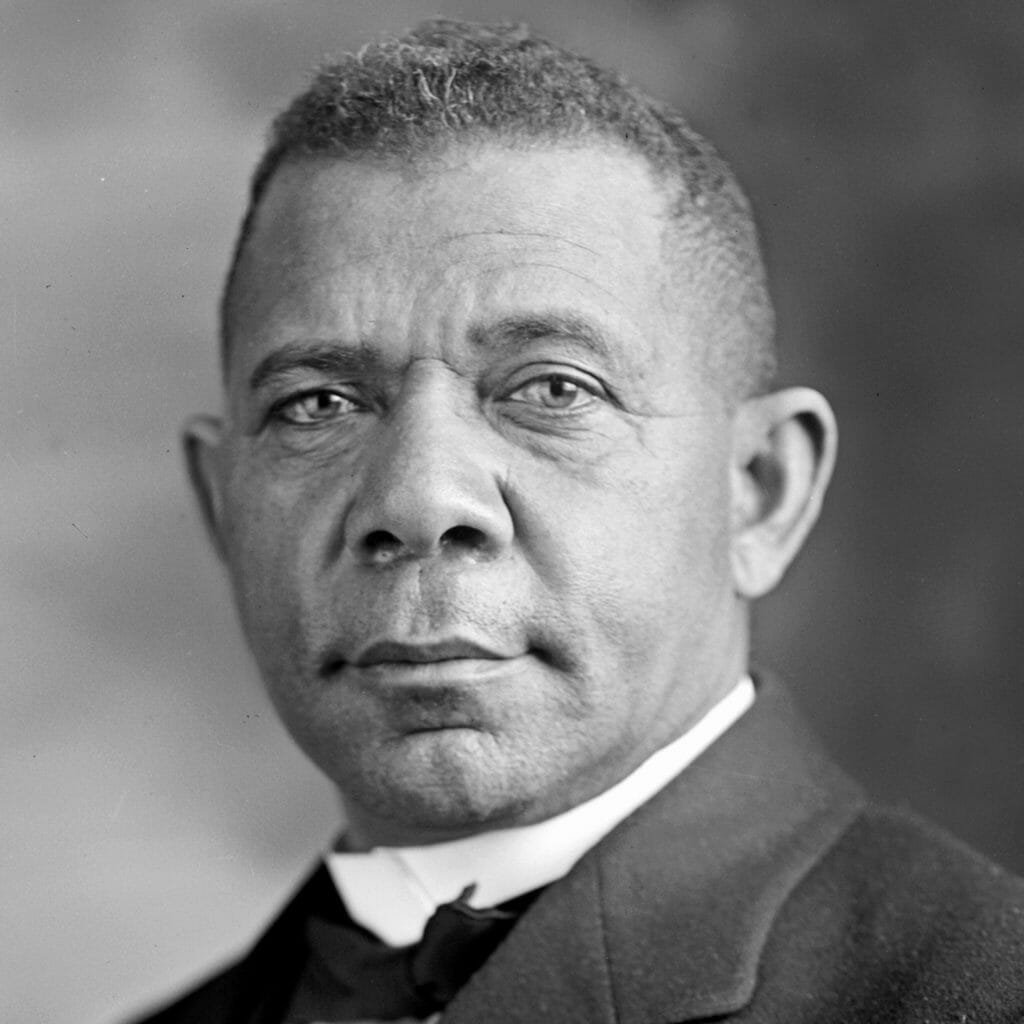
Booker T. Washington
negotiated a course between accommodation and progress in advocating greater civil rights for blacks. His philosophy of “request” not “protest” allowed him to gain the respect of presidents and politicians. He believed education was a cornerstone for the advancement of blacks and his efforts to raise money for his beloved Tuskegee Institute helped secure its well-deserved reputation as a leading educational institution for African-Americans.
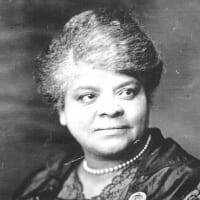
Ida Wells-Barnett
crusaded aggressively for civil rights her entire life and was unafraid to exercise those rights when custom ran contrary to the law. Involved in many civil rights causes, she played leadership roles in the women’s suffrage movement and in the founding of the NAACP. Ida Wells-Barnett became the era’s most outspoken crusader for ending the practice of lynching African-Americans.
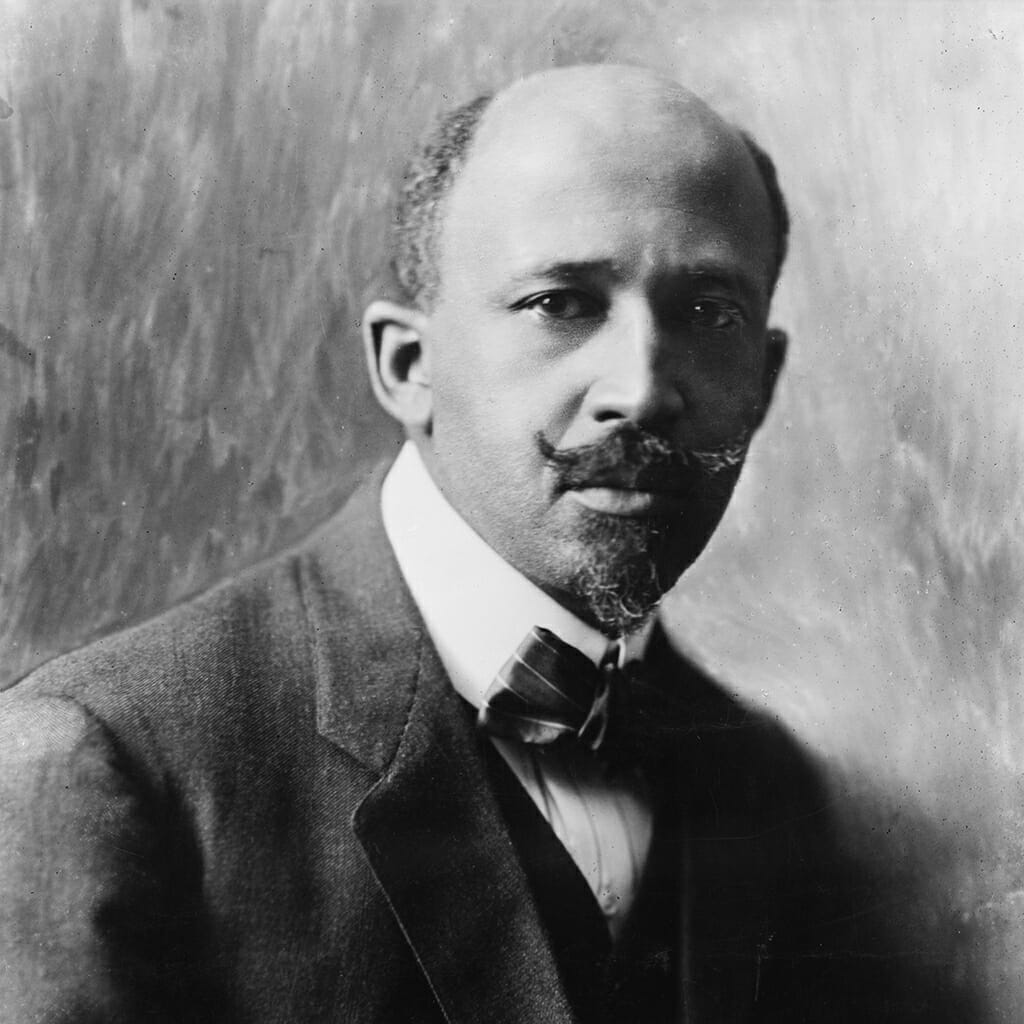
William Edward Burghardt (W.E.B)
DuBois
was one of the most influential black leaders of the 20
th
century, helping to form the Niagara Movement as a way to work for an end to segregation, discrimination and the denial of voting and civil rights. When Mary White Ovington called on civil rights activists to form the National Association for the Advancement of Colored People, he joined her as a principal founder in 1909.
In founding the Southern Christian Leadership Conference,
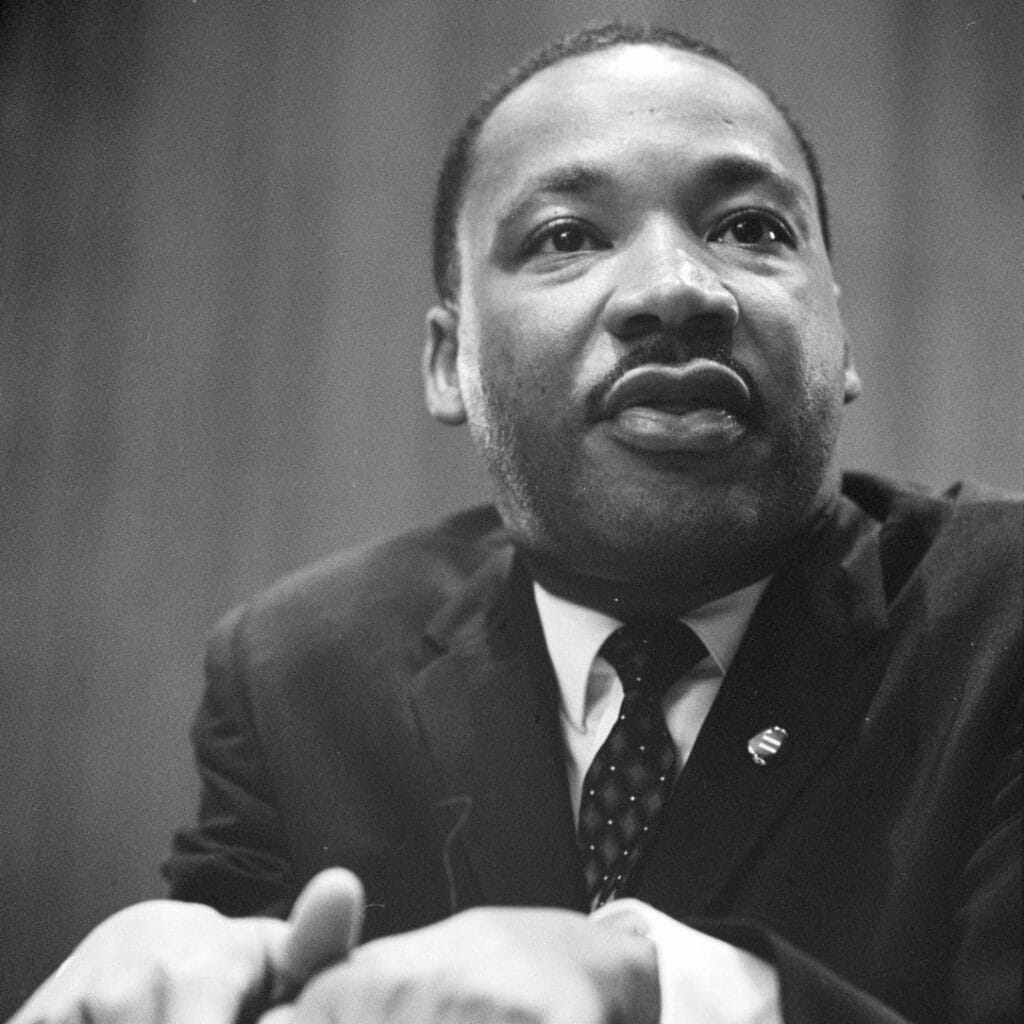
Dr. Martin Luther King Jr.
gave momentum to the civil rights movement. Dr. King’s persistent efforts, inspiring oratory and non-violent protests, despite physical attacks, death threats and retaliatory violence, brought America closer to his dream of equality for all.
These trailblazers were important leaders during some of our country’s most divisive time periods and influential social movements. Their work and dedication to improving life for marginalized communities, across both civil and women’s rights movements, has left a lasting imprint on the social fabric of our nation.
Learn about other extraordinary changemakers featured on the
4 Ways to Volunteer Inside During the Winter Months
As temperatures drop and frost or snow covers the ground, you might be thinking about how to take your volunteering to a warmer, cozier location. During the winter season, try out some meaningful volunteering opportunities that you can do from the comfort of your own home.
Help others stay warm this winter by gathering some fleece, wool or yarn, and putting it to good use! Make a fleece blanket using these simple instructions from our youth division, generationOn, and donate it to Project Linus to help warm a child in need. Or, break out your knitting needles and make a hat or baby blanket for Knots of Love. You can check Wool Works or All Free Knitting to find more organizations in your area accepting sewn and knit items.
Sending greeting cards is not just for the holidays! Write cards for Operation Gratitude to send in care packages to deployed troops, new recruits, and veterans. Brighten a hospitalized child’s day with a personal note or card. Want to double your good deed? Check out Greet for Good, a database of organizations that sell greeting cards benefitting the organizations or causes you care about.
3. Throw a party to fundraise for your favorite cause
Fundraising parties aren’t just for politicians and actors. You can throw a party in your house to raise money for a cause you are passionate about. Get your friends and family to help – invite your neighbors and coworkers to attend as well. You can use this guide to help you plan your event.
Cold weather, ice and snow can present some challenges for the elderly. Use this guide help a neighbor winterize their home to protect against winter’s chill. You could also help someone do their grocery shopping, bring over a fresh, home-cooked meal, or offer to pitch in with household chores.
Amidst the hustle and bustle of big cities, it can be easy to feel disconnected from the traditional sense of community that brings us together. Cities face their own unique challenges, and in turn offer a vast number of opportunities for service-minded city dwellers to get involved and improve their local communities through volunteerism. Here are some ideas to get your started:
Many urban spaces contain “food deserts” – areas in which it is difficult to buy affordable or high-quality fresh and healthy food, especially without access to a vehicle. One way of addressing this is to start or contribute to a community garden. Find a garden near you or get tips to start your own.
Cities have lots of schools, and they all could use a few more volunteers. Get connected with your local schools by spending time in the classroom, participating in tutoring programs, or leading afterschool activities.
Help feed low-income families or people experiencing homelessness by volunteering at your local food bank or soup kitchen. Especially in large cities, these organizations need a lot of volunteers to help meet high demand for their services. Find a Feeding America food bank near you, or search for a local kitchen in your community to get involved.
Is there an area – such as the street in front of your apartment or your favorite park – that you’d like to help maintain and keep litter-free, find out if your city has an Adopt-a-Block/Park/Street program that will allow you to take on responsibility for that space. And, even if there is no official program, there’s nothing to stop you from pitching in to keep it clean!
One of the benefits of living in a city is that it is easy to engage in the political process. Support the issues and organizations that you care about by showing up to city council meetings and public forums, or volunteer your time with a local political office or advocacy group.
One great thing about living in the city is that there’s always something exciting going on. There are plenty of service opportunities, too. Get in touch with your favorite organizations to see what they have coming up, or check out AllForGood.org to find upcoming volunteer opportunities in your city.
Boston Cares and Hands On Atlanta Face Off in Points of Light’s 2nd Annual “Super Bowl of Service”
This post is by Alison Doerfler, executive director of Points of Light’s HandsOn Network.
Update: Congratulations to Hands On Atlanta, the winners of the 2017 “Super Bowl of Service” with 3,649 hours of service!
It has been a great year for my sports teams this year, with the Chicago Cubs winning the World Series and the Northwestern Wildcats winning the Pinstripe Bowl. As we head into Super Bowl LI, I find myself pretty excited that the Atlanta Falcons are going to Houston to face the New England Patriots. Since Points of Light is headquartered in Atlanta, I may watch more than the commercials this year. Although I may be a bit biased, I take my job as “Commissioner” of Points of Light’s HandsOn Network seriously – and it’s time for the 2
. Fans of the Patriots and Falcons can do more than cheer on their teams next weekend: They can volunteer this week.
The terms are simple – each affiliate will track the hours served by their local volunteers from Monday, Jan. 30 through Sunday, Feb. 5, and we will combine that number with their team’s Super Bowl score, multiplied by 5. The winning affiliate will take the title of 2017 Super Bowl of Service Champions and win a $500 grant. The leadership team of the losing affiliate will volunteer at a nonprofit of the winner’s choice (in the losing team’s home city) sometime during the month of February.
Anyone can participate by participating in volunteer projects taking place this week in
.
May the best team and community of local changemakers win!
Bonus:
Hear from last year’s competitors, Metro Volunteers and HandsOn Charlotte:
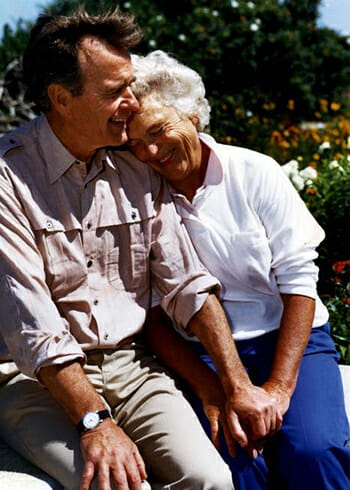
Points of Light Community Shares Well Wishes and Messages of Gratitude for President and Mrs. Bush
More than 25 years ago, our founder President George H. W. Bush created the Daily Point of Light Award to celebrate ordinary people making an extraordinary difference in their communities through volunteer service. Today, nearly 6,000 individuals and organizations have been recognized for their efforts to spark change and improve the world.
When the news came last week that President and Mrs. Bush were hospitalized, we invited our community of changemakers to join us in sending well wishes. We also encouraged others to honor the Bushes’ inspiring legacy of service by becoming points of light themselves. We are pleased to share some of the responses we received from Daily Point of Light honorees, who not only sent wishes for a quick recovery but thanked President Bush for his commitment to making the world a better place through service.
“I am sending infinite thanks to you for being a man of such of honor, integrity and compassion for others. Your life journey has been an incomparable model of what humanity at its most profound essence looks like.”
– SuEllen Fried, Daily Point of Light Awardee #900
“As a Point of Light award winner I want to thank you for supporting countless humanitarian, educational and cultural activities designed for underserved and underrepresented. I wish you a quick recovery.”
– Dr. Kumer Das, Daily Point of Light Awardee #5799
“I, as well as countless others of the community keep you in our thoughts as you recover, and do hope that your wife Barbara will be feeling better soon as well.”
– Jon Siebert, Daily Point of Light Awardee #5797
“I’m sending you more of the fighting spirit you already possess. My mom is 95 and was in the hospital with double pneumonia over Christmas. She beat it, and you can, too! Wishing you good health, peace and laughter to get you through the tough times!”
– Christie Coombs, Daily Point of Light Awardee #5888
“As a November, 2016 Point of Light Award recipient, I’ve only recently come to appreciate your commitment to recognizing the many volunteers who provide and support the quality of life for so many Americans. I thank you for that commitment and wish you a full and speedy recovery.”
– Sue Alenick, Daily Point of Light Awardee #5878
“Get well soon! Thank you for recognizing and supporting the positivity that volunteers make in our country! Focusing on and encouraging selflessness is what life is truly about.”
– Michelle Sergi, Daily Point of Light Awardee #5651
“I hope you find strength, hope, and healing in the ways that you have been points of light and supported others in also being points of light. Sending you love, support, and – of course – light.”
– Gail Soffer, Daily Point of Light Awardee #5749
Project Managers Answer MLK Day Call to Service in Washington, D.C., Area
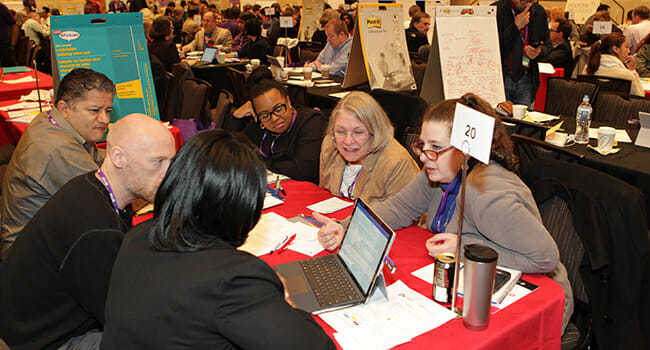
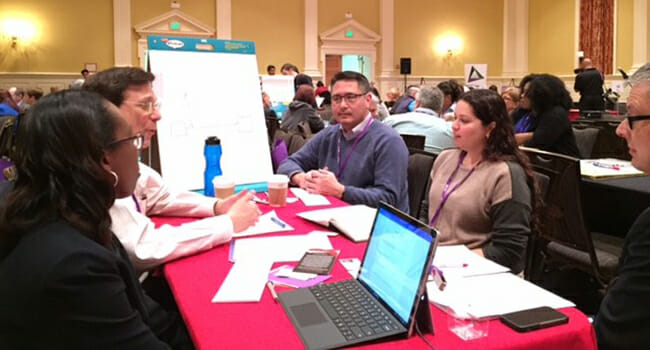
This day of service, which takes place annually on Martin Luther King, Jr. Day in the Adele H. Stamp Student Union on the University of Maryland’s College Park campus, is an all-day pro bono event that brought together more than 120 experienced project management professionals with 60 nonprofits across the Washington, D.C., region. Each organization was invited to send two senior employee representatives who had background knowledge of their organization’s current obstacles to attend the event, the goal being to scope, or assess, a challenge and build a comprehensive action plan.
To many nonprofits, pro bono project management can be a valuable asset when limited resources prevent smaller organizations from hiring full-time support. Michael Burke, one of the project managers attending the event pointed to this limitation as his motivation for volunteering at the event.
“Small nonprofits face difficulty with project management because the executive director is often the chief fundraiser, the chief organizer, and so on. That’s not the best structure for project management,” Michael explained. He added that pro bono events like the Project Management Day of Service are really useful for building out nonprofit’s long-term plans.
The event did not only benefit the nonprofits that attended, but also the project management volunteers. “This event is a great opportunity to get involved,” said volunteer Carl Schwad “I have worked on and off as a project manager for years, so this was a great opportunity to brush up on my skills and earn some PDUs.”
PDUs, or Professional Development Units, are required for project managers to maintain their Project Management Institute-certified credentials and keep their status as project managers. For Carl, who works in banking at Navy Federal Credit Union, this event was the perfect way to give back and nurture his own professional development.
Wendy Spencer, CEO of the Corporation for National and Community Service, delivered an inspiring keynote address about the future of volunteer service and the local, grassroots support of CNCS. She noted that in the wake of a tumultuous election season, it is uplifting to see that “maybe, just maybe, service is the one thing that [Americans] can rally around and agree on.”
In recognition of their efforts to organize the event, the Project Management Day of Service Program Management Office was honored with a Daily Point of Light Award. The vision for the event is, “…for people to take the skill sets that they do professionally and join others who do that [same thing] professionally to help nonprofits directly,” said Kendall Lott, co-founder of Project Management for Change, and CEO and president of M Powered Strategies.
Kendall continued, “Our call to action is, most specifically, project managers stand up and be counted, take your skills to a market that desperately needs you and probably can’t afford you.’”
His powerful call to action was met in full force with a fantastic turn out of project management volunteers – many nonprofit representatives in attendance spoke up to express their gratitude to the project managers who chose to make MLK Day a day “on” instead of a day off, offering professional guidance that these organizations might not have otherwise had.
Ivonne Cameron, CEO of Hepatitis Foundation International, said the day of service had a wonderful impact on her organization, helping them take, “the ocean” of ideas they had, and trying to boil them “down into one simplistic program that we know we can implement this year and increase our fundraising and development.”
Stacey Crooks, chief development officer for Your Grateful Nation, an organization that helps Special Operations veterans translate their unique skill sets to the everyday work force, said: “I have next steps. I can go back to the board tomorrow and tell them what they need to do and what we need to do to take things to the next level.”
When asked if the Project Management Day of Service should continue next year, the crowd responded with an emphatic “yes!” From redefining marketing strategies to creating HR trainings, or even reevaluating the strategic direction of organizations, the 2017 Project Management Day of Service helped community-focused nonprofits more effectively manage their resources and gave project management professionals the perfect opportunity to give back.