Personalize, Mobilize, Sustain: A Nonprofit Playbook for Trust, Crisis Readiness and Capacity Building
Today, building a sustainable volunteer engagement strategy requires moving from a transactional model to a relational one. By focusing on values, dignity and infrastructure, nonprofits can transform collective fatigue into fuel for lasting community change. Using the strategies implemented by Points of Light Global Network Affiliates
HandsOn Greater Phoenix
and
L.A. Works
, we can build both crisis readiness and long-term capacity.
Personalize: The “Dignity-First” Experience
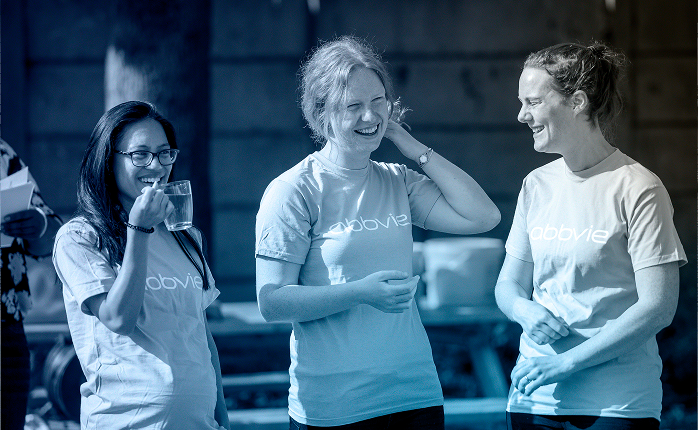
The bridge between a one-time volunteer and a lifelong advocate is a “dignity-first” experience that respects the volunteer’s agency and time. HandsOn Greater Phoenix, for example, lowers the barrier to entry through micro-volunteering (short, accessible tasks like cleaning a chilled drinking water station for 15 minutes.) These flexible options make service sustainable for busy lives and fire up an interest that often leads to deeper commitments.
L.A. Works personalizes even the most transactional tasks, such as kit-packing, by adding human touches – like having corporate volunteers write favorite family recipes on cards for recipients. They also center what they call “hospitality,” where they ensure volunteers feel welcomed and educated on the social issues they are helping to solve. This approach turns a simple project into a powerful narrative that actually sticks with volunteers – such as the transformation of an aging school into what is now a vibrant community hub.
Mobilize: Building Surge Capacity and Civic Infrastructure
Nonprofits know that true crisis readiness is built through robust civic infrastructure rather than reacting in the moment, and in communities with this established foundation, we see the power of this energy. HandsOn Greater Phoenix is written directly into the state’s emergency management plan to manage “spontaneous unaffiliated volunteers” during disasters. This established system allowed them to process 40,000 volunteers in just three months during the COVID-19 vaccine rollout.
Similarly, L.A. Works acts as a vital connector during wildfires as part of the Emergency Network for Los Angeles (ENLA). By updating needs hourly on their website and coordinating with grassroots efforts and corporate partners, they ensure community energy is converted into disciplined, effective support.
Sustain: Leadership Pipelines and Strategic Partnerships
Sustainability is maintained by moving beyond one-off service days to build leadership and long-term governance. The AZ Leaders on Board tool matches graduates of civic leadership programs with nonprofit boards, strengthening governance for over 400 organizations. Internal sustainability is also fostered by celebrating staff – L.A. Works uses meeting time to share the personal “journey” of team members during anniversaries, which significantly boosts morale.
On the corporate side, strategic partnerships demonstrate the power of depth over breadth. A decade-long collaboration between Fidelity and a local high school in Phoenix evolved to include financial literacy workshops, teacher appreciation gifts from refugee artisans and equipment grants. This series addressed multiple community needs, far beyond a single “Transformation Day” that often yielded more transactional interactions.
While the future remains uncertain, the mission of volunteer engagement is more critical than ever. Nonprofits do the work of bridging divides and combating isolation. By prioritizing personalization, building reliable infrastructure and investing in long-term partnerships, we might just be able to move from a state of crisis to one of sustainable capacity.
From Burnout to Re-Engagement: Nonprofit Staff Capacity, Volunteer Retention and Aligning Values
This two part series examines the nonprofit staff burnout and…
Between the ripples of global crises and the evolving expectations of today’s workforce, nonprofit leaders are facing a dual challenge: internal fatigue and external disconnection. Nonprofits are operating on the front lines of community-wide stressors that often test the limits of organizational capacity.
To help our network navigate this, we’re exploring insights from Points of Light Global Network affiliates
HandsOn Greater Phoenix
and
L.A. Works
. By examining the palpable fatigue affecting volunteer managers and the barriers to community engagement, we can better understand how to move from burnout to re-engagement.
The Silent Threat: Staff Burnout and Capacity
In the nonprofit sector, passion is our greatest asset, but it can also be a liability when “doing more with less” becomes a permanent operating model. Staff burnout is a critical threat to volunteer programs; when teams are depleted, they may shift into “checking off boxes” and merely going through the motions rather than fostering deep impact. At HandsOn Greater Phoenix, a small team of nine must wear many hats – acting, as they put it, as “Swiss Army knives” who handle everything from executive strategy to physically loading tool bank trailers.
This internal strain is compounded by external pressures. For instance, at L.A. Works, staff and partners have faced significant emotional fatigue due to political tensions that directly impact the communities they serve. When staff are stretched thin and living with future uncertainty, maintaining the high-energy culture required for effective volunteer management becomes a primary challenge.
The Hurdle of Volunteer Retention and Disconnection
It’s not only the staff who are feeling the weight. Volunteers are also navigating a world of increased isolation and divided communities. Retention has become a significant hurdle as volunteers, particularly seniors, have been slower to return to in-person service following the COVID-19 pandemic. Meanwhile, other volunteers still view service as a transactional “one-off” event, making it difficult for nonprofits to build the long-term relationships necessary for sustained impact.
In large, transient cities like Los Angeles, the lack of deep community roots can lead to a sense of disconnection. Without a strong narrative or a sense of connection, volunteer projects can feel sterile or uninspired, failing to ignite the emotional spark that turns a first-time volunteer into a dedicated advocate.
Recognizing these challenges is the first step in moving toward a more resilient model of service. Whether it’s the physical exhaustion of a small team or the emotional fatigue of a community in crisis, we must acknowledge that this work is a marathon, not a sprint. By identifying where disconnection and burnout take root, we can begin to implement the strategies needed to foster re-engagement and build lasting trust.
When Does a Nonprofit Merger Make Sense? The Leadership Questions That Matter Most
By Anita Whitehead, President & Chair, KPMG U.S. Foundation, and Jennifer Sirangelo, President & CEO, Points of Light
As leaders in the nonprofit sector, we often hear a critical question being raised by funders and board members, sometimes long before a CEO feels ready to engage: when does a nonprofit merger make sense? We believe the tension between this external urgency and internal readiness deserves a deeper look.
Beyond the crucial technical analysis (financial due diligence, legal structure, and program overlap), a successful merger depends on the leadership dynamics of judgment, governance, trust, and human realities. This leadership-first approach begins with a fundamental re-evaluation of what a merger truly is.
A Tool, Not a Strategy
A merger should never be the core strategy itself; it’s a tool to achieve a greater goal. Therefore, the first question to ask is, “What problem are we trying to solve?” For a merger to be strategically sound, leaders must first look inward.
The core questions every CEO should ask are:
- Does this strengthen or dilute the mission? If leaders can’t clearly articulate how the organization’s impact will improve, not just its efficiency, that’s a major warning sign.
- Are we being proactive or reactive? Mergers rooted in foresight around sustainability and scale are far healthier than those driven by a crisis that corners leaders into a decision.
- Are our cultures and operating models compatible enough to integrate? Even strong strategic logic can fail if values, decision-making norms, and ways of working clash.
Challenging the Misconceptions
Answering these questions honestly requires overcoming common misconceptions about what a merger signifies. For instance, a frequent misconception is that a merger signals failure. In reality, the opposite is often true; it is an act of stewardship and courage. It’s an opportunity for a leader to create a legacy by putting the organization’s future first and ensuring the mission thrives for years to come.
A simple but powerful reframe can change the dynamic of the conversation. Moving beyond the idea of consolidation to instead ask, ‘How can we scale our impact?’ shifts the process to one of amplification, creating greater resilience, stronger infrastructure, and expanded reach.
The Human Side of Integration
Financials and systems are critical, but the human side can be the most underestimated component. As a leader, you will likely navigate complex issues of identity, legacy, and your responsibility to the mission.
To maintain alignment, boards need clear guardrails while staff require steady communication to prevent uncertainty from filling the gaps. Trust between all parties (executives, staff, and the board) is paramount, as a breakdown in this alignment is often why the process gets stuck.
The Digital Backbone: Technology’s Role in a Merger
While navigating these human dynamics, another component requires strategic attention: technology. It shows up in two crucial ways during a merger discussion. First, it’s often a significant driver for change. Nonprofits are under increasing pressure to modernize their operations, from data measurement and impact reporting to donor engagement and service delivery. Scaling models often make these advancements possible.
However, technology is equally critical during diligence and integration. It’s not merely a technical detail to be addressed post-merger. System compatibility, robust data governance, and potential risks must be strategic considerations from the very beginning. When used well, technology can enable greater transparency and better decision-making throughout the entire merger process, ensuring it serves as a strategic enabler rather than a complex hurdle.
What Truly Sets Successful Mergers Apart
But even with the right human and technological strategies in place, the ultimate success of a merger often comes down to the quality of its leadership during the process.
Successful mergers aren’t defined by having every answer on day one. They are defined by steady, transparent leadership, especially when the path forward is uncertain. Honesty about tradeoffs, even when the news is hard, is what builds credibility.
It cannot be overstated. Culture and trust aren’t soft issues; they directly shape outcomes.
Engaging the board early and being honest upfront is critical, even if it leads to a different outcome. It’s not uncommon for a merger conversation to evolve into a powerful strategic partnership instead. Being open allows for the best possible result, whatever form it takes.
Ultimately, the success of a nonprofit merger depends on leadership judgment, robust governance, and unwavering trust. By focusing on the “why” and leading with transparency, leaders can navigate these complex decisions to truly scale their impact.
Ask a CSR Friend: Building Momentum Beyond the Milestone
Looking for CSR advice?
Hear from our experts right here in our Ask a CSR Friend monthly column.
Whether you’re a novice or a seasoned pro, we know collaboration is key to creating vibrant workplaces where employees are equipped to contribute to the communities and causes they care about. So, when you need a trusted advisor to lean on, rely on Points of Light to be Your CSR Friend. Each month, our experts share their wisdom and wit to address a specific but often universal challenge related to your work as a corporate social impact practitioner.
Have questions about employee community engagement? Submit your question and it may be featured in a future blog post.
Dear CSR Friend,
My company is getting ready to celebrate a big anniversary this year. I’ve seen how other companies use milestone moments to ignite their employees and engage their communities. My team and I have a good idea of what we want to do for our milestone moment from a volunteering perspective, but what we’re trying to figure out now is how to get people excited about it before it happens! And, how we can keep that energy going after the moment has passed.
How do we build real momentum, not just awareness?
Signed,
Trying to Build Buzz That Lasts in Boise
Dear Trying to Build Buzz That Lasts,
This is such a good question and one a lot of CSR leaders run into.
Because a milestone moment does not automatically create excitement on its own. A company anniversary, a big campaign or a national celebration can give you a strong starting point, but the energy around it still must be built. People need a reason to care before the moment arrives, and they need a reason to stay connected once it is over.
That is why the strongest milestone campaigns are not treated like one-day events, but as part of a bigger story.
Start telling the story early
One of the biggest mistakes companies make is waiting too long to talk about the moment.
If employees first hear about your campaign when it’s time to sign up, you’ve probably missed an opportunity. Momentum starts much earlier — when people understand why the milestone matters, why service is part of it and what it says about your company’s values.
Before the volunteering starts, take time to answer a few simple questions:
- Why does this milestone matter to us?
- Why are we marking it through service?
- What does this moment say about who we are as a company and what we care about?
When those answers are clear, the campaign feels less like an extra activity and more like an expression of your broader CSR strategy. Service becomes a way to show what your company is building toward, not just something nice to do on the side.
Use trusted voices to build excitement
Momentum grows faster when employees hear about something from people they trust.
Internal champions are key here. Executives can show that the moment matters. Managers can help teams connect it to their everyday culture. Champions can make it feel more personal and peer-driven.
To help them do that well, give them more than a launch email. Give them simple talking points, stories they can share and ready-to-use resources for team meetings or internal channels.
The more prepared your champions are, the easier it is for excitement to spread naturally across the organization.
Build anticipation, not just awareness
If you want people to care, don’t just announce the campaign. Give your employees something to look forward to.
That might mean introducing the campaign in phases, spotlighting different ways to participate, sharing stories from leaders or employees ahead of time, or recognizing early champions before the main moment arrives.
Think of the time before the campaign as your runway. You’re not only telling people what is happening, you’re helping them feel connected to it before it starts.
A little anticipation can go a long way. When a campaign feels visible, shared and full of possibility, people are much more likely to engage.
Connect it to something bigger
Milestone moments tend to resonate more when they feel connected to a larger story.
That is part of what makes this such a meaningful time for companies thinking about America’s 250th and the International Year of the Volunteer. These are bigger civic and global moments that organizations can tap into in ways that make their own campaigns feel more relevant and memorable.
For employees, that matters. A company anniversary may be an internal milestone, but when it is tied to a broader call to service, it can feel like something larger than a celebration. It becomes a chance to contribute to a bigger movement.
This is also where Points of Light can be especially helpful. POL has resources that can help companies plug into celebrations like America’s 250th, making it easier to connect an internal milestone to a national moment around service.
Reflect on your history of service
If your milestone is a company anniversary, this is also a great opportunity to tell a bigger story about service inside your organization.
Not just what you are asking employees to do right now, but how your company has supported service over the years. This is a moment to highlight the values, traditions and structures that make service possible — whether that is volunteer time off, dollars for doers, matching gifts, skills-based volunteering or strategic nonprofit partnerships.
That matters because it reminds employees that service is not just a one-time campaign. It is something the company has chosen to support in a meaningful, ongoing way.
For America’s 250th, the same idea applies on a national level. Service belongs in that celebration because it reflects a long history of people showing up for their communities and for one another. It makes the celebration active, not just symbolic.
Make participation feel accessible
Not everyone is going to engage with a milestone campaign in the same way.
Some employees will be excited about hands-on volunteering. Others may be more likely to donate, share stories, participate virtually or join a team effort. If you want momentum to grow, make it easy for more people to see a place for themselves in the campaign.
The more ways people have to participate, the more inclusive the campaign feels and the more likely employees are to feel invested in it.
Keep the momentum going
A lot of campaigns lose steam the same way: they build up to the big moment, the event happens and then everything goes quiet.
But the best milestone campaigns don’t end there. They leave people feeling like they were part of something meaningful and that there is more to come.
After the moment passes, share stories and results quickly. Recognize the people who helped make it happen. Connect the campaign back to your long-term CSR goals, and invite employees into what comes next.
The goal is not to drag the campaign out. It’s to help the moment land in a way that feels lasting. A good milestone campaign creates memories. A great one creates momentum.
So, when you are thinking about how to build excitement, don’t focus only on promotion. Focus on how people will connect to the moment, what it will mean to them and how it will carry forward.
Tell the story early. Equip your
champions
. Connect the moment to something bigger. Reflect the ways your company already supports service. And help employees see that this is not just about celebrating a date — it is about being part of what comes next.
Until next time,
Your CSR Friend
If you need help strategizing ways to engage your employees in support of your community, Points of Light’s Consulting team is here to help and the Corporate Service Council member network is a great way to engage your peers in conversation on vital topics like this. Still have questions? Don’t forget you can always ask a CSR friend!
How Employee Volunteering Supports HR Goals
HR teams are being asked to improve engagement, retention and development while doing more with limited time and budget. A strong employee volunteering strategy can help. It gives people a practical way to connect with purpose, build skills and contribute to the communities where they live and work.
At Points of Light, we believe volunteering changes
everything
— including how employees experience their workplace.
Why HR Leaders Should Care
- It helps attract purpose-driven candidates. Clear social impact commitments can make your company more compelling to job seekers who want their work to align with their values.
- It strengthens engagement and belonging. Volunteering gives employees a shared way to connect with each other, their communities and your company’s purpose.
- It supports leadership development. Skills-based and team volunteering can help employees build communication, problem-solving and leadership skills in real-world settings.
- It can support retention. Employees are more likely to stay when they feel connected to the work, the culture and the impact their company is making.
- It creates value across teams. HR, CSR and business leaders can use volunteering to support culture, learning, community engagement and employer brand goals.
How Employee Volunteering Supports Key HR Goals
Recruitment and Attraction
Purpose matters to today’s workforce. In the
Bentley-Gallup Force for Good Study
, 71% of respondents ages 18 to 29 said they would leave their current employer for one that was more socially responsible. Deloitte has also found that many Gen Z and millennial workers have turned down jobs or assignments that did not align with their personal ethics.
Explore Deloitte’s findings
.
Engagement and Belonging
Volunteering can give employees a stronger sense of connection and shared purpose. In a Deloitte survey, 70% of employees said volunteering boosts enthusiasm more than company happy hours.
See the survey
.
Talent Development
Volunteering can also serve as hands-on learning. According to
Taproot
, 73% of managers of pro bono participants said employees developed leadership skills through the experience. That makes volunteering a useful complement to formal learning and development programs.
Retention
Employees are more likely to stay engaged when they believe their company acts responsibly and gives them meaningful ways to contribute. Gallup has reported higher engagement among employees who see their organization as socially responsible.
Explore Gallup’s research
.
How to Frame This With HR Leadership
- “This supports talent goals.” Employee volunteering can help strengthen recruiting, engagement and retention.
- “This creates practical development opportunities.” Skills-based volunteering gives employees a chance to practice leadership, collaboration and problem-solving.
- “This supports culture and belonging.” Shared service experiences can help employees build connection across teams and locations.
- “This is a cross-functional investment.” A strong volunteering strategy can support HR, CSR and employer brand priorities at the same time.
- “We can learn from leading companies.” Programs recognized through The Civic 50 show how social impact and people strategy can work together.
A Simple 90-Day Plan for CSR and HR Collaboration
Days 1–30: Pilot
Choose one HR priority, such as low engagement in a department or a leadership development goal, and launch a targeted volunteer pilot.
Days 31–60: Measure
Track participation, collect employee feedback and note early signs of skill development, morale or team connection.
Days 61–90: Expand
Share results with leadership and build a plan to grow the program based on what worked.
FAQs
Does employee volunteering improve engagement?
Yes. Research continues to show that employees report stronger engagement and job satisfaction when their companies offer meaningful community engagement opportunities.
How can CSR and HR partner on retention through volunteering?
By creating accessible opportunities to serve, HR and CSR teams can strengthen belonging, purpose and connection across the employee experience.
What role does VTO play in participation?
Volunteer Time Off signals that a company values service. A clear VTO policy can remove barriers to participation and help more employees take part.
Need a partner to strengthen your employee volunteering or corporate social impact strategy? Points of Light helps companies design, strengthen and scale programs that support employees, communities and business goals.
Explore Corporate Social Impact Support
The Top 10 CSR Events to Attend This Year
Companies that embrace corporate social responsibility (CSR) foster more purposeful employee engagement that aligns with their corporate values. For CSR leaders and program managers, attending top events is an essential opportunity for high-impact networking, staying ahead of enterprise trends and acquiring the skills required to scale social impact.
Quick Decision Guide: Which Type of Event Should You Attend?
- Goal: Employee volunteering and engagement – Focus on the Points of Light Conference, YourCause by Blackbaud Corporate Social Impact Summit, or Benevity Live! for practical ideas on activating employees and scaling participation.
- Goal: Corporate citizenship strategy and peer benchmarking – Look to ACCP Annual Conference, International Corporate Citizenship Conference (BCCCC), or The Conference Board 2026 Corporate Citizenship Summit for strategy, benchmarking and practitioner-led insight.
- Goal: Reporting, governance and the business case – Prioritize Reuters Responsible Business USA or The Conference Board 2026 Corporate Citizenship Summit for discussions on business value, governance and shifting sustainability expectations.
- Goal: Cross-sector partnerships and fresh thinking – Attend Engage for Good, Social Innovation Summit, or Greater Purpose Conference East for ideas that bring together companies, nonprofits and broader social impact leaders.
Here Are Our Top 10 CSR Conferences for 2026
Who it’s for:
Corporate, nonprofit/NGO, government and civic leaders
What you’ll learn:
Strategies for strengthening volunteer engagement, expanding community partnerships and increasing employee volunteering and civic engagement
Why it’s valuable:
Brings together cross-sector leaders to advance social impact, employee engagement and volunteer leadership
Date/Location:
June 22–25, 2026 | Washington, D.C.
Who it’s for:
Corporate professionals who work in impact and employee engagement
This year’s themes:
Inspiration, intelligence, interconnection and impact
Why it’s valuable:
Strong fit for CSR teams looking for peer exchange on corporate philanthropy, employee engagement and program innovation
Date/Location:
March 30–April 1, 2026 | Nashville, TN
Who it’s for:
Corporate, nonprofit and agency leaders
This year’s theme:
Purpose with Precision
Why it’s valuable:
Practitioner-led conference focused on credible partnerships, measurable results and practical tools
Date/Location:
April 21–24, 2026 | Indian Wells, CA
Who it’s for:
Leaders driving sustainability, social impact and responsible governance
This year’s theme:
Accountable Leadership for a Sustainable Future
Why it’s valuable:
Offers an integrated view of corporate citizenship, from regulation and AI to workforce and sustainability strategy
Date/Location:
April 23–24, 2026 | New York, NY
Who it’s for:
Corporate citizenship and CSR practitioners
What you’ll learn:
Practical strategies, peer perspectives and current issues shaping corporate citizenship
Why it’s valuable:
Offers a practitioner-focused environment for honest benchmarking and exchange
Date/Location:
April 26–28, 2026 | Los Angeles, CA
Who it’s for:
Senior sustainability and business leaders
What you’ll learn:
How companies are protecting funding, proving ROI, strengthening board buy-in and keeping sustainability visible on the corporate agenda
Why it’s valuable:
Useful for teams navigating the business case for sustainability and responsible business in a more scrutinized environment
Date/Location:
May 5–6, 2026 | Boston, MA
Who it’s for:
Social impact leaders, thinkers and doers across sectors
This year’s theme:
Meeting the Moment
Why it’s valuable:
Brings together cross-sector leaders around partnerships, equity, climate, innovation and social impact
Date/Location:
June 2–3, 2026 | Atlanta, GA
Who it’s for:
Purpose-driven professionals and corporate purpose leaders
What you’ll learn:
Ways to spark engagement, deepen impact and elevate employee purpose programs
Why it’s valuable:
Especially relevant for teams focused on volunteering, giving and day-to-day program activation
Date/Location:
June 2–4, 2026 | Scottsdale, AZ
Who it’s for:
Corporate social impact professionals
What you’ll learn:
Action-oriented guidance, fresh ideas and case studies for turning insights into practice
Why it’s valuable:
Premier peer-learning event for practitioners working through current CSR challenges
Date/Location:
September 14–16, 2026 | Boston, MA
Who it’s for:
Leaders from business, nonprofit and social enterprise
What you’ll learn:
Bold conversations about purpose, partnership and the future of business
Why it’s valuable:
Adds a strong cross-sector and Canadian perspective to the list
Date/Location:
October 2026 (dates to be announced) | Toronto, Ontario
Enterprise ROI: How to Justify Attendance and Share Learnings
To ensure your conference attendance drives real program improvements, follow this five-step plan:
- Align with KPIs: Before attending, identify sessions that directly address current business goals, such as improving employee retention, strengthening partnerships or refining impact reporting.
- Build the case internally: Position attendance as access to peer benchmarking, practical strategies and relationships that can save time and improve program decisions.
- Benchmark actively: Use networking time to ask peers how they structure governance, measurement and cross-functional alignment.
- Share learnings quickly: Within 48 hours of returning, host a short debrief or circulate key takeaways to internal partners.
- Apply what you learned: Use the strongest insights to refine your CSR strategy, employee engagement approach or partnership model.
FAQs
How do I choose the right corporate social impact conference?
Start with your goal. For employee volunteering and engagement, look at Points of Light, YourCause or Benevity Live! For peer benchmarking and strategy, consider ACCP, BCCCC or The Conference Board. For cross-sector partnership ideas, Engage for Good and Social Innovation Summit are strong options.
How can CSR leaders justify conference travel and budget?
Frame attendance as a way to access benchmarking, practical ideas, peer learning and partnership opportunities that can strengthen your company’s approach and improve decision-making.
What’s the difference between CSR, social impact and sustainability conferences?
CSR and corporate citizenship events often focus more on employee engagement, volunteering, philanthropy and community investment. Broader sustainability events tend to lean more into governance, disclosure and enterprise strategy. The strongest conferences increasingly connect those conversations.
Points of Light helps companies create corporate volunteer programs that align with their corporate values, deliver on community-identified needs and maximize employee engagement and connection.
Explore Corporate Social Impact Support
Updated Value of a Volunteer Hour in the U.S.
Assigning a dollar value to volunteer hours provides CSR leaders an evidence-based data point to demonstrate credible impact to enterprise decision-makers. Quantify your employee volunteer hours to strengthen internal reporting, storytelling and deepen volunteering access and impact.
Current Value of a Volunteer Hour
Independent Sector, in partnership with the Do Good Institute, released the latest national
value of a volunteer hour
:
$34.79
*valid for the United States only
How the Number Is Calculated
This figure reflects the average hourly earnings of all production and non-supervisory workers on private non-farm payrolls, as determined by the
Bureau of Labor Statistics
.
Independent Sector
increases this figure by 15.7% to account for fringe benefits.
Enterprise Impact Calculator: 2026 Benchmarks
Use these examples to interpret the economic contribution of your workforce at scale:
| Total Employee Volunteer Hours |
Estimated Economic Value (National) |
| 1,000 Hours |
$34,790 |
| 5,000 Hours |
$173,950 |
| 10,000 Hours |
$347,900 |
Beyond the National Average: State-by-State Data
Labor markets vary significantly by geography. For large employers with multi-site operations, we recommend using state-specific figures for localized reporting. You can find the
value of volunteer time by state
to ensure your regional impact data is accurate.
Best Practices to Use the Metric Responsibly
While a dollar sign is a relatable communication tool, it is only a partial picture of value. Keep in mind:
- Economic value is a measure of “input,” not “impact.” Always pair this data with nonprofit partner feedback and qualitative stories of community change.
- The $34.79 figure applies to general volunteer activities. For specialized, skills-based volunteering (e.g., legal, IT or marketing), consider using professional-specific rates, which more accurately reflect the market value of expert services. The Taproot Foundation’s pro bono valuation is a great resource. According to Taproot, the average hourly value of pro bono service in 2024 was $220 per hour across various professions, an 18% increase from 2019.
- Measurement should never happen in a vacuum. Use these figures as part of a broader CSR strategy to align community investment with business goals.
FAQs
How do I calculate the value of my company’s volunteer hours?
Multiply your total recorded volunteer hours by the national rate ($34.79) or by the specific state rates where your employees are located.
Where can I find the value of volunteer time by state?
State-specific data is available through Independent Sector. Using these localized figures is recommended for enterprises with significant regional footprints.
Is the value of volunteer time a good proxy for impact?
It is a useful proxy for the “wage replacement” value provided to a nonprofit, but it does not measure social outcomes. It is best used as just one metric within a more comprehensive impact report.
Points of Light helps companies create corporate volunteer programs that align with their corporate values, deliver on community-identified needs and maximize employee engagement and connection.
Explore Corporate Social Impact support
How to Build a CSR Strategy in 6 Steps
Refreshing your corporate social impact plan in 2026 helps your company align with updated regulatory requirements and reporting standards as well as shifting employee expectations. A modern strategy allows your organization to move from “stated intent” to “verifiable impact,” leading to more purposeful employee engagement and deeper impact in your communities.
Use this six-step framework to build or reset a CSR strategy that works across business goals, employee engagement and community impact at scale.
Step 1: Define Your Company’s Purpose and Values
Clearly define your company’s purpose and organizational values to ensure CSR efforts align authentically with your culture and priorities.
Step 2: Conduct a CSR Audit
Audit your company’s current activities to identify areas of strength and opportunities for improvement.
Enterprise Consideration:
Use this audit phase for benchmarking. Compare your current performance against industry peers to identify gaps in your social impact portfolio. If you’re looking for a great resource to benchmark against, check out the
Civic 50 Honoree Insights Report
.
Step 3: Launch a Listening Tour
Success lies at the intersection of community needs, employee interests and business objectives. Listen to stakeholders to learn how your colleagues are motivated and how potential partners need support.
Step 4: Set CSR Goals and Objectives
Set SMART (specific, measurable, achievable, relevant and time-bound) goals for each major stakeholder group: your community, your employees and your company.
Enterprise Consideration:
Determine your measurement cadence. Decide early whether to report data quarterly or annually to maintain stakeholder trust.
Step 5: Develop a CSR Strategy
Translate your goals into a comprehensive strategic plan with specific actions and initiatives.
Enterprise Consideration:
Plan for multi-site or hybrid activation. If your workforce is distributed, your strategy should include digital or localized opportunities that
allow all employees to participate, regardless of their physical location
.
Step 6: Implement and Monitor Your CSR Plan
Launch your initiatives, train your teams and create data collection methods to review progress regularly.
Enterprise Consideration:
Utilize metrics like the
Value of a Volunteer Hour
to provide a clear economic narrative of your progress to leadership.
Common CSR Strategy Mistakes to Avoid
What to Do Next
Ready to take the next step? Points of Light offers
program assessments and benchmarking
to help you identify where your strategy stands today. Once your framework is set, consider connecting
volunteerism with HR goals
to maximize internal buy-in.
FAQs
How do companies choose CSR focus areas?
Focus areas should be selected based on the intersection of your company’s unique assets (skills and resources), your employees’ passions and the actual documented needs of the communities you serve.
How do you measure CSR program success?
Success is measured through a mix of quantitative data (volunteer hours, dollars stayed, lives impacted) and qualitative data (employee engagement scores and nonprofit partner feedback).
How often should a CSR strategy be updated?
While your core purpose may stay the same, your strategy should be reviewed annually and fully reset every 3-5 years to ensure it stays relevant to shifting social and business landscapes.
Points of Light helps companies create corporate volunteer programs that align with their corporate values, deliver on community-identified needs and maximize employee engagement and connection.
Explore Corporate Social Impact Support
Ask a CSR Friend: Understanding What Employees Really Care About — Beyond Surveys
Looking for CSR advice?
Hear from our experts right here in our Ask a CSR Friend monthly column.
Whether you’re a novice or a seasoned pro, we know collaboration is key to creating vibrant workplaces where employees are equipped to contribute to the communities and causes they care about. So, when you need a trusted advisor to lean on, rely on Points of Light to be Your CSR Friend. Each month, our experts share their wisdom and wit to address a specific but often universal challenge related to your work as a corporate social impact practitioner.
Have questions about employee community engagement? Submit your question and it may be featured in a future blog post.
Dear CSR Friend,
Our employee volunteer program has been in place for several years, but lately engagement has plateaued. I’m starting to wonder if the opportunities we’re offering aren’t fully aligned with what our employees truly care about.
We send an annual survey to understand employee interests and collect feedback after each volunteer project. While we use those insights to shape our programming, I can’t shake the feeling that surveys alone may not be giving us the full picture.
Beyond surveys, how can I better understand what our employees care about? And once I have that information, how do I turn it into meaningful action?
Signed,
Wondering in Washington
Hi Wondering in Washington,
Employee surveys absolutely have their place. But behavior often tells a richer story than self-reported preferences. Many companies are already collecting meaningful data they just aren’t always using it strategically and in some cases they may not realize it’s even available to them.
According to the
CECP Giving in Numbers report
, companies track extensive employee participation data across giving and volunteer programs. When analyzed thoughtfully, that data can reveal powerful patterns about what employees care about most.
Let’s explore where to look and how to turn that data into insight.
[interrupter id=”1″]
Step 1: Look at What Employees Do, Not Just What They Say
Matching Gift Programs
Matching gift data is one of the clearest indicators of employee interest. If 35% of matching gift dollars consistently go toward education-focused nonprofits, or environmental organizations show steady year-over-year growth, that’s more than anecdotal. It’s a pattern! Those insights can inform which nonprofit partnerships you prioritize and which volunteer campaigns you promote.
Volunteer Grants (Dollars for Doers)
Volunteer grants connect time and financial support. If certain nonprofits repeatedly receive grant funding, that may signal strong grassroots relationships. That insight can guide formal partnerships and expanded service opportunities.
Payroll Deduction & Workplace Giving
Recurring payroll deductions reflect long-term alignment with a cause. If specific issue areas consistently receive the largest share of payroll donations, those trends can guide volunteer programming and educational initiatives.
Taken together, matching gifts, volunteer grants and payroll giving create a more complete picture of employee priorities. When the same issue areas or nonprofit organizations appear across multiple data sets, that’s a strong signal, not a coincidence.
Step 2: Translate Data Into Useful Insight
Segment by Geography
Regional patterns matter. If one office supports housing insecurity while another leans toward environmental sustainability, localizing volunteer opportunities can increase relevance and participation.
Break It Down by Employee Type
Review engagement by department, tenure, leadership level or remote versus onsite employees. Understanding these differences helps design opportunities that meet employees where they are.
Look for Patterns Over Time and Depth of Engagement
Multi-year trends reveal sustained commitment. Consider both participation rates and depth of involvement to determine where to scale, nurture or experiment.
Step 3: Use Insights to Evolve Your Program
Once you identify high-interest areas, you can build nonprofit partnerships, create themed volunteer campaigns and tailor communications.
Ask:
- Where are employees already investing their time and money?
- Where is there strong interest that we aren’t currently supporting?
- How can we align high-interest areas with broader CSR priorities?
When employees see their interests reflected in programming, engagement becomes more natural and more sustainable.
Final Thoughts
Surveys are valuable, but they shouldn’t be your only listening tool!
The data inside your volunteer and giving platforms tells a powerful story about what employees care enough to act on. By analyzing that data thoughtfully, you can evolve your program in ways that feel authentic and strategically aligned.
Sometimes the clearest answers aren’t in what employees say, they’re in what they choose to do.
Until next time,
Your
CSR Friend
If you need help strategizing ways to engage your employees in support of your community, Points of Light’s Consulting team is here to help and the Corporate Service Council member network is a great way to engage your peers in conversation on vital topics like this. Still have questions? Don’t forget you can always ask a CSR friend!
Ask a CSR Friend: How Can Companies Understand What Employees Care About—Beyond Surveys?
Looking for CSR advice?
Hear from our experts right here in our Ask a CSR Friend monthly column.
Whether you’re a novice or a seasoned pro, we know collaboration is key to creating vibrant workplaces where employees are equipped to contribute to the communities and causes they care about. So, when you need a trusted advisor to lean on, rely on Points of Light to be Your CSR Friend. Each month, our experts share their wisdom and wit to address a specific but often universal challenge related to your work as a corporate social impact practitioner.
Have questions about employee community engagement? Submit your question and it may be featured in a future blog post.
Dear CSR Friend,
We want our social impact strategy to reflect what employees genuinely care about, but adding another survey isn’t the answer—and we know surveys only capture part of the picture. What other ways can I help my company to understand employee priorities, and how can existing data be translated into something useful?
Signed,
Looking Beyond the Survey in Las Vegas
Dear Looking Beyond the Survey,
You’re right—surveys are useful, but they’re just one snapshot in time. What often tells a more accurate story is employee behavior: where people give, how they volunteer and which causes consistently show up across your systems.
The good news? Most companies already have this information. The key is knowing where to look, and how to connect it.
[interrupter id=”1″]
Before adding new tools, start with existing employee touchpoints. The signals you’ll learn from these touchpoints tend to be more authentic because they reflect real commitment of time, money or leadership.
Volunteer Recruitment and Participation Data
- What it reveals:
- Which opportunities fill fastest or always have a waiting list
- Preferred formats (team-based, skills-based, virtual, in-person)
- Seasonal or geographic trends
- How to use it: Compare opportunities offered with actual participation. High engagement signals where to deepen partnerships or scale programming.
Matching Gift and Giving Data
- What it reveals:
- Cause areas employees personally support
- Nonprofits receiving repeat gifts
- Issues employees prioritize outside of formal campaigns
- How to use it: Group supported nonprofits by cause area and track trends over time. Consistent patterns often point to shared employee values.
Recognition Programs and Employee Stories
- What it reveals:
- Causes employees celebrate in internal posts or submissions for recognition awards
- Values that resonate most across teams
- How to use it: Track recognition entries by cause or theme to identify patterns that can inform both CSR focus areas and storytelling.
Employee-Driven Nonprofit Board Service and Community Leadership Participation
- What it reveals:
- Causes employees care about deeply enough to lead
- Organizations where employees have strategic influence
- How to use it: Encourage voluntary disclosure of board service or track public announcements. These cause areas and organizations may be strong candidates for creative partnerships or more in-depth opportunities like skills-based volunteering.
Turn Insight into Action
Data is only valuable if it informs decisions. Look for trends across multiple sources, revisit them regularly and use insights to guide partnerships, program design and communications. Just as important, close the loop by showing employees how their engagement is shaping your strategy.
Surveys tell you what employees say they care about. Behavior shows you where they’re already invested. When companies listen to both, they build CSR programs that feel
relevant
,
credible
and
built to last
.
Until next time,
Your
CSR Friend
If you need help strategizing ways to engage your employees in support of your community, Points of Light’s Consulting team is here to help and the Corporate Service Council member network is a great way to engage your peers in conversation on vital topics like this. Still have questions? Don’t forget you can always ask a CSR friend!