Teen Leads Efforts to Educate Community and End Anti-Asian Hate Through Her Nonprofit
Meet Daily Point of Light Award honoree Kristie To. Read her story and nominate an outstanding volunteer or family as a Daily Point of Light.
Kristie To of Irvine, California, was a freshman in high school when she started her own nonprofit organization, Hearts Against Hate, now one of the leading forces in the Asian American racial justice-related space due to its unique mission and youth-led structure. The group collaborated with other programs to coordinate volunteers to create care packages for the anti-Asian hate campaign. She led volunteers in assembling 500 care packages with face masks, flashlights, granola bars, a heartfelt note, and more.
Kristie has inspired others to join the fight against Asian-American hate and empowered teens in her community. Having led the organization for two years, she has built the team to 600+ members, and partnered with 10 other organizations. She has garnered 10,000+ podcast interactions, and to date, Hearts Against Hate has created and distributed 1,500+ care packages nationwide.
In addition to leading her national chapter network, Kristie has also conducted her AAPI Kids project. This project is a community initiative committed to exposing Asian history and AAPI civic rights to young children. The organization has distributed care packages to fifth and sixth graders that contain engaging racial justice-related games and items such as Stop Asian Hate stickers, pins, buttons and more. Additionally, AAPI KIDS has promoted respect among elementary school students by building tolerance for cultural sensitivity and exposure, most prominently within upper-grade students in primary school and their communities. Read more about what inspires Kristie to carry forward this important mission.
What inspires you to volunteer?
In regards to my nonprofit, I would say I’m a strong believer in student voice and student advocacy, and that’s a world I really never explored prior to my freshman year in high school. But during the COVID-19 pandemic, I really started to spend more time watching more videos about what was happening in my community and realizing that anti-Asian hate was occurring close to my home. So for example, I reached out to my local city council to determine what efforts were being taken to combat this issue, and found that not much direct work was being done, but rather performative activism.
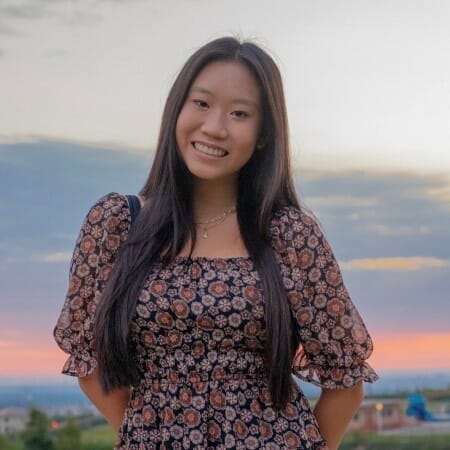
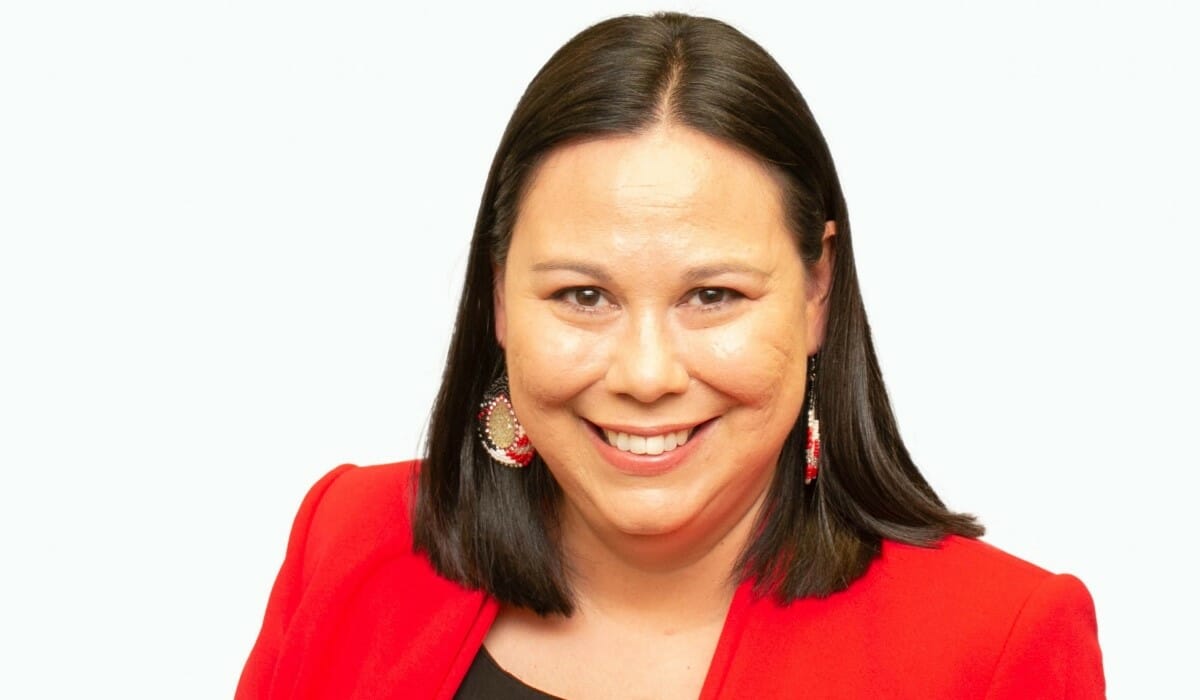
Kristie To is the founder of Hearts Against Hate, a nonprofit that seeks to end anti-Asian hate./Courtesy Kristie To
That’s when I took a deep dive into what performative activism is, and explored how I could play a part as a 14-year-old at the time to address these issues. I became a proponent of student voice, and reached out to my city’s vice mayor and expressed my concerns about anti-Asian hate, as well as other issues like socioeconomic equity, post-high school preparedness and environmental sustainability. She was really moved by my passion and invited me to speak at a Stop Asian Hate press conference in my city. At that conference, I gained a lot of traction and news coverage and was contacted by organizations to provide quotes for blogs or go on new appearances.
That’s the moment I realized how strong student voice can be and how that can translate into volunteer and community service work. So I think my love for student voice is what drove me to become so passionate about volunteering, not only in my local community but now on the statewide and national levels since my nonprofit now has chapter nationwide.
What’s an example of performative activism vs. direct activism?
A really good example of performative activism in this day and age is seeing a lot of celebrities on social media posting about attending protests, going to those movements and purposely posting with signs or posters, having paparazzi come take photos for them to then put on their social media platforms, addressing social issues from that.
I think direct activism promotes tangible and feasible change, and that can be anything from creating a petition in your school to getting involved in creating education policy on the statewide level.
Why is cultural sensitivity training so important today?
Growing up in a predominantly Asian-American community, I expected to see people like myself represented in the curriculum and history that I was learning about. But frankly, I didn’t see much representation and much learning material that I could relate to. And I really wanted to change this for future generations. Even though there may be a small age gap between myself and elementary schoolers, I do believe I have expertise and knowledge to spread to them. And I believe that cultural sensitivity starts from a young age.
If you have to learn how to be sensitive to other people’s cultures and traditions later on in life, it can be really hard to adapt and grow a very understanding character. So a really big aspect of Hearts Against Hate’s mission is to promote cultural sensitivity. For example, we did this through a recent project we created called AAPI Kids. This is a community initiative committed to distributing easily digestible curriculum pertaining to Asian history and AAPI civil rights to children at a young age. Specifically, we’ve created 200 care packages that we distributed to fifth and sixth-grade students containing information about Japanese internment, the Chinese Exclusion Act, AAPI civil rights, and more. This was really meaningful because it worked to promote equity by teaching younger generations about these topics. They don’t have to have such in-depth learning, but cultural sensitivity starts at least with exposure, and that’s what we’re trying to do with these elementary schoolers.
Hearts Against Hate started with assembling and distributing 500 care packages with face masks, flashlights, granola bars, a heartfelt note, and more./Courtesy Kristie To
What has been your favorite part of your work with this cause?
Two things come to mind. The first is, it’s important to recognize that our target audience is Asian American elderly. And this population is often overlooked due to various racial stereotypes that have been fostered in Western society. During these care package distributions, I’m the one physically driving to these senior centers and apartment homes, knocking on the doors and creating one on one interactions with members of this population. So being able to connect with people I can relate to, people who can give me life advice that I can then promote to my members and volunteers has been super meaningful. You realize that you are making a direct difference and you are changing a person’s life.
The second thing that comes to mind is being able to inspire other youth. For example, this weekend, I’ve been invited to speak at an Asian American youth conference about an hour from my home. It’s hosted by the California Association of Student Councils and I was invited to host a few workshops about how to start a unique and sustainable nonprofit organization. This is one of many conferences I’ve spoken at where I’ve been able to provide presentations spreading my organization’s mission while also inspiring other youth to create their own community initiatives and realize that they’re stakeholders in their education and local policy.
Again, personal connections are really meaningful to me. After these conferences and workshops, I’ve had a lot of peers email or text me, reaching out saying I am the person who inspired them to begin their local nonprofit organization or community initiative, and that’s just been the most rewarding and fulfilling part about being the founder and executive director of Hearts Against Hate.
Why is it important for people, especially youth, to get involved with the causes they care about?
As youth, we’re responsible to pave the way for our own futures, and sometimes you can’t rely on adults to make informed decisions that affect youth. After all, we understand ourselves the best and we’re the most aware of our issues. Sometimes it’s important to step up and sometimes you may face backlash working in a predominantly adult space in order to fight for the issues you care about, especially if they’re relatable to you.
In my case, working in AAPI advocacy and public policy has meant there are some instances where I’m the only minor working in a space, and I’m accompanied by colleagues 30 or 40 years older than me. Frankly, you’re not always taken very seriously, but with enough hard work and persistence, you are able to observe tangible change being produced from your passion and drive. I hope other youth recognize that their voice matters and that they’re actually able to create a feasible change in their community, if they’re willing to work hard enough and use their passion as a driving force behind the work that they pursue.
What’s your advice for people who want to start their nonprofit or initiative?
The number one piece of advice who want to start their own organization or initiative is to make sure that it’s unique. Oftentimes, especially in my community, a lot of teenagers may create a social media account or engage in performative activism by creating graphics instead of direct advocacy. So it’s important to do research before you begin conducting and executing your idea. You may find already existing organizations that perfectly address your issue that you can reach out to secure an internship or some sort of fellowship.
But if you’re able to identify an issue that hasn’t been addressed before and you’re passionate enough about it, then that uniqueness will bring your organization success because it hasn’t been brought to this space before. Hearts Against Hate is unique, because while there are many AAPI advocacy organizations and many racial justice organizations, but very few actually address anti-Asian hate and the Stop Asian Hate Movement created by youth. So I think identifying a unique mission will generate success.
And then, promote a sustainable approach to it. Make sure your mission statement is long-lasting and that you can form personal connections, whether it be through partnerships, grants or handing out care packages. My organization isn’t just something for college or a resume builder. I genuinely want to direct this until the day I die. So make sure you’re sustainable with your initiative and have a team that cares about the topic you do in order to create success with your mission.
Keeping the Spirit of Volunteering Alive: Californian Helps Grow Next Generation of Leaders in Volunteer Engagement
Meet Daily Point of Light Award honoree Megan Vixie. Read her story and nominate an outstanding volunteer or family as a Daily Point of Light.
Anyone who’s worked in a corporate setting will know how crucial great business leaders are for a company’s success. Depending on the supervisor or manager’s leadership style, the workplace for the employees can either be a supportive or toxic environment, one where employees feel nurtured or one where they can’t wait to quit.
The same goes for leaders in the world of volunteerism. A good leader can be the difference in whether volunteers continue to contribute their time and talent, or don’t. To ensure that emerging leaders in volunteer management have the training, advocacy and networking opportunities they need to keep the spirit of volunteering alive, 40-year-old Megan Vixie has dedicated hundreds of hours volunteering with the Association of Leaders in Volunteer Engagement (AL!VE).
From the moment that Megan, a human resources professional from Redondo Beach, California, learned of AL!VE’s mission, she fiercely believed in it.
“Volunteer professionals, yes, they recruit and train volunteers. But they can also be a huge part of the strategy of the organization and how you are able to leverage all these wonderful people and their talents for your organization to really advance what you’re trying to accomplish,” Megan said. “So I really wanted to be involved with an organization that did just that, that really inspired those individuals who are in those roles now to further their leadership skills.”
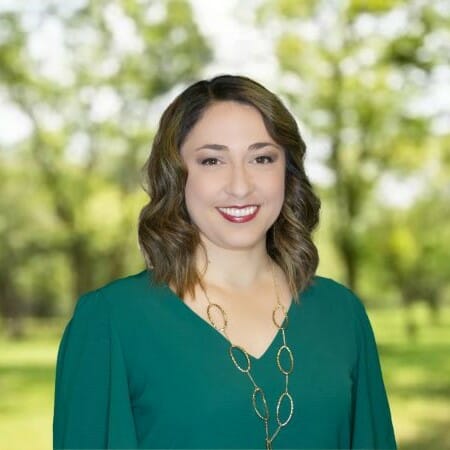
Megan Vixie has been a volunteer board member of the Association for Leaders in Volunteer Engagement for more than six years, ensuring that staff charged with leading volunteer engagement efforts have the professional development opportunities needed to become effective leaders./ Courtesy Megan Vixie
Megan joined AL!VE’s board in 2017, first serving as vice president of marketing. She then advanced to serve as president and past president of the board until December 2022.
“We were a small organization looking to grow. And before really growing, you have to make sure the foundation that you have is strong. So setting our policies and procedures, getting really great board members… Setting up a DEI (diversity, equity and inclusion) task force to make sure that we’re being as inclusive as possible for our members,” Megan said. “All these things are hopefully what my legacy is.”
With Megan at the helm, AL!VE has been able to train professionals in volunteer management across the US to become effective leaders. On top of basic volunteer management skills, AL!VE teaches its members about recruitment, marketing, mental health, emotional intelligence, diversity and inclusivity, while also helping members find their unique talents and perspectives they can bring to their organization.
“Every professional in the field brings something to the table that nobody else does,” Megan said. “So I always tell them, ‘You are the subject matter expert. Make sure your voice is heard and show your organization how volunteers will help achieve that mission of your organization.’”
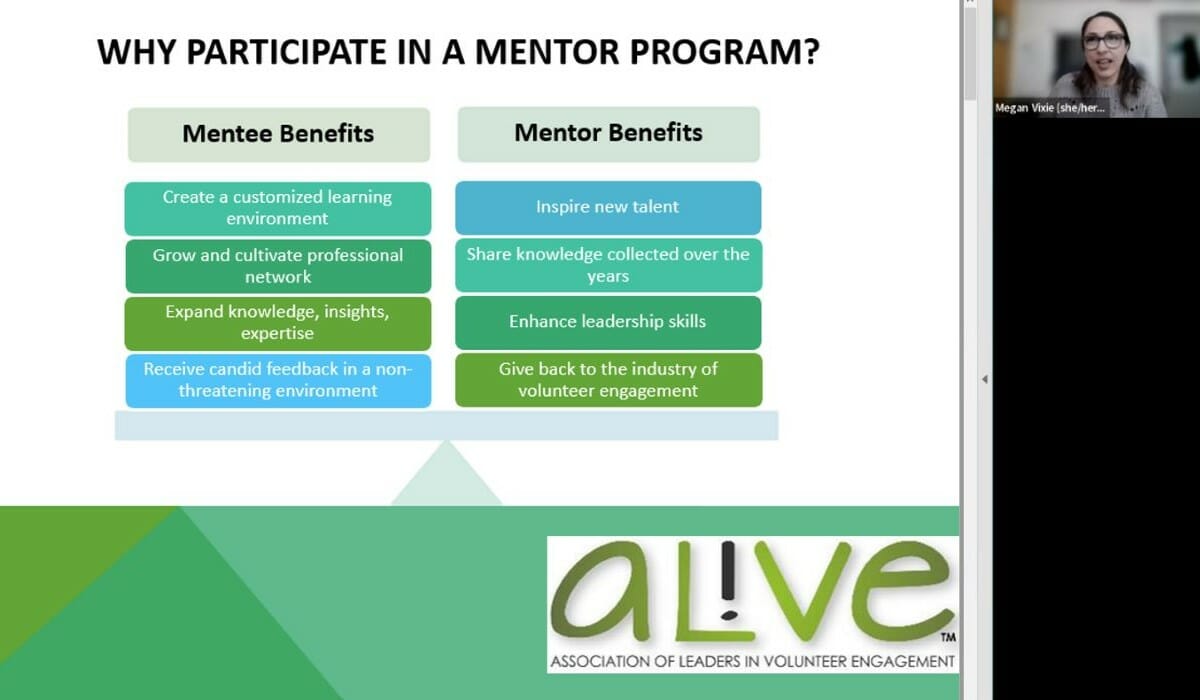
One of Megan’s greatest accomplishments while serving on AL!VE’s board was developing the Emerging Leaders Mentor Program. Since launching the program back in 2018, dozens of volunteer engagement professionals have been matched with seasoned AL!VE members for a six-month mentorship. By the end of 2023, 100 professionals will have graduated from the mentorship program, according to Megan, who serves as a mentor herself.
A screenshot of Megan leading orientation for AL!VE’s mentor program that she developed and facilitates./ Courtesy Megan Vixie
Michael Willis, Assistant Director of Volunteer Services and Community Outreach at the Luskin Orthopaedic Institute for Children in California, was one of Megan’s mentees in 2022.
“We talked about so many different topics each month,” Michael said. “But one thing she helped me understand was my value as a volunteer manager. And so, I learned how to advance my career and ask for a raise based on my value.”
Michael also received guidance from Megan on how to improve his own mentorship program that he created at his organization two years ago.
“That program is now flourishing because of her,” Michael said. “Megan is amazing and I’m very grateful for the program, for Megan and everything she taught me.”
Even after reaching her term limit on the board, Megan continues to volunteer with AL!VE in different capacities such as being the lead facilitator of the mentorship program and serving on an advisory council for AL!VE’s Service Enterprise Initiative. And she’s passing on her passion for volunteering to her two children as well. On Earth Day, they plan to volunteer at a local park, helping pull weeds and clean the area.
“When you meet someone new, everyone asks, ‘What do you do for a living?’ But my vision would be that people ask, ‘What do you do for volunteering?’” Megan said. “If you’re passionate about something, find a way to give back to it.”
Survivor’s Mom Raises $1M for Family Camp Designed for Kids with Life-Threatening Illnesses
Meet Daily Point of Light Award honoree Gail Toth. Read her story and nominate an outstanding volunteer or family as a Daily Point of Light.
Over 27 years ago, Gail Toth’s world came apart. She was a former executive secretary and at-home mom with a 2 ½-year-old toddler excitedly envisioning the years of dance recitals, PTA meetings and softball practices ahead. Then, in October 1995, her daughter Jennifer was diagnosed with a rare liver cancer.
Six months of chemotherapy and two major surgeries later, Jennifer was —and continues to be— cancer-free. What remains of that dark time are the memories of going to Camp Sunshine as a family, a Maine resort that offers a place for families with children who are dealing with life-threatening illnesses to spend time simply having fun. It gives kids a break from hospitals, siblings some extra attention and parents a moment to breathe and talk to other parents dealing with similar things.
Today, Gail has two daughters: Jennifer, now 30, and Julianna, 20. Not only has she brought her family back to Camp Sunshine every year since to volunteer, but she created the Virginia Polar Dip in 2008 to raise money for the program. In just 15 years, she’s officially hit the $1 million mark in donations, paying for more than 300 families to attend a retreat free of charge.
Gail is an advocate, a fundraiser and a volunteer. She represents Camp Sunshine in Washington, D.C., spreading the word to other families in situations like the one she was in and takes trips to Capitol Hill each year as part of Childhood Action Days. And she continues to work with her daughters to fight against childhood cancer.
What inspires you to volunteer?
To be able to make a difference in someone else’s life is incredibly rewarding and humbling. There’s nothing more meaningful than helping someone else in a time of need. I’ve volunteered with many different organizations, and each experience made a lasting impact on my life.
How is your daughter doing now?
We had an incredible nurse practitioner during her treatment at Children’s Hospital of Philadelphia. Jennifer decided to become a pediatric oncology nurse practitioner and work with other kids going through cancer, and that’s exactly what she’s done. She went to University of Pennsylvania Nursing School. Her dream was to work where she was treated, and she did that, too. She worked on the very unit that saved her life.
She went back to school and got her master’s nurse practitioner license, and around November 2019, she was offered a job at Georgetown Hospital in D.C. where she is now the nurse practitioner in their outpatient clinic for kids with cancer.
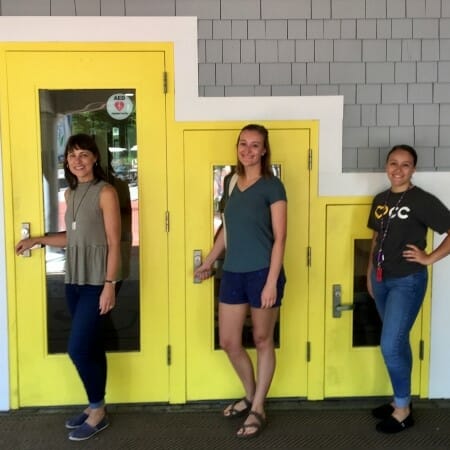
Gail, Jennifer and Julianna pose next to the entry to Camp Sunshine in June of 2018 where they volunteer to put on a week of fun activities for visiting families alongside Camp Sunshine staff./Courtesy Gail Toth
How long did it take for things to get back to some form of normalcy after she was in remission?
There becomes a new normal. Once you’ve gone through something like that, your perspective changes. Different things are important to you. Jennifer was only two and a half to three years old through her illness and treatment, so she only remembers bits and pieces. She remembers the playroom at the hospital. I don’t think she remembers her surgeries. When there’s a serious illness, the entire family is affected, not just the sick child.
Describe your volunteer roles with Camp Sunshine, Virginia Polar Dip and beyond.
I’m a head counselor in the Tot Lot at Camp Sunshine with kids from birth to five years old. It’s like babysitting. We’ve got arts and crafts, and we’ll do story time or go to the playground. We have snacks. I oversee things. And if there’s a kid off by themself, I’ll go over and engage them.
I’m also the Washington, D.C. representative and visit treatment centers, hospitals and social workers to talk about the camp. I attend Parent Resource nights for newly diagnosed families to let them know what resources are available.
In 2007, my survivor daughter attended a Camp Sunshine Polar Dip in another state, and when we got home, she wanted to start one in Virginia. I’ve been responsible for securing corporate sponsorships, recruiting participants to jump in a freezing lake every winter – I jump too! – and managing every logistical detail of planning and running the event, including our social media page.
It’s knowing you’re making a difference in somebody’s life that’s going through a hard time. Whether that’s volunteering at camp or raising money to send families there.
What have you learned through your experiences as a volunteer?
There are a lot of people out there hurting for different reasons and need help. One summer at Camp Sunshine, it was a retinal blastoma week. Many times, when children are diagnosed with an eye cancer, they remove the eye before it can spread to the brain. So, a lot of these children have prosthetics. One little girl felt different and asked her mom, “When am I going to be normal like other kids?” The mom asked, “Does anybody else here have a prosthetic eye?” And all the kids said, “I do! I do!”
Her mom told me that moment was worth more to her daughter than any amount of therapy she would ever go through in her life. And that’s what Camp Sunshine does for these families. It gives them something they can’t find anywhere else. A lot of these diagnoses are so rare that even at their treatment centers, they never meet another family that’s going through what they are. But they do at camp, and it helps them to know they’re not alone and to share stories and bond with somebody else.
Is there anything people should know about supporting families with a loved one going through treatments?
Just be there for them. Offer support and help. Don’t say, “I know how you feel,” unless you really have gone through it. Offer to take care of the other kids or go to the grocery store for them. Anything that can help make their life easier. Make meals. When Jennifer was going through it, I was in a mom’s group that cooked meals for me. That was invaluable.
Why is it important for others to get involved in causes they care about?
On top of helping people in need, it will enrich your own life beyond your wildest dreams. Everyone can find a cause that means something to them whether it’s an illness that your family has been affected by or just something you’re interested in. Don’t be afraid to go outside your comfort zone and get involved.
I can’t imagine my life now without all the things that I’ve done as a result of Jennifer’s illness. It’s one of the worst things you could imagine going through, but so many blessings came out of it. I’m proud that I have always involved my two daughters in all these activities to show them the importance of giving back, and they are now both strong advocates for children with cancer.
What do you want people to learn from your story?
Anybody can volunteer. You don’t have to have a special talent or skill. You can learn it. People will teach you. I didn’t know anything about planning and running an event, and I raised $1 million. You can you can do way more than you think you can.
Camp Sunshine is the happiest place you can imagine. I cannot say enough about what it has done for my family, and what I’ve seen it do for others. And I will continue volunteering with them for as long as I am able.
Servicewoman Advocates for Mental Health in the Military Community
Meet Daily Point of Light Award honoree Michaela White. Read her story and nominate an outstanding volunteer or family as a Daily Point of Light.
Content Warning: Points of Light is proud to share the following uplifting and inspiring story. However, we acknowledge that a small portion below may be difficult for some readers. We encourage you to please care for your own wellbeing above all.
Michaela White graduated from the Naval Academy in 2019. Since then, she has been stationed in Norfolk, Virginia, where she lives with her fiancé and their two dogs. After struggling with her mental health while at the U.S. Naval Academy and in the Navy, Michaela realized the need to advocate for the mental health of others as well as herself. There is often a stigma associated with seeking mental health support, and this leads to many people, including veterans and active duty military members, not finding the help they need.
For the past two years, Michaela has been a dedicated volunteer with Patrol Base Abbate, a nonprofit organization dedicated to fostering community and purpose among service members and veterans. In 2021 alone, Patrol Base Abbate connected over 2,000 veterans through its programming. Michaela found Patrol Base Abbate when its founder, Tom Schueman, reached out to her and asked if she was interested in helping out. She agreed, and quickly became the organization’s volunteer Marketing Director where she spreads the message of building community within the veteran and active duty space, while also focusing on the importance of mental health advocacy for all.
Mental health impacts many individuals deeply, with nearly 40% of millennials listing it as a “Top 3 Social Issue of Concern.” Read Michaela’s story to learn how she is advocating for mental health in her communities.
What inspires you to volunteer?
My dad went to West Point and always taught my sisters and I the importance of service and volunteerism. I also found that opening up about my own experiences made me a strong advocate for mental health.
I wish there had been more nonprofits and advocates for me when I was struggling. I wish I had a better sense of community and a place to find resources. Patrol Base Abbate’s sole requirement to join is having served. It offers support regardless of rank, rate, branch or gender, and that is what makes us so special. All of our service matters and I never want people to sell themselves short for thinking that they “haven’t done enough” to join our tribe.
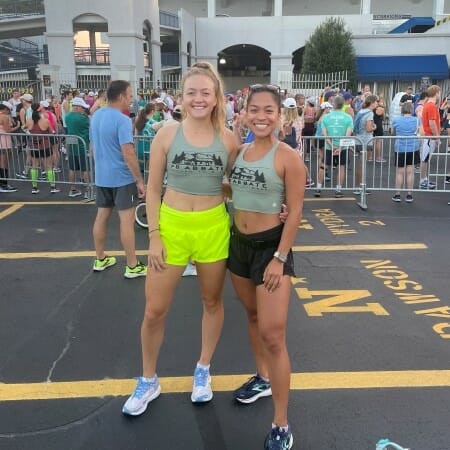
Michaela, left, running in support of Patrol Base Abbate, a nonprofit dedicated to fostering community and purpose among service members and veterans./Courtesy Michaela White
Describe your volunteer role with Patrol Base Abbate
I currently volunteer as the Marketing Director for Patrol Base Abbate. In this role I assist with all of our event planning, marketing, fundraising and social media efforts. I help the organization stay aligned with our goals of connecting service members through the content we produce.
What’s been the most rewarding part of your work?
The most rewarding part has been planning our annual Return to Base programs where we fly out members to Montana for a weekend of connection and community, and seeing it come to life. I love looking through photos and videos from each RTB and seeing the joy on our participants’ faces and the positive feedback we receive from the events. I also love when our fundraising efforts come to life and spread because I know that these funds directly go towards making our organization better for our members.
What have you learned through your experiences as a volunteer?
I have learned so much more than skills involved with marketing and fundraising. Most importantly, I’ve learned the importance of building a community for those who are suffering or feel alone. Loneliness and isolation is one of the top causes of suicide in our service members. Creating a safe and familiar space for those suffering is imperative and life saving.
Are there any future partnerships, programs, or events that you are excited about?
We are currently planning our 2023 Return To Base Program and for the first time since I have been with the organization since 2021, I am able to fly out to Montana! Three other female volunteers and I will be hosting the first ever all-female RTB program. This is the first of its kind for us and I am excited for the female engagement that is to come, especially since we all work in a male-dominated field as military members.
Why is it important for others to get involved with causes they care about?
I am a firm believer that if you are not using your platform to create some sort of positive change, no matter how small, then you are doing it wrong. Being an advocate for a cause you are passionate about can make changes you want to see. Since joining PBA in 2021, I have seen thousands of members be positively influenced by our organization and I know that would not have been possible without our staff, which is made up of 90% volunteers.
What do you want people to learn from your story?
Find a cause that you are passionate about and support it. I wish I had an organization like PBA when I was struggling and now I get to support the organization that is helping so many service members.
If you or someone you know may be considering suicide, contact the National Suicide Prevention Lifeline by dialing 988, or text HOME to 741741 to talk to a trained crisis counselor through Crisis Text Line. Both resources are anonymous, free and available 24/7.
New Jersey Teen Facilitates Youth Volunteer Projects That Inspire Leadership and Innovation to Address Local Challenges
Meet Daily Point of Light Award honoree Cassie Wang. Read her story and nominate an outstanding volunteer or family as a Daily Point of Light.
College freshman, Cassie Wang, hasn’t chosen a major yet but is considering visual arts and environmental science. It’s no surprise her choices are as diverse as her experience. Cassie is a painter who went on rescue squad ride-alongs as part of a volunteer EMT program in high school. In her free time, she goes to museums with friends and teaches art in nearby neighborhoods.
Helping people became a passion, and as she got older, she decided to start her own project. Bringing 49 of her friends together, she founded the 44th branch of Alliance of Youth Leaders in the United States (AYLUS), Greater Princeton and Far Beyond (GPA). Their mission is to inspire the next generation of leaders to plan and execute volunteer projects that benefit their local communities.
Cassie also created the Save a Life program, a series of 150 events (and counting) that raise money for exactly that – saving lives. Some donation recipients have included a beloved local teacher who was no longer able to work after a cancer diagnosis and overwhelmed hospitals who needed masks and face shields during the worst of the pandemic.
Cassie has received numerous awards for her work including the 2021 Jefferson Award, an honor established by Jacqueline Kennedy Onassis in 1972 for people making a difference in their community. The Jefferson Awards recognize individuals who build better communities and contribute to better a future for those around them, who are involved in civic engagement in many ways, including public servants, companies making a positive impact and inspirational volunteers like Cassie.
Today, Cassie has passed the baton to a new president but continues her long-standing involvement with AYLUS. Read her story to learn more about her service and lessons in leadership she has learned through volunteerism.
What inspires you to volunteer?
In sixth grade, I entered an art contest called the “Peace Poster Contest,” hosted by the local Lions Club. When I won, they invited me to volunteer with them. I went to food banks and packed pouches. We went to senior homes where I played the violin for residents, and more. Around freshman year of high school, I wanted to do something more than just participate. The Lions Club program was kind of far from where I lived, and I wanted to do more in my local area. That led me to AYLUS.
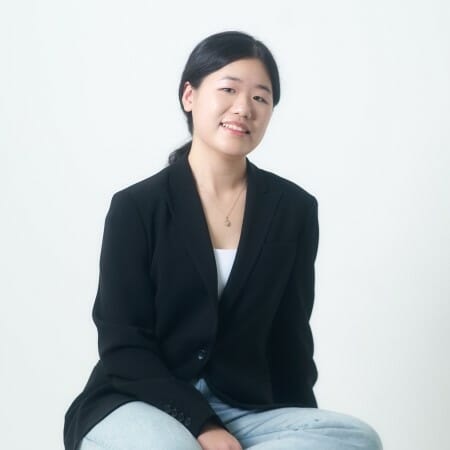
Cassie Wang, founder of the 44th branch of Alliance of Youth Leaders in the United States, Greater Princeton & Far Beyond, a nonprofit dedicated to community advancement and the growth of student leadership and integrity./Courtesy Cassie Wang
Describe your volunteer le with AYLUS and GPA.
I founded my branch of AYLUS in November of 2018. We started with around 50 members and have grown to around 700 youth volunteers in New Jersey and the surrounding area. Our goal is to help members learn to become leaders and connect with the community in their own special ways.
Junior year of high school, I became the National President of AYLUS, alongside a co-president in San Diego. I was also the president and chair of the local branch at the time, so there was a lot of coordination. We had monthly meetings with the different branches to discuss projects that we wanted to do as a whole.
During the pandemic, we collected donations and did things to support the community. Initially, I was more hands-on, organizing events and being the emcee of benefit performances. Later, I started encouraging more of my members to create their own projects.
What are some of the types of events that you put on?
One type is musical benefit performances. We try to hold them once or twice per year, because they take a lot of planning. Basically, we try to find a cause that we want to support that is related to our Save a Life theme.
We also want to showcase the talents of our members and have them be more involved than just raising funds. Through selling tickets and reaching out to local store owners for donations, we were able to raise around $5,000 for a sick local teacher for our first big event. It was encouraging. And our members had a chance to practice their skills convincing strangers to donate. These types of events became virtual over the pandemic, but we’re starting to return to in-person ones, too. We also do clothing and shoe drives and make gifts for senior centers.
What’s been the most rewarding part of your work?
I enjoy talking with people that we help. In the veteran homes that we hold performances in, I remember conversations with a man who also had an interest in art. I showed him some of my pieces. Building connections in those small ways is something I find very rewarding. Seeing both the growth in myself and in my friends and other members is great, too. I see them take on roles that they might have been scared to take on before.
What did winning the Jefferson Award mean to you?
It was a huge recognition of the work, especially the work during the pandemic. But I think it opened my eyes to how volunteering should be a lifelong commitment. Before they presented an award, the presenters would give a synopsis of what the recipient had done. The huge diversity in age and causes was inspiring.
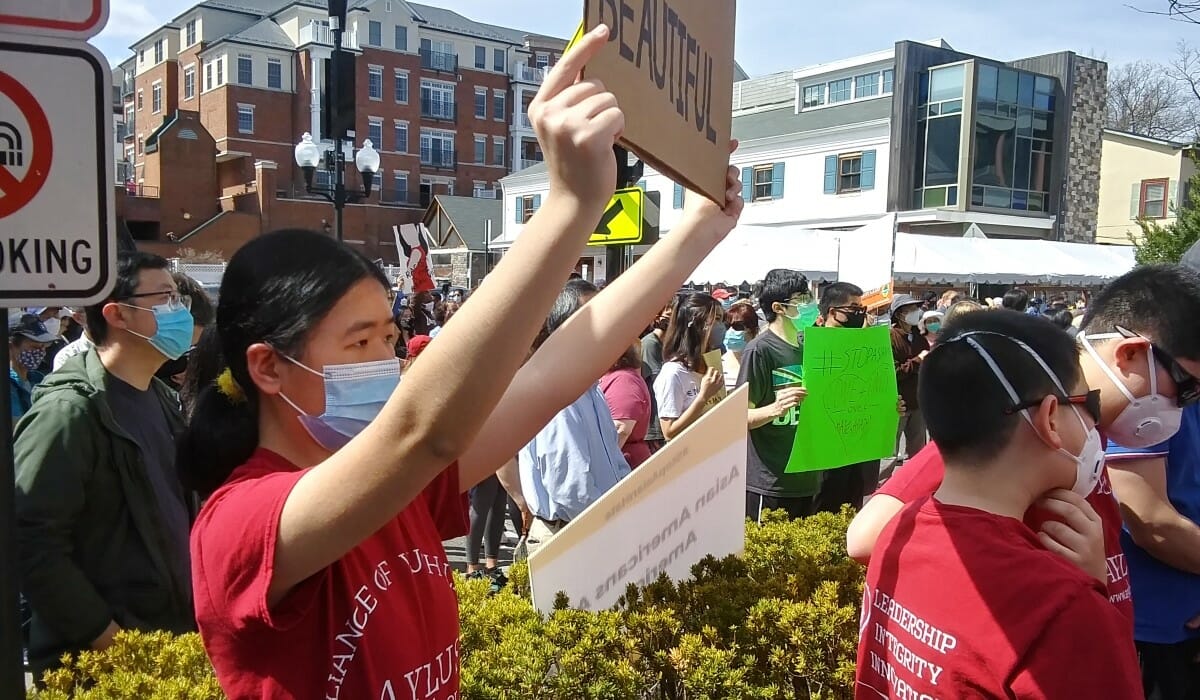
50 GPA members follow Cassie’s lead at a Stop Asian Hate movement rally in Princeton, NJ./Courtesy Cassie Wang
What have you learned through your experiences as a volunteer?
Convincing people of the importance of my cause was something that I‘ve had to learn, because there are many times when people don’t care. I’m quite introverted, and initially, I didn’t know how to express myself well. I’ve grown a lot, and I absolutely appreciate my experience leading such a big group of people.
Do you still work with GPA?
Now that I live in New York, I can’t really go to physical events much. But I’m working on editing a video of a virtual concert we plan to send to Turkey because of the earthquake. We were gathering donations and video clips from our members to send. It’s one of the few instances where we’ve worked with people from abroad, so it’s been an interesting opportunity.
Why is it important for others to get involved in causes they care about?
Obviously, they can create an impact through these efforts, but they can also grow personally. You can’t always leave it up to someone else to step in to help, and if you’re able to contribute, I would encourage it, even if you’re young. You don’t have to start by leading. Joining as a participant and seeing how events can be held and thinking of creative ideas is a good way to get started.
What do you want people to learn from your story?
Don’t think that you can’t do it. I would have never known about so many things if I hadn’t volunteered and gotten to know so many people. You can find new friends in your community who are also passionate about the things you are. I cherish my volunteer experiences.
Miami Teen Raises Funds to Fight Hunger and Poverty in South Florida
Meet Daily Point of Light Award honoree Julia Krass. Read her story and nominate an outstanding volunteer or family as a Daily Point of Light.
Julia Krass started volunteering with Joshua’s Heart Foundation when she was just six years old with her twin sister, Charlotte. The youth-run organization, focuses on “stomping out hunger and poverty,” and the girls jumped in to help gather grocery bags and sort bags of rice and beans at different food drives. Almost 11 years later, nearing her 17th birthday, Julia sits on the Junior Advisory Board and is the head of fundraising.
Outside of Joshua’s Heart, Julia is on the NSU Teen Council Board, an event-planning body for a local museum, and enjoys spending time with her dog, going to the beach, and participating in tennis and track. As she prepares to apply to college, it’s the first of these, her love of art and art history, that has captured her interest as a possible field of study. Regardless of where her future takes her, she carries a love for volunteering, an activity she plans to continue far beyond her high school days.
What inspires you to volunteer?
My sister and I have been doing it since we were young. The first time we heard about Joshua’s Heart Foundation, Joshua was giving a presentation at an event. He started Joshua’s Heart when he was about four or five years old. His grandmother gave him money for his birthday, and instead of spending it on a gift, he gave it to a homeless man. Hearing what another young person could do to make a big impact really inspired my sister and I to volunteer.
Describe your volunteer role with Joshua’s Heart Foundation.
We mostly do food drives throughout South Florida. We help set up all the food and help pass it out when people come through. And we’re part of the job board, which is a group of behind-the-scenes teens who meet and plan drives, spread the word and get as many people involved as possible. Food drives don’t come out of nowhere. There’s so much planning that goes into them, and there’s so much heart from the people behind them.
We also do different events like having speakers from other foundations talk about what they do. We learn about food insecurity at a higher level, and in the past, we’ve written letters to senators about bills that we’d like to pass that would reduce food insecurity in South Florida.
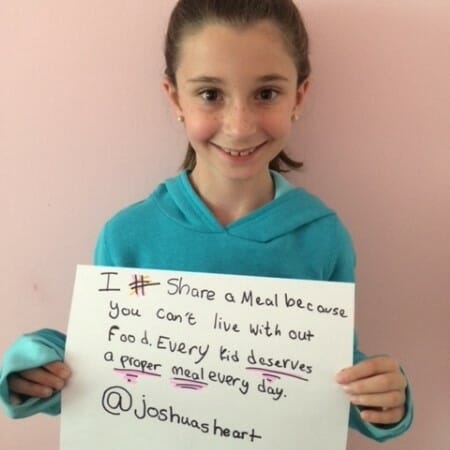
Julia, 6, shares a sign on social media to solicit donations to Joshua’s Heart during her first year as a volunteer over 10 years ago./Courtesy Julia Krass
What is the story of the refrigerated truck?
Joshua’s mom, Claudia Williams, was telling some of us that they needed the down-payment for a refrigerated food truck in order to send more perishable food to people in further locations. My sister, our friend and I decided to make it our mission, so over the past two years, we raised over $20,000 by making our own bracelets and selling them and selling lightly used clothing on Instagram.
We also got donations from family members and family friends. We solicited bigger donations from corporations near us. One of the larger ones we got from Milam’s Market, a South Florida grocery store. They allowed customers to round up the money they spent on groceries and civically engage by donating that to Joshua’s Heart,
What’s been the most rewarding part of your work?
It’s seeing people face-to-face when you’re handing out groceries, whether it’s a family or an adult or someone that is your age. When you know that you’re helping them, that’s the best part of all of it. I’ve also made so many friends through Joshua’s Heart. I bring my friends to meetings and things, and when we’re all working together, it feels good.
What have you learned through your experiences as a volunteer?
It’s helped me realize that I’m very privileged in where I live and where I go to school. I think it’s a bubble.And when you’re working with Joshua’s Heart, you’re going to different locations and you’re meeting people in locations that might not look like where you grew up.
The areas where Joshua’s Heart Foundation works are underserved, but that’s the reality, and I think from such a young age being exposed to challenges faced in these areas, it’s given me a better view of the world around me. It’s made me more cultured, and it’s made me appreciate what I have. It’s also helped me look at the opportunities I’ve been given and to use those to my benefit and to help others.
Are there any future partnerships, programs, or events that you are excited about?
An amazing speaker has come to many Junior Advisory Board (JAB) board meetings recently. She’s been telling us what she’s been doing and has run different activities for the JAB board members. We’ve talked about what food insecurity means at a bigger level across America and how it’s affecting different groups, specifically different races.
Another is our partnership with Plum Market. They’ve been very generous. It’s amazing to partner with these local businesses. Partnerships are a huge part of Joshua’s Heart. It’s always about supporting other people, lifting others up.
Why is it important for others to get involved in causes they care about?
I think many young people might not think they can much of a difference. Being a part of Joshua’s Heart has proved that wrong. No matter what age you are, you can always make a difference, big or small, one family or a million families. You’ll feel good doing it, and it helps you become a better person.
What do you want people to learn from your story?
Engaging in your community is so important. People don’t always realize that real people are behind these organizations, and you’re helping real people. It’s not about getting service hours or the feeling of, “Oh, I did something today.” It’s about helping real people.
When you help someone your own age, it’s so personal. It really makes you go into their shoes and look at their situation and what they’ve been through. It’s shaped me as a person. It’s made me realize what’s outside of my bubble and how lucky I am to be in a position to help other people.
Western Kentucky University Professor Nurtures Her Community and Fights Inequity through Service
Meet Daily Point of Light Award honoree Donielle Lovell. Read her story and nominate an outstanding volunteer or family as a Daily Point of Light.
A native of western New York State, Dr. Donielle Lovell grew up on the Allegany Indian Reservation, home of the Seneca Nation of Indians. From early childhood, Donielle would accompany her father to put flags on the graves of Indigenous servicemen and participate in Indian Food Dinners at the local church. Her mother was a Girl Scout troop leader and volunteered for United Way. Dr. Lovell followed this tradition, volunteering in every community she lived in.
“In my family and in my community volunteering is the way of life,” Donielle said.
Donielle is a first-generation college graduate. Her undergraduate training was in social science education, but she quickly discovered that teaching high school was not for her. She discovered a new passion after being given the opportunity to apply for AmeriCorps, a federal agency that brings people together to tackle the country’s most pressing challenges through national service and volunteering. Each year, AmeriCorps enrolls over 200,000 individuals to serve with organizations across the country, providing educational support for nearly 12,000 schools across the nation, helping people get back on their feet through economic opportunity programs, helping conserve natural environments and more.
Through AmeriCorps, Donielle taught GED prep and life skills at an adult education center, as well as to male inmates in the local jail. At 22, she realized that she couldn’t begin to understand the experiences of black men who are incarcerated. She struggled with the notion that what she was teaching them ultimately didn’t matter because they were going back into a system of racism and few opportunities. This got her thinking about ways to work on these issues and how she could turn her interests into a career. These interests included a knowledge of the position that people are in, the kinds of barriers that stand in their way and what can be done. This led to a Master’s in Community Development from Delta State University in Mississippi, and a PhD in Rural Sociology from the University of Missouri-Columbia.
Warm Blessings Community Kitchen served nearly 90,000 meals in 2022./Courtesy Donielle Lovell
Throughout her university years, Donielle continued volunteering in her communities. She also learned how to use research as a tool to get people the resources they need. When she got her PhD, Donielle found a position at Western Kentucky University.
“I found myself in a community where I was doing this sort of work as a job but I didn’t want it to be just about a job,” said Donielle.
Wanting to engage more deeply with her community, she became involved in a number of organizations. She has served as the board chair of Warm Blessings Community Kitchen since the end of 2020. She is passionate about Warm Blessings because it addresses core basic needs and structural barriers, such as poverty, that ultimately determine whether someone has access to food and housing. These barriers also impede the ability of individuals to successfully enter the workforce.
Under Donielle’s leadership, Warm Blessings provided 28,000 meals to the community during 2021 and this number has grown to 88,000 in 2022. But in speaking with Donielle, she is almost uncomfortable with the recognition she has gotten as a result. In the Seneca tradition, it is expected to work for seven generations ahead, meaning that the focus is always on others.
Donielle credits much of Warm Blessings’ success to a group of people who are ready to do big things. Today, Donielle’s focus is on streamlining the organization in order to boost services. Over the past several years, the organization has come to a point where it can positively impact more than just the local community.
Part of the growth is driven by an innovative solution: “pop-ups” that deliver food to rural communities. Warm Blessings also features a food bank, senior meal delivery and serves hot meals five days a week. These meals are all prepared and served by volunteers.
In addition to food services, Warm Blessing will soon launch a capital campaign for a new community facility which will include transitional living for the unhoused of Hardin County, Kentucky. Though Donielle has been the “lead” for this initiative, this has been a tremendous team effort from the entire community including the city of Elizabethtown.
Dr. Donielle Lovell, board chair of Warm Blessings Community Kitchen and Western Kentucky University professor./Courtesy Donielle Lovell
Transitional living facilities like this are intended to help people regroup and get back on their feet after a personal tragedy or upheaval, and reenter the workforce with dignity.
Growing up as a SNAP benefits and Angel Tree recipient, Donielle is deeply appreciative of the help she and her family received during trying times. Today, it’s important to her to continue the legacy of community service because she knows first hand how much of an impact it can make.
“It’s my calling. It’s who I am. It’s what I love to do,” she said.
In addition to her work with Warm Blessings, Donielle is a co-chair of the Removing Obstacles for Employment committee, part of the Lincoln Trail Area Development District. This committee develops interventions and solutions for those with criminal backgrounds to re-enter the workforce. This includes expungement sessions, working with local businesses to evaluate policies that may hinder employment of those with felony convictions, creating employer sponsored benefit programs to help workers get their record expunged and testifying for the Kentucky legislative committee on Race and Access to Opportunity.
Donielle is excited to see that young people her 12-year-old daughter’s age are becoming passionately involved in volunteering. “These kids are going to change the world,” she says.
“If feels like the idea of giving back has been lost in our hyper-focused individualized view of ourselves in society. We forget all the bonds that hold us together,” says Donielle.
As part of the Removing Obstacles for Employment committee, Donielle regularly works with a judge in Hardin County who reminds us that “love thy neighbor” doesn’t mean the neighbor who looks like you, thinks like you or agrees with you.
“I work on all these things that take away from time I could be devoting in other areas simply because we are meant to love on each other. If at the end of my life, If I’ve managed to do that, I’ve lived a very good life,” Donielle concludes.
California Teen Develops Free Tutoring Resources to Help Students Around the World
Meet Daily Point of Light Award honoree Calvin Huang. Read his story and nominate an outstanding volunteer or family as a Daily Point of Light.
17-year-old Calvin Huang saw a big need during the COVID-19 pandemic and took action. With disruptions caused by the pandemic, children and teens across the world no longer had resources for extracurricular activities. Calvin didn’t want their unique passions to fizzle out just because resources were slim. He developed StartLine to share educational videos and tutorials at no cost to communities in need, and has impacted hundreds of students around the world.
Read Calvin’s story, including what inspires him to volunteer and the lessons he has learned from his experiences as a volunteer.
What inspires you to volunteer?
I’ve volunteered for a long time. I started out in fourth or fifth grade learning how to use the abacus. One day, my teacher asked me to help another kid who was a few years younger than me. At that point, I didn’t really know what was going on, because there weren’t any other volunteers who could help. I just went up, and I started doing my thing, showing him how to move the beads and how to operate an abacus. From that point on, I really enjoyed this kind of methodology of teaching where you go through a set of procedures and watch someone start from having no concept of solving problems to being able to figure it out. You get the sense of enjoyment, the sense of pride because as you’re solving these problems along with them you get this sense of gratitude and joy. I think that’s where my passion for volunteering really began.
Describe your volunteer role with StartLine.
StartLine started during the COVID-19 pandemic when I realized that a lot of extracurricular opportunities have been cut off, which people rely on to give their kids opportunities to learn and grow in interesting topics like robotics, math and whatnot. I was thinking that I already had a lot of teaching experience in the past, so why not start teaching students something I was really good at: code. I started a small free tutoring program teaching kids how to code. We tried some work in the Python coding language and learned how to build games and animate characters. We had a really good time.
The students were into different things, too. Some liked piano, some enjoyed books or robotics. There was a really wide range of interests. Then I thought that I didn’t have to contain myself to just teaching code. If I could gather people together and start teaching different extracurriculars, we could serve an even bigger group of students. It’s really important for students to get these opportunities at an early age.
So I built the StartLine app to be a video platform where people can upload videos on a ton of different topics. For me, it was coding. There were so many topics. We eventually partnered with organizations like the Boys and Girls Club to host joint workshops. We serve hundreds of kids regionally and our videos have reached roughly 100,000 views.
Calvin Huang, center, is developing an app to connect individuals experiencing homelessness to resources in their area./Courtesy Calvin Huang
What’s been the most rewarding part of your work?
I think the most rewarding part would probably be this community that’s formed. There are a lot of people who enjoy sharpening their skills and honing their talents, so just gathering them together and having them give back and serve the community is such a reward. We build this sense of community with each other where we get appreciative feedback from parents and work together to try and spread our skills around.
What have you learned through your experiences as a volunteer?
I think one of the most important things I’ve learned is cooperation. It’s easy to try and get things done by yourself, instead of relying on others, because sometimes when you’re working with high school kids, they might not be reliable. It’s easy to just do the work by myself, but I think what’s really important is getting everyone on the same page – whether that is assigning different roles or working together to come up with a plan of attack. How do we get this cohesive organization running to the point where it’s sustainable and videos are consistently being published? And how do we get that to continue even after we go on to college and beyond? That’s what we’re continuously learning about.
Are there any future partnerships, programs, or events that you are excited about?
We’re hosting more regularly planned workshops for StartLine. I’m also working on another app right now called StartLine iCare which is built upon my volunteer experience working with people experiencing homelessness to locate nearby resources.
Why is it important for others to get involved in causes they care about?
I think that the most important benefit of volunteering is this idea where you’re getting a different kind of insight into society. For example, when I was volunteering with individuals experiencing homelessness, you get to have conversations with different people who have different life experiences than you. One common thing I’ve noticed is they really talk a lot. They have so much to say, but people rarely stop to have a normal conversation with them. They have so much life experience, so many stories and so many struggles. So I feel like volunteering really gives you this conduit where you can discover different parts of society and discover different perspectives. I find this kind of experience not only exciting, but really, really valuable.
What do you want people to learn from your story?
Just start something. You can do anything from volunteering to simply talking to other people about something you’re passionate about. Taking that first step is really important and gets you more passionate about an issue.
Teen Delivers English Language Books to Create Multicultural Understanding and World Healing
Meet Daily Point of Light Award honoree Jocelyn Greshes. Read her story and nominate an outstanding volunteer or family as a Daily Point of Light.
Jocelyn Greshes has been volunteering for the past five years at local public libraries in New York. One day, she entered a library storage room and saw carts brimming with books about to be discarded. Jocelyn immediately thought that these books could be donated to orphanages and social welfare institutions in Japan, helping to expand underserved children’s worlds through reading. The idea for BookShare was born.
Jocelyn hopes to pursue a career in diplomacy. Her goal of being a diplomat stems from her belief that multicultural fluency can help the world heal. She hopes to contribute to that healing through cultural understanding, and books, particularly children’s books, are the gateway to that understanding.
What inspires you to volunteer?
I enjoy volunteering at the Mamaroneck Library because the library is a symbol of democracy, where people of all varieties can learn and grow. A library is a safe place to congregate and meet fellow members of the community. Libraries are central to communities, and bind people together.
Over five years I have compiled over 400 library service hours by cleaning and shelving books, assisting patrons, and supporting children with crafts and readings. I am the President of the Teen Advisory Board. I manage funding and free programs such as tutoring, movie and craft events, all in the name of creating a safe space where people can come together regardless of their socioeconomic status.
Jocelyn has volunteered over 400 hours with Mamaroneck Library and is the founder of BookShare, a nonprofit that sends donated English books to orphanages and other institutions in Japan to improve underprivileged children’s English skills and enhance their interest in language acquisition./Courtesy Jocelyn Greshes
Describe your volunteer role with BookShare.
I founded a service organization called BookShare. I send donated English books to orphanages and other institutions in Japan to improve underprivileged children’s English skills and enhance their interest in language acquisition, as foreign language resources are scarce. English is mandatory in Japanese schools. BookShare prepares these children for future success by introducing them to foreign cultures and the magic of reading.
I pack and ship the books, and communicate in Japanese with the institutions’ managers. To finance the shipments, I donate 100% of my pay as a library page on the children’s floor. I have delivered books to over 10,000 children and raised more than $3,000 in donations. As I am half Japanese, this is an initiative very close to my heart.
What’s been the most rewarding part of your work?
I regularly communicate with the children and have formed special friendships and I receive hand-written letters of gratitude from them. The children received opportunities to explore English and new horizons of learning, and I got a great sense of satisfaction in return. Physical distance and cultural differences need not separate us! Kindness can eliminate such boundaries.
What have you learned through your experiences as a volunteer?
You don’t have to start a nonprofit or ship packages across the ocean to make a positive change in someone’s life. The act of giving is neither an obligation nor a chore. It sparks joy, and in my case, international understanding and connectedness.
Through BookShare, children have the opportunity to explore English and new horizons of learning./Courtesy Jocelyn Greshes
Are there any future partnerships, programs, or events that you are excited about?
I eventually want to pursue a career in diplomacy. I want to earn a graduate degree in International Relations. I want to work with governments, nonprofits, or companies specializing in geopolitical strategy.
Why is it important for others to get involved with causes they care about?
A simple, selfless act could mean the world to those in vulnerable situations, and with the COVID pandemic, vulnerability has seemingly become the norm rather than the exception. More than ever before, the world needs compassion, and that is something that every one of us is capable of providing. It is time we start taking matters into our own hands and being the “friends in need” that we all need at times. Giving is a dual blessing: it benefits the giver as much as it helps the receiver.
What do you want people to learn from your story?
Donating a bit of your time and of yourself to help plant a smile on someone’s face can mean the world to those in need. A simple act of caring in any form can transform, empower, and invigorate a life and you will wholeheartedly love doing so. There is an indescribable beauty in being a friend to others, and it is time we all explore it!
Meet Daily Point of Light honoree #7506, recognized on March 10, 2023. Learn more about the Daily Point of Light Award and nominate an outstanding individual or family as a Daily Point of Light.