Turning Insights Into Action: What the Past Tells Us About What’s Next
To lead with clarity and confidence in a time of rapid change, we must first understand where we’ve been. The evolution of employee volunteering is filled with insights not just about how far we’ve come, but about the assumptions and strategies we’ve inherited.
This first installment in
looks back at the history of employee engagement and corporate volunteerism. By unpacking the milestones, motivations and missteps of past eras, we can better understand what shaped our current practices and more importantly, how to shape what comes next.
The Origins: Values Before Vocabulary
Before “CSR” and “ESG” were business buzzwords, social responsibility showed up in the choices of individuals and mission-driven institutions. Think Carnegie’s
, Rockefeller’s philanthropic legacy, or early faith-based organizations’ refusals to support unethical industries. As businesses began to adopt more formal responsibility for social impact, employees were slowly brought into the fold.
By the early 20th century, as the Progressive Era took root in the U.S., companies began to recognize the importance of employee well-being and community infrastructure to long-term business success. Founded in 1907,
is thought to be the first documented examples of a structured employee organization with a charter focused on public service and volunteering to improve maternal and child public health, which directly tied to some of the company’s products. Payroll deductions for “
” in the 1920s served as precursors to United Way campaigns and offered early systems for employee involvement in giving.
These weren’t side projects. They were initial proofs of concept that employee and community engagement could be aligned with business value.
Expanding Responsibility: From Individual Goodwill to Collective Impact
The 1970s ushered in a broader acknowledgment of a “social contract” between companies and their stakeholders. Employee volunteering emerged alongside philanthropic giving, shaped by shifting public expectations and emerging CSR theory.
Some credit Ben & Jerry’s with pioneering volunteer time off in the late 1970s, linking employee empowerment with social values. By the 1980s and ’90s, the idea of employees serving as ambassadors of company values through volunteering gained momentum, bolstered by national calls to action like President George H.W. Bush’s vision for a “
In the mid-1990s and early 2000s, employee volunteering became more formalized, especially in large corporations. Programs were top-down and aligned more with good PR and market expansion goals than with employee passions or community needs. Volunteering was seen as a novel way to enhance reputation and differentiate in a booming economy fueled by rapid technological advancement. The optimism of the “New Economy” created space for businesses to experiment with CSR, though the dot-com crash in 2000 soon tempered this momentum.
The
coalition, formed in response to President George W. Bush’s 2002 call to service in the wake of the devastating attacks on 9/11, helped drive initiatives like the first-ever
spearheaded by The Home Depot in 2005. But the emphasis often leaned toward participation over purpose such as hours logged, photos taken and boxes checked.
Signature days of service, seasonal giving campaigns and check presentations created visibility and increased morale but often fell short of lasting impact. Too often, the spotlight was on what companies gave, not what communities needed. Nonprofit partners found themselves hosting corporate groups with little context or long-term support. Employees wanted deeper meaning and better alignment with their values.
Cracks in the Model and a Shift Toward Meaning
Even so, those early efforts built important muscle: introducing employees to volunteering and their agency to create positive change, signaling a social license to operate and embedding the idea that business can be a force for good. During the 2008 recession, we saw CSR leaders advocating for the power of volunteering to build culture, boost morale and demonstrate values during difficult times. But over time, communities asked for more collaboration and less charity.
Initiatives like
attempted to respond, shifting the focus to pro bono and skills-based volunteering. This was a pivotal insight: the most meaningful impact often came not from volume, but from value—when companies offered what they do best in service of community needs. This approach aligned with a broader evolution in corporate purpose. In 2019, the
redefined its principles, moving away from shareholder primacy and affirming a commitment to all stakeholders, signaling a new era of corporate responsibility.
What the Past Tells Us About What’s Next
Today, employee volunteering is no longer a side benefit, it’s a strategic imperative. Employees are stepping into leadership roles to address urgent issues like social justice, climate change and mental health. What started as top-down philanthropy has evolved into employee-powered, community-centered impact.
But we don’t get to this next chapter without understanding the last.
Turning Insights into Action
Before building what’s next, it’s worth unpacking what brought us here. These steps can help CSR leaders translate historical insight into forward-looking action:
Audit your past impact. How did your company measure success before 2020? Hours logged? Dollars donated? Were those metrics telling the full story?
Map legacy mindsets. Identify assumptions like “volunteering = one-off events” or “impact = participation.” Are those beliefs still influencing decisions today?
Acknowledge what didn’t work. Ask your nonprofit partners and volunteer champions where past efforts fell short. Use that insight to clarify what you want to leave behind.
Protect what built trust. Identify the practices that created belonging, connection and authenticity. Celebrate and build on them.
When we honor our history with honesty and humility, we create space for something stronger to take root. The future of employee volunteering won’t erase the past; it will build on its lessons, informed by deeper purpose and true partnership.
Turning Insights into Action: Leading Employee Volunteering Through Change
If you’re leading employee volunteer efforts or shaping CSR strategy, you’ve likely felt it: the ground beneath our work is shifting. We’re living through a time marked by social, economic, technological and political upheaval. And while it may feel easier or safer to wait for clarity, the truth is: some of the most transformative innovations in corporate social impact emerge precisely during times of uncertainty.
Since 2020, the workplace has undergone seismic changes. Remote and hybrid work are now normalized. Employees are redefining purpose and belonging. Today’s workforce is more generationally diverse than ever before. Meanwhile, movements for social justice, scrutiny of DEI and ESG, and the explosion of generative AI have reshaped how organizations think about leadership, responsibility and trust.
These moments have surely challenged us, but they’ve also opened the door to something greater. Because uncertainty doesn’t just disrupt. It creates turning points. It invites us to think differently, build deeper partnerships and design programs that are more authentic, inclusive and better aligned with employees, nonprofit partners and what communities truly need.
This is especially true for employee community engagement. What was once considered a “nice-to-have” is now central to how companies build culture, foster trust and contribute to a better world. Whether you’re running point on a day-to-day employee volunteer program or making enterprise-wide CSR decisions, this is your moment to shape what comes next.
This blog kicks off a three-part series exploring how moments of disruption have—and will—fuel innovation in corporate citizenship and how you can meet this moment with courage and creativity. We’ll also highlight actions you can take now to help your programs stay resilient and future-ready.
Part 1: Where We Were
We’ll look back at the evolution of employee volunteering pre-2020 and in “the before times.”
How did we define success in earlier models?
Who benefited and who was left out?
What lessons from the distant past still shape us today?
Turning Insights into Action
Before you can build what’s next, you need to understand what brought you here. These steps will help you evaluate past frameworks, uncover hidden assumptions and carry forward the lessons that still serve.
Audit impact evaluation. Review how you measured success before 2020 compared with now. Was it hours logged, dollars donated or meaningful community outcomes?
Map mindset shifts. Identify the assumptions that drove earlier programs and assess which ones need to evolve.
Understanding our history can illuminate what needs to change and the strengths we can carry forward.
Part 2: Where We Are
We’ll examine today’s environment: political headwinds, DEI and ESG scrutiny, AI’s emergence and post-pandemic workforce shifts.
What pressures are forcing CSR programs to evolve?
How are leading companies adapting to create more material, inclusive and responsive engagement?
Turning Insights into Action
This moment calls for responsive, values-driven leadership. Use these ideas to align your programs with the changing needs of employees, nonprofits and society without losing your core mission.
Evaluate accessibility and power dynamics. Can employees regardless of role or work setting engage meaningfully in myriad ways to create positive change? Are you co-designing volunteer initiatives that reflect diverse employee identities and serve both community and business priorities?
Explore responsible AI integration. Try AI to streamline efficiencies but keep human connection at the core.
Today’s challenges create urgent opportunities to design programs that are more resilient, material, equitable and grounded in trust.
Part 3: Where We’re Headed
We’ll explore future-forward practices that center trust, shared leadership and measurable impact.
What innovations are reshaping employee engagement and corporate impact?
How can we co-create a future that is more human-centered, scalable and addresses systems change?
Turning Insights into Action
What you do today will define the next chapter of your company’s impact. These actions help you design for long-term relevance, deeper connection and shared value.
Center nonprofit voice. Create feedback loops that ensure nonprofit partners shape—not just receive—your volunteer initiatives.
Shift from transactions to relationships. What practices can you integrate that move you toward transformative, deeper engagements for community partners and employee volunteers?
Embed measurement from the start. Co-define success metrics that go beyond participation rates to reflect meaningful, lasting outcomes.
The future of employee volunteering depends on bold leadership, intentional design and a willingness to reimagine from the ground up.
A Shared Opportunity to Lead What’s Next
For CSR executives, this is a chance to go beyond legacy approaches and build purpose-centered strategies that strengthen your company’s culture, brand and social license to operate. For employee volunteer managers, this is an invitation to step into deeper leadership by amplifying employee and nonprofit voices, embedding equity and building accessible, scalable initiatives that truly make a difference.
We hope this series helps you see uncertainty not as something to manage, but as something to leverage. Because the most relevant and resilient programs of the future won’t come from playing it safe. They’ll emerge from the courage to innovate in moments like this one.
This is a moment for listening deeply, reimagining boldly and building human-centered programs that are more resilient, impactful and accessible.
Let’s not wait for clarity. Let’s build what’s next together.
Ask a CSR Friend: Finding Steady Ground
Looking for CSR advice?
Hear from our experts right here in our Ask a CSR Friend monthly column.
Whether you’re a novice or a seasoned pro, we know collaboration is key to creating vibrant workplaces where employees are equipped to contribute to the communities and causes they care about. So, when you need a trusted advisor to lean on, rely on Points of Light to be Your CSR Friend. Each month, our experts share their wisdom and wit to address a specific but often universal challenge related to your work as a corporate social impact practitioner.
Have questions about employee community engagement? Submit your question and it may be featured in a future blog post.
Dear CSR Friend,
I’ve been feeling overwhelmed lately as a CSR leader. With so many external pressures — programs under scrutiny, nonprofit partners facing funding cuts, and employees concerned about rising costs and potential job loss — I’m struggling to find my footing. How can I stay focused on making a meaningful impact and supporting my team and partners through this uncertainty?
Signed,
Scattered in Scottsdale
Dear Scattered,
There have been moments in my social impact career when it seemed like every colleague wanted my job. They were passionate about causes and communities, but they didn’t always see the harder side: the tough decisions, the difficult conversations, and the times like these, when the ground feels unsteady beneath your feet. You might recognize this feeling from the early days of the COVID-19 pandemic, and now it’s back – just with different external pressures.
Today’s CSR leaders are navigating real headwinds. Programs are being examined from every angle. Resources feel tighter, making the business case for investment feels difficult and more important than ever. Social and economic pressures weigh heavily on employees and nonprofit partners alike. It’s harder, and more necessary, to lead with courage, clarity and care.
In moments like this, it’s easy to feel pulled in every direction. One of the most powerful ways to stay grounded is to serve the person in front of you.
What does that look like? It means narrowing your focus to the people who are counting on you right now — your fellow employees and your nonprofit partners. It means asking yourself:
How can I show up with consistency and care for those who need it most?
When employees feel connected and supported, and when nonprofit partners feel valued and seen, you create a steady foundation that can carry your company’s impact forward — even through change. You won’t be able to control every challenge ahead, but you can control how you lead through it.
Here are five moves you can make right now to steady the world around you:
Double Down on Listening: Create intentional spaces for employees and nonprofit partners to share what they’re experiencing. Listening tours, quick pulse surveys or open forums show you’re paying attention and give you real-time insights to respond with relevance and compassion.
Protect and Communicate Your Values: In a time when programs are under a microscope, clarity matters. Be direct about what your company stands for and why. Remind employees and partners that your commitments to community impact and equity are not passing trends, they’re a core part of your company’s identity and purpose, even if how you describe it evolves.
Focus on Small, Visible Wins: You don’t have to launch a major initiative to make a difference. Look for small actions that meet immediate needs like increasing matching gift ratios, spotlighting employee volunteer stories or celebrating program milestones. Small wins restore momentum and rebuild confidence.
Strengthen Nonprofit Relationships with Flexibility: Nonprofits are navigating their own uncertainty. Now is the time to ask what support would be most helpful even if it looks different than before. Flex grant restrictions when you can, offer skills-based support, or extend grace and deadlines when resources are stretched thin.
Equip Employees to Take Action: People want to feel useful during hard times. Make it easy for employees to engage through microvolunteering, donation drives or advocacy campaigns. Recognize, too, that employees may need support themselves. Remind them of available resources like employee assistance funds and normalize both giving and receiving help. Action builds agency and agency builds hope.
The world may feel unsteady right now, but your leadership can be a stabilizing force. Lead with courage and clarity. Serve the person in front of you. In times like these, every steady step you take matters and will shape the future we all need.
Until next time,
Your
(GVM), and Points of Light is proud to partner with incredible organizations mobilizing volunteers for change. This month, we explore the personal motivations – the “why” – behind this vital service. Here’s what our GVM program partners had to say.
engages volunteers in Jewish service, blending hands-on action with Jewish learning and reflection to address social needs. This unique approach connects volunteers to issues through a Jewish lens, enriching their service with cultural and historical context.
Volunteers are crucial to Repair the World’s mission of fostering a vibrant Jewish community through social change. They directly support service partners, deepen participants’ Jewish identities and build stronger communities. Without volunteers, Repair the World couldn’t meet community needs, connect individuals to their heritage through service or cultivate collective action.
One of Repair the World’s key programs,
, has volunteers commit five to 10 hours weekly to local nonprofits and NGOs, engaging in community building and learning rooted in Jewish values. This program has contributed over 55,000 service hours since 2020. In addition to its internal programming, partnering with GVM allows Repair the World to reach more volunteers and more partners, aiming to inspire one million acts of service and learning by 2030 toward Tikkun Olam (repairing the world).
“In the face of unprecedented antisemitism in the United States and war in Israel, we saw an inspiring surge in the number of participants showing up to live their Jewish values through meaningful Jewish service. At this pivotal moment for the Jewish community, we are filled with hope for the future of our work and also with deep resolve for its great importance.” — Cindy Greenberg, CEO, Repair the World
Operation Gratitude: A Nationwide “Thank You” Powered by Volunteers
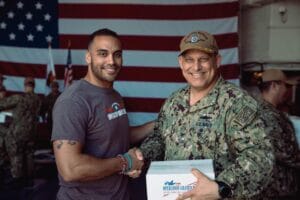
, another Global Volunteer Month partner, embodies the power of collective appreciation for our military and first responder communities. Their mission is to express gratitude and honor the service of these dedicated individuals by creating opportunities for all Americans to show their thanks.
Operation Gratitude offers diverse ways to get involved, catering to all ages and abilities. Volunteers can participate in energetic in-person care package assemblies or contribute virtually through initiatives like the “
” program, collection drives, letter writing, paracord lanyard making and more. Every activity directly supports those who serve.
Thanks to their nationwide network, Operation Gratitude has sent over 4.2 million care packages since 2003, a testament to the collective desire to say, “thank you” to deployed servicemembers, veterans, first responders, recruit graduates, military spouses and caregivers.
“Our volunteers are the heartbeat of our mission. Without them, our vision of honoring and uplifting our heroes would remain unfulfilled. They are the true force behind every care package, every smile, and every expression of thanks.” — Meg Barron, executive director, Operation Gratitude
Best Friends Animal Society: A Volunteer-Powered Path to No-Kill
, a national leader working to end the killing of dogs and cats in U.S. shelters by 2025, is our next Global Volunteer Month partner. Their ambitious “no-kill” goal relies heavily on the passion and dedication of their vast network of volunteers. Best Friends offers a wide array of volunteer opportunities, both in person and virtual, catering to diverse skills and availability.
From hands-on animal care and event support to donor stewardship, website writing, social media moderation and even creating learning modules, volunteers are integral to nearly every aspect of their work. Their growing remote volunteer program, known as NOVA (National Operations Volunteers and Ambassadors), allows individuals nationwide to contribute from their own communities.
Volunteers directly contribute to animal care, facilitate adoptions through fostering and transport, cultivate donor relationships, gather crucial data to target resources and play a vital role in their annual national conference, impacting animal welfare professionals across the country. Having previously partnered with Points of Light through the
, Best Friends is thrilled to re-engage and elevate their volunteer engagement strategies on a global platform.
“In 2024, more than 12,000 volunteers donated more than 520,000 hours of help! Their efforts translate into animal lives saved. The passionate and skilled volunteers who are our partners in this work have a lifesaving impact on animals across the country. They play an integral part in Best Friends achieving its mission.” — Julie Castle, CEO, Best Friends Animal Society
AmeriCorps: Empowering Citizens to Serve and Strengthen Communities
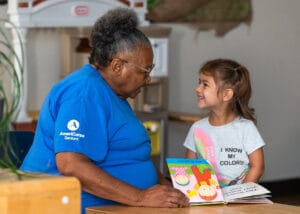
Image courtesy AmeriCorps
Global Volunteer Month partner
, the federal agency dedicated to service and volunteerism, provides opportunities for Americans to address the nation’s most pressing challenges, improve lives and communities, and foster stronger civic engagement through sustained, results-driven service.
AmeriCorps works with a vast network of nonprofit, community, faith-based, tribal and government partners. Each year, they engage Americans of all backgrounds in service at over 34,000 locations nationwide, tackling critical issues in education, health, economic opportunity, disaster services, environmental stewardship and support for veterans and military families. Through public-private partnerships, AmeriCorps invests significant federal resources in local solutions powered by national service and volunteering. AmeriCorps members and
volunteers are on the front lines of addressing major community challenges.
AmeriCorps believes that national service is a vital complement to governmental efforts, requiring broad citizen participation. For every dollar invested in AmeriCorps, significant value is returned to the economy and communities. Volunteering is seen as the very heartbeat of healthy communities, providing essential support to schools, shelters, hospitals and various civic and nonprofit organizations. For over two decades, AmeriCorps has also collaborated with the U.S. Census Bureau to track volunteerism and civic engagement, providing crucial data on the nation’s civic health.
The Rippling Impact of Your “Why” During Global Volunteer Month
celebrates the power of individual action. Whether it’s a desire to live out deeply held values like Tikkun Olam, a heartfelt need to express gratitude to those who serve, a profound compassion for animals in need or a fundamental belief in strengthening communities through civic engagement, the motivations behind volunteering are as diverse as the individuals themselves. Yet, these personal drivers converge into a powerful force for good, creating tangible and lasting change.
This Global Volunteer Month, we encourage you to reflect on your own “why.” What issues resonate deeply with you? What kind of impact do you want to make in the world? Just as the volunteers for our partners have found meaningful ways to contribute their time and talents, you too have the power to be a force for positive change.
Whether it’s a few hours a month or a more significant commitment, your individual action, driven by your personal “why,” can create a ripple effect of hope and progress in your community and beyond. Join us in celebrating the power of volunteers and discover your own unique way to make a difference.
Ask a CSR Friend: Making the Case for an Employee Volunteer Champion Model
Looking for CSR advice?
Hear from our experts right here in our Ask a CSR Friend monthly column.
Whether you’re a novice or a seasoned pro, we know collaboration is key to creating vibrant workplaces where employees are equipped to contribute to the communities and causes they care about. So, when you need a trusted advisor to lean on, rely on Points of Light to be Your CSR Friend. Each month, our experts share their wisdom and wit to address a specific but often universal challenge related to your work as a corporate social impact practitioner.
Have questions about employee community engagement? Submit your question and it may be featured in a future blog post.
Dear CSR Friend,
I’m convinced that the best way to scale and deepen the impact of my company’s employee volunteer efforts is by launching an employee volunteer champion model. The problem? Leadership supports volunteering in theory, but they don’t view it as a strategic priority. I need to prove the value of a champion model using language that speaks to them. How do I make the case, so they see this employee-powered model as an investment worth making?
Signed,
Choosing Champions in Chicago
Dear Choosing Champions,
Ah, the age-old CSR challenge: You know that volunteering is a game-changer, but leadership still thinks of it as a “box-checking” exercise. Time to shift the narrative!
An
isn’t just about making volunteering easier to manage although that’s a nice perk. It’s about scaling impact, developing talent and embedding social responsibility into the company’s culture—all while delivering real business and social value.
Since executives love a good business case, let’s break this down in language that will resonate:
1. It Efficiently Scales and Deepens Impact
Leadership loves efficiency. A champion model upholds the enterprise-wide strategy but decentralizes volunteer engagement, putting it in the hands of employees across geographies, business units and even ERGs. That leads to:
More volunteer participation through increased accessibility and without the CSR team having to do it all
Localized impact that aligns with both company priorities and community needs, and is culturally relevant
A sustainable structure that keeps volunteering alive even if budgets and priorities shift
Your pitch: “Right now, our team is trying to scale impact alone. A champion model creates a distributed leadership network, increasing engagement, buy-in and reach without adding headcount.”
2. It’s a Secret Weapon for Talent Development
Workplaces are changing fast, and companies need employees who can lead, solve problems and adapt. A champion model builds these skills by giving employees hands-on experience in:
Leadership and project management (without waiting for a formal promotion)
Cross-functional collaboration (because champions come from all departments)
Stakeholder engagement and problem-solving (skills needed in every role)
Your pitch: “This is a cost-effective way to upskill employees in leadership, communication and innovation—through real-world experience, not just on-demand training modules.”
3. It Drives Employee Well-Being, Engagement and Retention
Engaged employees = productive employees. And guess what? Employees who volunteer through their company are
Creating peer-led engagement (employees listen to each other more than corporate emails)
Removing barriers and understanding motivations (champions tailor opportunities to what employees want and gain buy-in from middle managers)
Reinforcing company culture and values (volunteering becomes a norm, not a one-off event)
Your pitch: “Our employees want purpose at work, especially younger generations. A champion model gives them ownership of that purpose, increasing engagement, retention and morale—without requiring new perks.”
4. It Strengthens the Company’s Brand and Reputation
A platform for responsible impact storytelling across locations and business units
Deeper, long-term nonprofit partnerships that utilize the company’s key competencies
A strong talent pipeline due to positioning as a purpose-driven leader
Your pitch: “When we share stories of employees leading the way in social impact, it can strengthen our employer brand and build trust with customers, communities, investors and future talent.”
If leadership still hesitates, ask them this:
Do we want to scale impact efficiently enterprise-wide and tailored to the communities where we operate?
Do we want more employees who are adaptable, future-ready and deeply engaged?
Do we want to be seen as a company that authentically walks the talk on social impact?
Because if the answer is “yes” to any of the above, a champion model isn’t just a “nice idea,” it’s a necessary investment in the company’s future.
Go make your case! And if all else fails, remind them that companies with strong cultures and strategic volunteer programs with effective infrastructure also happen to be
provides nonprofit and social impact professionals with the insights, tools and connections needed to sustain your mission, re-energize your teams and engage communities in meaningful ways.
We’re excited to host the Points of Light Conference in the heart of New Orleans, alongside our co-host
, June 3–6. Experience three days of tactical learning, networking and camaraderie, all infused with that southern hospitality that New Orleans is known for! Whether you’re a local or visiting, this conference is your opportunity to connect with like-minded professionals and make a lasting impact.
Key Highlights of the Points of Light Conference in New Orleans
Over 70 workshops
led by practitioners tackling today’s most pressing challenges, featuring local legends like:
Lori Pilley, Volunteer Louisiana, Workshop: Building Resilience Together: The Power of Inclusive Volunteer Partnerships
Amy Sins, President, Fill the Needs, Civic Talk: Mobilizing Volunteers in the Face of Disaster
Michael Tipton, BlueCross BlueShield of Louisiana, Workshop: A Million Meals for MLK — How One Company’s Efforts Sparked a Statewide Campaign
Michael Williamson, Chief Strategy Officer, United Way of Southeast Louisiana, Workshop: Transformational Volunteer Programs in Blue & Gray Skies
Local entertainment to honor New Orleans’ rich culture and history
6 Learning Pathways tailored by subject area to help you go deep on the topics that matter most to you.
Actionable insights from people who are truly making an impact in communities.
Opportunities to connect with fellow attendees who share your passion for social change through structured networking events as well as open time for connection.
If you’re looking for inspiration, practical strategies and a network of peers who truly understand the work you do—this is your conference. Make your way down to New Orleans this June and be part of the conversations that matter.
In an ever-evolving landscape, social impact work is being shaped by economic pressures, shifting policies and customer expectations. And change is coming at a more rapid pace than ever before.
On March 5 and 6, 2025, Points of Light convened its
in Chicago for the annual Winter Summit, “Purpose & Progress: Leading the Next Era of Corporate Social Impact.” Hosted by the chair of the Council, Anita Whitehead, president and chair, KPMG U.S. Foundation, the Winter Summit brought together top corporate social impact leaders from across the nation for thought-provoking discussions, facilitated networking, and practical learning and insights into the latest trends shaping the sector. The event also celebrated Points of Light’s 35th anniversary and 20 years of collective impact with its Corporate Service Council, and explored how companies will chart the path forward to advance corporate social impact and employee volunteering.
“This year’s Winter Summit underscored the crucial role that corporate social impact plays in developing meaningful programs that provide opportunities for employees to volunteer with purpose. As we gathered together, leaders from diverse industries, regions and positions united around our common goal of engaging employees and companies in building stronger, more connected communities, while taking moments to learn from our past and grow towards our future.”
— Lacey Gaitan, Senior Vice President, Corporate Programs
15 KEY INSIGHTS FROM THE 2025 WINTER SUMMIT
Impactful and Authentic Storytelling Matters
Reframe the Hero Narrative: Ethical impact storytelling prioritizes shared agency, human connection and empowerment over traditional “savior” narratives. Asset-framing helps center stories on an individual or community’s strengths and aspirations, rather than on their hardships.
Find Power in Human Stories: Transformative stories don’t require dramatic narratives or elaborate impact reports. Personal moments of change and discovery from employees, volunteers and partners build trust and inspire action.
Trust is Harder to Earn: Consumers and employees demand responsible corporate action but remain skeptical of intent. Efforts must be consistent, strategic, genuine and deeply integrated into business priorities.
Authenticity Builds Credibility: Long-term strategy, “skin in the game” investments, leveraging business strengths and third-party endorsements build CSR credibility. Employees and nonprofits are the most trusted voices when communicating CSR, while a company’s own advertising and social media are the least.
Employees Want Meaningful Messaging and Experiences
Customize CSR for Generations: A one-size-fits-all approach to communicating and engaging diverse workforces won’t work. Tailor messaging and feedback channels to different age groups to ensure CSR initiatives remain relevant and impactful.
Beyond Participation to Purpose: Effective employee volunteer programs move beyond events focused on participation to create purposeful volunteer experiences that empower and inspire employees. Companies must design inclusive programs that remove barriers and create access for harder to reach employees to meet them where they are.
Volunteering Needs a Rebrand: Companies present a unique opportunity to shift the perception of volunteering from something that is “nice” to “necessary” and increase volunteering at scale. Younger voices, especially Gen Z, are key to shaping the future of volunteering.
Growing Volunteer Programs Centered on Community
Scale Through Networks: Activating employee groups and ambassadors along with nonprofits with their own networks enables companies to drive impact at scale while still aligned with a focused strategy.
Prove the Value of Volunteering: Companies need stronger data to demonstrate the impact of volunteering on business outcomes, nonprofit organizations and employee volunteers. Proving this value will lead to more effective practices and greater investment in volunteering capacity.
Rethink Impact Measurement: Companies often measure CSR by dollars and hours, while communities focus on systemic change. Aligning on long-term goals and outcome measurements is crucial and requires honest conversations between the company and nonprofit.
Don’t Overlook Social Capital: While less trackable, companies have significant networks, relationships and influence that can be used to support and accelerate community-led initiatives and nonprofit organizations.
Invest in Community-Led Partnerships: Long-term, authentic partnerships with nonprofits help ensure CSR programs address real needs and community-led solutions, rather than imposing company-driven initiatives. It is critical that companies invest time, effort and resources to truly understand the communities where they live, work and serve.
Volunteering Strengthens Your Work
Diverse & Connected Workplaces Thrive: Companies represent diverse communities and have a unique opportunity to foster relationships across religious and cultural differences through volunteering and engagement programs.
Loneliness & Disconnection Costs Money: Social isolation is a widespread issue that negatively impacts mental health, economic stability and community well-being. Isolated employees have lower commitment, higher turnover and increased absenteeism.
Workplace Volunteering is a Solution: Volunteering facilitates social connections, builds empathy and fosters a sense of belonging and purpose. These benefits help employees in the workplace and as more civically engaged members of their community.
The Points of Light Corporate Service Council is a vibrant community dedicated to empowering and equipping corporate social impact leaders and their teams. Through an annual membership, CSR and corporate social impact leaders and their teams gain access to actionable resources, insights, training and connections needed to advance their social impact goals and be recognized for their success.
To learn more about becoming a member of the Corporate Service Council,
Engaging Gen Alpha to the Silent Generation: Volunteer Strategies for Nonprofits
Volunteering brings people together from all walks of life, strengthening connections in community. Each generation has unique motivations and preferences when it comes to volunteering and understanding these can help nonprofits engage volunteers more effectively.
Last week at the
2025, Points of Light’s Senior Vice President of Strategic Partnerships and Convenings, Beth Pann, gave a keynote address on strengthening volunteer programs from a generational perspective. As nonprofits recruit volunteers to support their programs, here are things to consider when engaging with each generation.
Gen Alpha (Ages 12 and Younger)
What defines them?
This group is highly empathetic. They’ve been exposed to global challenges early on, which has fostered a strong sense of empathy.
Tips for Engagement
Connect them with young mentors. While most Gen Alpha volunteers are likely to be volunteering with their families, seeing slightly older peers volunteering will continue to inspire them. Think about other ways in which you can connect these young volunteers with their classmates and/or other Gen Z volunteers who are deeply engaged. Cultivating an interest in volunteering early on can build a lifetime of civic engagement.
Gen Z (Ages 13–28)
What defines them?
This generation is the first to grow up as digital natives and saw millennials engaging in more activism than Gen X parents. They are driven by causes including social justice, healthcare, mental wellness, environmental causes and more. They prioritize tangible impact, community involvement, and mentorship.
Tip for Engagement
Lead with purpose and authenticity. Volunteering is often a deeply personal experience, and Gen Z has helped to shape this idea. Find the spark to connect your Gen Z employees, community members and patrons in volunteering. For young professionals, integrating volunteering with skill and career development will be highly appealing.
Millennials (Ages 29–44)
What defines them?
Millennials have a passion for global causes and learning about social issues on a deep level. They seeing volunteering as a lifestyle aligned with their personal values. Points of Light’s Millennial Perspective research found that personal experience deeply influences the causes they care about.
Tip for Engagement
Offer micro-volunteering and/or family-friendly activities that resonate. As many Millennials are parents, micro-volunteering opportunities that are short-term and flexible, fit well into their dynamic lives. And make sure you get to know them. Millennials are deeply driven by their experiences, and care about making meaningful change.
Gen X (Ages 45–60)
What defines them?
Gen X is highly independent and pragmatic, valuing independence, and holds a bit of bureaucratic skepticism. They often volunteer for causes related to children, youth, or health.
Tip for Engagement
Propose hands-on and results-oriented projects. Gen X values leadership; and like Millennials and Gen Z, they value opportunities that fit into their work-life balance. Seek to engage them in fundraising, campaign management, team and/or committee leading opportunities. Make it easier for them by offering toolkits and streamlined communication.
Baby Boomers (Ages 61–79)
What defines them?
This group values the social and emotional benefits of volunteering. They bring a wealth of experience, skills and leadership. They see volunteering as a moral obligation and many believe in service as a legacy, passing down the value of volunteering to younger generations.
Tip for Engagement
Involve them in long-term leadership roles. Through board service or committee/campaign leadership, Baby Boomers seek to find ongoing impact as they leverage their personal networks and model civic engagement as an infinite contribution to communities and society.
Silent Generation (Ages 80–97)
What defines them?
They see volunteering as a duty to serve the community. They value face-to-face interactions and long-term commitments as a social connection they can uphold and actively contribute to. Many serve faith-based, military and local charity organizations.
Tip for Engagement
Provide structured and reliable volunteer roles. Daytime volunteering is a great option, as most are in retirement. These seniors bring a sense of pride to serving their communities, that stems from their community building after World War II.
The Opportunities of Multi-Generational Volunteering
Rather than seeing generational differences as a challenge, recognize them as powerful opportunities. While some volunteer experiences and impacts are immediate and tangible, like delivering meals or mentoring a student; others unfold quietly over time, influencing mindsets, relationships and even life paths.
Volunteering is dynamic, and that’s what makes it powerful. It not only changes communities but also transforms the individuals who take part in it.
Multi-generational volunteering is a powerful strategy to strengthen capacity, connection and engagement for nonprofits. Focus on what motivates your volunteers.
, provide incentives, and offer support based on their generational preferences.
It’s imperative to continue adapting programs to meet the evolving needs of volunteers and the communities they serve. Younger generations are primed and eager to co-create the future of volunteering. Engage with them!
By involving volunteers from different age groups, we can leverage a diverse range of skills, experiences and perspectives. This approach not only enhances the effectiveness of volunteer efforts but also fosters intergenerational understanding and collaboration, strengthening the social fabric of our communities.
Volunteer Ireland Champions Inclusion with TEAM IV Project
Volunteer Ireland, a Points of Light Global Network affiliate, is leading the charge in promoting social inclusion for people with disabilities through its involvement with a variety of projects, but specifically the TEAM IV (Training European Active Mentors for Inclusive Volunteering) project. In partnership with our friends at Pro Vobis, Points of Light’s Romanian affiliate, and other European organizations, TEAM IV is breaking new ground by training mentors to support volunteers with disabilities and creating a platform to connect mentors and mentees across Europe.
“We’re in the early stages of this project, which addresses inclusive volunteering,” said Stuart Garland, learning and capacity building manager at Volunteer Ireland. “People are used to looking for wheelchair accessibility, but we’re teaching them to look much further than that. There are many invisible (hidden) disabilities, and organizations often have barriers in place that they’re not even aware of.”
The TEAM IV project recognizes that while volunteering offers numerous benefits, people with disabilities often face barriers to participation. To address this, TEAM IV will train 250 mentors specialized in supporting people with disabilities who are volunteers or wish to be volunteers. The project team is also currently developing an online platform that can be used for training, matching mentors and mentees, and providing training materials in different languages.
“The project is all about providing mentors for people who want to volunteer and have disabilities of any form – hidden or visible,” Stuart shares. “The idea is that volunteer mentors will work one-on-one with these individuals to support them through the process. We’re hoping this will help normalize disabilities as well as provide more access and fairness in volunteer opportunities.”
TEAM IV’s innovative approach will result in an online training course that develops and strengthens the capacity of volunteer trained mentors through a European mentoring program for volunteers with disabilities. Mentors are crucial for supporting and empowering volunteers with disabilities, as shown by The TEAM IV State of the Art Report, a publication co-funded by the European Union.
The report reveals that various mentoring models and approaches are being implemented across Europe to cater to the diverse needs of volunteers with disabilities. However, challenges like limited opportunities, accessibility issues and stigma persist. Despite these challenges, best practices are emerging, with organizations offering innovative programs that enhance community integration for adults with intellectual disabilities and autism.
TEAM IV is also focused on working with organizations to bridge the gap in volunteering and provide safer spaces for volunteers with disabilities. Often, organizations quickly assume they can’t provide any sort of experience for these volunteers – even when they don’t know what the disability is.
“In some cases, it’s less of a disability and more of a support need,” Stuart reflects. “Organizations need to be coached on how to tailor opportunities to different individuals. Sometimes, especially in cases of things like ADHD and autism, it’s really helpful to have that different perspective and can be an asset.”
Volunteer Ireland is currently working on pieces of the education portion of the project, including designing a virtual training through the Articulate platform. This will eventually provide a free, on-demand, open-source training for interested mentors as early next year. By redefining, improving and formalizing the mentoring process for the TEAM IV project, Volunteer Ireland and its partners will contribute to the active participation of people with disabilities in civic life—while also advocating for social inclusion to policymakers and stakeholders across Europe.
The TEAM IV project is an exciting step forward in promoting social inclusion and empowering people with disabilities through volunteering. By fostering a culture of mentorship and support, Volunteer Ireland and its partners are helping to create a more inclusive and equitable society for all.
The Voices That Matter Most at the 2025 Points of Light Conference
Real People. Real Impact. Real Conversations.
At the Points of Light Conference, we know that the most meaningful insights often come from the people who are driving real change every day. This year, we’re centering the voices of the do-ers—the nonprofit leaders, corporate social impact professionals, volunteer managers and community advocates who are at the heart of the work.
As social impact leaders face uncertainty and evolving expectations around their work, the Points of Light Conference will connect you with those on the frontlines who are navigating these challenges and finding innovative ways to do the work, motivate their teams and more.
Here’s what you can expect:
✅
Over 70 Workshops
led by practitioners tackling today’s most pressing challenges, featuring speakers from:
L.A. Works
Minnesota Alliance for Volunteer Advancement (MAVA)
to help you go deep on the topics that matter most to you.
✅
Actionable insights
from people who are truly making an impact in communities.
✅
Opportunities to connect
with fellow attendees who share your passion for social change through structured networking.
If you’re looking for inspiration, practical strategies and a network of peers who truly understand the work you do—
to highlight the professional development, networking and industry insights you’ll gain—making it clear why this is a must-attend event.
Plus, you can stretch your budget and stay near all the conference activities by booking your room at our official hotel, the New Orleans Marriott.