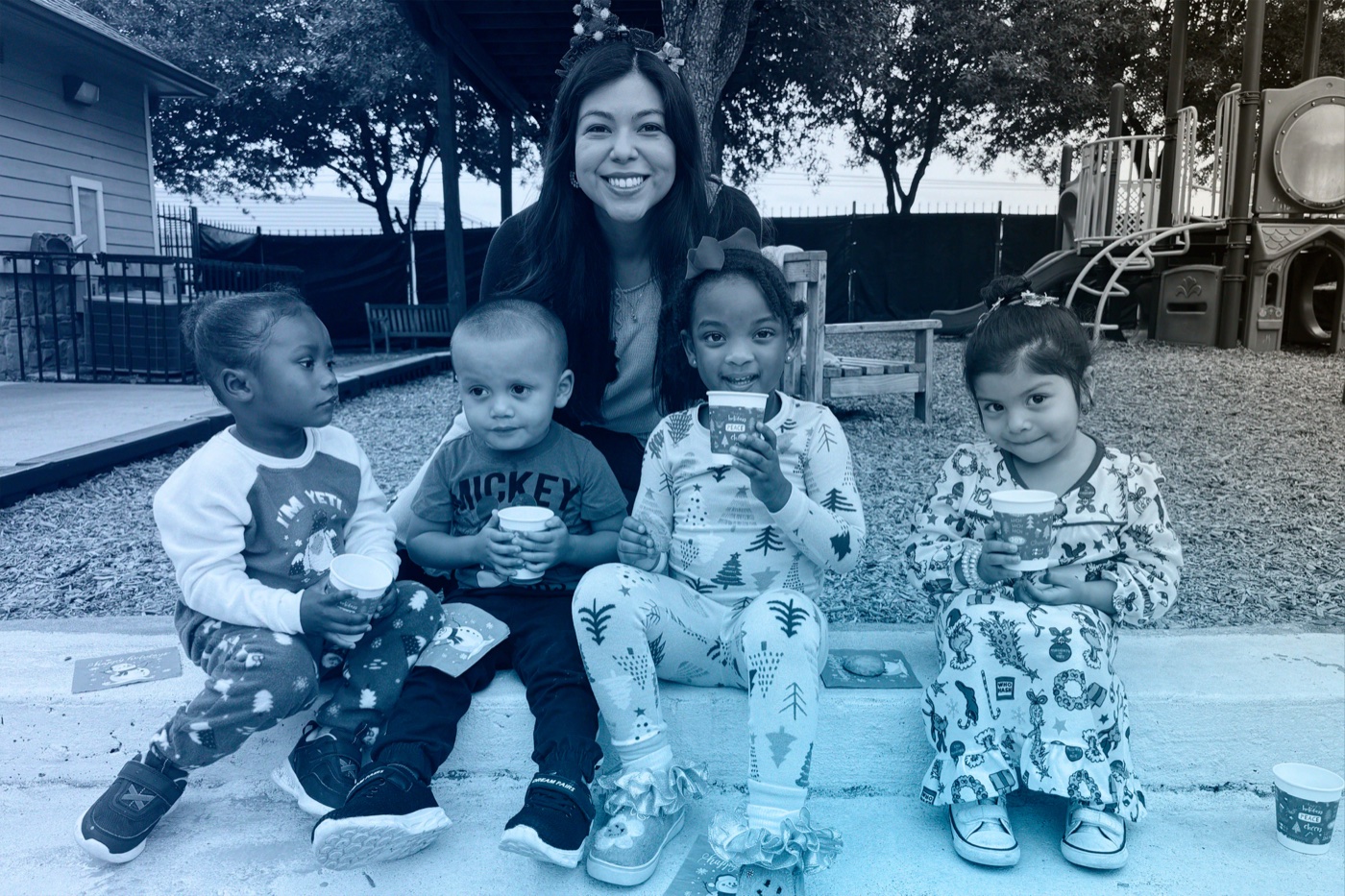
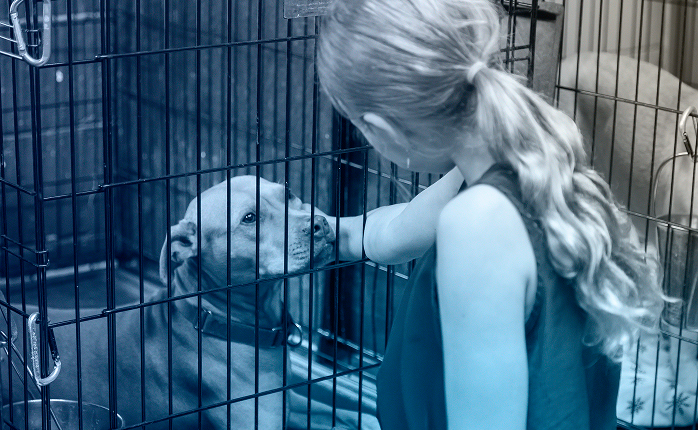
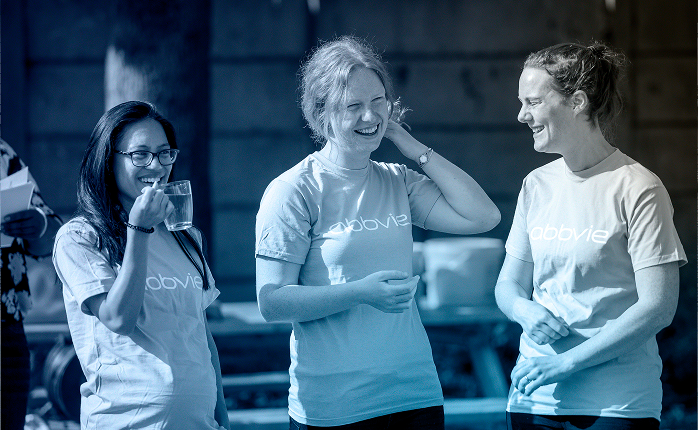
, to be celebrated on November 23, 2024, is a time to come together and make a difference. It’s a chance for families to strengthen their bonds while making a positive impact on their communities. The world is facing many challenges, but there is an opportunity for all of us to step up and create change. Family Volunteer Day provides a unique opportunity to inspire hope and create lasting change.
Why volunteer as a family? Beyond the inherent rewards of getting involved in your community through volunteerism, doing this together as a family offers a wealth of benefits:
1. Family volunteering promotes shared values.
Volunteering is a powerful way to instill compassion and a sense of social responsibility in children. By actively participating in community service, families demonstrate their commitment to making the world a better place. These shared experiences lay the foundation for a lifelong commitment to civic engagement.
2. Family volunteering creates a foundation for a lifetime of volunteering and commitment to social change.
A recent study from FoundationSource found 58% of Gen Z volunteered their time in the past year. 70% of Gen Z said they aspire to be described as “changemakers.” Younger generations are passionate about being involved in their local communities, and the earlier their engagement begins, the better understanding they have of being a supporter and partner with nonprofits.
3. Family volunteering helps you spend quality time together while having fun.
In a fast-paced world, finding quality time for family can be difficult. Volunteering provides a shared experience that fosters communication and creates lasting memories. As adults look to find ways to spend time with kids disconnected from screens, volunteering is a great way to connect. Working together towards a common goal strengthens family bonds and creates a sense of shared accomplishment.
3. Family volunteering helps children develop empathy.
Volunteering exposes children to diverse perspectives and lived experiences, fostering empathy and understanding. It helps them connect with people from different backgrounds and appreciate the challenges faced by others. These interactions nurture compassion and broaden their worldview and decrease bias in the long term.
4. Family volunteering encourages lifelong learning.
Volunteering offers a unique learning experience outside of the traditional classroom setting. Children develop valuable skills, gain knowledge about social issues and discover their potential to make a difference. It instills a love of learning that extends beyond textbooks and classrooms.
5. Family volunteering helps everyone hone important skills.
From practical skills like gardening and painting to essential life skills like teamwork and problem-solving, volunteering provides opportunities for children and adults to learn and grow. It’s a chance for families to discover hidden talents and develop new skills together.
Family Volunteering: A Catalyst for Growth, Connection and Change
Volunteering as a family in 2024 offers a refreshing opportunity to disconnect from the digital world and reconnect with each other and your community. We invite you to put down the devices and engage in meaningful real-world experiences that foster a sense of purpose and belonging.
Studies show that helping others reduces stress and boosts well-being for all ages, making family volunteering a valuable investment in your family’s mental and emotional health. It’s also a chance to connect with neighbors, strengthen community ties and contribute to a sense of shared responsibility.
By volunteering as a family, you can learn about global issues and actively participate in creating solutions, fostering a sense of global citizenship and empowering your children to become agents of change.
, traditionally held on the Saturday before Thanksgiving in the U.S., offers a wonderful opportunity for families of all shapes and sizes to come together and make a positive impact in their communities. Each year, thousands of families use this day to teach valuable life lessons about compassion, empathy and the power of helping others while strengthening the bonds between each other and their communities.
The Benefits of Volunteering as a Family
Families contribute to their communities in various ways during Family Volunteer Day activities. Volunteering together provides a unique chance for kids, adults, and even aging parents to:
Make new friends and build social connections: Volunteering brings people together with shared goals, fostering new relationships and expanding social circles.
Develop compassion and empathy: Volunteering helps individuals understand different perspectives and develop a deeper sense of compassion for their neighbors.
Gain health benefits: Volunteering can reduce the effects of stress, anxiety and depression, while also improving physical health and cognitive abilities, particularly for older adults.
Learn new skills: Volunteering offers opportunities to learn new skills and develop existing ones, such as leadership, problem-solving and organization.
, communities are stronger and more resilient when youth participate. When they volunteer, young people gain:
New knowledge and skills
A sense of purpose and satisfaction
Stronger social networks
By actively addressing community challenges, young people realize they can truly make a difference and develop a lifelong commitment to service.
10 Reasons to Encourage Family Volunteering in the Workplace
If those proof points haven’t sold you yet, then consider 10 more. Providing opportunities through the workplace for families to volunteer together:
Supports employees’ work-life balance, which increases feelings of well-being and builds a positive attitude in the workplace.
Enhances quality time for families by expanding learning opportunities.
Provides an opportunity for family members to develop skills in such areas as teamwork, adaptability and accountability.
Improves and increases communication among family members.
Promotes family cohesion and builds stronger families. Research has identified several qualities that make strong families, including establishing routines such as shared activities, meaningful traditions and connecting to the community — all of which can be gained through volunteering.
Gives children positive role models.
Demonstrates to children and youth the values of kindness, empathy, respect, inclusivity and tolerance.
Contributes to healthy family connections by offering ways for family members to develop or act on a common interest or issue of concern.
Offers employees the chance to learn more about their community and the issues that impact their neighbors.
Inspires a lifetime of service.
In advance of Nov. 23, 2024, encourage your colleagues to dedicate time with their families to help others. Whether in-person or virtually, supporting a cause together creates lasting positive change.
Visit our
to find resources to share with your workplace, like ideas and instructions, DIY project videos, promotional and social media content, and more! You can also encourage employees to check out the
, which will help them discuss with their family members all the ways volunteering can make a positive difference.
Family Volunteer Day: The Power of Youth Involvement
Finding ways to bridge divides is essential in today’s world. One of the most potent tools for fostering understanding is civic engagement, particularly when it begins in the formative years of youth. Not only does volunteering mold responsible, aware citizens, but it also creates a culture of empathy and collaboration.
As
approaches, here are some things you should know about youth civic engagement, plus some resources to make it easy for you to get involved.
The Importance of Early Civic Engagement
When young people engage in their communities, they develop critical skills such as leadership, empathy and teamwork. They also gain an understanding of the challenges and diversities in their communities, learning to appreciate and work with people from different backgrounds and perspectives. This exposure is crucial for youth development, equipping them with tools they will use throughout their lives.
According to
, the national rate of youth volunteerism stands at 30.3%. This statistic is both heartening and a call to action. It shows that a significant portion of our youth are already involved in supporting their communities. It also highlights the need to encourage more young people to take part in civic activities to build a better, brighter future.
Bridging Divides Through Shared Action
Civic engagement is a powerful vehicle for bridging divides. When people from various backgrounds come together for a common cause, they learn to see beyond their differences. They share experiences, goals and the satisfaction of contributing to something larger than themselves. This shared sense of purpose is essential in building resilient communities.
The
issued an advisory from Surgeon General Dr. Vivek Murthy this year. According to the statement, “The physical health consequences of poor or insufficient connection include a 29% increased risk of heart disease, a 32% increased risk of stroke, and a 50% increased risk of developing dementia for older adults. Additionally, lacking social connection increases risk of premature death by more than 60%.” Clearly, the effects of loneliness are profound and cultivating community – especially among young people – can have a lasting and beneficial impact on mental and physical wellbeing.
Family Volunteer Day: A Starting Point
One of the best ways to introduce youth to civic engagement is through family-oriented volunteer activities. Family Volunteer Day is a day for families to work together in service. It offers an excellent opportunity for families to foster a sense of civic responsibility in children by engaging in meaningful activities and making a difference while strengthening their bond with each other and their neighbors.
Points of Light provides comprehensive
for planning volunteer activities. These resources make it easy for families to find and participate in events on Family Volunteer Day. Whether it’s cleaning up a local park, helping at a food bank or engaging in other community projects, these activities can help lay the groundwork for a lifelong commitment to civic involvement. You can organize a volunteer project with neighbors, at your school, or with community organizers.
Civic Engagement on Family Volunteer Day and Beyond
Civic engagement is a bridge that can connect communities. It starts with youth and grows through shared experiences and commitments to supporting communities around the world. As we approach Family Volunteer Day, you can use this opportunity to involve young people in community service.
By leveraging resources like the Points of Light toolkits, you can plan meaningful activities that foster understanding. To learn more about the impact of volunteering and lending your time and talents responsibly, check out our Civic Life Today issue on
platform, a database of hundreds of thousands of volunteer opportunities around the world waiting for individuals to step up.
Encouraging early civic engagement is not just an investment in individual development; it’s an investment in the future of our communities and our world. Together, let’s embrace this opportunity to bridge our divides, one act of service at a time.
5 Family Volunteer Opportunities While Working from Home
The Saturday before Thanksgiving each year marks the celebration of
—a day when family members (related and chosen) come together in support of the communities where they live and work, along with the causes that they care about.
When your employees and their family volunteer together, they build deep bonds with each other and with the community. Volunteering helps improve the lives of neighbors while also helping family members develop new skills, empathy for others and a passion for getting involved. While working toward a shared goal, they might even discover that a child has an interest or unique talent that they weren’t aware of before.
In preparation for Family Volunteer Day and with so many employees working outside the office a few days a week, we’ve compiled several DIY activities that can take place from the comfort of employees’ homes. Encourage colleagues to post about their Family Volunteer Day experience on social media using the hashtags,
#FamilyVolunteerDay
and
#VolunteerTogether
.
Share these resources and show your company’s support for family volunteering! For even more project ideas and instructions, visit
Save the Animals Letter Campaign: Raise awareness of endangered animals in your community and around the world and advocate to protect their habitats by reaching out to local politicians to address laws around these topics.
Great Reads Bookmarks: Celebrate and share the joy of literacy by hosting a book drive and giving handmade bookmarks to a community in need. Show someone what reading means to you by making colorful and personalized bookmarks to give to your school, local library or community center.
Composting Worm Bins: Some of the world’s hardest workers are some of the smallest. Vermicomposting (composting with worms) adds nutrients to the soil and keeps waste out of the landfill. Help your family, school or community be greener by making a vermicomposting bin.
Relax Bottles: School can be challenging enough. For some kids with learning disabilities, it can be especially frustrating. You can help them channel and release their frustration by making Relax Bottles: water bottles decorated and filled with glitter. Watching the glitter settle after shaking the bottle can be relaxing.
3 Cheers for Local Heroes!Want to show first responders and emergency volunteers your gratitude? Create hand-made thank you cards for firefighters, healthcare workers, Red Cross emergency personnel and more in your community or somewhere a disaster or emergency has occurred.
3 Ways People of All Ages Can Make the Most of International Youth Day
August 12 is International Youth Day, a United Nations effort to celebrate youth activists, combat ageism and help bridge gaps between generations working toward the same change.
No matter your age, it’s likely you’ve questioned your ability to make a difference. Our research shows that 73% of people believe that volunteering is more important than ever, yet 66% think they can’t make a big impact in their communities. Activists on the ground prove otherwise. That’s why we recognize thousands of volunteers for their contributions to their communities through t
“Points of Light’s research found that Gen Z is the most civically engaged generation to date. Our youth honorees demonstrate that people of all ages can strengthen communities and solve persistent problems,” says Diane Quest, interim CEO, Points of Light.
To inspire you to action this
International Youth Day
, we are sharing stories of youth honorees, along with three elements from the Points of Light Civic Circle®, a framework for helping people to become more civically engaged.
Volunteer
Nonprofit organizations and NGOs need volunteer power to deliver support to the communities they collaborate with. If you’re an adult wanting to facilitate youth volunteerism, consider organizing a youth-specific event or helping transport the young people in your life to an event. To find a volunteer opportunity that aligns with your interests and availability, check out
, a database with hundreds of thousands of in-person and virtual volunteer opportunities.
The power of volunteering shines when considering Daily Point of Light Award honoree Nate Buescher, a high schooler who prepares food for a local food pantry and distributes home-cooked meals to tent cities around Chicago. Buescher began fighting food insecurity at age 7 with the Honeycomb Project. Today, he mentors younger volunteers while maintaining his own service projects.
Voice
The youth voice is vital, pointing us to which concerns are most important to future world leaders and helping broaden perspectives. Use your voice to advocate for causes you care about by posting on social media, attending a rally or contacting a government leader. Adults can amplify youth voices by sharing with their networks, or organizing forums for youth to be seen and heard.
Seventeen-year-old Daily Point of Light Award honoree
used his voice when organizing a rally of fellow activists on the Washington State Capitol steps to support legislation protecting the Chinook salmon and orca populations. He also regularly addresses state legislators and travels statewide to speak to K-12 students about environmental issues.
Listen and Learn
Social justice and environmental issues are nuanced, involving many people with different perspectives shaped by their own experiences. Listening and learning is one way to honor others’ lived experiences and get a fuller scope of an issue.
Young people can commit to thoroughly researching causes they care about, talking to those working toward solutions and holding space for those impacted. Adults can connect with the young people in their lives, inviting dialogue that allows for sharing different perspectives and finding common ground.
These are the driving ideas behind the work of high schooler Kristie To, who became a leading force in Asian American racial justice when she founded
. Among the initiatives of her nonprofit is distributing Asian history and Asian American Pacific Islander civil rights curriculum to children.
“Cultural sensitivity starts with exposure, and that’s what we’re trying to do with these elementary schoolers,” says To.
To learn about other avenues for social engagement for International Youth Day and all year round, check out the Points of Light Civic Circle by visiting
“There are many formal channels for civic engagement, but simple actions make a difference too,” says Quest. “Whether it’s carrying groceries in for a neighbor or donating books to the library, the important thing is to get started when you see a need in your community.”
How to Use Your Volunteer Toolkit this Global Volunteer Month
April is right around the corner which means Global Volunteer Month is rapidly approaching. Points of Light wants to equip you with the tools you need to make it a success. Global Volunteer Month is an opportunity to recognize volunteers for the amazing work they do to support your organization as well as make the community aware of your needs and recruit more volunteers or connect individuals to causes they care about. Head over to our
is full of ideas to support your company’s employee volunteerism campaign tactics and plan your Global Volunteer Month activities. We show you how you can best
, share their stories and promote the month internally and externally. It also includes logos and graphics you can use in your communication materials.
also includes logos and graphics to share on social media, as well as a host of ideas as you map out your organization’s plan to participate in Global Volunteer Month. In addition to help with messaging and promoting engagement, we offer recognition ideas that you can carry with you throughout the month and all year long.
Toolkit for Individuals
You don’t have to be part of an organization to participate in Global Volunteer Month. Passionate individuals can shine their light by
includes many of the same elements as the toolkits for companies and nonprofits – a sample communications plan, graphics and logos, and ideas for promotion. It also features ideas for giving a floor speech to honor and recognize the constituents and organizations making a difference in your community.
No matter who you are and how you’re getting involved this year, start now to map out a plan for your Global Volunteer Month and make an impact in your own community and beyond.
Family Volunteering Insights for Small Organizations
We interviewed 1,000 participants of organizations with under $1 million in revenue
. We wanted to know how to create programs that work for families, how to recruit families to participate and how to make it easy – and fun – for them to volunteer.
Here’s what we heard from project coordinators we surveyed about how to engage families and young people in volunteer efforts:
Include Youth Voices When Planning Family Volunteering Opportunities
Talk to young people about why volunteering matters. Let their excitement help make it a family priority. Let them describe what they’re doing, and explain how they’re having an impact.
Communicate Via Multiple Methods Well in Advance With Reminders
Send an email and a text. Remind volunteer families several weeks before, a week before, a day before and the day of. People are busy, and reminders help ensure they fulfill their intention and their commitment to volunteer. If you can, keep your events at the same time of year to make it easy for families to plan and stay engaged year after year.
Create a Family-friendly Environment
Ensure families know that children of all ages are welcome. Make plenty of age-appropriate activities available and create opportunities for little ones to help. Provide kid-friendly refreshments, too.
Reward Volunteers
Create incentives for your volunteers to want to come back, and share the impact they’re having. Offer student volunteers extra hours if they bring parents, or feature students with families who volunteer on social media.
Start Early, Plan and Be Organized
Make sure people feel as if their time is being used well. If they have a great experience, they’re more likely to return. Some organizations don’t have a lot of success doing several small family volunteer events throughout the year in cities where there are so many competing interests. However, doing an “end of the year” project, for example, where students get to show off their work and win prizes, combined with the group volunteering experience, often results in higher attendance and participation each year.
Family and youth volunteer projects are so impactful, and getting them right makes a huge difference for families and for the people and organizations who benefit from their service.
, marking a global day of service that celebrates the power of families who work together to support their communities and neighborhoods. This year, this special day falls on November 19. It’s a great way for nonprofits to highlight how families can help support your mission and your community’s needs. Here are five ways nonprofits can promote Family Volunteer Day and engage families in your community.
1. Create a landing page
Update your website with a landing page featuring family-friendly project ideas for your organization listing your greatest needs where families can help. Need ideas? Points of Light has a number of youth-oriented
full of social media graphics and language that you can use to promote the dayon your social channels. Encourage families in your local area to share the day and join in the opportunity to volunteer as a family – as well as any photos or videos on the day – on their social network of choice using the hashtag #FamilyVolunteerDay.
3. Share via your newsletter
Let folks know to save the date! Download and customize this
for your newsletter to share with your network or create your own call to action. We recommend giving people plenty of advance notice so they can plan accordingly. In fact, you can start promoting Family Volunteer Day now!
4. Link to existing Family Volunteer Day projects or opportunities
Direct people to search for family-friendly volunteer opportunities on your nonprofit’s landing page or volunteer search portal. Need additional opportunities? You can find them on Points of Light’s
or any other volunteer project sources. Engage is a global database with hundreds of thousands of volunteer opportunities, both in-person and virtual. Use the search filters to explore projects that are good for families, teens and seniors. If you are promoting your own Family Volunteer Day projects, be sure to tag them so people can find them easily.
5. Contact local media
Help spread the word about Family Volunteer Day and promote the activities your organization is involved with. Reach out to your local newspapers, magazines and radio stations to see how they’d be willing to promote your organization and the event.
However you choose to participate in Family Volunteer Day, we’re looking forward to watching the way you bring families in your area together. We’d love to hear from you! Tag Points of Light on your social media accounts so we can see what you’re up to for Family Volunteer Day this year.
Family Volunteer Day is a day of service that celebrates the power of families who work together to support their communities and neighborhoods. Volunteering is a great way for kids and adults to make new friends, develop compassion for their neighbors and even pick up a new skill or two.
Know a family who’s a living example of what Family Volunteer Day is all about?
4 Resources to Get Young Changemakers Engaged This Summer
Leading a civic life isn’t just about lending time and resources as an established adult. It’s also about involving youth, showing them that they, too, can make an impact, regardless of their age.
While young changemakers can stay involved all year long, summertime is prime time for kids to become more civically engaged. After all, school’s out, schedules tend to be more lax and there is ample time to fill with worthwhile activities. Plus, getting involved with causes you care about can be rewarding when done with those you love.
Fortunately, Points of Light has a wealth of resources for youth and families to get involved in their communities. Here are a few to get you started.
, a framework we created to show people that doing good comes in many forms. But have you taken a deep dive into each element of the Civic Circle in our free digital magazine series,
to publish nine unique issues, including interviews and articles from leaders in the field.
Best of all, at the back of each issue you’ll find a special section devoted to Youth and Family, with additional resources to explore. You’ll also discover a Personal Action Plan section, created in partnership with
, for your family members to figure out exactly how they can best leverage their time and talent for a specific cause area.
Find a Volunteer Opportunity
There are hundreds of thousands of volunteer opportunities throughout the world, just waiting for the right volunteer to step up. Some of these opportunities are in person, while others are virtual or a combination of the two. Points of Light offers the world’s largest digital network, allowing you to search for these opportunities in an intuitive, user-friendly interface.
database listing volunteer opportunities—inside and outside of the home—that meet critical needs. You can search for volunteer projects in your local area, or get inspired by what’s happening in other areas and start your own initiative.
, summer is a great opportunity to do so. With a variety of different kinds of projects, from creating a mobile library to cleaning up a local park to collecting old cell phones, there are ample options for kids of all ages.
Each DIY Project guide comes with an overview and a step-by-step guide, including materials and resources needed, as well as helpful tips along the way. Take special note of those “Pre-Project Discussion” questions. They can help you start a rich dialogue with your children that connects the “what” of the project to the “why.”
Celebrate Your Civic Journey
At Points of Light, we’re firm believers in the power of recognition. If your kids have taken the time to learn, grow and get more involved with causes they care about, that’s certainly worth celebrating! This celebration might look like getting ice cream after wrapping up that volunteer day, debriefing with some “wins” after completing your DIY project or maybe something even bigger.
Points of Light’s founder, President George H.W. Bush created the
to honor ordinary individuals doing extraordinary things. If your family knows of someone in your community who is leading and lending support in the volunteer space, nominate them for a Daily Point of Light Award. (Psst – you can also hold your own “award ceremony” as a family, giving each member special recognition for something unique that they brought to your volunteer activity.)
However your family chooses to get engaged, know that you are setting a wonderful example for a life of service. Many nonprofit founders and recipients of the Daily Point of Light Award reflect on how concepts like volunteering and donating were taught early on and became ingrained in them from a young age. The seeds you’re planting today could lead your kids to a more active, civically engaged life for decades to come.
Atlanta Mother & Son-In-Law Bond by Volunteering
A native of Atlanta, Stephany Cross met Juan Juliao through her daughter Maya. Maya and Juan met while she was serving in the Peace Corps in Colombia, and they have been together ever since. Originally from Barranquilla, Colombia, Juan moved to the United States in April 2021 to marry Maya. In Stephany’s words, that’s when she and Juan “became buddies.” The two grew closer as they planned Maya and Juan’s wedding together.
Their volunteer story began when Juan was looking for something useful to do while waiting for his work visa to process. Stephany suggested he try volunteering and Juan began helping Atlanta Transit Angels. He had such a great experience that he asked Stephany to join him.
, a collective of volunteers, greet refugees and asylum seekers at Atlanta bus stations with smiles, food and basic supplies. Most travelers only have their bus ticket, paperwork and a plastic bag filled with whatever a previous volunteer organization has provided at the border. It’s not uncommon for someone to have gone without food or water for close to 12 hours by the time they reach Atlanta.
What does an average day of volunteering look like for you?
Celebrate your civically engaged friend, family member or colleague this Valentine’s Day by sending a special e-card from Points of Light.
On Monday mornings, we get to the bus station and begin setting up water, fruit, soup and other supplies. We also have stuffed animals, coloring books and crayons for the children. Then we stand and wait patiently for the buses to come in.
The arriving refugees are apprehensive, tired and nervous, so we just want to make them feel comfortable. We often go out to them, helping to wave them into the station to rest and get some food and water. While at the station, we also hand out bags with hygiene supplies like toothbrushes and toothpaste and hand sanitizer, since most don’t have anything like that with them. We even have diapers for the babies.
Do you have a favorite volunteer or service memory together?
Juan:
Definitely the little kids. When they arrive, the children look so sad. Then Stephany gives them a toy or coloring book, and their whole attitude changes. They are really happy during the time they spend at the station. After all they have been through, it’s nice to provide a little bit of relief.
Stephany:
For me, it’s nice to spend time with my son-in-law. We’ve gotten to know the bus drivers, the staff at the bus stop and even people from the local businesses nearby. There is a mercado close by where we get tacos with the other volunteers and talk about the refugees and what we could do better or differently for them. Ultimately, it’s the little things we experience together – seeing someone smile who came in looking tired and sad.
Points of Light research uncovered that most people in the United States have the desire to help, but over 40 percent don’t know where or how to get started. What advice would you give someone looking to get more involved in their community?
, and it’s been helping me try new things and figure out what I am looking for in a volunteer opportunity. Try different things until you find what you like.
What can others learn from your experiences?
Stephany
: Helping people, even in a small way, can be a big thing in their lives.
Juan:
Although most travelers are using Atlanta as a jumping off point to their final destinations, we’ve created a community inside the bus stations with the manager, staff and neighboring businesses. We hope it gives them just a little feeling of home on their journey.
Valentine’s Day is the perfect time to honor friends and loved ones making a difference in your community with a gift in their name.
Your gift today helps our global network of 177 affiliates across 38 countries. Together we are inspiring, equipping and mobilizing more people to use their time, talent, voice and resources to create positive change in their communities. Because of your generous support, we can continue offering creative and impactful ways for people to take action to solve critical problems.