
Connecticut Teen Leads Nonprofit Bringing Debate Access to All
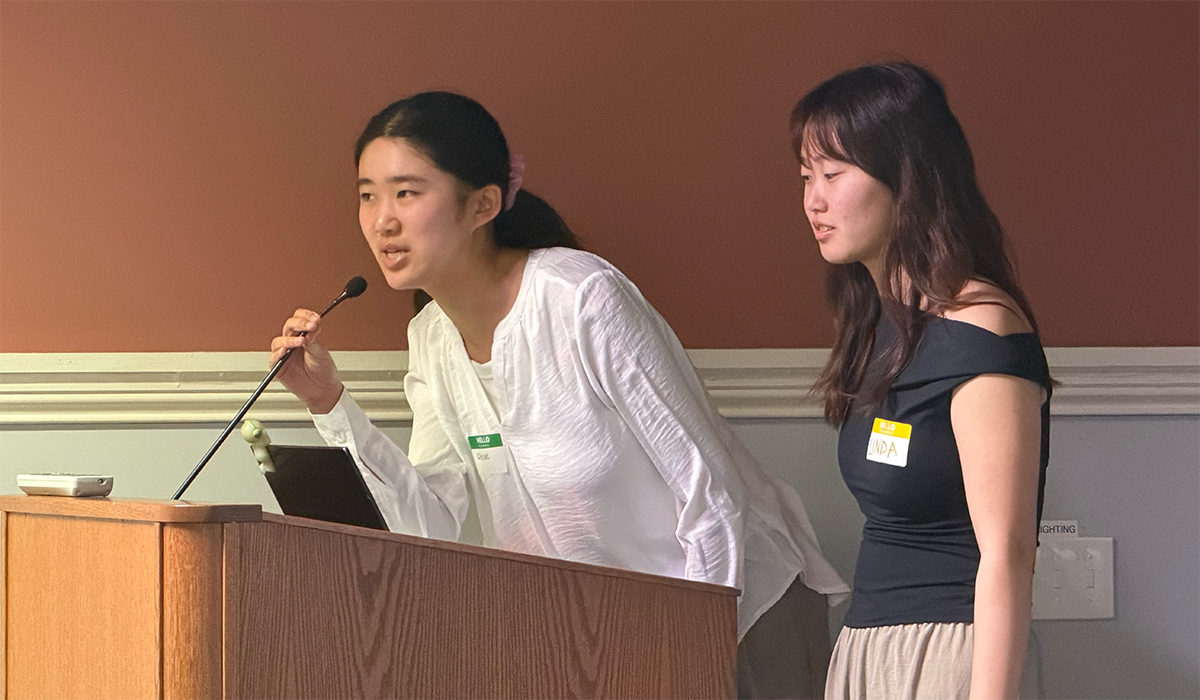
Meet Daily Point of Light Award honoree Chloe Wang. Read her story, and nominate an outstanding volunteer or family as a Daily Point of Light.
Chloe Wang was a quiet kid in middle school — the kind who struggled to raise her hand in class, let alone speak in front of a crowd. Then she discovered debate.
As she entered high school, debate gave her a voice, a framework for understanding the world and a community of driven, passionate peers. On the ride home from a tournament in New York during her freshman year, she and her peers noticed something that bothered them: the topics they discussed in rounds — economics, international relations, social justice — stayed inside the tournament. It never translated into real action. And the activity itself, with its high costs and access barriers, was out of reach for many students who could benefit most. So Chloe, then 14, co-founded CT Speech & Action (CTSA), a student-led 501(c)(3) nonprofit that provides free public speaking and debate programming to underserved students while channeling that discourse into hands-on community service.
Four years later, CTSA has grown from six friends to more than 100 members, secured over $300,000 in funding, and hosted six annual conferences and speech contests across Connecticut and the larger New York Tri-State area. Chloe, now 17, leads the organization as executive director, devoting 20 to 30 hours to a mission she started as a freshman – and is now focused on selecting the next executive board to ensure CTSA carries on long after she graduates.
What inspired you to start CT Speech & Action?
I grew up doing debate and after a tournament in New York, my co-founders and I were talking on the ride back about the high cost of debate and similar activities, like Model UN and Model Congress. Debate had changed our lives so much, and we really wanted to break down those barriers for other students who might be interested.
At the same time, we realized that everything we discussed in debate rounds like econ, international relations, all of these big issues, never really made it outside of the tournament. We wanted to take that knowledge and transfer it into community service so it could make an actual difference. That’s how CTSA was founded: bringing together discourse and service so that discourse is able to inform community service and then the community service can make a true difference in the world.
How has the organization grown since you started?
We started with just my two co-founders and a small group of friends — six people total. From there we grew through our personal networks to about 30. The real turning point was when we reached out to Rotary International. Usually, Rotary interact clubs are limited to one high school, but we became their state interact club, which meant we could reach the entire state. That’s when we really started gaining momentum and growing into a statewide organization. Today we’re at around 100 members.
Can you walk us through what a speech contest looks like?
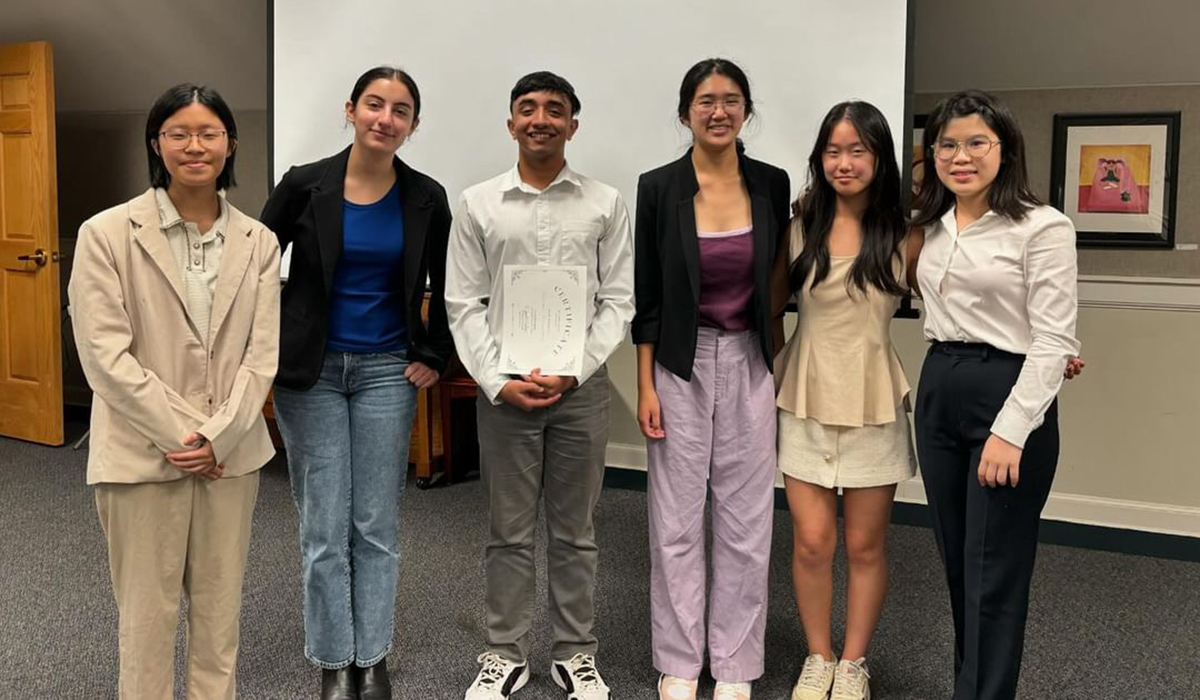
For our annual August tournament, students create a speech or slam poetry piece around a social issue they care about — climate change, housing disparities, immigration, whatever they’re passionate about. This year we had the Connecticut Youth Poet Laureate and several state officials on the judging panel. Winners receive a cash prize, and then we work with them to actually carry out the solution they proposed in their speech.
This year’s first-place winner spoke about immigrant rights. We connected him with IRIS Connecticut and local churches and nonprofits he was already tied to and helped him create “know your rights” posters and flyers that were distributed across the community.
Can you tell us about some of the service projects your mentees have launched?
Across all of our events, students I’ve mentored have gone on to launch dozens of service projects, collectively donating more than 300 school supplies and 500 hygiene products.
One student created a short film to raise awareness about sexual assault, recruiting volunteers to share their experiences on camera and pairing the film with testimony to the town’s school board of education about gaps in the health curriculum. Another student, focused on literacy disparities in New Haven, which is one of the most redlined cities in the country. That project ended up donating 300 reading lamps to students in the city.
What’s been the most rewarding part of this work?
Seeing an event come together after weeks or months of behind-the-scenes planning. A lot of what I do is on a computer — booking venues, organizing logistics, making calls. You don’t get that face-to-face interaction until the event actually happens, and then it’s just incredible to watch everything you’ve worked toward come to life.
I also love watching students return to CTSA events year after year and seeing their growth over time. Sometimes they’ll even join CTSA so I get to know them further.
What are your long-term plans for the organization?
I want to continue growing our geographic reach across Connecticut and make sure we’re truly reaching the students who would benefit most — not just those who already have access to resources. I also have my eye on eventually establishing chapters in other states, though we want to solidify our foundation in Connecticut first. And I plan to stay involved in an advisory capacity once I’m in college, the same way my co-founder has done since she graduated.
What’s the biggest lesson you’ve learned from starting a nonprofit?
Don’t underestimate what students can do. I was really scared as a freshman — scared of how sponsors would react, how other students would react. What I’ve learned is that the response from other people is almost always a lot more positive than you expect. I was probably judging myself more harshly than anyone else would have.
The best example is our first conversation with Rotary. I was so nervous pitching them this idea that was still just a concept. And they were just incredibly supportive — with funding, with guidance, with everything. Without them, honestly, none of this would have been possible. So my advice is just: go out and try.
Do you want to make a difference in your community like Chloe? Find local volunteer opportunities.
Share this post
