
At the Intersection of Environmentalism and Democracy
Meet Daily Point of Light Award honoree Sophie Kim. Read her story, and nominate an outstanding volunteer or family as a Daily Point of Light.
For someone interested in existential risk, or threats to the future of humanity and civilization as a whole, Sophie Kim is surprisingly upbeat. In fact, she’s a highly motivated individual who has founded an organization and multiple initiatives to combat issues that she identifies as particularly worrisome.
Her environmental group, The Clean & Green Initiative (TCAGI) has received $4,000 in grants and lists 650 members across 40 countries as well as a 30-person executive team. Sophie co-authored a 16-page report after performing a school food waste audit that involved sorting through 277 pounds of trash. And in an effort to inspire young people, she is preparing to publish three children’s books.
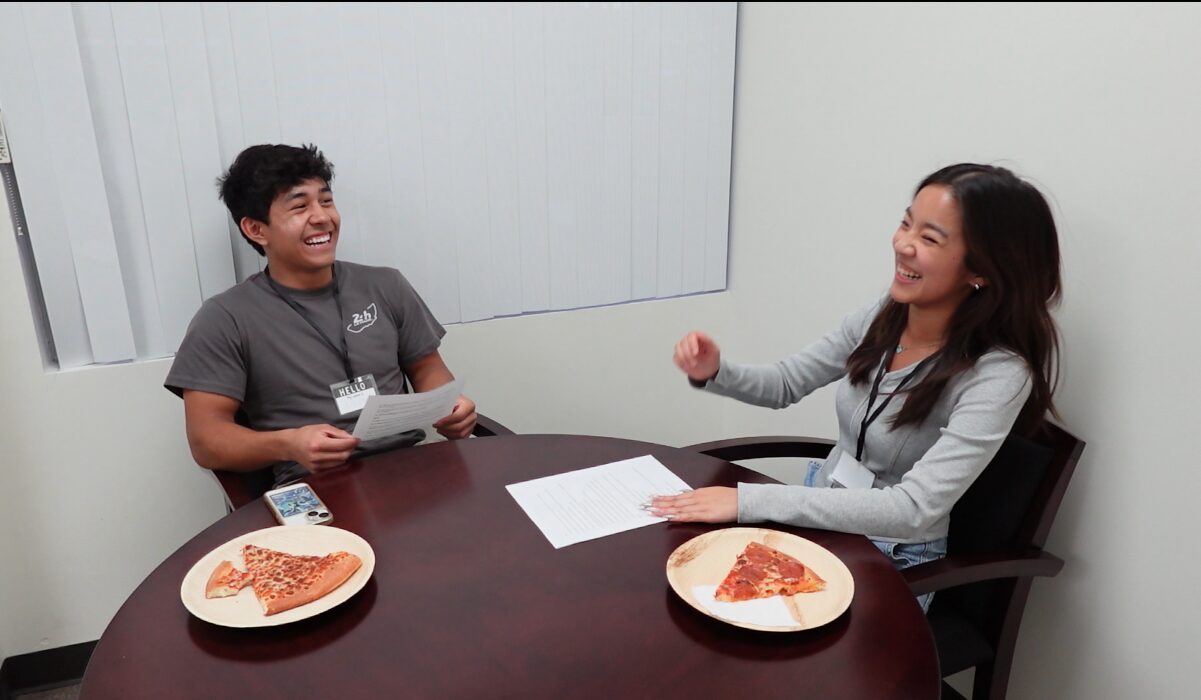
Sophie also started Bipartisan Bridges, a program that facilitates civil political discussions between youth who identify with different parties in an effort to depolarize the American electorate and raises money for Ukraine’s fight for democracy with Chains of Hope. She also spends time teaching English to non-native-speaking peers.
What isn’t surprising is Sophie’s interest in social entrepreneurship. Her thoughtful, proactive leadership will be an asset to Stanford University where she will begin her undergraduate degree next fall.
What inspires you to volunteer?
I was fortunate to have easy access to the beach and nature growing up. In 2021, there was an oil spill off the coast of my hometown. That was a pivotal experience, because I’d had a false sense of security, thinking environmental issues wouldn’t affect me personally. Following that, I started to get more actively involved in environmental work.

I was reading lots of news during the pandemic about the climate and started a Discord community for environmentalists to address ecoanxiety. As I started doing my own projects, we recruited volunteers from the Discord server, and it became TCAGI in June 2020.
My depolarization work started because I was engaging in policy advocacy with environmental organizations. I was on a working group that proposed bills to California State Assembly members, researching past efforts for environmental laws, and I realized that environmentalism had become polarized in ways that it previously wasn’t in the ‘70s and ‘80s.
Now, it’s an issue considered along party lines, and it’s halting progress on environmental legislation and other things. You can see it in the decreasing productivity levels of Congress. Because we’re becoming more polarized as an electorate and sending more polarized representatives to Washington, we’re seeing less of an emphasis on compromise and collaboration towards shared goals.
And I started fundraising for Ukraine earlier this year after seeing the White House confrontation with President Zelensky. I sourced new merchandise to develop a sustainable fundraising model that would give people something in return for their donations. Essentially, Chains of Hope sells necklaces and donates 100% of the profits to Ukrainian organizations.
Tell us about your volunteer role with The Clean & Green Initiative.
I’m the founder and executive director. Right now, I’m working on publishing a children’s book series that a couple of our volunteers created centered on environmental themes. Two are intended to help kids with ecoanxiety by showing them that promising solutions are being developed and encouraging them to be part of it. The third will be a compilation of some of the 627 entries to our Nature Contest, which we ran earlier this year to get participants to pause and take a moment to enjoy nature. We’re working with Bow Seat Ocean Awareness and will donate all proceeds to their programs.
What did you learn from your food waste audit?
Well-intentioned policies intended to influence people’s behavior in certain ways, oftentimes don’t successfully end up doing so. We found over 250 untouched fruits in the trash from one school day. California has a policy requiring that any student buying lunch at a public school gets a certain composition of items, one of which is a fruit or vegetable. The intention is to help students eat healthier, but it seems that mandating people take something they may not want is just creating more food waste.
What is your role with Bipartisan Bridges?
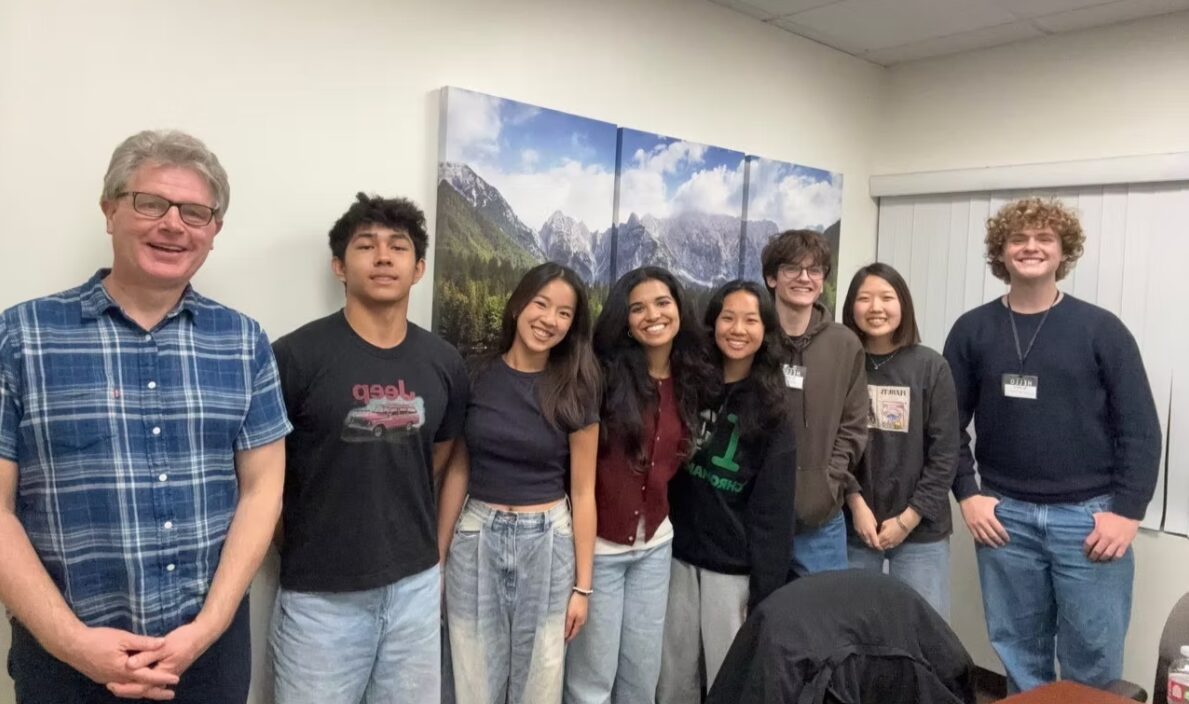
I started it sophomore year. One of the things I spent the most time on was recruitment for an in-person politics and polarization fellowship cohort. We brought together high school students from opposite sides of the political spectrum for eight weeks to engage in civil discussions regarding the issues facing the U.S. We first focused on building personal connections between them and hosted a workshop called Skills for Challenging Conversations. Then we dove in.
To increase the impact, we recorded sessions and uploaded them online. Now, we’re working on transitioning to a one-on-one model instead of doing a multi-person group fellowship.
What’s been the most rewarding part of your work?
It’s being able to read something in the news without feeling totally helpless. For example, things in Ukraine aren’t great, but I know that I’m contributing the best I can.
What have you learned through your experiences as a volunteer?
I’ve learned how to manage teams of people for different projects and coordinate their efforts. I’ve learned graphic design for social media and video editing and web website design for Bipartisan Bridges, because I’ve designed all three of our websites.
I’ve also learned that there are more people who care about these causes than it seems. Often, they’re just searching for the right way to get involved.
Why is it important for others to get involved with causes they care about?
I derive fulfillment from feeling as though I’m contributing to the world in whatever way I can. I think there’s some innate human tendency to derive meaning from being involved in something larger than oneself.
What do you want people to learn from your story?
If you’re experiencing difficult emotions about the state of the world, know that you have agency and power. You can contribute, even if it seems like your contribution is small relative to the scale of an issue. Get involved, because something that starts out small can become very impactful, and your example could inspire others. Collective action is, ultimately, what will lead to change.
Do you want to make a difference in your community like Sophie? Find local volunteer opportunities.
Share this post
