
Change Begins with a Full Stomach
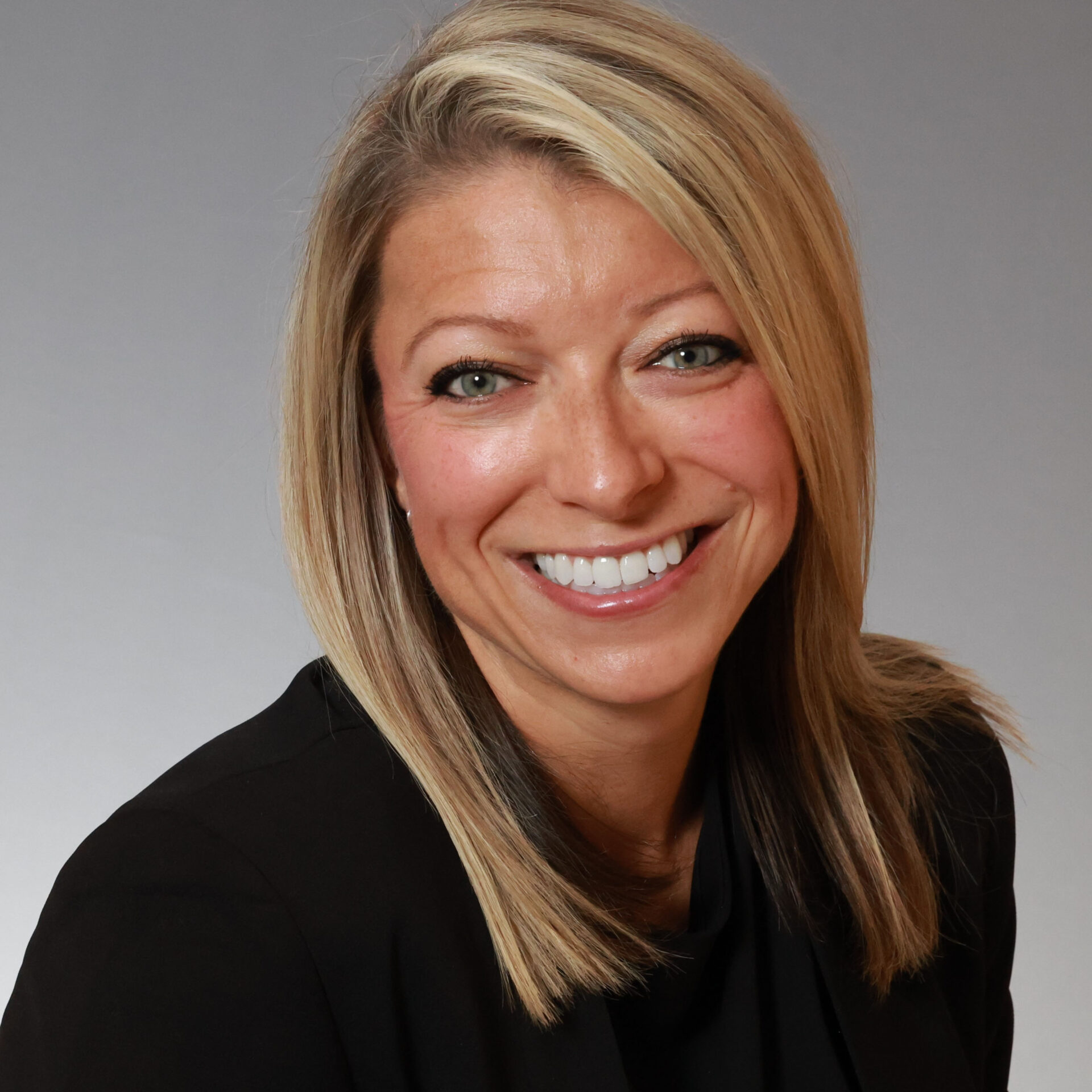
Meet Daily Point of Light Award honoree Emily Jankowski. Read her story, and nominate an outstanding volunteer or family as a Daily Point of Light.
Aside from wreaking medical havoc, the COVID-19 pandemic increased food insecurity across the country. Often an invisible problem, it can be difficult to know who is struggling, and who is one missed paycheck or one hospital visit from being unable to afford groceries. So when Emily Jankowski learned that a child at her son’s elementary school hadn’t been getting enough food, she was surprised. In an area where most people live comfortably, it wasn’t an issue she was aware of. After speaking to school and local nonprofit leaders, she decided to do something about it.
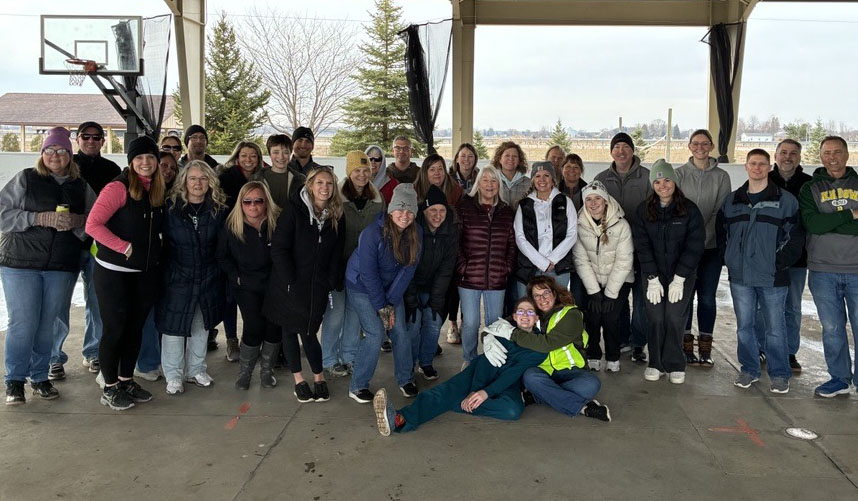
Soliciting the help of her company’s volunteer engagement leaders, she got connected with the United Way of Bay County, the Food Bank of Eastern Michigan, local leaders and volunteers. Together, they’ve put on 12 food distributions in the past three years, supporting an average of 150 families.
Emily uses her logistics skills from her role at Dow to organize details and oversee 35 to 40 volunteers at each event, 50 during winter distributions due to the change in locale. Most come back repeatedly, and nearly all are from Dow, including Emily’s husband. Together, the couple joins coworkers to give families a reprieve when they need it most.
What inspired you to get started with this initiative?
I went to pick my oldest up from school for a doctor’s appointment. When I was waiting in the office, Carol, an administrator, asked a little girl who had just been dropped off if she’d eaten yet that day, and she said no. It was 1 o’clock in the afternoon.
I couldn’t stop thinking about it, so I called Carol, and she told me some children’s only meals during the day are the ones they get from school. I went to Costco and grabbed some things for the school to have for them. I talked to the principal, who mentioned families were struggling after COVID.
Due to certain rules, I couldn’t give money, because the school would lose their funding. There has to be a nonprofit involved. We have employee engagement programs at Dow, and, through them, I got in touch with the United Way and talked through the need in the area with the president.
I learned about the ALICE (Asset Limited, Income Constrained, Employed) population, the number of people facing poverty, and those who are unhoused. We talked through their options to get food and how at some places, you have to give invasive information about yourself to get access. Sometimes people don’t get food they need due to pride, so I wanted to find a way that felt safer, with no questions asked.
Tell us about your food distributions.
I’m the organizer. In the beginning, we’d had many meetings to talk through logistics. Now, we’re a well-oiled machine. I pick a date revolving around school breaks, so we can cover periods when school food is unavailable. Sometimes, we’ll do it for the back-to-school season so parents can focus on school supplies or new clothes for their kids without worrying about how they’ll get groceries.
The city has graciously allowed us to put on the event for free and helps us prepare. City employees set up traffic cones and get the tables ready, and the United Way works with the food bank to organize food delivery. I put out the request for the volunteers, sign them up and direct them. I send them prep emails ahead of time: whether we need wagons, cars to take recycling to the recycling center, and so forth.
The food bank truck drops food off, and our volunteer manager from Dow calculates how many of each item we can give people. Volunteers place items on the tables and bring wagons through to fill up. If we have leftover food, we take it to local pantries. Then, I follow up with volunteers to thank them.
What are your long-term plans or goals for the organization?
I’d like to engage more with the school about other ways we can help. For a while, we put together discrete hygiene bags for children filled with items the school nurse pinpointed as needed. We even branched out to other elementary schools in the district. Unfortunately, after two or three rounds distributing around 100 bags each time, we weren’t getting enough donations to continue. I think we need to revisit that.
What have you learned from your experiences as a volunteer?
There’s a mindset shift that happens when you participate in something like this. I initially went into this angry that someone would let children be in a situation of need. I’ve since learned that not everybody has the support that they need to break the cycle.
I needed help in my earlier adulthood, but I had family to rely on. Some people are also trying to support their parents, grandparents, or extended family. They’re the ones being relied upon.
What’s been the most rewarding part of your work?
I feel more connected with my community and like we’re making a difference. The school has brought me other opportunities, too. It feels great that they know they can come to me.
Why is it important for others to get involved with causes they care about?
Not everybody’s willing to do it. We all need to help each other out. If you can help somebody get to the level where they no longer need help, it changes their life forever. That’s what we should be striving for.
What do you want people to learn from your story?
Assume people have good intentions. We’ve had people come through in fancy cars, and I heard whisperings, only to find out later that they’re an in-home care nurse taking food to their patient. Or, it’s somebody who just lost their job after getting this new car. Now, they don’t have health insurance, and it would just help them to have a fridge full of food.
That’s the whole point: if you feel like you need the help, come get the help.
Do you want to make a difference in your community like Emily? Find local volunteer opportunities.
Share this post
