
Teen Angler Promotes Youth Mental Health Through Fishing
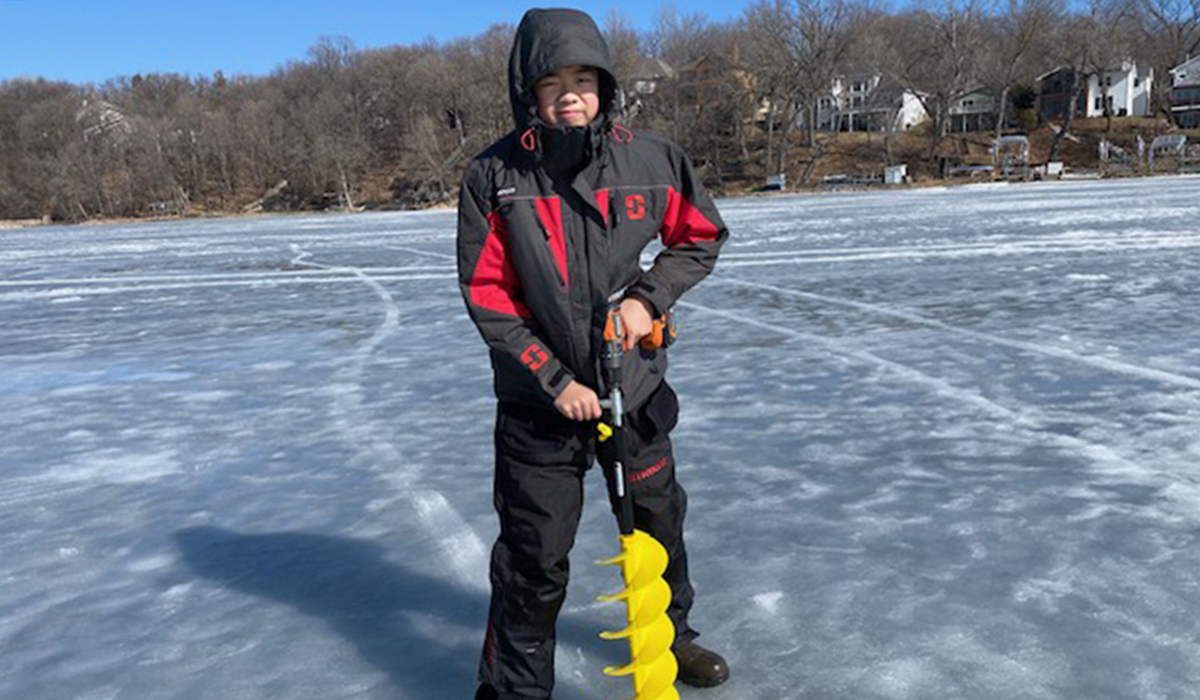
Meet Daily Point of Light Award honoree William Tan. Read his story, and nominate an outstanding volunteer or family as a Daily Point of Light.
He may be just 15 years old, but William Tan has already created a ripple effect of change, one cast at a time. Along with his older brother Vick, he co-founded Fish Hut, a youth-led nonprofit promoting mental health through fishing. William transformed his love for the outdoors into a movement that now reaches thousands of young people across the country.
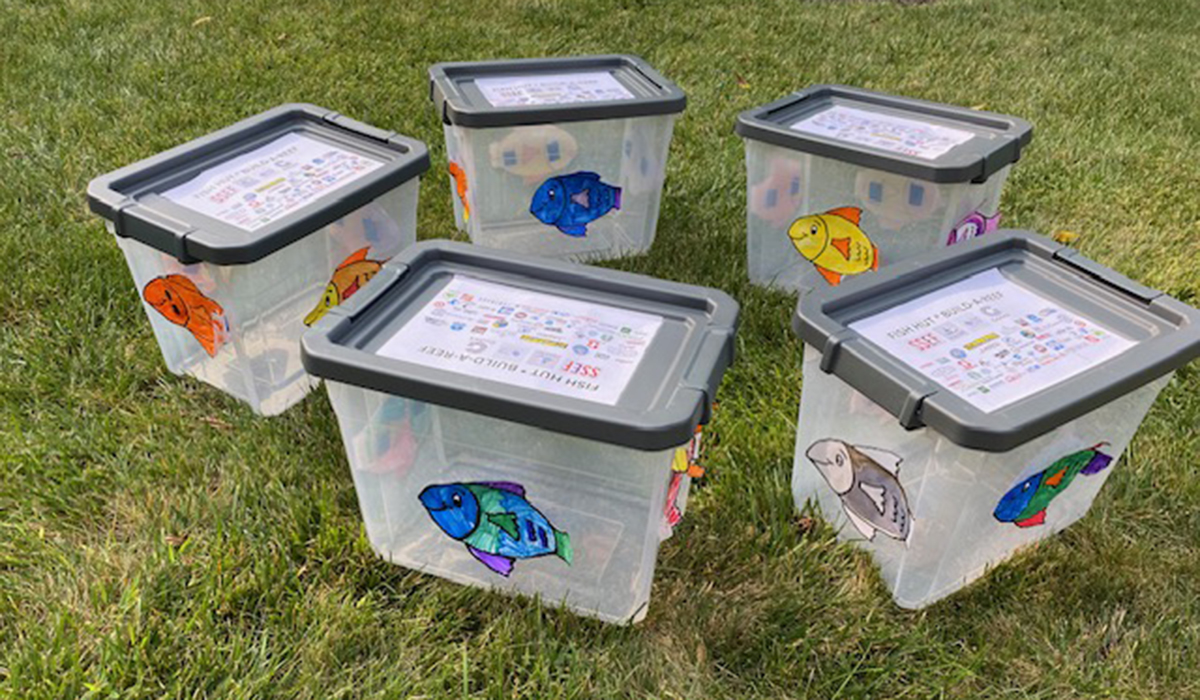
Based in Minnesota, the brothers’ organization installs “fish huts” – clear boxes filled with rods, reels, lines, hooks and easy-to-follow guides – at community centers like the YMCA, allowing kids to fish whenever they want, free of charge. What started as an after-school hobby has grown into a network of fishing festivals, online events and partnerships that encourage children to unplug and find fun in nature.
Through Fish Hut, William helps more than 80,000 youth each year, partnering with organizations like the YMCA and corporate sponsors across four states. He also started a new nonprofit this year called Build a Reef, which continues his mission of youth empowerment by teaching environmental stewardship through science, engineering and innovation.
Tell us about Fish Hut and what inspired you to start it.
I’m the co-founder of Fish Hut, and what really inspired me to start it was how much fishing helped me personally. Back in fifth grade, after school every day, I’d go to my neighborhood pond to fish. It was something that helped me relax and get away from the stress of school — just being outdoors, focusing on one thing and immersing myself in nature. As I got older, I realized that fishing can have a huge impact on youth mental health. That’s why I created Fish Hut with my brother, Vick, to help other kids experience the same peace and joy that I found.
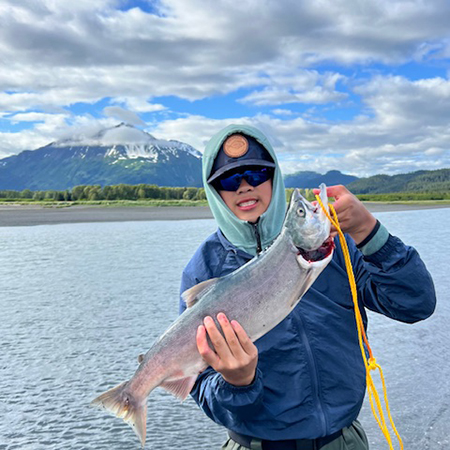
Fish Hut is a 501(c)(3) nonprofit that promotes youth mental health through fishing. We do this in three ways. First, we place fish hut boxes — clear boxes stocked with everything a kid needs to fish, like a rod, reel, hooks and an instruction manual — at libraries and YMCAs near ponds. These boxes make fishing accessible to anyone, anywhere.
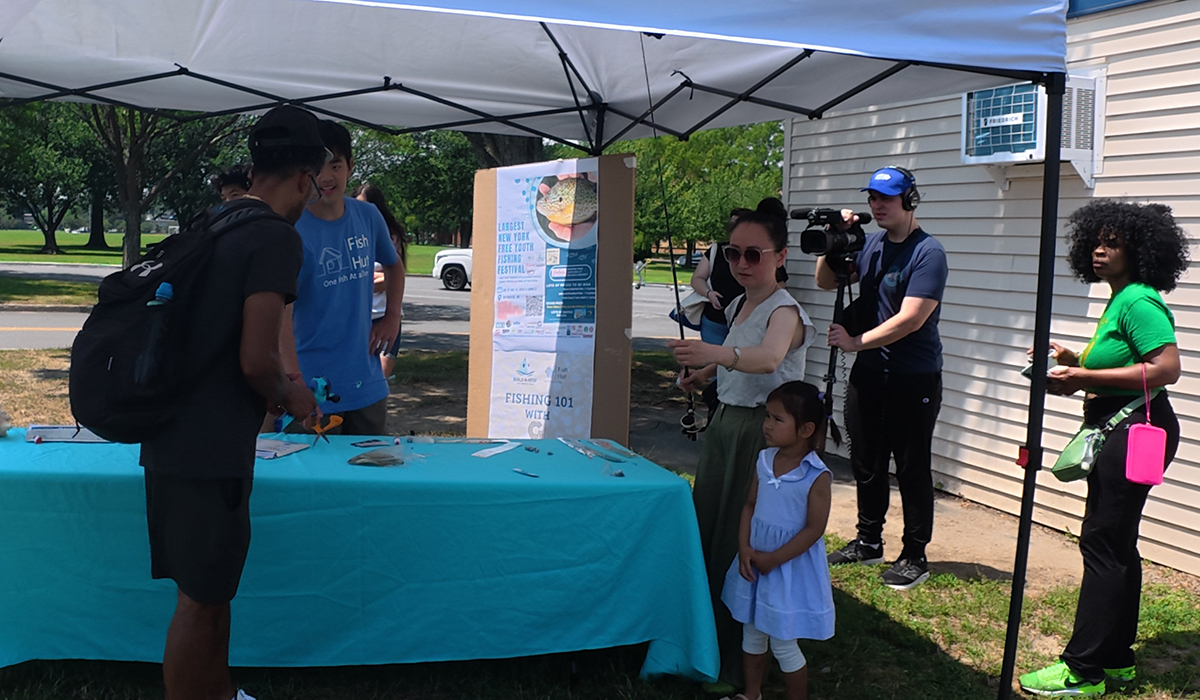
Second, we host in-person festivals like our annual Ice Fishing Festival on Lake Minnetonka, where hundreds of kids come out to fish and have fun. I’d say it’s our largest event yearly, and it’s a really good moment to see all the kids be super happy outside and truly immerse themselves in fishing. And third, we run online fishing events in multiple states, where kids can submit photos of their catches for prizes in categories like biggest fish or most colorful catch. Our goal is to make fishing fun and accessible for everyone and to help kids discover how spending time outdoors can support their mental health.
What is it about fishing and being outdoors that is so powerful for mental health?
Fishing teaches patience and mindfulness. You’re not staring at a screen or worrying about grades or social media. You’re just in the moment, focused on one thing. In today’s world, where everything moves fast and people expect instant gratification, fishing helps kids slow down and teaches them that good things take time and effort. That’s something I think we really need right now, especially for youth who are dealing with stress and anxiety.
How many fish huts have you set up so far, and what kind of impact have you seen?
So far, we’ve placed over 50 fish huts in partnership with the YMCA, and we’re working on expanding nationwide. We really focus on quality, making sure every single kid who uses a fish hut learns something meaningful from the experience.
We’ve already seen thousands of kids participate, and I’ll never forget one moment when we came back to check on a fish hut a few days after installing it. A kid had already taken a rod out and was fishing at a nearby pond. That was such an inspiring moment because I could see the results of our work. Fishing can be expensive, so by providing equipment for free, it expands this very enjoyable activity to everyone.
What keeps you motivated to keep growing Fish Hut?
It’s definitely seeing the results — the joy on kids’ faces when they catch a fish or tell us how much fun they had at our events. After our ice fishing festival, I remember one 8-year-old boy kept asking, “When’s the next event?” because he couldn’t wait to do it again. At another event in New York, kids kept fishing long after we wrapped up. Seeing that excitement and happiness makes me want to keep going every single day.
Why is youth mental health such an important part of your mission?
Mental health is one of the biggest issues youth face today. There’s so much pressure from school, social media and other expectations. But I’ve noticed that when mental health experts come to talk to us at school about coping strategies and such, kids would just zone out.
Fish Hut makes it approachable. Fishing is fun, interactive and something kids want to do. Through it, they learn healthy coping skills without even realizing it. It breaks the stigma and teaches them how to care for their well-being in a natural, enjoyable way.
You recently launched another initiative, Build A Reef. What is it about?
Build A Reef is my new nonprofit that promotes environmental stewardship among youth. It actually came from my project for the 3M Young Scientist Challenge, where I built an Artificial Reef using 3D printing and electronics that uses AI to monitor the environment.
With Build A Reef, I want to teach other kids how they can use engineering, CAD and technology to help protect the environment. We’re planning in-person and online events that make science hands-on and exciting, showing young people that they can create real solutions for the planet.
How do you balance school, friends, and running a nonprofit at your age?
It’s definitely a lot of work, but I’m lucky to have a strong volunteer network and amazing supporters. I also make sure to take care of my own mental health by spending time with friends, sailing and building RC planes and rockets.
Running a nonprofit is demanding, but it’s worth it. It’s taught me how to manage my time and stay organized, which helps in school and life too.
What advice would you give to other students who want to start their own nonprofit or service projects?
Just go for it. You’ll never know what kind of impact you can make unless you try. Even a small project can make a big difference if you put in the effort. Work hard, stay determined and don’t be afraid to start. You might be surprised at how far your idea can go.
Do you want to make a difference in your community like William? Find local volunteer opportunities.
Share this post
