
Through the Lens: Saving Animals with Photography
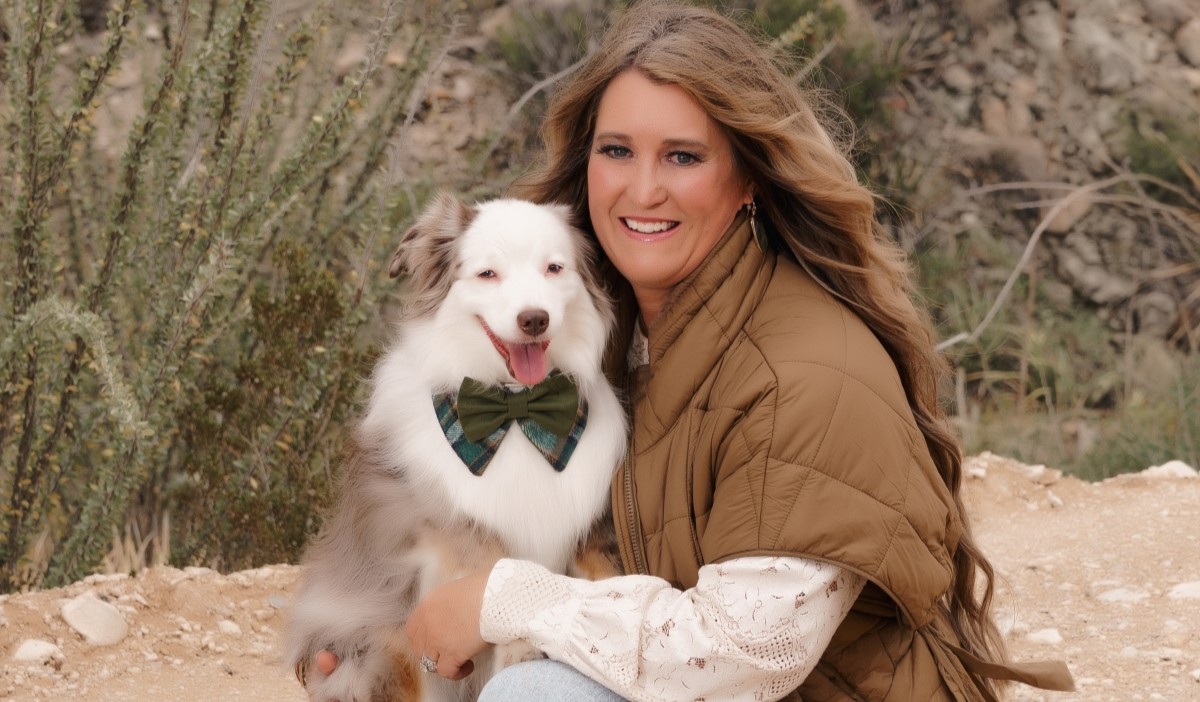
Meet Daily Point of Light Award honoree Tasha Sport. Read her story, and nominate an outstanding volunteer or family as a Daily Point of Light.
Every week, in a Midland, Texas animal shelter, Tasha Sport arrives to create hope and opportunity for animals waiting to be adopted. Midland Animal Services is an open-intake system legally required to accept every animal regardless of health or history, and that can make things feel overwhelming at times. But as a volunteer photographer, Tasha transforms 10 to 15 dogs each week into stars, with their own themed photo shoots aimed at showing off their disposition and finding a forever home. With backdrops, props and tiny outfits she funds herself, she captures each dog’s personality. These images provide a “beautiful first impression” that serve as a lifeline for the pups.
During her weekly sessions, which require 12 to 15 hours of shooting and up to 30 hours of monthly editing and labeling, she meticulously observes how each animal handles a leash, reacts to being touched or follows basic commands. This data is crucial for networking animals to local adopters and rescue partners. Her dedication became especially critical during the 2024 canine distemper outbreak. When adoptions were suspended and the shelter faced chronic overcapacity, Tasha’s photography became the primary medium for facilitating foster and rescue placements, allowing the community to see the dogs when the shelter doors were physically closed.
Beyond the camera, Tasha is the founder and coordinator of the Rescue Runners program, an initiative designed to break the cycle of kennel stress. Held on the first and third Saturday of every month, the program pairs volunteers with shelter dogs for structured off-site runs and walks. These outings are a breath of fresh air that improves social behavior and provides a glimpse into how these animals behave in home-like environments.
Tasha pours nearly 55 hours a month into the welfare of Midland’s animals. Read on to learn more about her mission.
Tell us about your volunteer role.
I’ve been involved in animal rescue for about 10 years, and it all started when there was a dog spotted out in a field that was my breed of dog, which is a Heeler, or herding breed. I actually worked for nine months to catch this dog. After that, I got really involved in rescue, but I didn’t like the drama that came with it. I was already dabbling in photography, so I decided the way I could help was taking pictures of those rescue animals. It grew significantly from there. I photograph for a majority of our local rescues, and then on a weekly basis, I go to my local municipal animal shelter every Friday and take photos of 10 to 15 animals.
At capacity, we can house 110 dogs. I take photos of 10 to 15 animals on Friday, and then those are publicized on Monday. It is a very quick turnaround time, and unfortunately, that’s due to our high euthanasia rate. I’ve been doing this for five years on a weekly basis for them. I’m often asked, “Do you feel like it’s making a difference?” and yes, I do. Some people have their heartstrings pulled when they see those animals behind the kennels, behind the bars. What my photos do is show them dressed up. It shows them sitting on a couch. It shows them that they’re able to sit. People relate with those as they see how the dogs could interact with their own family. We’ve never really taken any stats on how much the photos are helping, but I’ve had people say to me, “I came in to adopt this dog because he was wearing a hat.”
Usually, photographing takes us about four hours to set up and tear down, because each week at Midland Animal Shelter is a different theme. For example, this Friday, we’re doing “April Showers Bring May Flowers.” It’ll be a sky background and props of little ducks, an umbrella, rain boots and bandanas for the dogs. So, about four hours spent at the shelter photographing, and then my editing and getting them labeled and sent out takes about eight hours. Each animal I’m given has their name, age, suggested breed and sex, and their animal ID number. I label all those images with that information before they roll out to the city.
Why is animal welfare so important to you?
I was an only child. I was raised with animals. My mom passed away when I was young, and animals became my comfort. I had horses, dogs, cats, rabbits. They truly were my best friends, and that’s continued into my adult life. I currently have five dogs and five cats, and one child.
Why should people consider adopting a pet?
Animals within the rescues and within the shelters, I have learned through all this, are truly some of the best pets. Four of my five are rescues. They actually know you have saved their life. It’s just a different relationship you have with them. I have nothing against breeders; I have one breeder dog currently. My other one passed away, and she’s an amazing dog too, and she came from a very reputable breeder. But in this day and age, especially in the South, we are having to euthanize animals because there’s not room for them. There are not enough homes for them. There are purebred animals at the shelter every day, amazing animals. That’s why I advocate for the shelter animals. They’re not broken. They were just failed by people, by humans.
What inspired you to get started with animal photography?
A lot of it was driven by the industry. There are tons and tons of regular photographers for family and kids throughout. I saw a hole where there wasn’t someone for animals, and that’s what I gravitated to. I prefer to be around animals than little children or families. I’m more comfortable with them. I’ll photograph the most unruly dog any day over having little kids. I don’t have patience with young children, but I have tons of patience with an animal. That’s just a difference in personality. I saw the need for good images of these animals to portray them and help them find their family.
What are your long-term plans or goals for the organization?
I’ll continue as long as the shelter will have me.
What have you learned through your experiences volunteering?
Going into this, I had really only been around herding breeds. Going into the shelter, I’d never been around pit bulls, and I have truly learned they are some of the sweetest dogs ever. They get a bad rap, but truly, a dog from any breed has the ability to be vicious. This work has really taught me differences in breeds. I would say the biggest thing is the pit bulls, just how lovable and goofy they can be. They are great family pets if raised and socialized properly.
Then also, on a sad note, is the number of animals surrendered to the shelter on a daily basis. It’s horrific. People don’t realize – and I understand things come up – but animals are a lifetime commitment. You’re looking at 12 to 16 years for a lot of them. Where I live in Midland, Texas, which is the heart of oil and gas country, there are a lot of transient people coming in for work. They’ll get a pet because they’re lonely. Often, it’s the men here by themselves. They’ll get a pet when oil is great, and then when they lose their job, they end up dumping them or taking them to the shelter. They don’t take them with them. They move here for work and don’t realize how expensive it is to find an apartment that will take a pet or the breed restrictions. That’s something that we see quite a bit here.
What’s been the most rewarding part of your work?
When I get the update that an animal photographed has been adopted. I’ve always said it’s a lot of time and a lot of money that I’ve spent on this, because I pay for all my props and backdrops. My deal is: if one animal gets adopted out of this, it makes every bit of it worth it. My photos are shared on the city’s social media and also one of our big local rescues. A lot of times, the owners will message me letting me know that they’ve adopted a certain animal. It’s very rewarding. During the photos, part of that four hours is we don’t just pull them out of their kennel and dress them; they get to run around the play yard for a few minutes. In that time, we learn a lot about them and the shelter uses that information to further market and help find them homes as well.
Why is it important for others to get involved with causes they care about?
To help support your community.
Any advice for people who want to start volunteering?
Jump in. It is the most rewarding thing ever. I have a well-established business I started in 2018, and I have paying customers, but honestly, my volunteer work is what I enjoy the most and would prefer to do. Fridays at the shelter are the best. Getting to spend time with the animals, photograph them and get to know them better. Going to the shelter is truly the best day for me.
Do you want to make a difference in your community like Tasha? Find local volunteer opportunities.
Share this post
