
Teen Turns Car Detailing Into Service for Rare Disease Families
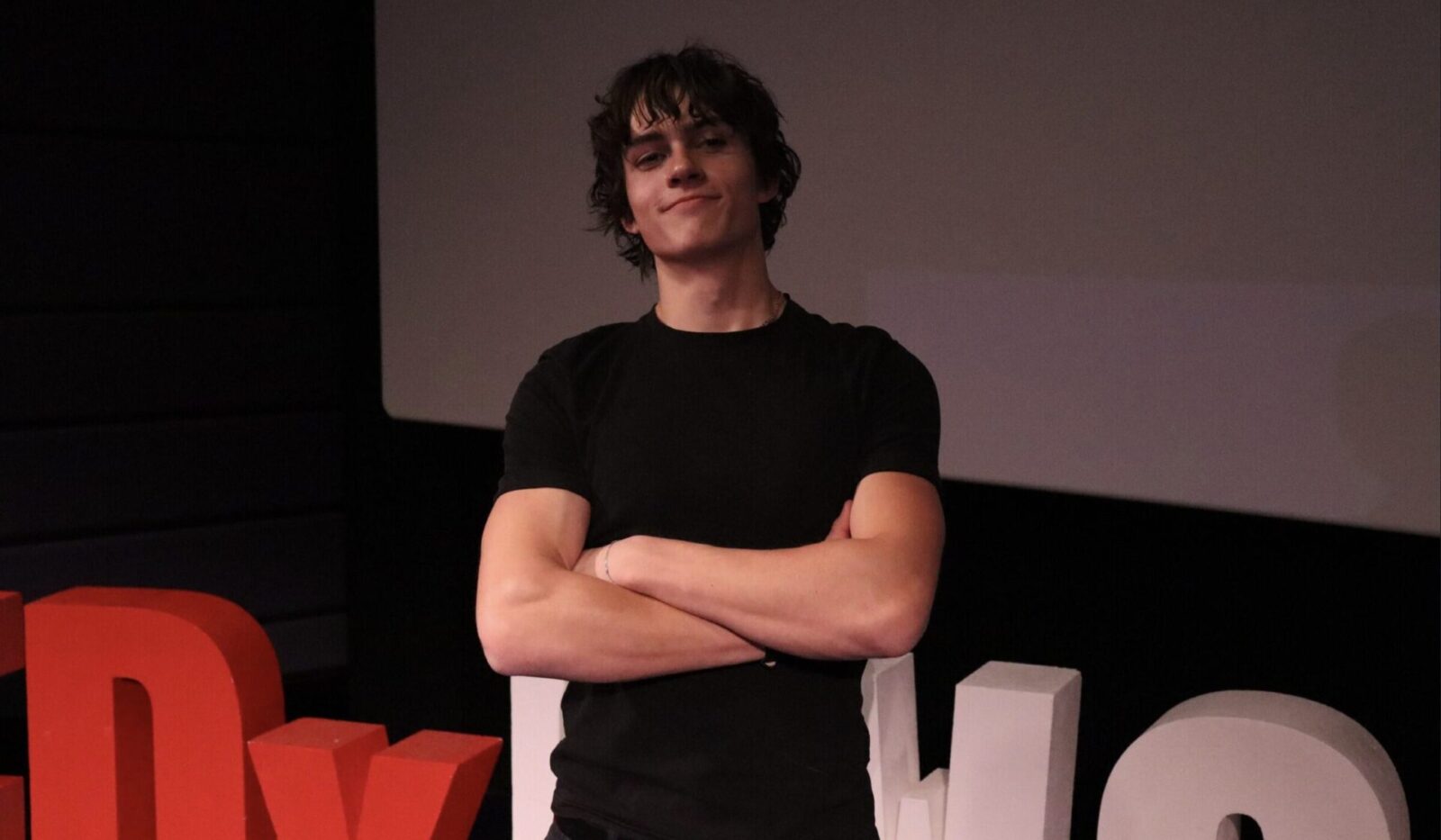
Meet Daily Point of Light Award honoree Michael-Christopher Suman. Read his story, and nominate an outstanding volunteer or family as a Daily Point of Light.
When you or a loved one is diagnosed with a rare disease, it’s life-changing. Not only are the physical realities of the situation challenging, but you’re left with many questions that doctors might not have the answers to. 17-year-old Michael-Christopher Suman understands this on a personal level, watching his mom live with Mast Cell Activation Syndrome (MCAS) for the past five years. The cause of this often-misunderstood disease is unknown, but it results in overactive mast cells, the first responders in your immune system, and can lead to cardiovascular, skin, gastrointestinal, and respiratory symptoms.
In 2022, Michael-Christopher turned frustration into action by founding Detailing for MCAS to raise awareness and funding for research, education, and patient support. He started by washing and detailing cars in his neighborhood. Now, he dedicates 80 to 100 hours a month to his role running the operation. As a rising high school senior, his limited prior experience motivates him to put in extra effort to educate himself on the ins and outs of the nonprofit industry. And he’s finding there aren’t many limits to his capacity to make an impact.
The organization has raised over $150,000 and reached more than 1,000 patients and their families through outreach and care packages since its inception. Michael-Christopher has mobilized over 15,000 student volunteers across 20 countries and was awarded the Association of Fundraising Professionals (AFP) Outstanding Youth in Philanthropy Award for his work, an honor reserved for just one young person each year.
What inspired you to get started with this initiative?
My biggest inspiration was my mom. Growing up, I watched her search for answers. The cause of her condition is unknown. I remember seeing how frustrated she was–and being frustrated myself–getting a diagnosis, wondering what that actually means, and then trying to interpret the biology literature.
As I got older, I realized there was more that I could do. I could either accept the situation and do nothing, or I could try to make a difference.
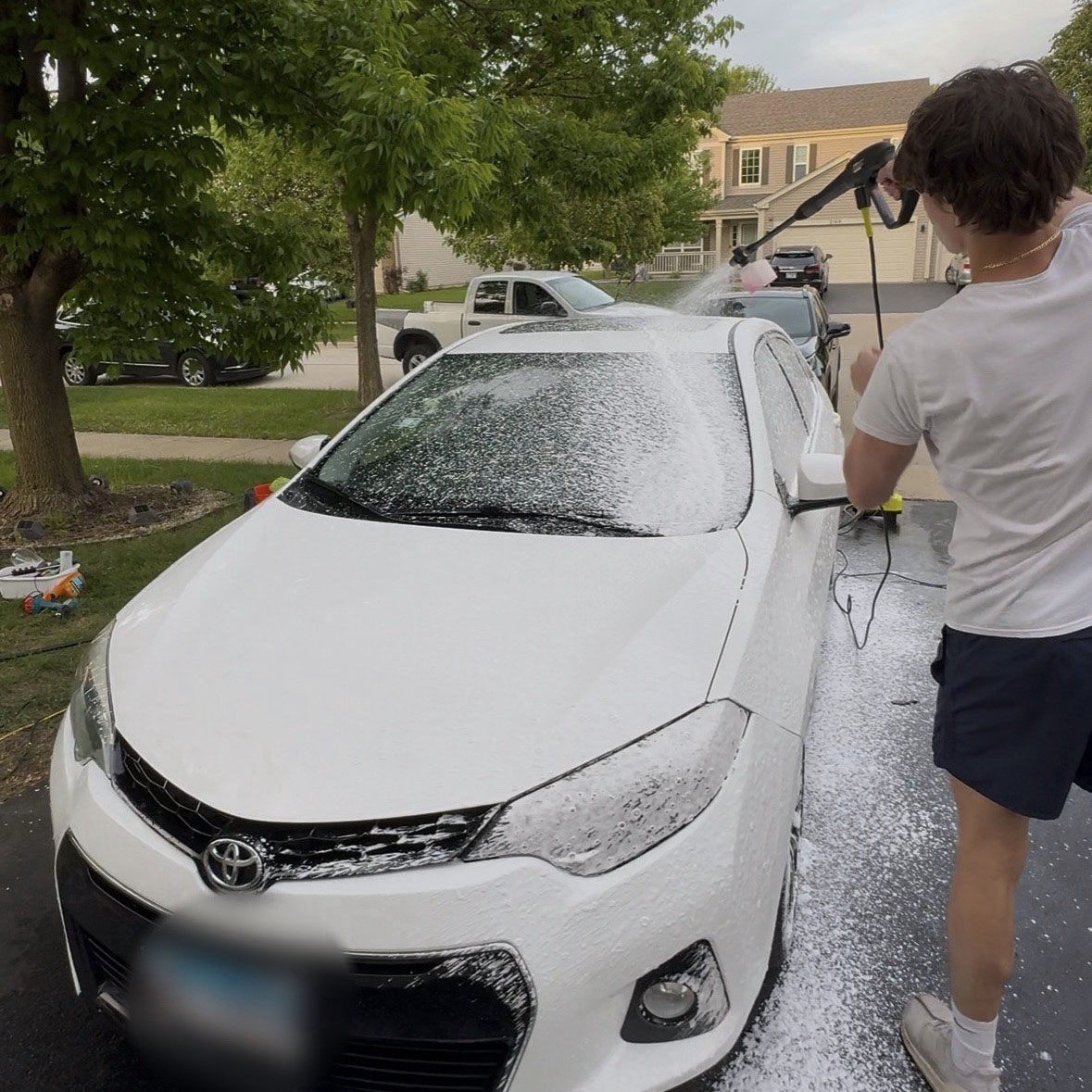
Tell us about your volunteer role with Detailing for MCAS.
I’m the Founder and CEO. A lot of my time is spent planning events, coordinating volunteers, and reaching out and managing partnerships with schools and community organizations. I try to advocate wherever I can. Someone once asked me about the volunteer shirt I was wearing at Costco. We talked, they got involved in a fundraiser, and we still talk today.
The majority of fundraisers happen in the summer, but we create digital fundraisers throughout the colder seasons. They can be anything from a detailing drive in a local parking lot to a bake sale or an ice cream social. Sometimes, we might just have a partnership with a restaurant.
I also help expand our programs internationally and am currently developing digital courses and other educational resources for patients and their families. Before I started this organization, I did a ton of research, because clinicians struggled to diagnose my mom. I realized other people were likely doing the same thing, and I wanted to create free resources that make the information easier to interpret. We’re trying to make them available in different languages, as well, so that’s not a barrier.
One of our favorite programs is assembling care packages for patients. We include items from our donation drives, handwritten notes, or other things that uplift those who need support.
What are your long-term plans or goals for the organization?
I hope to keep growing, and I want to help more people get involved in their schools and communities. More than anything, I hope we grow to a point where the organization doesn’t depend on me. If students I’ve worked with go on to start their own initiatives and more families feel supported because of what we’ve built together, I’d consider that the biggest success.
What’s been the most rewarding part of your work?
I’ve enjoyed seeing how my decision to help has led to an entire community getting involved. I’m so happy to see patients and families feel supported. That’s bigger to me than like any fundraising milestone I’ve hit. It’s also been rewarding to watch young people realize they don’t have to wait until they’re older to make a difference.
What have you learned through your experiences as a volunteer?
Initially, I prioritized the monetary aspect of the process, but over time I realized that it’s about cultivating a community. It’s also taught me that age is irrelevant to your ability to make a difference. You don’t need to wait until you’re older. The best thing that you can do is make a decision and run with it.
Why is it important for others to get involved with causes they care about?
Meaningful change starts with someone taking action instead of assuming someone else will do it. Getting involved doesn’t necessarily mean that you start a nonprofit. It could be volunteering for a few hours, organizing a neighborhood fundraiser, or donating to a cause. Small actions can inspire other people to get involved as well. Communities become stronger when people stop asking questions and start taking action.
Any advice for people who want to start volunteering?
Focus on solving a problem that you care about. If you stay committed and your intentions are genuine, people will notice. Just be someone who cares.
What do you want people to learn from your story?
Actions speak louder than words, and rare diseases are not as rare as they sound. Millions of people live with these diagnoses every single day, and one of the biggest challenges is simply not being understood.
People don’t need to be a doctor or scientist to make a difference. Sometimes, it’s just a matter of learning about a condition, supporting a fundraiser, or showing kindness to a family member going through it. Young people can make a difference, too. If you can do just one of those things, it can have a bigger impact than you realize. You could make someone feel understood and not as alone.
Do you want to make a difference in your community like Michael-Christopher? Find local volunteer opportunities.
Share this post
