
TEACHING YOUNG PEOPLE IT’S OKAY TO REACH OUT FOR HELP
Meet Daily Point of Light Award honoree Alexander Kovarovic. Read his story, and nominate an outstanding volunteer or family as a Daily Point of Light.
Content Warning: Points of Light is proud to share the following uplifting and inspiring story. However, we acknowledge that a small portion may be difficult for some readers. We encourage you to please care for your own well-being above all.
Alexander Kovarovic knows what it’s like to struggle with his mental health. Now he wants to help other young people who are going through the same thing he did.
As a painfully shy high school student, Alexander struggled with social anxiety and depression that was so severe that it led to a suicide attempt. After receiving mental health treatment that he found extremely helpful, Alexander wanted to change his life and do something to let others know that if they were dealing with the same level of personal turmoil, they could change their lives too. He started the One Life Project, an organization working to educate, support and advocate for young people and their mental health.
Since its official establishment in 2017, the organization has reached thousands of students through social media, school workshops, empowerment events and a support helpline that connects young people with crisis support and mentorship. Self-care workbooks and journals teach young people practical skills to manage their mental health issues, while thousands of volunteers have undergone training through the program to lead awareness campaigns and peer support networks. None of this would have ever started if it weren’t for Alexander’s idea to make the world a better place for those who are struggling.
With five executive offices and eight volunteer outreach centers from Maine to Florida, the One Life Project is thriving. But balancing a full-time career as a pre-K schoolteacher and serving as the organization’s executive director is no small task for Alexander. Still, he remains dedicated to the cause because he knows how important the mission is. He says getting the opportunity to change a young person’s life is well worth the significant time commitment. As a result, the One Life Project has worked with over 10,000 kids, teens and young adults in person through their educational, supportive or advocacy services, with an endless number of others reached through social media. Alexander’s willingness to turn his own painful journey into an opportunity to help others is an incredible example of volunteerism’s power.
What inspired you to get started with this initiative?
When I was in high school, I struggled a lot with social anxiety and depression. That led to a suicide attempt in my senior year. When I went to the hospital, I was in a mental health facility for three weeks or so. I learned a lot there, and when I came out, I wanted to turn my life around. I thought maybe I could do that by helping other people who might be struggling with the things that I was struggling with, but didn’t have the kind of support system I had through the hospital and therapy. I wanted to start something that could help people my age. I started organizing locally in my city. We did a few fundraisers and events.
We got the mayor involved and some volunteers from my school and friends from growing up. In 2017, I thought we should make it into a nonprofit so we can actually accept donations and take a more legal route.
Tell us about your volunteer role with the One Life Project.
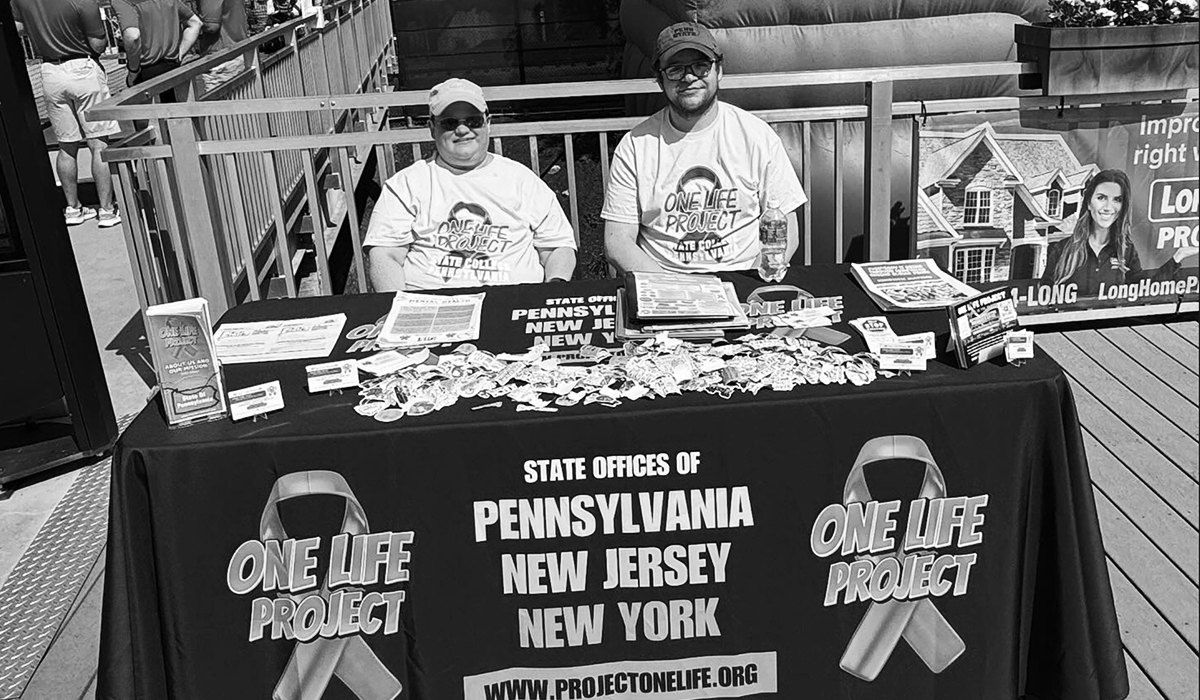
When I started, I started as just the founder. Now I’m the executive president, so I run all of our offices. We have six offices on the East Coast. I run all of our event planning, marketing, education, advocacy and activism. I pretty much run the day-to-day stuff. I run our executive team across the East Coast, from Maine down to Florida and all the states in between. I bring on all the volunteers who run all the smaller teams.
What are your long-term plans or goals for the organization?
I think my biggest long-term goal would be to move further with our work into the rest of the country. Right now, we are solely in East Coast states. We started in New York, went up into New England, and we just started going down state by state. As we grew bigger, we’re able to afford more offices. I think the goal for the next two to five years or so would be to start moving into the Midwest, California and the West Coast area, and just see how we can help other communities. A big thing that we’re starting to look at now is rural communities. We went to Pennsylvania last year, and we’re going to West Virginia right at the moment. We will open the office there next year. But it’s those communities in rural Pennsylvania, New York and West Virginia that don’t really have the same kind of access to therapy and services. That’s a big thing we’re looking at in the next couple of years.
What’s been the most rewarding part of your work?
The chance to be able to help someone save someone’s life, and be able to put a smile on our face and make their day better. We like to try to teach our young people that there’s always a light at the end of the tunnel if they just hold on a little longer. We try to utilize that saying with everybody that we meet. That’s really my biggest goal– just being able to help somebody. It’s why all of us do this, and it’s why every volunteer signs up. We’re 100% volunteer, so we don’t have any staff anywhere, and it’s pretty wild how big we’ve grown just through volunteerism.
What have you learned through your experiences as a volunteer?
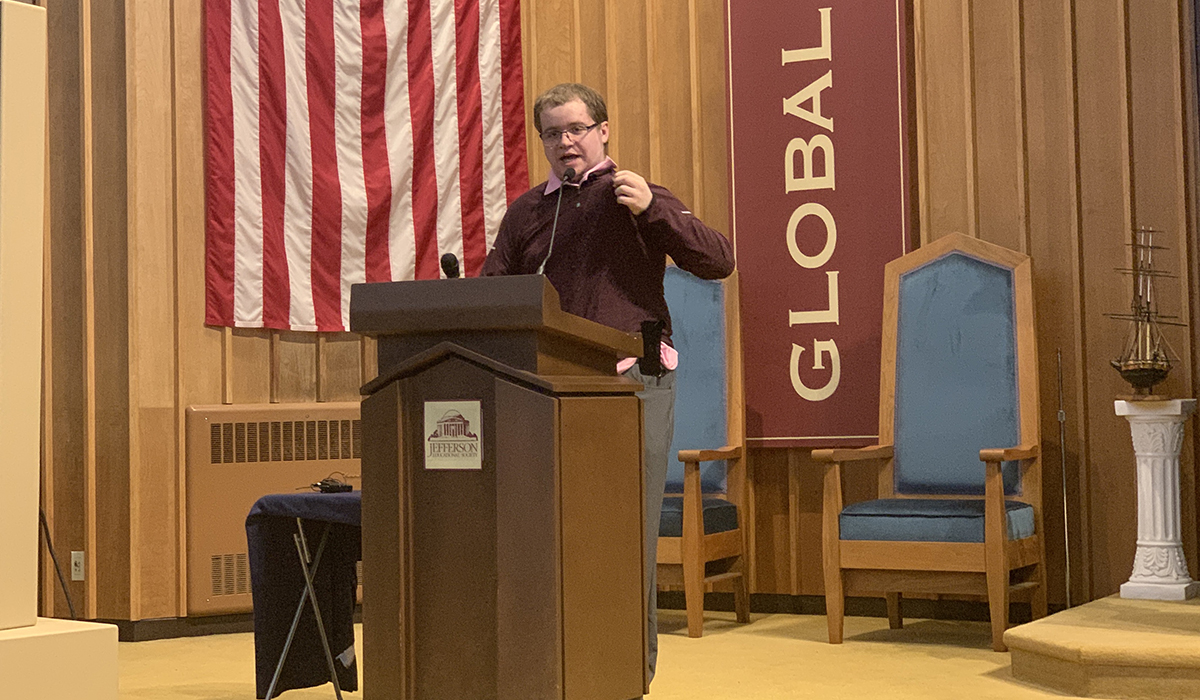
I’ve learned a lot about myself, if that makes sense. I never realized how much I would like it. Growing up, I was very shy and didn’t have a lot of friends. I would never approach someone or speak in class. Going from that to now giving presentations at schools and having meetings with hundreds of people, and meeting governors and high-level politicians is something I never thought I would even enjoy, let alone actually do. That’s a big thing for me personally.
Why is it important for others to get involved with causes they care about?
If people don’t get involved in the causes they care about, there won’t be anybody to help those people who need it. If I didn’t have as large a volunteer base as we do, we wouldn’t be able to do it. Every state we move into, if we didn’t have those volunteers ready to sign up and help in some way, we wouldn’t be able to go into that state. I tell people that we have volunteers who put in more hours with us than they do their actual job, and then we’ve got people who will volunteer at five events a year. And those people are just as important to our work as we move forward.
Any advice for people who want to start volunteering?
The first thing is to go to a local event. Go up to a tent and talk to someone. Find something that you’re passionate about. We get volunteers who just have to fulfill their volunteer service, and of course, we appreciate them, but it’s the people who are passionate about youth mental health and suicide prevention who will sign up and stay for years or forever because they are so passionate about what we do. I would say, find something that you’re passionate about. Also, with social media and online resources nowadays, you can Google search things you’re passionate about with different organizations in your area. You could either find a local one, or you could find something that’s more national that has a chapter in your area.
What do you want people to learn from your story?
If you give up and you cut your life too short because you feel like you’re not worth it, or you’re alone and can’t get help, you’ll never really know what’s in store for you. If I were successful in my attempt to end my life, I wouldn’t be where I am. Also, we wouldn’t have what we have, and we wouldn’t be helping the people that we do every day. You really never know what’s on the other side. I would say you’re never really alone. You have to reach out. There are so many people out there who will listen to you and help you and not judge you.
If you or someone you know may be considering suicide, contact the National Suicide Prevention Lifeline by dialing 988, or text HOME to 741741 to talk to a trained crisis counselor through Crisis Text Line. Both resources are anonymous, free and available 24/7.
Do you want to make a difference in your community like Alexander? Find local volunteer opportunities.
Share this post
