, September 15 to October 15, is a time to reflect on the achievements and contributions of Hispanic Americans. This annual observance serves as a beacon, shining a light on the countless champions who have been drivers of real and sustained change in their communities across the country.
Hispanic Heritage Month began as Hispanic Heritage Week in 1968, under President Lyndon Johnson and later, expanding to a 30-day celebration by President Ronald Reagan in 1988. The theme for this year’s celebration is “Todos Somos, Somos Uno: We Are All, We Are One.”
During this month of celebration, we not only pay tribute to the collective heritage of the Latine community but we are shining a light on people who exemplify the spirit of community service and uplifted others through their actions. Here we share the stories of ten exceptional Latine Americans who are Daily Point of Light honorees. Each one is a testament to the power of dedication, compassion, and unwavering commitment to creating positive change in communities across the country.
1.
, storybook gala co-chair for the Barbara Bush Houston Literacy Foundation and volunteer, has volunteered for 10 years spreading literacy. She also serves on the boards of and donates time to both Dress for Success, an organization that prepares women entering or reentering the workforce with things like professional clothing and resume assistance, and Nativity Academy, a small, under-resourced private school. She has even installed 25 Barbara’s Book Boxes as part of the program she started throughout the city. But she claims just a little time can go a long way.
“You, too, can create change. It can be as small as donating an afternoon to read to a child who doesn’t get that one-on-one time with anybody. That child will remember that. Or you could send a word of encouragement or a thank you to someone that has made your day. We’re all capable of doing our part. Find what calls to you.”
— Daily Point of Light Honoree #7650 Victoria Villareal, storybook gala co-chair and volunteer, Barbara Bush Houston Literacy Foundation
has brought her history of service to her volunteerism with The Pink Berets, an organization founded to support female veterans suffering from invisible injuries such as PTSD, Military Sexual Trauma, and Combat Trauma Stress. Liana’s role as a 9-year volunteer veteran is to She also helps to coordinate operations, events and support the CEO. She also supports the continuation of developing the vision and goals of the organization on an annual basis.
“Volunteering teaches you the value of compassion. It teaches you to be nonjudgmental because you never know where people have been.”
— Daily Point of Light Honoree #7622 Liana Garcia, volunteer and board member, The Pink Berets
is a community leader of the Residencial Luis Llorens Torres, a public housing complex in San Juan, Puerto Rico, where he helps in virtually every aspect of improving the lives of under-resourced residents. He has done everything from delivering essentials to seniors during the COVID-19 pandemic and solving problems that face the community to organizing programs promoting culture and the arts. Having grown up there himself, the complex holds a special place in his heart. Jeffrey has also been a member of the Puerto Rico Medical Reserve Corps since 2011 and assists the Department of Health with emergencies, natural disasters and public health issue awareness.
“I want people to see me as an example and to understand that it’s not important where you come from, where you study or what your social status is. The important thing is that you believe in your abilities, experiences and strengths to be a great human being and change agent.”
— Daily Point of Light Honoree #7524 Jeffrey Rivera Sanabria, community leader of the Residencial Luis Llorens Torres
has led conversations with schools, banks and other companies. During her last two years of high school, EliAnna co-founded a project though Youth Volunteer Corps of Reading called Stand Together Against Racism (STAR), an initiative designed to start conversations centered around racism and racial equity. She even helped to create a documentary about the group, leading discussions after screenings. Crediting her mom for her life of service, EliAnna recalls volunteering with Girl Scouts, American Clean-up and with her church from a very young age.
“My mother helped me understand what it is to help others that are in need or who might not even ask. Sometimes you just do it.”
— Daily Point of Light Honoree #7467 EliAnna Bermudez, co-founder, STAR
’s experiences growing up biracial inspired his interest in politics and social justice. During his first year in college, Tristan befriended Dylan Baca, founder of Indigenous Peoples’ Initiative (IPI), a youth-led organization that aims to eliminate stereotypes of Native American communities, amplify their voices and advocate for a better future. Dylan had just come off of a big win, successfully advocating for President Biden’s proclamation to designate Indigenous Peoples’ Day (IPD) as holiday alongside Columbus Day. He was becoming known as the kid who got a phone call from the president around campus and was looking to build on IPI’s success. Tristan jumped at the opportunity to join the advisory committee and, eventually, the board. His work in policy change and activism continues today.
“You never know when you walk past someone the struggles that they face. There are likely people who need help who are too afraid to ask for it.”
— Daily Point of Light Honoree #7525 Tristan Espinoza
has been involved with Down syndrome advocacy since the birth of her first daughter, Melissa. At the time, Maggie was just 24 so the diagnosis was completely unexpected since Down syndrome is often associated with pregnancy at a later age. Maggie founded GiGi’s Playhouse El Paso, which provides free educational, therapeutic, and career programs for individuals with Down syndrome from birth through adulthood, their families and the community.
“There is so much more joy in giving than there is in receiving. Volunteering not only helps people in need, worthy causes in the community, but more than that, it keeps you mentally stimulated and gives you a sense of purpose. It brings fun and fulfillment to your life. We are on this earth to serve others and not be served.”
— Daily Point of Light Honoree #7474 Maggie Morales-Moody, executive director, GiGi’s Playhouse
has been baking and selling the cookies to his community in Pleasanton, California, and donating the funds to help people in Colombia through his organization, HumanKIND Cookies. Since starting in the summer of 2020, Mateo and his sister, Sara, have baked and sold around 15,000 cookies to raise $30,000, all of which has been donated to Casa San Jose, a nonprofit organization focused on helping the most vulnerable people of Cali, Colombia, including senior citizens, foster children, low-income families and people who work as recyclers (one of the city’s lowest-paid and difficult jobs.) The money has been used to buy them groceries, diapers, school supplies and shoes, and even to fund special events such as a trip to the zoo.
“How things that we see as little can go such a long way. When I saw those ads on TV asking for donations of a couple dollars, I didn’t think it would help much. But now that I have been doing this for a while, I’ve realized that the $5 we make from a cookie box goes such a long way because it can supply a family with a week’s worth of food in Colombia.”
— Daily Point of Light Honoree #7445 Mateo Molina, founder, HumanKIND Cookies.
founded MORE — Mindfulness, Opportunities, Resilience, Equity — Latinoamérica a free and virtual education resource for Spanish speakers to help bridge the gap of gender equity and development for women, created with her co-founder Raysa Castillo. To date, Claudia has reached more than 20,000 Latinas worldwide through MORE Latinoamérica.
“I strongly believe that, through education and empowering women, we can achieve great things,”
— Daily Point of Light Honoree #7439 Claudia Jones, co-founder, MORE Latinoamérica.
realized how much isolation and loneliness was spreading through older adults without human connection. Martinez consulted his support system and made the jump to create his own nonprofit, AVUS Connect, to match student volunteers with older members of his Miami community. From his service and leadership, Martinez was awarded the United Way of Miami Outstanding Youth Award in 2022 and the 2022 Public Service Award from the Florida Council on Aging.
“The feeling of volunteering is unparalleled. Community service is seen as a two-way street, so you’re just not giving, you’re also gaining a sense of purpose and insight within your community, and a perspective of another person’s life or experience.”
— Daily Point of Light Honoree #7382 Shawn Martinez, founder, AVUS Connect
Do you know someone who acts as a point of light in their community each day? Nominate them for a Daily Point of Light Award.
How Civic Engagement Can Boost Your Mental Health
Society has come a long way with regards to mental health awareness and visibility in recent decades, yet it remains a major social issue. Thirty-nine percent of people are especially concerned about mental health when compared to other social issues, according to Points of Light’s
]. Notably, concern tends to slightly skew toward younger generations, with Gen Z coming at 44%, Millennials at 42% and Gen X at 40%, compared to 31% of Baby Boomers. Women were also more concerned at 44%, compared to 33% of men.
October 10 marks World Mental Health Day, a time to raise awareness about mental health and to mobilize support for those experiencing mental health issues. Every year, the World Health Organization (WHO) organizes a
show that civic engagement is an excellent way to boost your mental health and wellbeing:
Volunteering results in an increase in psychological wellbeing and a decrease in depressive symptoms.
When older adults volunteer, it allows them to participate in meaningful activities and leads to a sense of greater wellbeing.
By engaging in service work, many were able to find and create pockets of connection for themselves and others during the COVID-19 pandemic.
“Mental health improvement and civic engagement often go hand in hand,” said Dena Rodriguez-Leach, mental wellness supervision & workforce development program manager of Spark the Change Colorado. “There is evidence showing a strong correlation between volunteering and wellbeing. The benefits include a sense of purpose, social connection, reduced stress and improved self-esteem.”
Take Action for Others, Improve Your Own Wellbeing
When we take action for causes we care about, we don’t just act in service of others, we also receive benefits ourselves – including to our own mental health and wellbeing.
“In engaging with communities through volunteering and other ways, individuals feel a sense of purpose and gratitude, both of which have been scientifically proven to impact the release of oxytocin, which results in feelings of wellbeing, said iVolunteer principal consultant Aarti Madhusudan. “Civic engagement enables the individual to focus externally, [with] energies being invested in the problems of others. Being part of the solution for a problem [affecting] a community that perhaps has less privilege creates greater confidence in one’s own capabilities and resilience. All of these are extremely valuable for positive mental health.”
Interested in volunteering for mental health or other causes? Check out POINTS OF LIGHT ENGAGE® — The World’s Largest Digital Volunteer Network.
Rodriguez-Leach agreed: “Civic engagement provides a sense of purpose for individuals who volunteer and advocate for a particular cause. Research shows that contributing to society’s betterment can
. Being involved in a cause provides a sense of empowerment, improving self-worth and increasing emotional fulfillment and happiness as it allows for personal growth, social connection and a sense of purpose.”
Be a Point of Light for Mental Health
Each of us, regardless of our own mental health status or experiences, can be part of the movement to promote access to quality mental health care for all and to end discrimination based on mental health conditions.
Our
found that 83% of people felt that some of the most influential actions to support mental health are volunteering with a cause or organization in-person or online, and 80% leaned into making a charitable donation to a cause or organization.
“Civic engagement is one way of engaging in those things that are bigger than yourself.”
– Dena Rodriguez-Leach, mental wellness supervision & workforce development program manager, Spark the Change Colorado
Ready to get started on your civic engagement journey? Find opportunities, no matter your age, availability, location or interests.
Civic Engagement Opportunities to Boost Your Mental Health
Points of Light Engage®: The World’s Largest Digital Volunteer Network: Points of Light pulls volunteer opportunities from sites across the web to provide the most comprehensive database of volunteer opportunities around the world. Individuals can search for volunteer projects, nonprofits can post and manage event sign-ups and visitors are invited to start projects of their own – all in one place.
Points of Light Global Network: The Points of Light Global Network accelerates people-driven social impact across 38 countries. Find your local Points of Light affiliate to learn what your community needs.
DIY Volunteer Projects: Access easy DIY volunteer projects that families and individuals of all ages can complete in their spare time such as donating food to essential workers on the job, assembling comfort bags for youth experiencing hardships and building composting bins for greener communities.
Volunteer Advice & Resources: Explore more ways to access service opportunities, support specific causes you care about and strategically amplify your impact.
5 Family Volunteer Opportunities While Working from Home
The Saturday before Thanksgiving each year marks the celebration of
—a day when family members (related and chosen) come together in support of the communities where they live and work, along with the causes that they care about.
When your employees and their family volunteer together, they build deep bonds with each other and with the community. Volunteering helps improve the lives of neighbors while also helping family members develop new skills, empathy for others and a passion for getting involved. While working toward a shared goal, they might even discover that a child has an interest or unique talent that they weren’t aware of before.
In preparation for Family Volunteer Day and with so many employees working outside the office a few days a week, we’ve compiled several DIY activities that can take place from the comfort of employees’ homes. Encourage colleagues to post about their Family Volunteer Day experience on social media using the hashtags,
#FamilyVolunteerDay
and
#VolunteerTogether
.
Share these resources and show your company’s support for family volunteering! For even more project ideas and instructions, visit
Save the Animals Letter Campaign: Raise awareness of endangered animals in your community and around the world and advocate to protect their habitats by reaching out to local politicians to address laws around these topics.
Great Reads Bookmarks: Celebrate and share the joy of literacy by hosting a book drive and giving handmade bookmarks to a community in need. Show someone what reading means to you by making colorful and personalized bookmarks to give to your school, local library or community center.
Composting Worm Bins: Some of the world’s hardest workers are some of the smallest. Vermicomposting (composting with worms) adds nutrients to the soil and keeps waste out of the landfill. Help your family, school or community be greener by making a vermicomposting bin.
Relax Bottles: School can be challenging enough. For some kids with learning disabilities, it can be especially frustrating. You can help them channel and release their frustration by making Relax Bottles: water bottles decorated and filled with glitter. Watching the glitter settle after shaking the bottle can be relaxing.
3 Cheers for Local Heroes!Want to show first responders and emergency volunteers your gratitude? Create hand-made thank you cards for firefighters, healthcare workers, Red Cross emergency personnel and more in your community or somewhere a disaster or emergency has occurred.
3 Ways Nonprofits and NGOs Can Build Resilience in the Face of Disaster
Climate change, along natural and human-made disaster, are revealing the pressing need for communities to become adaptable and innovative. Their growing frequency and intensity are going to demand that the role of nonprofits and non-governmental organizations (NGOs) evolve so that a disaster recovery plan f becomes best practice for every organization. And that ideal holds true, even for organizations with missions that don’t center on disaster preparedness or response. These organizations are being increasingly confronted with the need to pivot and incorporate comprehensive disaster response and recovery considerations into their work, regardless of whether disaster management was initially meant to be a focus or not.
This blog, the final installment in our series around
, explores the interconnectedness of climate change, natural and human-made disasters, and nonprofit and NGO disaster preparedness and response. It sheds light on the urgency of transformation and the far-reaching implications adaptability holds for our collective future, both for communities and the nonprofits and NGOs that serve them.
Climate Change: A Driving Force for Adaptation
Climate change is increasing the frequency and severity of disasters worldwide. Between 2030 and 2050, the
says climate change is expected to cause approximately 250,000 additional deaths per year from malnutrition, diarrhea, malaria and heat stress alone. Areas with weak health infrastructure will be the least able to cope without assistance to prepare and respond.
Recently, wildfires have ravaged Canada and Hawaii, and a 6.8 magnitude earthquake has devastated Morrocco, taking the lives of thousands and leaving survivors and local NGOs to pick up the pieces. In the wake of this devastation, the beacon of hope remains responders whether volunteers or advocates who are focused on rebuilding communities.
Lori Shinton, president and CEO of HandsOn Nashville, remembers her first experience as a new leader with no disaster response experience and the lessons she learned along the way.
Nashville had spent 10 years relatively free of large-scale disaster. HandsOn Nashville recognized that it would be expected to respond if disaster struck, but planning around preparedness and response was on the back burner. And then on March 3, 2020, a tornado struck the city and left widespread damage.
“Our team responded, but we built the plane while we were flying it,” she said. “The result? Staff worked long hours, they were frustrated with the confusion of figuring out what we should be doing, and we were learning in real time about secondary trauma of responding to the disaster.”
A few weeks later, the COVID-19 pandemic began, and the U.S. followed many parts of the world that were already shut down. HandsOn Nashville continued to respond, along with other NGOs in the community. And while the world was learning to live with mitigation measures around COVID, HandsOn Nashville was still actively responding to the tornado. Then, in December, a bomb was set off in downtown Nashville, prompting the necessity of further yet differing responses needed. A few months later, a flash flood struck the city and impacted nearly the same number homes as the tornado. Finally, another tornado wrought localized damage.
“We learned that focusing on preparedness and developing a well-defined emergency response plan was the only way to care for our team and have them prepared for whatever may happen,” recalled Shinton. “We focus on training — quarterly at least — and we have been able to test it in exercises and feel as prepared as we can.”
Being prepared now ensures the community the best services possible while protecting responders from burnout.
, is a resource that offers insights and strategies to empower you to take action before, during and after a disaster. You’ll also learn how to be an advocate for those affected by disasters.
made possible in partnership with The Allstate Foundation, and created by Points of Light.
Beyond Core Mission: Tailoring Services
Nonprofit and NGO leaders know that being adaptable is a key component of success. As natural and human-made disasters become more commonplace, it’s increasingly important to tailor services to address immediate community needs as disasters unfold.
For community leaders who want to find ways to tailor their organization’s response to community needs during disaster, start small by assessing your organization’s strengths. Develop a written plan leveraging those strengths, recognizing that it’s easier to change a plan than to create one in the midst of responding to disaster. Use existing data from trusted sources, like
, to understand the vulnerabilities in your local community.
Often, the most valuable input comes from the community itself. For example, when the COVID-19 pandemic began, the
was forced to shut its doors. Overnight, it went from a buzzing community gathering space to empty and whisper quiet.
Its mission had always centered on providing access to safe, innovative, learning and play experiences, but now that it couldn’t deliver on in-person experiences, the pivot had to be quick and decisive. By being willing to shift its mission and prioritize the community’s needs, leadership moved immediately to supporting children and families by providing engaging virtual play activities and mental health resources. They partnered with
that addressed the mental health of parents, caregivers and children through the lens of trauma caused by a pandemic.
“As a nonprofit that prioritizes working alongside the community, it is valuable for us to be nimble and be able to move quickly. We did this during the pandemic by having an overall objective to give parents and caregivers support during very uncertain times,” said Tifferney White, CEO of Louisiana Children’s Museum. “While many places were shuttered, we were able to provide no-cost, easily accessible resources, including early learning play opportunities, ideas that parents and caregivers could do at home, and nature walks to name a few.”
The museum also experimented with using its 8.5 acres of indoor and outdoor space in collaboration with a local public school, allowing the school to move its prekindergarten and kindergarten classes to their facility. The school was able to continue in-person learning while having the space it needed to socially distance students in a safe and engaging environment. The result was that the museum furthered its mission of having memorable and valuable learning experiences in safe spaces for children while serving its community in new and innovative ways.
Collaborative Partnerships for Effective Response
Disaster preparedness and response experts understand the power of collaboration. Capacity grows exponentially when foundations, faith-based organizations and nonprofits join forces.
That’s a big reason why, in the U.S., Voluntary Organizations Active in Disaster (VOADs) are such an integral part of disaster response. VOADs are a collective of faith-based, community-based and other non-profit organizations that band together to form a cooperative that centralizes communication, coordination and collaboration. By centralizing these efforts, VOADs foster more effective delivery of services to communities affected by disaster.
has its own.
National Voluntary Organizations Active in Disaster was established in 1970 in response to Hurricane Camille, a category 5 storm that hit the Gulf Coast in August of 1969. At the time, private sector and nonprofit organizations served disaster survivors independently of one another. As a result, the way survivors received help was decentralized and inconsistent. Since then, the organization has facilitated 48,129,263 volunteer hours from 9,907,071 volunteers and fielded $1.3 billion in donated labor to response and recovery efforts across the United States in 2019 alone.
“Every community does indeed need to be prepared,” said Chris Cameron, executive director of HandsOn New Orleans. “It looks like preparedness at every single level, with elected government officials, corporate partners, it’s going to require faith-based institutions.”
All disasters begin and end locally, and disasters exacerbate preexisting conditions during a time when typical operating policies and procedures are overwhelmed and communities may be traumatized. Taking a whole-community approach underscores why partnering leads to better, safer and faster outcomes.
Building a Comprehensive Disaster Response Approach
When they Ukraine war broke out in February of 2022, many NGOs in surrounding countries had little to no experience in disaster preparedness, response and recovery. Agnieszka Lissowska-Lewkowicz, president of Polish NGO
affiliate remembers a steep learning curve in figuring out how to best support the 1.5 million people displaced by the war, streaming across the border to safety.
“Refugee work is definitely long-term approach. It requires money, administration, specialists, space,” said Agnieszka. “We had to decide, ‘Are we able to make this effort. Are we able to start a new type of work, activities, help, projects to our organization and manage it [long term]?’ Our decision has to be wise, serving not only the refugees, but first of all our organization. And it has to be realistic. And we see the very deep sense of this.”
Centrum Wolontariatu recognized that, for Ukrainians who stayed in Poland, the organization would need to offer long-term, comprehensive support. Effective help would have to extend beyond basic needs, like food, shelter and clothing, to include assimilation into the new environment through work, education and psychological support. That comprehensive approach required cooperation between different organizations, and the most important resources were people and time.
“People to organize help, to do extra work. Time to get knowledge, to organize help, time to get additional funds,” she explained. “When the war began no one expected it, no one was prepared to host hundreds of thousands of Ukrainians, and only few Polish organizations were working with migrants before. It was shock for all of us, but we all did our best.”
Calling Social Impact Leaders
The 2024 Global Summit on Social Impact is a premier event taking place in Warsaw, Poland, February 7, 2024. It brings together companies, nonprofits and NGO’s from around the world that are passionate about volunteerism, civic engagement and social change.
The interplay between climate change, natural and human-made disasters underscores the critical need for nonprofit and NGO organizations to embrace a holistic disaster response approach. Disasters can strike at any time, demanding adaptability and innovation from even those whose missions don’t initially revolve around disaster preparedness.
Whether responding to human-made disaster, like war, or natural events, like wildfires, flash floods and hurricanes, nonprofits and NGOs will need to remain flexible in how they respond. They’re being called upon to begin to prioritize disaster preparedness and community response strategies, from investing in training to forming partnerships to tailoring services to meet immediate needs. By shoring up preparedness and response planning, organizations will become more nimble and be best positioned to contribute to the resilience and rebuilding of the communities they serve.
First Impressions: What I’ve Learned in My First 30 Days
My first month at Points of Light has been illuminating in the best way. The legacy, the people, the possibilities – I’m inspired by the incredible impact Points of Light has around the world. My first month has been filled with connection and learning, from our staff, our board, our Global Network, our Corporate Service Council, and our Conference Host Committee. Points of Light is a convener and catalyst of dedicated people working together to intentionally create a more just society and stronger world. Here are just a few of the highlights of my first 30 days, plus one piece of advice for new leaders coming into a new organization.
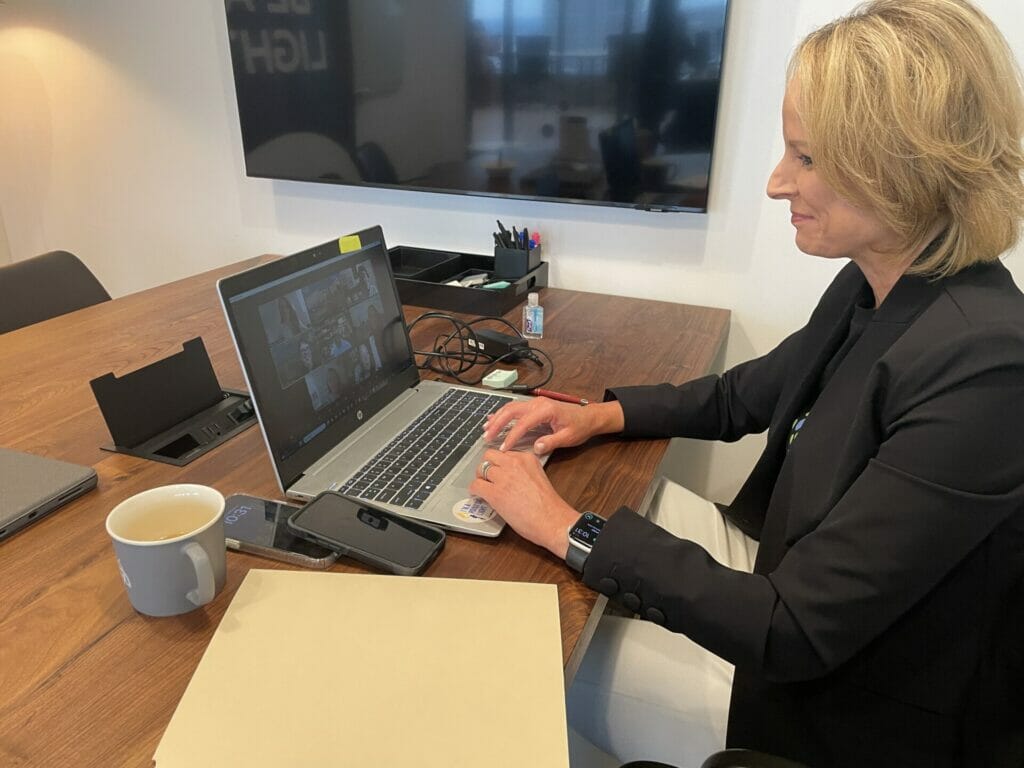
Meeting team members across the country on Zoom.
The Points of Light team is incredible – and taking time to get to know them is critical.
Before I officially joined Points of Light, I knew we had a great team because their impressive work spoke for itself. Coming into such a group of strong performers, prioritizing meeting them was key for me. In a fully remote culture, I made sure my first two days were a series of small group meet-and-greets on Zoom and in person to really take the time and get to know everyone. And, wow, what a dynamic group! I was blown away at the passion, talent and aspirations of each and every staff member I met, and I look forward to deepening our connections. I am so excited to lead Points of Light into the future with this inspiring team. I encourage any new leader to prioritize getting to know everyone and building these crucial connections.
Our organization is ripe with opportunities.
From Points of Light’s presidential legacy to its suite of civic engagement research to our Global Network (just to name a few!), I am encouraged by the assets and influence that Points of Light can deploy to address our greatest global challenges. Points of Light has an important role to play in civic health around the world, and the discovery will come in how we continue to generously share our resources. As we continue to uncover the possibilities, I’m excited about what Points of Light can do to bridge our divides, increase our civic health, and strengthen our democracy here in the US and civil society around the world.
Diversity, equity and inclusion is essential to civic health.
Often, the people who are viewed as needing help are not given a voice in the solution. But there are many people organizing in communities who are already activating the resources they have. We must raise the voices of marginalized individuals, empowering them with tools and resources for them to lead. We will remove barriers to engagement. Until each and every person has a clear pathway to civic engagement, our work will not be done.
My one piece of advice? Start with relationships.
When you start at a new organization, there are so many demands on your time. As a new leader, I found it important to prioritize who I reached out to in those first few weeks to let them know their engagement with Points of Light matters. Even if it’s setting up a quick call or coffee, make a short list. It’s only your first week once! Making the time for those connections builds a strong foundation for mutually beneficial relationships that create transformative change.
Global Diversity Awareness Month: 6 Ways to Boost Employee Engagement
, a period dedicated to celebrating and understanding the value of diversity. In the context of the corporate world, it embraces a comprehensive approach to employee engagement programs in line with corporate social responsibility (CSR) standards, championing the role of diversity in fostering a more inclusive and positive work environment.
Let’s delve deep into the intersectionality of employee engagement, CSR and diversity, showcasing real-world success stories alongside strategies and action steps businesses can take.
The Intersection of Employee Engagement, CSR and Diversity
In recent years, there has been a significant shift in the corporate arena towards fostering a symbiotic relationship between employee engagement, CSR and diversity. The understanding that a diversified workforce is an asset — sparking creativity and fostering a sense of belonging — has been fundamental in steering a comprehensive CSR strategy.
Embracing diversity goes beyond morality. It is a critical strategy that can potentially drive business success by fostering inclusivity and recognizing a plethora of perspectives and backgrounds.
Benefits of Integrating Diversity into Employee Engagement Programs
Embedding diversity and inclusion in employee engagement programs brings substantial benefits, including enhanced creativity, improved company reputation and higher employee satisfaction levels. According to a report by
found that boards with multi-dimensional diversity experienced less downside and even revenue growth throughout the pandemic. It’s evident: diversity is absolutely imperative for a business’ bottom line, as well as the wellbeing of its employees.
Real-World Results: Successful Integration of Global Diversity into CSR
Companies worldwide are reaping the benefits of integrating diversity into their employee engagement and CSR programs. For instance, the Lowes Hometowns Project focuses on empowering local communities through diverse and inclusive initiatives. From renovations to communal buildings and outdoor areas in impoverished regions to helping provide safe, clean and comfortable spaces for LGBTQIA+ communities, People of Color and those experiencing homelessness, the Lowes Hometowns Project focuses heavily on serving marginalized or under resourced communities.
But companies can also consider how their internal and external efforts intertwine.
“When you’re looking to level up your social impact program, business integration is key. Invite your HR and DEI colleagues to the table and explore how your goals and roadmaps integrate,” said Katie Stearns, chief global corporate solutions officer at Points of Light. “Perhaps participation as a volunteer champion becomes part of an employee’s performance evaluation, or your company’s DEI commitments can be reflected in your grantmaking process. Weaving CSR, HR, and DEI work together makes it all stronger.”
Ways to Improve Your Employee Engagement Program Through Diversity
Improving your employee engagement through diversity entails adopting various strategies. Here are a few.
Enhanced Training Programs: Equip your employees with the necessary tools to understand and appreciate diversity. Consider developing modules that focus on unconscious bias training, cultural sensitivity and inclusive communication, helping employees to navigate a diverse work environment with empathy and understanding.
Mentorship and Sponsorship: Encourage veteran employees to mentor newcomers, fostering a culture of inclusivity. This can also aid in the smoother transition and integration of newcomers into the company culture, promoting a supportive work ecosystem where every individual can thrive.
Diverse Hiring Practices: Ensure your hiring practices are structured to attract a diverse pool of candidates. By embracing a diversity-first approach in recruitment, companies can not only enrich their talent pool but also foster innovation and drive business growth by bringing in a mix of perspectives and skills.
Inclusive Leadership: Encourage leaders within your organization to actively champion diversity. This could involve training to help them understand different cultures and perspectives better, and developing skills to manage diverse teams effectively. Demonstrating commitment at the highest levels can set a powerful example for the entire organization.
Employee Resource Groups: Establish resource groups for underrepresented employees, offering them platforms to connect, share experiences, and support one another. These groups can also serve as think tanks to foster innovative ideas and perspectives, which can be beneficial for the business.
Feedback Loop: Create a continuous feedback loop where employees can freely express their opinions and concerns regarding the company’s diversity and inclusion efforts. Making use of anonymous surveys or suggestion boxes can help in garnering honest feedback. This approach ensures that your strategies are dynamic and evolve based on real-time input from your team, fostering a culture that respects and values each individual’s opinion.
Measuring and Evaluating Diversity in Employee Engagement
To steer a successful diversity initiative, it is imperative to have an evaluation mechanism in place. Companies must invest in determining
(KPIs) and other metrics to gauge the progress of their diversity initiatives, ensuring their strategies align with the set objectives.
By implementing a comprehensive evaluation mechanism, organizations can not only measure the quantitative impact of their efforts but also gain insights into the qualitative aspects of employee engagement and inclusion. This multifaceted approach ensures that diversity initiatives are not just token gestures, but instead, actively contribute to creating more inclusive employee engagement programs and equitable workplaces overall. It enables companies to adapt and refine their strategies as needed, fostering an environment of continuous improvement and a genuine commitment to diversity and inclusion.
The intersection of employee engagement, CSR and diversity represents a pivotal pathway for businesses to thrive in today’s evolving corporate landscape. Diversity is both a moral imperative and a strategic asset that is fundamental to shaping comprehensive CSR strategies. In other words, it’s essential for businesses to recognize that diversity and inclusion is good for CSR work, beneficial for the bottom line, and most importantly, beneficial to everyone. The benefits of embedding diversity into employee engagement programs are evident, including enhanced creativity, improved reputation and increased employee satisfaction.
A thoughtful and multifaceted approach is essential to success and reflects an honest commitment to creating employee engagement programs that work for employees and the communities where they live and work.
The Who, What and How of Equity and Access in Disaster Response and Recovery
Disasters, whether natural or human made, can magnify existing inequities and challenges for historically marginalized and under resourced communities. It’s important to understand how equity and access intertwine with disaster response and recovery, but first let’s consider what ‘equity’ and ‘access’ mean in the context of disaster response Equity refers to the recognition, and subsequent actions, in a fair and just treatment of people as a part of an acknowledgement of systemic oppression. Access means that people are able to successfully utilize the array of federal and local resources before, during and after a disaster in ways that are most helpful to them and their communities.
, is a resource that offers insights and strategies to empower you to take action before, during and after a disaster. You’ll also learn how to be an advocate for those affected by disasters. Download the guide today made possible in partnership with The Allstate Foundation, and created by Points of Light.
Who is Disproportionately Affected?
Under-resourced communities can face impacts that are disproportionately severe and last longer. Their hurdles can often become more expensive during disaster recovery as well. These groups can include but are not limited to:
Black, Indigenous, People of Color (BIPOC)
People who identify as LGBTQIA+
People living with disabilities and/or cognitive conditions
People of various religions and national origin
Residents in rural areas
Older adults
Service and migrant workers
Those with limited English proficiency or limited financial literacy and resources
Indigenous populations
Undocumented residents
Unhoused people
What are the Challenges?
Because many of the issues around equity and access are rooted in a history of oppression, there is often a lack of trust around governmental agencies, which are commonly embedded in disaster response, especially for marginalized and undocumented people. It’s imperative that trust be built between these communities and the disaster responders before a disaster happens so that they are not left out of planning with little access to preparedness information and a lack of understanding around the actions they should take during an emergency.
“The community leaders with the most clout are those who are simply the longtime residents of a neighborhood. They likely know almost everyone on their block and are a trusted voice and resource of information. So, when disaster response organizations engage the grassroots community leaders in preparedness efforts year-round, they can rely on those trusted voices to quickly and seamlessly disseminate information and resources in real time on behalf of their organization.”
— Brooke Campbell, director, Volunteer Houston
Additionally, the challenges these groups face are unique and often exacerbate extreme challenges. For example, marginalized populations may live in more vulnerable and hazard-prone areas due to lower land values and affordability. Residents may be near industrial or chemical complexes and railroads. All of these factors can lead to increased vulnerability and a greater chance of more severe disaster impacts than well-resourced communities.
“In the Weaver Fertilizer fire [in which 600 tons of chemicals caused 6,500 residents to evacuate to escape the noxious fumes], the majority of the impacted population was Spanish speaking. The city and county officials were briefing only in English. A community leader took the time out of her full-time job to go and translate during briefings and accompany officials. If it weren’t for her, the community would have no idea what was going on or what resources were available.”
— Amy Lytle, executive director, HandsOn Northwest North Carolina
A lack of personal resources can become an undue burden as well. No means of personal transportation or a reliance on public transportation can make it difficult to evacuate when the need arises. Workers who make an hourly wage may be excluded from safety planning and recovery resources because their workplace may not allow for them to take paid time off to evacuate or to visit resource sites that operate on a 9 – 5 schedule. Educational levels, financial literacy and a lack of savings can all put people in the position of being unprotected in many ways, for example, not being able to afford insurance.
How Can Incorporating DEI Practices Help Solve Inequity?
Understanding how to promote equity and access throughout the disaster lifecycle helps operations become more nimble and responsive to the population. Strategic planning can be improved by ensuring that historically marginalized people are invited into the planning process. Giving them agency over planning means they’re more likely to be informed about and fully adopt community solutions. These changes can lead to different approaches in the implementation of strategic planning, civil rights enforcement and financial investment. Plus, decision makers are better equipped to identify how to invest financial resources to lessen potential loss of human life and property.
For example, having renters add their voices to planning, could mitigate the risk of absentee landlords. Another example might look like mapping out evacuation strategies for older adults who live in care home settings, so they remain safe from a threat like a hurricane or a wildfire. Regardless of the specifics of a given situation, understanding how to promote equity and access throughout the disaster lifecycle ensures that under-resourced populations can recover and bounce back more quickly from a disaster.
“It means that folks can access resources in ways that meet their needs — not a one size fits all approach. They can have voice and agency at every decision-making level. All disaster responders should have the training and tools they need to advance equity.”
— Chris Cameron, executive director, HandsOn New Orleans
And not accounting for basic DEI principles? Mistakes will ultimately sabotage the effectiveness of disaster preparedness initiatives. We can start by building resilience in under-resourced communities through innovative mitigation and adaptation projects. The most effective way to ensure that response measures are effective is to listen to the voices of people with lived experience who are disproportionately being impacted by disaster so that they are included and considered in the planning process.
Who Is in Your COAD? Increase Your Resiliency Factor Before Disaster Strikes
So often, nonprofits and NGOs play a key role in disaster volunteerism strategy. Maybe your organization is the backbone for the Emergency Volunteer Reception Center. You may be a member of the local Community Organizations Active in Disaster (COAD), or your organization is the sole entity cited to lead volunteer and community engagement efforts by your local Emergency Management Agency. Whatever role your organization plays, operating as a Service Enterprise and having Service Enterprise organizations by your side will help you prepare for, respond to and recover from the next disaster.
Relationships are key when it comes to disaster, and the stronger they are before a disaster strikes, the more collaborative and asset-based approach your community can have immediately following a disaster.
Imagine that you and the other organizations in your COAD go through a cohort-based change management program that helps each organization strategically engage volunteers to deliver their mission. It will help each of you have a more diverse pool of human capital, transition to an organization culture that embraces volunteers throughout the whole organization, and leverage the skills, talents and experience of the community to meet your mission. Not only will each organization benefit, but together you will create a stronger, more synergistic relationship as you all learn and evolve as a cohort.
Service Enterprises are more adaptable and capable of going to scale than their peers because they have embodied the three domains of Service Enterprise:
Establish a Strong Foundation: Organizations have a strong foundation of leadership involvement, resource allocation and intentional planning for strategically engaging the community as volunteers. When the whole organization embraces volunteers, it can quickly adapt to meet the needs of the community.
Galvanize Organization Best Practices for Volunteer Engagement: Recruitment, onboarding, training and supervision are not led or done by a solo department or individual. The organizations’ policies and procedure ensure the effective engagement of volunteers and community partners.
Focus on Impact & Outcomes: Organizations regularly create and sustain relationships by telling their story, listening to stakeholders and measuring success against the mission and objectives.
Service Enterprise Trainer and President of VQ Volunteer Strategies Beth Steinhorn sat down with Aimee Kane of the City of Boulder five years after the catastrophic floods destroyed 1500 homes, rendering roads impassable and killing eight people.
When Steinhorn asked why volunteer engagement identified as a key to recovery and resiliency planning, Kane’s response mirrored that of other NGO’s and municipalities.
“In our organization, a lot of people didn’t even know we could engage community members as volunteers, despite having community members serve on the city’s numerous boards, commissions and working groups,” she explained. “There was a misconception that, since the community pays our salary, they wouldn’t want to help us achieve city goals.”
Kane went on to say that sometimes, in government, there is an “us vs. them” attitude between staff and the community, with staff thinking it’s up to the communities to solve issues at hand. The flood presented an opportunity to embrace collective action for the greater good, showcasing how collaboration can have a much bigger impact.
Now, Boulder operates as a Service Enterprise and proactively invites the community to engage, share resources and build a more resilient community together.
“It’s not about getting a seat at the leadership table,” said Kane. “It’s about inviting leadership to your table.”
To learn more about how you and your Community Organizations Active in Disaster can leverage the Service Enterprise Program to increase community resiliency before disaster strikes, contact
Disaster, whether natural or human-made, has always been a part of our landscape. However, climate change is ramping up the frequency, intensity and cost of natural disasters around the world, which means an increased need to be adaptable and innovative. To ensure that communities can work together, one of our best tools to find solutions is solidifying our own collective understanding of what goes on behind the scenes of managing a disaster.
BEFORE DISASTER HAPPENS
Find a local nonprofit that you want to support with your time and donations before a crisis hits your community. You’ve probably heard advice along the lines of, ‘Do your research.’ But what does valid research look like? Our experts suggest that community residents find a local nonprofit to support with your time and donations. Look to sources like
(VOAD), a coalition of vetted and approved local nonprofit organizations that are active in disaster response and recovery. Each U.S. state has one that is best positioned to respond in real time to its community’s needs.
“You want to find the closest nonprofit to the affected area that is responding, because they are your most immediate boots on the ground,” said Chris Cameron, executive director of HandsOn New Orleans. “Find a local nonprofit that you trust. That’s who needs the money. Your donation will get there faster and have a bigger impact.”
WHEN DISASTER HAPPENS
Sometimes disaster can be human-made, as is the case with mass shootings or the ongoing war in
. Once a disaster takes place, it’s natural to feel compelled to jump in and help. However, do not self-deploy, meaning do not show up unannounced to volunteer without first confirming with the organization that your help is needed that day. If you do, you may unintentionally impede the organization’s ability to help those who need it most. The best way you can help is to be patient and wait.
If you want to have immediate impact, the best thing you can do is to
your dollars to a local response organization. Financial donations support changing needs and rebuilding the local economy. Typically, your gift will go toward direct response, but you should confirm how the funds will be used. Distribution of funds may support immediate needs or long-term recovery. You may discover there’s an administrative fee tacked on to your donation, which typically enables an organization to grow its staffing capacity so they can fully serve the community.
“We knew that for those Ukrainians who stayed, we had to offer some long-term help, “said Agnieszka Lissowska-Lewkowicz, president of Centrum Wolontariatu, a Points of Light Global Network affiliate in Poland that has helped to field over 1 million incoming refugees. “And that this help had to be focused not on the basics needs but on social adaptation, work, education and psychological help. So, we needed specialists, cooperation between different organizations and funds.”
The organizations leading the response to disaster are assessing the situation so that they can most efficiently and effectively address the top three priorities: protecting life, property and the surrounding environment. They do this by thinking strategically about how to position their organization and its volunteers to provide for basic needs such as food, shelter and safety. Each disaster presents unique challenges, so response arms of government, nonprofit organizations and NGOs are looking closely at the nature of the disaster. This factor defines the landscape of response and recovery.
Hurry Up and Wait
While it may sound counterintuitive, when a disaster strikes, experts say that is not the time to begin your journey into volunteering. It’s understandable for people to feel compelled to help, but
are focused on coordinating with first responders and providing the right help at the right time and in the right ways — not just from any volunteer but from expert volunteers who can engage safely and effectively.
What Does Effective Support Look Like?
“Without proper training and mental health support, volunteers can ultimately become added challenges themselves within a disaster site,” said Elizabeth Schwan-Rosenwald, chief programs and network officer at Points of Light.
Myths Around Disaster Response and Recovery
Myth #1: Law enforcement not allowing people to return. The first priority for responders in a disaster is protecting life. They are considering the safety of the area as structural engineers check bridges, power companies address downed power lines, and the air is tested for hazardous materials. If they are turning people away, it’s because the area has not been deemed safe by the experts.
Myth #2: FEMA accepts monetary donations. FEMA is a federally funded disaster response agency. It does not accept donations from individuals. However, it does work to keep survivors safe by doing things like brokering deals with hotels to provide immediate shelter to survivors. It also coordinates with local nonprofits, so donating to those organizations is an excellent way to support the recovery of a community.
Myth #3: The government is downplaying the disaster or not telling the truth. Misinformation and rumors can spread quickly during a disaster. FEMA and law enforcement create FAQs, which are available to the public, that show how many shelters are open, how many bed spaces are available, where food distribution points are located and more.
Myth #4: Deaths are being underreported. When a life is lost in a disaster, there is a process that has to be followed. One of the most important steps is to inform the family, and that takes precedence over reporting to the public via the media. In addition, all agencies are required to report each death to the local health department. And finally, it can take time for search and rescue operations to be completed. All of these factors may slow the dissemination of information.
Disaster Management NGOs on the Role of Volunteers
Volunteering for a disaster response organization is an excellent way to support its work, but showing up for the first time just after a disaster can actually impede its ability to respond. Housing and feeding volunteers can be a challenge that shifts resources away from priority missions like saving lives and property. Plus, volunteers who work with these organizations are coming into contact with a vulnerable population, which often requires specialized training and background checks. One of the most critical priorities in a disaster is to protect the mental health and wellbeing of survivors which means, during a disaster, if you’re not already embedded in a response organization, you may be turned away.
It’s also important to realize that different response organizations are doing different things in different places to support survivors. For example, the Red Cross may be housing people while a faith-based organization is setting up a donation center and the governor has identified the NGO that is in charge of the statewide multi-agency donation warehouse. If you want to donate clothing or hygiene items, make sure you’re going to the right place — a shelter may not be set up to accept donations. Keep in mind that warehouses are typically receiving large corporate donations by the truckload and points of distribution are focusing on providing needed supplies to survivors, so find out what is needed and where there’s a donation drop off center before making a donation. Finally, as disaster response evolves over time, community needs change. There is a big difference in needs between 24 to 48 hours after a disaster and one week and beyond.
WHEN A DISASTER IS OVER
It can be tricky to pinpoint the moment when a disaster is officially ‘over,’ but experts take into consideration:
The mayor or governor has allowed all residents to return to the impacted area because professionals have deemed the area safe.
Elected officials have declared that the state of emergency has ended, which means that shelters, mass feeding, volunteer placing services and donation distribution warehouse operations will cease operation on the announced timelines.
The reality is that the recovery phase is the longest of the disaster cycle phases and can take five years — even longer — to end. Goals during this phase include centering equity and building back better. You may see developments including:
States offering free social worker services to help survivors claim any additional federal and state financial resources and grant funding.
Coalitions of nonprofits and NGOs forming Long Term Recovery Groups to pool donor restricted funds to best support survivors. These groups can fund vetted contractors or home building NGOs to complete roofing and housing repairs, installation of HVAC and septic systems, or purchase furniture on behalf of the survivor. NGOs and nonprofits do not pay these vendors directly, which is why donations to a trusted organization are still critical.
, is a resource that offers insights and strategies to empower you to take action before, during and after a disaster. You’ll also learn how to be an advocate for those affected by disasters.
today made possible in partnership with The Allstate Foundation, and created by Points of Light.
While nonprofits and NGOs may need food, hygiene kits, formula and diapers at the start of disaster response, the focus typically shifts to items like plywood and furniture later on. This is the phase when media coverage typically begins to wane, which can make it difficult to capture the attention of the public to spread the message of continued need. Nonprofits and NGOs benefit from a second cash infusion at this stage, after things are somewhat stabilized. Donating now means community support will go toward long-term recovery efforts, when support is still essential.
In addition to direct support for survivors, communities can begin to build back social connections by:
Facilitating community gatherings to help process the effects of the disaster.
Centers for survivors to get one-stop services and information from local government leaders, nonprofits and NGOs.
Creating spaces for youth to share their voice.
Involving the community as volunteers.
Prioritizing rebuilding and creating new community gathering places.
In the evolving landscape of disaster response and recovery, adaptability, innovation and strategic coordination are paramount. Nonprofits, NGOs and individuals all have pivotal roles to play. By debunking myths, understanding the nuances of disaster management, and aligning support with evolving community needs, we collectively pave the way for more resilient and thriving communities.
3 Business Trends That Your CSR Strategy Can’t Afford to Ignore
Corporate social responsibility. We hear the term all the time, but what does it really mean, and why is it so important in today’s business landscape?
CSR is the concept that companies can—and should—use their capital, resources and influence to support, benefit and work with the communities in which they operate, to add value that reflects the community itself. It’s rooted in the idea that businesses are about more than making money and answering to shareholders; they have an equal responsibility to the societies of which they are a part.
Subscribing to this concept and actually having strong corporate social responsibility strategies is more important than ever in a world embattled by poverty, political conflicts, economic crises, climate change and intensifying natural and human-made disasters. In fact, our own
shows that more than 80% of respondents around the world expect companies to address the social ills in their countries. CSR can act as a ray of hope amidst societal challenges; businesses have the resources and commitment to take on the most important issues of our day and work to create a better world for us and future generations.
Here, we dive into three critical trends affecting business and show you how to effectively incorporate them into your company’s CSR strategy.
Business Trend 1: Stakeholder Pressure for Strong ESG Practices
Stakeholders don’t want to hear vague statements about companies “doing good.” They want to know the specifics of what companies are doing to address the climate crisis and major social issues of our day, how they are making and carrying out these decisions and the real impact they are creating. This is ESG: environment, social impact and (corporate) governance.
ESG is rapidly becoming a focal point of CSR, even a practical stand-in for the broad term. The stakeholders homing in on ESG include:
Investors, who are increasingly seeking out and prioritizing companies that are committed to creating a net positive by doing good and/or minimizing harmful business practices.
Customers, who more and more commonly choose to buy from companies they see as having a positive impact.
Employees, who are progressively opting to work for companies with stronger CSR policies, sometimes even taking a pay cut to do so.
, 69% of employees agreed that having societal impact is a strong expectation or deal breaker when considering a job. These expectations are even more pronounced among younger generations. Cognizant’s report
found that eight in 10 Millennials and 84% of Gen Z respondents say “responsible and ethical business practices are extremely or very important to them when choosing an employer.”
CSR Strategy Solution: Double Down on ESG—Especially Social Impact
“As investors and consumers continue to prefer businesses with the right environmental and social credentials, companies in 2023 will need to make sure their ESG processes are moved to the center of their strategy,” says the
(ACCP). Savvy companies should take note and double down on their ESG practices, particularly the “S,” social impact.
Within social impact and racial equity are essential areas to focus on. “Diversity, Equity and Inclusion (DEI) principles promote the equitable treatment and participation of all people with a focus on the underrepresented and those subjected to discrimination due to their racial and ethnic background, gender identity, disability, etc. Organizations are increasingly expected to apply these principles throughout the development of all their activities,” says Jerome Tennille writing for
.
After the murders of George Floyd and countless other Black Americans in and around 2020, many companies spoke up on the brutal consequences of racism and turned inward to establish or enhance their DEI initiatives. For some, that meant analyzing their internal diversity, leadership opportunities for employees from underrepresented backgrounds, hiring practices and more. For others, it was a time of increased diversity pledges, donations and partnerships with organizations led by and/or dedicated to supporting people who have historically been discriminated against.
Since 2020, however, too many companies have
. It may not be the prime news story anymore, but companies still have a responsibility to deliver on their DEI goals and foster more equitable company cultures and communities.
Take this as an opportunity to consider how your company can reinvigorate its DEI efforts through fundraising, grants (unrestricted ones are immensely helpful), volunteering or partnering with organizations that further its racial equity goals.
Business Trend 2: Employees Speaking Out on Work and Purpose
In recent years, changes to the employer-employee dynamic have shifted power to employees in new ways. During the pandemic, overwhelm and burnout fueled the Great Resignation and widespread movement toward freelance work, self-employment and entrepreneurship instead of full-time work for a company. Employees voiced – and continue to voice – their frustration with traditional corporate work culture, though sometimes not with words but actions, like actively disengaging from work or leaving companies altogether.
On the purpose front, some employees have been taking part in a movement to bring their whole self to work. They are increasingly vocal about the causes that are important to them, their need to express these concerns at work and their desire for their companies to show solidarity and take a stand.
CSR Strategy Solution: Employee-Driven CSR Programs and Volunteer Opportunities
Employees are no longer satisfied just knowing about their company’s CSR efforts; they want to be given meaningful opportunities to participate in and shape impact strategies. They value having a voice and seat at the table in deciding what these opportunities are, such as corporate fundraisers, employee donation matching programs and volunteering. Some employees are also passionate about having a say in the company’s CSR strategy itself, from the causes the company dedicates its time and resources toward to which community partners it aligns itself with in order to carry out this work.
Consider taking a bottom-up approach to your company’s CSR strategy that listens to what employees have to say, takes into account their priorities and gives them agency in how they participate. You can learn what issues matter most to employees through (non-mandatory) company-wide meetings, digital polls or surveys, for instance. If your core CSR strategy and issue areas are already set, provide an outlet for employees to do things on their own through volunteer time off and rewards programs like matching gifts and dollars for doers, or create opportunities for employees to voice which specific nonprofit organizations, foundations and community partners they want the company to work with in alignment with those set issue areas and/or their preferred tactics for supporting a cause (e.g. volunteering, mentoring, advocacy, fundraising and donations).
“When you’re looking to level up your social impact program, business integration is key,” advises Points of Light Chief Global Corporate Solutions Officer Katie Stearns. “Invite your HR and DEI colleagues to the table and explore how your goals and roadmaps integrate. Perhaps participation as a volunteer champion becomes part of an employee’s performance evaluation, or your company’s DEI commitments can be reflected in your grantmaking process. Weaving CSR, HR and DEI work together makes it all stronger.”
Employee-led CSR strategies and programs aren’t just about making employees feel good; they have been proven to increase trust in companies, a hard-won and valuable thing in uncertain times like we’ve experienced the past few years. Eighty-five percent of employees and 84% of customers are more likely to trust businesses that involve them in charitable giving decisions, according to Benevity’s
Business Trend 3: Potential Recession-Driven Spending Concerns and Budget Cuts
“2023 will put CSR to the test. During recessions, corporate social impact is even more important, as it has the potential to strengthen your business in the short term and solidify relationships with stakeholders over the long term,” says
. “Customers, investors and employees alike look at corporate purpose when making decisions, and cutting commitments to the community may affect their desire to support your company.”
Whether or not a recession actually occurs, the value-add of a strong CSR strategy remains. It can insulate companies against a number of other precarious situations we’ve already witnessed in this decade like inflation, the Great Resignation, global economy-affecting wars and the pandemic. Doubling down on purpose is a proven way for companies to build resilience against major events like these.
CSR Strategy Solution: Right-Size Your Impact
When it comes to recession-proofing employee engagement programs, social impact professionals can look to
their work to ensure initiatives are effective, efficient and aligned with company goals. Use a recession as a time to hone your measurement practices and work collaboratively with HR and other departments to tell the full story of why its not just good for communities but for employees and the company itself.
In addition to contributing to important causes and making the world a better place, studies have found that volunteering has meaningful benefits for corporate volunteers (employees) themselves and the companies that host corporate volunteer programs. For example, employees who are engaged in corporate social responsibility programs show markedly lower turnover rates, dropping by 57% in employee groups most deeply connected to their companies’ giving and volunteering efforts, according to
found that 91% of employees say their company’s purpose makes them feel like they are in the right place through tumultuous times, like economic instability and the pandemic.
to help community engagement practitioners and purpose-driven professionals unlock their company’s full potential for doing good. Regardless of company size or industry, the playbook’s framework and tactics can serve as a roadmap to drive your business’s social impact more strategically and holistically in your community and organization.
Amplify Your Company’s CSR Strategy with Points of Light
to inspire, equip and mobilize people to take action that changes the world. We are a nonpartisan, global nonprofit organization that connects people to their power to make a meaningful difference by providing access to tools, resources and opportunities to help individuals and organizations use their time, talent, voice and resources to meet the critical needs of our communities.
Points of Light offers a wide variety of
to help level-up your team and increase your impact. Check out our best-in-class tools, frameworks and customized support, including:
Consulting and Strategic Planning: No matter where you are on your corporate citizenship journey, we can help with designing, expanding and supporting your growth. Utilize our expertise and established processes to evaluate, analyze, recommend, implement and prove the impact of your employee engagement programs.
DIY Employee Engagement Equipping: We’ll design a customized playbook for your employees or teams to independently plan and manage projects for a specific cause or range of causes that are important to them.
Direct Employee Engagement: Attain a customized solution to strengthen your corporate employee volunteer and civic engagement program, one that is aligned specifically to your company’s strategic objectives.
Points of Light Engage®—The World’s Largest Digital Volunteer Network: Points of Light pulls volunteer opportunities from sites across the web to provide the most comprehensive database of volunteer opportunities around the world. Individuals can search for volunteer projects, nonprofits can post and manage event sign-ups and visitors are invited to start projects of their own – all in one place.
Don’t just take our word for it. Katharine Jensen, head of corporate responsibility at Vertex Pharmaceuticals and executive director of The Vertex Foundation, has this to say about working with us: “It is more important than ever to build a sense of community among our employees, engage them in giving back and provide them with a wide range of hands on volunteering opportunities in the communities where we live and work. The partnership with Points of Light has enabled growth of our annual Day of Service volunteer initiative, and our most successful year yet with more than 50% of our employees volunteering globally.”