
EMPOWERING A COMMUNITY, ONE WORKSHOP AT A TIME
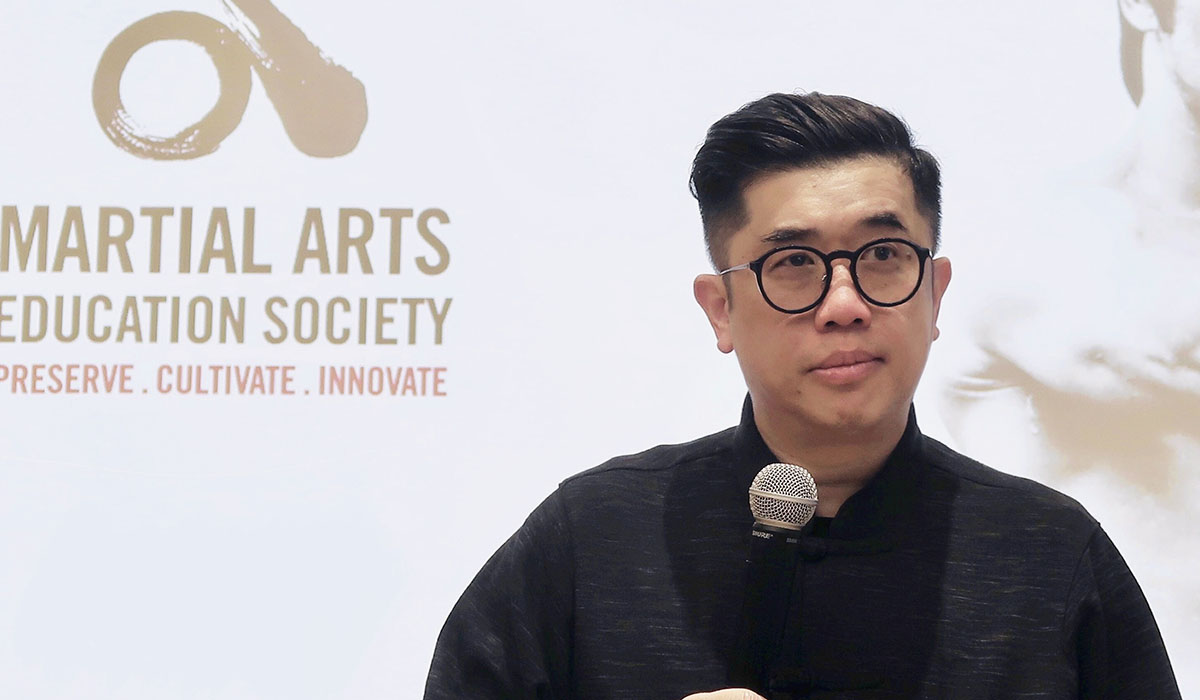
Meet Daily Point of Light Award honoree William Kwok. Read his story, and nominate an outstanding volunteer or family as a Daily Point of Light.
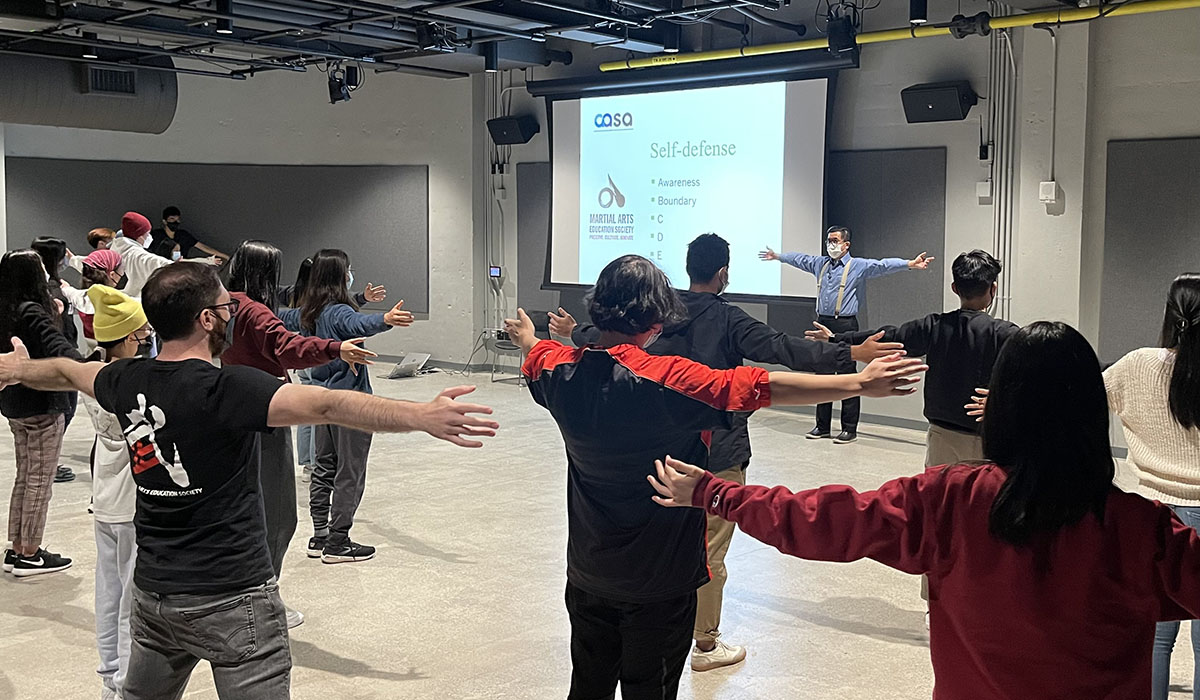
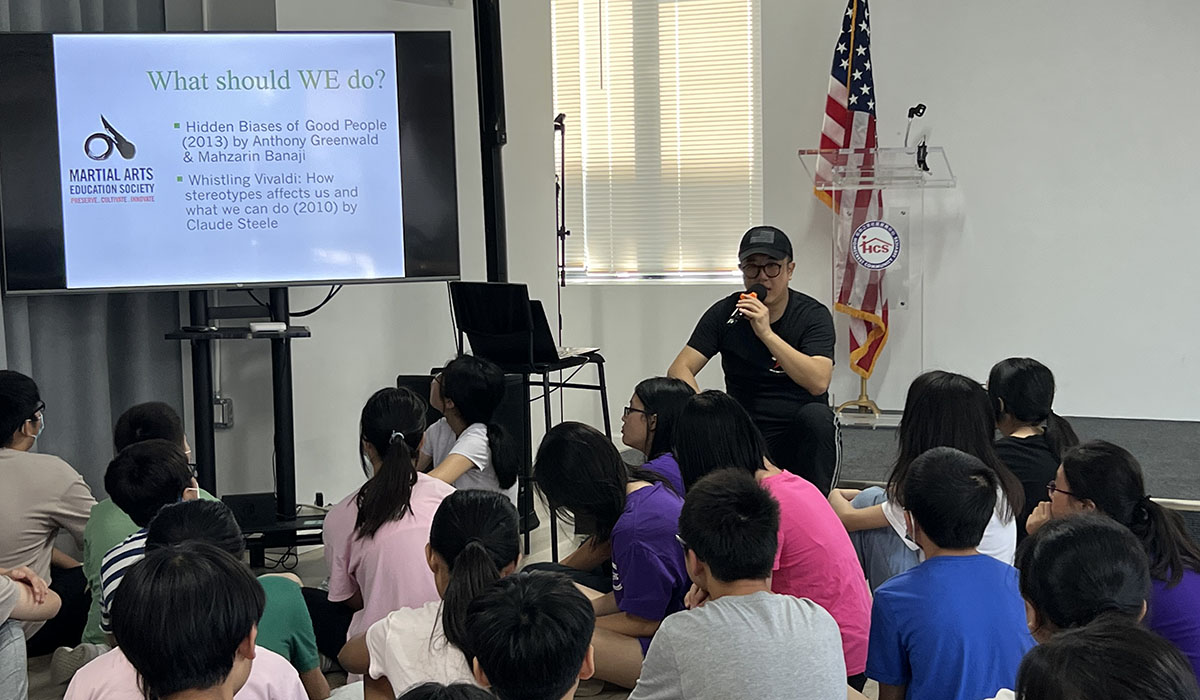
During the early months of the COVID-19 pandemic, William Kwok wanted to help his community. While the world was still shut down, many members of his New York neighborhood, particularly Asian-American women, felt rather unsafe in public spaces. William started hosting free online safety workshops to teach community members important situational awareness skills. When the world opened up again, he started hosting live workshops through his organization, the Martial Arts Education Society, which aims to promote the positive values and cultures of martial arts education that allow positive role-modeling, moral leadership and caring relationships to the general public. Designed to teach practical safety skills, the workshops also help participants build awareness, confidence, empathy and a stronger community connection. The groups also discuss topics such as stereotypes, bias, psychological self-defense and how actions and interactions can influence how communities see one another.
Each month, William spends five to 10 hours researching, preparing, coordinating with community partners and facilitating workshops. Thus far, he has hosted over 30 workshops, each serving 60 to 120 participants, including seniors, immigrants and other vulnerable residents. But the impact has also been proven: After the first three workshops, an independent evaluation found that attendees’ confidence in personal safety rose from 36% to 60%, while their confidence in helping others rose from 32% to 77%. Every time an attendee leaves one of William’s workshops, they feel safer in their community.
William says he doesn’t need to save the whole world. Instead, he hopes to do one small thing that will plant a seed and create a positive change within his community. His powerful ability to recognize a need and subsequently take action is a strong example of being a force for good through volunteerism.
What inspired you to get started with this initiative?
During the early months of the COVID pandemic in New York, I saw many Asian American community members, especially women, feel unsafe in public spaces. At the same time, I was also dealing with severe Bell’s Palsy during the city-wide shutdown. Because the city was shut down, access to regular treatment was very difficult. My recovery is actually still ongoing, but that period gave me a deeper understanding of vulnerability. I began to see that safety was not only a physical issue, but also an emotional and a psychological one. I realized people know they should stay calm, set boundaries and seek help, but under fear and pressure, they often freeze.
Tell us about your volunteer role with the Martial Arts Education Society.
I do community workshops. Each group is different. I do research about the group, and I will adapt my presentation to the needs of the group. The workshops are mainly on situational awareness and teach people how to set boundaries, about de-escalation and also bystander responses. Of course, it’s also about how to use their voice and posture when something is not right, and how to support other people without escalating the situation. The goal is not to turn these people into fighters, but instead to help them feel safer and more prepared.
What are your long-term plans or goals for the organization?
I want to continue the work, because I’m a researcher and martial arts educator. I just want to continue spending more time working with others, but the long-term goal is to encourage more people to do the work I do, because I’m only one person, and the New York City Asian community is not the only group that should have access to this kind of public education. So I’d like to expand the work.
What’s been the most rewarding part of your work?
When I can see an older participant realize that she does not have to fight or freeze, but can also use a voice or a posture and learn to step back and be able to be seen for help, or help other people to be safe. To me, that’s very meaningful, because the workshop may be only a few minutes. I always encourage them to share with their family members and friends. I’m planting a seed. They are spreading the words, and they might change their mentality in life. They might want to help someone who will change the community. If everyone does a little bit extra, the whole community will be very different.
What have you learned through your experiences as a volunteer?
Every group is different. When I teach the workshops, I always tell them, I’m not here to tell you what to do. I’m here to listen to what you need to tell me. It helps me. This experience helped me read and understand the community first before I go through the process of facilitating these workshops every time. It helps me understand myself and how I interact with people.
Why is it important for others to get involved with causes they care about?
We will always have problems in our society, so everyone should just start with what they can see in their own community. If they’re willing to begin with one skill or one relationship, or just one group of people who need support, I think that makes society a lot more beautiful.
Any advice for people who want to start volunteering?
As I said, we all have different skills. I do this professionally, but I want to serve people who may never walk into a martial arts school. They should have access to the tools and support. People can just begin with what they like or enjoy doing. Just do something you like.
What do you want people to learn from your story?
I hope people understand that martial arts can be a form of service. It’s not only about fighting. People have a misconception of it. But traditional martial arts can help people’s awareness, self-regulation, confidence and reasonable responses in difficult situations. I hope my work helps people move from fear to clarity and helps them know what to do and be able to respond when it matters.
Do you want to make a difference in your community like William? Find local volunteer opportunities.
Share this post
