Food insecurity in the United States is a year-round issue, but during chilly winter months the situation can become especially fraught. From severe winter storms that leave grocery stores depleted and cause shipping delays, to food pantries that don’t have enough goods to serve unhoused populations, to increased utility costs that leave Americans pinching pennies, food insecurity is particularly problematic at this time of year.
Fortunately, a host of organizations and initiatives exist to shed light on this issue. You can join the effort to put an end to food insecurity by using a couple of key elements from Points of Light’s
Donate to Organizations Addressing Food Insecurity
There are countless nonprofit organizations devoted to ending food insecurity in the United States. You can donate money or food itself — just ensure that the organization is accepting the type of food you’re donating. Or you can take another creative route like Daily Points of Light
to spread awareness about food insecurity on social media, petitioning for funding for your local food pantry or promoting the organizations working to solve this issue. Volunteering and donating are just two ways of effecting change. Your voice matters, and how you use it can have a critical impact.
by food insecurity, which points back to the systems and structures that leave them unsupported. So if you’re able to donate, volunteer or use your voice to support a BIPOC-led initiative, you can help empower these organizations and their leaders with your time, effort and resources.
Express Your Love With Civic Action This Valentine’s Day
Valentine’s Day is the holiday of love. Whether you’re a parent helping your children make cards and cupcakes for their classmates or you’re sending your sweetheart flowers and chocolates, you can express your love and light through civic engagement.
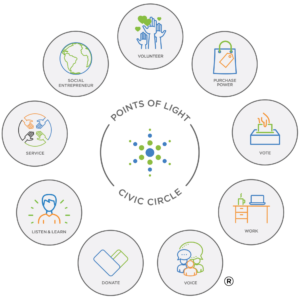
demonstrates that civic engagement comes in a variety of forms, from volunteering, to using your voice, to voting and more. This Valentine’s Day, here are three ways you can express your love for the people, the community and the causes you care about.
Donate in Honor of Someone Special
Honor a changemaker whose love for their community shines through their volunteering. Brighten their inbox with a special Points of Light ecard to let them know you’ve made a donation in their honor.
Cards and candy make wonderful gifts but for something truly unique, consider making a donation in honor of someone you love. Consider a cause you care about, and research the organizations that are working to impact it. Many nonprofits allow you to designate another person’s name on your donation. Some even issue certificates or e-cards that you can gift to the person as a memento.
about how donations impact the nonprofit sector, and ensure you’re contributing responsibly so that you support the cause.
Harness Your Purchase Power for Good
While you’re shopping for your loved ones, buy from local artisans or shop owners instead of supporting large chains. If you’re buying from a national or international brand, look into their corporate social responsibility efforts to see what they’re doing to support the causes that speak to you.
about advancing the causes you support, and create a personal action plan for using your voice.
Speaking up for every human’s right to love and be loved can be highly impactful. There are so many ways to support the LGBTQIA movement by using your voice, from starting a conversation with your family members at the dinner table to peacefully protesting at rallies to signing petitions advocating for legislative change. Your voice can be a powerful tool to help you serve as an ally and spur the change you wish to see.
that help you demonstrate your love for people, animals and the earth. To learn more about how you can express love and make an impact through volunteering,
However you express your love this Valentine’s Day, taking intentional action allows you to shine your light on the world’s biggest challenges and make our world a more loving place.
4 Ways to Make an Impact Together this Holiday Season
The holidays are an opportune time to slow down, reflect on the past year, enjoy quality time with loved ones and contribute meaningfully to our communities.
From using our purchase power to shop responsibly to exploring in-person and virtual volunteer opportunities, there are myriad ways for you and yours to get more civically engaged this holiday season. Points of Light’s Civic Circle is a framework that helps connect individuals to opportunities and show that doing good comes in many forms.
Here are some ways to get involved this holiday season.
Use your purchase power to make more informed decisions when shopping. Whether it’s shopping local, buying BIPOC-owned brands, supporting small businesses, or seeking out sustainable goods, where you choose to spend your dollar matters. You can greatly impact the causes you care about by doing a little upfront research and selecting products and brands that reflect your values.
Find in-person or virtual volunteer opportunities. Volunteering around the holidays can benefit everyone involved – the volunteer, the recipient, the nonprofit organization and the larger community. While some may opt to use their time and talents in person, like at a local food bank, others may feel more comfortable volunteering virtually. Fortunately, there are plenty of formal volunteer opportunities out there – and don’t forget about informal ones too, like shoveling snow on your neighborhood sidewalk or grocery shopping for an elderly neighbor.
Contribute with monetary or in-kind donations. Donating is one way to support the welfare of others, and donations don’t have to be large to be meaningful. You can choose to give money, goods (like coats, toiletries or food items) or services (helping with childcare, cleaning, car care or cooking).
Listening and learning about issues and cause areas is a year-round effort, but the holidays typically provide some extra opportunities. First, consider using some of your downtime to research the issues you care about. Listen to podcasts, read the news, watch conversations with experts. When you gather with friends or family, don’t avoid these topics. Dive in and discuss what you’re learning, listening to others’ perspectives respectfully as well. Often, it’s those times around the table that can help move us forward on an individual level, which then naturally extends outward.
, we’ve included a personal action plan. These worksheets are tailored to each facet of the Civic Circle and they help readers discover which causes they care most about, research organizations helping to solve these issues and then plan and prioritize their involvement.
Whatever ways you choose to get involved this year, sharing your light inspires others to do the same, and that collectively light can transform the world.
Finding Your Niche with Points of Light Board Member Jean Becker
is one of the few individuals who got the chance to work side-by-side with the organization’s founder, the late President George H.W. Bush.
She is the author of the compilation, “All the Best, George Bush: My Life in Letters and Other Writings” and her most recent publication, the
New York Times
Bestseller, “The Man I Knew: The Amazing Story of George H.W. Bush’s Post-Presidency,” published in 2021.
After serving as President Bush’s chief of staff for 25 years, Jean has ample wisdom to share with the world, and according to her, much of it was inspired by her time in the White House. Points of Light’s success and the legacy of the former president is deeply personal to her.
Jean first connected with the Bushes while reporting for USA Today during the 1988 election. One of her assignments was to edit weekly columns written for the paper by Barbara Bush and Kitty Dukakis (her husband, Massachusetts Governor Michael Dukakis, was the Democratic candidate for president). After the election, Jean was offered the job as deputy press secretary in the First Lady’s office. The offer threw her a bit – she loved being a reporter – but she quickly realized this was an opportunity and honor to which she must say “yes.”
When the President lost the election in 1992, Barbara Bush asked her to come to Houston with them to help research and edit her memoirs. Within a few years, she had grown close with the Bushes and eventually became President Bush’s chief of staff in 1994.
And while her roots in service were undeniably impacted most by watching the way the Bushes lived their lives, Jean has early memories of seeing service in the small Missouri farming community where she grew up.
“My mom and dad were both amazing volunteers in their community in their own way,” Jean said. She described watching her parents looking out for their neighbors — her mother taking casseroles to families who had lost a loved one, her father filling in to do planting or harvesting if another farmer was sick. “So I had this wonderful example of them pitching in, always helping, always being there. It was always informal — neighbor helping neighbor.”
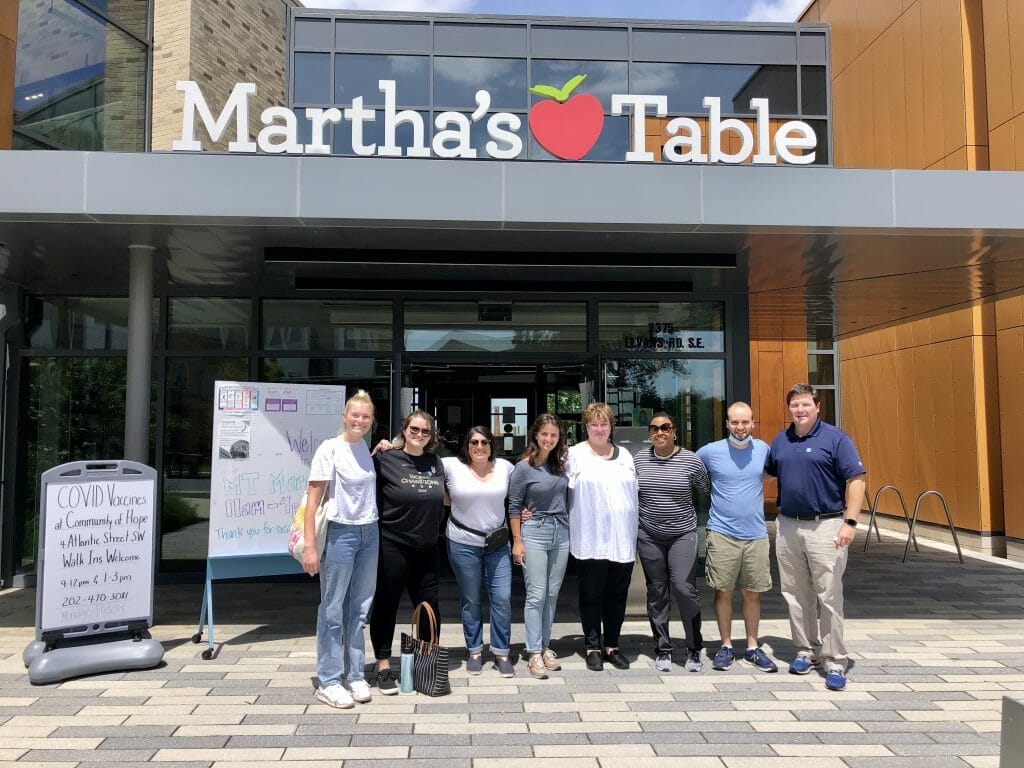
Jean Becker (center) and volunteers at Martha’s Table. Photo courtesy of Jean Becker.
Jean volunteered in various ways throughout her school years. She did a walk-a-thon for March of Dimes in high school. She was a candy striper at the local hospital. But after going to college for journalism and reporting for ten years, she landed the job of a lifetime, and one that would change her forever.
Jean’s trajectory of civic engagement, she says, was profoundly shaped by the Bushes. In her chief of staff role, she would watch the way the team responded to any sort of natural disaster or crisis with service. President Bush took immediate action, flying to the sites and stepping in where needed.
Jean (back left) and volunteers ride bus to deliver holiday gift bags.
The office would do a charity Christmas project every year, adopting a family impacted by Hurricane Katrina or military families, for example. For three years, the president’s office staff gave “Secret Santa” gift bags with Walmart gift cards, Christmas ornaments, household goods, and chocolate to people riding the city buses. “The Bushes showed me that getting involved and making a difference is something we need to make time for,” Jean said.
President Bush founded the Daily Point of Light Award in 1990 and Jean watched the award recipients become enamored with him. When the George H.W. Bush Presidential Library and Museum opened at Texas A&M in 1997, there was a celebratory event with 20,000 people, including former and current heads of state. President Bush invited the Daily Point of Light honorees from Texas and the surrounding states to join.
After the three-day celebration, the Bushes were absolutely exhausted from shaking hands, attending luncheons and dinners, and making speeches. They returned to their campus apartment to take a nap when Jean heard some commotion outside. She went to check out the source of the noise and found the Daily Point of Light awardees gathered together and asking to meet President Bush in person.
“And here he comes, after hearing all the commotion,” Jean remembers. “And they yelled, ‘Mr. President, we’re Daily Points of Light!’ And he stood out there and talked to them. He felt really connected to them. He felt they were all heroes.”
Today, Jean is adamant about carrying on this legacy of prioritizing service and volunteerism. She feels that President Bush left us a blueprint on how to lead a life well-lived through contribution to our communities.
Jean recalls, “President Bush used to say that somewhere in America every single problem is being solved. It’s not necessarily your government. Sometimes it’s your local United Way, your next door neighbor, your local nonprofit.”
Today, Jean supports multiple causes, including literacy, which was championed by former first lady Barbara Bush. She has participated in numerous events alongside the staff of the Barbara Bush Foundation for Family Literacy, recently spending the morning volunteering at Martha’s Table in Washington, D.C., packing food bank bags.
Besides Points of Light, she sits on the board of several nonprofit organizations, including one at The University of Missouri dedicated to teaching youth about the importance of the constitutional democracy. She is on another board with Lauren Bush Lauren that works to promote civility in today’s culture. One idea she has is to organize volunteers to help deal with the humanitarian crisis on the border between Texas and Mexico.
“This is the first time I’ve said this out loud. It’s been a crazy busy year for me as I’ve been doing a lot of book events and traveling a lot this fall, but in 2022, I’ve been thinking that I’d like to get even more involved,” Jean said.
To her, Points of Light’s goal is to help individuals and other organizations answer the question, “How are you solving a particular issue in your city?” Jean says she could have used Points of Light in her 20’s and 30’s because it would have helped her figure out what she was passionate about in terms of civic engagement, and how best to contribute her time and effort.
, in my mind, means nobody has an excuse ever again not to figure out a way of getting involved. If you can’t find your niche on that Civic Circle, what rock are you living under? It provides all the different portals you can march through.”
Jean recommends finding your passion or focus area and then getting involved, regardless of your situation in life. She says that volunteerism and service shouldn’t be about checking the boxes, and only through finding something that ignites you will you keep from growing tired, bored or frustrated with it.
Jean quotes President George H.W. Bush, “There can be no definition of a successful life that doesn’t include service to others.”
The Many Ways Millennials Engage: Points of Light’s New Civic Engagement Research
The COVID-19 pandemic was just the first of a series of major events that turned 2020 into one of the most active and meaningful years of civic engagement the United States has ever seen. While the pandemic initially prompted plenty of action on its own, other significant occurrences further transformed life for Americans: nationwide demonstrations on racial equity, a contentious U.S. presidential election and an assault on the U.S. Capitol.
To truly understand the civic responses and opportunities these events catalyzed, Points of Light embarked on a series of actions and research studies to help individuals, businesses and nonprofit organizations find rewarding roles within civic life. In 2021, in partnership with Influence|SG, we focused the research on the civic engagement of the millennial generation, the largest generation in history, the one occupying the majority of the workforce and largely responsible for shaping our “new normal” as we emerge from the pandemic.
, shares how a concentration of extraordinary experiences in a brief period of time has influenced the civic involvement of the millennial generation and whether their intentions to do more for society have or are likely to come to fruition.
This research builds upon Points of Light’s 2020 civic engagement research “Civic Life Today: A Look at American Civic Engagement Amid a Global Pandemic,” which studied the attitudes, motivations and barriers to civic engagement. This year’s report includes some fascinating findings, namely that the issues that millennials are most concerned about are not necessarily the same ones they’re taking action to support.
The research shows that millennials view social issues through a very personal lens. Whereas social issues used to be something they volunteered for to help other people, they now see themselves as among those affected. And for companies and nonprofit organizations, this insight should certainly impact communication strategies.
Organizations across sectors would be wise to implement methods of two-way communication. No longer is it enough to ask for support or donations with the latest cause. For organizations to become a conduit for millennial civic engagement, they must partner with this generation to find solutions that work for all parties involved.
Millennials believe companies should be actively involved in social issues, and two-thirds visit corporate websites at least somewhat often to learn about their efforts. This means that corporate social responsibility is no longer a bonus effort or a nice-to-have — it’s directly affecting brands’ bottom lines. The same goes for recruiting and retention of the millennial workforce.
Points of Light will also host a webinar on Oct. 7 at 1 p.m. ET, featuring our President & CEO Natalye Paquin and Influence|SG’s managing director Derrick Feldman, to take a deeper dive into the research.
as well as key takeaways for applying this research as we forge ahead, making decisions that will shape the culture, policy and ethos of our brave new world.
Honor & Remember: Ways to Participate in 9/11 National Day of Service
9/11 National Day of Service is an opportunity to turn tragedy into a day of remembrance and service. As we approach the 20th anniversary of September 11, 2001, this is an opportunity to pay tribute to the lives of those lost and injured, as well as create a new moment of meaning on this day.
Here are a few ways that you can participate in this day of remembrance and help make the world a better, kinder place.
Teach youth about the significance of this day with 9/11 Day lesson plans
Currently, young people were not even born when 9/11 happened, and many under 25 years old were too young to remember the experience. Fortunately, the
to be used for both virtual and in-person learning. If you’re a teacher, utilize the website for some helpful tools to share the importance of this day with your students.
Take action with DIY toolkits for first responders
On this historic day in 2001, first responders bravely provided emergency services to thousands across the Northeast United States and throughout the nation. These essential workers helped ensure that critical needs were met, often working constant overtime to show up and help. Now, during the COVID-19 pandemic, essential workers are still providing services to communities everywhere. Why not recognize their efforts through a
has a variety of toolkits tailored to these specific needs. Find ways to inspire your employees to take part in virtual volunteering, download logos for your marketing materials and more.
Join the 9/11 Day in Packing 2.5 Million Meals
On Sept. 11, 9/11 Day is organizing meal packing events in the following cities:
offers idea sharing around creative, impactful and inspiring ways for people to engage in their communities, so search for an organization near you to find out more. And stop by our
to identify in-person and virtual volunteer opportunities near you.
A Reflection on Service by Asma Ahmed
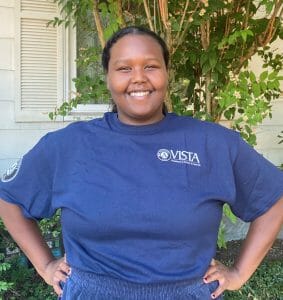
My AmeriCorps service year has been a huge part of my development both professionally and personally. The act of service is an integral part of the community I was raised in. My family and I immigrated to the United States at a young age and settled in the Pacific Northwest where we were met with a community of people who shared our background. We were immediately drawn to each other and supported one another through the difficulties of building a life in a new country. The kindness and service of others has been lifechanging for me and my family and because of that, the importance of service was instilled in me early on.
When I became a barista at Starbucks, I wanted to play a bigger role in the community I worked in. This meant doing my own research to learn about the needs in my community and how I could get involved. I found an organization near my store and was able to host a diaper drive in support of them. This was a great way for me and my fellow baristas to become engaged in community service. This experience made me curious about other ways I could lend my hand. After some digging, I learned of a program through Starbucks called The Starbucks Foundation Service Fellows (a program developed in partnership with Points of Light). I joined enthusiastically and was placed at an organization called United Way of King County, not knowing what this organization would have in store for me.
During the seven months of this fellowship, I worked with the Volunteer Engagement Team where I supported Martin Luther King Jr. Day of Service, built relationships with community-based organizations and was able to try my hand at a small amount of grantmaking. It was so exciting to engage with community in this way and to gain new skills while doing so. I didn’t want this time to end so I investigated ways I could continue to support this organization. I learned of a program called AmeriCorps VISTA or Volunteers in Service to America, in which an individual works a full time, one-year term at an organization to help build their capacity. This was just what I wanted. I was excited about the possibility of doing this work for an entire year. Shortly after my fellowship ended, I began my AmeriCorps term working on an early learning program called ParentChild+.
I worked with a brilliant team in the education department where I learned that achieving education equity started at an early age and that we needed to be strategic about how we made sure that children who are Black, Indigenous, and People of Color (BIPOC) have equal possibilities in the American school system from the start by providing culturally relevant educational support through this program. This was a huge turning point for me as I realized that a program like this could have been so helpful to me as a child. I learned that the number of BIPOC children who are not kindergarten ready was disproportionately higher compared to their white peers and I felt a connection with that experience. Throughout the year, I was encouraged to provide input on decisions made about the program and to continue my learning and participation in other areas of the organization, as well. I was a sponge during my term of service and learned, more intimately, about the needs of the community and how to think strategically to address the inequities that affected BIPOC communities, which included my own.
While I gained so much from my year of service, it was not without challenges. AmeriCorps has historically been a program that pays a living stipend under the federal poverty line. It was a challenge to support anti-poverty work while making such a low monthly stipend. I can imagine that for other BIPOC AmeriCorps members, who similarly may not have the generational wealth that others have to support them through the program, it was a challenge too. For the program to encourage more BIPOC individuals to apply and serve, I think it’s imperative that AmeriCorps members are paid a livable wage and that we acknowledge the important lived experience of BIPOC members who are uniquely positioned to respond to the tragedy of poverty that disproportionally impacts BIPOC communities.
My time as an AmeriCorps has come to an end, but I’m excited to take the skills I learned and transition them into my new position as a volunteer engagement manager at the same organization I served with, United Way of King County. I know my AmeriCorps service year was a huge part of the reason I got this opportunity and I’m so thankful. My commitment to service has taken me in many directions but it culminated in committing a year of my life to serve as an AmeriCorps VISTA. It was truly a life changing year.
Representation Matters: An Interview with Nicole Cannizzaro
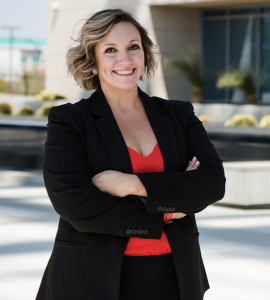
Nicole Cannizzaro was first elected to the Nevada State Senate in 2016. In 2019, Nicole became the first woman elected to the position of Majority Leader of the State Senate in Nevada’s history.
During her time in the legislature, Nicole has been a passionate advocate for our state’s most vulnerable communities, sponsoring legislation to protect senior citizens from elder abuse, crack down on domestic violence offenders and eliminate barriers for disabled veterans to obtain medical treatment. She also took the lead on legislation to increase access to mental health services through mobile mental health units and provided more workplace protections for pregnant women. She has also been a champion for Nevada public schools, passing the two largest education budgets in state history in both her sessions as Majority Leader of the Nevada Senate.
Nicole was born and raised in Las Vegas. A lifelong Nevadan,
she
is a product of Nevada’s public K-12 and higher education systems. She earned a Bachelor’s in Business Administration from the University of Nevada, Reno and, following college, she earned her law degree from the UNLV Boyd School of Law. Upon graduation, Nicole began her legal career in private practice with a focus on civil litigation. Nicole ultimately decided to pursue public service, and she joined the Clark County District Attorney’s Office in 2011. Currently, Nicole works as a Chief Deputy District Attorney in the gang unit. Nicole is married to her husband, Nathan, and they welcomed their first son this summer.
What inspired you to run for office and be a public servant?
For me, running for office is about supporting the community around you. Growing up, my parents worked as a bartender and a waitress. They moved to Nevada because there were opportunities for jobs. Not having a high school education, they worked hard every day to make sure my sisters and I had everything we needed.
When I was in elementary school, my mom used to work at a lunch cafe downtown and, from time to time, my dad would have to pick me up from school and drop me off at her workplace until she finished the shift. My parents worked opposite shifts to ensure someone was always home with the kids and someone was always working. The cafe was about a block away from the courthouse downtown. Naturally, the seats were filled with lawyers having lunch with colleagues. I saw them and thought lawyers seemed so cool, wearing suits, carrying briefcases and discussing important topics. From an early age, I told my mom I wanted to be a lawyer. That was a lofty goal in my family, but my mom told me if I worked hard and went to school, I could be a lawyer. I was fortunate to get a good education from teachers who cared about my education. They pushed me and challenged me. I earned a state scholarship to attend college, a scholarship the Nevada Legislature actually created.
I graduated from the University of Nevada, Reno and went on to attend law school at the University of Nevada, Las Vegas William S. Boys School of Law. I now work as a prosecutor in the District Attorney’s Office, just across the street from what was once a little lunch cafe filled with lawyers. This community gave me the opportunities to succeed, without which, I would not be where I am today.
As someone who benefitted from the community around me, I found myself engaged by the very issues that were so instrumental to my own experience; things like giving students a quality education, ensuring good paying jobs exist here and supporting working families. I became interested in how those decisions were being made at the state level, and eventually, decided to run for legislative office in hopes of working on those issues. If I wanted to make sure our state was investing in the same kinds of opportunities that afforded me the ability to succeed, then my voice needed to be at the table. What inspired me to run was my own experience and all of the support this community provided to me. The chance to serve in the legislature allows me to ensure Nevada is still the kind of place where opportunities are possible.
Politics can be polarizing for people. Why do you think public service is an important way to be civically engaged?
Politics can be a difficult space to feel comfortable because there can be so much disagreement and polarization. But, so many decisions that affect our everyday lives are made in the political and legislative space, and getting engaged in public service is one of the ways to ensure important voices and positions are part of those decisions. It can be easy to walk away from engaging in public service, but I would offer that without opposite viewpoints, we would be homogeneous in how we approach solutions to everyday issues.
I believe there is a healthy space where we can disagree, yet still hear each other out and come up with solutions that consider and address those differing viewpoints. There are so many shared values we have – things like ensuring kids can get a quality education, for example – and if we focus on coming together with those shared values in mind, there is room to have a healthy discussion about those issues without being polarizing. I would encourage anyone thinking of getting involved in public service to not get discouraged by the common notion that everything in politics is polarizing, and instead approach it as a discussion point to hear out all sides of an issue.
You’ve been a part of a number of significant firsts. You’re the first female majority leader in Nevada and the state is the first in the United States to have a majority-female legislature. Why is representation so important?
Being part of the first female majority legislature is not only exciting from a historical context, but also because it has allowed for voices that have traditionally been unrepresented in state legislatures to be at the forefront of decision making. If you walk through the halls of the Nevada Legislature, there are rows of composite pictures from past legislative sessions lining the hallways. Female legislators make up not just a minority of the body, but in many of them, represent a few or a handful of spots.
Now, if you walk the halls of the Nevada Legislative building and you were to randomly stop by an office, the odds of encountering a female legislator are greater than encountering a male legislator. This shift in representation means the voices of those women and their experiences are influencing and impacting policy decisions for the State. When the representation of a body reflects the people in the community, or when a traditionally underrepresented population is now part of the majority, those voices are better able to be heard, considered, and are therefore more impactful.
By example, prior to the female majority, there had been numerous attempts to pass an equal pay bill. Some versions over the years were heard and even voted on, while others were introduced, but never even given a hearing. During those hearings, the discussion often focused on whether equal pay was even an issue worth considering. Once we got a female majority, the conversation shifted from whether it was worth discussing to how we could implement a law that was balanced and purposeful. The conversation changes when more voices are at the table to share their experiences. I find the more we have diverse representation, the more those points of view can impact the policy decisions being made at the legislature.
Being the first can present some challenges. What have been the biggest obstacles you have encountered thus far? How do you overcome them?
Just prior to the 2018 elections, I started to get asked what would happen if we ended up with the first female majority legislature, and whether everything would change or if we would be able to continue to get the business of the State done during the legislative session. People were nervous about whether having a majority of women would mean that traditional topics or the essential business of the state would be set by the wayside. Instead, would we only focus on issues deemed to be “women’s issues”?
I think people were afraid of what and how much would change with a shift in leadership and representation. Any time you are the first of anything, you want to set a good example of what that milestone means. If you are breaking the mold, you also become the building block for the future and a new mold that people will follow, so naturally you want to do a good job and be able to look back at your accomplishments with pride. There’s also quite a bit of added pressure to make sure you are successful.
With the female majority, there was this idea that we might not be able to accomplish what we needed to, and if that did happen, it would then set a precedent that women cannot legislate effectively. It would make it more difficult for women to get support running for office, and certainly more difficult to fundraise to support those races. It would make it more difficult to elevate women to positions of leadership in the future or to trust them to handle important pieces of legislation.
So, there was a bit of pressure to make sure we had a successful session. In the end, we not only brought women’s issues to the table, like ensuring pregnant women had accommodations in the workplace, but we also managed to pass a state budget, fund education at the highest levels ever seen in the state, invest in renewable energy and create jobs, pass safeguards to reduce healthcare costs and so many other things that we left that session with a lengthy list of accomplishments that were done by the first female majority legislative body.
What advice would you give to someone who is interested in service but doesn’t know where to start?
There are so many opportunities to get involved in public service, not just getting involved in the legislative space, and I would encourage anyone who is interested in public service to start by thinking about the issues they are passionate about. For me, it was education and jobs, and most of those decisions are made at the legislative level, so that was a natural place for me to start. I actually just reached out to a few sitting legislators and their staff and started asking questions. I think that can be a highly effective way to figure out what the best approach may be for you. Wherever those decisions are being made for the things you care about, that’s where you need to be. Don’t be afraid to reach out, ask plenty of questions and jump in.
Service Is a Catalyst: An Interview with Scott Beale
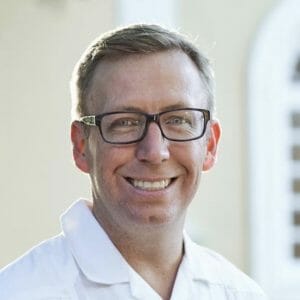
Scott is a lifelong champion for international volunteerism. Currently he is the Associate Director of the Peace Corps leading the agency’s global operations. He is passionate about supporting leaders from diverse backgrounds in the U.S. and around the world. For the past 15-years, Scott founded and led
, a leadership development program for the world’s best social change professionals.
Sometimes called a “reverse Peace Corps,” Atlas Corps brings leaders from around the world to serve in the U.S. Atlas Corps has supported more than 1,100 individuals from 110 countries. The Nonprofit Times twice named Scott one of the Top 50 Nonprofit CEOs in the U.S.
Previously, Scott worked with the State Department in India; he led Ashoka’s Youth Venture; he served in the Clinton White House as the associate director of intergovernmental affairs; and worked with Governor Carper when he was Chair of the National Governors’ Association. After volunteering in Mostar, Bosnia in 1996, Scott returned as a core supervisor for OSCE organizing the first-ever municipal elections.
He also authored ”The Millennial Manifesto,” a book on the politics and activism of the Millennial generation in 2003.
Scott has a bachelor’s degree from Georgetown University and a master’s in public administration from the University of Delaware. He is a Presidential Leadership Scholars alum and was an adjunct professor at Georgetown and UVA. He serves on the Board of AIESEC USA.
He has lived in eight different countries.
Scott is a triathlete who has completed a half-Iron Man and enjoys racing with his wife and two sons.
What role has service played in your life both personally and professionally?
My parents were both teachers and my education was paid for largely by the generosity of scholarships. Due to my parents’ influence and as a result of benefitting from the generosity of others, I committed myself to service early. This has been through public service (White House, State Department, Peace Corps) and through nonprofit service (as a volunteer in DC and Bosnia, and professionally through Ashoka and Atlas Corps). Initially service was a way for me to support a school, a community and a nation that had given me so much, but quickly my service evolved into a way to develop my own skills and to build my empathy and knowledge in a complicated world.
As a student at Georgetown, my service journey started through student government and expanded to include Alpha Phi Omega (international coed service fraternity). Through these groups I developed my leadership abilities and learned that I had the power to not only make a difference through my own actions, but to inspire and assist others on their service journey. I also learned the importance of building a personal community that inspired me to do more as well. These friends inspired me to volunteer at a youth house in Bosnia in 1996 and then drop out of school in 1997 to work for State Department organizing elections in Bosnia. Service put me on a trajectory that led to launching an international nonprofit that provides opportunities for thousands of people around the world to volunteer and to now leading global operations at the Peace Corps.
What is Atlas Corps and what inspired you to found it?
Atlas Corps is an international nonprofit with the mission to address critical social issues by developing leaders and strengthening organizations through professional development opportunities that include an overseas exchange as well as online training. Atlas Corps is most known for being a “reverse Peace Corps” that identifies civil society leaders overseas and gives them the opportunity to volunteer in the U.S., but the organization also has a robust online training program as well. Over the past 15 years, 1,100 leaders from 110 countries have joined the Atlas Corps Leaders Community.
I was inspired to found this organization because my own experience as a volunteer in Bosnia taught me the powerful affect service can have on developing one’s professional capacity and leadership skills. And while living in India as a U.S. Diplomat, it occurred to me that more people overseas should have the opportunity that I had to serve abroad. I was struck by how talent is universally distributed in the world, but opportunity is not. I founded Atlas Corps to give the world’s best leaders the opportunity to serve in the U.S. to advance their professional development, while also allowing people in the U.S. to learn from their perspectives and experience.
During your career, how have you witnessed the impact of service on an individual?
Much of my career has been focused on long-term, overseas service. I have interacted with thousands of people from all over the world who have participated in this type of service and it has literally changed the lives of every single participant. It is impossible to volunteer outside of your country for an extended period of time without being impacted by that experience.
One Atlas Corps Volunteer from India, Meenakshi Monga, who served at Making Cents International in the U.S., thanked me for changing her life and went on to say, “You’ve also changed the lives of my future children and grandchildren. This experience of service overseas has changed my perspective, advanced my skills and set me on a new path.” Her comment rang true with me because I met my own wife volunteering in college and our experiences volunteering overseas led us into State Department. We now have two boys who have spent most of their young lives abroad while my wife and I worked in Cuba and Mexico. There are so few decisions as powerful as the decision to volunteer abroad; it changes your life, the lives around you and impacts generations to come.
As you’ve noted, we know programs like Peace Corps and Atlas Corps have a profound impact on the people who serve. Tell us more about the importance of service for communities.
I believe one of the long-term effects of the pandemic is a reorientation of the focus from self, to a wider focus on others. My hope is that as we get through the terrible wake of COVID, there is a greater appreciation for how our actions can harm, or help, others and that we do not live in isolation.
To me, service is the highest form of love for others. In particular, volunteerism is most powerful when done with a humble heart, and an open and informed mind. We live in communities, in a country, in a world with great inequality – not just of resources, but also of opportunity. We live in a world shackled by structural racism and injustice. In different ways we are all a part of it and we are all held back by it. When done right (humble, open), volunteerism is a path to empower others and yourself to overcome some of these challenges. Whether tutoring a child in your community or in a refugee camp 1,000 miles away, you are expanding opportunities. When addressing climate change in your state or serving overseas on environmental projects, you are making an impact for everyone.
People in service want to make a positive impact on the communities they work with. How can they best balance this intention while avoiding unintentional harm that can come into play with service?
The greatest community impact of volunteerism is when the programs are well-designed to build the capacity of local communities, in partnership with local communities. We need to be careful to volunteer in ways that are not a form of white saviorism, nor neocolonialism. We must avoid the unintended consequences of creating dependencies through our actions. Much of this responsibility is on the organizers of the volunteer opportunities. From the very beginning the program design must have the input from the community – what help are they seeking, how can it be done in partnership, what must volunteers know to respect local traditions and customs. Too often the volunteer experiences are designed poorly from the start because the local community was engaged too late in the process. At the Peace Corps, each placement begins with the Host Country asking for the support and the sites are designed in partnership with the community.
It would be naïve to say all volunteerism is positive for all communities all of the time. But I truly believe the ingredients for success are not complicated and volunteers can address critical issues at home and abroad, particularly through long-term service that is done in partnership with communities and in a humble manner to both learn and serve. Service does not need to be perfect for it to be profoundly good, but it does require more than just good intentions.
What advice would you give to someone interested in a service program but is unsure if they want to make the commitment?
Ask yourself what is holding you back? Is it fear? It is your parents? Is it insecurity about how you can make a difference? Is it economic instability or some pre-determined definition of what success looks like? I understand this fear.
When I graduated from college not only did I have a ton of debt, I thought two years with the Peace Corps would be an eternity. I remember two years later one of my best friends coming back from serving in Costa Rica and thinking to myself, “I cannot believe two years just passed by.” And, that friend had more money from his education award than I had saved working on Capitol Hill. In fact, I am a firm believer there is no one best time to volunteer.
Most of the time, we create excuses for ourselves out of some form of fear. I hope you are able to overcome that fear and embark on a journey that will likely have the greatest impact on your life and those around you. For me, only who I married was a bigger decision – and I met her through volunteering! So, service can be a large commitment and can come with risks, but the rewards are so much greater and long lasting than you can even imagine.
The New Philanthropist: An Interview with Pamela Norley
As president of Fidelity Charitable, Pamela Norley is a leading voice in advocating for the power of American philanthropy across the world. Outside of the office, Ms. Norley volunteers her time as vice-chair of the Board of Directors for Points of Light. She also serves on the boards of the U.S. Impact Investing Alliance, Research Triangle Park Foundation and the Flying Kites School Network.
For those not familiar with the concept of philanthropy, what is it? What makes someone a philanthropist?
For many, the term “philanthropy” has traditionally called to mind wealthy families bestowing large endowments on major institutions. But for me, my idea of what it means to be a philanthropist was shaped by my dad.
Donating was second nature to my father, and he had this knack for knowing what people needed and when he could help. When he ran his own business, he made sure all his employees had turkeys at Thanksgiving and Christmas and hams at Easter. And it wasn’t until later that I learned that he anonymously paid off the mortgages of neighbors whose homes were in foreclosure and bought suits for local high school students interviewing for college.
My dad really embodied the original meaning of philanthropy—”love of humanity”—and, luckily for the world, he’s not the only one. Increasingly, we’re finding that people are embracing this much more broad and multifaceted definition.
Recently, donors—particularly those of younger generations—are thinking beyond traditional monetary donations to 501(c)(3) organizations and reframing the concept of philanthropy as any act of social good, whatever form it takes. That could besharing your time through volunteering, using your social media platform to advocate for a cause or changing your consumer habits to better align with your values. To put it simply, anyone sharing their time, talent or treasure to make the world a better place can be a philanthropist. And we’ve really seen this more accessible and inclusive definition resonate with younger donors. In fact, three-quarters of millennial donors say that they consider themselves to be philanthropists, compared to just 35 percent of Baby Boomer donors.
How are the ways in which younger generations, such as millennials and gen Z, make decisions about how and where to make philanthropic contributions changing?
We certainly see younger donors approach their decisions differently than donors of older generations. We see younger donors prioritize contributing to small, innovative organizations where they can easily see the effectiveness of their support. We see peer-to-peer advocacy creating an influencer culture around donating. But this question really goes far beyond how younger generations approach charitable giving and gets at how they approach life.
Younger generations are finding ways to integrate their values around philanthropy into everyday decisions. For their parents or grandparents, donating has often been siloed as an action separate from other aspects of daily life, but younger donors take a more holistic approach. It is now second nature to consider the social benefit of their actions before making a decision. They choose products from brands like Warby Parker, TOMS, or Bombas that incorporate social good into their business models. They leverage major milestones like birthdays and weddings to fundraise for their favorite causes. They consider a company’s corporate social responsibility when deciding whether to take a job offer. And these are just a few examples. Particularly for these generations, it’s no longer about charitable giving; it’s about charitable living.
What can older generations learn from younger generations about investing in the issues they care about?
To me, the greatest lesson from younger generations’ philanthropy is the power of using your voice to increase the power of your dollars. Many older donors don’t want their donating to be visible, which may be related to feelings that anything connected to money should be handled privately. But younger generations understand the power of sharing and making the causes they care about more visible. Even if you aren’t able to afford large donations, you can use your voice to share favorite causes or organizations and to ask for others to support the same issues. Every post and interaction is an opportunity to plug into something bigger and make more of a difference.
Recent research has shown a growing trend by younger generations to donate to individuals versus the organizations themselves. Why is it important for people to also donate to nonprofits?
For many, giving money directly to an individual or family is one of the most tangible ways to support others. With the growing accessibility of online platforms such as GoFundMe, Patreon or DonorsChoose—and younger donors’ strong focus on seeing the demonstrated impact of their donations—it’s no surprise that direct donations are an appealing way to engage in philanthropy.
However, through their on-the-ground experience, nonprofit organizations are centers of knowledge and expertise in addressing the challenges that their communities face. They also may have greater visibility into the populations who leverage their services. Further, unlike one-to-one gifts, nonprofits work at scale to help a greater number of people with a similar donation. For example, Feeding America reports that they are able to provide 10 meals for every $1 donated. This combination of expertise and efficiency enables organizations to set up systems that can transform whole communities.
Finally, while donating directly can make an immediate impact in meeting one individual’s request, the underlying systemic issues that influence those requests continue to go unaddressed. Often, nonprofit organizations not only work to provide direct services, but also advocate for systemic change at the policy level. That scope of work is much more difficult to organize and manage on the individual level.
How can donating be a pathway to deeper civic engagement (volunteering, using your voice, etc.)?
Above all, I hope donors understand the full breadth of ways that they can make an impact on the world. Sometimes it starts with just one donation, sometimes with a vote, sometimes with a simple ”like” on social media. All of these are great entry points to making more of a difference, and they can build on each other over time.
I’m reminded of Fidelity Charitable donors Peter and Kendra Amico. They believe that passion for a cause should inspire your donations, but that the opposite is also true. In addition to donating to causes that they care deeply about—those that are top of mind and heart because of a direct experience—they also give to causes that they
want
to care more about, including issues outside of their experience and maybe their imagination.
When you put your money toward something, you begin to care more about it and become personally invested in progress in that area. And that new passion can be the inspiration needed to engage more deeply, through volunteering and speaking up for those who need your voice even when it’s tiring or difficult.



 When I became a barista at Starbucks, I wanted to play a bigger role in the community I worked in. This meant doing my own research to learn about the needs in my community and how I could get involved. I found an organization near my store and was able to host a diaper drive in support of them. This was a great way for me and my fellow baristas to become engaged in community service. This experience made me curious about other ways I could lend my hand. After some digging, I learned of a program through Starbucks called The Starbucks Foundation Service Fellows (a program developed in partnership with Points of Light). I joined enthusiastically and was placed at an organization called United Way of King County, not knowing what this organization would have in store for me.
  Politics can be a difficult space to feel comfortable because there can be so much disagreement and polarization. But, so many decisions that affect our everyday lives are made in the political and legislative space, and getting engaged in public service is one of the ways to ensure important voices and positions are part of those decisions. It can be easy to walk away from engaging in public service, but I would offer that without opposite viewpoints, we would be homogeneous in how we approach solutions to everyday issues.
  Scott is a lifelong champion for international volunteerism. Currently he is the Associate Director of the Peace Corps leading the agency’s global operations. He is passionate about supporting leaders from diverse backgrounds in the U.S. and around the world. For the past 15-years, Scott founded and led