Activate Good: Inspiring Action Through Innovative Volunteer Engagement
Global Volunteer Month is a time to celebrate the power of volunteers to make a positive impact within communities worldwide. Points of Light is shining a light on
affiliate making waves in the Triangle region of North Carolina.
Activate Good is focused on improving the community through various volunteer-driven projects. They see a future where everyone uses their inherent power to make a difference locally. We spoke with Rose Thompson, senior programs manager at Activate Good, to get her perspective on their new Learn and Serve model and all the innovative ways they’re inspiring volunteerism.
Tell us about a project or initiative you’re working on that’s making a big impact on your community.
In 2023, Activate Good launched a new model for volunteer engagement: The Learn and Serve. Learn and Serve is a new approach that aims to transform volunteering into a vehicle for greater civic participation and empowerment. The Learn and Serve model deepens engagement and understanding while challenging volunteers to take what they’ve learned to the next level through repeat participation, outreach and advocacy.
As the Triangle region’s Points of Light Affiliate, Activate Good is working to evolve and incorporate the
framework and these findings into our programs and throughout our organization. Our Learn and Serve model is one of the ways we are doing this.
In 2023, Learn and Serve projects facilitated more than 2,000 hours of learning and engagement. We surveyed participants, and as a result of participating in a Learn and Serve:
89% plan to volunteer more in the next year.
93%better understand how people different from them in the community might feel.
“As I look back on 2023, what strikes me most is the dedication of our amazing Staff, Board members, and volunteers in ensuring that our community will always have people who have its back,” said Amber Smith, founder and executive director of Activate Good. “With a small but mighty team and limited resources, we somehow managed to break our own records, facilitating over 20,000 volunteer sign ups through last year. We built capacity for hundreds of organizations and schools and activated community members to start or grow on their personal journey to become lifelong changemakers.”
Tell us about an upcoming special event or milestone that your organization is celebrating.
Our visionary founder and executive director, Amber Smith, is departing our organization after nearly 20 years of being its driving force. We are hosting a farewell fundraiser in her honor, and the new executive director will be a part of that event on April 30.
How are you recognizing and thanking volunteers for their contributions?
We host an annual event in November to show gratitude to our project leaders, sponsors, donors, etc. called Thanks(for)Giving! We also have recognized volunteers with the Daily Point of Light Award (in years past) and the PVSA (in 2023), and we host The Civic 50.
What’s one piece of advice you’d give someone who’s looking to get more involved in their community through civic engagement?
We believe we all have a responsibility to work towards a better world, and we hope you’ll join us on a journey of transformation.
Ask a CSR Friend: Launching an Employee Volunteer Recognition Strategy
Looking for CSR advice?
Hear from our experts right here in our Ask a CSR Friend monthly column.
I lead my employer’s employee volunteer program and, while we do some great spontaneous recognition of employee volunteers, we’ve never put together something that formally honors their dedication to showing up and going above and beyond. Plus, I’ve heard from a few of my peers that other companies use recognition strategies to accelerate growth and interest in employee volunteering. I think 2024 is the year we start putting plans in place, but I’m not sure where to begin. Can you give me some advice?
Ready to Recognize Volunteers in Rome
Dear Ready to Recognize,
There’s no time like the present, and I commend you for seeing the need for improvement in the way you celebrate and lift up employee volunteers and volunteer leaders. I’ve put together some questions to guide your journey in developing a formal recognition strategy. Let me know how it turns out.
Determine Readiness
Is your organization and program prepared to integrate a recognition strategy? Is now the right time to begin formalizing your plan and tactics?
Knowing that it will take time to develop and approve a strategy, begin with an assessment of current capacity and upcoming milestones while surveying your key stakeholders for their thoughts on timing.
Set the Stage
What are the overall objectives underlying your recognition strategy? Set goals around what’s important to you, the program and your senior staff. Think about setting goals around increased awareness internally or externally, increased participation, increased volunteer satisfaction and retention, increased understanding of volunteer guidelines and so forth. Then, create a plan for data collection.
Who should be included in the program’s development? Gather feedback from employees (whether they volunteer or not) on how they’d like to be recognized and include them, as well as other key stakeholders, in the process of designing the strategy.
What kind of budget will you have access to year over year? To sustain momentum and avoid inconsistency, a formal recognition program must be consistently well-funded and administered. Can you take advantage of enterprise-wide recognition tactics already in place to defray your need for a sizeable budget? If you’re working for a small organization or haven’t yet been able to set aside funding for recognition, understand those limitations and focus on what you can accomplish in that environment.
How can the recognition program help meet the volunteer program’s objectives and overall company or employee development goals? When you are celebrating someone’s actions, you are also lifting them up as a role model. Consider aligning your tactics with certain leadership competencies important to your company.
Do you have a solid understanding of cultural nuances that may affect localizing a company-wide volunteer recognition strategy across all markets? While corporate culture may override local culture in some instances, ask your in-country teammates for direction. For example, in some countries emphasis is placed on productivity so a celebratory event that takes employees away from their workday may not fit. Employees in China have a deep respect for authority, so engagement with and acknowledgment from senior leaders is key. And your European co-workers may feel uncomfortable being recognized formally for their participation and may balk when asked to report their volunteer time.
Design the Right Approach
How can recognition for — and from — different types of volunteers be integrated into the strategy (e.g., project leaders, executive sponsors, champions or committee members, etc.)? Evidence shows that when recognition is shared and peers can add their own congratulations, it is more impactful and amplifies your investment.
Will your strategy be 100% digital and virtual, solely events-based, or a mix of both? Will you give symbolic awards, financial rewards, some or all of these? Many of these decisions will be based on capacity, resources, corporate culture and goals along with how your colleagues want to be recognized.
What will the reward criteria and eligibility rules include? Who will judge nominations if needed? Are there company assets or resources that can be leveraged as rewards? Ensure rules and criteria are specific and in line with the achievement and the degree of effort they represent. To be impactful, recognition must be specific and call out exactly what was so remarkable. Make sure your strategy is fair and objective and appears that way to participants; every employee volunteer who meets criteria should be eligible.
How and when will the volunteer award(s) be announced?What communication vehicles currently exist to promote the award internally and externally? Are there corporate milestones to which you can align the planning process and/or announcement(s)? Make sure award presentations are timely. Once a year may not be enough for the volume of your program. Create a steady drumbeat of communications around recognition, even if your budget only allows for an annual company-wide opportunity.
Implement and Administer
How much staff time can be devoted to administering the recognition program? Will it be administered from the company’s headquarters or local offices? You may decide that everyone has access to informal recognition tactics, while the more formal, enterprise-wide strategy is led by your team with input and support from champions or staff in other markets.
What resources will you need to develop to reinforce and support the program? Write guidelines and make them readily accessible in different languages so that all employees and especially your volunteers know: eligibility requirements, approval/decision-making processes, types of awards provided, frequency of award presentations, performance goals or behaviors or desired outcomes that will be measured, as well as thresholds for awards. Senior leaders and managers may need communication materials like talking points, templates or training to deliver volunteer rewards.
Are there core functions of the program that should be outsourced? Should external counsel and expertise be sought to help develop this volunteer recognition program? There are organizations (including Points of Light!) readily available to help design a strategy or provide technology platforms to manage your recognition activities. U.S. employers should also consult with their legal, employee relations and tax teams to fully understand their tax obligations and how rewards could affect employees.
Evaluate and Evolve
What plans can be implemented to ensure the recognition strategy is regularly evaluated? As the volunteer program evolves, so should your recognition efforts. Add a disclaimer to your guidelines that reminds employees the company has the right to re-evaluate the recognition program at any time.
How can the recognition strategy inform future program enhancements or support other business functions? Companies measure what matters. Keep track of who is being rewarded as those trends and data can be useful in the future or when your HR team or senior leaders are looking for high performers to lead a significant business effort.
have made throughout history. Their stories can serve to inspire others to find ways to take action that creates change – but you don’t have to be Susan B. Anthony, Vice President Harris or Greta Thunberg to make a difference by showing support for girls and women.
Here are four ways you can get involved:
1. Empower young girls and women by supporting girl-centric organizations
Be a mentor and role model for young girls, empowering them to become strong, independent and confident women.
2. Lend a helping hand to mothers through parent-focused organizations
Under the best circumstances, parenthood can still be a struggle. Those feelings can be magnified exponentially for low-income families or single moms. Help make things a little easier by getting involved with a local organization like
to turn her experience of being an unhoused single mother into support for other women experiencing similar situations. From community baby showers to seasonal clothing drives, the organization is always looking for donations.
will experience some form of physical violence by an intimate partner in their lifetime. Women’s shelters provide a necessary escape for these women and their children, and volunteers play an important role – through fundraising, community outreach, emotional support or simply contributing to keeping a shelter’s administrative functions running smoothly.
Contact your
to find out how you can volunteer to help women. In addition to supporting survivors of domestic abuse, you can join the fight to help put an end to the violence all together with an organization like
to write to your local and state officials, advocating for stronger legislation around domestic violence and fiscal support for organizations working to provide shelter to those who suffer from it.
4. Fill an unmet need by starting an initiative of your own
Create an initiative of your own that helps meet the needs of women in your community like
to help address the needs of homeless women – particularly their lack of access to feminine hygiene products. As Blythe says, “If something upsets you and makes you ask, ‘When is someone going to do something about this?’ know that others probably feel the same way. Find those people and advocate together.” Whether through volunteering or filling the role of a
recognizes the philanthropic achievements of ten nonprofit leaders from across the nation.
And for more ways to get involved through in-person or virtual volunteer opportunities, search the
2024 in Houston, we’re looking forward to all the ways this year’s event will be uniquely impactful. The conference is a global celebration of volunteerism, service and the power of people to create meaningful change, from June 11 through 14 at the Marriott Marquis Houston.
At the forefront of this exciting event stands
, a program of Interfaith Ministries for Greater Houston. With five decades of service to its name, Volunteer Houston is ready to welcome attendees while showcasing its vital work connecting volunteers with organizations throughout the Houston area.
We sat down with Martin Cominsky, president and CEO of Interfaith Ministries for Greater Houston, and Andrea Shiloh, vice president of volunteerism and civic service and director of the Vic Samuels Center for Volunteerism and Civic Service, to hear about their planning efforts. They shared their insights into why Volunteer Houston chose to co-host this year’s conference, the unique aspects of the 2024 event and how the organization envisions its lasting impact on the community.
Theme: Leading Change Together
Both Martin and Andrea expressed immense excitement at the prospect of co-hosting the Points of Light Conference.
Conference Co-host Martin Cominsky, CEO and president of Interfaith Ministries for Greater Houston.
“We’ve long been a leader in volunteerism and civic service,” notes Martin Cominsky. “This conference is a chance to celebrate not only the 50th anniversary of Volunteer Houston, but the 100th anniversary of President George H.W. Bush and the thirtieth anniversary of AmeriCorps.”
Andrea Shiloh elaborates, “Points of Light is a beacon in a world that can be very dark… it’s about collaboration, innovation and transformative change. That transformative change component is going to make the future, not only of our city but the future of our country, so much more solid, so much more certain.”
The conference theme, “Leading Change Together,” perfectly aligns with the mission of both Volunteer Houston and Interfaith Ministries. The organization’s work in Meals on Wheels, refugee resettlement, fostering interfaith relations and promoting volunteerism are all powerful examples of uniting diverse individuals and groups to create positive outcomes.
“There’s no better way in our mind to bring people together of different backgrounds, different faiths, except to work side by side in service,” Martin explains.
Unique Features of the 2024 Conference
Conference Co-host Andrea Shiloh, vice president of volunteerism and civic Service as well as the director of the Vic Samuels Center for Volunteerism and Civic Service.
Andrea and Martin highlight several aspects that set the 2024 conference apart:
Dynamic Lineup: Attendees can look forward to an impressive range of speakers at the 2024 conference. Along with captivating keynotes, over 70 workshops delve into diverse topics within the civic engagement space, promising to offer valuable insights and actionable strategies for attendees to take home and share with their communities.
Discovery Green Food Truck Festival: Wednesday night promises a vibrant celebration at Discovery Green. This event will be filled with entertainment, lively camaraderie and a delicious taste of Houston’s diverse food scene. Get ready to mingle with fellow changemakers and savor the flavors that make Houston a culinary destination.
Exploring Houston: Thursday night opens the door to cultural exploration in Houston! Take advantage of free museum visits to immerse yourself in art andhistory. Or opt for discounted theater tickets and experience the city’s thriving arts scene. This is the perfect opportunity to discover the hidden gems and cultural richness that Houston has to offer.
Collaboration Beyond the Conference: The connections and collaborations forged at the Points of Light Conference are designed to have a lasting impact. This convening isn’t just about the days spent in Houston; it’s about the networks formed and the ripple effects of positive change that extend far beyond the conference halls.
Both Martin and Andrea envision the conference having a lasting impact on Houston and fostering connections that extend beyond the event itself.
“I certainly believe it’s an opportunity for us to deepen existing relationships and build new ones,” says Andrea.
Martin adds, “We see it as a leveraging opportunity to bring people from around the world to see the good here, but also for Houstonians to see the global interest in this topic and the importance of this work in our own city.”
Tips for Attendees
To make the most of the conference experience, Andrea and Martin offer these essential tips:
Network, Network, Network: Use the forthcoming conference app and actively engage with fellow attendees from different communities and backgrounds.
Balance Learning Opportunities: Take advantage of both structured workshops and informal networking events throughout the conference.
Bring a Sweater: Yes, Houston is hot in the summer, but most venues are air conditioned. Things can get chilly indoors, so bring a layer!
Mark Your Calendar
As Volunteer Houston celebrates its 50th anniversary in 2024, Andrea proudly describes their work: “It’s about making sure that when all is said and done, those who have a purpose and passion have an opportunity to do that in a way that is meaningful and impactful to them.”
The Points of Light Conference is your chance to cultivate that meaning and impact in your own sphere. To register or find out more information, visit the
. Stay tuned for more updates on the exciting events and initiatives planned for the 2024 Points of Light Conference, co-hosted by the incredible team at Volunteer Houston.
Thanks to our presenting sponsor, UPS; platinum sponsor, Delta Airlines; silver sponsors, AARP Foundation, Allstate and Lowe’s; our bronze sponsor, GM; and supporters Altria and Liberty Mutual Insurance. Learn the value of partnering with Points of Light at the 2024 Points of Light Conference and find out how you can join the movement.
6 Workshops to Watch for at the 2024 Points of Light Conference
, one of the top social impact conferences in the world, is gearing up for another transformative experience. Designed with nonprofits, NGOs and companies in mind, our unique blend of inspiring keynotes, actionable workshops and invaluable networking, is sure to leave with a renewed sense of purpose and equipped to make a difference.
As the conference agenda is taking shape, you might be curious to explore which of the more than 70 workshops you’ll want attend. We’ve put together a list of six to watch for, as well as which sector each is tailored to. These workshops promise to deliver innovative strategies, practical tools and the insights you need to take your social impact efforts to the next level.
1. Jump Start Strategic Volunteer Engagement Through Self-Assessment and Asset Sharing to Implement Change
Calling all nonprofit professionals! Transform your organization’s approach to volunteerism with AL!VE’s dynamic workshop. Start by assessing your current volunteer engagement practices against a proven framework for success. Then dive into facilitated networking where you’ll share resources, gain support and brainstorm fresh ideas to enhance your strategy. Leave equipped with the tools and knowledge to ignite organizational buy-in, implement lasting change and propel your organization towards becoming a Service Enterprise – a prestigious designation for organizations that excel in strategic volunteer engagement.
2. Trends Shaping the Future of Corporate Social Impact
Are you a passionate CSR professional? Then this workshop is for you. Dive into the groundbreaking research and trends driving the evolution of purpose-driven business. ACCP’s 2024 CSR Insights Survey, coupled with their extensive experience working with over 250 leading organizations, reveals the cutting-edge approaches shaping the future of corporate social impact. This session is your roadmap to enhancing employee engagement, maximizing the impact of corporate giving, strategizing community investment, refining impact measurement and championing equity and inclusion.
3. Change Takes Community. Healing Takes Heart
For community organizers and those who work with youth, this workshop is sure to provide value. Join this urgent discussion on the mental, social and physical health of girls with changemakers Nancy Wright (CEO, Girl Scouts of Greater Chicago and Northwest Indiana) and Mackenzie Pickerrell (Executive Director, Girl Coalition of Indiana) to confront this growing crisis. They’ll expose the devastating effects of social media, societal pressures and rising suicide rates on girls, backed by compelling data and stories. But this session isn’t just about the problems; it’s about solutions. Explore the powerful role of empathy, collaboration and disruptive innovation in creating a brighter future for girls.
4. Community Agreements: Creating an Inclusive Foundation for Social Change
Are you a mid-career nonprofit professional looking to take your skills to the next level? Are you getting tired of programs that miss the mark? Don’t miss this workshop, where you’ll explore how to co-create solutions with the very people you aim to serve. In this hands-on workshop, you’ll learn how Community Agreements foster equity, inclusivity and responsiveness in your programming. Forget just talking about the importance of community input – you’ll practice it! Elevate your programming with this new knowledge and take your organization’s impact to the next level.
5. How to Make Data Driven Decisions to Support Philanthropic Investments and Volunteerism
For corporate professionals, discover powerful new tools to ensure your philanthropic and educational efforts are making a real difference. KPMG and NAF are unveiling solutions that bring clarity and strategic direction to community support initiatives. See how KPMG’s Impact Framework creates a cohesive impact narrative and drives strategic decision-making for their philanthropic investments. Then discover NAF’s free Open Data Index for Schools (ODIS) – including a live demo. Gain a holistic understanding of school community challenges and use data to compare districts for targeted interventions.
6. A Deep Look at Civic Language & What to Say in Polarized Times
Be sure not to miss a workshop that can benefit all attendees. Do your conversations sometimes spark conflict instead of connection? In today’s polarized climate, even well-intentioned words can drive us further apart. PACE’s groundbreaking Civic Language Perceptions Project reveals how Americans perceive the language we use when discussing democracy and civic engagement. You’ll explore hidden meanings behind common words and phrases, how to build bridges with your language, how to motivate for action… and so much more.
Don’t miss out on attending the 2024 Points of Light Conference, June 11–14, 2024, in Houston, to network with 1,500 fellow peers, learn and attend workshops all about volunteer engagement and volunteer management best practices. Over two and a half days, get full access to compelling discussions around Jumpstarting Strategic Volunteer Engagement Through Self-Assessment and Asset Sharing; Managing Through Uncertainty for Volunteers, Staff and Communities; Building volunteer persona strategies for individuals, companies and donors; and much more.
This global event, happening at the Marriott Marquis Houston, is tailor-made for volunteer management experts, like you, who are passionate about civic engagement and are looking for ways to level up. Early bird pricing saves on average $150 and is available now at just $625 for government/nonprofit organizations.
In addition to hotel rooms being available at the official conference site, the Marriott Marquis Houston, the Hilton Americas Houston offers rooms to Points of Light Conference attendees at a discounted rate. The hotel is right across the street from the Marriott Marquis Houston, where conference sessions will take place.
Thanks to our presenting sponsor, UPS; platinum sponsor, Delta Airlines; silver sponsors, AARP Foundation, Allstate and Lowe’s; our bronze sponsor, GM; and supporters Altria and Liberty Mutual Insurance. Learn the value of partnering with Points of Light at the 2024 Points of Light Conference and find out how you can join the movement.
Champion Volunteerism During Global Volunteer Month
We all want our volunteers to feel fulfilled and engaged, ensuring they keep returning for more opportunities. Three important ways to accomplish this goal are by establishing an inclusive environment, investing in and supporting their development, and ensuring they know they are making a difference. This idea pertains to all people in the orbit of your organization—employees, volunteers, donors and your community.
With
opportunity, it’s a great time to reflect on how you can improve the volunteer experience for your volunteers. This monthlong celebration of volunteerism throughout April offers the perfect opportunity to create touchpoints with your organization for a first-time volunteer, a long-timer, and one that you have yet to meet. Plus, you can use this opportunity to plan for a year-round, comprehensive approach. Here are three things to consider in your planning.
Establish an Inclusive Environment
How inclusive are you? Is your organization engaging those with diverse lived experiences, ages, races, socioeconomic status and more? It’s imperative to continue to evolve your organization’s culture of volunteerism to be inclusive of future volunteers and create space for all community members to volunteer. Choose to be intentional with community engagement and recruiting efforts; authentically show up in communities that you hope to engage and ask them to help you design meaningful and impactful volunteer opportunities that deliver on your mission. If you already have an inclusive environment with meaningful ways for people to connect with your organization and help improve their community, then focus on maintaining that approach and digging even deeper. A great way to help hold your organization and yourself accountable is engaging volunteers in developing volunteer opportunities and creating strong relationships with individuals that will help call you in before there is an issue.
Ensure They Know They are Making a Difference
Everyone has their own motivation when they start to volunteer. You will build deeper engagement if they see how their effort is helping the organization. They will feel appreciated if they know that their efforts make a difference for the community you support.
Appreciate your volunteers in ways that help them see the difference they are making, like using the Global Volunteer Month social media toolkit—a click of your mouse makes it easy to share globally.
Add a Mission Impact section to every position description.
Go beyond token appreciation of just saying thank you. Instead of saying, “Thank you for filing those papers,” be specific. Say, “Thank you for filing those client forms. You are helping other team members do what they are uniquely qualified to do. We appreciate you.”
No matter how you embed these and other tactics into your engagement approach, it’s imperative to regularly ensure that the people helping your organization see how they are part of something bigger.
Invest in and Support Their Development
When you invest in people, they will help make your programs and services better. Volunteerism is a relationship—both parties must get something out of it. Whether through an intake process, structured conversations during a stay interview or just casually getting to know your volunteers, identify ways to help them be better community members and volunteers. You can make volunteer development plans per person, or you may identify some themes and team up with corporate partners to do in-kind training or professional development seminars. It doesn’t need to have a high cost to see a high return. Engage skills-based volunteers to help you invest in and support your volunteers. Don’t forget to acknowledge their progress through LinkedIn endorsements, a simple digital certificate of completion, organizational leadership’s acknowledgment or a social media post this April using #GVM. Invite your volunteers and community to grow with you and thank them for their time and dedication to being an even better volunteer.
Though these three concepts may seem simple, they will have a larger impact than you can imagine. You will create volunteer champions to drive word-of-mouth engagement and expand your organization’s reach. Remember to invest in excellence, leveraging strategic volunteer engagement to drive your mission forward. Be sure to celebrate volunteers year-round and move appreciation from an annual event to an ongoing activity to inspire and engage your volunteer champions.
Whether you do it across your organization or pilot it with just the volunteers you engage, thank your volunteers at your annual appreciation event, use
as a touchpoint and recognize your volunteers this Global Volunteer Month. By taking a birds-eye-view of your current volunteer engagement practices, you’ll continue to push yourself and your organization to do better for your volunteers and your community.
AmeriCorps Turns 30: Celebrating a Legacy of Service and Impact
This year marks a major milestone – the 30th anniversary of
, the national service program that has made a difference in communities across the country. Since its founding in 1994, AmeriCorps has provided opportunities for millions of Americans to step up, serve their communities and gain valuable skills and experience.
AmeriCorps brings together people from all walks of life for a year of intensive service. Members address critical challenges in areas like education, disaster response, environmental stewardship, economic opportunity and more. In exchange for their service, members receive a modest living stipend and an education award to help pay for college or pay off student loans.
Their alumni aren’t just skilled problem-solvers; they embody values that make them sought-after hires for businesses and organizations. From teamwork and collaboration, from adaptability to resilience, from leadership to initiative, AmeriCorps members walk away from their service with skill sets that make them
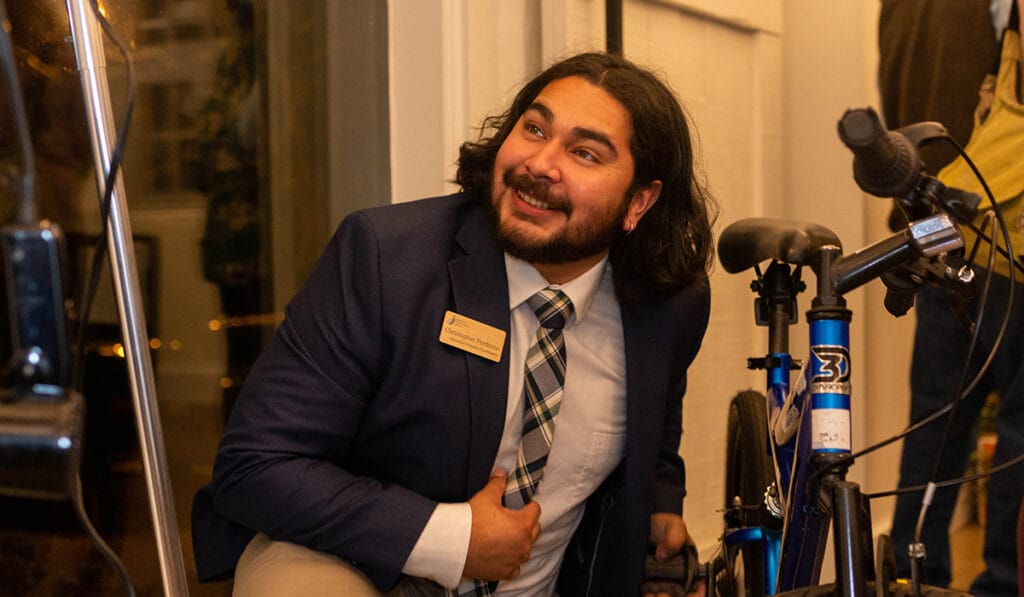
Christopher uses hands-on activities to teach his students about energy conservation, including this board to demonstrate how much energy it takes to light a lightbulb. /Courtesy Christopher Perdomo
, an AmeriCorps leader, is inspiring the next generation of environmental stewards in Winston-Salem, North Carolina. Through hands-on activities and an environmental debate tournament, Perdomo engages students in environmental science education. He believes everyone has the ability to contribute to their communities and encourages others to get involved.
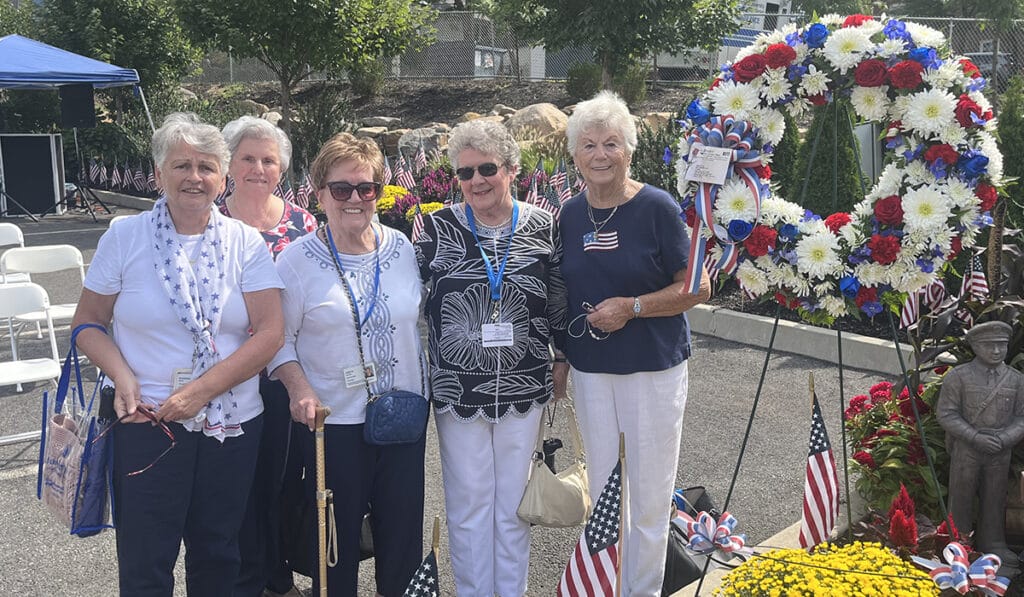
Sharon Mineo (Far left) helps with a variety of events to benefit the military and their families.
is a tireless advocate for military families, providing multifaceted support to ease the unique challenges of military life. Her work includes creating care packages and organizing fun, safe activities for children within military communities. This Daily Point of Light Award honoree exemplifies selfless dedication to service, extending her compassion to various causes beyond military support.
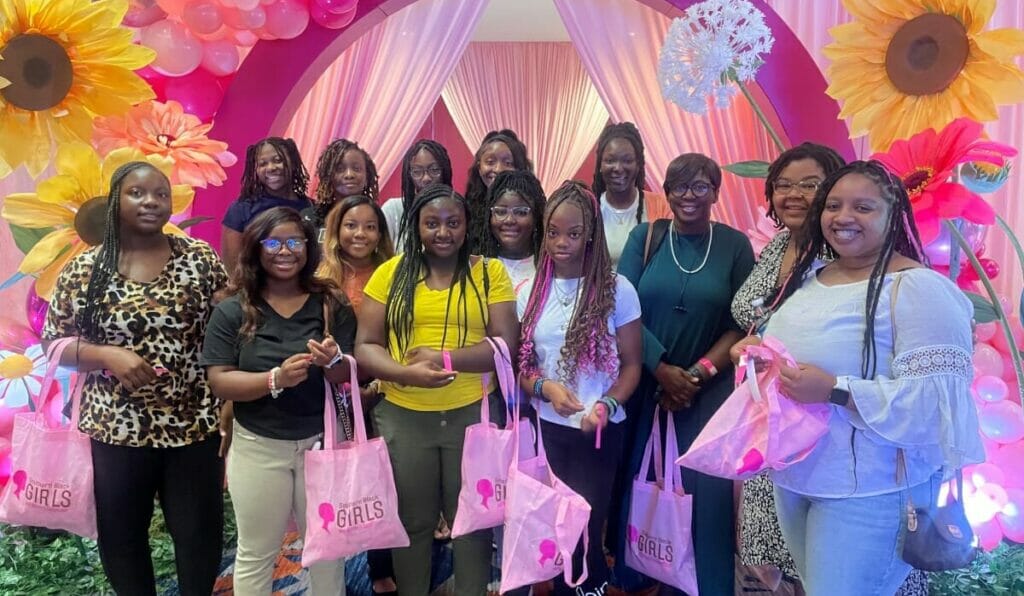
T’Kiyah [back row, third from left] joins the Southern Black Girl and Women’s Consortium in Memphis to engage in service including mentoring youth./Courtesy T’Kiyah Threatt
, a college senior and AmeriCorps member, exemplifies dedication to community service. She utilizes training opportunities to enhance her ability to address issues like mental health, education and addiction support. With her infectious enthusiasm and determination to make a difference, T’Kiyah is a rising leader who inspires others to act and create positive change.
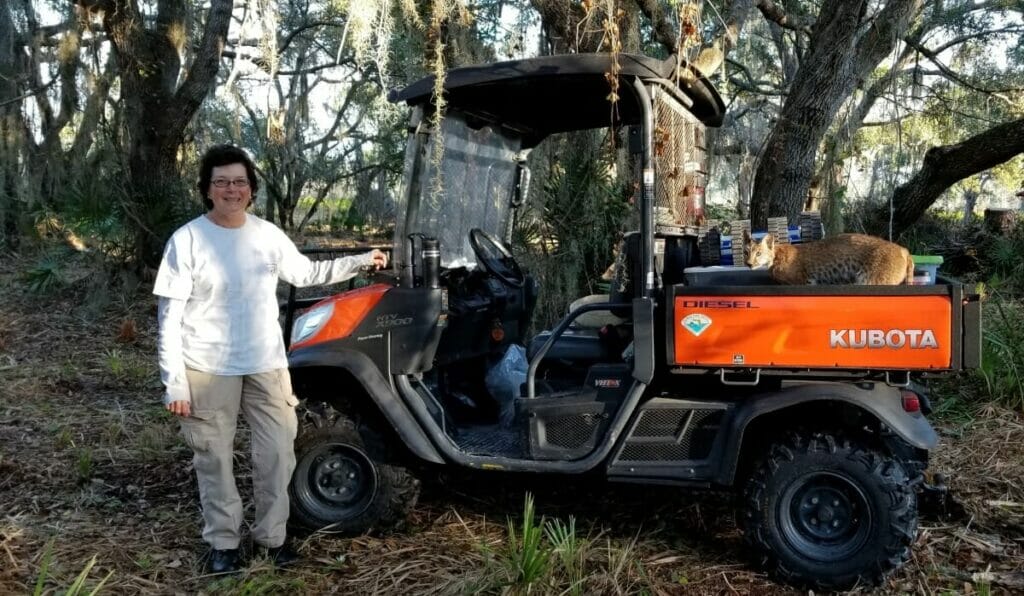
Francis Folkers has volunteered over 12,000 with Oscar Scherer State Park in Florida./Courtesy Francis Folkers
has found a fulfilling second act volunteering at Florida’s Oscar Scherer State Park. Motivated by her childhood connection to nature, she dedicates countless hours to park maintenance, invasive species removal and educating visitors. Francis values instant gratification, finding joy in the tangible results of her conservation efforts.
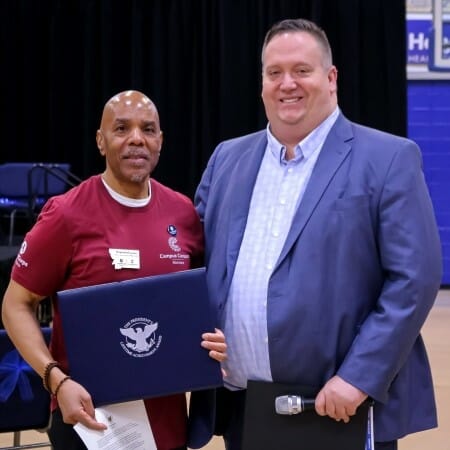
The Dean of Students at Miles Community College [right] awards Raymond [left] with the President’s Volunteer Service Award Lifetime Achievement Award for his 6500+ hours of volunteer service./Courtesy Raymond Knight
found a new direction as an AmeriCorps College Coach at Miles Community College in rural Montana. Despite initial culture shock, he’s thrived in his role. He established the college’s Career Services Center, co-teaches career skills classes and engages in community outreach initiatives. Raymond’s passion for helping students discover their paths, along with his newfound love for the outdoors, has inspired him to extend his AmeriCorps service and consider a longer stay in Montana.
Dr. Donielle Lovell is passionate about addressing structural and systemic barriers to access./Courtesy Donielle Lovell
, a Western Kentucky University professor, exemplifies community engagement and a lifelong dedication to service. Drawing inspiration from her own experiences in a Native American community, she fosters a culture of volunteerism with her students. Her work spans educational support, economic empowerment programs, environmental conservation and beyond. Dr. Lovell’s tireless efforts to nurture her community and combat inequities make her a true example of service as a way of life.
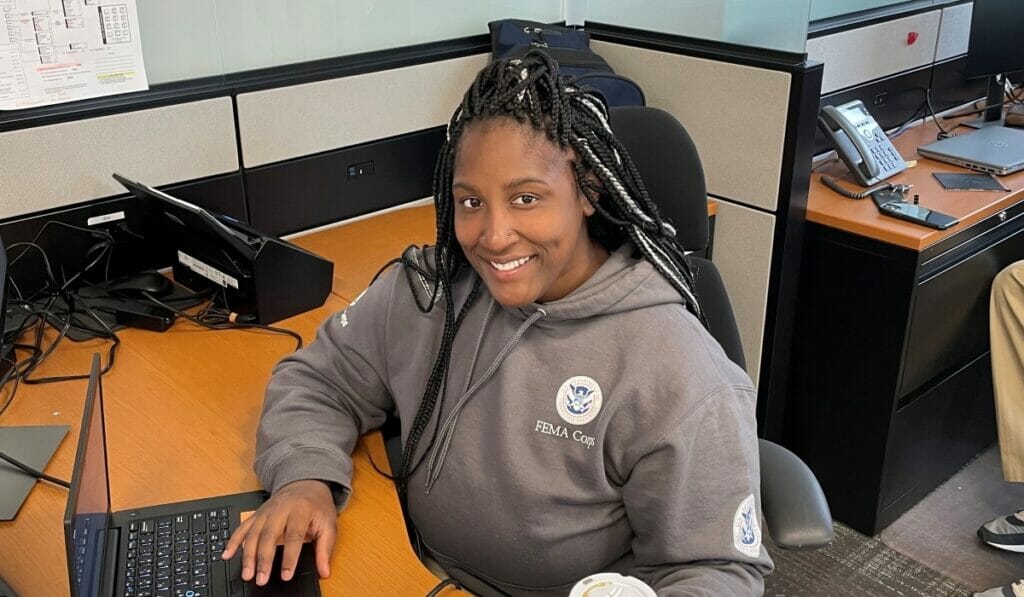
Daily Point of Light honoree 7,500, Joanna Glover, is a team leader with FEMA Corps, supporting disaster relief efforts across the country./Courtesy Joanna Glover
, honored as the 7,500th Daily Point of Light, uses her expertise in data analytics to make a difference in disaster response. As a FEMA Corps team leader, she supports teams on-site with vital data and analysis. Her previous service spanning hazard mitigation and environmental work underscores her commitment to helping communities before, during and after disasters.
If you know an extraordinary volunteer in your community who is a true changemaker, nominate them for a Daily Point of Light Award. And when you’re ready to contribute to something bigger, visit the AmeriCorps website to learn how you can get involved.
Ask a CSR Friend: Building the Case for Volunteer Time Off
Looking for CSR advice?
Hear from our experts right here in our Ask a CSR Friend monthly column.
Whether you’re a novice or a seasoned pro, we know it takes a village to create vibrant workplaces where employees are empowered to contribute to the communities and causes they care about. So, when you need a trusted advisor to lean on, rely on Points of Light to be your CSR Friend. Each month, our experts share their wisdom and wit to address a specific but often universal challenge related to your work as a corporate social impact practitioner.
Have questions about employee community engagement? Submit your question and it may be featured in a future blog post.
Dear CSR Friend,
I lead my employer’s community engagement strategy and, each year, when my team contemplates improvements, a large portion of our conversation centers on increasing employee participation. While we have plans to double-down on communication and better understanding employee interests, we know we could improve by simply ensuring that every employee, regardless of their role, has an opportunity to take time off to volunteer during the workday. We say that supporting communities is a core value but, honestly, it feels like it’s only for the chosen few—those who have flexible schedules because they’re not on the sales floor all day. How can I appeal to senior leaders that now is the right time to explore an enterprise-wide VTO policy?
Vexed by VTO in Vancouver
Dear Vexed,
If I had a nickel for every question we receive around boosting participation, I would be the richest social impact expert on earth! But what you’ve hit upon is actually bigger than hitting participation goals and touches leaders like yourself no matter the industry or size of company they work for. And that’s the issue of volunteer equity and access. I’ve seen many companies in recent years lift up their corporate values around diversity and inclusion, start new programs and reinforce public commitments but, when you look under the hood, it’s easy to see they’re viewing the employee experience through a myopic lens.
Good news: it can be done. Senior leaders have bought into implementing a volunteer time off policy for all even where it feels like an impossibility such as in manufacturing and retail environments. They understand that the benefits of having an employee volunteer program aren’t fully realized if only some of the employee population can take advantage.
Here’s my advice on how to make the case for developing and implementing a Volunteer Time Off (VTO) policy:
Understand Your Audience: Before presenting your case, understand the business priorities of your senior leaders. They each bring a different perspective to the table depending on what function they lead, so tailor your arguments to align with their goals.
Research and Gather Data: Collect data on the positive impacts of volunteerism on business goals like employee engagement, job satisfaction and recruitment. Use statistics to illustrate how a VTO policy can lead to improved employee morale and productivity. You can also use proof points from Edelman that highlight the disconnection that deskless workers feel to bolster your argument.
Highlight the Benefits for Employees: Emphasize how VTO can contribute to employees’ well-being along with personal and professional development. It provides them with opportunities to develop new skills, network and engage with the community, which can boost morale and job satisfaction. In fact, some of the unique skills these frontline employees possess are exactly what’s needed by your grantees and community partners.
Connect to Company Values: Demonstrate how a VTO policy aligns with the company’s values and commitment to social responsibility and inclusion and belonging. Ensuring all employees – even those in diverse roles and work settings – are eligible to participate sends a values-aligned message.
Address Potential Concerns: Anticipate and address any concerns senior leaders might have. Common concerns include potential productivity loss, scheduling conflicts, or abuse of the policy. Come to the table with solutions to mitigate these concerns.
Present a Pilot Program: Propose starting with a small-scale pilot program to test the impact of VTO. This tactic allows the organization to measure the benefits and make adjustments based on the initial experience before rolling out the policy company-wide.
Provide Details: Clearly outline how the policy could be implemented and maintained, including technology, communication plans and any necessary training for managers.
Quantify the Current Impact: Showcase the impact that your existing volunteer efforts and associated policies have on business and community priorities and how they could grow by ensuring every employee has the opportunity to participate. This step could include metrics such as employee engagement scores, positive feedback from consumers and community partners, progress on social issues important to the company, and the correlated cost savings due to decreased turnover. Demonstrate that what you’re doing now is just the tip of the social impact iceberg.
Implementing an enterprise-wide VTO policy that enables equitable access to your company’s social impact initiatives isn’t just good for employees; it’s also a significant way of fostering a sense of inclusion and belonging and deepening the employee experience – all incredibly important priorities to senior leaders as they deal with recruitment and retention challenges. Of course, implementing the policy is just the first step; it must be accompanied by continual education and reinforcement at all levels. But that’s a story for a future column.
Until Next Month,
Your
This engaging discussion will explore the role of strong mentorship, women in leadership, the impact women have serving on nonprofit boards and the importance of diverse boards. It will also examine global health for girls.
You’ll walk away with a renewed perspective on the ways women and girls show up in community and how we all have a role in elevating their voices.
, and the 2024 Points of Light Global Network Gathering, held in Warsaw, Poland. The theme of the summit was One World, One Response. This was an important theme for a unique and challenging time in the world. We talked about polarization and how volunteering, civic engagement and service not only help a challenging situation at hand but can bridge divides in a common pact of humanity.
Our Points of Light Global Network co-host for these two convenings was our Polish network affiliate
(Volunteer Center Association) under the direction of their amazing president, Agnieszka Lissowska-Lewkowicz. Centrum Wolontariatu celebrated its 30th anniversary last year and they focus on training volunteers and supporting businesses in being truly socially responsible while fostering cross-sector partnerships. I am eternally grateful to Agnieszka (pronounced Ag-nesh-ka) for coaching me on the pronunciations of names of the people that I needed to both introduce and interact.
It is just over a four-hour drive from Warsaw to the main Polish-Ukrainian Border Crossing Budomierz-Hruszów. The war in Ukraine, now going on for two years, was central to many of our discussions. We started the summit with a fireside chat with our Points of Light Board Chair, Neil Bush, in conversation with U.S. Ambassador to Poland Mark Brzezinski. Two sons of important U.S. officials, one a president and the other a national security advisor, discussing the current situation with Ukraine and also speaking of their fathers’ significant roles in both freedom for Poland and the collapse of communism. An example of two men across the isle who not only worked together for a common goal but in admiration of each other.
The panel I moderated continued the discussion of geopolitics, and polarization, with a focus on Ukraine and an emphasis on collaboration. Our panelist consisted of representatives from two companies – Provident, a Polish financial services firm, and UPS, the global logistics behemoth – an NGO dedicated to helping refugees, and the Polish Minister of Civil Society. Employee volunteering was central in the aftermath of the infusion of Ukrainian refugees, in fact it is estimated that half of all Poles were volunteering or helping in some way. Many took the refugees into their homes, helped financially, provided needed services, and schools for the children. Provident created a home for single moms from Ukraine and provided not only housing but also food, clothing, and many services. This was staffed by volunteers and Provident has now turned it into a separate NGO. It should be noted that that Minister Agnieszka Buczyńska was herself was a Volunteer Center leader in Gdańsk.
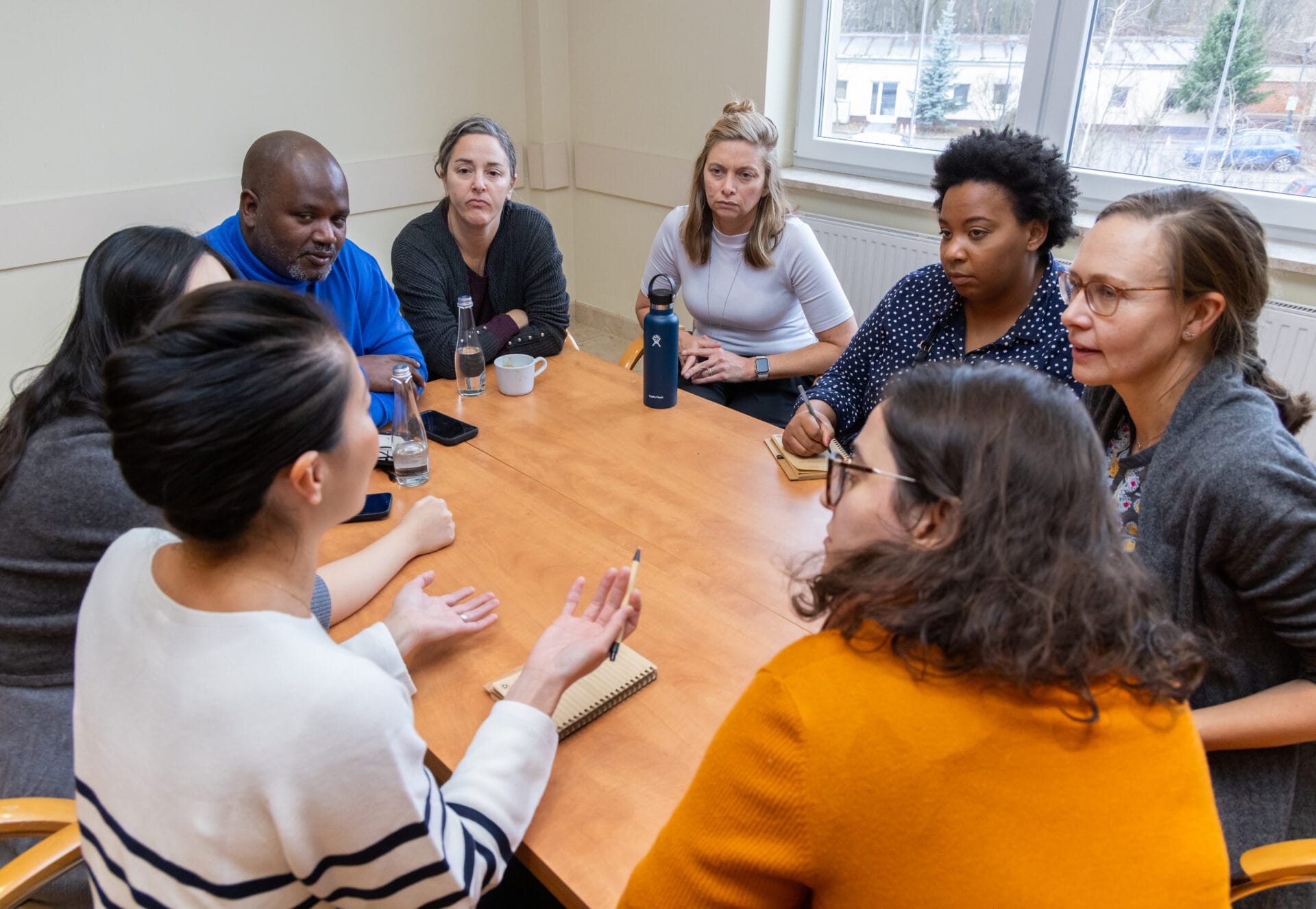
A discussion between Points of Light Global Network members
I was able to be with our Points of Light Global Network affiliates for two of their three day meeting. There are 145 NGOs from 39 countries in the Global Network. We had representatives from 25 countries with us spanning the globe from Brazil, Canada, Colombia, Croatia, France, Hong Kong, India, Ireland, Mexico, Philippines, Romania to the United States. While cultures, political systems, geography, and demographics range widely, the group shares a common belief that through volunteering and civic engagement we can make positive change in the world for those who need it most. Much of the time was in discussion both as a network and in small groups discussing successes, changes, opportunities and best practices. Scale is critical and looking through different lenses to see how something is done differently helps to spark innovation.
At one lunch Points of Light’s President & CEO Jennifer Sirangelo and I sat down with our two Global Network members, Olga Moloko and Luba Margolina, from Ukraine. The mission statement of their organization, the East Europe Foundation, states their work succinctly: We are changing our country and want to see it be modern and innovative, attractive to investors, and comfortable to live in. A country where the government is accountable, effective and responsible, and the people have opportunities to actualize their potential. I have learned over the last two years how resilient the Ukrainian people are. In the early days it was about relief, and while still important, they have moved forward as a country while at war. For instance, Olga is leading an effort to build bomb shelters at schools. Students are not allowed to attend in-person school without a bomb shelter, so they rose to the occasion and are building them. They are addressing current needs for a longer-term war while at the same time planning for rebuilding and the long-term future. So inspiring as they persevere against great odds.
I mentioned the word remembrance. It was not lost on me the significance of being in Warsaw in this turbulent world that at times reminds me of the Polish people’s experience in the last century. My first trip to Poland many years ago was to Gdańsk. This port city is known not only for the start of World War II and it’s subsequent annexation by the Nazis, but also for the start of the fall of the Soviet Union with Lech Walesa leading the charge at Solidarity. It is what happened during WWII in Poland what we must never forget. We visited the Monument for Ghetto Heroes. The monument marks the area where Polish Jews were forced to locate, and then where many were taken to camps such as Auschwitz. Just prior to WWII, 3.3 million Jews lived in Poland, more than any other country in Europe. At the end of the war, approximately 380,000 Polish Jews remained alive. The rise of authoritarianism, polarization, and increasing antisemitism in our world today are all important reasons to look back into the not-too-distant past as we must prevent history from repeating itself.